

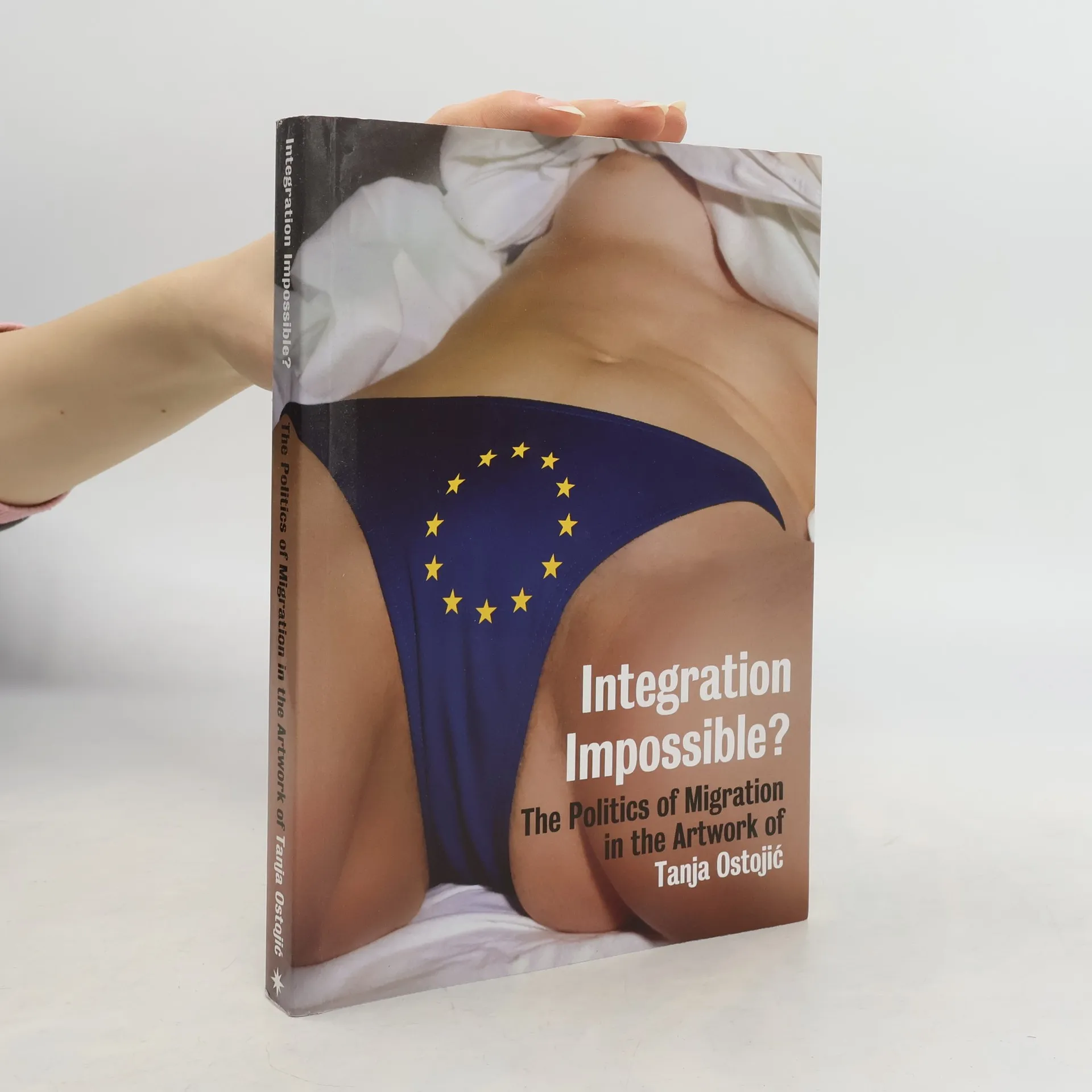
With essays by Pamela Allara, Manuela Bojadžijev, Adele Eisenstein, Rune Gade, Marina Gržinić, Suzana Milevska, Tanja Ostojić, Judith Surkis and Šefik Tatlić.Tanja Ostojić (*1972 Belgrade) is known for her political performances involving her own social figure. Her recent works, such as Looking for a Husband with EU-Passport, Crossing Borders Series and Naked Life, focus on various aspects of migration, but also include feminist ideas. The texts and images in this book are composed by outstanding Balkan, EU and US theorists and expand on the themes explored in this body of work, supplying additional insights. The book comprises colour images, written descriptions and commentaries on the three larger projects by the artist, as well as transcripts from discussions carried out in the framework of the actual works.
Marina Grz inic Books


Stories of Traumatic Pasts
Colonialism, Antisemitism, and Turbo-Nationalism
- 204 pages
- 8 hours of reading
"Belgian colonialism in the Congo. Antisemitism in Austria. Turbo-nationalism in former Yugoslavia. Over the last two centuries, these three historic lines of violence and annihilation (re)enforced a process of oblivion that to this day prevents a processing of the genocides they caused. Today involuntary or performed amnesia again threatens to destroy what has already come to a point of possible coexistence. This exhibition catalogue goes back to these traumatic events in history and the recent past, which had such a violent impact on communities and people, states and territories, and confront them with a system of interventions. The scars that remain after atrocities, although hidden and obliterated, are recovered through artistic, scientific, and political reflections"--Publisher's website
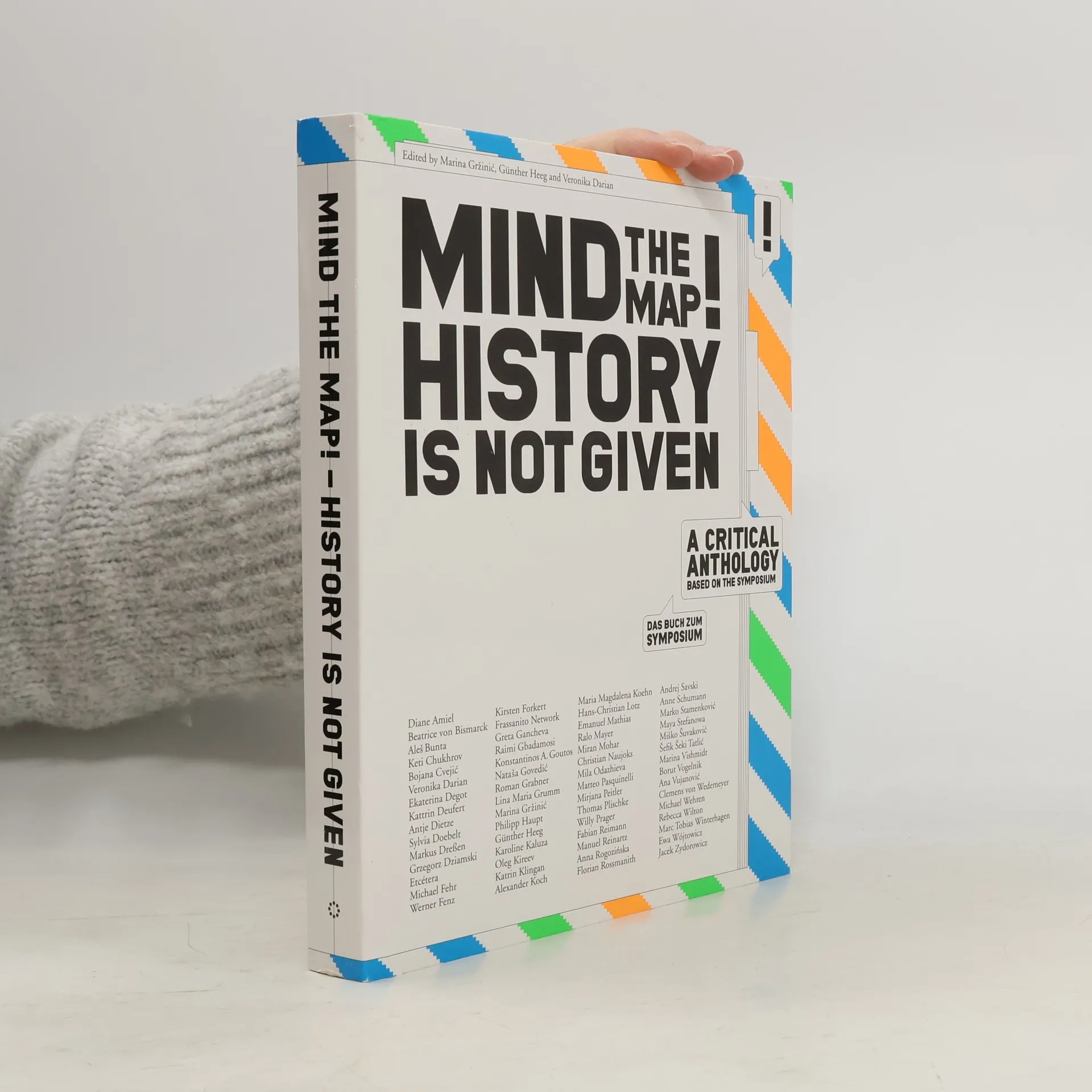
Mind the map! History is not given
- 272 pages
- 10 hours of reading
„Mind the Map! - History Is Not Given“ möchte eine Diskussionsplattform zu Kunst- und Kulturproduktionen schaffen, die an den Schnittstellen östlicher und westlicher Kunstrealitäten in Europa angesiedelt ist. Unser Ausgangspunkt ist das „East Art Map“ Projekt des slowenischen Künstlerkollektivs IRWIN. Es spürt der Geschichte der Kunstwerke und -prozesse im Territorium des östlichen Europa von den 1920ern bis heute nach. Das Ergebnis ist eine Karte mit Hunderten von Kunstwerken und künstlerischen Beziehungen in Zeit und Raum. IRWINS Impuls wiederum wurde von relations, einem Initiativprojekt der Kulturstiftung des Bundes, aufgegriffen: In einer zweiten Phase wurden acht Universitätspartner aus mehreren europäischen Städten zur Zusammenarbeit eingeladen. Sie nähern sich dem Projekt aus drei verschiedenen Perspektiven: der kunsthistorischen Perspektive, der Perspektive der Kultur- und Sozialwissenschaften, die den Diskurs um einen allgemeineren kulturellen, politischen, sozialen und medialen Hintergrund erweitert und einer performativen Perspektive, die Dramaturgie, Performance und kulturelle Interventionen umfasst.
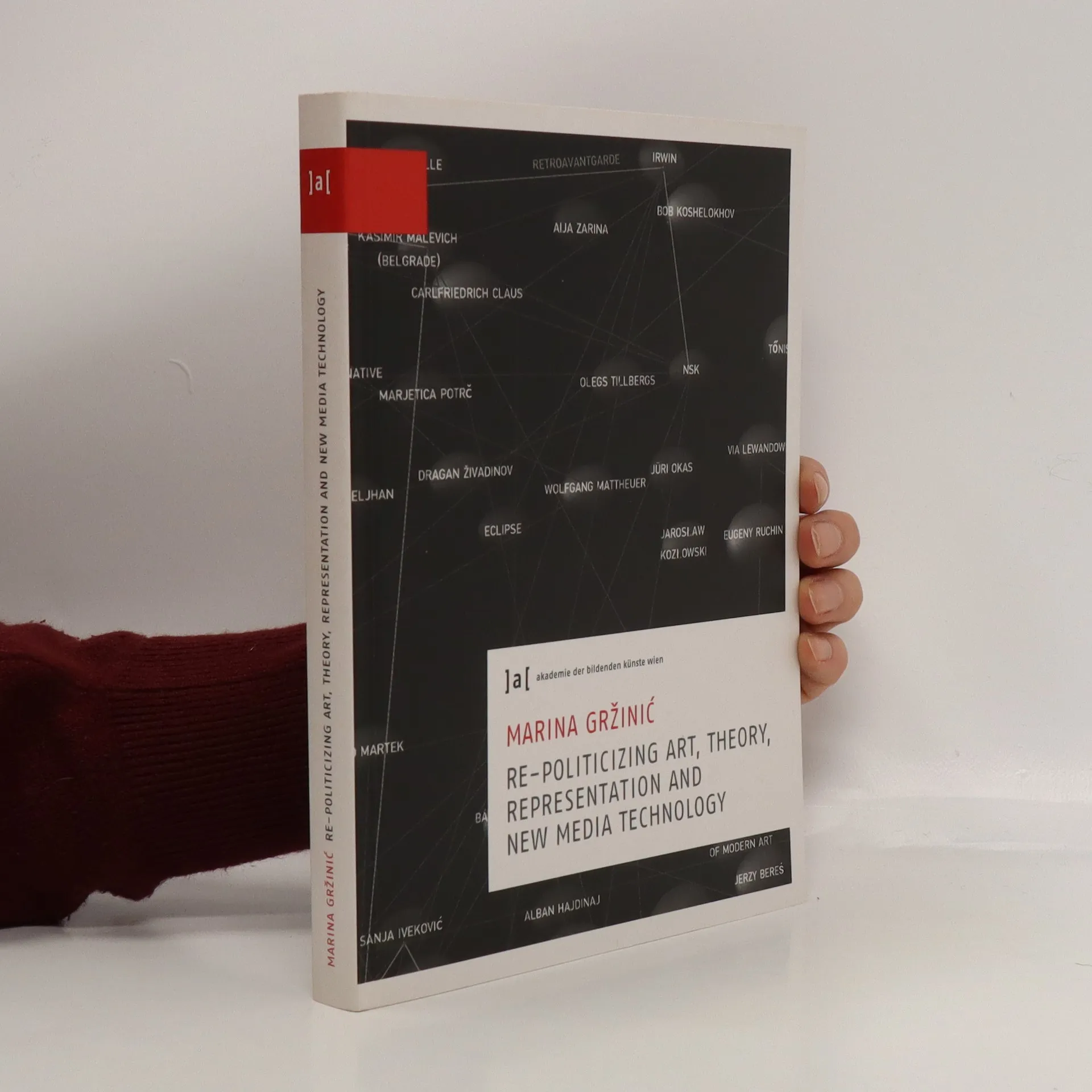
Re-politicizing art, theory, presentation and new media technology
- 238 pages
- 9 hours of reading
As new capitalist global exhibition projects emerge, incorporating selected Third and Second World artists, a nuanced system of inclusion and exclusion also develops. These initiatives signal significant conceptual and technological shifts, particularly through the technique of transfer that enables reproduction. The capitalist First World establishes dominant interpretations of other cultures, revealing a dialectical relationship between writing technology and publishing politics. The hierarchy of who can publish and interpret is tightly controlled within the capitalist framework. Major symposia, seminars, and panels support global cultural projects, perpetuating the same theoretical figures and public opinion leaders who reinforce the capitalist narrative. In the realm of global contemporary art and culture, the dynamics extend beyond mere exchange and production; they involve the delineation of political boundaries within public spaces, codifying these spaces and naming their political subjects. The critical question arises: alongside this codification, do spaces of resistance exist? Dr. Marina Gržinić Mauhler, a philosopher, artist, and theoretician based in Ljubljana and Vienna, explores these themes. She is a Professor at the Academy of Fine Arts in Vienna and a researcher at the Institute of Philosophy at the ZRC SAZU in Ljubljana, while also working as a freelance media theorist, art critic, and curator.