Wolfgang Kaleck is the founder and General Secretary of the European Center for Constitutional and Human Rights (ECCHR) in Berlin. Working with partners around the world, ECCHR initiates legal proceedings against individuals, corporations, and state actors who have breached human rights law. His work focuses on using legal avenues to hold powerful entities accountable for their actions.
Wolfgang Kaleck critiques the selective nature of international criminal law, highlighting its failure to hold powerful Western states accountable for their crimes. He advocates for a truly universal legal framework that addresses these double standards, emphasizing the need for justice for all, including survivors of human rights violations. The book intertwines personal stories of survivors with a call for reform, arguing that genuine accountability is essential for a fair international criminal justice system.
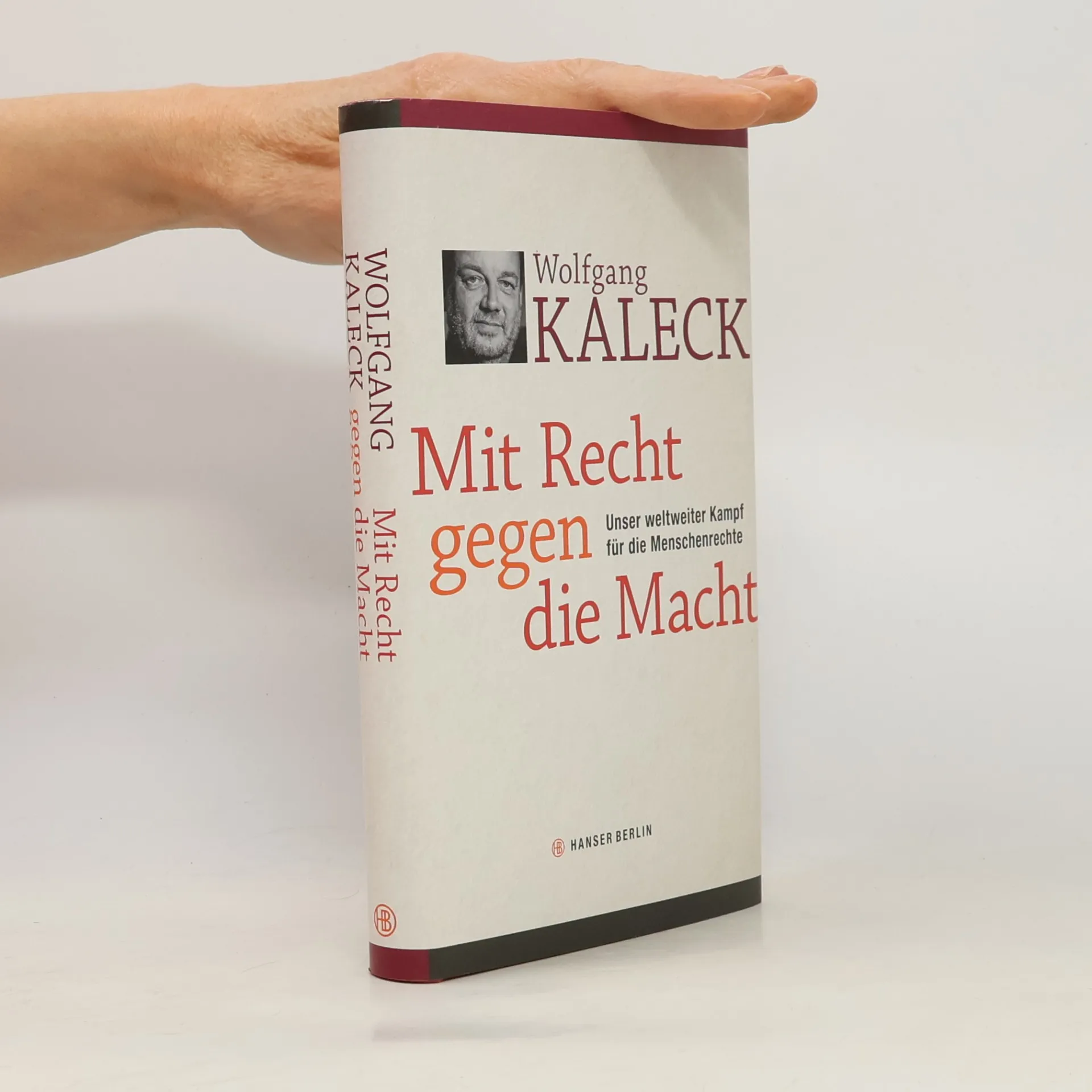
Überall auf der Welt nehmen Ungleichheit und Armut zu, die Menschenrechte werden mit Füßen getreten. Doch haben sie deswegen keine Bedeutung mehr? Oder muss man sie nur neu und frisch denken, um ihr transformatives Potenzial zu entfalten? Wolfgang Kaleck ist nicht nur der Anwalt von Edward Snowden, sondern war an zahlreichen Strafverfahren u.a. gegen Donald Rumsfeld oder gegen die argentinischen Militärdiktatoren beteiligt. Als Praktiker in weltweiten Kämpfen, auch gegen transnationale Unternehmen, entwirft er jetzt eine neue, eine konkrete Utopie. Er kritisiert den derzeit geläufigen, zu eng gefassten Menschenrechtsbegriff und weitet die Perspektive: durch einen Blick in die Geschichte und durch einen Blick auf verwandte Kämpfe weltweit. Damit nicht immer alles gleich bleibt und sich wirklich etwas ändert. Die internationale Revolution der Menschenrechte beginnt jetzt! »Ein überfälliger, kritischer Blick auf die Menschenrechtsbewegung von gestern und heute – und der Aufruf zu neuen Allianzen für die Menschenrechtsidee.« Markus N. Beeko, Generalsekretär von Amnesty International in Deutschland »Eine kämpferische Ode an eine konkrete Utopie. Wolfgang Kaleck zeigt eindringlich: Wenn wir die Verteidigung der Menschenrechte aufgeben, verabschieden wir uns von der wichtigsten Ausformulierung unserer Menschlichkeit.« Ilija Trojanow
Wolfgang Kaleck ist bekannt als Rechtsvertreter von Edward Snowden, doch seine Geschichte reicht viel tiefer. Als idealistischer junger Anwalt vertritt er zur Nachwendezeit in Deutschland Opfer von Stasi und Neonazis. Bei Reisen in Südamerika trifft er auf Menschen, deren Leben von Folter und Gewalt geprägt sind. Erst jetzt wird ihm klar, dass er sich ganz dem Kampf um Menschenrechte widmen will – nicht als Einzelner, sondern als einer von vielen, die sich für eine bessere, solidarische Welt einsetzen. Heute ist er ein weltweit agierender politischer Jurist und Aktivist. Wie er dazu wurde, was ihn geprägt hat und warum die Frage nach den Menschenrechten immer auch eine Systemfrage ist, davon handelt dieses Buch.