Vixen
- 480 pages
- 17 hours of reading
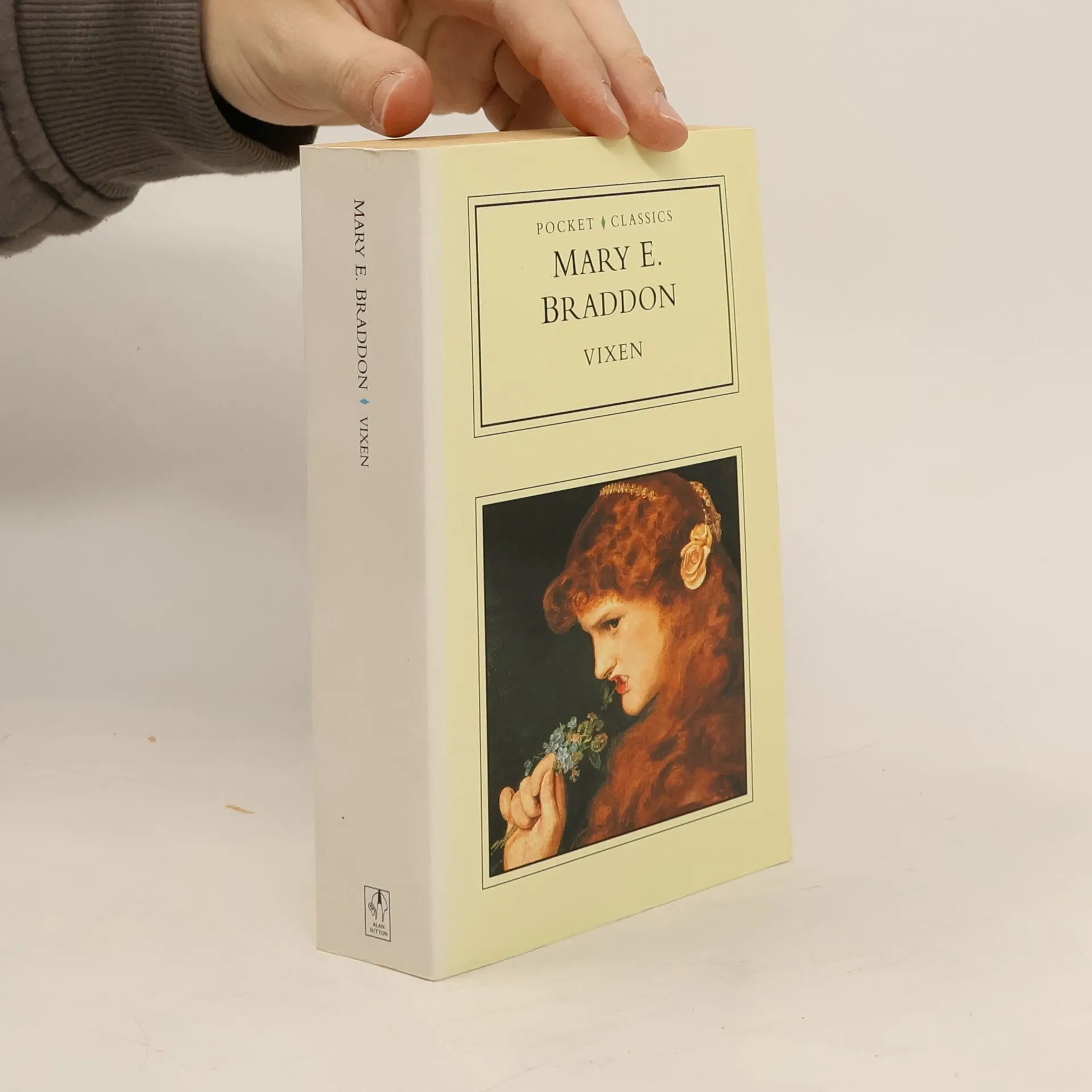
A 19th-century novel about a woman who, when confronted by treachery and deceit is forced to use all her ingenuity and courage to preserve her integrity.


Mary Elizabeth Braddon was a prolific British novelist, recognized as a defining voice of the Victorian "sensation fiction" genre. Her novels are celebrated for their exceptionally inventive plots, often delving into the darker aspects of society during her era. Braddon's work achieved widespread popularity, leading to numerous adaptations for stage and screen. Beyond her fiction, she also established and edited influential literary magazines, marking a significant contribution to the literary landscape of her time.

A 19th-century novel about a woman who, when confronted by treachery and deceit is forced to use all her ingenuity and courage to preserve her integrity.
This is a pre-1923 historical reproduction that was curated for quality. Quality assurance was conducted on each of these books in an attempt to remove books with imperfections introduced by the digitization process. Though we have made best efforts - the books may have occasional errors that do not impede the reading experience. We believe this work is culturally important and have elected to bring the book back into print as part of our continuing commitment to the preservation of printed works worldwide.
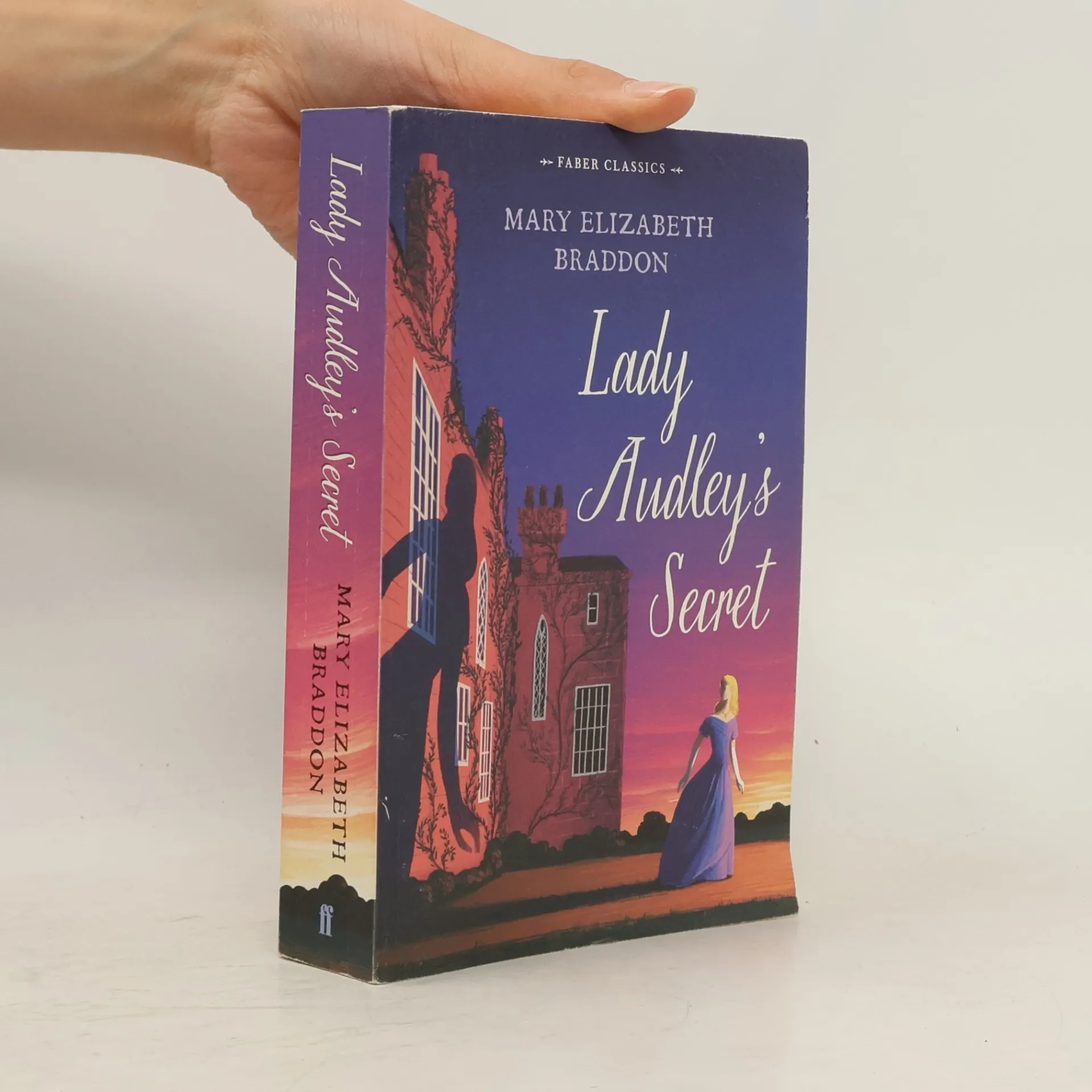
They are the stronger sex, the nosier, the more persevering, the most self- assertive sex.'The beautiful and innocent-seeming Lady Audley is uncovered in this stunning novel that combines a crime thriller with historical drama to create an unputdownable tale that has been perennially popular since its publication in 1862.
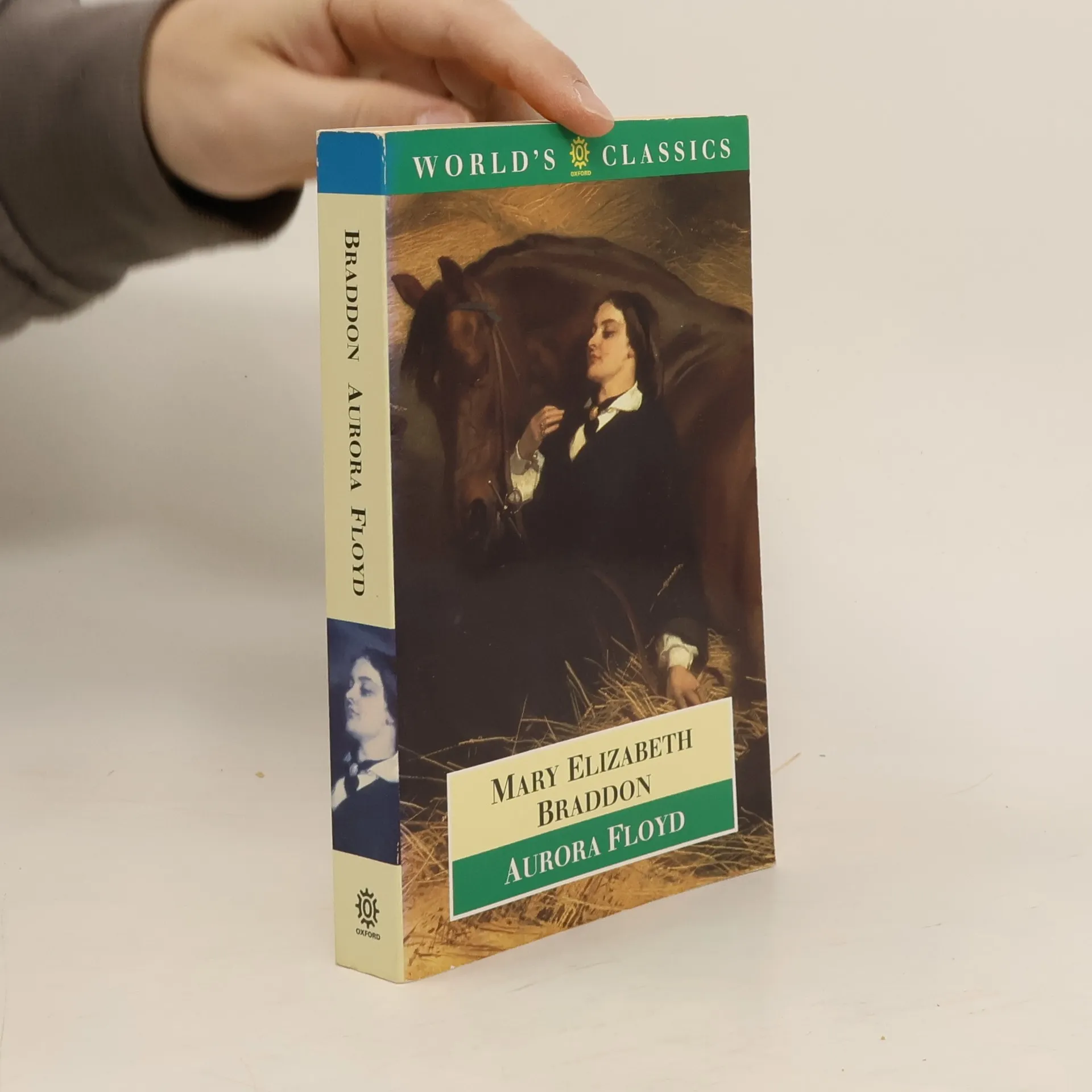
Aurora Floyd (1862-3) and Braddon's earlier novel Lady Audley's Secret established her as one of the ruling triumvirate of the popular and notorious "sensation novelists." Like Lady Audley, Aurora is a beautiful young woman bigamously married and threatened with exposure by a blackmailer. In this, the only critical edition of a popular "sensation novel," P.D. Edward's introduction evaluates its leading place among "bigamy-novels" and Braddon's treatment of the power struggle between the sexes, as well as considering the similarities between the author and her heroine.
This volume offers a faithful reprint of the original 1867 edition, preserving the quality and content of the early work. It provides readers with a glimpse into the historical perspectives on birds of prey, showcasing the author's insights and observations from that time. The book is ideal for enthusiasts of ornithology and history alike, reflecting the enduring fascination with these majestic birds.
When The Doctor's Wife was first published in 1864, Mary Elizabeth Braddon was well known for her scandalous bestseller, Lady Audley's Secret. Adultery, death, and the spectacle of female recrimination and suffering are the elements that combine to make The Doctor's Wife a classic women's 'sensation' novel. Yet it is also Braddon's most self-consciously literary work and her rewriting of Madame Bovary. Like Emma Bovary, Braddon's heroine, Isabel Gilbert, is trapped in a marriage to a man incapable of understanding her imaginative life. But Braddon's novel differs vastly from Flaubert's in the nature and consequences of Isabel's 'affair'.
Die achtzehnjährige Bella Rolleston wird Gesellschafterin der reichen Lady Ducayne und begleitet sie nach Italien. Zwei Vorgängerinnen sind unter mysteriösen Umständen gestorben, und Bella fühlt sich zunehmend unwohl, hat seltsame Träume und entdeckt Narben an ihren Armen. M. E. Braddon erzählt hier eine moderne Vampirgeschichte, die ein Jahr vor Bram Stokers „Dracula“ erschien.