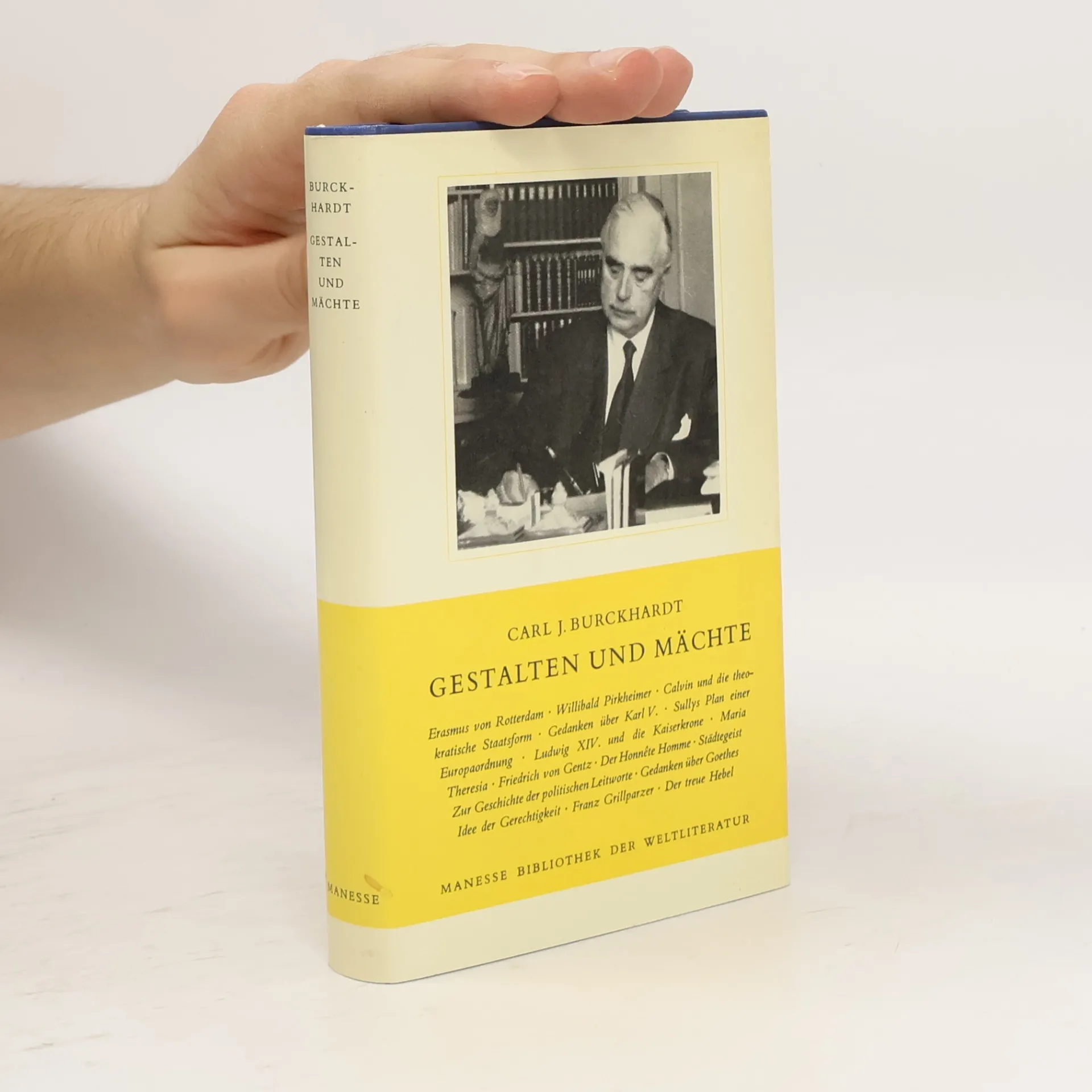
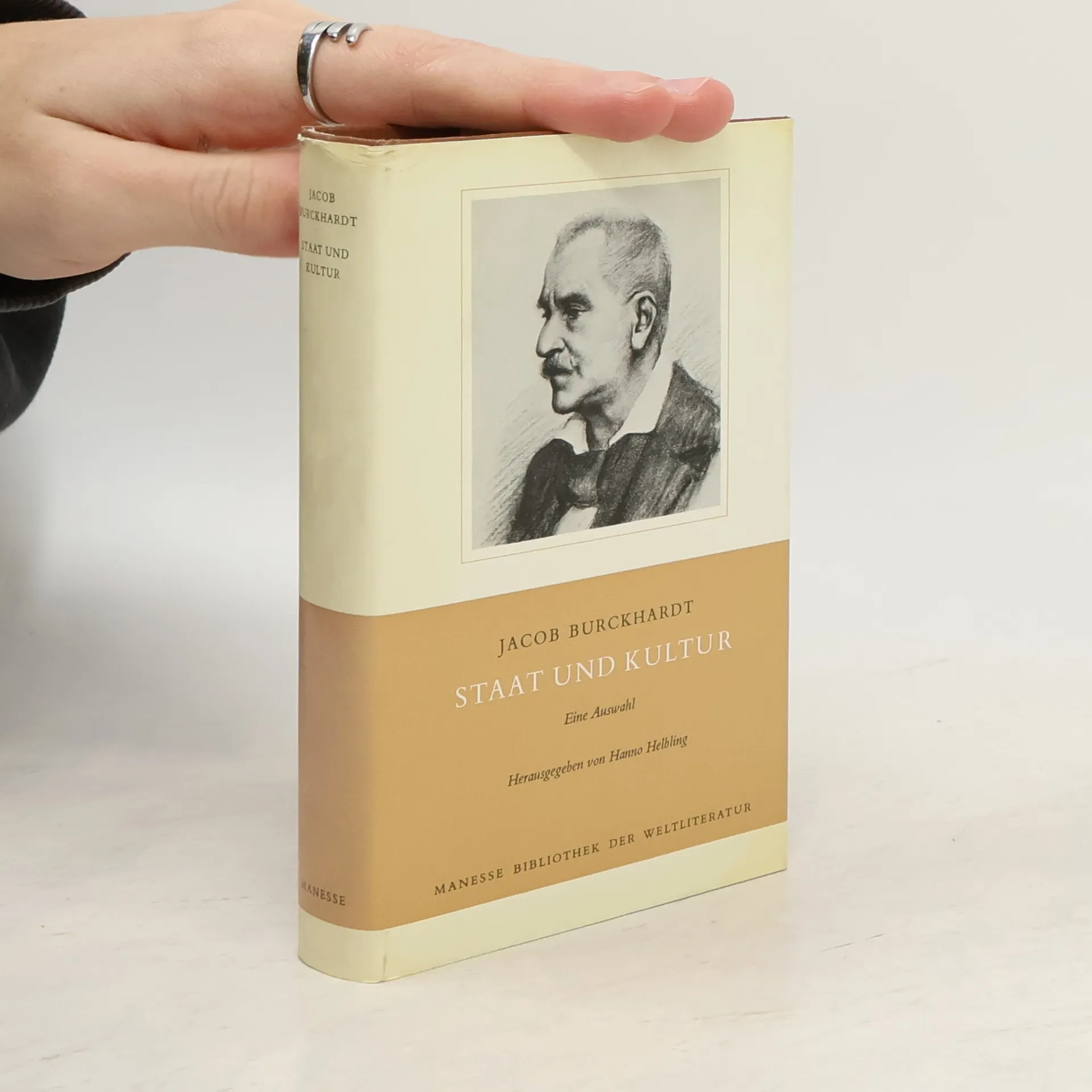
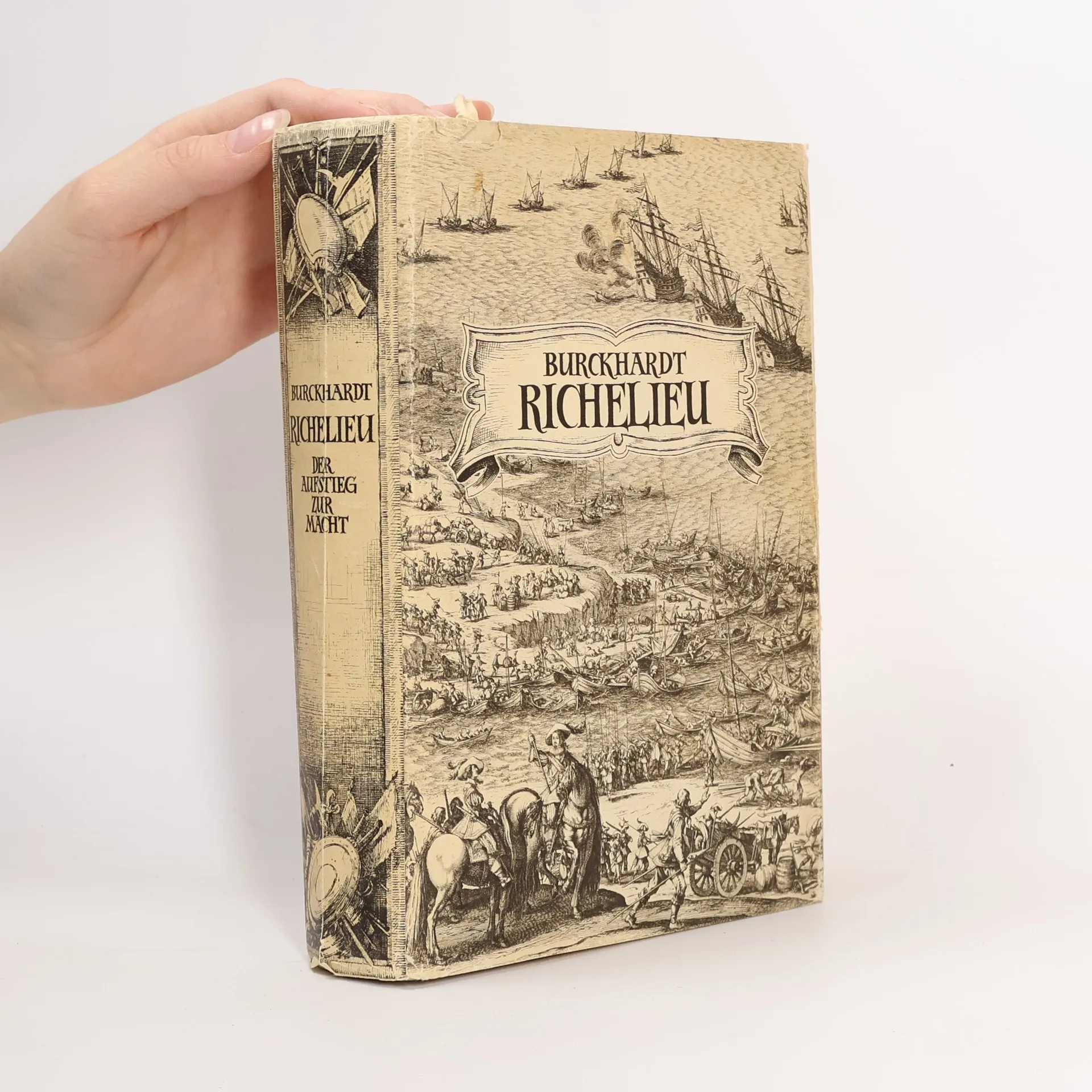
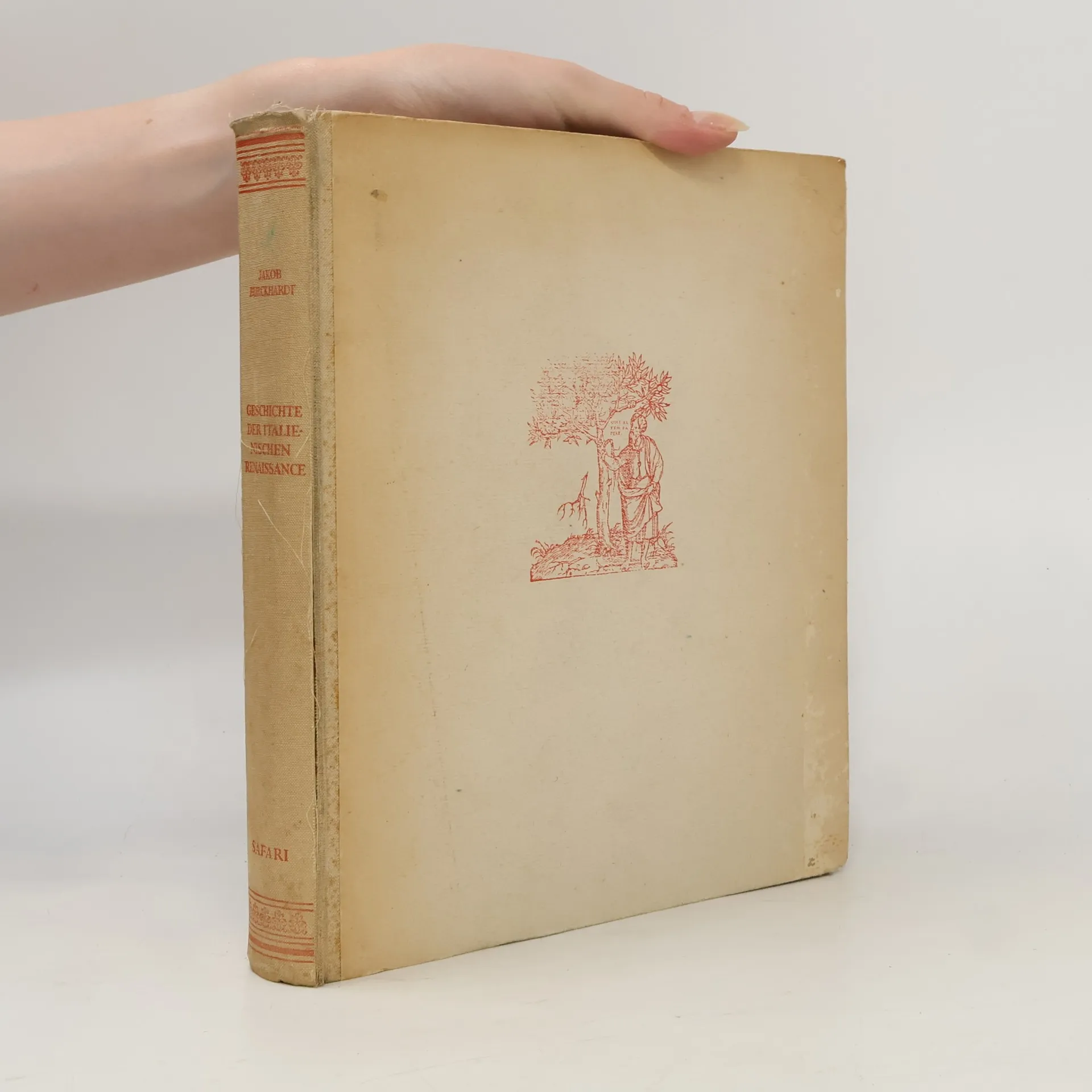
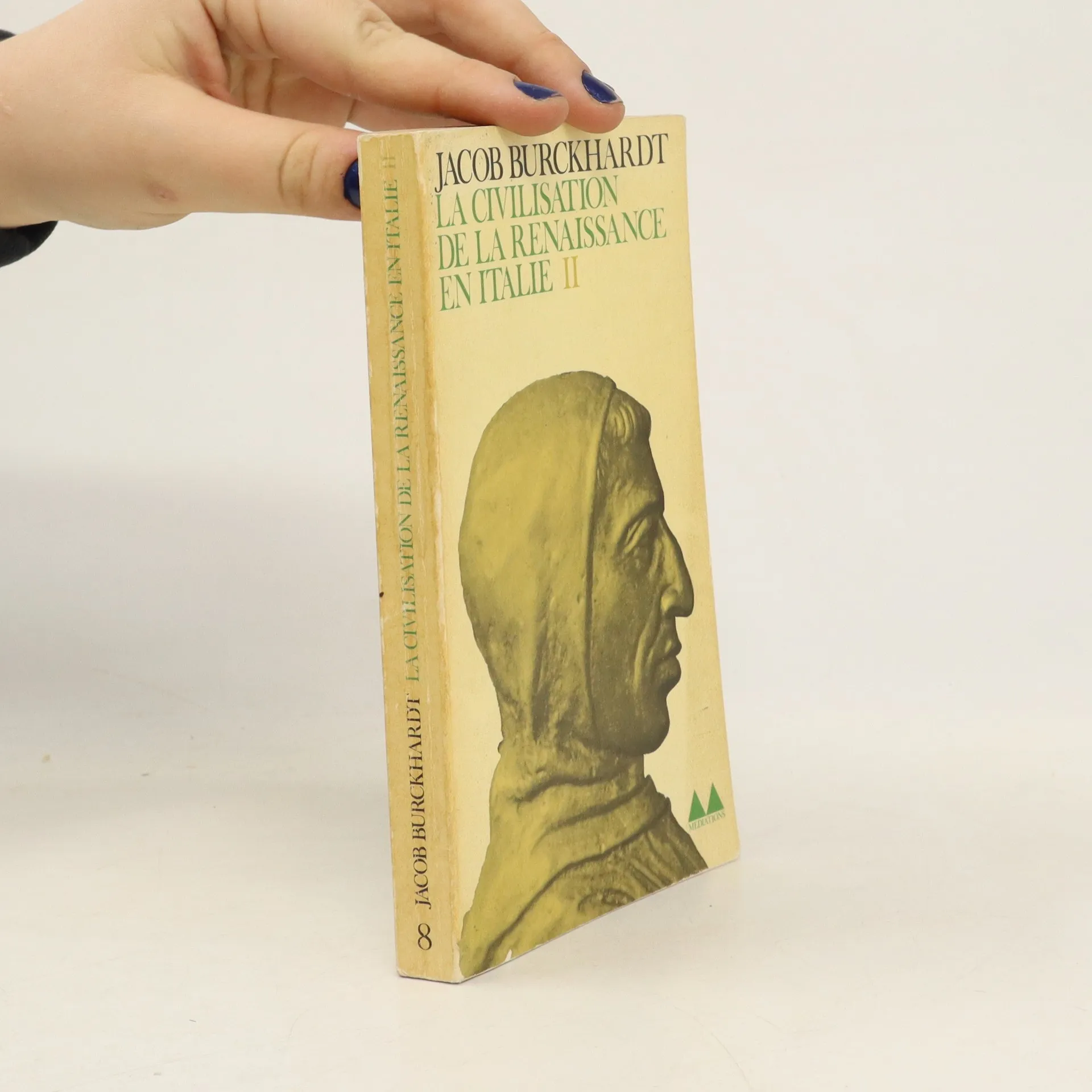
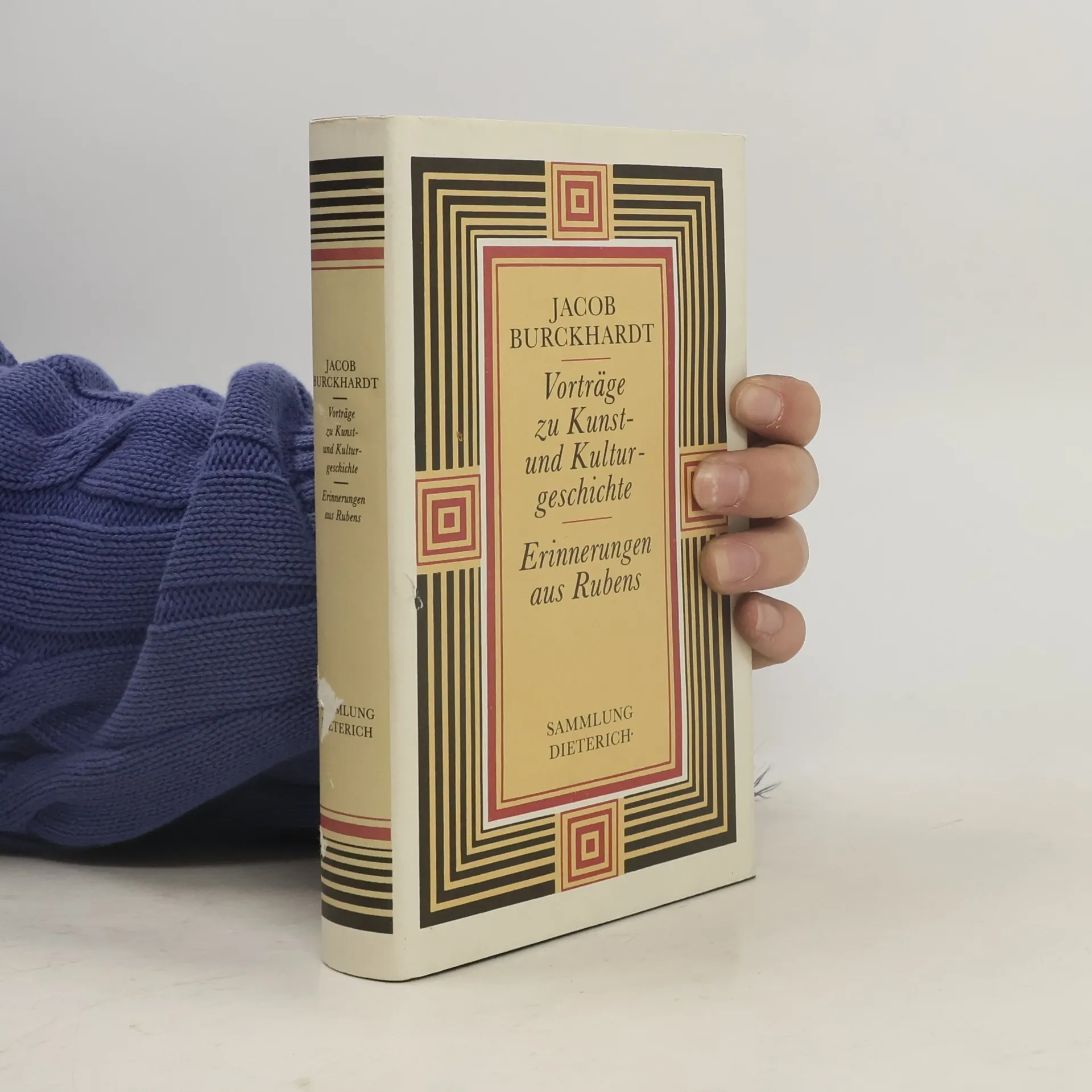
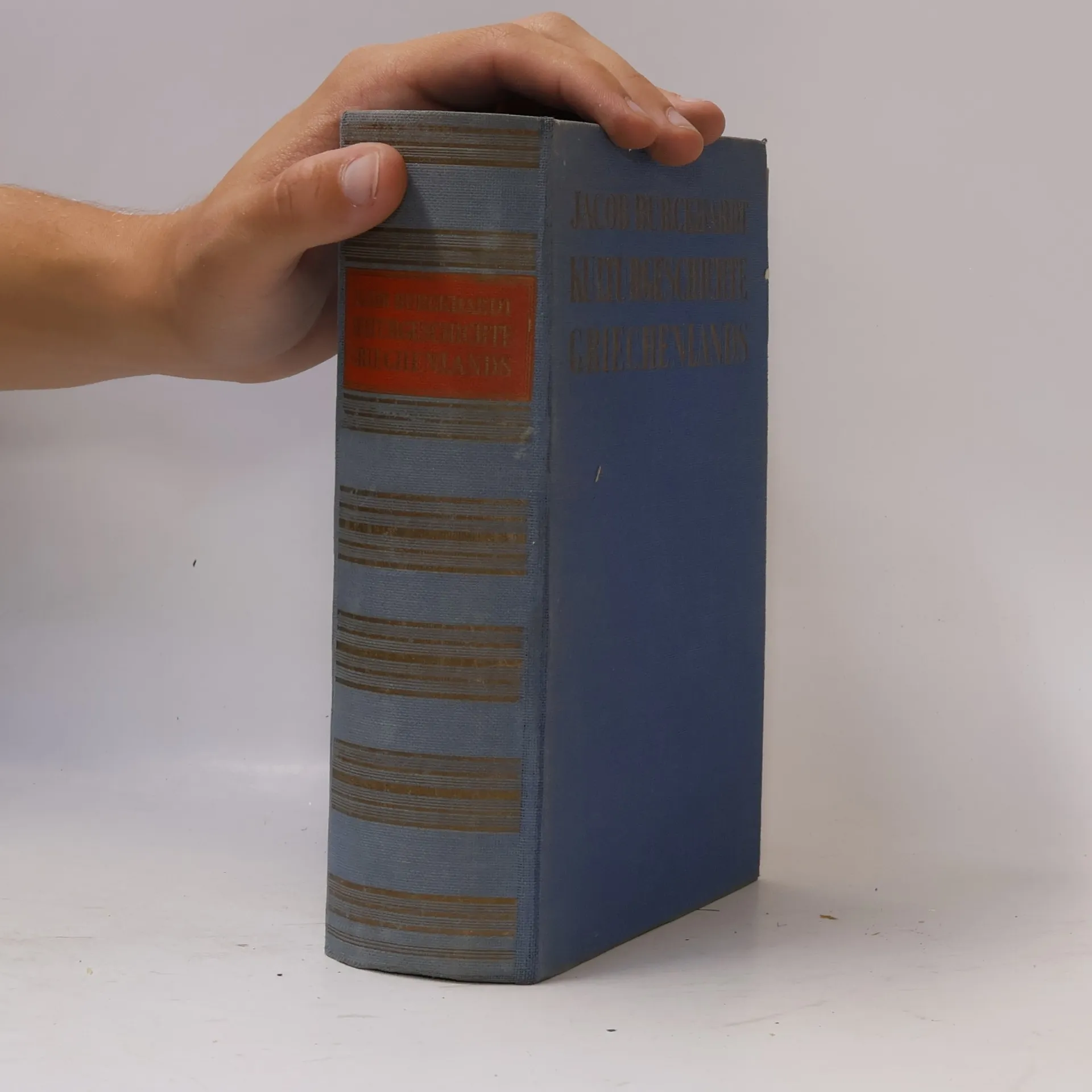
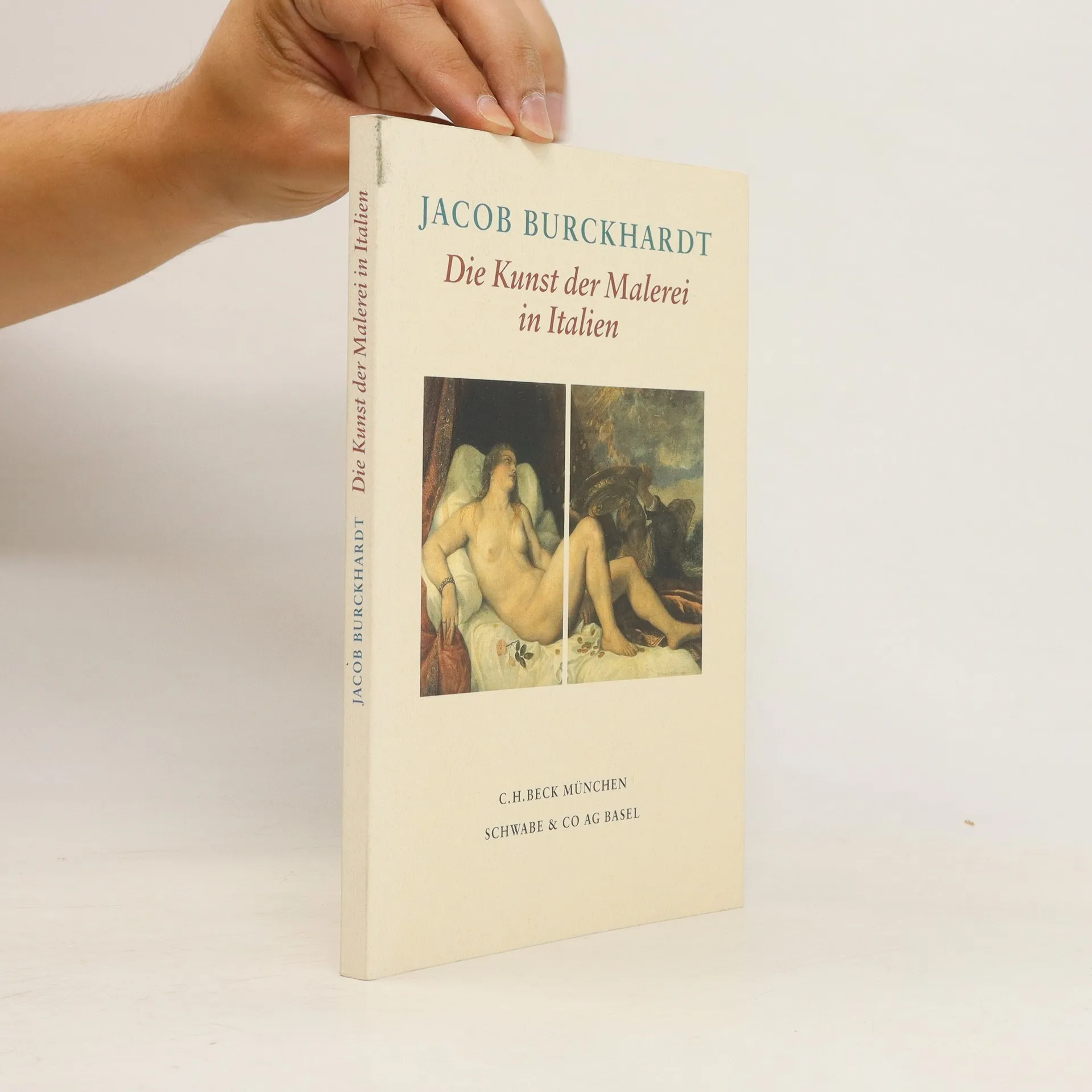
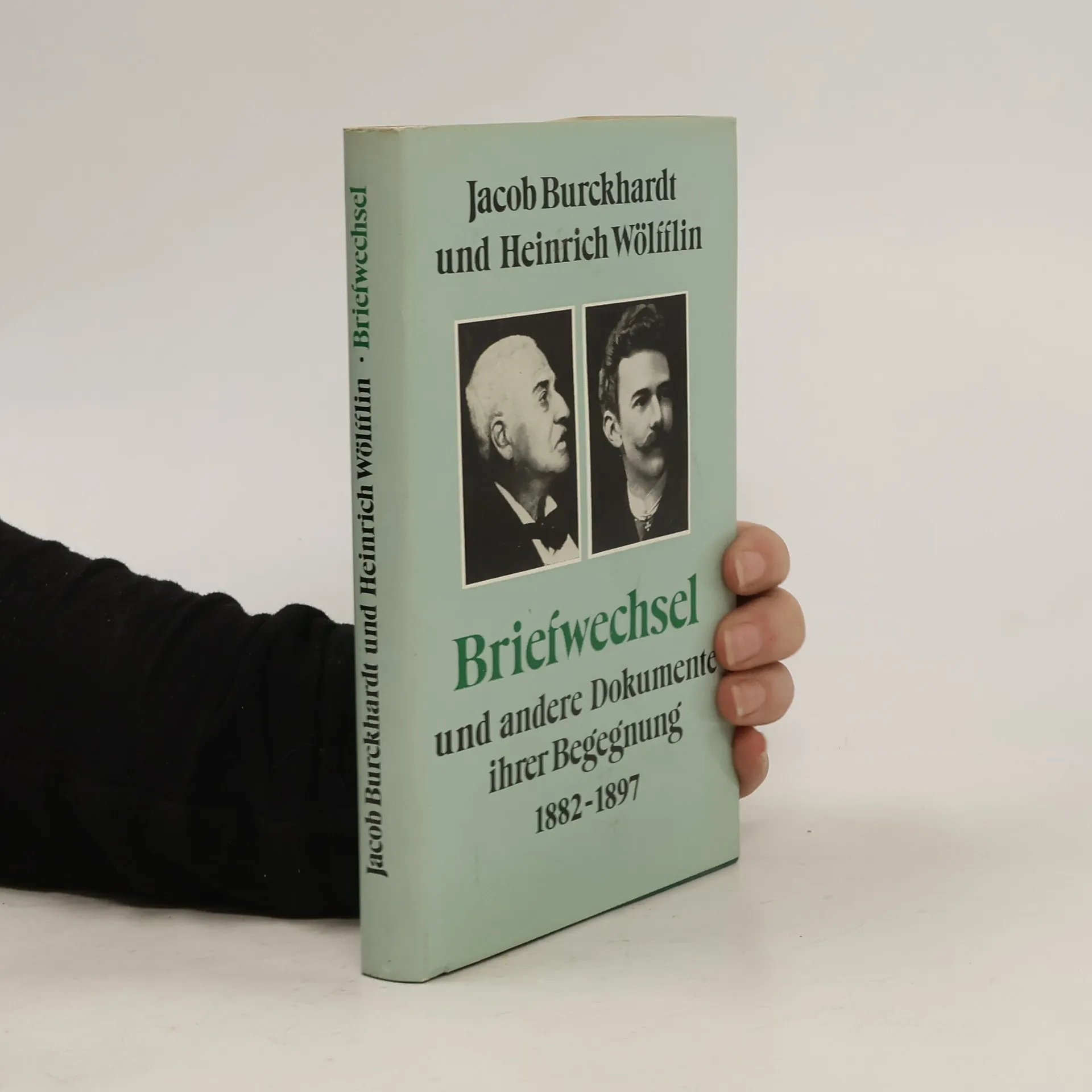
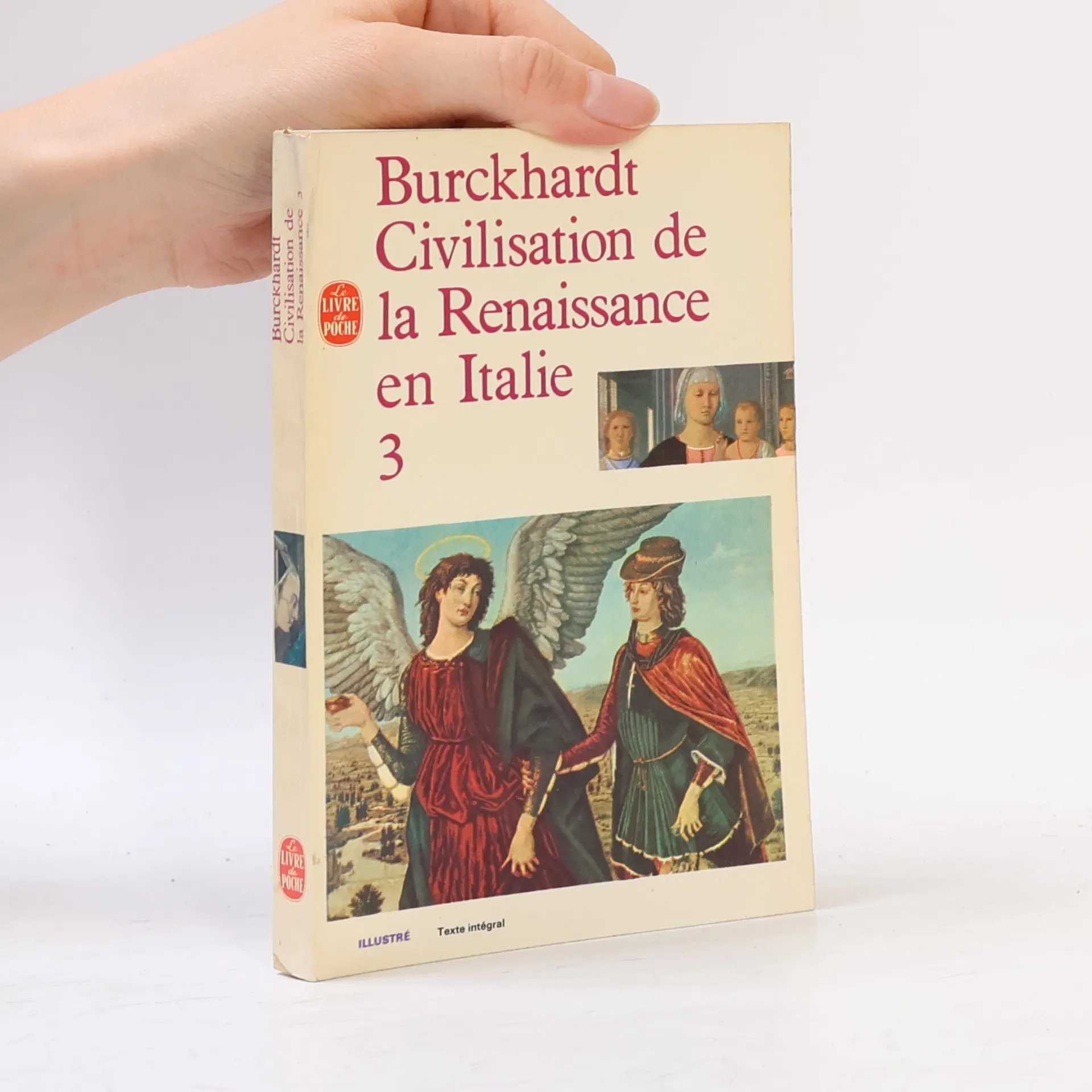
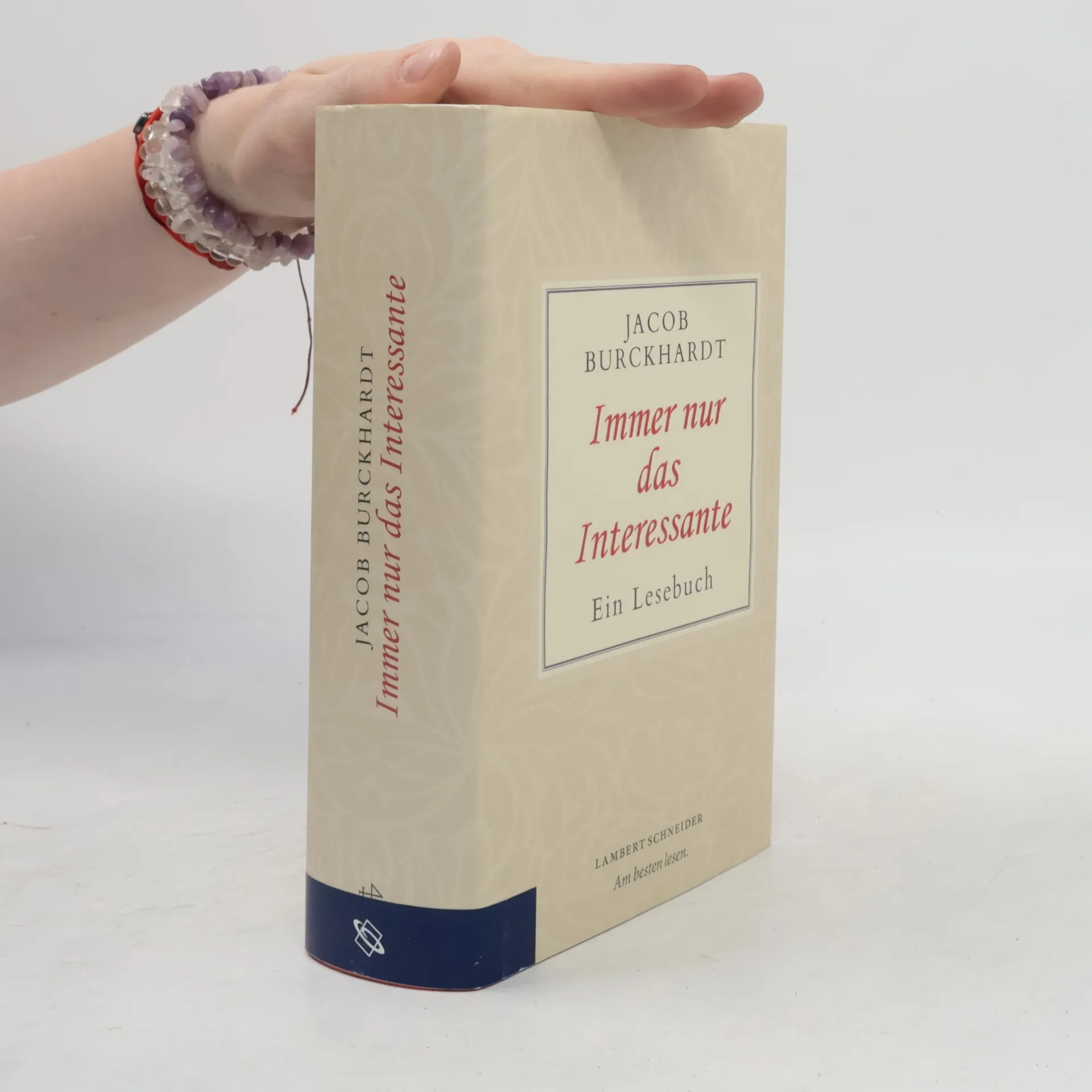
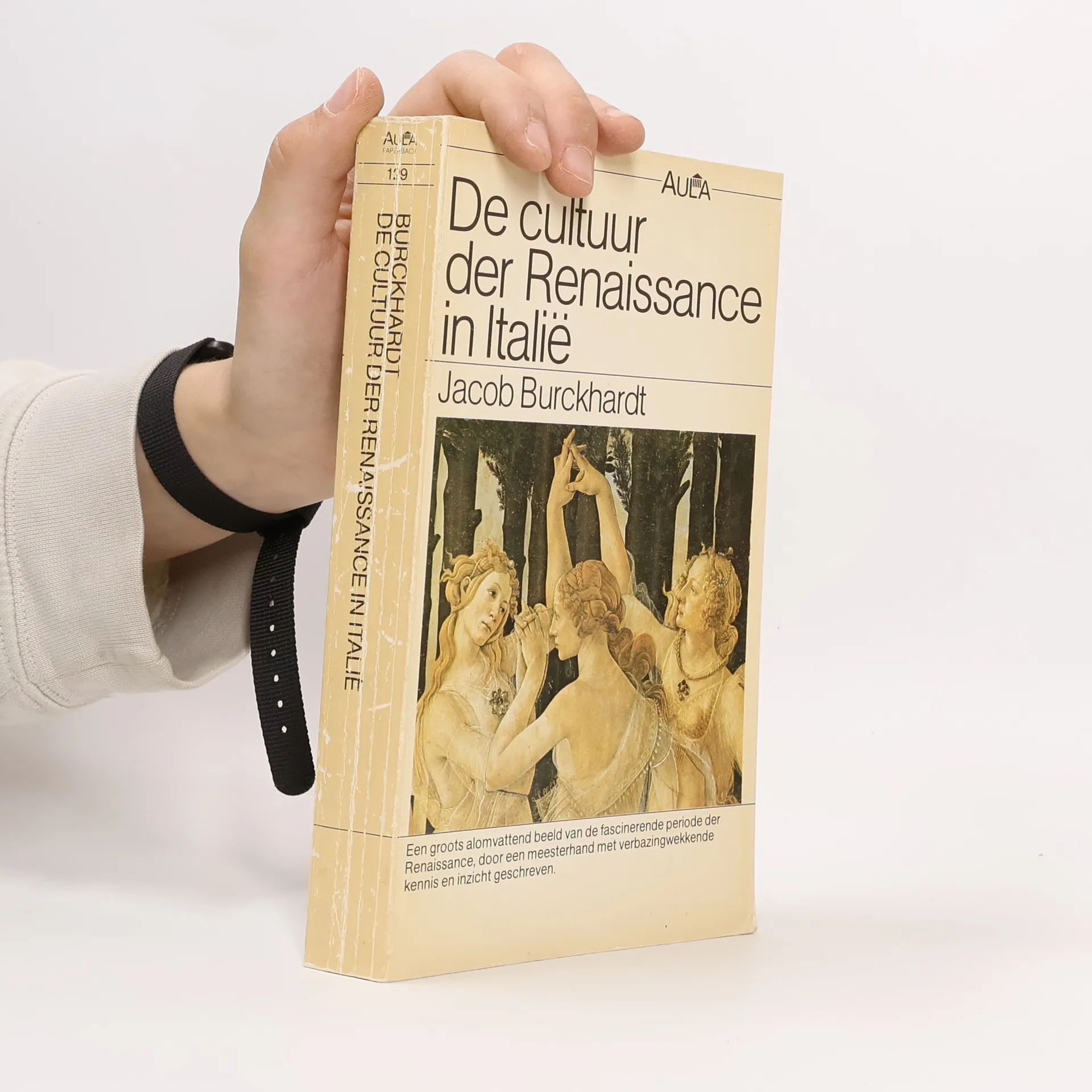
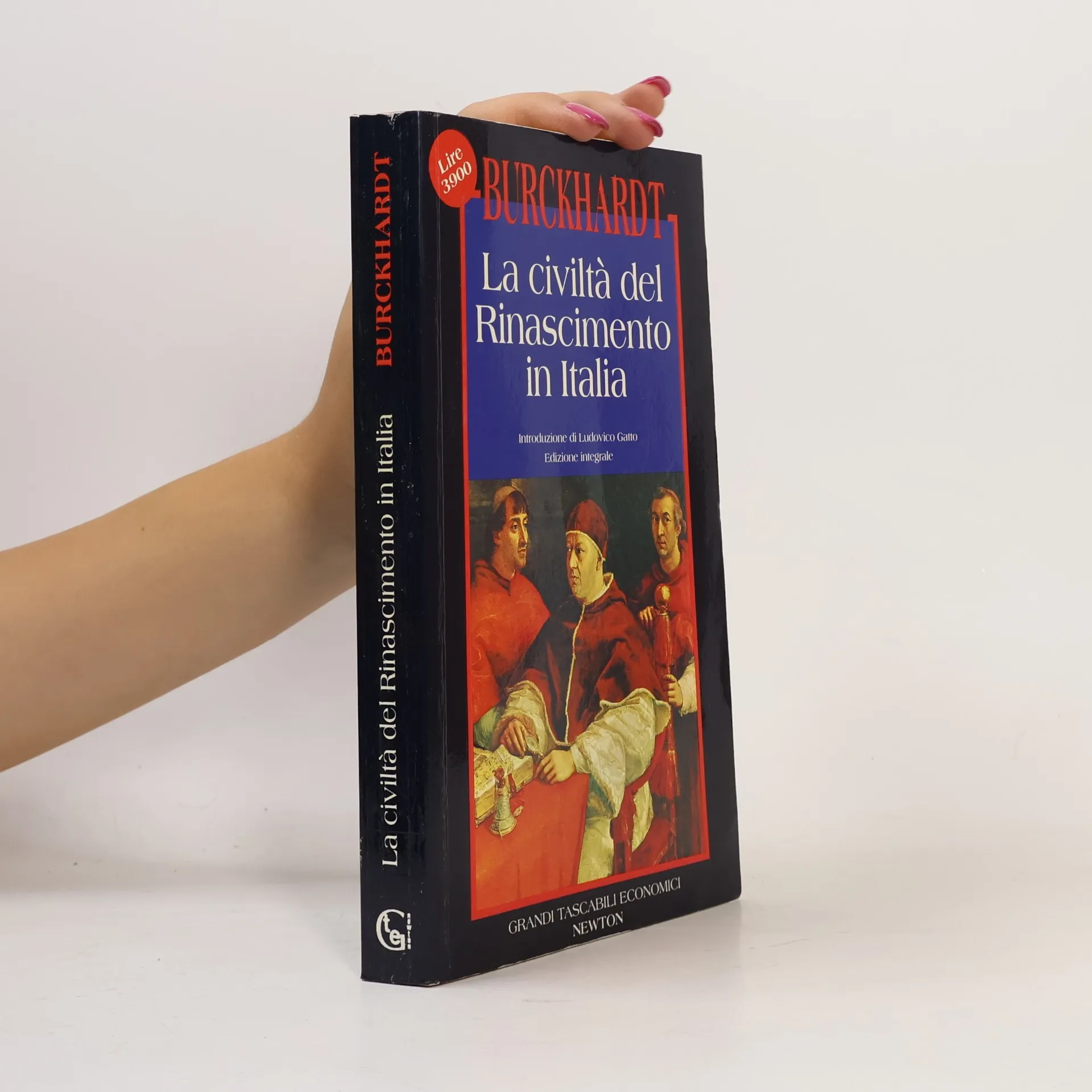
Carl Jacob Christoph Burckhardt was a historian of art and culture, profoundly influencing the historiography of both fields. He is recognized as a principal progenitor of cultural history, though his approach differs significantly from contemporary academic conceptions. His work pioneered a holistic study of historical periods, encompassing not only visual arts but also social institutions and daily life, offering a comprehensive view of an era.
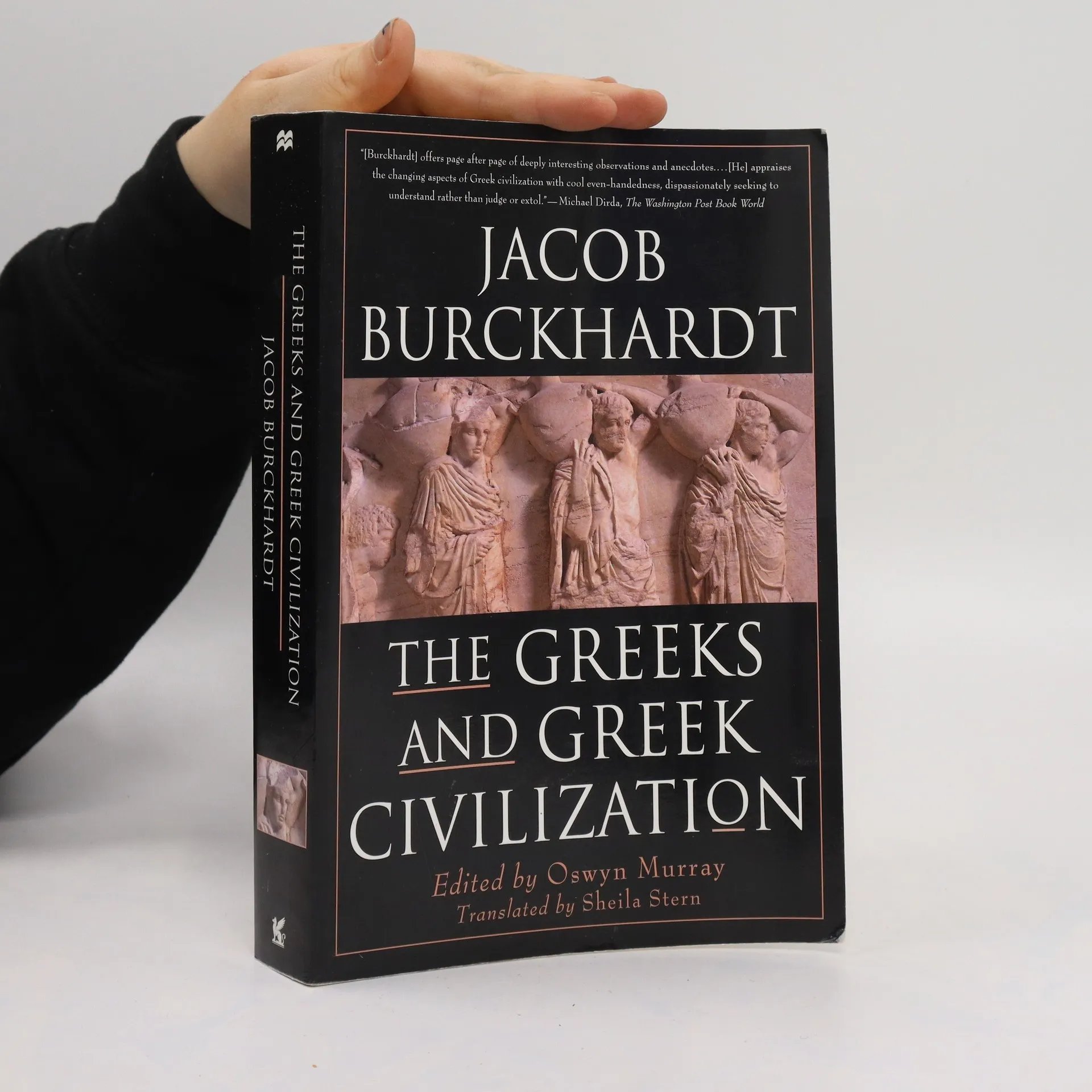
In 1872, Jacob Burckhardt, one of the preeminent historians of classical and Renaissance culture, presented this revolutionary work, which portrays ancient Greek culture as an aristocratic world based on a ruthless competition for honor, a competition that led, in turn, to a tyranous state with minimal personal freedoms. Burckhardt's landmark project, the culmination of thirty years of scholarlship by leading Oxford historian, Oswyn Murray, offers a rich cultural history of a fascinating society.
The book offers a reprint of a classic work originally published in 1873, preserving its historical significance and literary style. Readers can explore the themes and insights of the period, gaining a deeper understanding of the context and societal issues of the time. This edition is ideal for those interested in vintage literature and the evolution of storytelling.
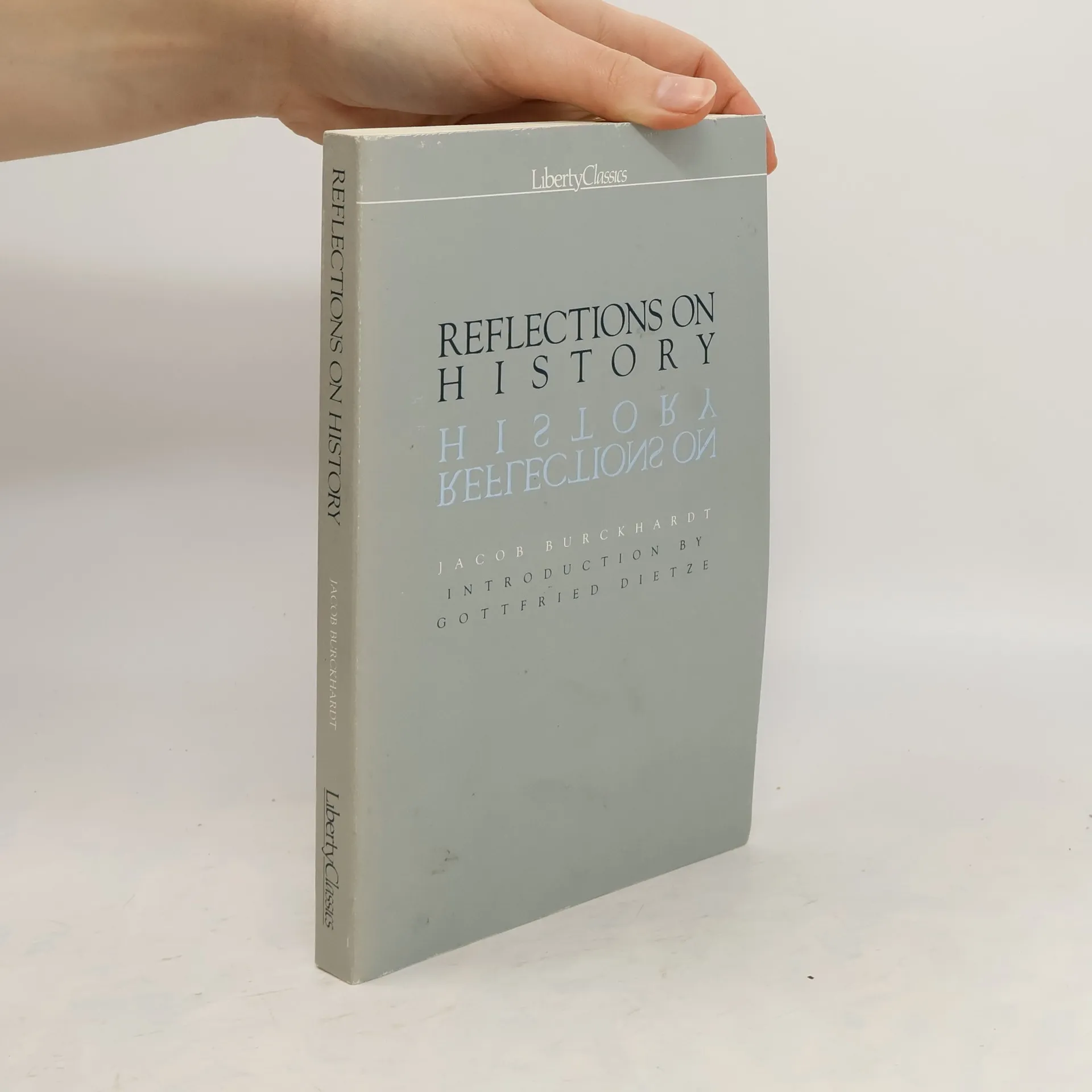
Renowned for his Civilization of the Renaissance in Italy and Reflections on History (published by Liberty Fund), Jacob Burckhardt (1818–1897) has well been described as "the most civilized historian of the nineteenth century." Judgments on History and Historians consists of records collected by Emil Dürr from Burckhardt's lecture notes for history courses at the University of Basel from 1865 to 1885. The 149 brief sections span five eras: Antiquity, the Middle Ages, History from 1450 to 1598, the History of the Seventeenth and Eighteenth Centuries, and the Age of Revolution. As Walter Goetz observed of the work a generation ago, "It is impossible to imagine a more profound introduction to world history and its driving forces." Alberto R. Coll is a Professor of Strategy and Policy at the United States Naval War College, Newport, Rhode Island.
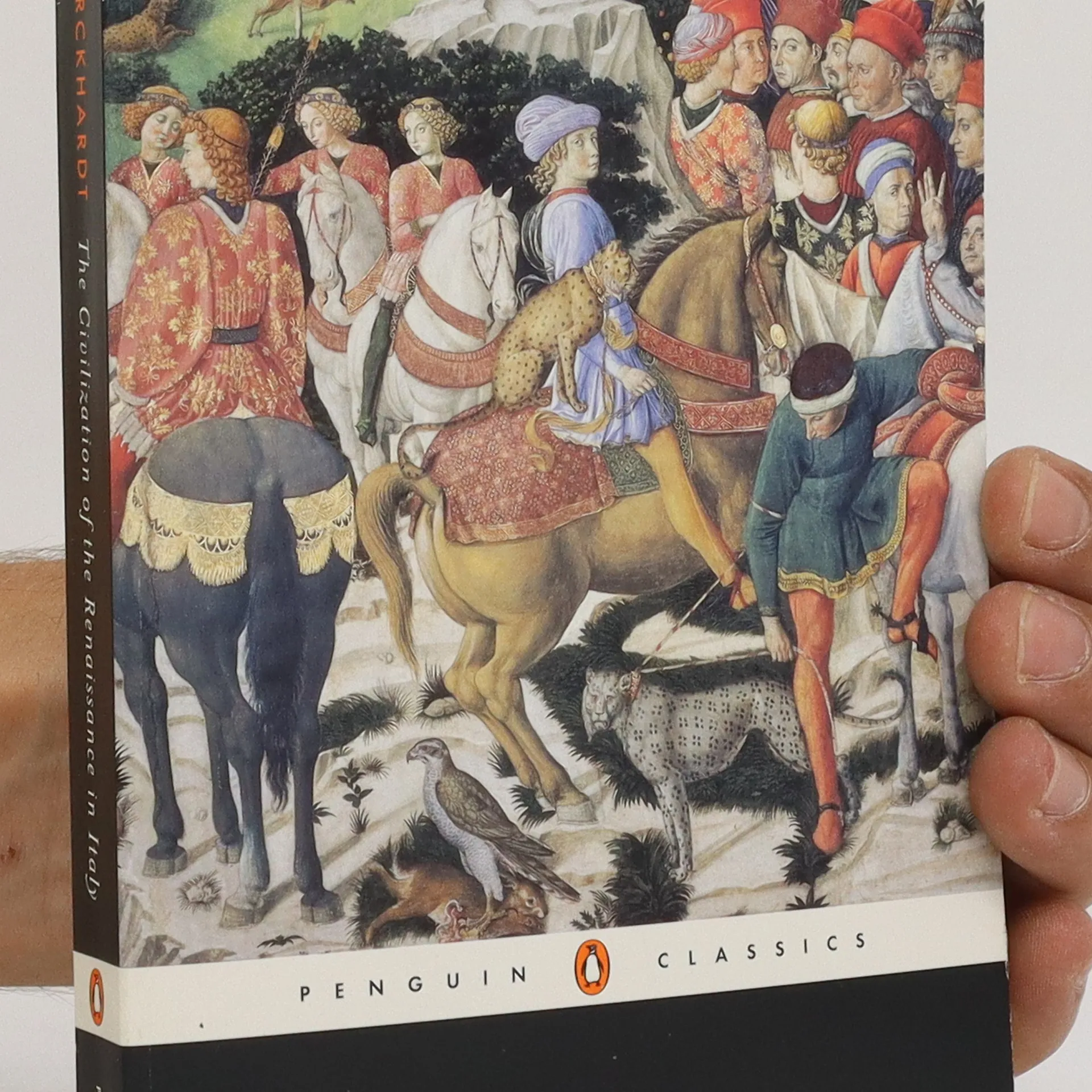
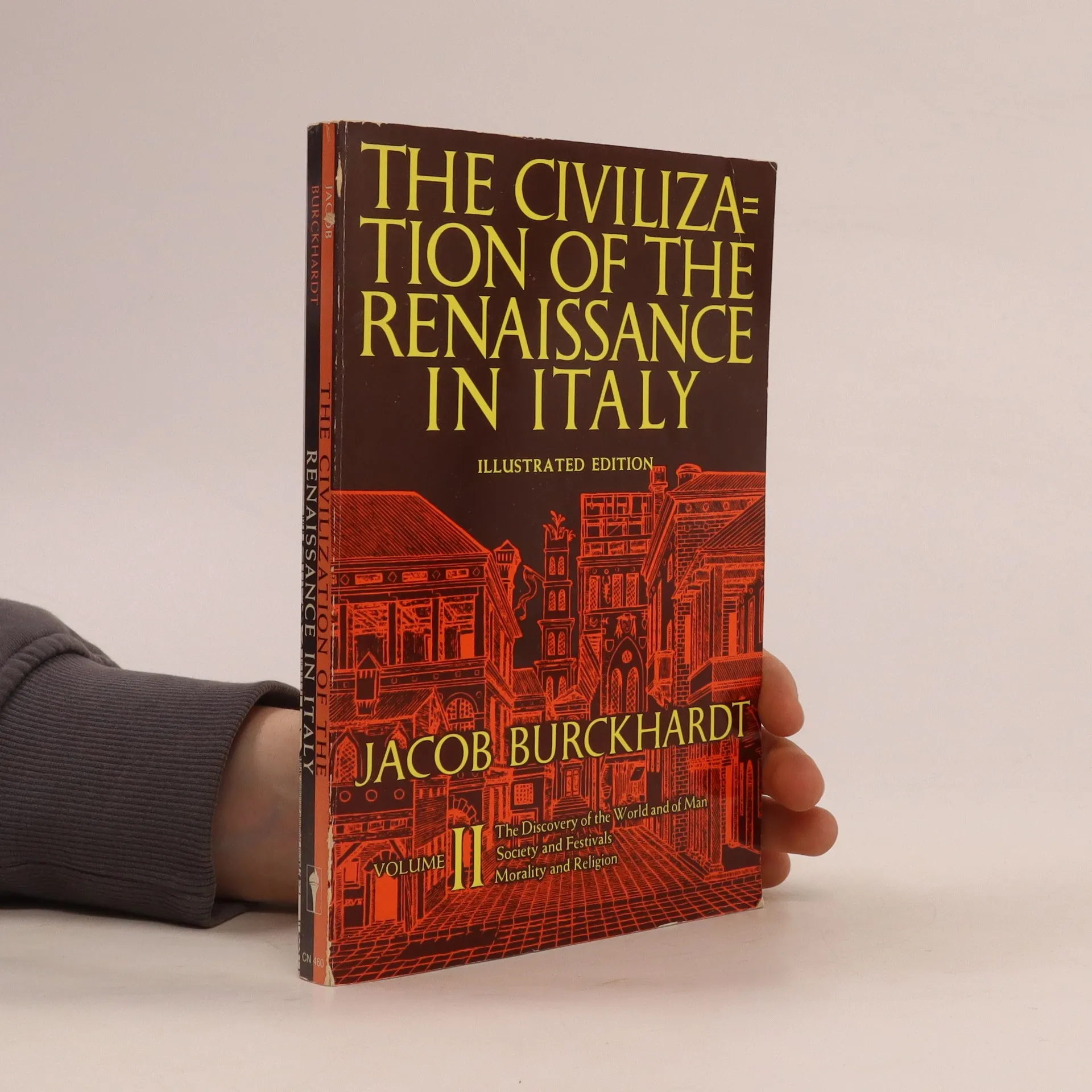
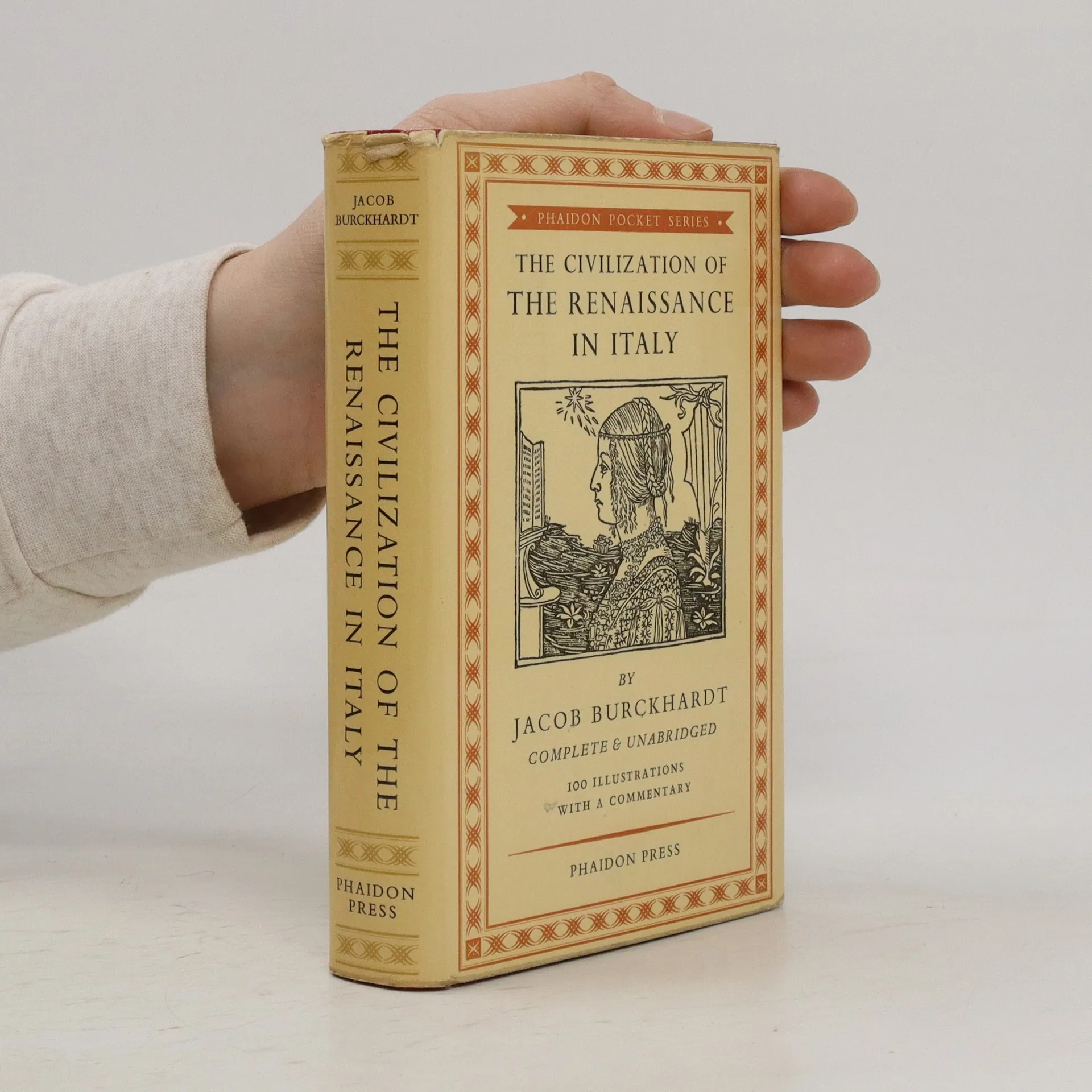
For nineteenth-century Swiss historian Jacob Burckhardt, the Italian Renaissance was nothing less than the beginning of the modern world - a world in which flourishing individualism and the competition for fame radically transformed science, the arts, and politics. In this landmark work he depicts the Italian city-states of Florence, Venice and Rome as providing the seeds of a new form of society, and traces the rise of the creative individual, from Dante to Michelangelo. A fascinating description of an era of cultural transition, this nineteenth-century masterpiece was to become the most influential interpretation of the Italian Renaissance, and anticipated ideas such as Nietzsche's concept of the 'Ubermensch' in its portrayal of an age of genius.
A guide to the study and comprehension of historical processes. Burckhardt makes a clear distinction between that state and the voluntary activities of socirty. He focuses on the nature and reciprocal interactions of the state, religion and culture.
Jacob Burckhardt (1818-1897) was one of the first great historians of culture and art. In his manuscript on the genres of Italian Renaissance painting-still unpublished in the original German and published here in English for the first time-Burckhardt assayed a transformative approach to the study of art history. Rather than undertaking a biographical or a chronological reading of artistic development, Burckhardt chose to read the source materials and extant works of the Italian Renaissance synchronically, by genre. Probably written between 1885 and 1893, this manuscript takes up twelve different categories of paintings, ranging from the allegorical to the historical, from the biblical to the mythological, from the glorification of saints to the denunciation of sinners. Maurizio Ghelardi's introductory essay analyzes Burckhardt's innovative treatment of his subject, establishing the importance of this text not only within Burckhardt's oeuvre but also within the continuum of art historical research.
"There may not be any book on architecture so delightful to dip into; one wishes there were a pocket edition to take on an Italian vacation-not only for its information and vision but for such pleasant reminders as that the citizens of Treviso carried Tullio Lombardo's friezes through the town in triumph before they were attached to a building."-D. J. R. Bruckner, New York Times Book Review
Der Jacob Burckhardt der Weltgeschichtlichen Betrachtungen, des Cicerone, der Zeit Konstantins und der Kultur der Renaissance in Italien gilt als Begründer der modernen Kunstwissenschaft. Seine Erfahrung des Traditionsverfalls im 19. Jahrhundert ließ ihn zum leidenschaftlichen Gegner des revolutionären Zeitalters werden. Der Fortschrittsgläubigkeit, die hinter dem nationalen und industriellen Aufbruch steckte, sprach er die Geschichtsmächtigkeit ab. Karl Löwith ist in Jacob Burckhardts Schriften schon früh ein Denken begegnet, das sich zentral mit seiner Kritik an der neuzeitlichen Geschichtsphilosophie berührte. Als das für diesen Band grundlegende Burckhardt-Buch 1936 erstmals erschien, beschrieb Löwith seine Absicht: »Im blendenden Licht von Nietzsches Radikalismus hat Jacob Burckhardt das Schicksal gehabt, daß seine philosophische Mäßigkeit als ein bloß rückwärtsgewandter Späthumanismus erschien. Diesen falschen Anschein von seinem wahren Bild zu entfernen, ist ein Hauptzweck der neuen Vergegenwärtigung Burckhardts, die seine Anschauung von der Geschichte erstmals in ihrer ganzen Bedeutung erhellt. Das Zentrum seiner Historie ist der duldende und handelnde Mensch, der durch die freie Betrachtung der Welt inmitten der allgemeinen Bewegtheit einen Standpunkt zur freimütigen Taxation des Lebens gewinnt.«
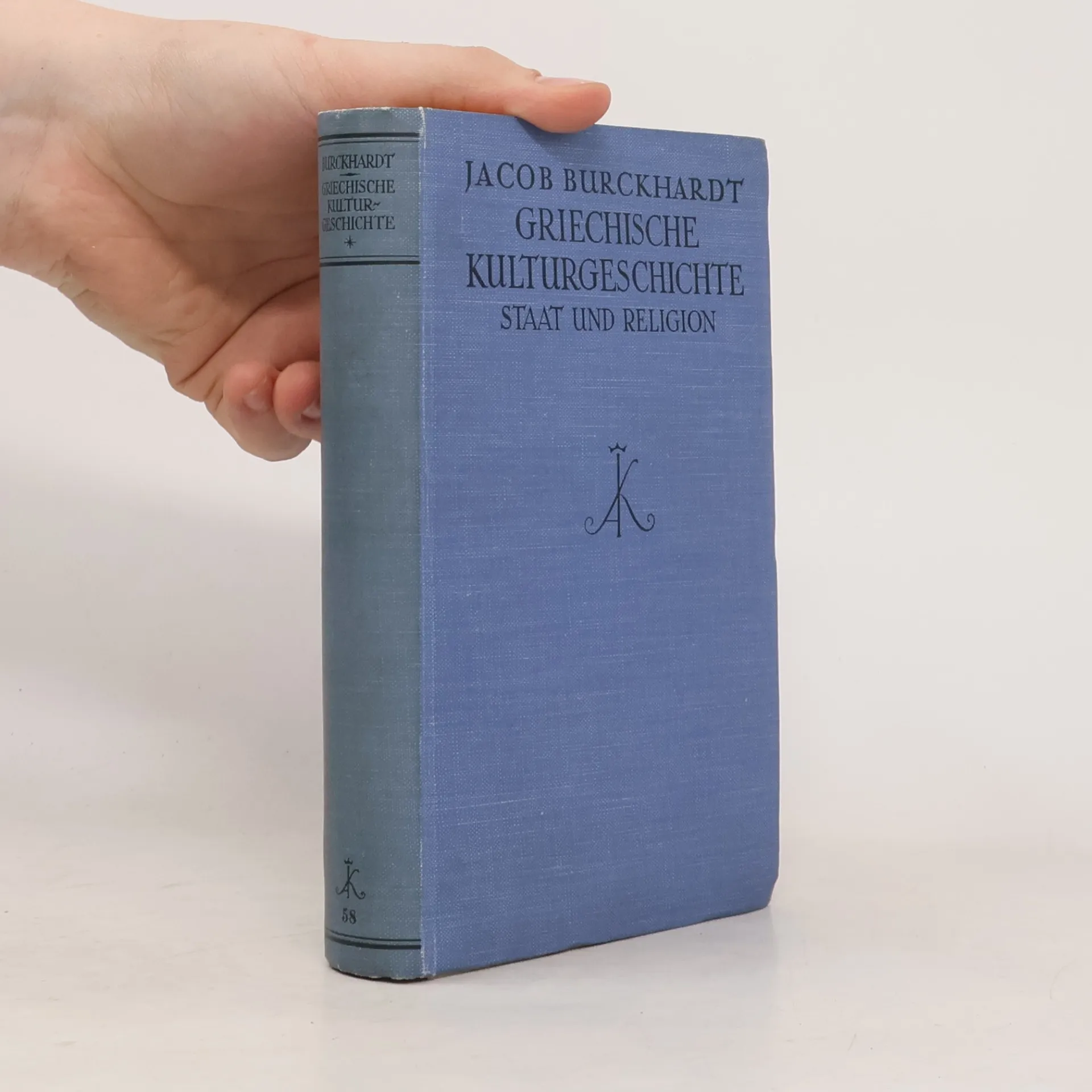
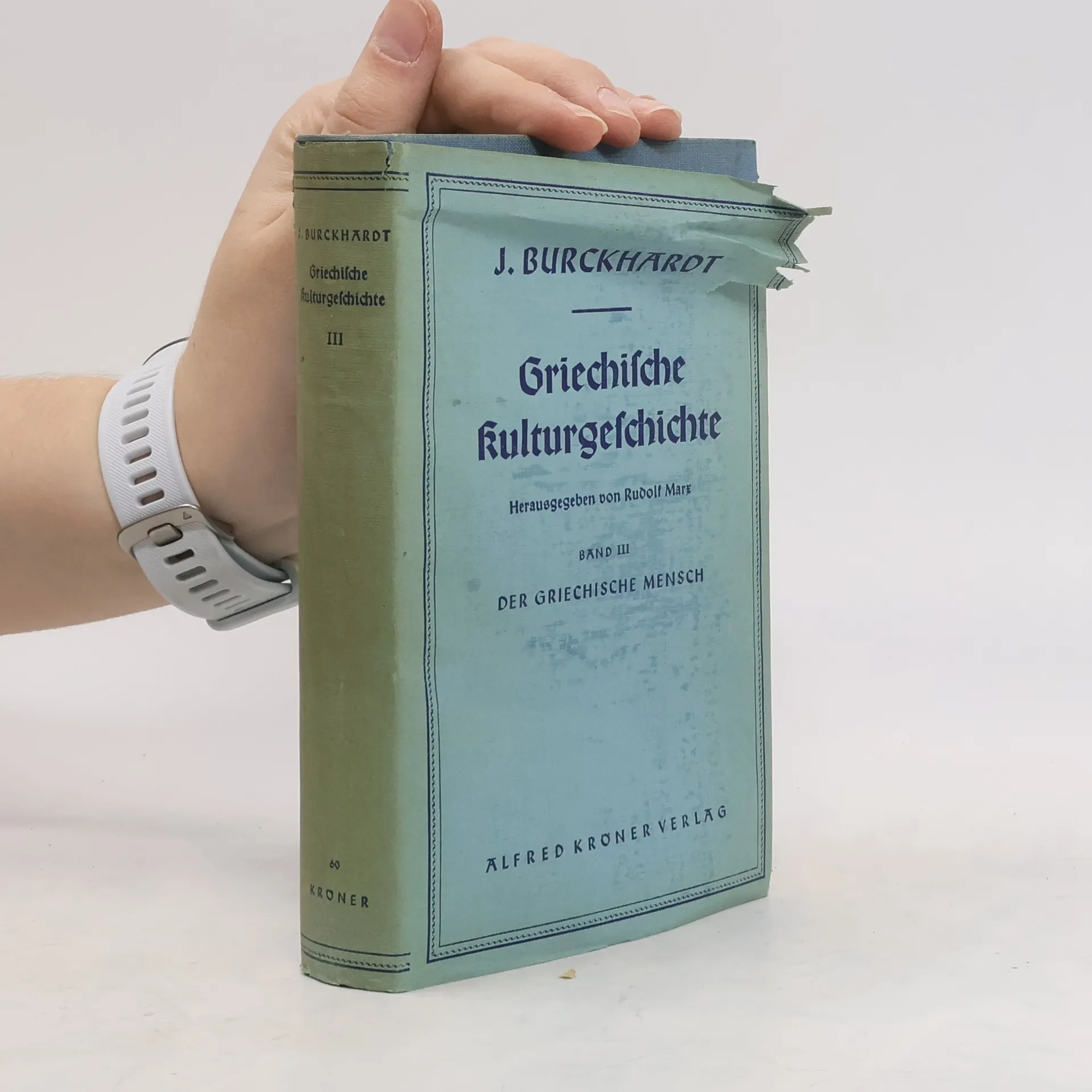
Diese Ausgabe von "Griechische Kulturgeschichte" bietet ein funktionales Layout und ist sorgfältig formatiert. Das eBook enthält interaktive Inhalte und Begleitinformationen, die eine einfache Navigation und gute Gliederung ermöglichen. Der Inhalt umfasst verschiedene Aspekte der griechischen Kultur, darunter die Mythen, die historische Entwicklung der Polis, das Königtum in Sparta, untertänige Bevölkerungen, Sklaverei, Aristokratie, Tyrannis und die Ausgestaltung der Demokratie in Athen sowie außerhalb Athens. Weitere Themen sind die Lebenszähigkeit der Stadtbevölkerungen, objektive Betrachtungen der Staatsformen, die Einheit der griechischen Nation, der Kampf zwischen Griechen und Barbaren, das hellenische Pathos sowie Religion und Kultus. Zudem werden der griechische Heroenkult, die Kunst und deren Entwicklung, verschiedene Kunstgattungen, die Rolle von Philosophen und Politikern in der Kunst sowie Poesie und Musik behandelt. Die Entwicklung des hellenischen Menschen wird von der Urzeit bis zur hellenistischen Zeit nachgezeichnet. Jacob Burckhardt (1818-1897), ein Schweizer Kulturhistoriker, fokussierte sich auf Kunstgeschichte und prägte das Verständnis der griechischen Kultur.
1852/53 hielt Jacob Burckhardt in Basel öffentliche Vorträge über das Zeitalter Friedrichs des Großen, zu denen er sich umfangreiche Aufzeichnungen und Notizen machte. Burckhardt, der sich zeitlebens mit Friedrich beschäftigt, aber nie über ihn publiziert hat, entwirft in diesen Vorträgen ein eindrucksvolles, nicht selten kritisches Bild des Preußenkönigs und zugleich ein geistiges und politisches Panorama seiner Epoche. Der Schweizer Burckhardt-Forscher Ernst Ziegler hat erstmals aus dem Nachlaß diese Stücke ediert und sie zugleich mit großer Behutsamkeit und Akribie in eine lesbare Fassung gebracht. So bietet dieser Band einen bislang unbekannten Text des großen Historikers und zugleich einen wunderbaren Beitrag zum Friedrich-Jubiläum. Ein Essay von Hans Pleschinski über „Friedrich den Anderen“ rundet das Buch ab.
Aus d. Nachlaß hrsg. v. Maurizio Ghelardi, Susanne Müller u. a.
966 pages
34 hours of reading
Die Vortragsmanuskripte von Jacob Burckhardt bieten einen faszinierenden Einblick in seine Ansichten zu literarischen, geschichtlichen und kunsthistorischen Themen. Von Homer bis Napoleon und von Besuchen im vaticanischen Museum bis zu altdeutschen Bildern reflektiert Burckhardt auf einzigartige Weise über Kunst und Kultur. Seine prägnanten Urteile und der Blick für das Wesentliche machen diese Texte zu einer wertvollen Quelle für kulturwissenschaftliche Erkenntnisse. Diese Ausgabe dokumentiert erstmals alle überlieferten Vorträge aus den Jahren 1870 bis 1892 und folgt dem Originaltext der Handschriften.
Der unveränderte Nachdruck aus dem Jahr 1872 bietet einen Einblick in historische Inhalte, die durch den Verlag Anatiposi wieder zugänglich gemacht werden. Diese Ausgaben können aufgrund ihres Alters Mängel wie fehlende Seiten oder eine geringere Druckqualität aufweisen. Das Ziel des Verlags ist es, das kulturelle Erbe zu bewahren und diese wertvollen Werke der Öffentlichkeit zugänglich zu machen, um ihren Verlust zu verhindern.
Jacob Burckhardt, ein herausragender Historiker, untersucht in diesem Band die Kultur des antiken Griechenlands sowie die Geschichte des Alten Orients, Ägyptens, Persiens, Indiens und der Römischen Republik. Die vollständige Veröffentlichung seiner Texte bietet einen umfassenden Einblick in seine vielseitigen Forschungsansätze und Erkenntnisse, die das Verständnis dieser bedeutenden Kulturen bereichern.
„FÜR LEIDENSCHAFTLICHE LESER IST JEDE BEGEGNUNG MIT JACOB BURCKHARDT EINE FREUDE.“ JÜRGEN BUSCHE, SZ In seiner berühmten «Griechischen Culturgeschichte» hat Jacob Burckhardt der antiken Kunst nur wenig Platz eingeräumt, und in seinem «Cicerone» ist sie nur ein Gegenstand neben anderen. Der vorliegende Band schließt daher eine gravierende Lücke. Erstmals werden hier Burckhardts Aufzeichnungen zu seinen Vorlesungen über die «Kunst des Altertums» veröffentlicht, die über mehrere Jahrzehnte hinweg entstanden sind. Damit wird der Zugang zu einem bisher nicht dokumentierten Bereich von Burckhardts Arbeiten und Denken eröffnet. Burckhardt erweist sich hier als hervorragender Kenner und reflektierender Betrachter aller Gattungen der antiken Kunst. Neben den griechischen, italienischen und römischen Werken hatte er auch die Kunst Ägyptens und des Alten Orients im Blick. So verhalten er der griechischen Politik und Gesellschaft gegenüberstand, so offen war er gegenüber ihrer Kunst. Allerdings folgte er in seiner Wahrnehmung keineswegs allein einem klassizistischen Kanon. Burckhardts Vorlesungsmanuskripten werden in diesem Band die einschlägigen Aufsätze aus seinen späten Jahren an die Seite gestellt. Alle Texte sind sorgfältig editiert und werden durch Sachkommentare, textkritische Anmerkungen und ausführliche Register erschlossen.
Der vorliegende Band kombiniert erstmals Photographien italienischer Gemälde aus Burckhardts eigener Sammlung mit Kunstbeschreibungen aus seiner so prägnanten und oft ironisch zugespitzten Feder. Er bietet dem Leser einen Gang durch die Galerie Burckhardtscher Kunstanschauung, in der der Hausherr selbst der kundigste Kustode und Cicerone ist. Bilder und Fresken von Raffael, Michelangelo, Correggio, Tizian und vielen anderen Meistern der Renaissancemalerei Italiens sind hier versammelt. Die Auswahl klassischer und bekannter Werke ermöglicht dem Leser, eigene Kunsterfahrungen mit Burckhardts Beobachtungen und Bewertungen zu vergleichen. Viele bislang unpublizierte Texte erlauben einen Blick in die Burckhardtsche Werkstatt der Urteilsbildung: Die Spannweite reicht von der direkt vor dem Kunstwerk mit ungespitztem Bleistift hingekritzelten Erinnerungsnotiz bis zu komplexen Einsichten in Auftraggeberverhältnisse und stilistische Interdependenzen der einzelnen Künstler in den Vorlesungskonvoluten; von frischen ersten Seheindrücken auf den frühen Italienreisen bis zu hochgelehrten Betrachtungen in nördlichen Sammlungen und Galerien.
Aeusserlich sind ihre Werke den Schicksalen alles Irdischen und Ueberlieferten unterworfen, aber es lebt genug davon weiter, um die spätesten Jahrtausende zu befreien, zu begeistern und geistig zu vereinigen.
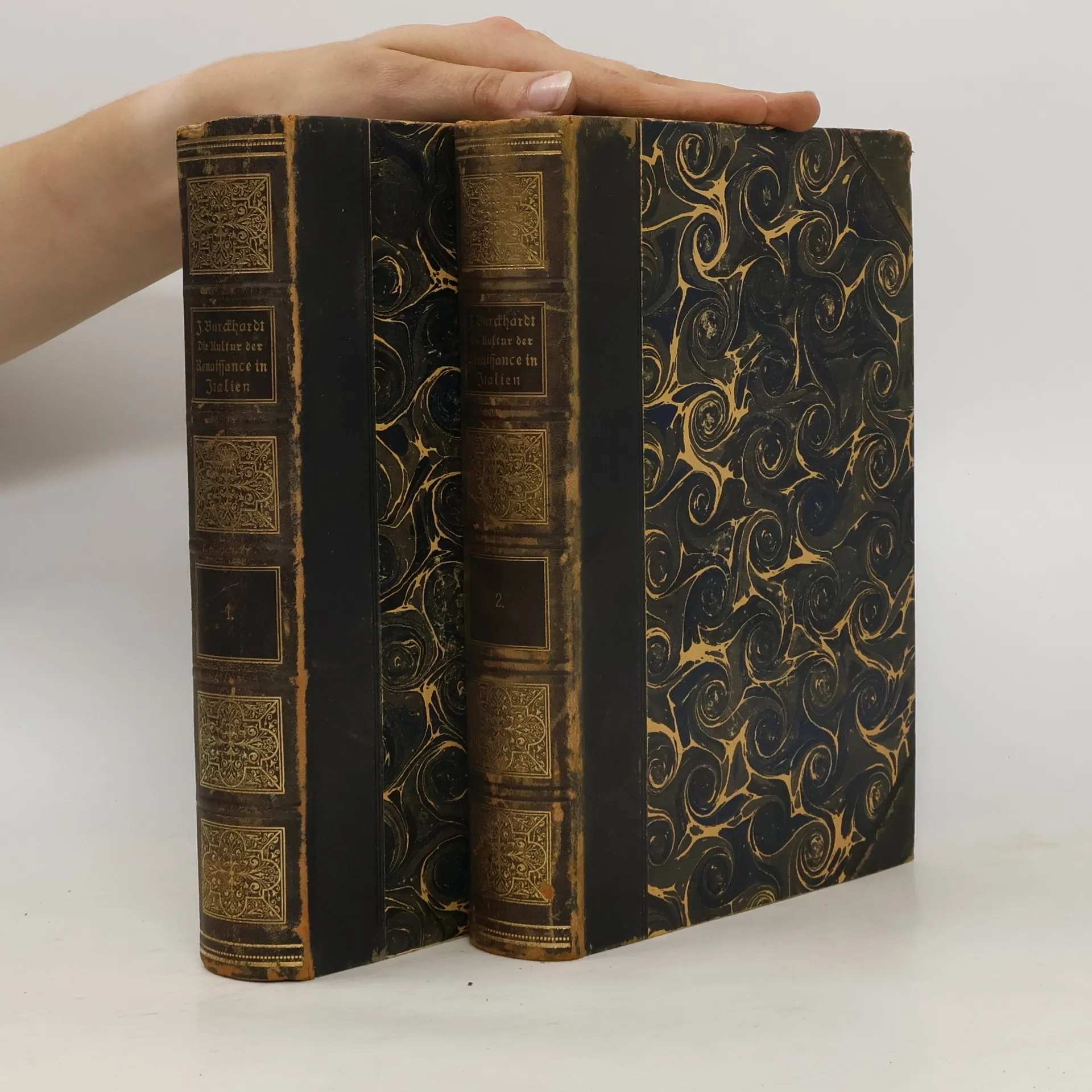
»Immer nur das Interessante! Kein Schutt! Man muss es in einem Zug lesen können. Und bei unendlicher Vielfältigkeit der Erscheinungen ein großer durchgehender Atemzug jener Zeit.« Was der Kunst- und Kulturhistoriker Jacob Burckhardt 1868 in einem Brief als Maßgabe für eine historische Publikation formulierte, hat er selbst in seinen Vorträgen und Schriften auf überzeugende Weise eingelöst. Seine kulturgeschichtlichen Betrachtungen galten einem breiten Publikum als didaktisch-rhetorische Meisterleistungen. Sie sind heute auch wegen ihrer Einbeziehung von bildender Kunst und Poesie nach wie vor geschätzt, nicht zuletzt weil sie Burckhardt als Wegbereiter einer integralen Geschichtsbetrachtung erkennbar werden lassen. Die Anthologie präsentiert einen reizvollen Querschnitt durch das Burckhardt'sche Schaffen und versammelt Werke zur Antike, zur italienischen Renaissance und zur Neueren Geschichte.
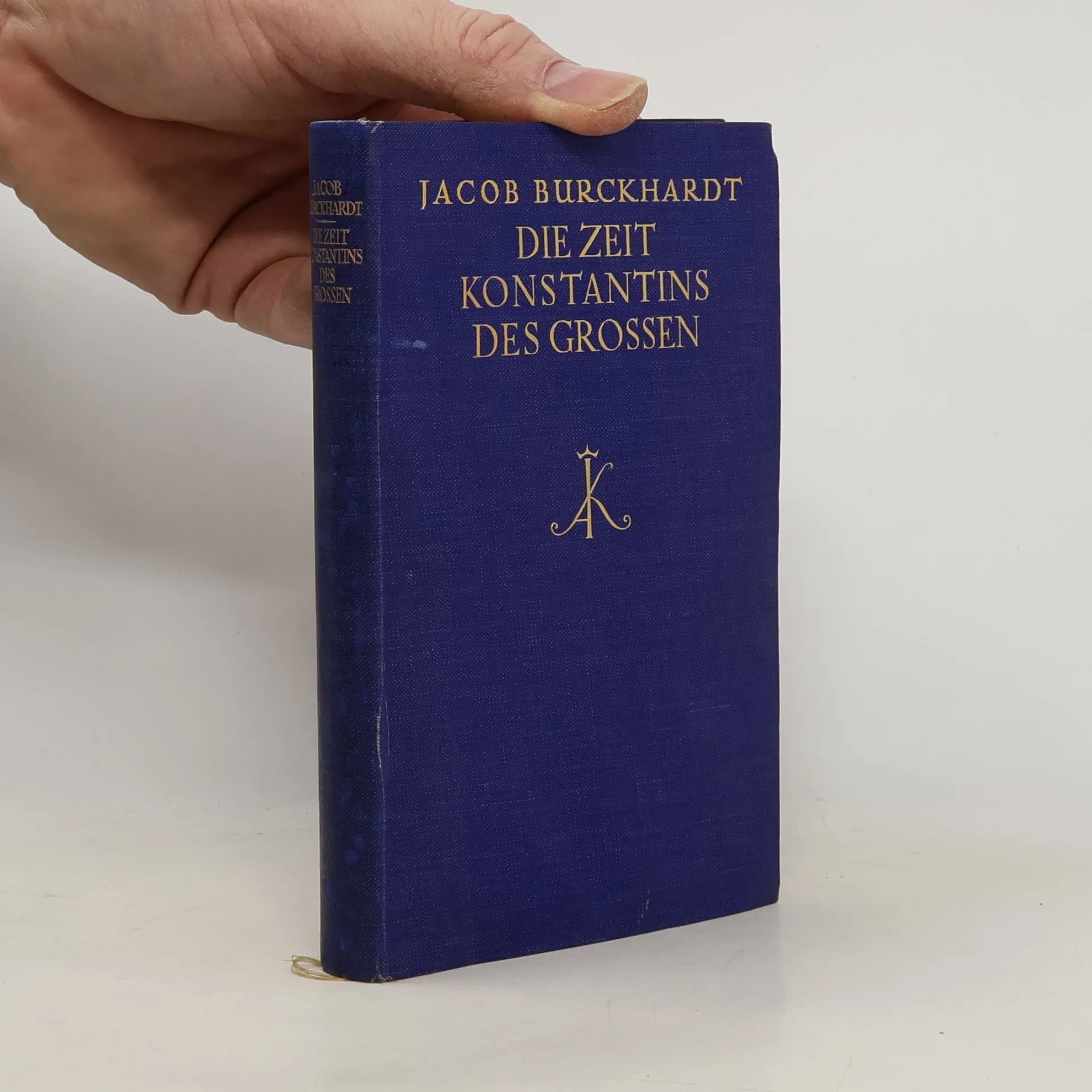
Die Zeit Constantins des Großen, Die Kultur der Renaissance in Italien, Weltgeschichtliche Betrachtungen
2264 pages
80 hours of reading
Ein Lehrer, dessen Einfluss durch seine Bücher bis heute spürbar ist. Im 19. Jahrhundert erlebte die Geschichtsschreibung ihre Blütezeit. Historiker wie Ranke, Mommsen und Droysen erzählten Geschichte aus einer neuen Perspektive, die facettenreiche Bilder ganzer Epochen und Kulturen in den Mittelpunkt stellte. Jacob Burckhardt gehört zu diesen großen Historikern, die Gelehrsamkeit mit stilistischer Brillanz verbinden. Friedrich Nietzsche bezeichnete ihn als „unseren großen, größten Lehrer“. Burckhardt analysierte Quellen gründlicher als viele seiner Kollegen und war skeptisch gegenüber idealistischen Geschichtskonzeptionen, insbesondere Hegels Philosophie, die Geschichte als „Fortschritt im Bewusstsein der Freiheit“ verstand. Seine Methoden waren umstritten, da er Kunstgeschichte und Geschichte gleichzeitig lehrte und hybride Texte produzierte, die Kulturgeschichte mit dem Anspruch verbanden, Zeitatmosphäre und Lebensgefühl vergangener Epochen einzufangen. Sein Ruhm als Kulturhistoriker gründete sich auf Meisterwerke wie „Die Zeit Constantins des Großen“ und „Die Kultur der Renaissance in Italien“, die grandiose Porträts von Kulturen in Übergangsphasen bieten. Seine „Griechische Kulturgeschichte“ stellt eine umfassende Deutung der griechischen Kultur dar und entlarvt idealisierende Utopien als Fälschungen des geschichtlichen Urteils, indem sie ein realistisches Bild der griechischen Polis präsentiert.
Ein Lehrer, dessen Einfluss durch seine Werke bis heute spürbar ist. Das 19. Jahrhundert gilt als Blütezeit der Geschichtsschreibung, in der Historiker wie Ranke, Mommsen und Droysen Geschichte aus einer Panoramaperspektive erzählten. Jacob Burckhardt gehört zu diesen bedeutenden Historikern, die Gelehrsamkeit mit stilistischer Brillanz verbinden. Friedrich Nietzsche bezeichnete ihn als „unseren großen, größten Lehrer“. Burckhardt analysierte Quellen gründlicher als viele seiner Zeitgenossen, stellte vorgefasste Theorien in Frage und kritisierte idealistische Geschichtskonzeptionen, insbesondere Hegels Philosophie der Geschichte. Seine Methoden waren umstritten, da er sowohl Kunstgeschichte als auch Geschichte lehrte und hybride Texte schuf, die Kulturgeschichte mit dem Anspruch verfassten, Zeitatmosphäre und Lebensgefühl vergangener Epochen einzufangen. Sein Ruhm als Kulturhistoriker basiert auf den Meisterwerken „Die Zeit Constantins des Großen“ und „Die Kultur der Renaissance in Italien“, die grandiose Porträts von Kulturen in Übergangsphasen bieten. „Die Zeit Constantins“ beschreibt den Übergang von der heidnischen Antike zur frühchristlichen Zeit, während „Die Kultur der Renaissance“ den Übergang vom Mittelalter zur modernen Individualität thematisiert. Seine „Griechische Kulturgeschichte“ bietet eine umfassende und realistische Deutung der griechischen Kultur und entlarvt idealisierte Vorstellungen als „Fälschungen des g