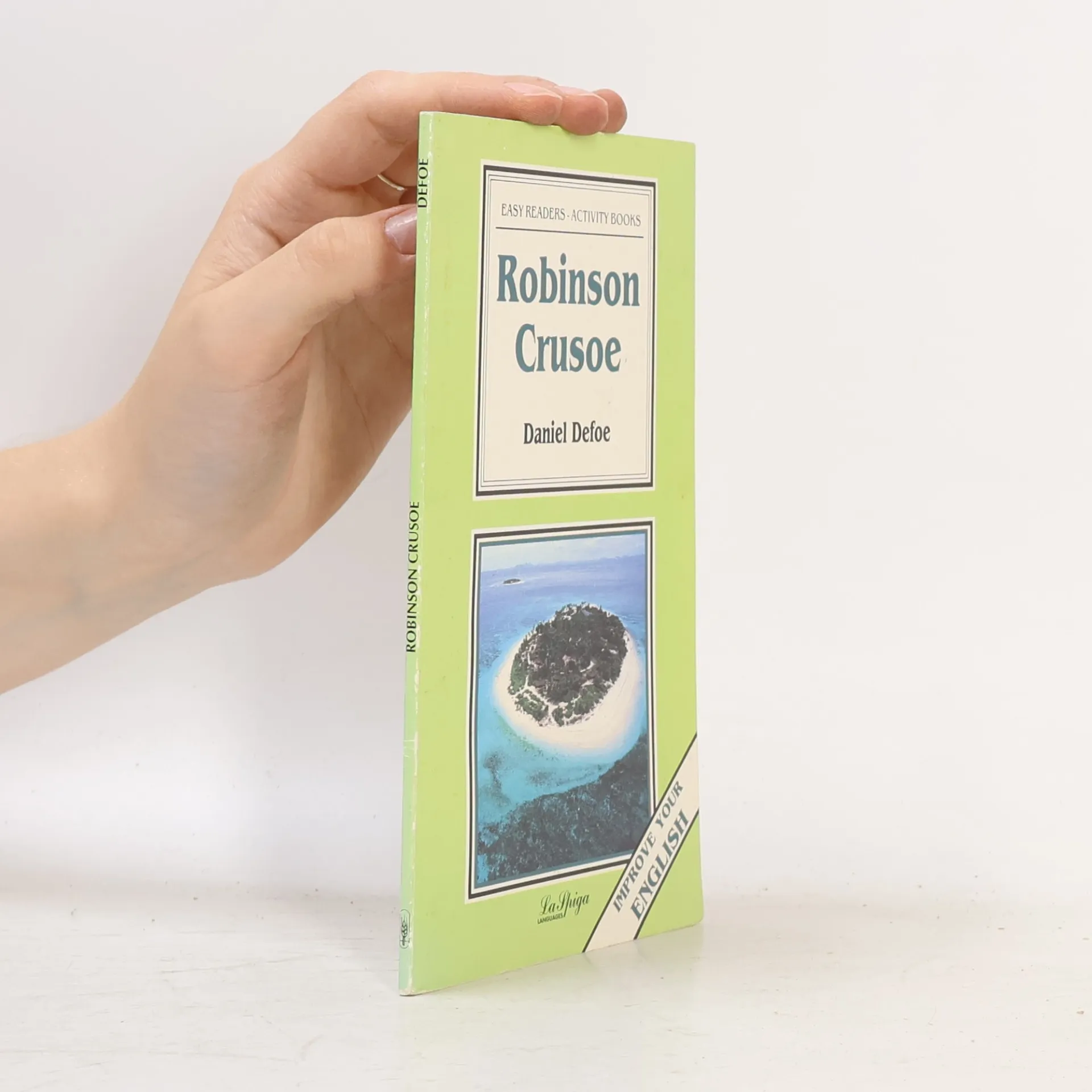
"The young Robinson Crusoe ignores his father's advice and decides to become a sailor. But Crusoe is soon caught up in violent storms and finds himself shipwrecked on a remote island. He will have to live on this island for the next twenty-eight years"--Back cover note
Count Dracula has inspired countless movies, books, and plays. But few, if any, have been fully faithful to Bram Stoker's original, best-selling novel of mystery and horror, love and death, sin and redemption. Dracula chronicles the vampire's journey from Transylvania to the nighttime streets of London. There, he searches for the blood of strong men and beautiful women while his enemies plot to rid the world of his frightful power.Today's critics see Dracula as a virtual textbook on Victorian repression of the erotic and fear of female sexuality. In it, Stoker created a new word for terror, a new myth to feed our nightmares, and a character who will outlive us all.
This series of "Bookworms" offers younger readers the chance to enjoy lively and accessible adaptations of the best classic and modern fiction. Each title is highly illustrated to engage the reader in the world of the book and help with specific vocabulary.
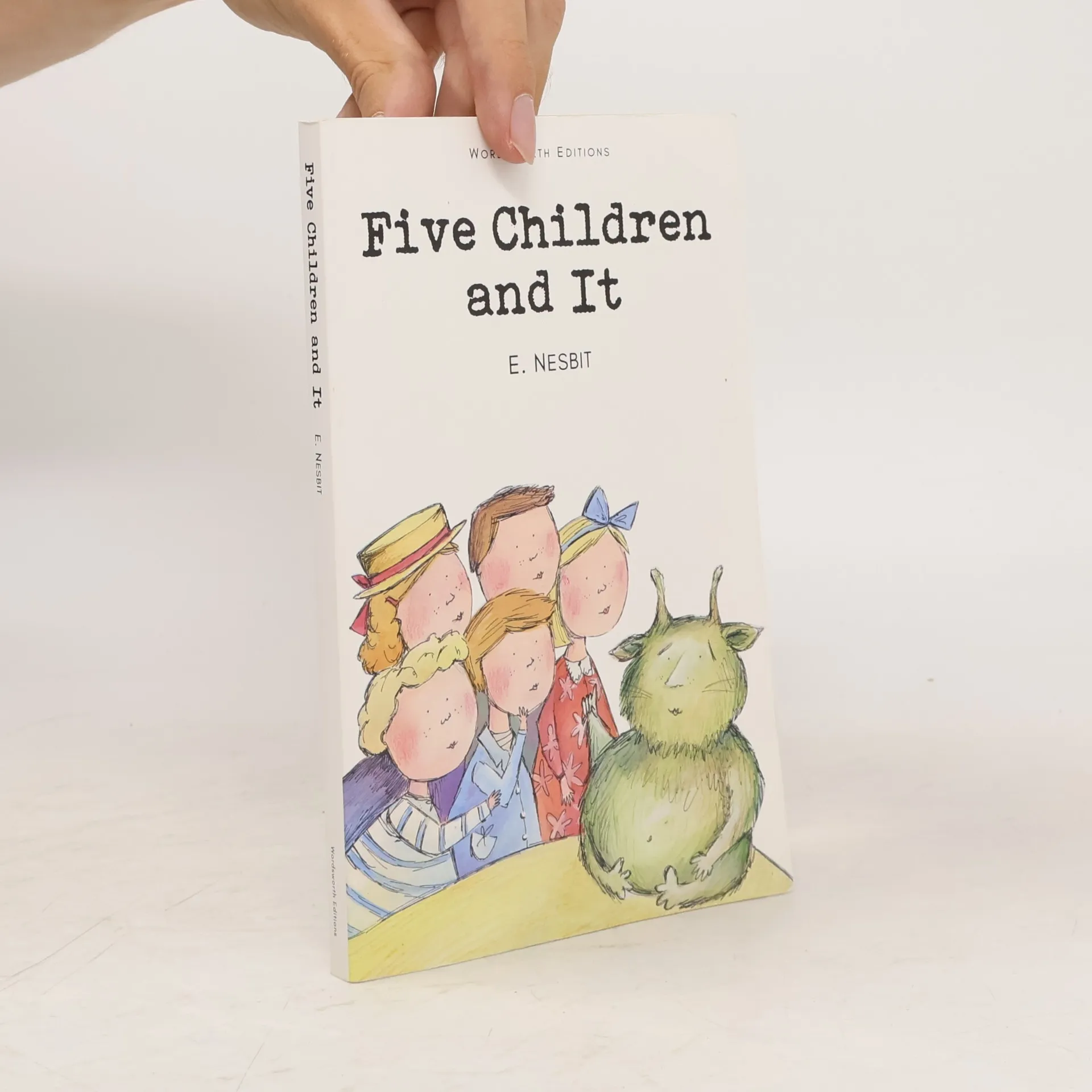
The five children find a cantankerous sand fairy or 'psammead' in a gravel pit. Every day 'It' will grant each of them a wish that lasts until sunset, often with disastrous consequences.
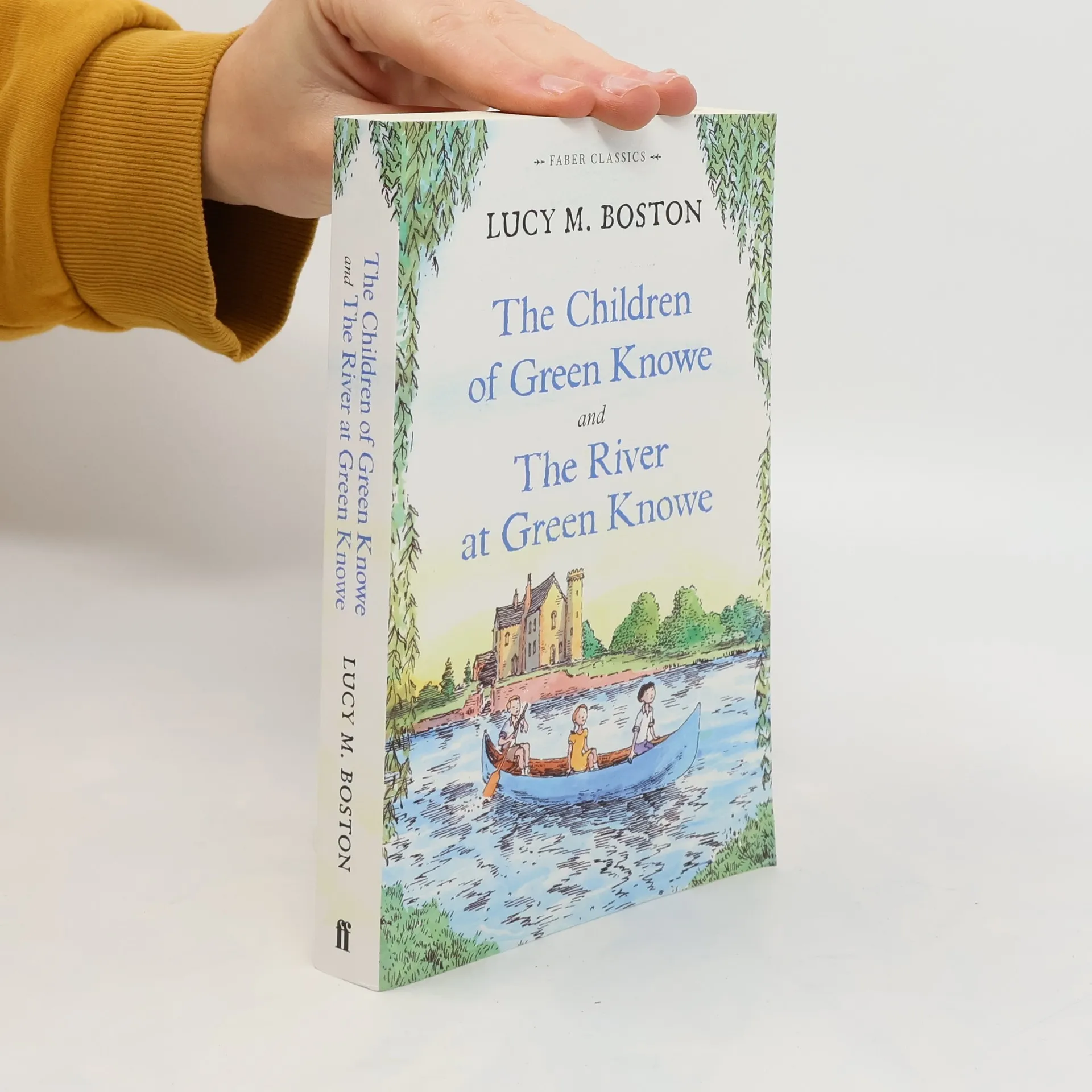
Now The Children of Green Knowe and River at Green Knowe are available in one
edition. Children of Green KnoweTolly's great grandmother isn't a witch, but
both she and her old house, Green Knowe, are full of a very special kind of
magic.
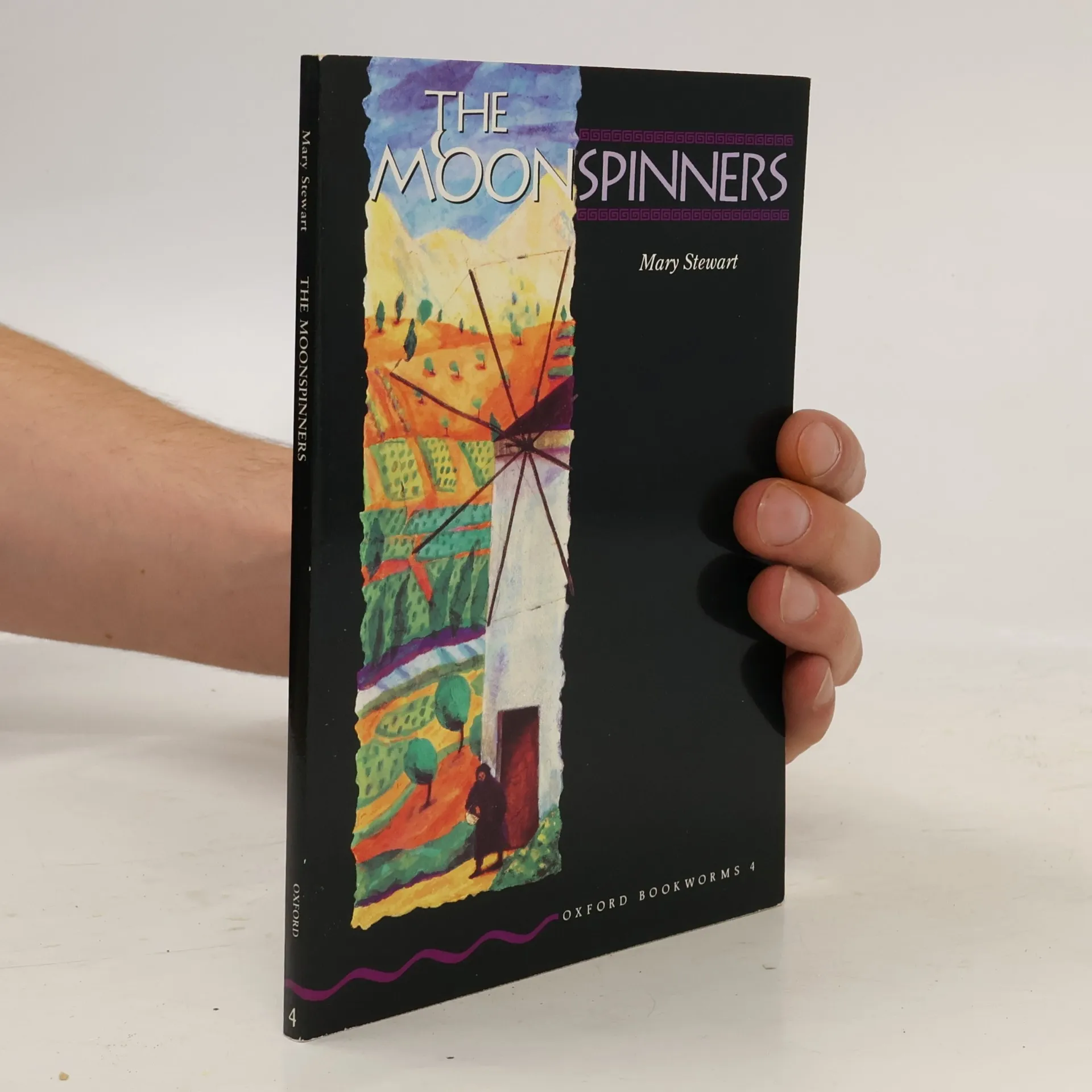
Part of a series designed to provide English language students at all levels of comprehension with the opportunity to extend their reading and appreciation of English, this adventure novel at Level 4 is set in Greece.
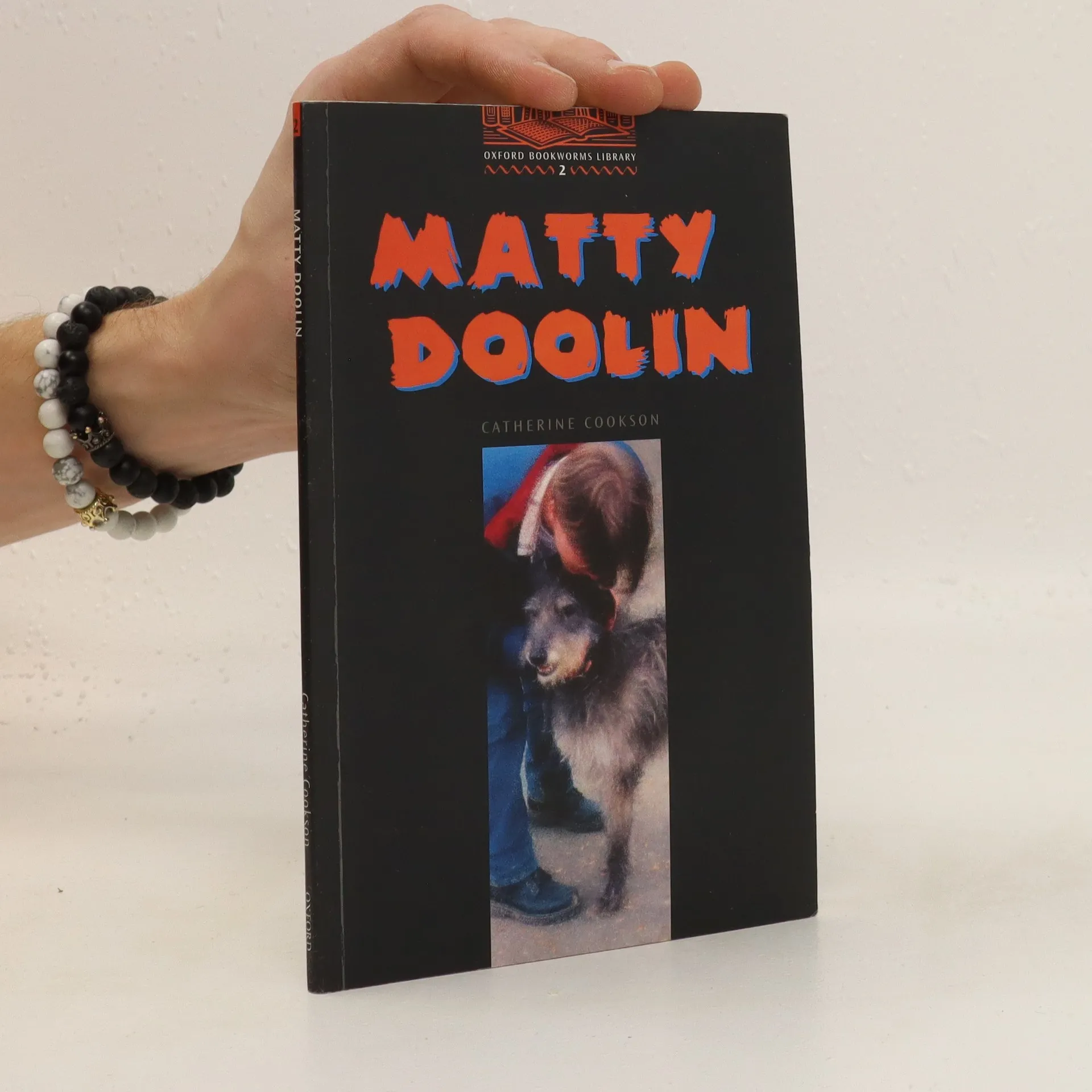
Matty is fifteen and is leaving school in a few weeks' time. He wants to work with animals, and would like to get a job on a farm. But his parents say he's too young to leave home - he must stay in the town and get a job in ship-building, like his father. They also say he can't go on a campingholiday with his friends. And they say he can't keep his dog, Nelson, because Nelson barks all day and eats his father's shoes. But it is because of Nelson that Matty finds a new life . . .
Classic / British English Becky Sharp, an intelligent young lady with no family or money, becomes a governess. But this type of life is not enough for her. She has big plans for herself. Is she clever enough to find success? Will she marry and be happy? Or will life be unkind to her?
'I did not intend to write a funny book, at first' wrote Jerome J. Jerome of Three Men in a Boat, which has since become a comic classic. When J. the narrator, George, Harris and Montmorency the dog set off on their hilarious misadventures, they can hardly predict the troubles that lie ahead with tow-ropes, unreliable weather-forecasts, imaginary illnesses, butter pats and tins of pineapple chunks. Denounced as vulgar by the literary establishment, Three Men in a Boat nevertheless caught the spirit of the times. The expansion of education and the increase in office workers created a new mass readership, and Jerome's book was especially popular among the 'clerking classes' who longed to be 'free from that fretful haste, that vehement striving, that is every day becoming more and more the bane of nineteenth-century life.' So popular did it prove that Jerome reunited his heroes for a bicycle tour of Germany. Despite some sharp, and with hindsight, prophetic observations of the country, Three Men on the Bummel describes an equally picaresque journey constrained only 'by the necessity of getting back within a given time to the point from which one started'.
This series of readers is aimed at students at 6 levels from elementary to advanced. All stages have exercises for classroom or private use, plus a glossary to help with vocabulary. The approximate vocabulary count for stage 1 is 400 words. This is a ghost story.
"If you wake up in the night and hear a tap running somewhere in the house, what to you do? You get up, of course, and go and turn the tap off. A little later you hear the tap running again. You are alone in the house, and you know you turned the tap off. What do you think? The ghosts in these stories all have unfinished business with the living world. They come back from the grave to continue their work, to keep a promise, to look for something they have lost. Sometimes they want to help people, sometimes they want to punish them - or kill them."--Back cover
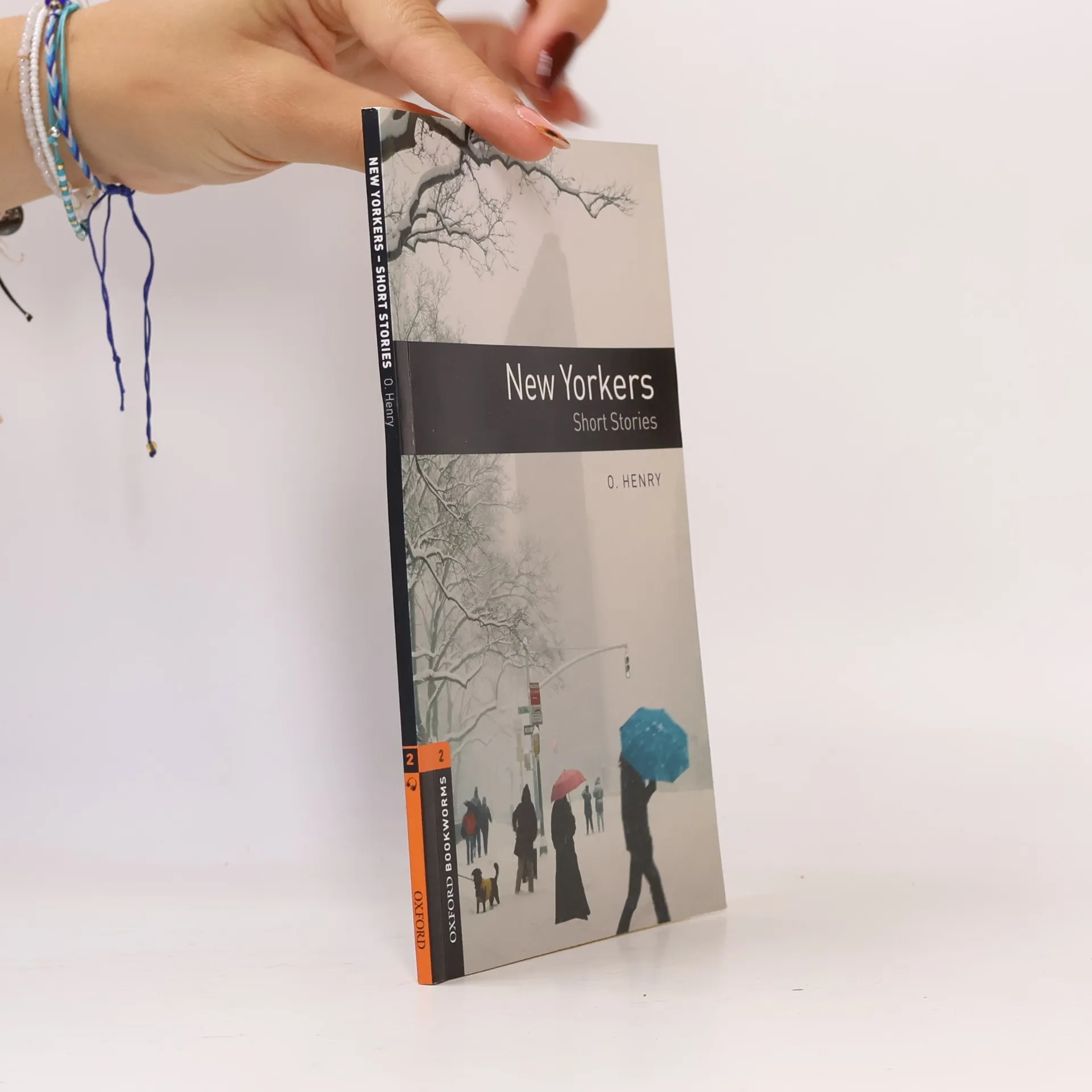
A housewife, a tramp, a lawyer, a waitress, an actress - ordinary people living ordinary lives in New York at the beginning of the 20th century. The city has changed greatly since that time, but its people are much the same. Some are rich, some are poor, some are happy, some are sad, some have found love, some are looking for love. O. Henry's famous short stories -sensitive, funny, sympathetic- give us vivid pictures of the everyday lives of these New Yorkers
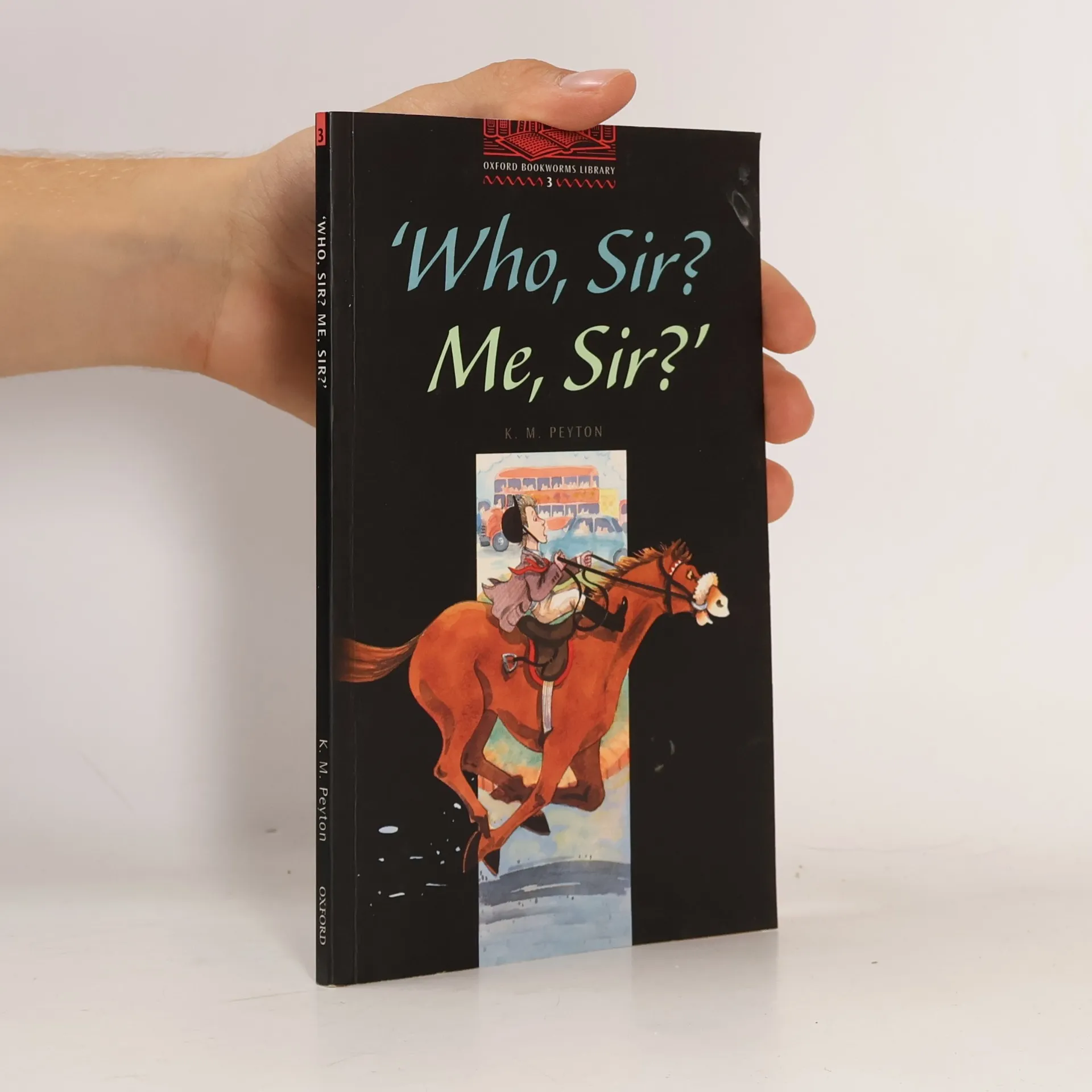
Sam Sylvester is a teacher who wants his class to have ambition, and to do great things in life. So he enters them for a sporting competition against the rich students of Greycoats School. The team that he has chosen for the competition think Sam has gone crazy. 'Who, Sir? Me, Sir?' says little Hoomey, his eyes round with horror. 'We'll never beat Greycoats,' the others cry. 'Never in a million years!' But you don't know what you can do - until you try . . .
It is just before Christmas and the marshal wants to go South to spend the holiday with his wife and family, but first he must recover from the flu (which has left the Florentine caribinieri short-handed) and also solve a murder. A seemingly respectable retired Englishman, living in a flat on the Via Maggio near the Santa Trinita bridge, was shot in the back during the night. He was well-connected and Scotland Yard has despatched two officers to "assist" the Italians in solving the crime. But it is the marshal, a quiet observer, not an intellectual, who manages to figure out what happened, and why.
After the bleak depression of London in winter, Corfu seems like paradise to Lucy Waring. But this peace is soon to be shattered. Two incidents, seemingly unconnected, but both surrounded in mystery, throw her life into a dangerous spin
Greg is a teenager with a problem - his father. After the death of Greg's mother in an accident, his father takes no interest in life at all. Greg tries hard to help him. His father is too old to rock and roll, of course . . . or is he? These short stories by Jan Mark look at life, love, and friendship through teenagers' eyes.
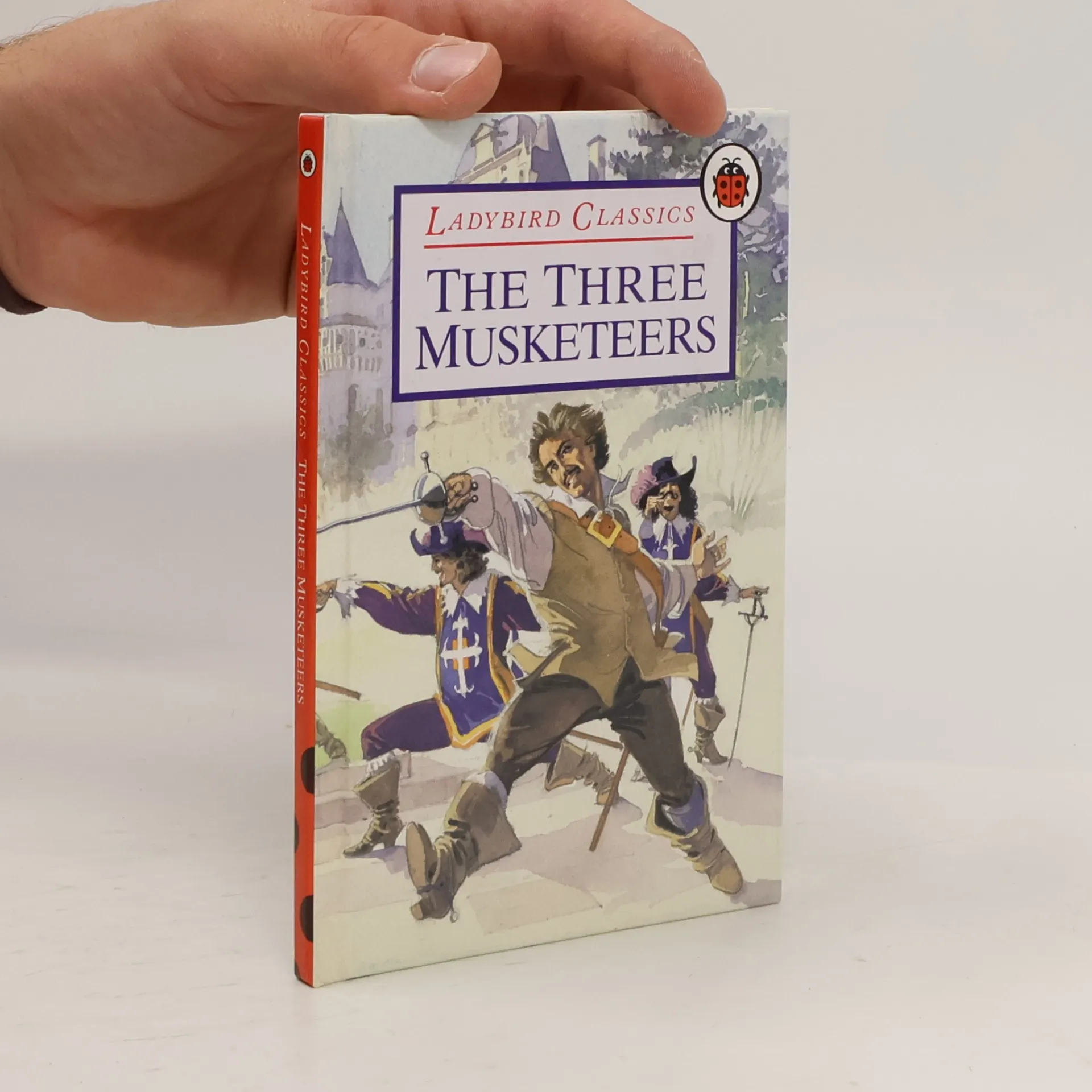
In seventeenth-century France, young D'Artagnan initially quarrels with, then befriends, three musketeers and joins them in trying to outwit the enemies of the king and queen.