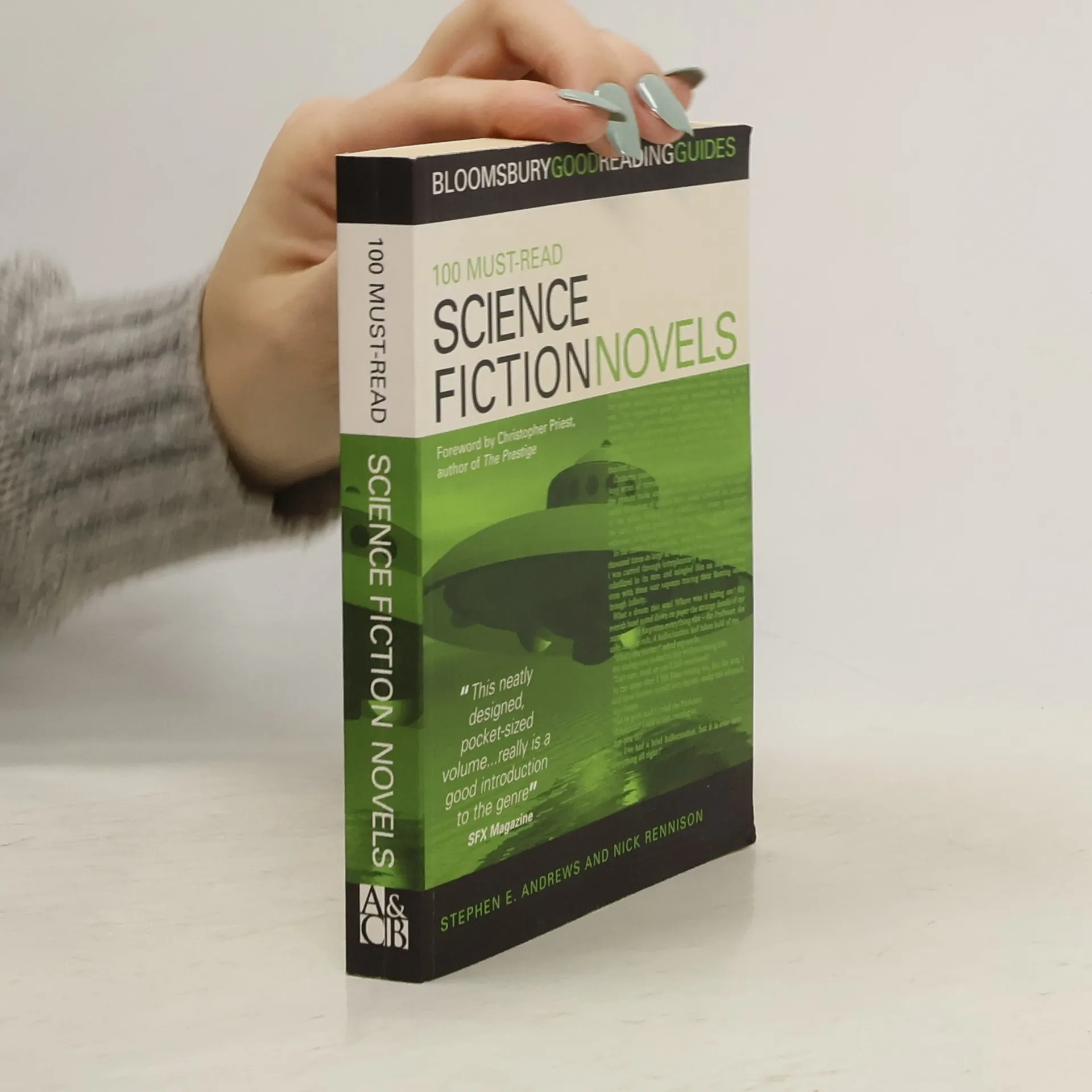
Want to become a science fiction buff? Want to expand your reading in your
favourite genre? This is a good place to start! From the publishers of the
popular Good Reading Guide comes a rich selection of some of the finest SF
novels ever published.
Focusing on the visual legacy of the English Civil War, this book explores how art and imagery have shaped perceptions of this tumultuous period over the past two and a half centuries. Renowned art historian Stephen Bann analyzes a diverse array of visual evidence, including tombs, statues, vandalized sites, and historical paintings. He reveals how these elements have influenced and transformed the British understanding of the war, highlighting the interplay between history and visual culture in shaping collective memory.
A broken warrior.A universe of wonder is crumbling under the weight of war. Amongst the billions fleeing burning worlds is one man. Once an elite starship pilot, the conflict has taken his ship, his family, and his faith in victory. And yet, if he can find the will to fight again, he has a gift that could turn the tide and save humanity.An apocalyptic weapon.Light years behind the lines, hidden in the swirling mists of a forgotten world lurks a revolutionary new starship. Built in secret by a desperate resistance movement, the ground-breaking warship has a mind of its own and weapons that can shatter worlds. Unleashed without proper control it could destroy everything, but in the right hands it can defeat any enemy.An alien discovery.It takes a shadowy spy and a murderous journey across hostile alien worlds to unite starship and pilot. Together they strike at the heart of the enemy. But in the midst of battle a secret more dangerous than the war itself is revealed, and to triumph, one man must make a sacrifice no one has ever made before.
Carter's drawings reveal the originality of his mind and the love of
exactitude and clarity that drives his practice. His singular contribution to
the post-war flowering of British abstraction can clearly be seen here.
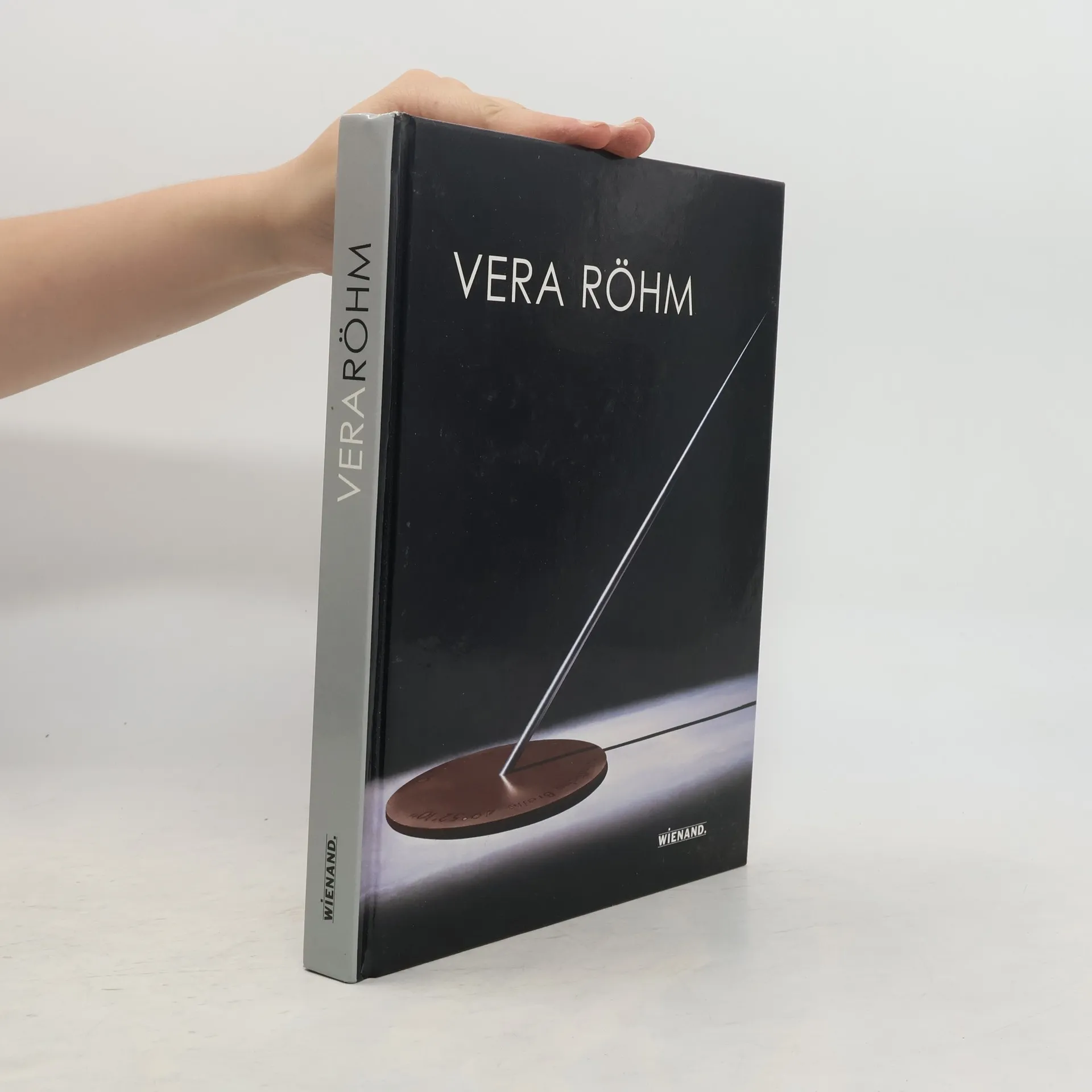
Die Arbeiten der deutschen Künstlerin Vera Röhm (Jg. 1943) sind dem Konstruktivismus verpflichtet und faszinieren durch die Kombination von Kunststoff mit Holz, Stein oder Metall. Klare Formen wie Stäbe, Winkel oder Stelen dominieren das Werk. Durch die Verzerrung dieser elementaren geometrischen Figuren mit Einschnitten, Querschnitten, Verstümmelungen und Wiederherstellungen erreicht sie eine mehrdimensionale Sicht, die den Betrachter herausfordert und spannungsvolle Lichtbrechungen erzeugt. Vor dem Hintergrund der Beschäftigung mit Geometrie, Astronomie und Philosophie schafft sie Objekte, die die Grenzen von Kunst, Wissenschaft und Technik sowie Zeit und Bewegung thematisieren. Essays von Eugen Gomringer, dem Begründer der Konkreten Poesie, und Stephen Bann (Universität Bristol) runden diesen Band ab.