

A biography of Native Son’s Bigger Thomas that examines his continued relevance in the debates over Black men and the violence of racism
Trudier Harris Book order
Trudier Harris is a literary historian whose work delves into a profound understanding and critical analysis of African American literature. Her writing explores the complex social and cultural issues that have shaped the African American experience and its literary expressions. Through her research and publications, Harris contributes to enriching our comprehension of the rich and diverse landscape of the African American literary tradition. Her critical lens offers valuable insights into themes such as race, identity, and resistance within American society.


- 2024
- 2023
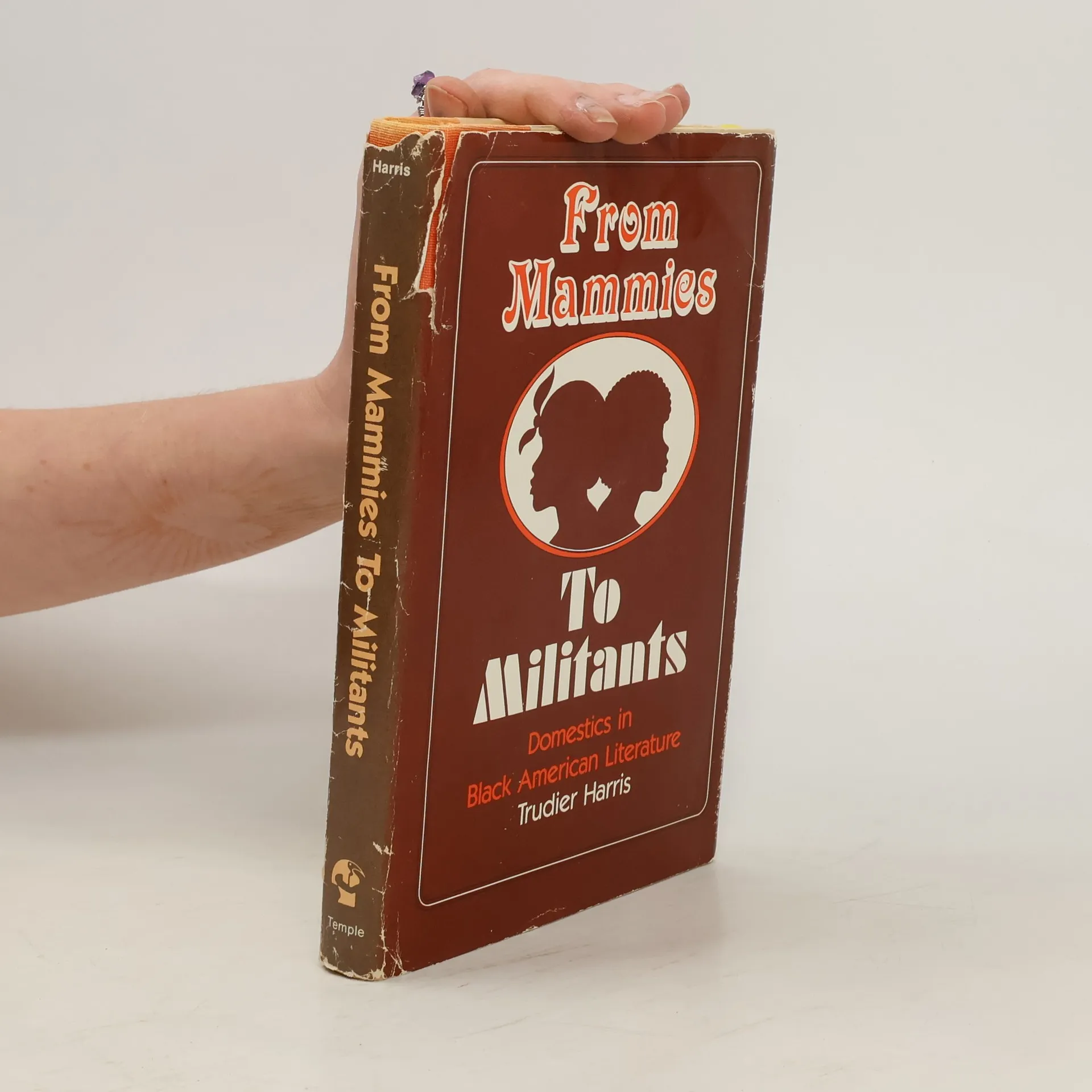
From Mammies to Militants. Domestics in Black American Literature
- 203 pages
- 8 hours of reading
Written by Professor Trudier Harris who explores the differences between Northern and Southern maids and between "mammy" and "militant." She touches on nearly all Black American writers of the twentieth century, but gives extended discussion of works by Charles Chesnutt, Kristin Hunter, Toni Morrison, Richard Wright, Ann Petry, William Melin Kelley, Alice Childresss, John A. Williams, Douglas Turner Ward, Barbara Woods, Ted Shine, and Ed Bullins.
- 2023
Martin Luther King Jr., Heroism, and African American Literature
- 200 pages
- 7 hours of reading
Examines how representations of Martin Luther King Jr's character and persona in works of African American literature have evolved and reflect the changing values and mores of African American culture.
- 2023
From Mammies to Militants: Domestics in Black American Literature from Charles Chesnutt to Toni Morrison
- 232 pages
- 9 hours of reading
Focuses on the issue of stereotypes of Black women
- 2021
This book studies fictional homespaces in African American literature from those set in the time of slavery to modern urban configurations of the homespace. The author examines the factors that influence homespaces in African American literature and analyzes why African American writers often portray troubling and dysfunctional homespaces.