


Explore the latest books of this year!
Bookbot

Eamonn Butler

    January 1, 1952
    Eamonn Butler
    An Introduction to Trade and Globalisation
    Friedrich Hayek
    Foundations of a Free Society
    The Rotten State of Britain
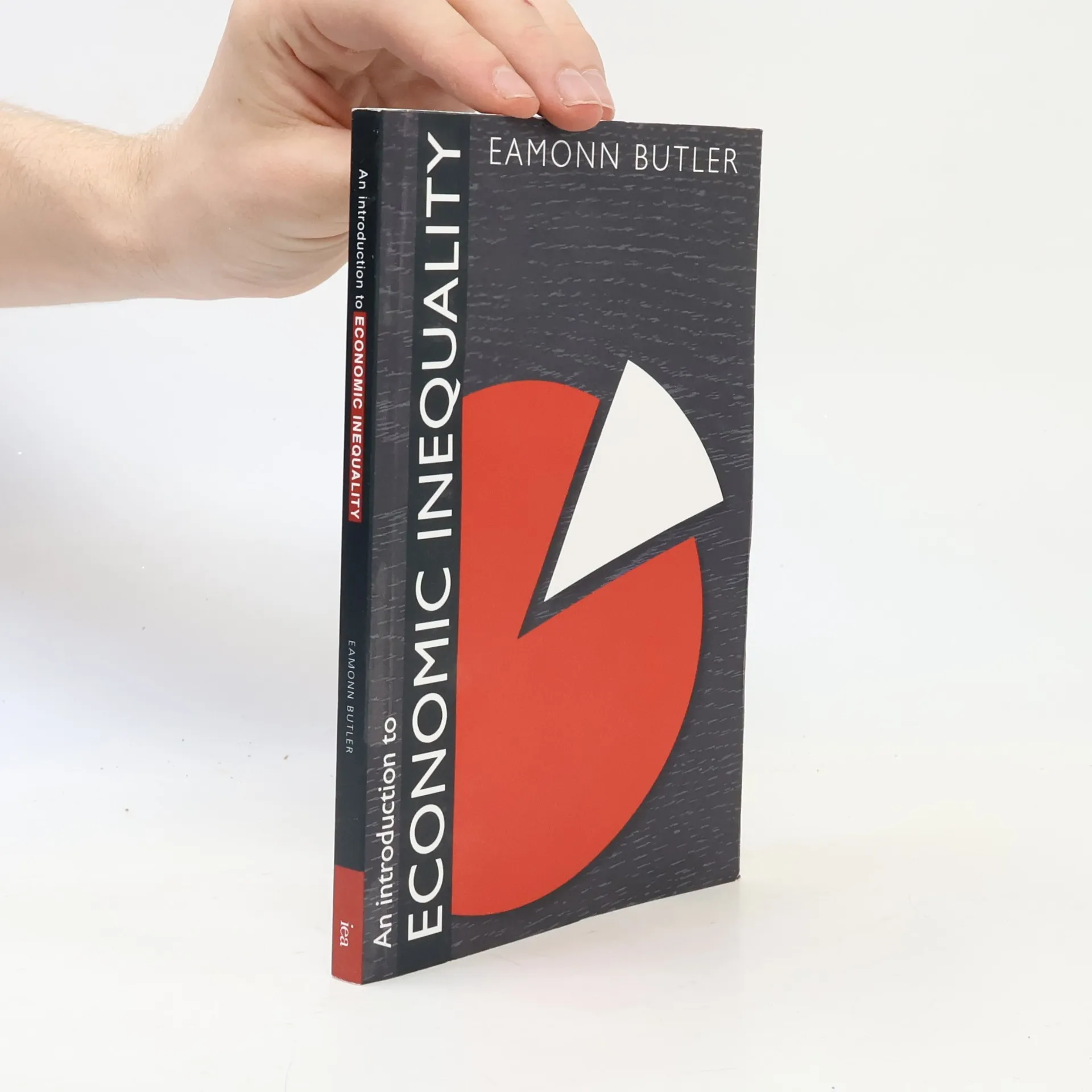
    Introduction to Economic Inequality
    An Introduction to Democracy
    • An Introduction to Democracy

      • 140 pages
      • 5 hours of reading

      What is democracy? How does it work? What are its strengths - and its shortcomings? Two-thirds of the world's population, in over 100 countries, live under governments that claim to be democratic. Yet few of those governments live up to the ideals of democracy, or respect its key principles and institutions. Here, author Eamonn Butler defines democracy, explains its purposes, and shows the difference between genuine democracy and the many sham versions that currently exist. He outlines the history of democracy and the benefits it brings. But he also points out the many myths about it that blind us to its limitations. And he explains why it's important to have a clear understanding of democracy - and how easily it can be lost or abused when people do not properly understand it. Importantly, he asks why so many people today have become disillusioned with democratic politics - and what, if anything, can be done about it. This lucid and fascinating book provides a straightforward introduction to democracy, enabling anyone to understand it - even if they've never experienced it.


      An Introduction to Democracy
    • Introduction to Economic Inequality

      • 126 pages
      • 5 hours of reading

      Challenging conventional views on economic inequality, Eamonn Butler questions whether striving for equality is the right approach. He argues that disparities arise from individual abilities, choices, and luck, suggesting that addressing fundamental issues like education and social mobility is more crucial than income redistribution. By emphasizing the importance of access to a decent standard of living over equality itself, Butler presents a thought-provoking critique that encourages a shift in focus towards practical solutions for improving the lives of the poor.

      Introduction to Economic Inequality
    • This important book outlines the core principles that define a free society. It provides an accessible introduction to the institutions and policies necessary to preserve and enhance individual freedom. The author also sets out the wider benefits of free societies. A combination of small government, the rule of law, strong private property rights and free trade enables entrepreneurship to thrive, delivering large improvements in living standards and lifting people out of poverty. Furthermore, a society based on ordered liberty allows free associations and networks of cooperation to develop that deliver wider social as well as economic benefits. Attempts to expand the role of government to promote equality or security at the expense of liberty have tended to end in failure and oppression. With its clear language, concise arguments and persuasive real-world examples, this primer is essential reading for those attempting to bring freedom to countries where the foundations of a free society are absent, and for those defending liberty in places where traditional freedoms are under threat.

      Foundations of a Free Society
    • Friedrich Hayek

      The Ideas and Influence of the Libertarian Economist

      • 162 pages
      • 6 hours of reading
      4.1(26)Add rating

      Friedrich Hayek's life and work are examined through his influential critiques of socialism and his impact on Western politics. Recognized as a Nobel economist and social theorist, Hayek significantly shaped the ideologies of leaders like Margaret Thatcher and Ronald Reagan. This accessible exploration highlights his contributions and the lasting effects of his ideas on society and governance.

      Friedrich Hayek
    • The book explores the complexities of international trade and globalization, highlighting how everyday products are the result of collaboration among diverse nations and cultures. Author Eamonn Butler delves into the growth of trade over the past 50 years, examining its intertwining with international politics and the tensions that arise alongside its benefits. He addresses common criticisms of globalization, offering a clear introduction to the principles, economics, and politics that shape this crucial aspect of contemporary life.

      An Introduction to Trade and Globalisation
    • Adam Smith : a primer

      • 124 pages
      • 5 hours of reading
      3.9(57)Add rating

      Foreword by Alan Peacock ; introduction by Gavin Kennedy. Includes bibliographical references (p. 115-117). *ceb 20070809

      Adam Smith : a primer
    • An Introduction to Entrepreneurship

      • 146 pages
      • 6 hours of reading

      Entrepreneurs are crucial for economic growth, innovation, and societal progress, yet their contributions are often overlooked in traditional economics. Eamonn Butler highlights the significance of entrepreneurship, examining the unique characteristics of successful entrepreneurs, including notable figures like Mark Zuckerberg and Richard Branson, many of whom defied conventional paths. The book advocates for integrating entrepreneurship into mainstream economics and politics, discussing both its benefits and the challenges it faces, while emphasizing the conditions necessary for it to thrive.

      An Introduction to Entrepreneurship
    • The term 'market failure' is frequently used by politicians, journalists, and economics students, yet many lack a realistic understanding of the government's ability to address these failures. This gap is partly due to insufficient knowledge of Public Choice economics, which examines human behavior within government processes. Understanding this discipline is crucial for anyone involved in public policy. If we acknowledge that political actors—such as elected officials, bureaucrats, and voters—often act in their own self-interest rather than for the public good, our confidence in government interventions to rectify market failures diminishes. Eamonn Butler provides a clear primer on this complex area of economics, highlighting the limitations of government intervention and the implications for designing effective governmental systems. This topic is particularly relevant in today's political discussions. The text serves as an important resource for those looking to grasp the appropriate role of government in economic matters.

      Public Choice - A Primer