

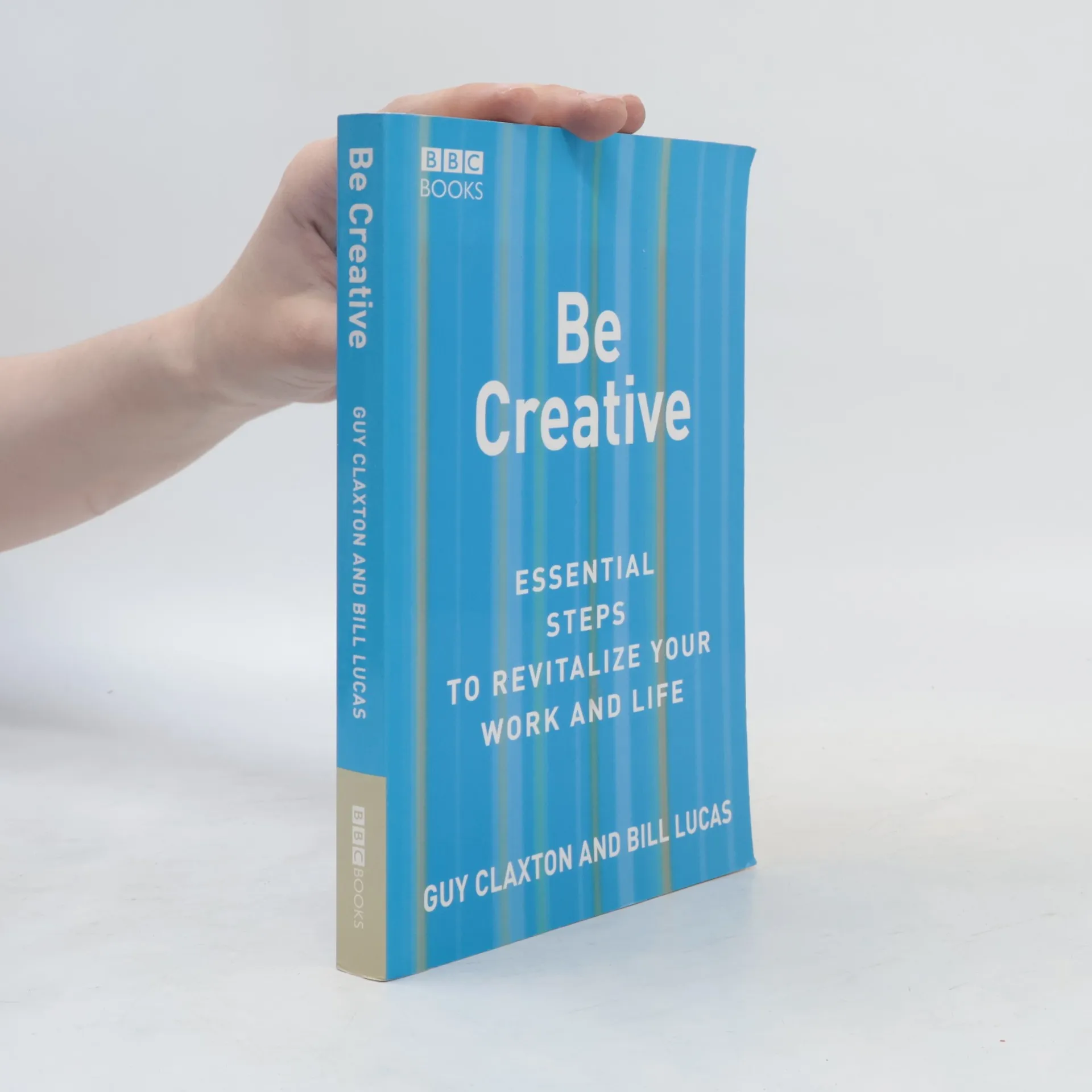
Creativity is a major economic force of the 21st Century and a vital part of everyday life. To achieve harmony, balance and personal success in our lives we need to think more creatively, become self-aware and respond to changing circumstances in a flexible and effective way. With practical exercises and inspiring examples, Guy Claxton and Bill Lucas demonstrate how to break away from old habits and free up your mind. The show you how to appreciate uncertainty, entertain outrageous opposites and stay open to the forces of ambiguity and possibility. Inklings, hunches, imagination, humour and even dreams can all play their part in liberating your creativity. *Access How to surf your own inner-net, and how to soften up to find inspiration when thinking too hard gets in the way. *Creativity at How to develop workplaces and build teams that support new thinking and creative dialogue, and allow ideas to germinate. *Living How to take things in, communicate well, uncover possibilities you never dreamed of and make them work.
Bill Lucas Books
Bill Lucas is a Professor of Learning and Director of the Centre for Real-World Learning. He is internationally recognized as a speaker and writer on the subjects of learning, change, creativity, and leadership. His work focuses on developing critical and creative thinking, particularly within educational contexts. He is a co-creator of the Expansive Education Network, one of the world's largest teacher-researcher groups.
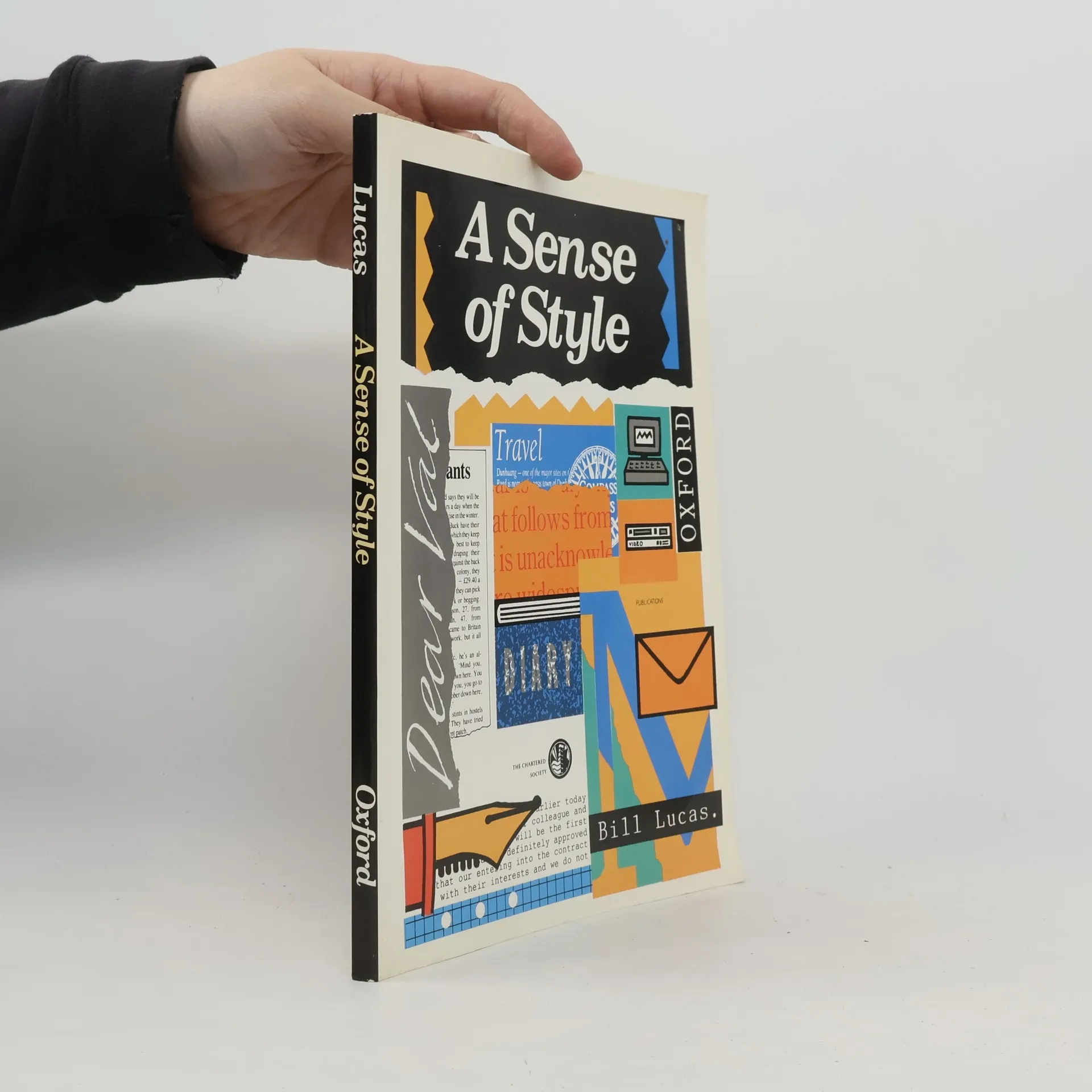
A Sense of Style
- 128 pages
- 5 hours of reading
The aim of this text is to equip students with the skills needed to read and respond to non-literary modes of writing in line with the various GCSE and Standard Grade English syllabus requirements. Each unit provides a variety of assignments enabling students to understand various styles, plus suggestions for oral work and examples of writing. There are special sections at the end of each unit which contain longer, more detailed coursework assignments. Each unit also includes a list of key words and key techniques. Units cover the following writing autobiography, interests and beliefs, arguing a case, newspapers and magazines, publicity, the natural world, travel, letters, diaries and factual narratives.
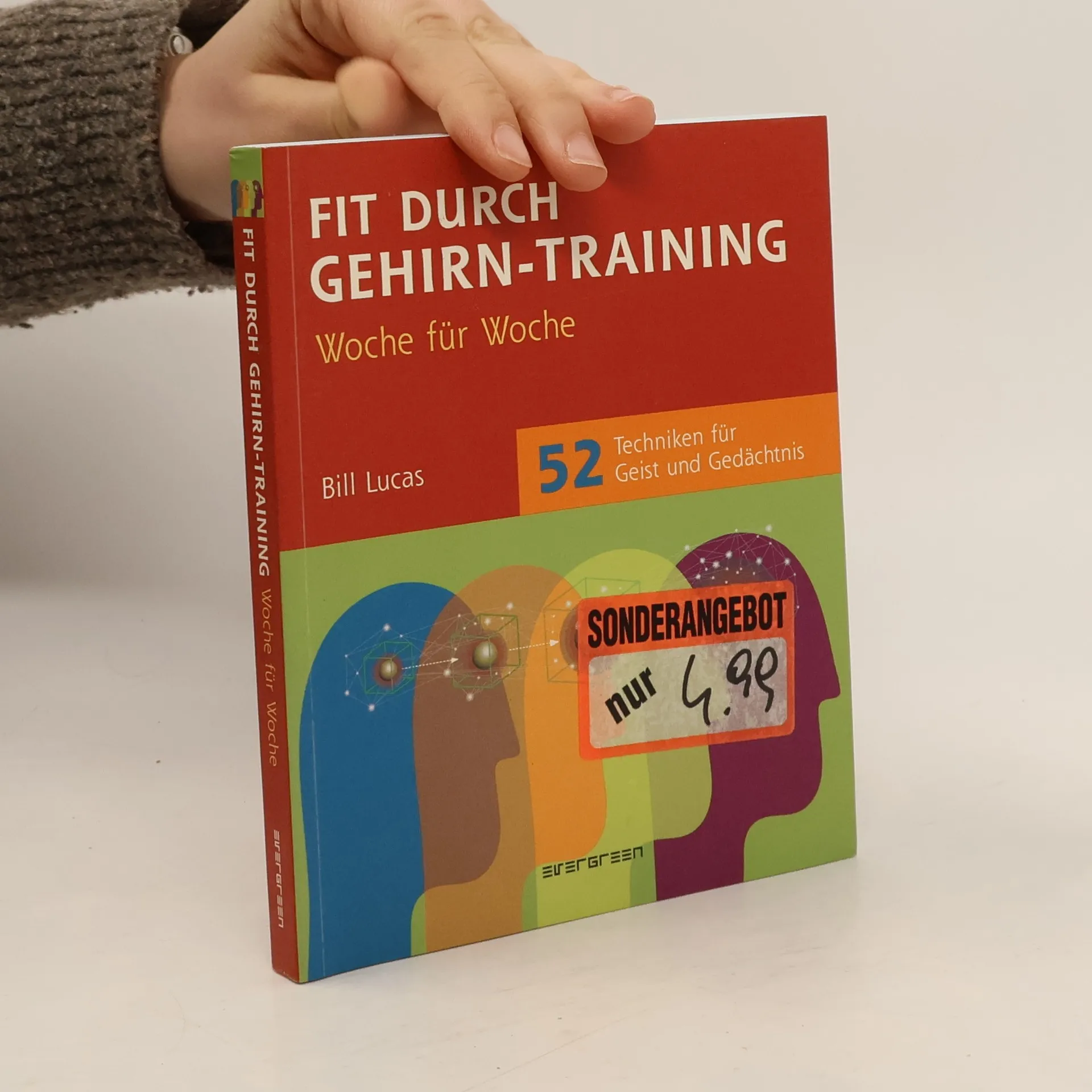
Fit durch Gehirn-Training Woche für Woche
- 172 pages
- 7 hours of reading
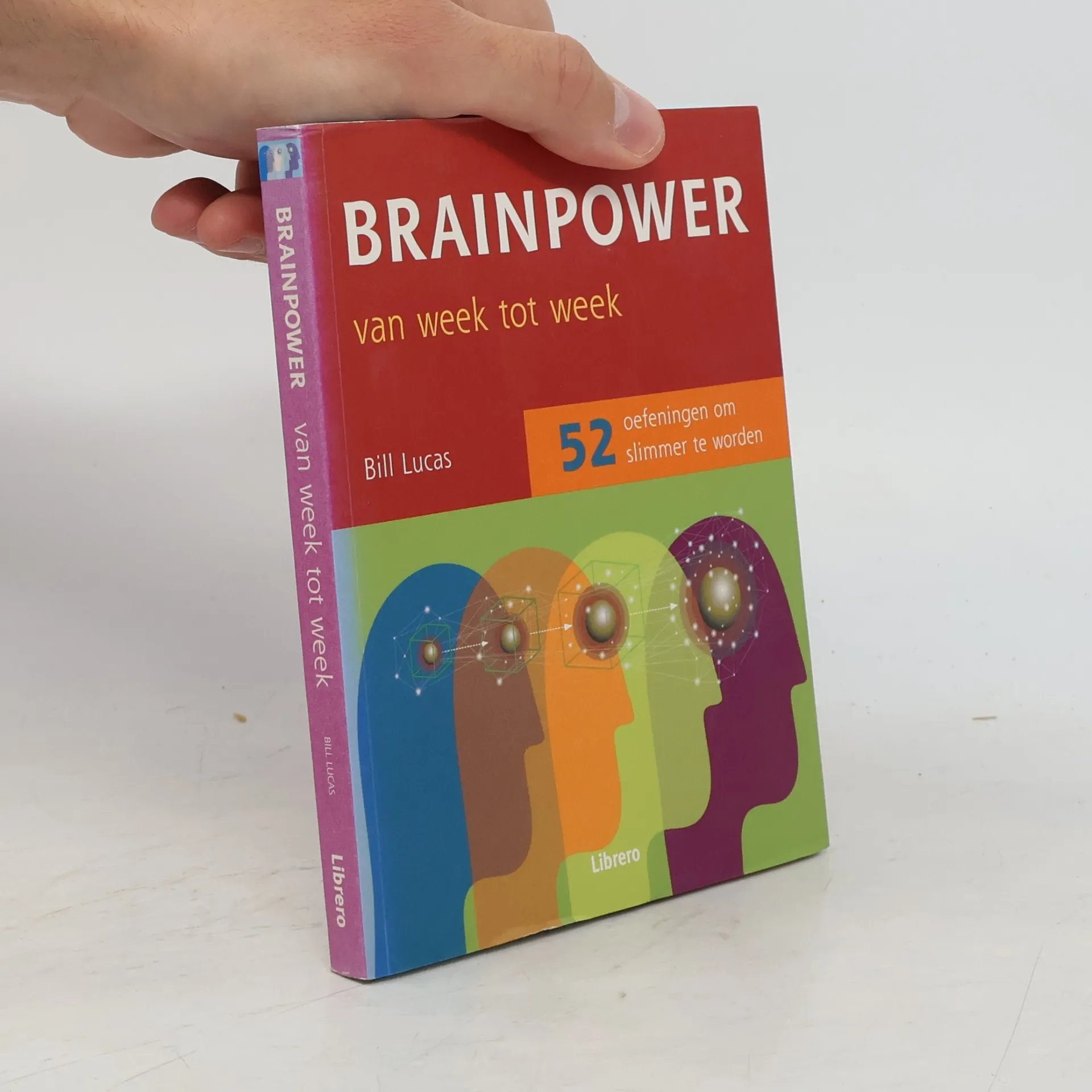
Brainpower van week tot week
52 oefeningen om slimmer te worden