John Gillingham is emeritus professor of medieval history, renowned as an expert on the Angevin empire. His scholarship delves into the complexities of this historical period, offering profound insights into its political and social structures. His work is characterized by rigorous research and a deep understanding of medieval European dynamics, making him a leading authority on the subject.
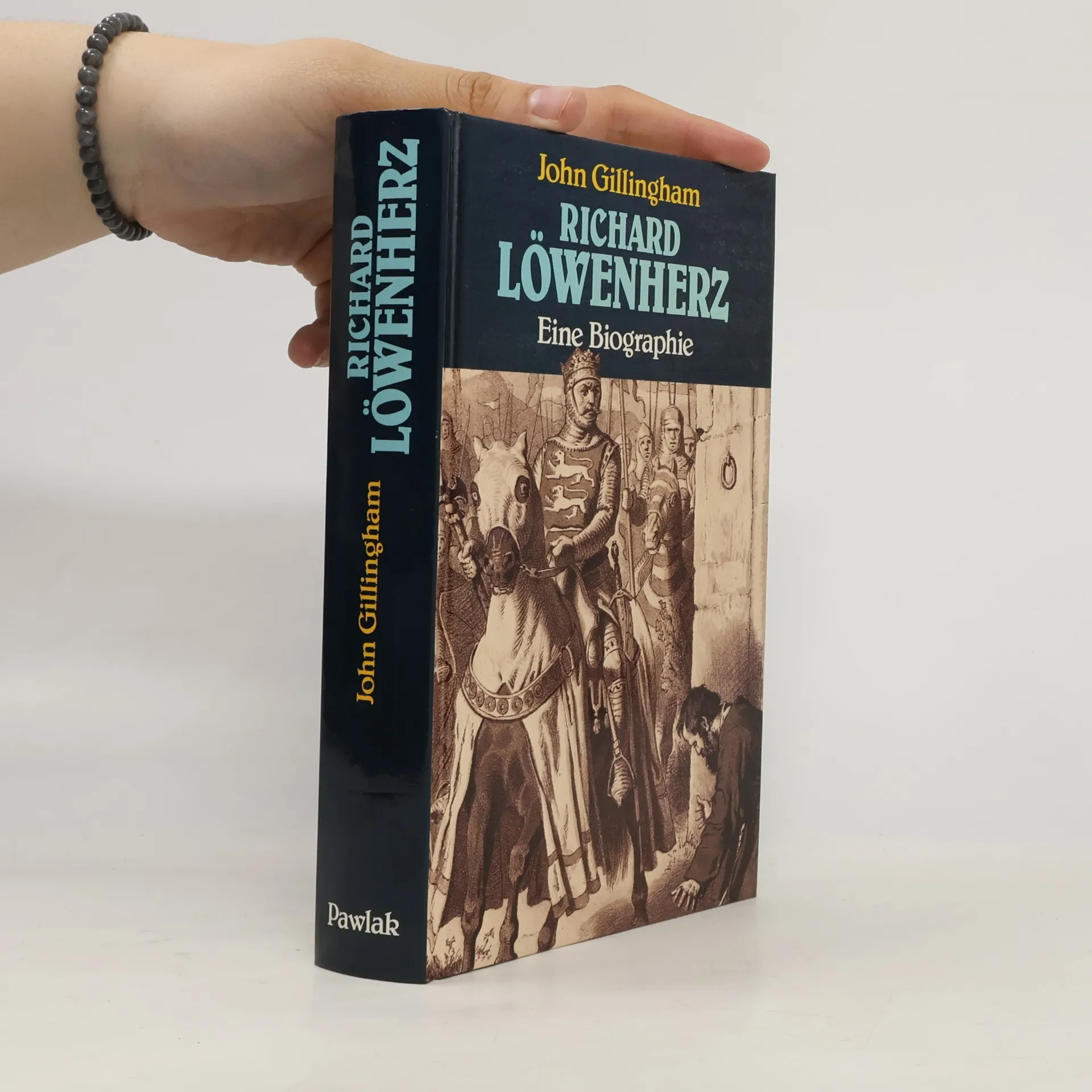
An account of Richard the Lionheart's reign. John Gillingham scrutinizes the
king's fluctuating reputation over the centuries and portrays him as neither a
feckless knight-errant nor a neglectful king, but a masterful and businesslike
ruler. This paperback includes an updated bibliography. číst celé
Professor Gillingham's work offers a comprehensive historical perspective on European integration, a pivotal development of the past fifty years. It addresses the significance, origins, and transformations of this process, moving beyond existing literature to illuminate Europe's unique historical trajectory amidst contemporary political debates.
A major account of the failings of the European Union—and why it has to go The European Union is a besieged institution. It is struggling in vain to overcome the eurozone crisis and faces an influx of refugees not seen since World War II. The Schengen Agreement is a dead letter, and Britain stands on the brink of leaving altogether. The EU is unfit for the challenges of the coming age of increased global competition and high tech. In sum, the drive for an “ever-closer union” has set Europe on the wrong course: plunged it into depression, fuelled national antagonisms, debilitated democracy, and accelerated decline. In this pithy, rigorously argued book, leading historian John Gillingham examines a once great notion that soured long ago. From its postwar origins, through the Single Market, to the troubles of the present, Gillingham explains how Europe’s would-be government became a force for anti-democratic centralization and inept policy-making. Brussels has inspired a world of illusion that now threatens to undo the undoubted achievements of integration. The EU: An Obituary is an urgent call to the political Left, Right, and Centre to act before it is too late.
Is Brexit the beginning of the end for the EU? Fully updated and revised, this new edition of John R. Gillingham’s swingeing study explains why the European Union is so profoundly unsuited to the modern political economy. In a devastating historical account of political failure, he takes readers back to the union’s postwar origins, when it was considered the best means to guarantee peace, demonstrating how the flaws of the institution date to its origins. Today, these inherent failings leave it unable to deal with the most pressing issues of our time: the refugee crisis, Britain’s exit, the foundering eurozone, and the increasing disquiet among its member states. In a globalised marketplace where technological innovation transcends state boundaries, the EU is no longer fit for purpose. It is time to let the union dissolve.
William II (1087-1100), or William Rufus, will always be most famous for his death: killed by an arrow while out hunting, perhaps through accident or perhaps murder. But, as John Gillingham makes clear in this elegant book, as the son and successor to William the Conqueror it was William Rufus who had to establish permanent Norman rule. A ruthless, irascible man, he frequently argued acrimoniously with his older brother Robert over their father's inheritance - but he also handed out effective justice, leaving as his legacy one of the most extraordinary of all medieval buildings, Westminster Hall.
A major new history for young readers, this volume brings to life the people, places and events that make up the past of Ireland and Britain. Starting with the earliest settlers on these islands, The Young Oxford History of Britain and Ireland maps the social, economic, cultural, andtechnological developments of the ages up until the present day. We hear the stories of ordinary people and extraordinary rulers--the reformers and rebels, scientists, thinkers, and artists--who shaped the centuries and of the discoveries and inventions that changed their everyday lives.With over 500 stunning illustrations, including maps, family trees, paintings, photographs, and timelines, as well as double-page feature spreads on important topics such as the printing press and the steam engine, The Young Oxford History of Britain and Ireland is an engrossing read, a visualfeast, a valuable reference resource, and a lasting treasure-trove of information.
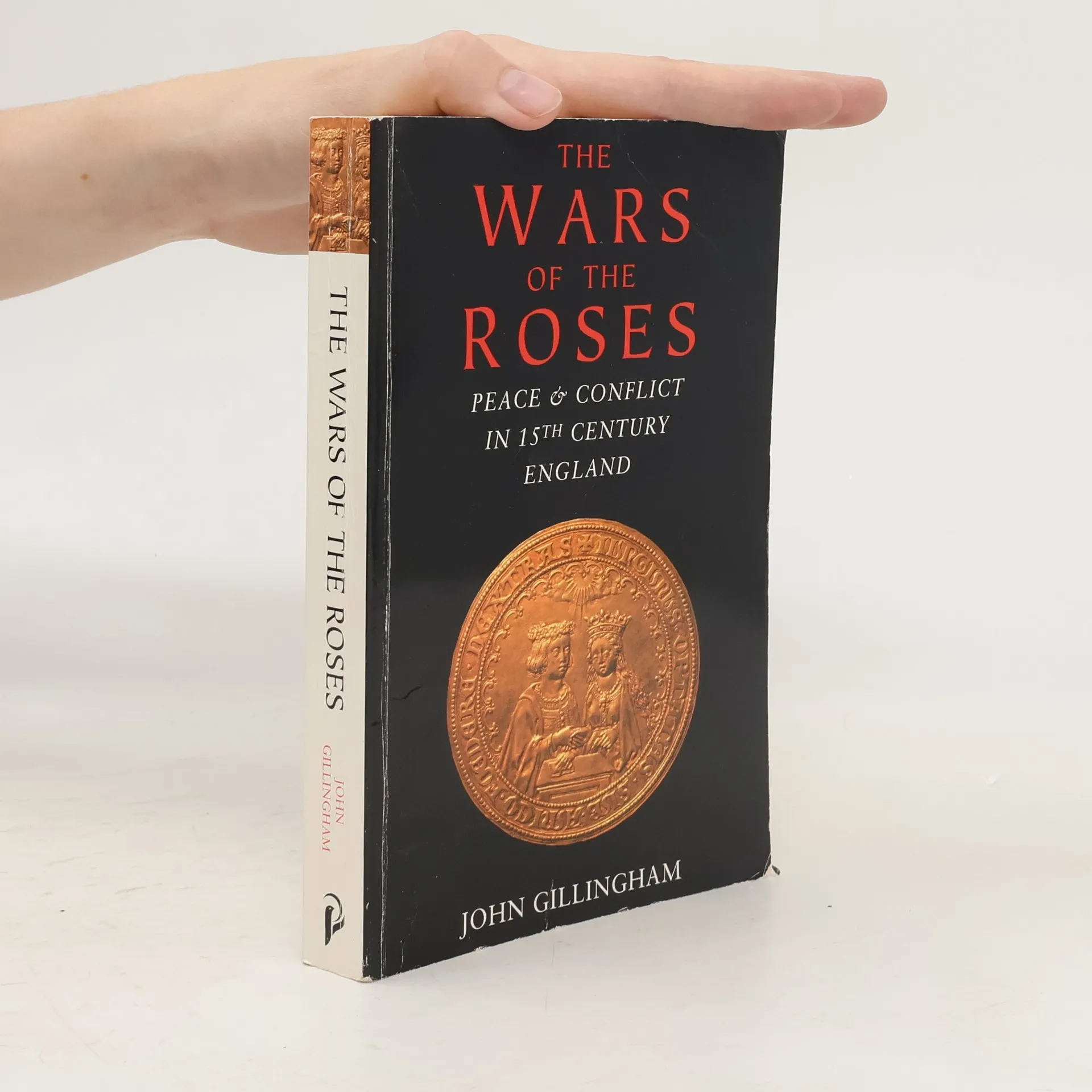
The War of the Roses have traditionally been seen as the last dying convulsion of the Middle Ages, a marker between the medieval and the modern, and above all as a period of violence, horror and civil disorder. John Gillingham's new book shows that this is a spurious view of the period. His authoritative analysis of fifteenth-century warfare proves that the actual battles of the wars involved far fewer men than has been assumed, and that, apart from the Northumbria and the Scottish border, England was a society organized for peace. The arts of peace flourished in the fifteenth century, which saw the beginning of printing in England, the rise of literacy and growing interest in vernacular architecture. The wars which sporadically interrupted that peace were fought in a manner calculated to bring them to a swift conclusion. The author shatters the Shakespearian myth of perpetual bloody conflict and shows that the wars had remarkably little effect on the social and religious life of the country or on the structure of politics. -- Publisher description
Przez średniowiecznych historyków porównywany do Karola Wielkiego i króla
Artura, w późniejszej historiografii oceniany był wyłącznie przez pryzmat
wypraw krzyżowych. Demonizowany przez wrogów, na czele z Filipem II, i
sprowadzony do roli awanturnika przez protestanckich historyków,
najbardziej... číst celé