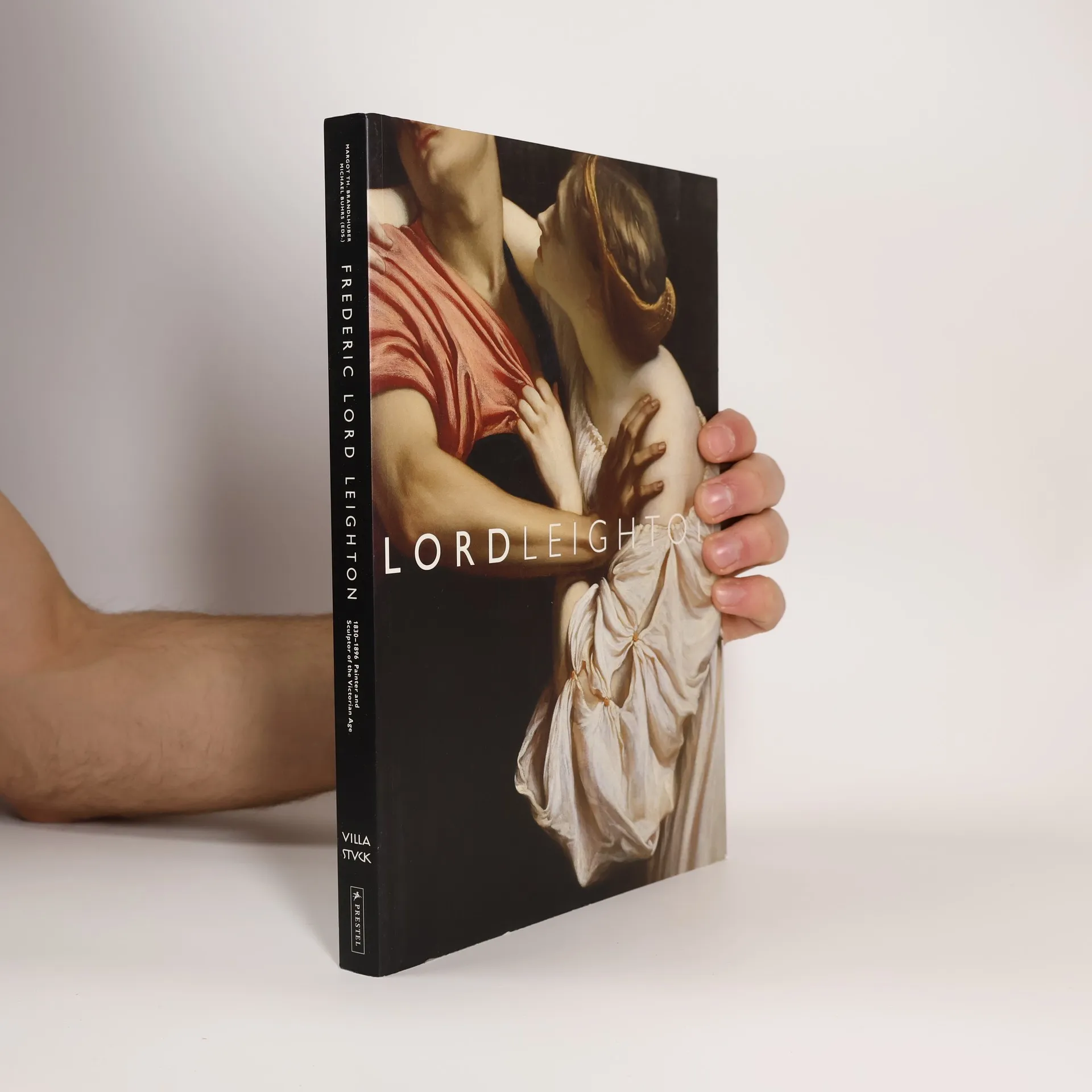
Frederic Lord Leighton
- 191 pages
- 7 hours of reading



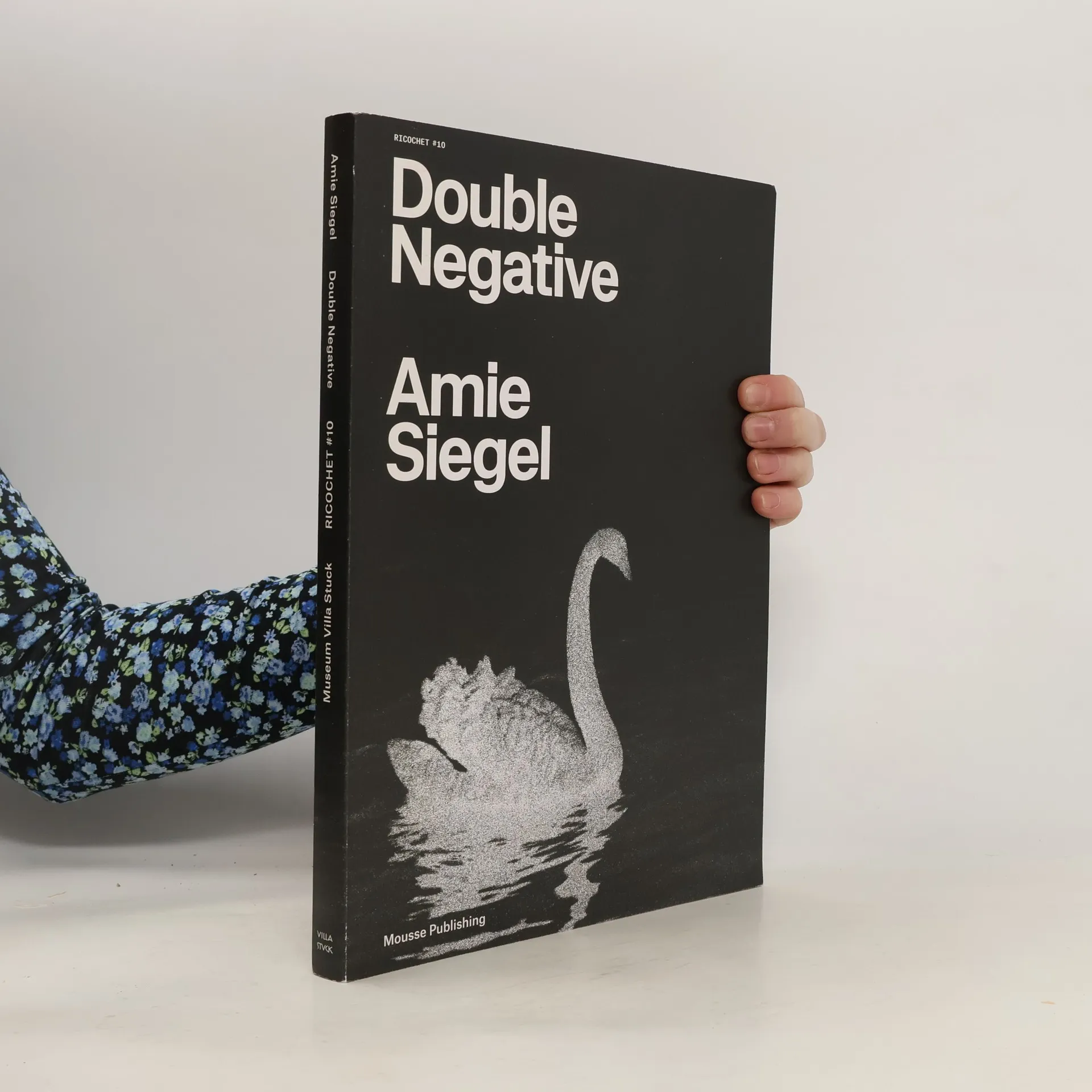
Known for her layered, meticulously constructed works that trace the undercurrents of systems of value and image-making, Chicago-born artist Amie Siegel's (born 1974) work moves between film, video, photography, performance and installation. Double Negative surveys the last decade of her art.
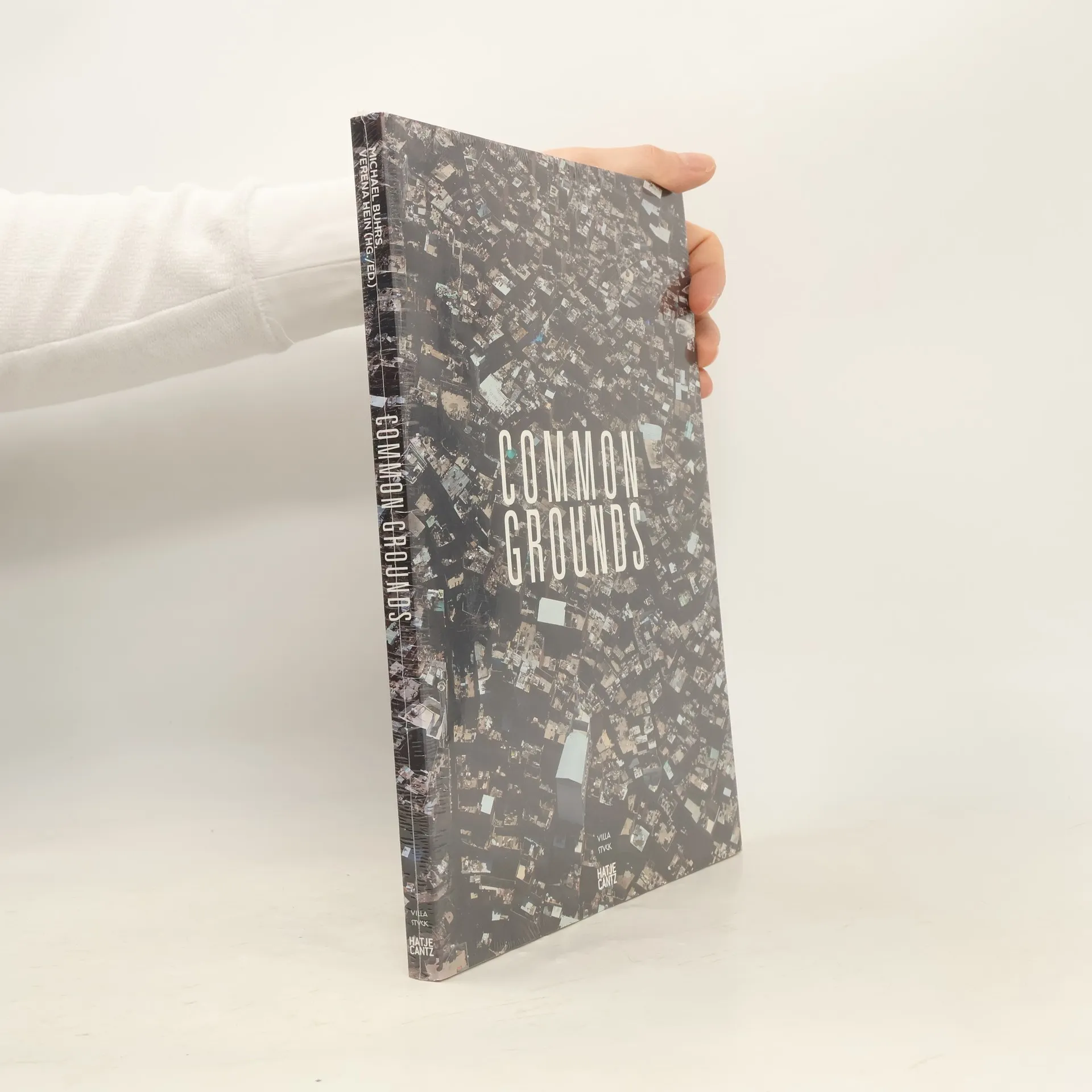
Die aufstrebenden Städte der Golf-Region und konfliktreiche Schauplätze im Mittleren und Nahen Osten sind zentrale Themen der aktuellen Medienberichterstattung. Der westliche Blick ist von den extremen Bildern aus diesen Gebieten geprägt. Die Publikation konterkariert deren manipulative Ästhetik mit Werken, die insofern einen vielschichtigeren Ansatz zeigen, als sie sich mit den dortigen gesellschaftlichen Bedingungen auseinandersetzen. Common Grounds bezieht sich auf das wissenschaftliche Modell des Grounding, die Annahme, dass zwischen Kommunikationspartnern ein gemeinsamer Wissensraum besteht, der den Dialog gelingen lässt. Dieser öffentliche Raum bildet das Sujet der präsentierten Arbeiten, die subjektive Erzählweisen jenseits kollektiver Geschichtsschreibung aufzeigen. In Christian Palestinian Archive (CPA) etwa gestaltet Dor Guez Archivmaterial, das persönliche Geschichten von Palästinensern christlichen Glaubens aus der ersten Hälfte des 20. Jahrhunderts dokumentiert. Die vorgestellten Künstler (Auswahl): Abbas Akhavan, DAAR, Parastou Forouhar, Babak Golkar , Dor Guez, Joana Hadjithomas & Khalil Joreige, Hazem Harb, Susan Hefuna, Bouchra Khalili, Sophia Al Maria, Ahmed Mater, Nasser Al Salem Ausstellung: Museum Villa Stuck, München 12.2.–17.5.2015
Installations and musical sculptures exploring the politics of sound and cultural migration Berlin-based Turkish artist Nevin Aladag (born 1972) makes sculptures and installations that explore social, urban and political borderlines. Inspired by her multicultural upbringing, Aladag combines objects with disparate cultural origins to create pieces that function as visual “scores,” both reflecting and transcending their material components. In her fabric works, Aladag collages segments of carpets from across the globe to create brightly patterned geometric tapestries which, from afar, appear as abstract, modular paintings with bold borders separating each distinct element. For her most acclaimed piece, Music Room Athens , presented at Documenta 14, she combined parts from various string, wind and percussion instruments with found furniture to create assemblage sculptures that interrogate the role of sound in the making of an environment.
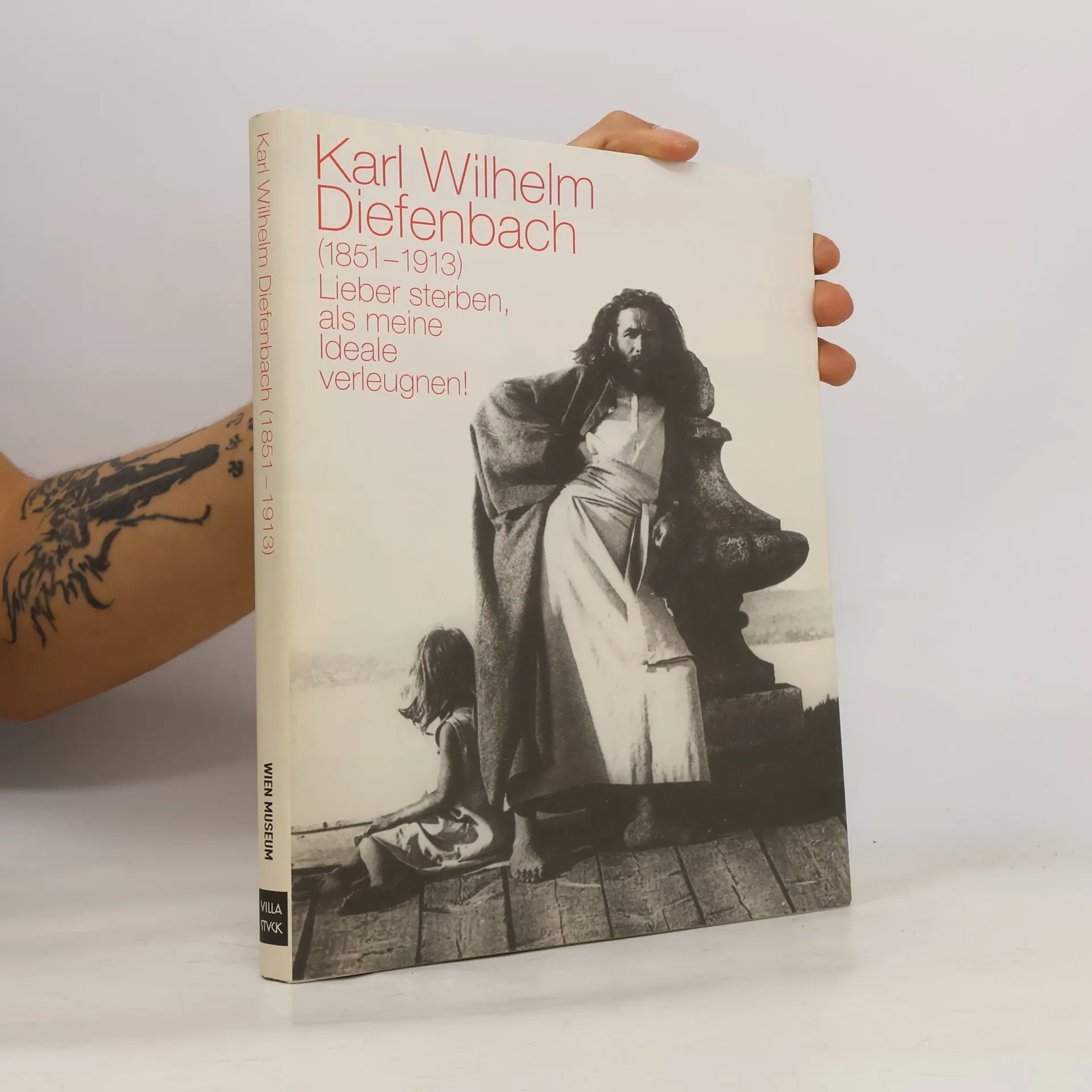
Maler und Kulturrebell, Vegetarier, Pazifist und "Sonnenanbeter", Karl Wilhelm Diefenbach (1852-1913) war eine exzentrische Künstlerpersönlichkeit, die Ende des 19. Jahrhunderts nicht nur in der bayerischen Hauptstadt von sich reden macht. Barfuss und in eine Kutte gekleidet wetterte er vor dem Münchner Hofbräuhaus "gegen den Verzehr von Tierfetzen" und sah im "Tiermord" die Ursache für den "menschenmordenden Krieg". Diefenbachs Suche nach neuen Wegen führte ihn aus dem vermeintlich weltoffenen Schwabing ins abgeschiedene Isartal, von dort über Wien, Kairo und Triest schliesslich auf die von Bohemiens und Künstlern besuchte und besiedelte Mittelmeerinsel Capri, wo er 1913 starb und in Vergessenheit geriet. Ausstellung: Museum Villa Stuck, München, 29. Oktober 2009-31. Januar 2010.
Beate Passow (b. Stadtoldendorf, Germany, 1945; lives and works in Munich) creates installations, photodocumentaries, and collages that seek to salvage her subjects from oblivion, though as she sees it, her art is an effort to come to terms not so much with the past as with the present. When her compositional inventions touch on painful memories, their objective is not to arrive at new insights. Rather, she aims to uncover visible and verifiable states of affairs and throw them into sharp relief. In her cycle of pictures Monkey Business, the artist unfolds a mysterious fairy-tale world with a political edge. Strange animals and mythical figures populate the large-format black-and-white tableaux, which a closer look reveals to be woven tapestries. The unusual protagonists roam readily identifiable locations: Gibraltar, New York?s Wall Street, Brussels, or the island of Lampedusa. Behind these ostensibly simple facts of geography loom the darker aspects of contemporary European politics: Passow?s work calls for a debate on the systems, economic structures, and political movements that rule the continent.00Exhibition: Villa Stuck, München, Germany (19.05. - 22.11.2020).
Lob der Malkunst
Contemporary Visual Communication in a Historic Weaving Technique. Margret Eicher’s (b. Viersen, Germany, 1955; lives and works in Berlin) large-format tapestries combine the baroque form of the woven picture with familiar motifs excerpted from contemporary media images. She digitizes her sources and then assembles them in painstaking editing work on the computer. The resulting ‘media tapestries’ occupy the interface between the traditional work of art as a physical object and the electronic noise of the digital two worlds that at first glance would seem to be incompatible yet find themselves in harmonious union in Eicher’s art. In "Göttliche Liebe (Divine Love)", for example, Caravaggio’s "Crowning with Thorns" meets a kissing gay couple from a pro-tolerance campaign in Berlin, while Botticelli’s "Birth of Venus" is sampled together with a subway station in Frankfurt. In conceptual art production, the creative idea is central and its realization becomes secondary; in a final twist, "Lob der Malkunst (Praise of Painting)" elects this practice as its artistic lodestar.
Heribert C. Ottersbach (Jg. 1960) zählt zu den profiliertesten deutschen Malern der Gegenwart. Im Mittelpunkt seines Werkes stehen Fragen nach der Geschichte der Moderne, dem Stellenwert von Kunst sowie der gesellschaftlichen Rolle des zeitgenössischen Künstlers. So ist ein wesentlicher Bestandteil seines Werkprozesses die Recherche in Archiven und öffentlichen Medien. Er arrangiert seine Bildkompositionen am Computer, bevor er sie auf die Leinwand oder das Büttenpapier überträgt. So entstehen Bildwerke wie Traumbilder, die das spezifische Merkmal einer Malerei im Zeitalter der technischen Reproduzierbarkeit thematisieren. Der Katalog gibt neben den Arbeiten von 2002 bis 2008, die der Künstler mit den Begriffen 'Idylle', 'Melancholia' und 'Pastorale' überschrieben hat, Einblick in die Arbeitsmethode des Künstlers.
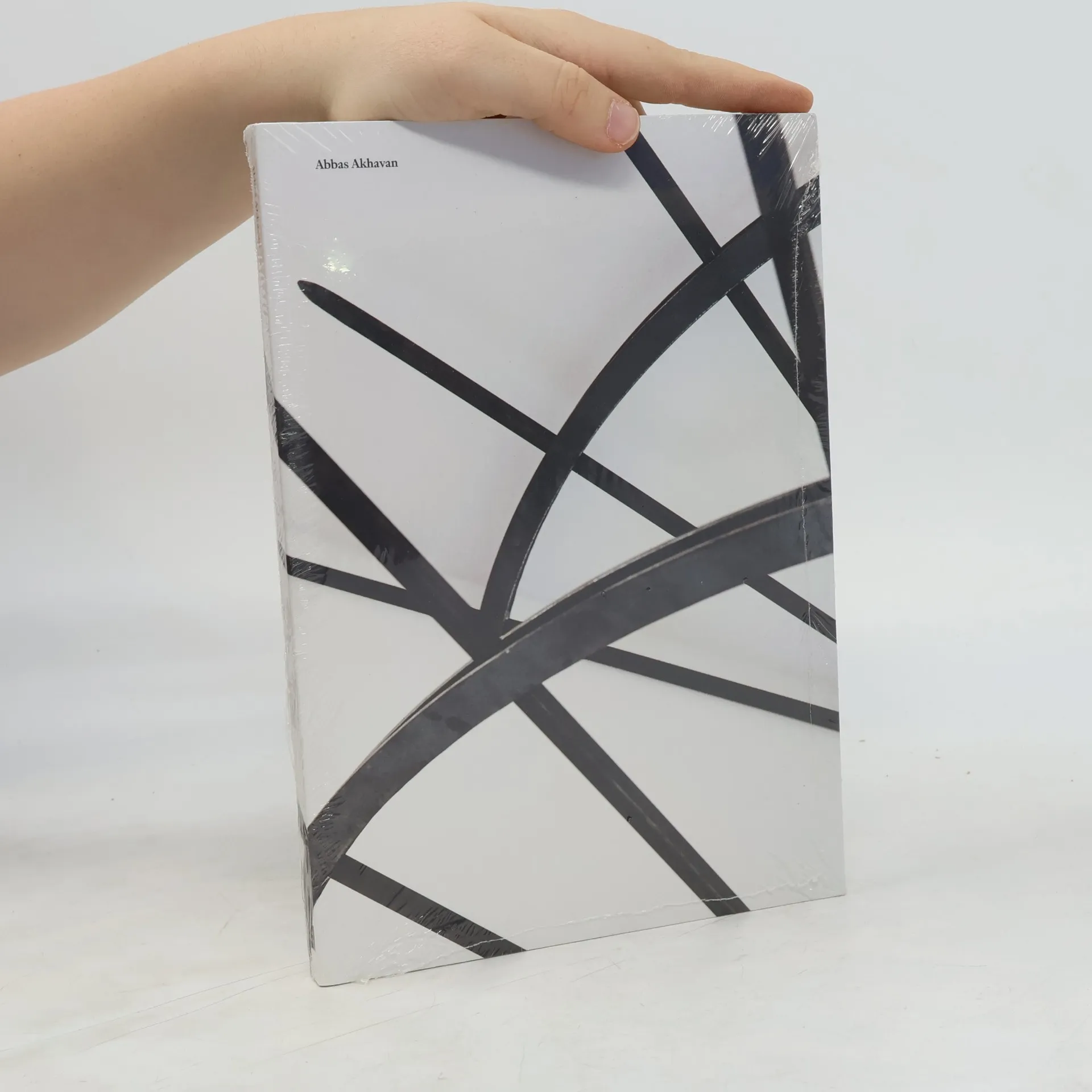
Spatial Experience versus Perception Abbas Akhavan (b. Tehran, Iran, 1977; lives and works in Toronto) can be counted among a generation of emerging Canadian artists reflecting on social issues through ephemeral, site-specific works. Akhavan’s works – sculptures, installations, drawings, videos, and performances – deal with destruction and exclusion, but also with acts of preservation and restoration. His conceptual objects show a creative process that is not yet complete. In his works, Akhavan refers to nature and the four elements – fire, water, earth, and air. Plants or animals become elementary design components. In the exhibition at Villa Stuck, visitors first encounter a barrier in the form of a thuja hedge, bringing the outdoors inside. Here, the artist has left conspicuous traces of preceding exhibitions: the walls are unrenovated, the air-conditioning is switched off, and previously covered windows have been uncovered. Thus, Akhavan questions the responsibilities of a museum and whether or not common strategies of preservation are actually contemporary. With a preface by Michael Buhrs and Verena Hein and contributions from Burcu Dogramaci, Vassilis Oikonomopoulos, Amy Zion, as well as a discussion between Abbas Akhavan and Verena Hein.