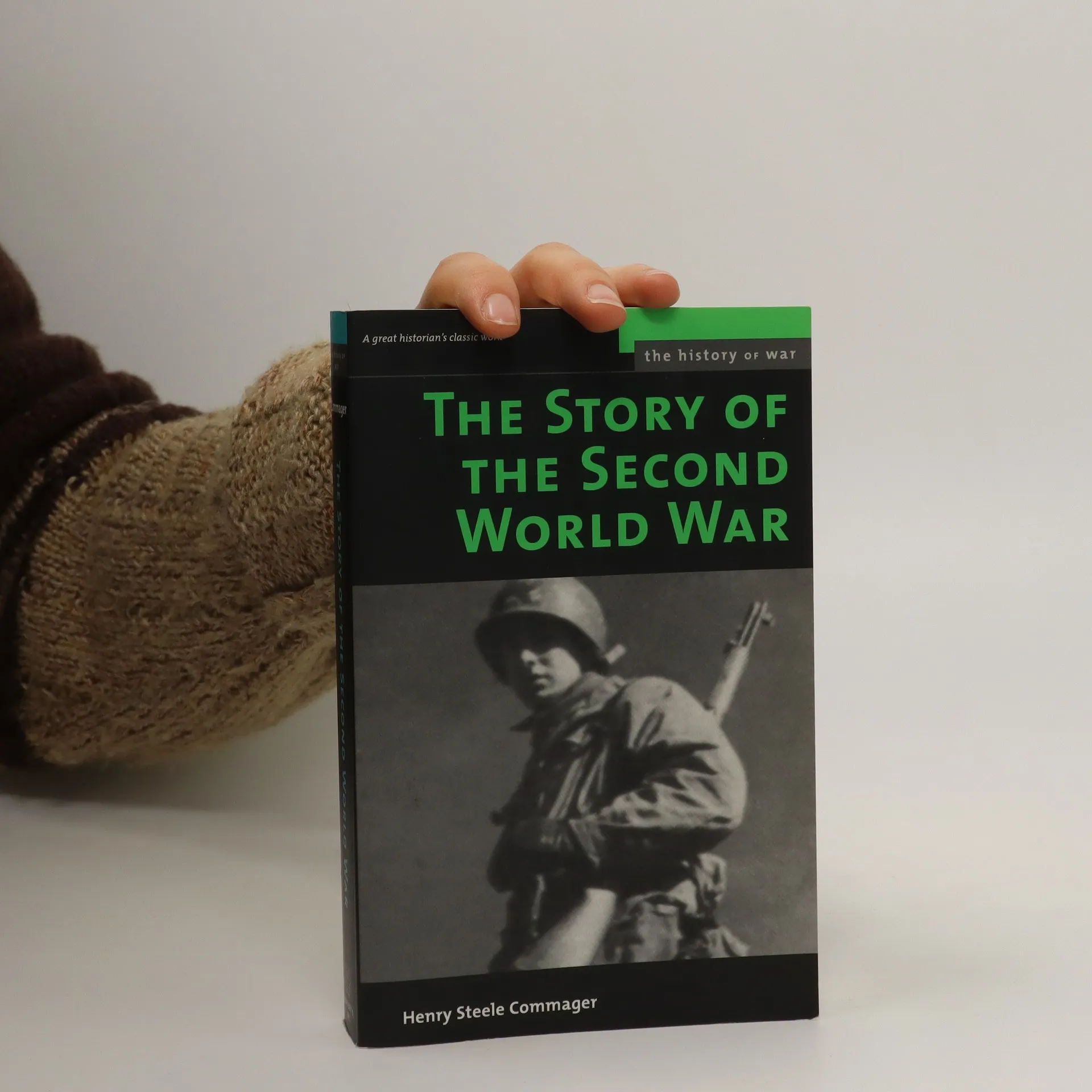
Henry Steele Commager’s The Story of the Second World War, compiled in the war’s immediate aftermath, became an instant classic. Commager has presented a broad spectrum of contemporary writing about the war by such figures as Winston Churchill, John Steinbeck, Walter Lippman, John Hersey, and William Shirer. The book also contains stirring narratives by the soldiers and civilians who experienced the war on the frontlines or who endured it behind the lines. Readers will enjoy these remarkable firsthand accounts from all of the major theaters of the war and Commager’s expert commentary, which puts the war in perspective.
Henry Steele Commager Book order (chronological)
October 25, 1902 – March 2, 1998
Henry Steele Commager was an American historian who defined Modern liberalism in the United States for two generations through his 40 books and 700 essays and reviews. His extensive body of work shaped the intellectual landscape, offering profound insights into American ideals and their evolution. Commager's writings are characterized by incisive analysis and a passionate defense of civil liberties and democratic principles. He left a lasting legacy as a pivotal figure in American historical thought and an influential voice in discussions about the nature of American society.


The foremost American historian of his generation delves into the nation's European origins, illuminating how the new country embodied the principles of the Enlightenment--ideals that Europe, trapped by tradition and privilege, could not itself realize. "...crystalline clarity of...writing [causes] explosions in the reader's mind...history to be pondered and cherished."--The New York Times. "Learning and reason are at the service of a mind whose understanding of democracy gains brilliance and power from a passion for...freedom."--Arthur Schlesinger Jr.
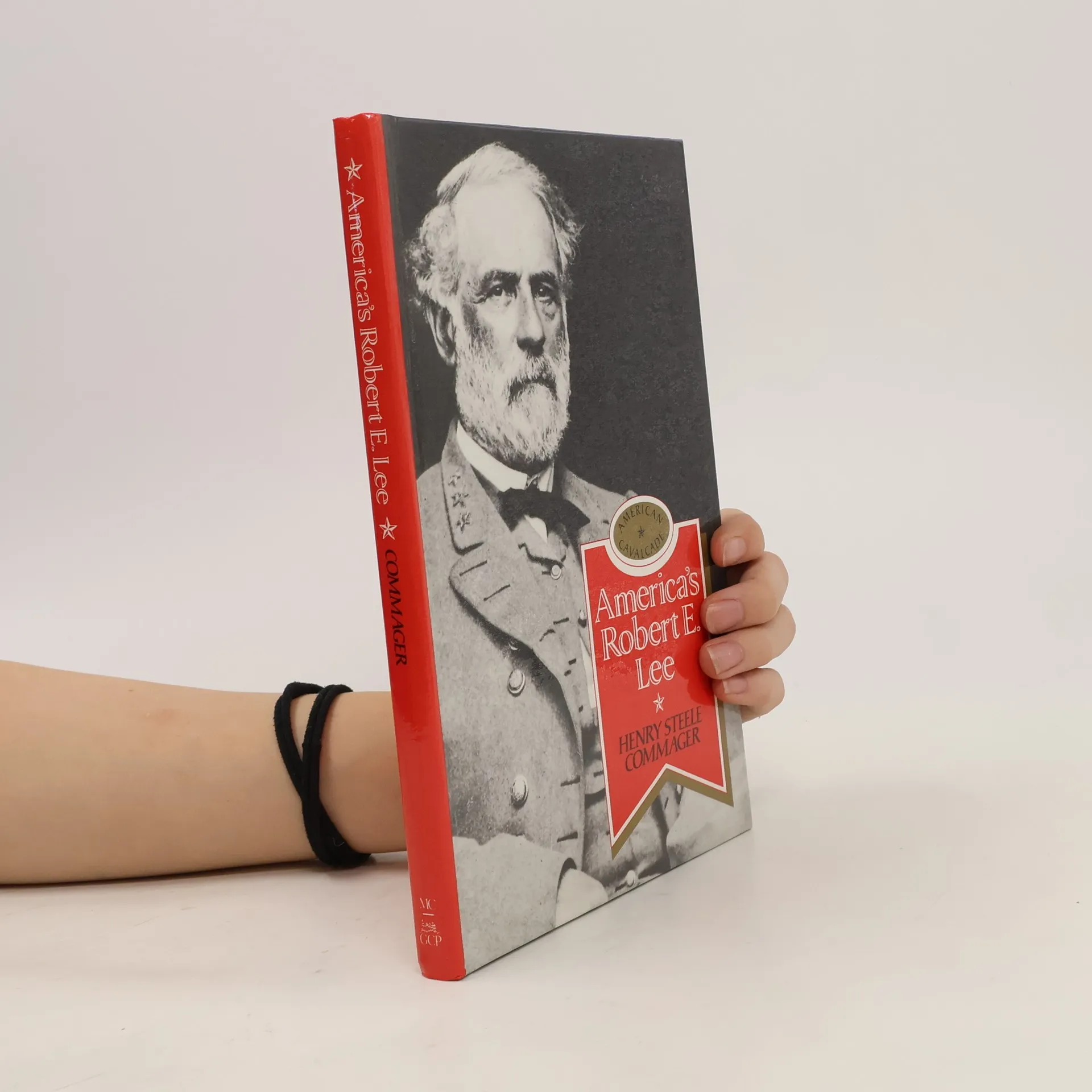
America's Robert E. Lee
- 119 pages
- 5 hours of reading
A biography of the commander of the Confederate armies, describing his family life, his career, and his campaigns during the Civil War.
This "masterful treatment of one of the most complex periods of American history" ( New Republic ) made history when it was originally published in 1988. It redefined how Reconstruction was viewed by historians and people everywhere in its chronicling of how Americans -- black and white -- responded to the unprecedented changes unleashed by the war and the end of slavery. This "smart book of enormous strengths" ( Boston Globe ) has since gone on to become the classic work on the wrenching post-Civil War period -- an era whose legacy reverberates still today in the United States.
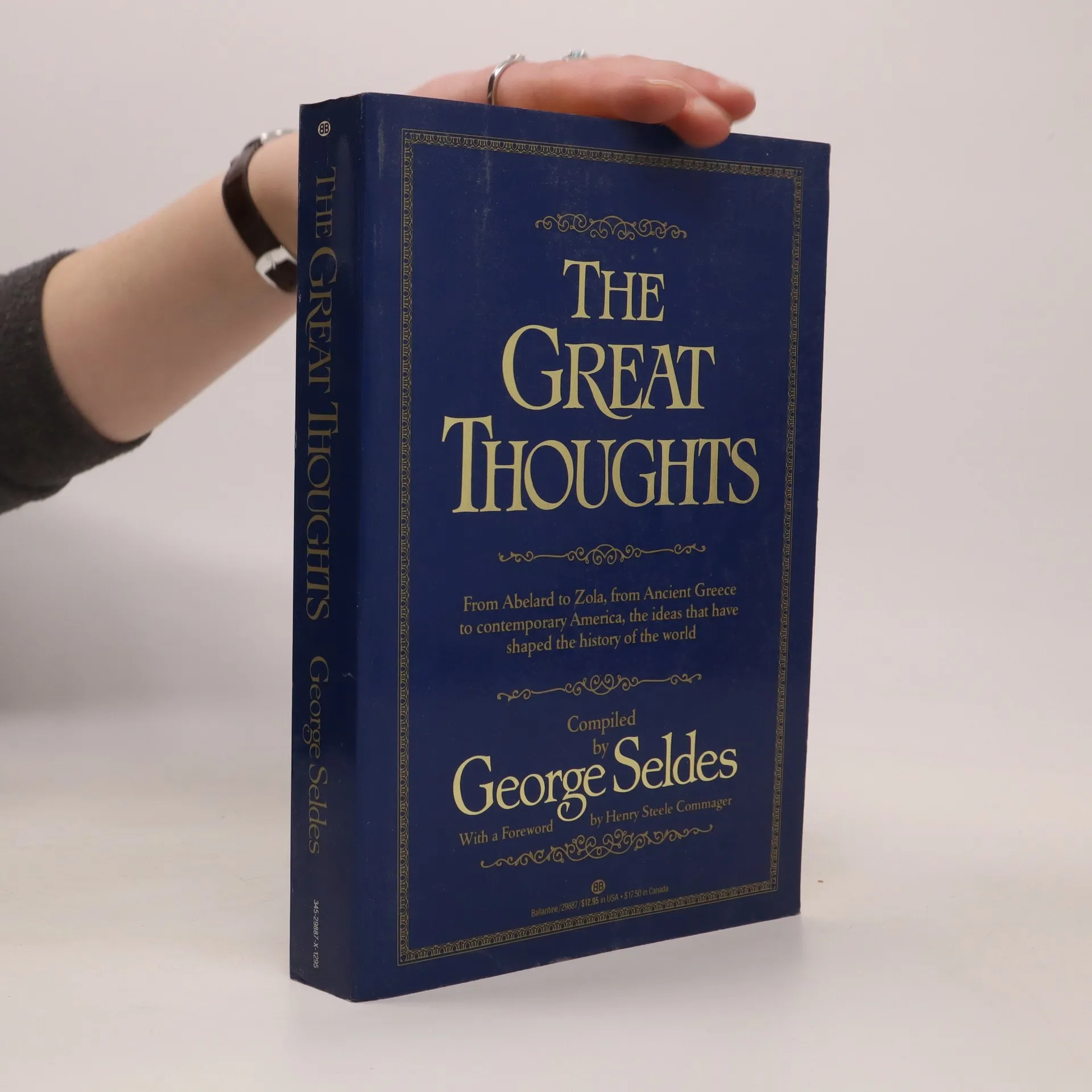
Upon its first publication in 1985, George Seldes The Great Thoughts instantly took its place as a classic. This treasure house of the seminal ideas that shaped the intellectual history of the world--from Abelard to Zola, ancient Greece to contemporary America--has been revised and updated to reflect the global upheaval of the past decade.
A broad overview of American history up to the resignation of President Nixon is presented especially for the general reader
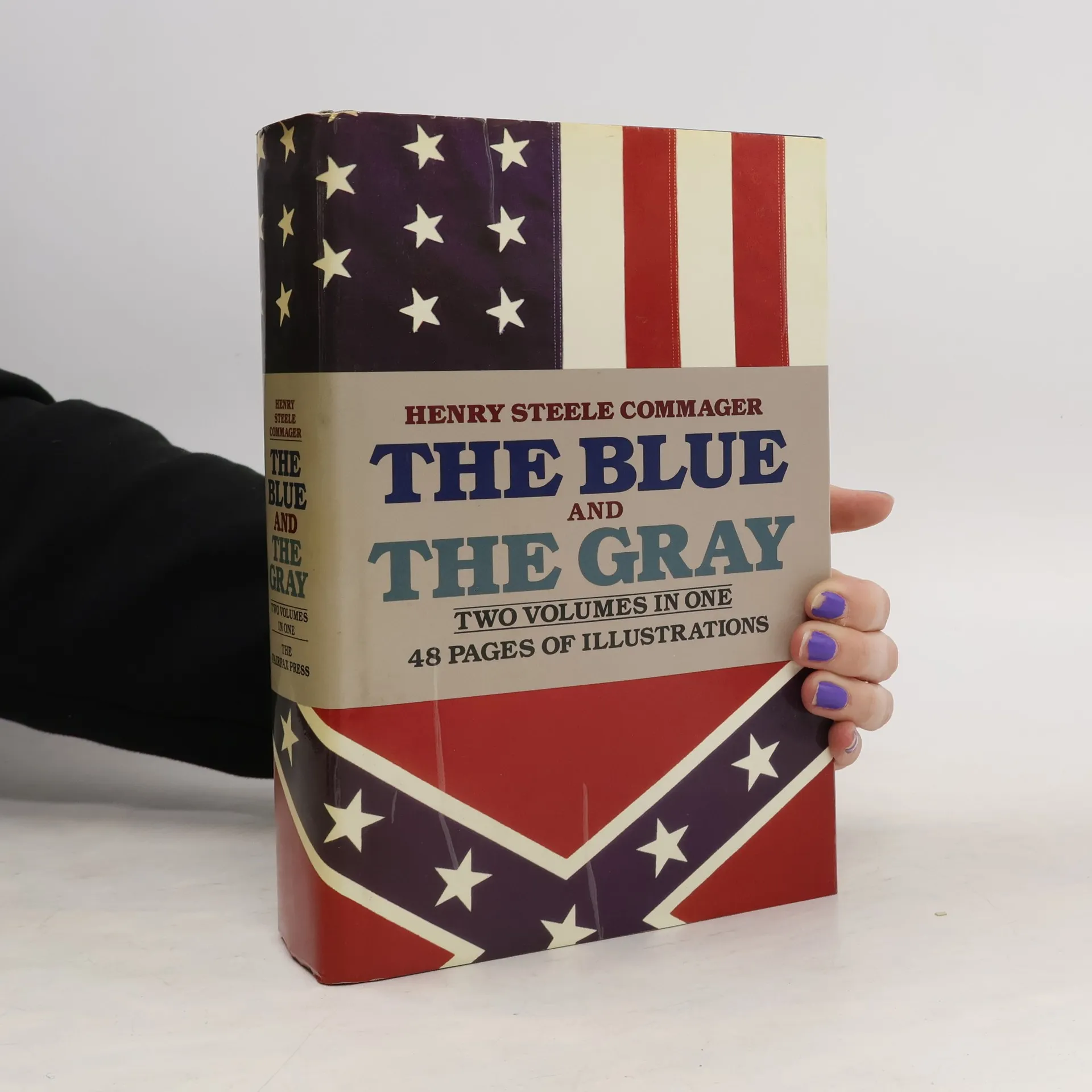
The Blue and the Gray
The Story of the Civil War as Told by Participants
- 1201 pages
- 43 hours of reading
Contains 450 accounts drawn from letters, journals, diaries, memoirs, official records, state papers, and other sources describing all aspects of the war
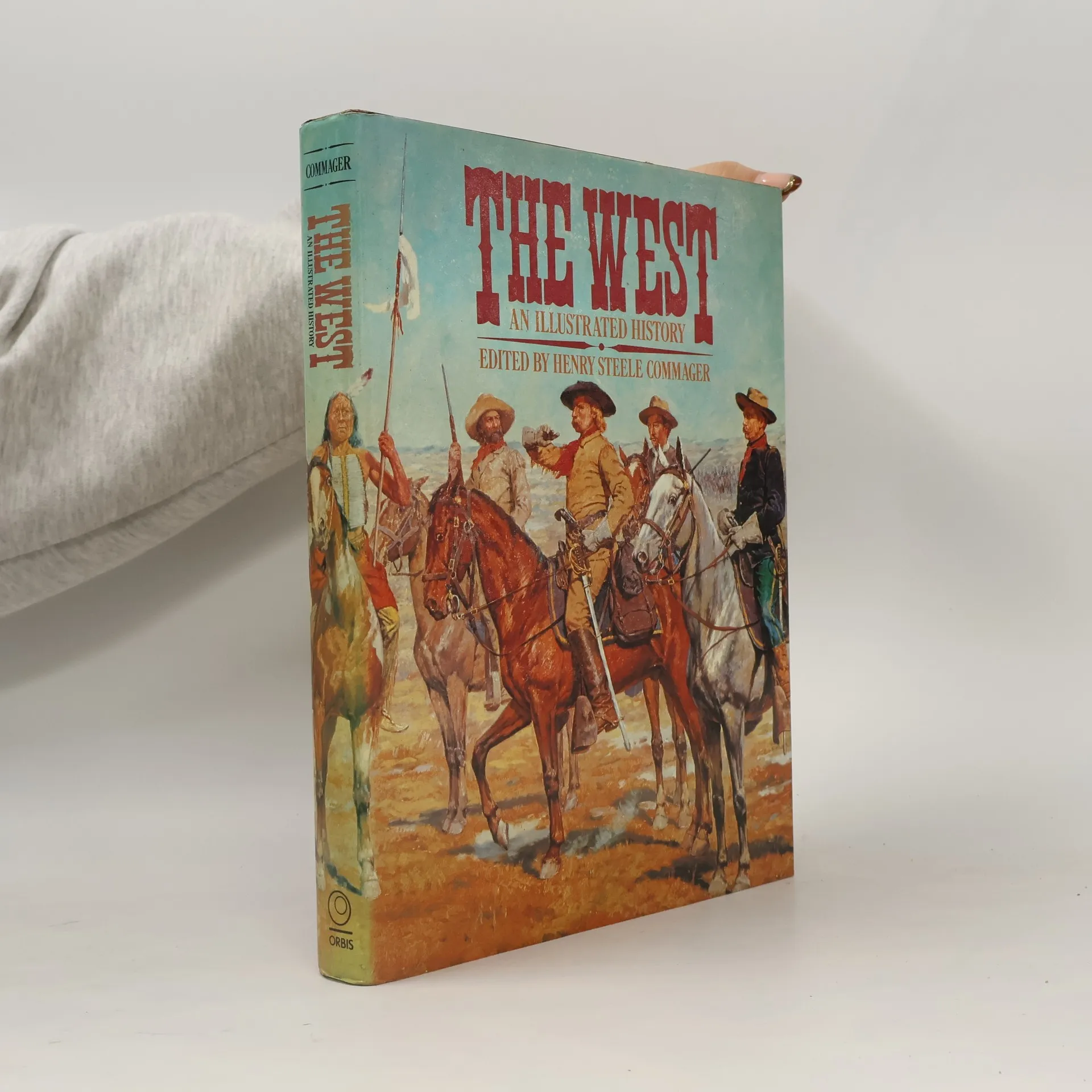
Illustrated with over 300 photographs and paintings,this book is a marvellous insight into the reality of a legendary epoch.
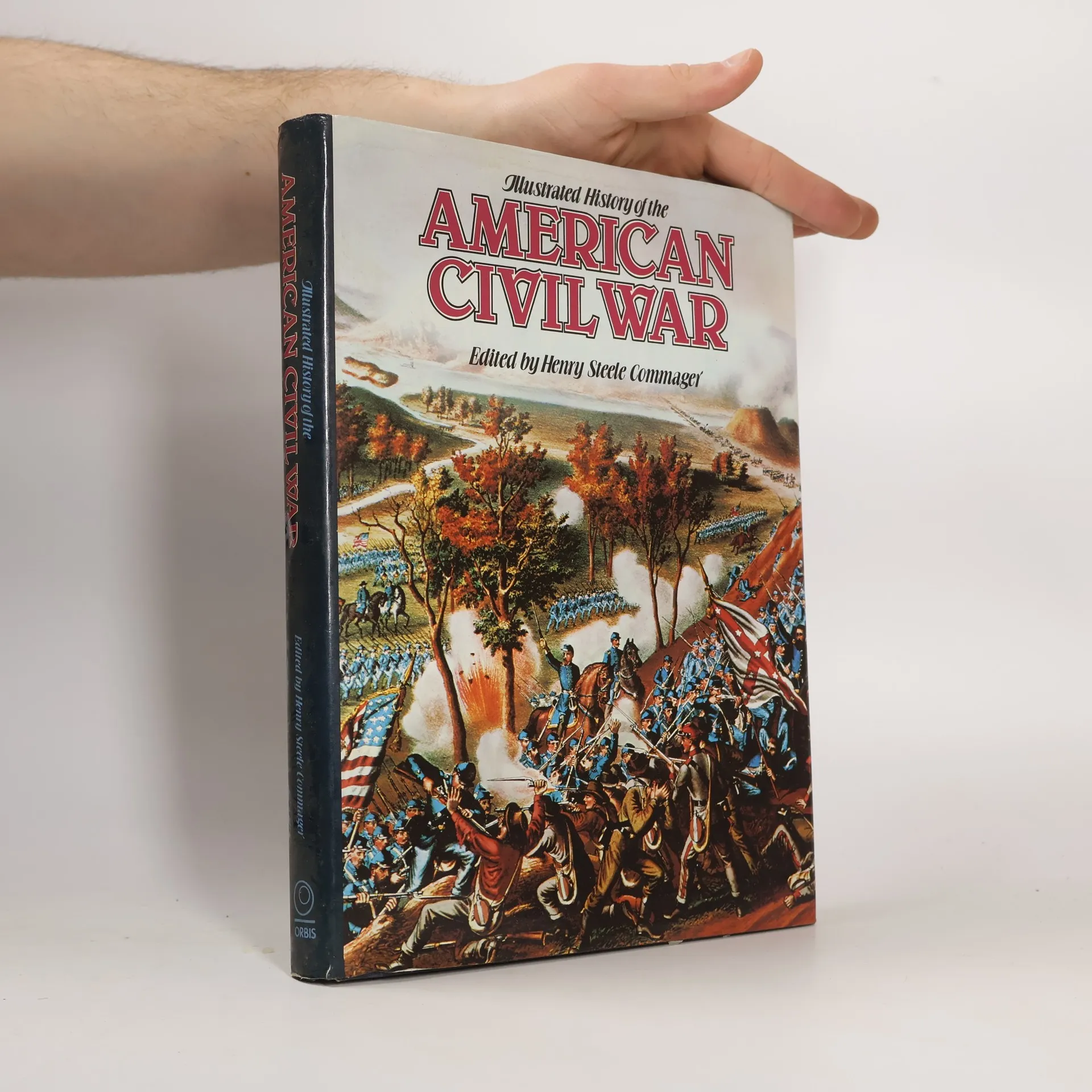
Illustrated History of the American Civil War
- 284 pages
- 10 hours of reading
The American Civil War was, and remains, one of the most significant events in the history of the modern world. It was the great point of crisis in the development of the United States, and its repercussions are still felt today. Yet to most people it is a confused collection of political, social and military events, with little pattern behind the differing elements. Leading scholars of American history here explain the whole background and course of the war, with special emphasis on the clash between two fraternal societies each with sincere but acutely opposed ambitions. From this basis, they demonstrate where all the various elements come into the story - how for instance, the ante-bellum South developed in such a distinctive manner, and why it identified itself with the continuation and expansion of slavery. The book is illustrated with over 300 pictures, many in colour. This is a compulsive re-appraisal of an historic event of tragic proportions which wove a hybrid collection of peoples into the greatest, most influential nation of the western world.
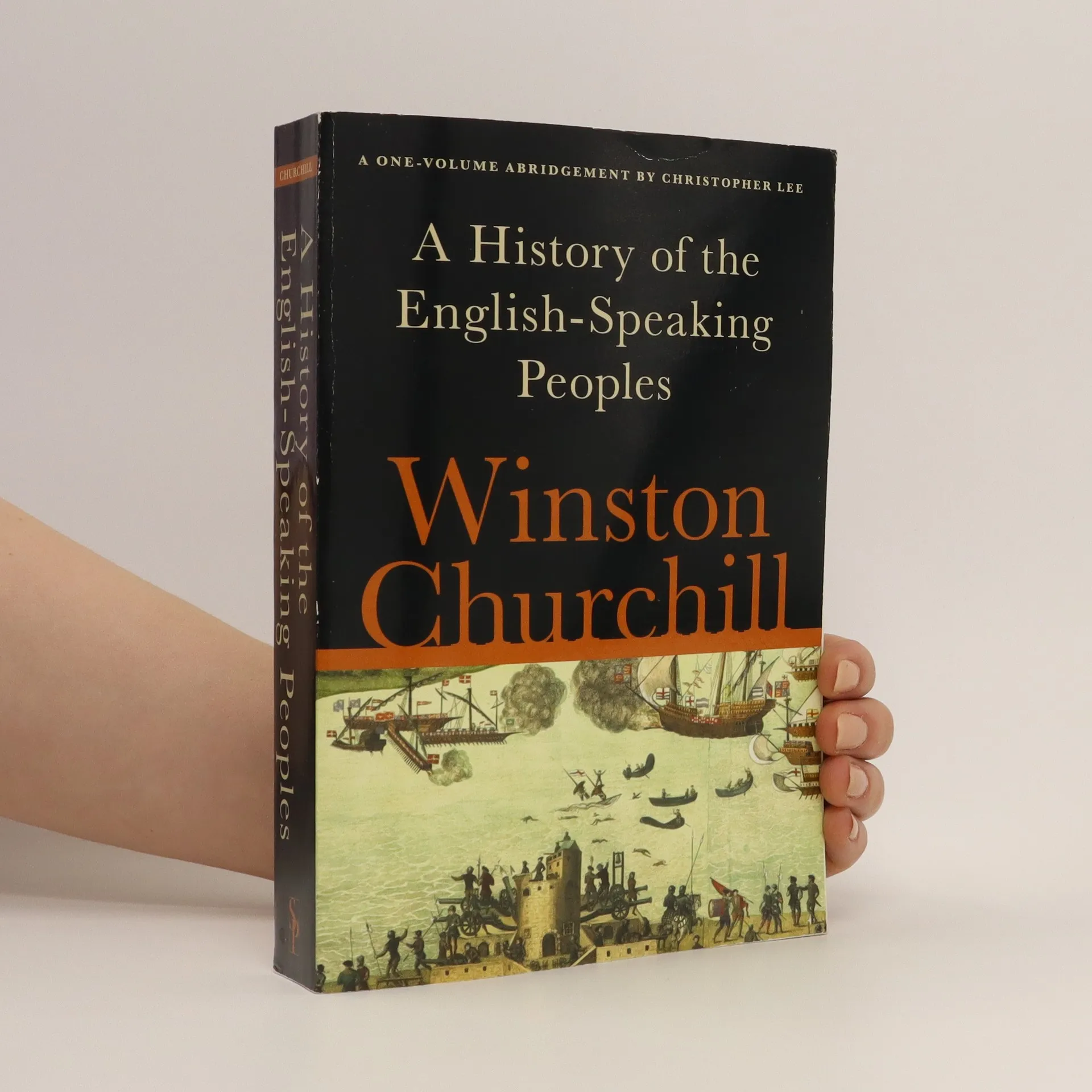
A History of the English-Speaking Peoples
- 656 pages
- 23 hours of reading
An authoritative survey of the history of English-speaking peoples throughout the world combines intriguing, closely observed biographical profiles—of Alfred the Great, Victoria, Joan of Arc, Lincoln, and other notables—with an account of the key events and issues of the era. The narrative commences fifty-five years before the birth of Christ, when Julius Caesar famously “turned his gaze upon Britain,” and concludes in the year 1900. The beginnings of Parliament, the Church, and the monarchy are all analyzed alongside this comprehensive abridgment.
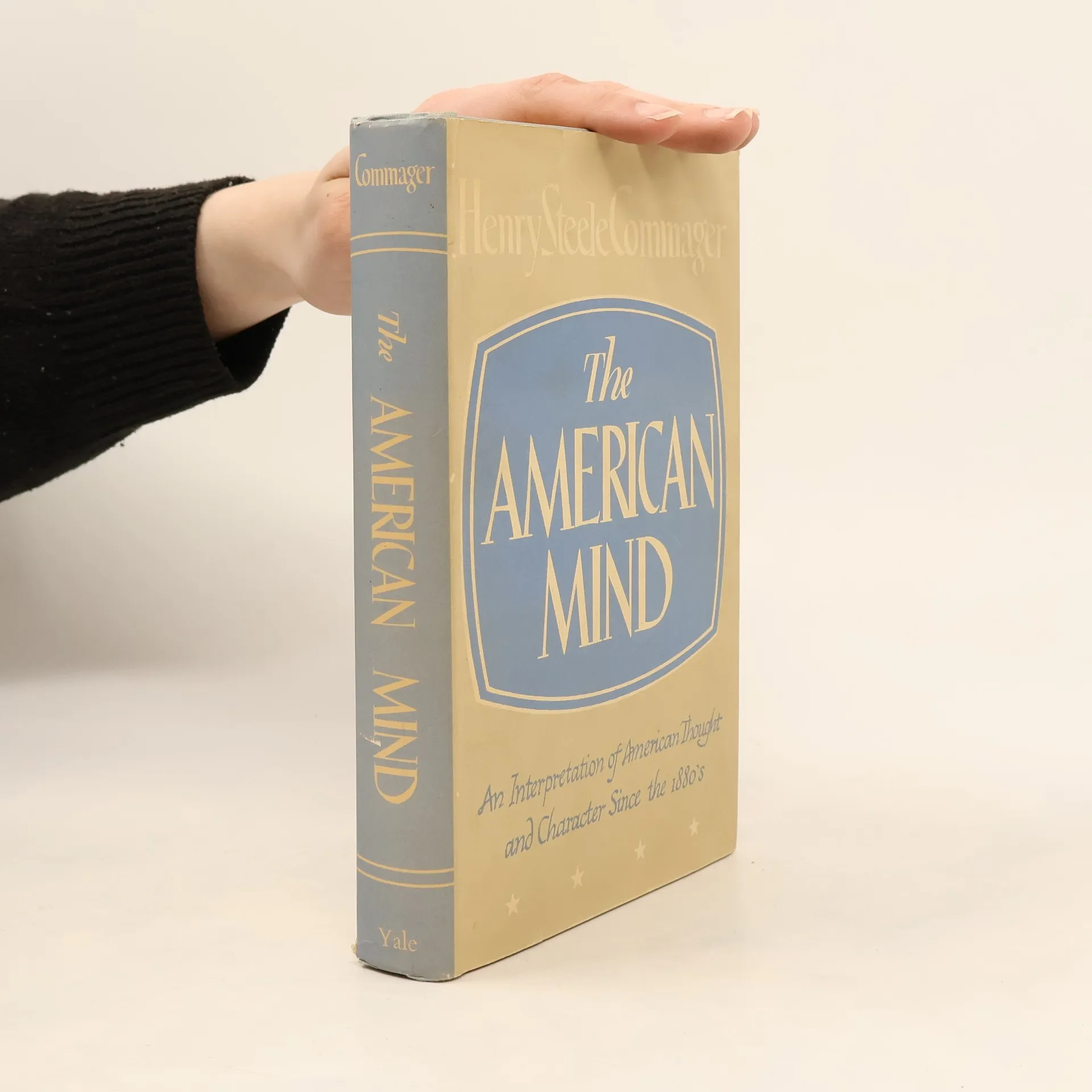
In a book written out of a passionate belief in the staying powers of the democratic principles, a noted historian has written a major work that may be described as an interpretation of American thought and character since the 1880s.“Impressive in its inclusive sweep.”―Joseph Wood Krutch, New York Times
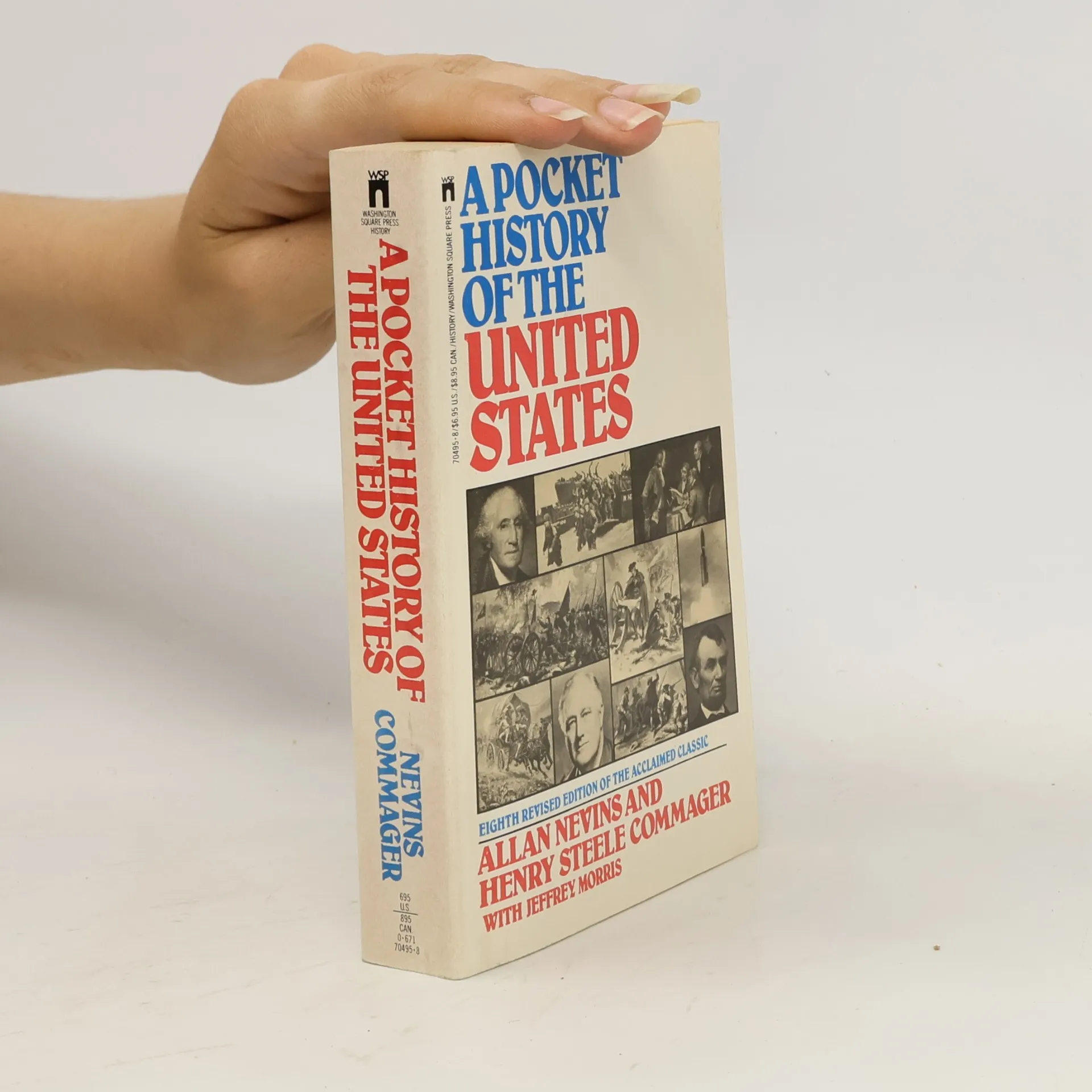
"A Pocket History of the United States" traces the history of the nation that is, today, the oldest constitutional democracy in the world. Written by distinguished American historians, it has more than 2,000,000 copies in print worldwide and is one of the classic works in its field.