

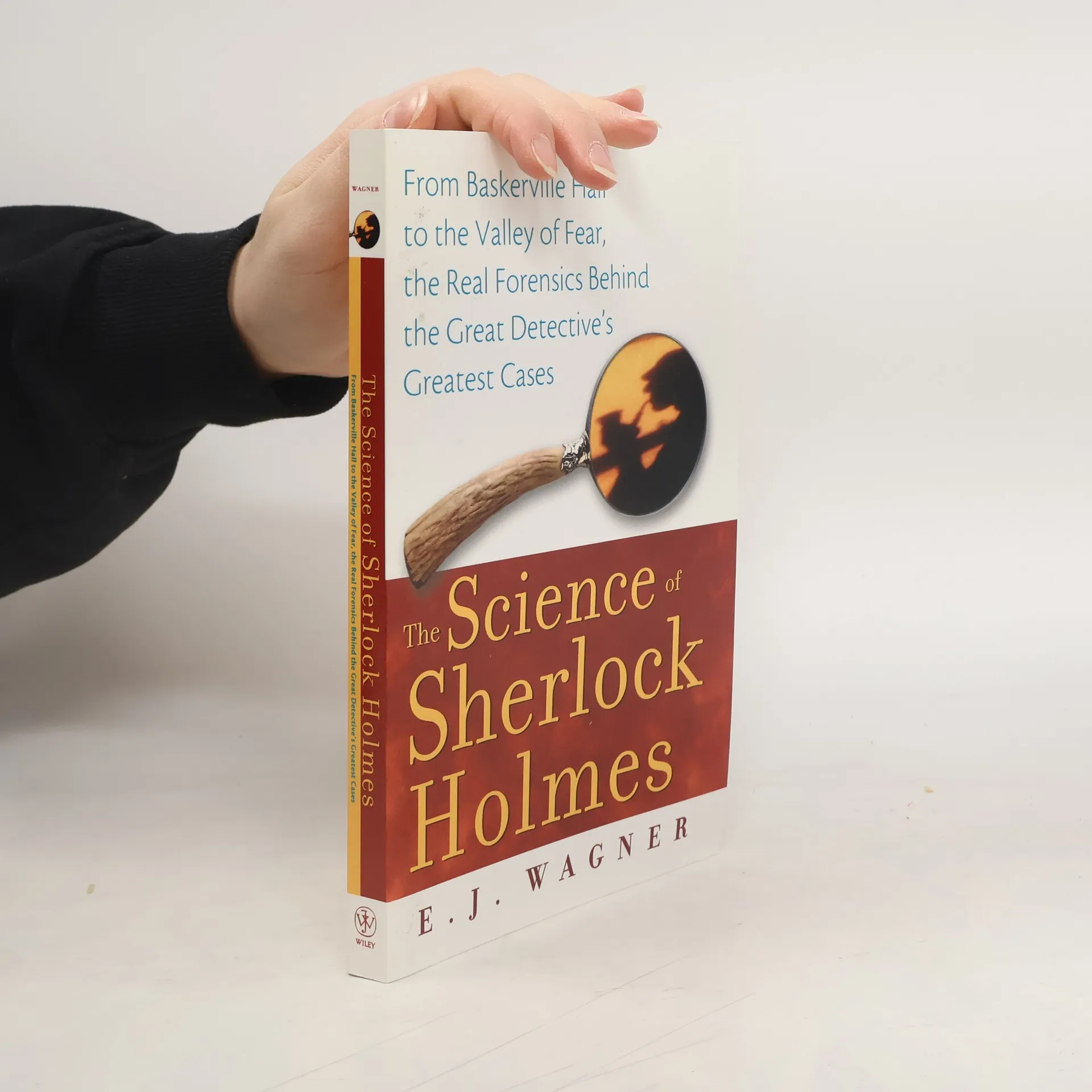
The Science of Sherlock Holmes
From Baskerville Hall To The Valley Of Fear, The Real Forensics Behind The Great Detective's Greatest Cases
- 256 pages
- 9 hours of reading
Holmes is not only a remarkable detective but also a pioneering scientist, engaging with poisons, tobacco ash, and tire marks. Wagner delves into this intriguing aspect of his work, illustrating how his investigations were rooted in the cutting-edge science of his era, particularly in the nascent field of forensics. The book is described as utterly compelling by Otto Penzler, a member of the Baker Street Irregulars. E. J. Wagner's insights reveal that without Holmes and his contemporaries, modern CSI teams would lack direction. Leslie S. Klinger highly recommends it for students of the Master Detective, noting that Wagner's accounts of Victorian crimes surpass even Watson's tales. John Westermann praises the thrilling combination of Wagner's expertise across disciplines, likening the work to a chilling CSI experience in foggy London. John Houde encourages fellow forensic scientists to read this delightful work, while Andre Moenssens finds it a fascinating exploration of the origins of forensic science, blending history, mystery, and intrigue. This book promises an engaging look at the intersection of crime and science through the lens of one of literature's most iconic figures.