
Explore the latest books of this year!
Bookbot

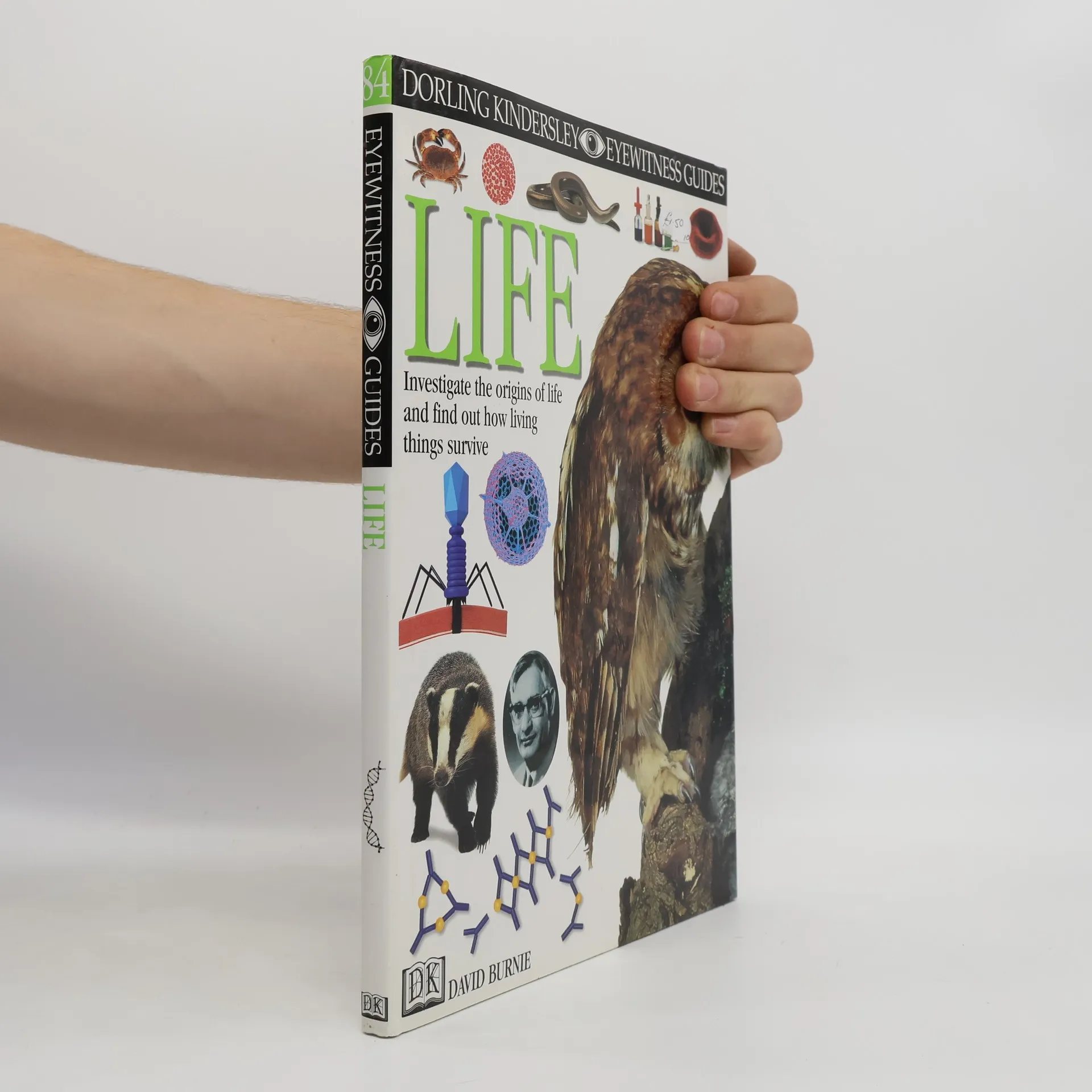
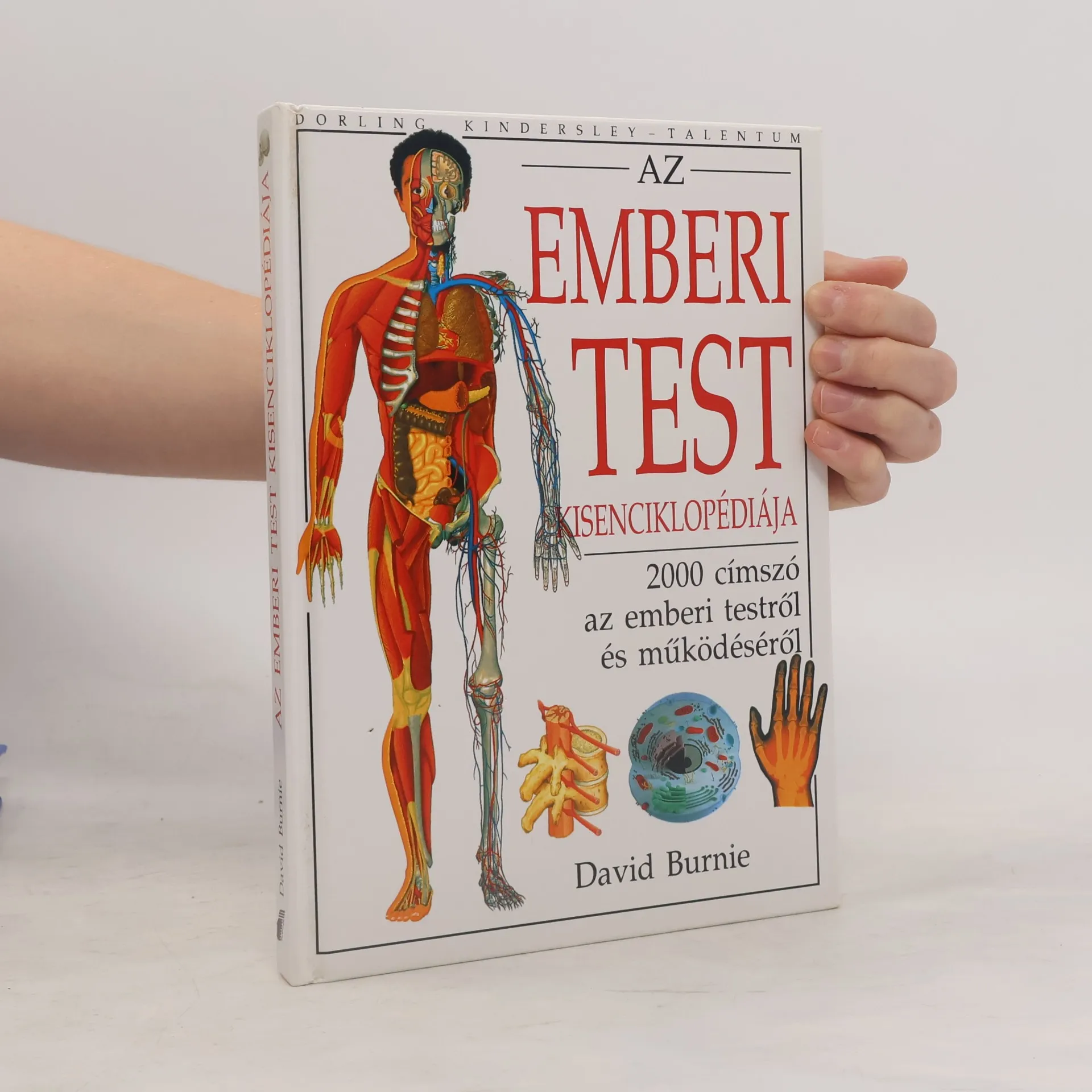
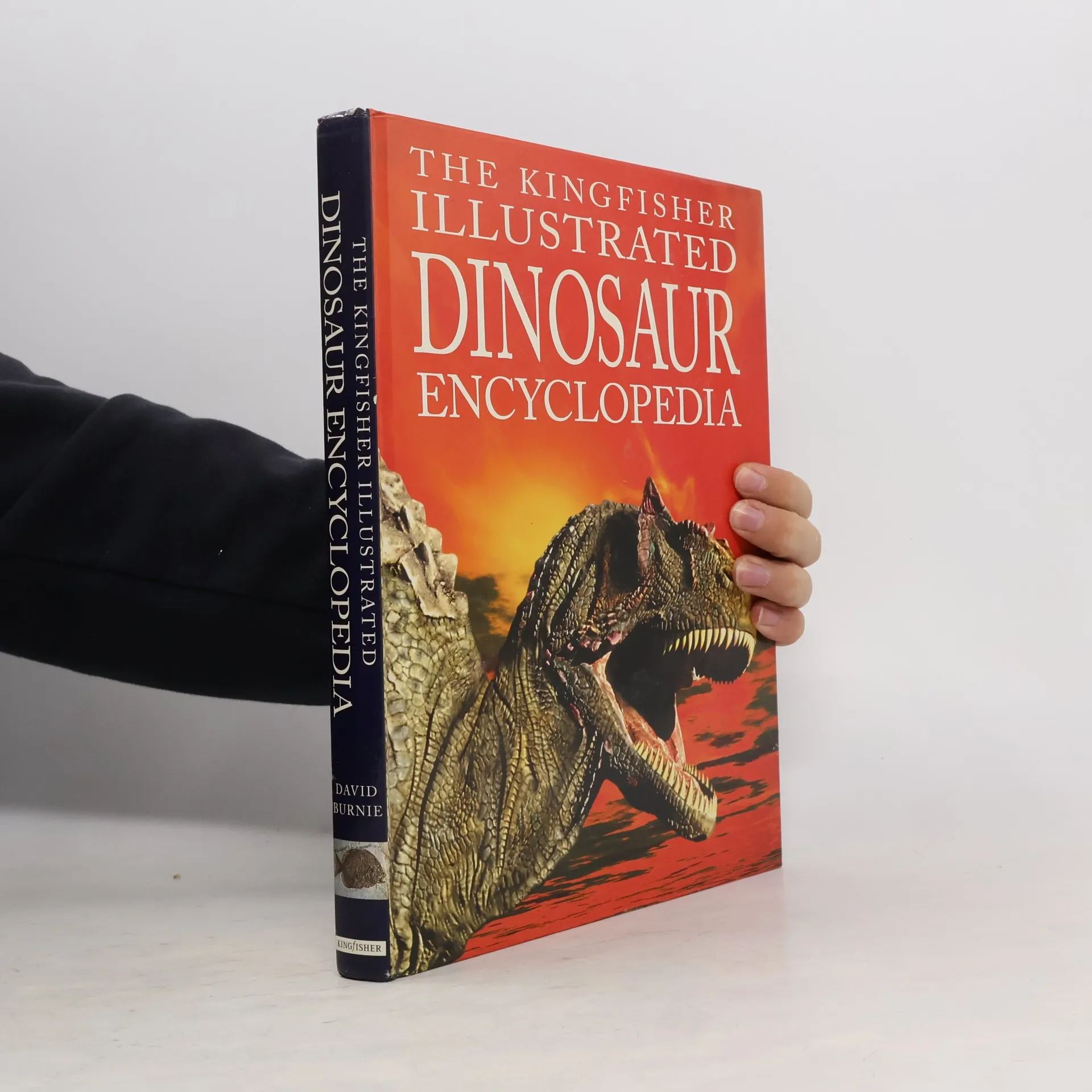
David Burnie

    November 17, 1955

    David Andrew Burnie is an accomplished zoologist whose career began as a nature reserve ranger before he transitioned into writing and editing natural history books. He is a prolific author, having penned numerous works, notably several on the subject of dinosaurs. His contributions to the field have been recognized with many educational awards and science prizes, including nominations for prestigious accolades for his titles.

    David Burnie
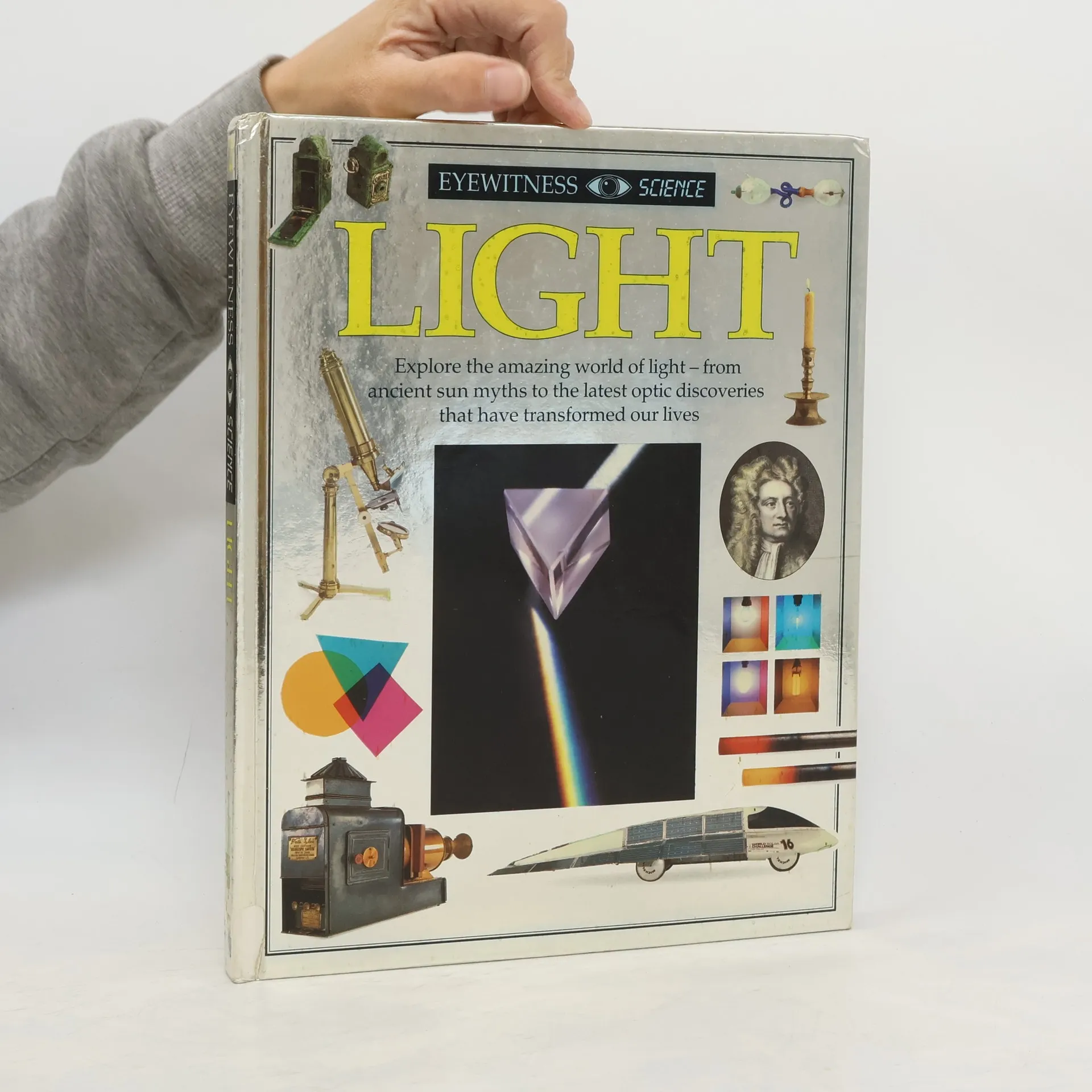
    Light
    Visual encyclopedia of science
    Insects & Spiders
    Ptice
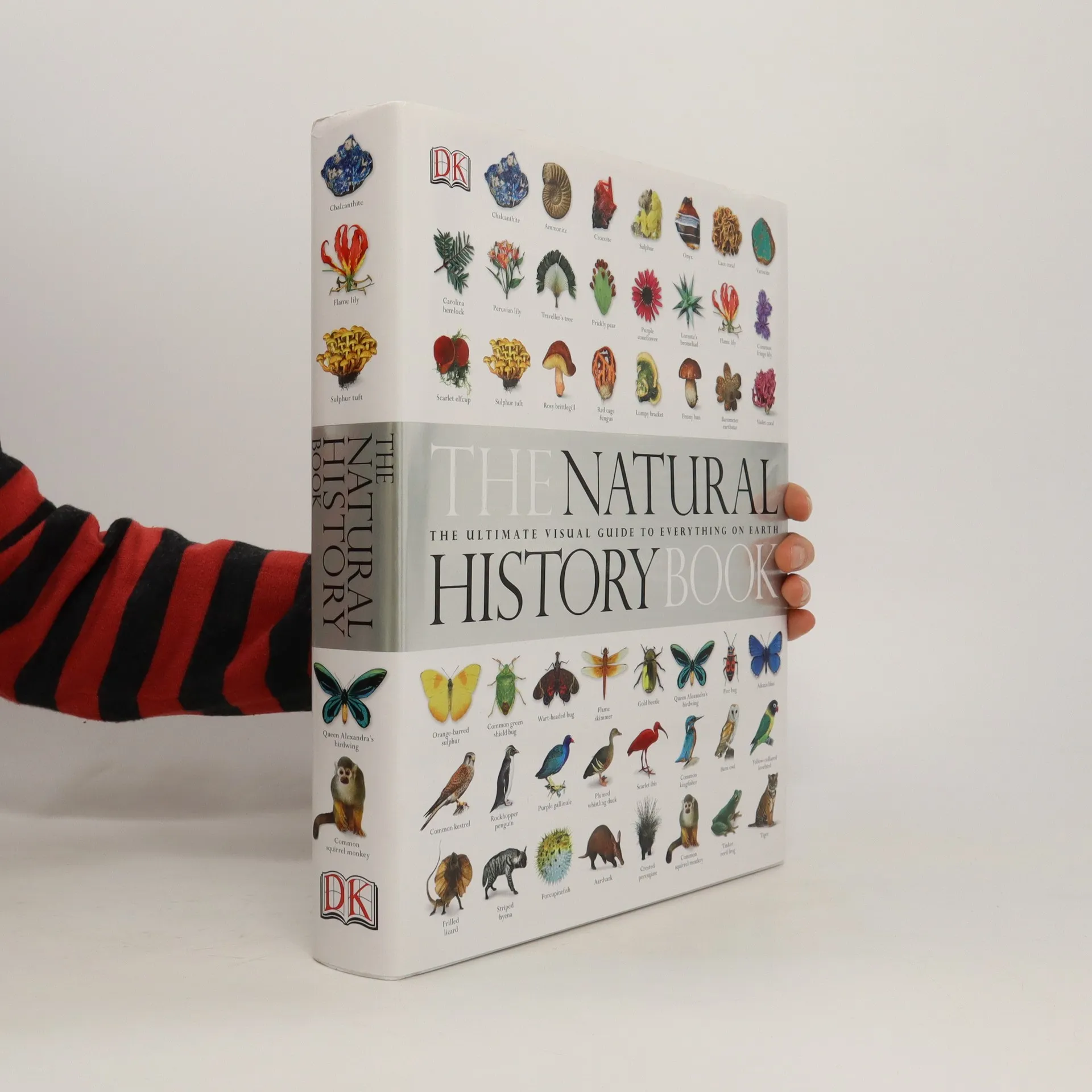
    The Natural History Book: The Ultimate Visual Guide to Everything on Earth.
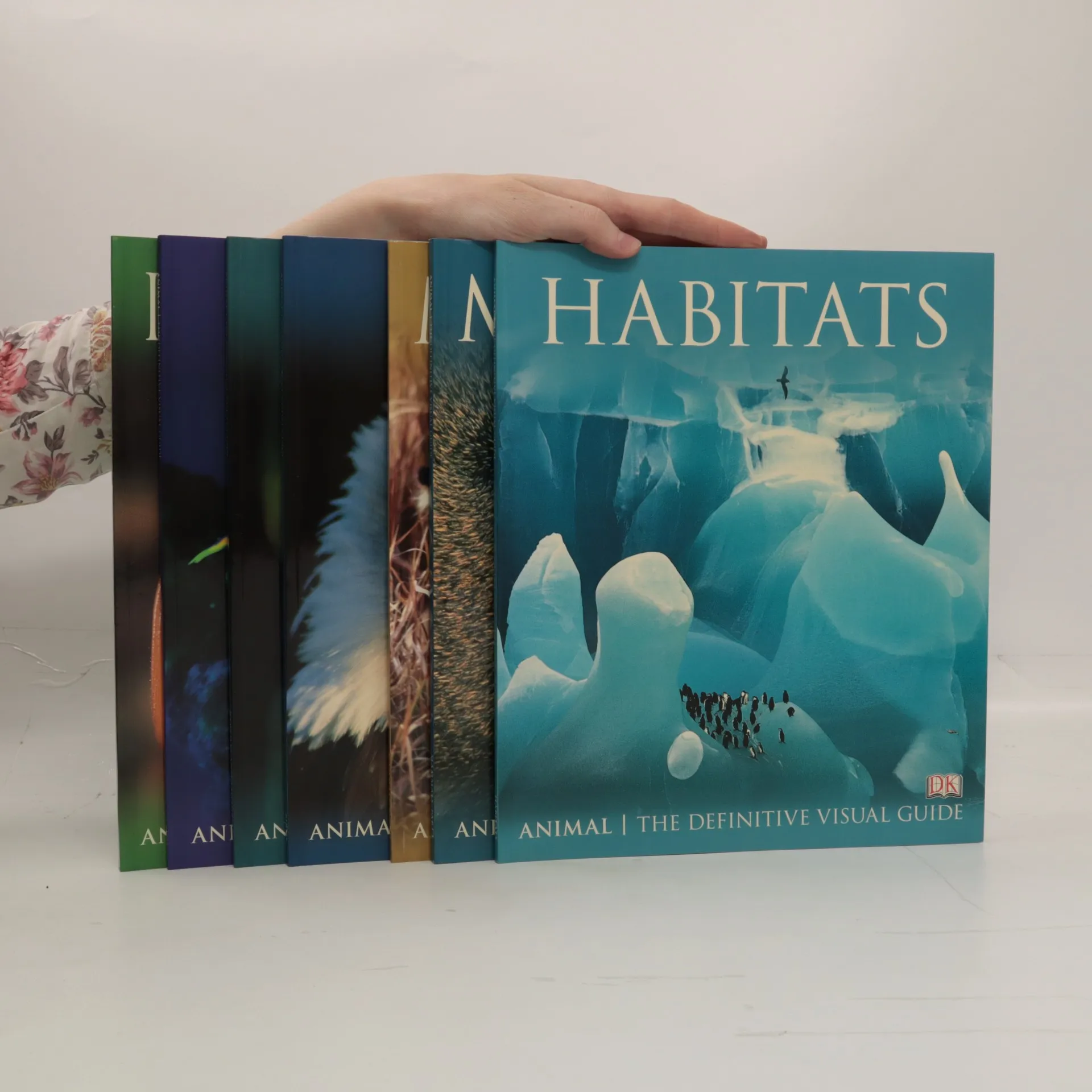
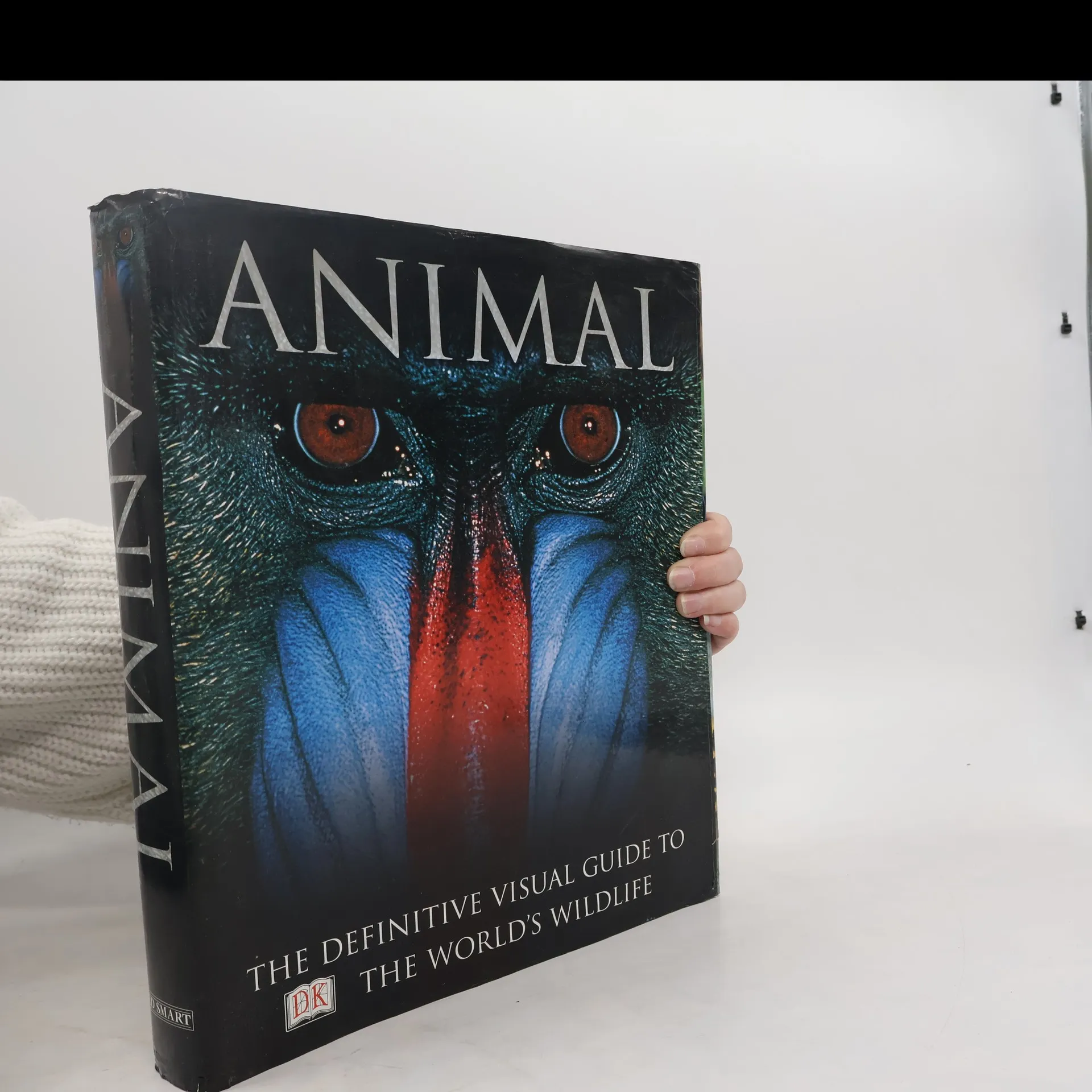
    Animal
    • Animal

      • 624 pages
      • 22 hours of reading

      Unrivalled in its breadth and visual impact, this unique guide sets out to illustrate, describe and explain the incredible range of creatures that make up the animal kingdom. EXCEPTIONAL COVERAGE Animal anatomy, life-cycles and the principals of classification are also explored, and the main part of the book looks in detail at each major group and provides absorbing profiles of over 2,000 individual species. VISUALLY BREATHTAKING Spectacular photographic portraits bring a vast array of animals vividly to life, with special features on well-known and important creatures such as the Galapagos tortoise. Each species profile is supported by maps and symbols showing distribution and habitat, as well as key information on size, reproduction, and conservation status, forming an invaluable reference database. . OUTSTANDING REFERENCE Clear, comprehensive and thought-provoking, Dorling Kindersley's Animal is essential reading for wildlife enthusiasts of all ages and levels of experience.

      Animal
      4.9
    • A monumental and extraordinarily beautiful guide to Earth's wildlife and natural wonders - its rocks, minerals, animals, plants, fungi, and microorganisms - this book was 5 years in the making. Covering more than 5,000 species, it is one-of-a-kind; the only book to offer a complete visual survey of Earth's natural history. Packed with thousands of stunning, specially commissioned photographs, The Natural History Book was written by a worldwide team of natural history experts. These writers introduce and explain each geological and biological grouping in an engaging and highly informative way, making this book the perfect addition to every family bookshelf, as well as an ideal gift for every nature lover. From granites to grape vines, from microbes to mammals, The Natural History Book is a true visual dictionary of every kingdom of life.
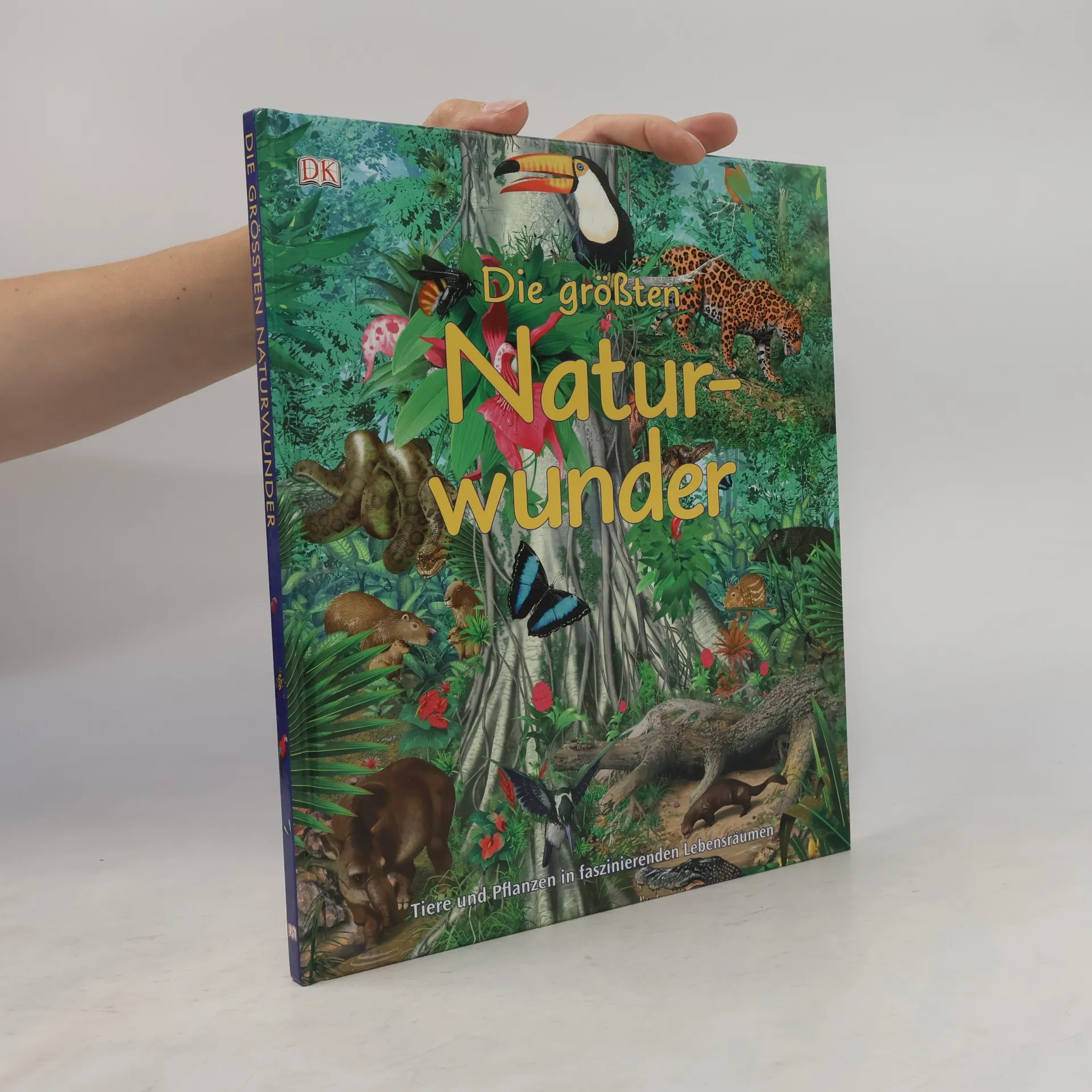
      The Natural History Book: The Ultimate Visual Guide to Everything on Earth.
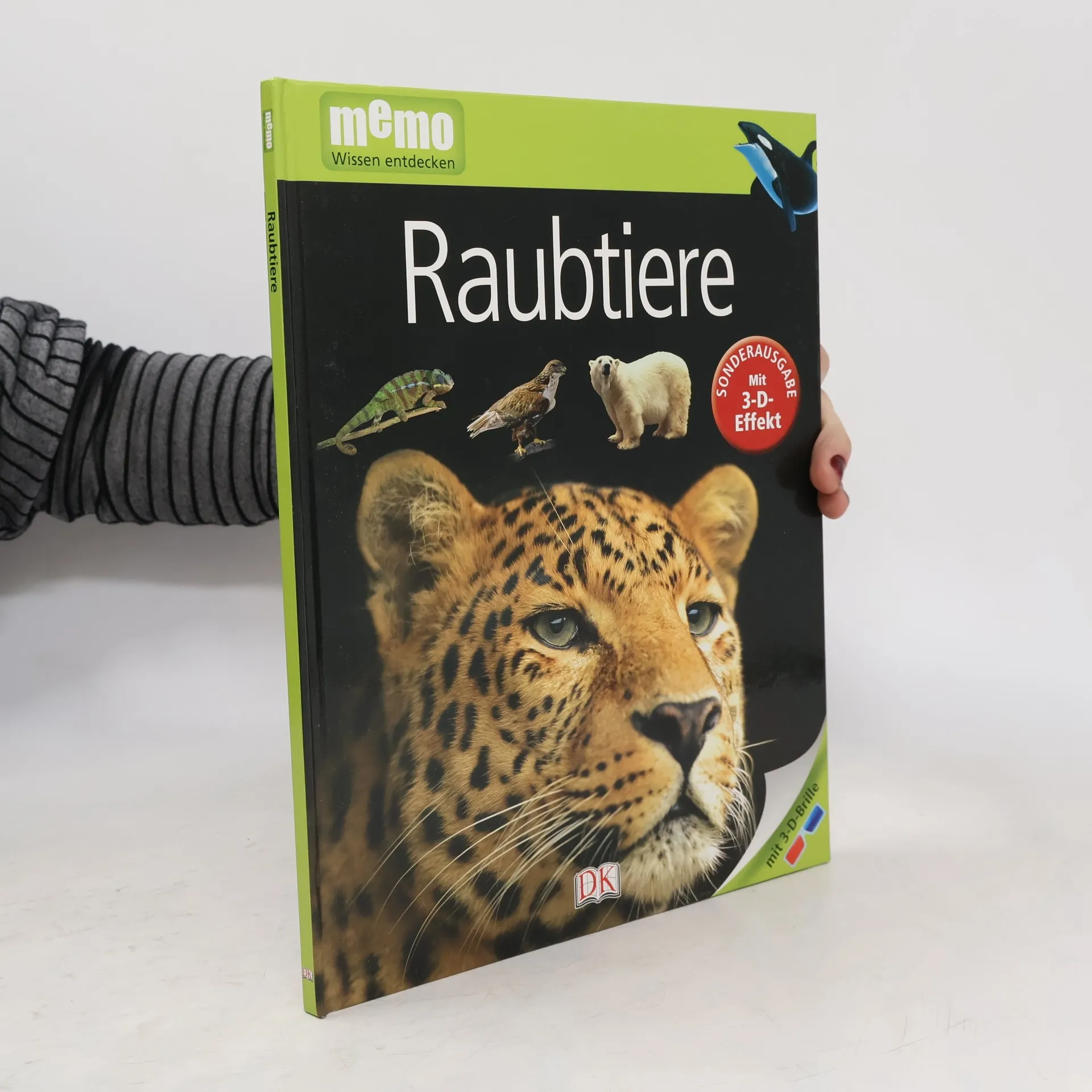
      4.8
    • Ptice

      • 360 pages
      • 13 hours of reading
      Ptice
      4.7
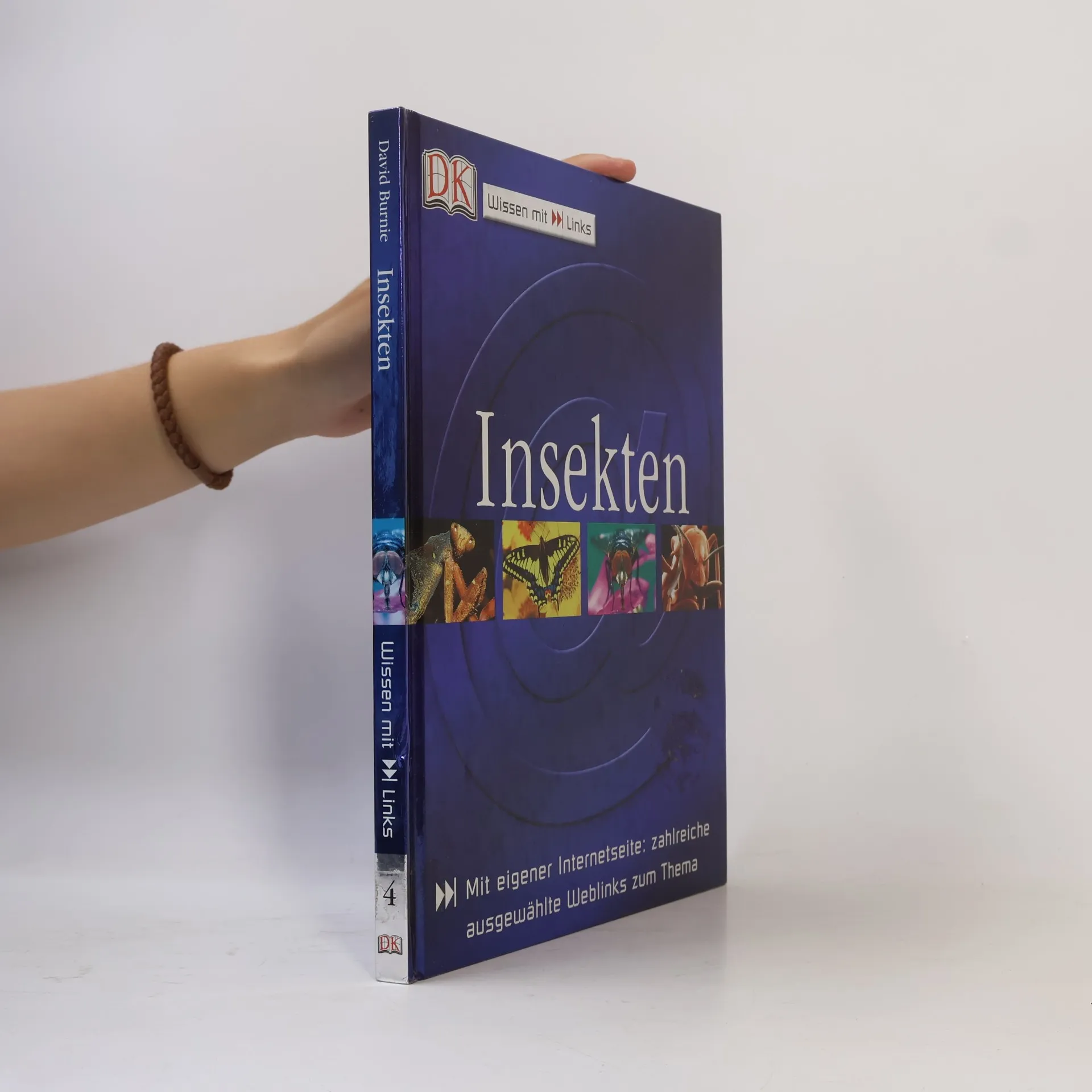
    • An introduction to the physical characteristics, habits, and habitats of different types of insects and spiders.

      Insects & Spiders
      4.6
    • Visual encyclopedia of science

      • 512 pages
      • 18 hours of reading

      From aluminium to zinc and amperes to watts this concise encyclopedia has it all! With thousands of facts and figures at your fingertips, you won't ever get stuck on a science question again. This easy-to-use visual encyclopedia has fun fact boxes and quick-reference sections so science homework can get done in a snap.

      Visual encyclopedia of science
      4.5
    • "The Eyewitness Visual Dictionaries differ from the Eyewitness books in that the text is longer and the vocabulary more difficult.... The photographs are outstanding.... The brief text compresses many details into a few sentences, The vocabulary is scholarly...and charts combined with the text give a clear overview of the subject s ". -- RQ

      Light
      4.5
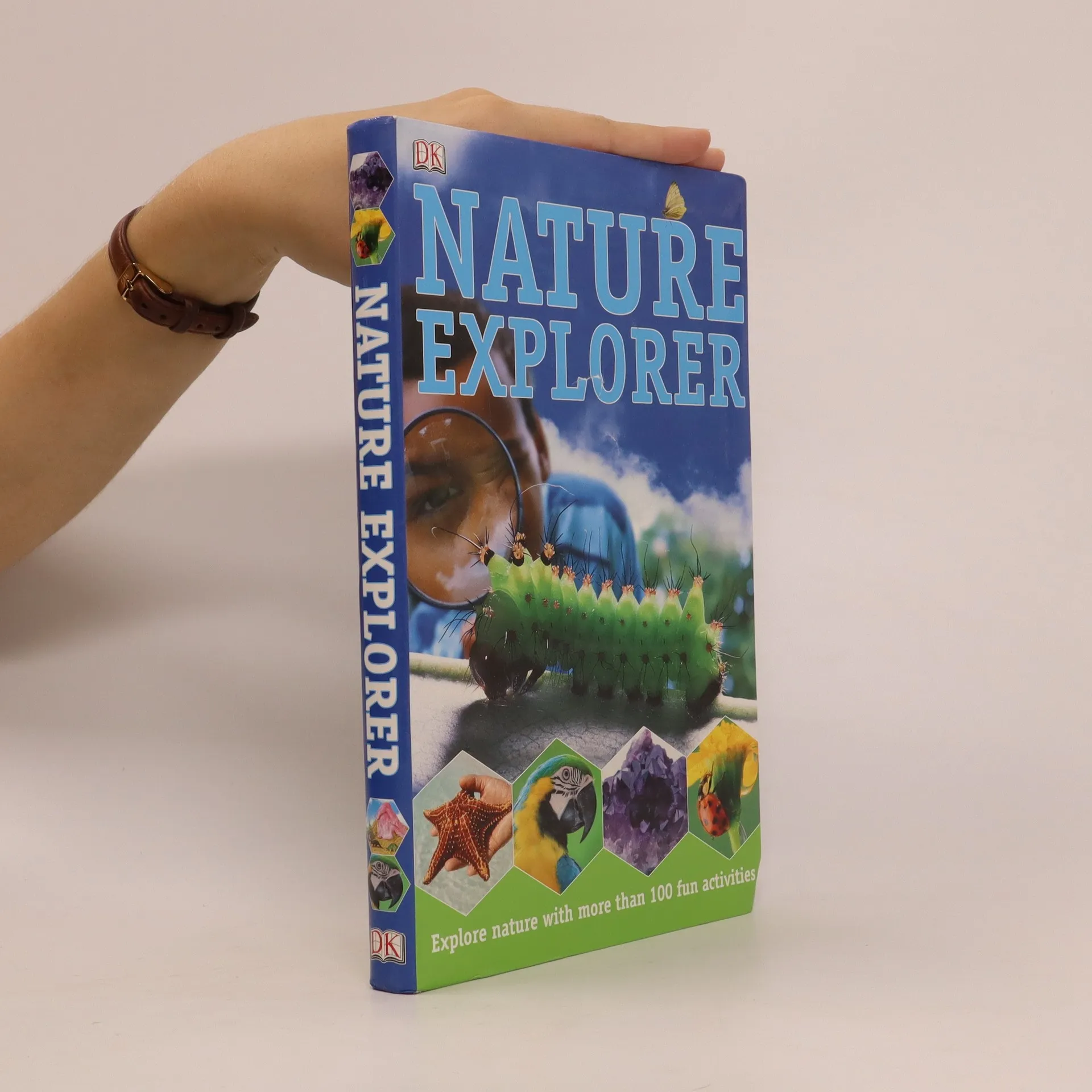
    • Nature explorer

      • 256 pages
      • 9 hours of reading

      Become an expert nature explorer with exciting guide to the natural world, full of easy-to-do, fun activities and amazing thins to see and discover such as: put a bird bath in the garden, spot stars and planets, generate a miniature lighting strike, build an erupting volcano and much more.

      Nature explorer
      4.5
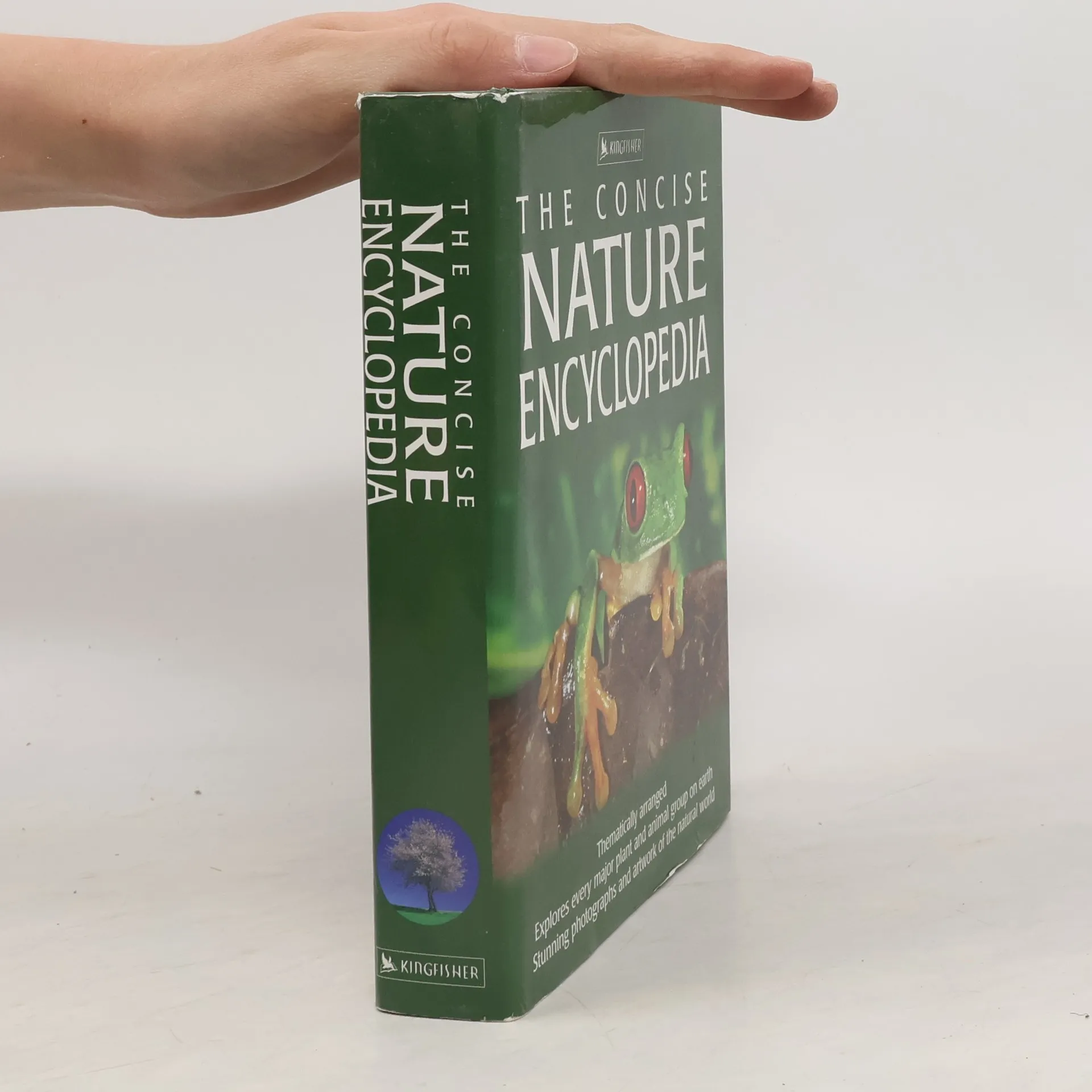
    • The Concise Nature Encyclopedia

      • 320 pages
      • 12 hours of reading

      The latest addition to the Kingfisher concise encyclopedic range of books is a comprehensive guide to the living world and its inhabitants - both flora and fauna. There is an incredible diversity of life on earth, from microscopic, single-celled organisms to giant redwoods and blue whales. This authoritative new reference book explores every major plant and animal group, richly illustrating the extraordinary range of living things that is found in every corner of the planet. The encyclopedia is arranged in three parts. The introductory section, A Planet Apart, guides the reader through the formation of the planet, the beginning of life and evolution, to animal and plant life today. The second section, The Living World, introduces the kingdoms of life on the planet, from microlife, through plants to animals. The third and main section of the book, Wildlife Habitats, takes a detailed look at the world's habitats, with features that highlight topics such as 'plant galls' and 'animal nomads'. There are also species features that focus on animals or plants that are of particular interest, such as the Arctic bumblebee or the welwitschia plant.

      The Concise Nature Encyclopedia
      4.0
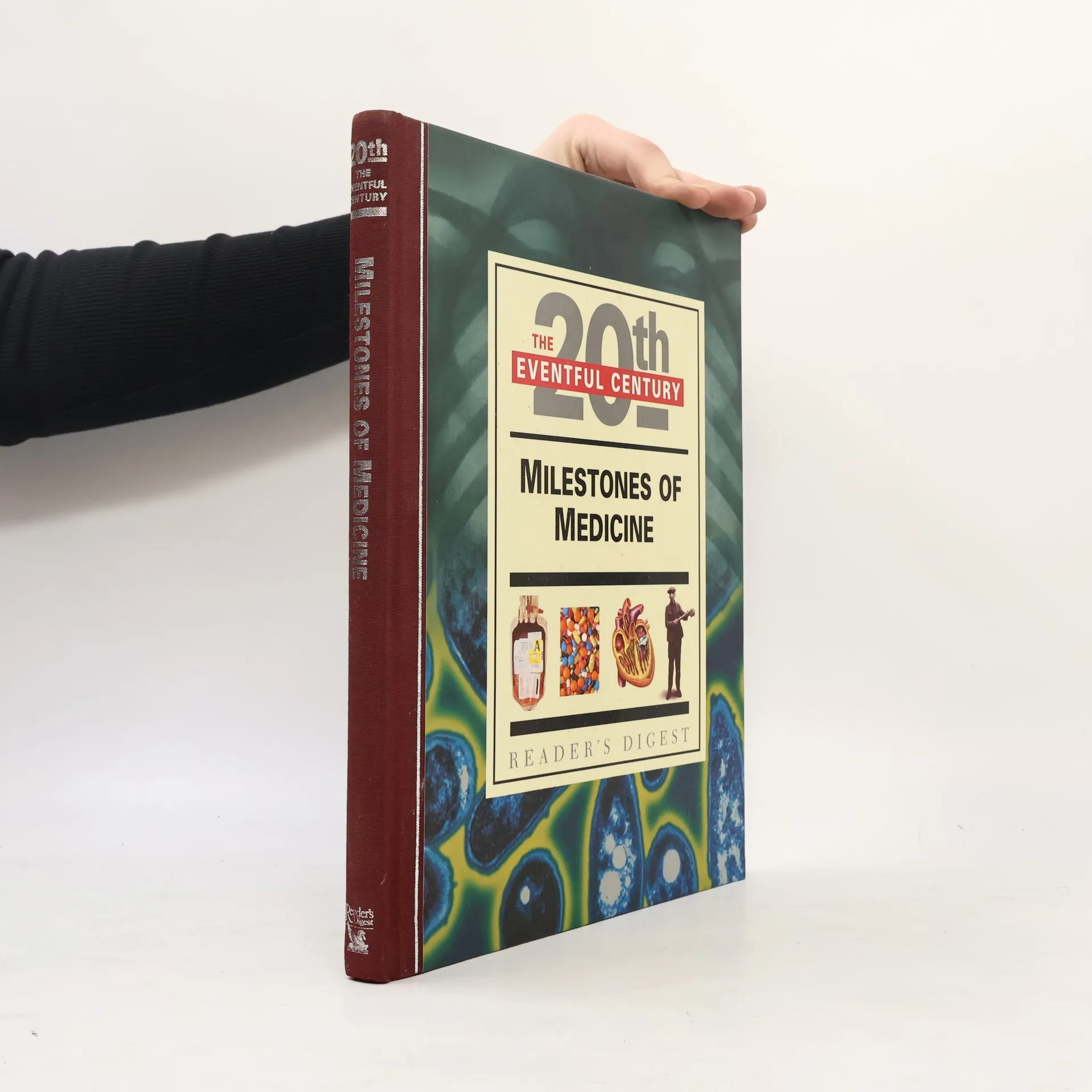
    • Milestones of Medicine

      • 160 pages
      • 6 hours of reading

      Free Delivery if order value from the seller is greater than 399. Used Book in good condition. No missing/ torn pages. No stains. Note: The above used product classification has been solely undertaken by the seller. Amazon shall neither be liable nor responsible for any used product classification undertaken by the seller. A-to-Z Guarantee not applicable on used products.

      Milestones of Medicine
      4.0
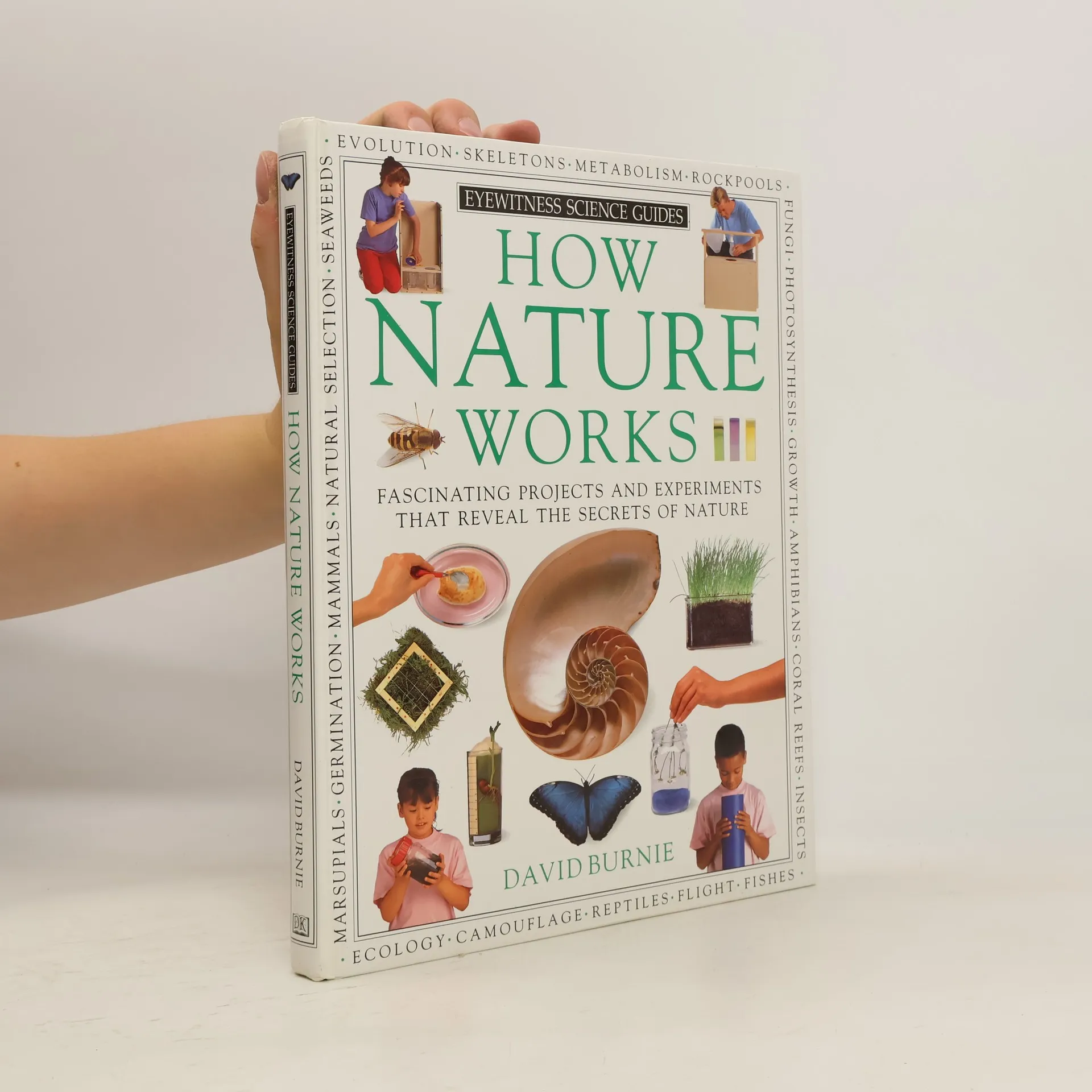
    • How Nature Works

      • 196 pages
      • 7 hours of reading

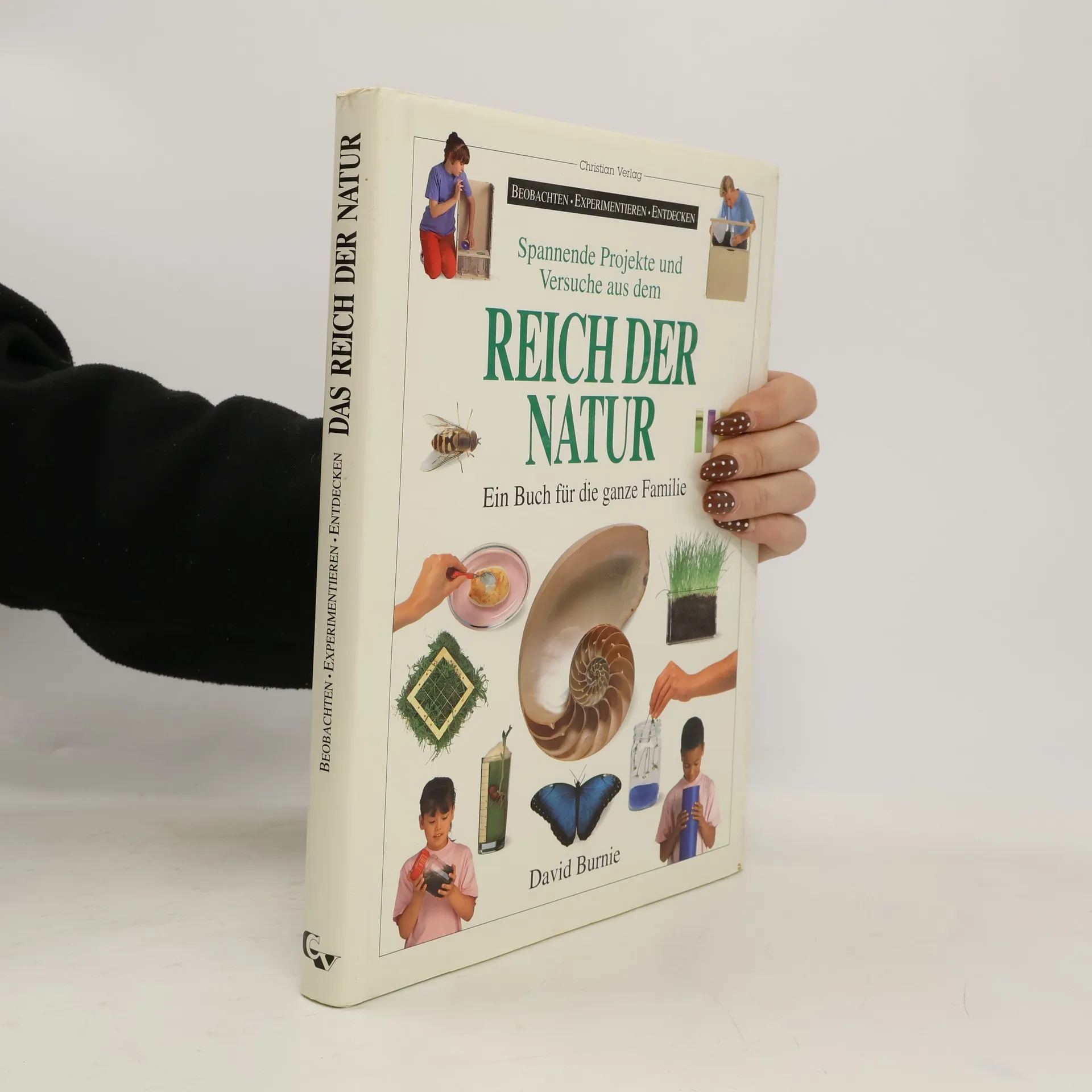
      This book is designed to open up the world of natural history to both children and adults alike. It involves the reader in actually doing things in order to learn and contains text linking each experiment with the wider world of natural history, to all aspects of science in general. The experiments and demonstrations have been photographed in stages and are designed with the use of safe and easily obtained materials.

      How Nature Works
      4.3