Martin Scorsese is an American film director, writer, and producer whose body of work tackles themes of Italian American identity, Roman Catholic concepts of guilt and redemption, machismo, and violence endemic in American society. His films are widely considered to be among the most significant and influential American cinema of his era. Scorsese's approach is known for its intensity and depth in exploring the human psyche.
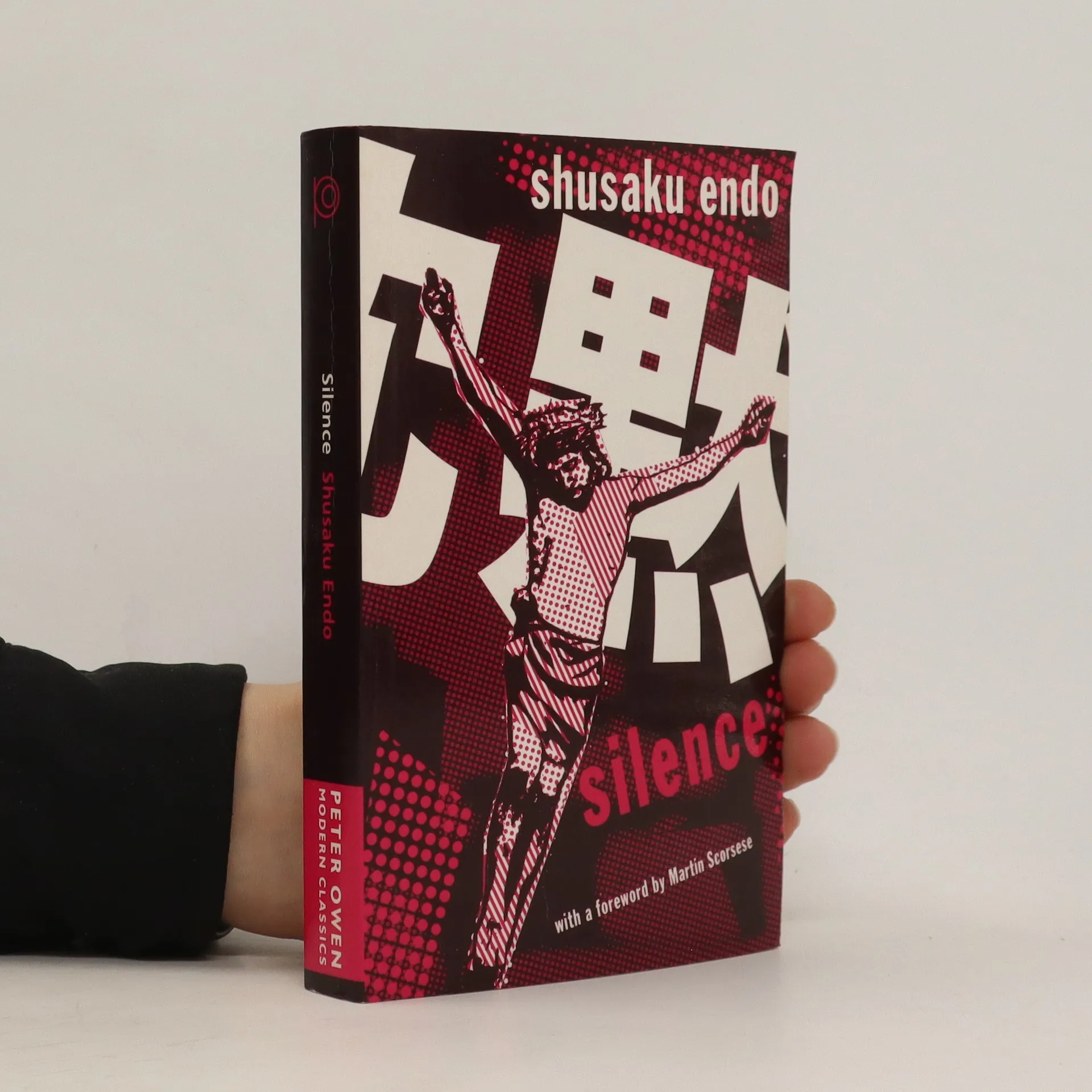
A Japanese Catholic, Endo tells the story of two 17th century missionaries attempting to shore up the oppressed Japanese Christian movement. Father Rodrigues has come to Japan to find the truth behind unthinkable rumours that his famous teacher Ferreira has renounced his faith.
When twelve-year-old Hugo, an orphan living and repairing clocks within the walls of a Paris train station in 1931, meets a mysterious toyseller and his goddaughter, his undercover life and his biggest secret are jeopardized.
Elia Kazan was the twentieth century’s most celebrated director of both stage and screen, and this monumental, revelatory book shows us the master at work. Kazan’s list of Broadway and Hollywood successes—A Streetcar Named Desire, Death of a Salesman, On the Waterfront, to name a few—is a testament to his profound impact on the art of directing. This remarkable book, drawn from his notebooks, letters, interviews, and autobiography, reveals Kazan’s method: how he uncovered the “spine,” or core, of each script; how he analyzed each piece in terms of his own experience; and how he determined the specifics of his production. And in the final section, “The Pleasures of Directing”—written during Kazan’s final years—he becomes a wise old pro offering advice and insight for budding artists, writers, actors, and directors.
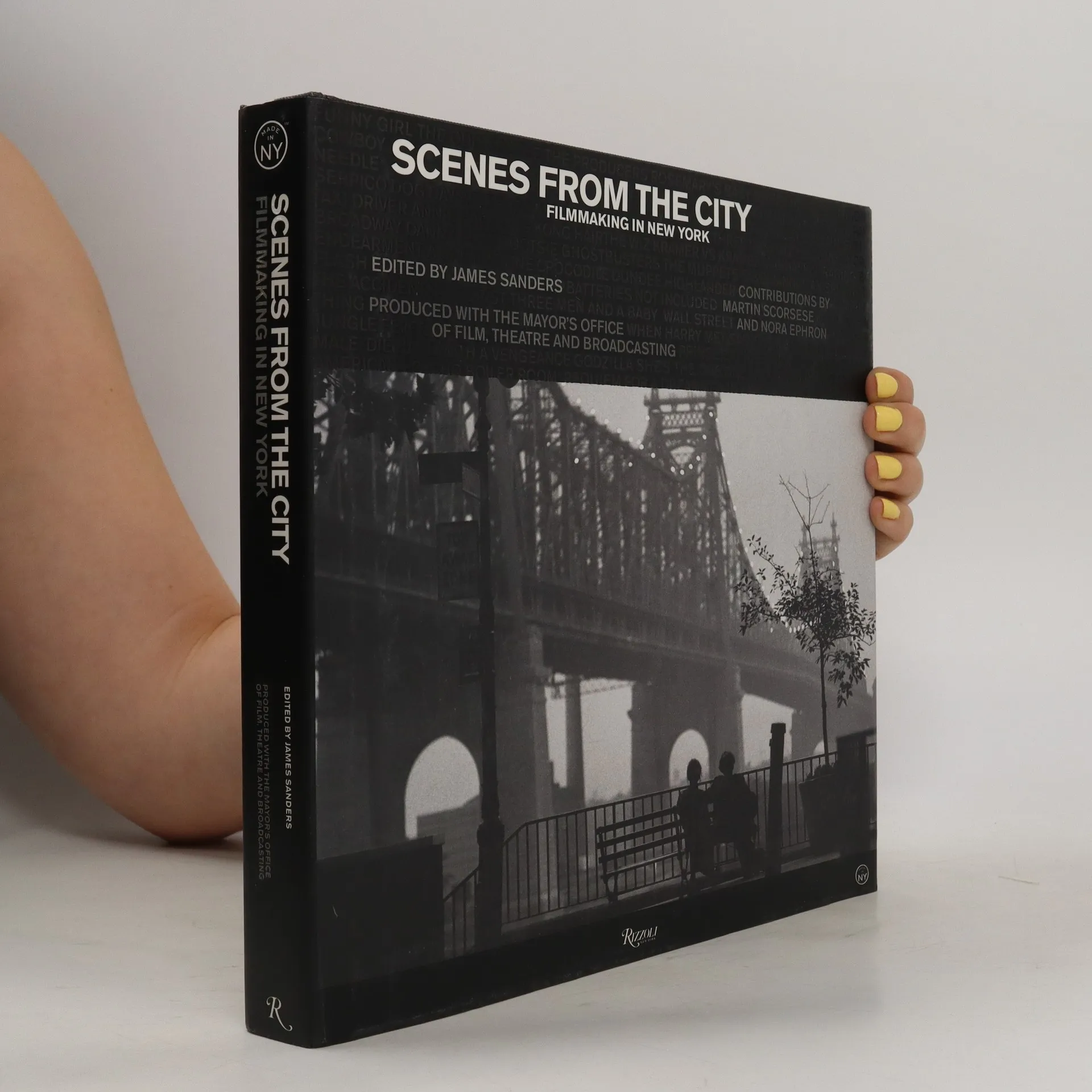
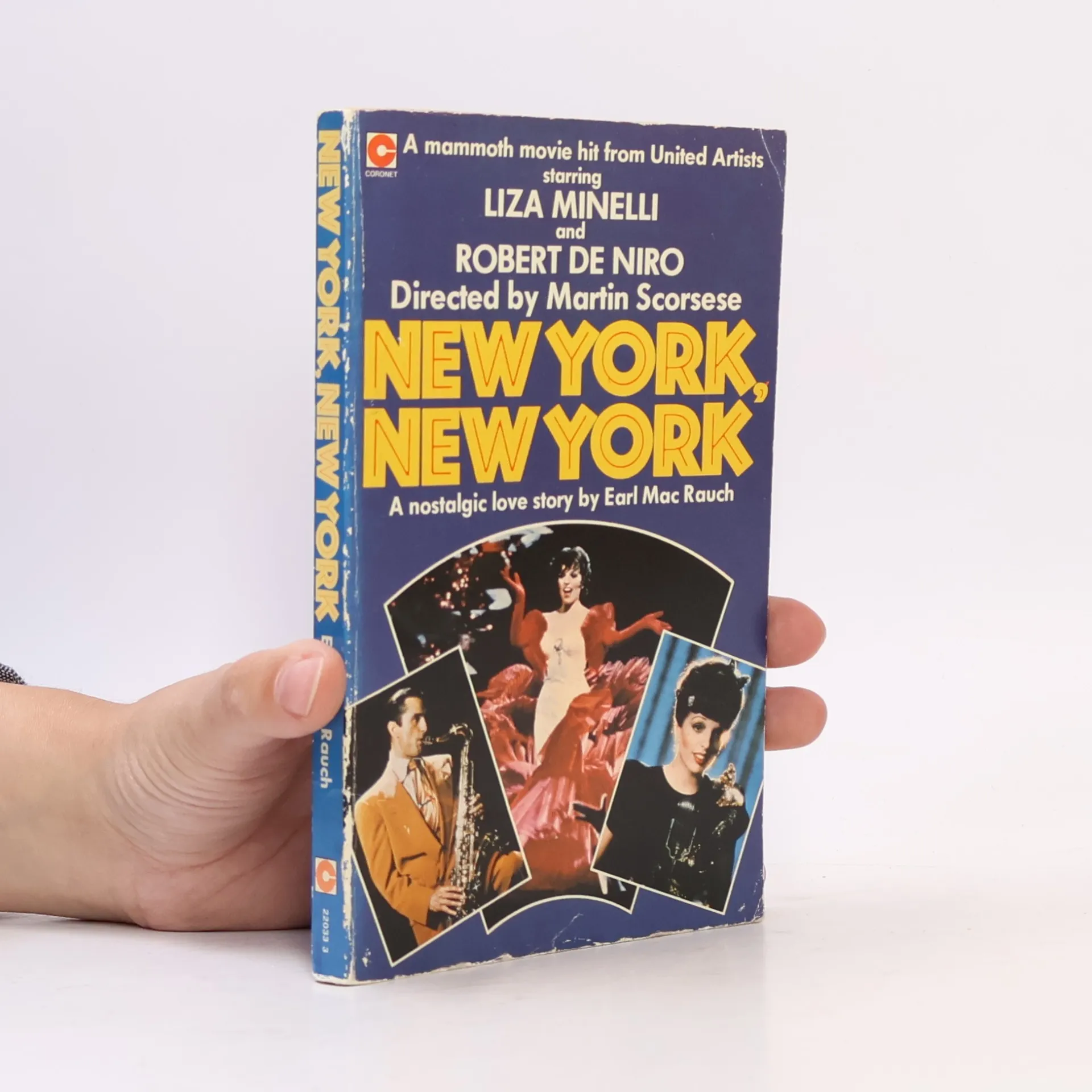
From the cinema verité of the sixties to softer fare like Splash, New York has provided some of the most iconic moments on film. Beginning with a survey of such classics as Breakfast at Tiffany's, Scenes from the City captures how the changing face of New York, as well as the founding of the MOFTB, have contributed to a particular school of film characterized most emphatically in the street-style work of directors as diverse as Martin Scorsese and Spike Lee. With over 200 stills and contributions from noted New York film personalities such as Sidney Lumet and Nora Ephron, the book also includes rare, unpublished, behind-the-scenes shots and stories from the quintessential New York filmmaker himself—Woody Allen. With a special section on the landmark TV series, commercials and music videos filmed in New York, Scenes from the City is an affectionate and vivacious ovation for this captivating "character" that rarely receives billing but always steals the show.
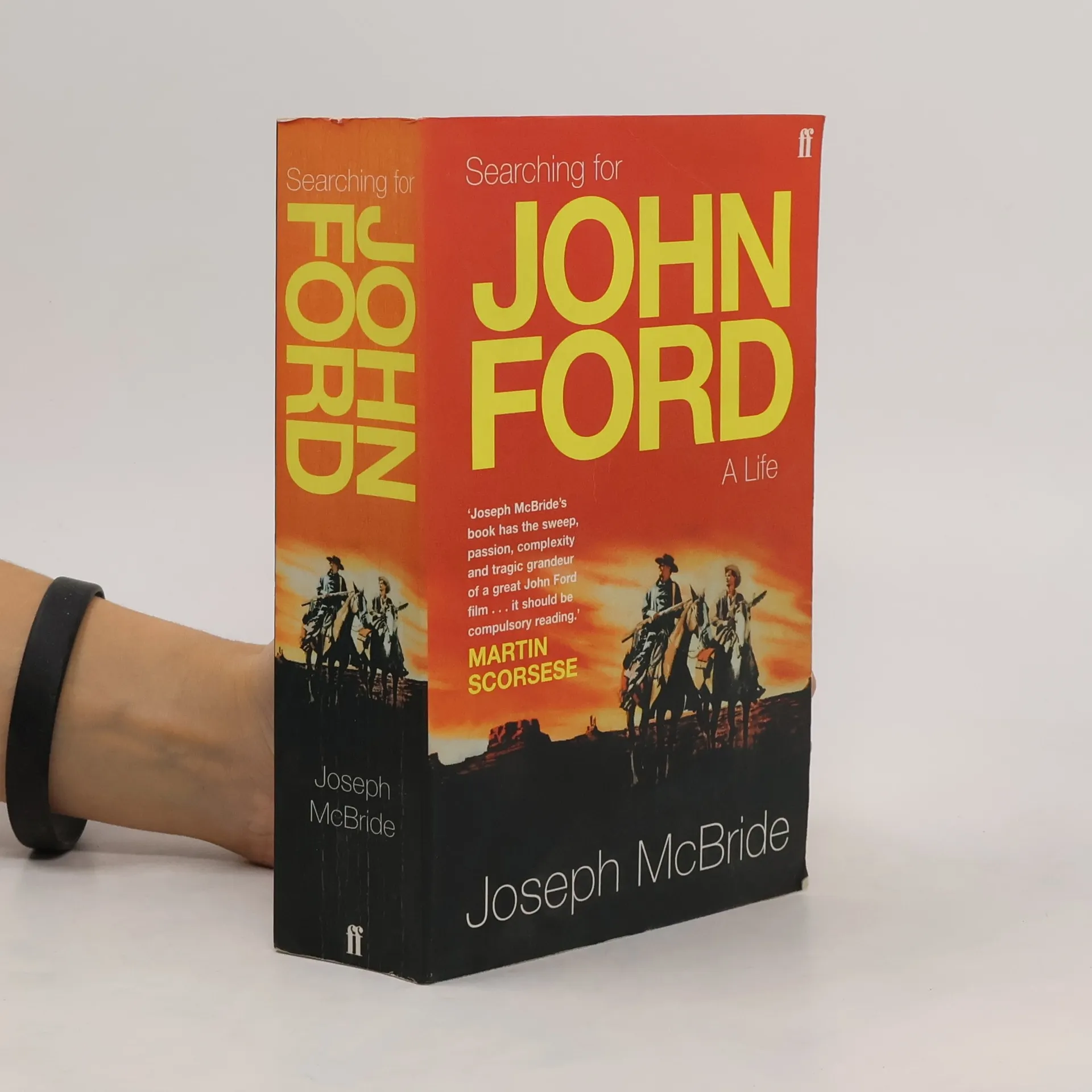
This biography provides rare insights into Ford's life as well as his prodigious film career (spanning over 140 movies), and also reveals his work as a spy for the US government in the years leading up to World War II
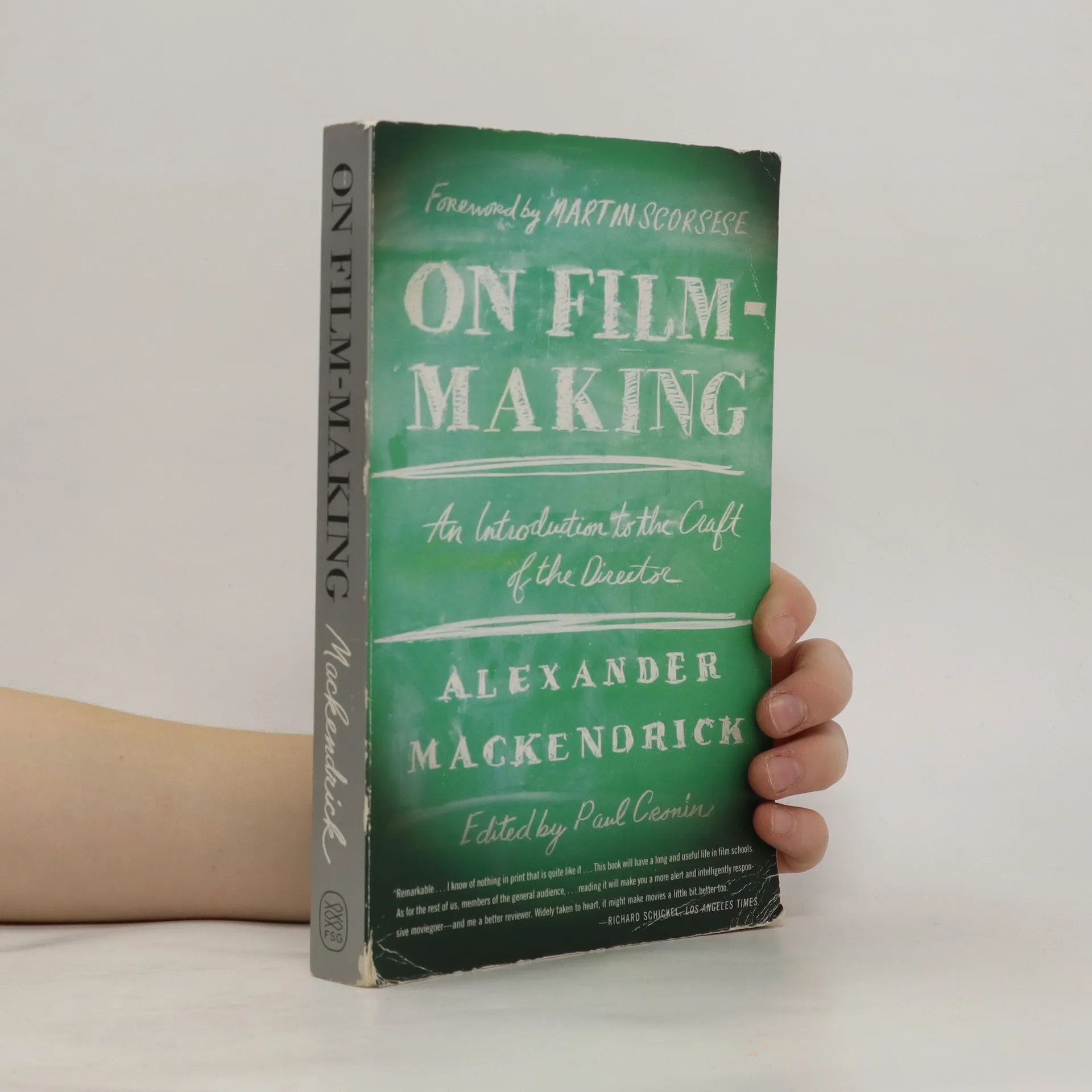
A priceless examination of the filmmaker's craft by the renowned director of Sweet Smell of Success. After over twenty years in the film industry as a screenwriter, storyboard editor, and director of notable films, Alexander Mackendrick left Hollywood to become the Dean of a prestigious film school. His unwavering commitment to filmmaking inspired students at the California Institute for the Arts for nearly twenty-five years. Mackendrick's teaching style included extensive notes, well-crafted storyboards, and handouts featuring excerpts from thinkers like Kierkegaard and Aristotle. Central to his lessons was a straightforward goal: to guide aspiring filmmakers in structuring and writing their stories while effectively utilizing the unique devices of film. This impressive volume, edited by Paul Cronin, compiles the diverse materials that established Mackendrick's reputation as an instructor, providing both professionals and students with access to a filmmaking methodology that is both challenging and refreshingly clear. Meticulously illustrated and drawing on examples from classic films such as North by Northwest, Citizen Kane, and Touch of Evil, Mackendrick's elegant lessons are poised to inspire a new generation of filmmakers.
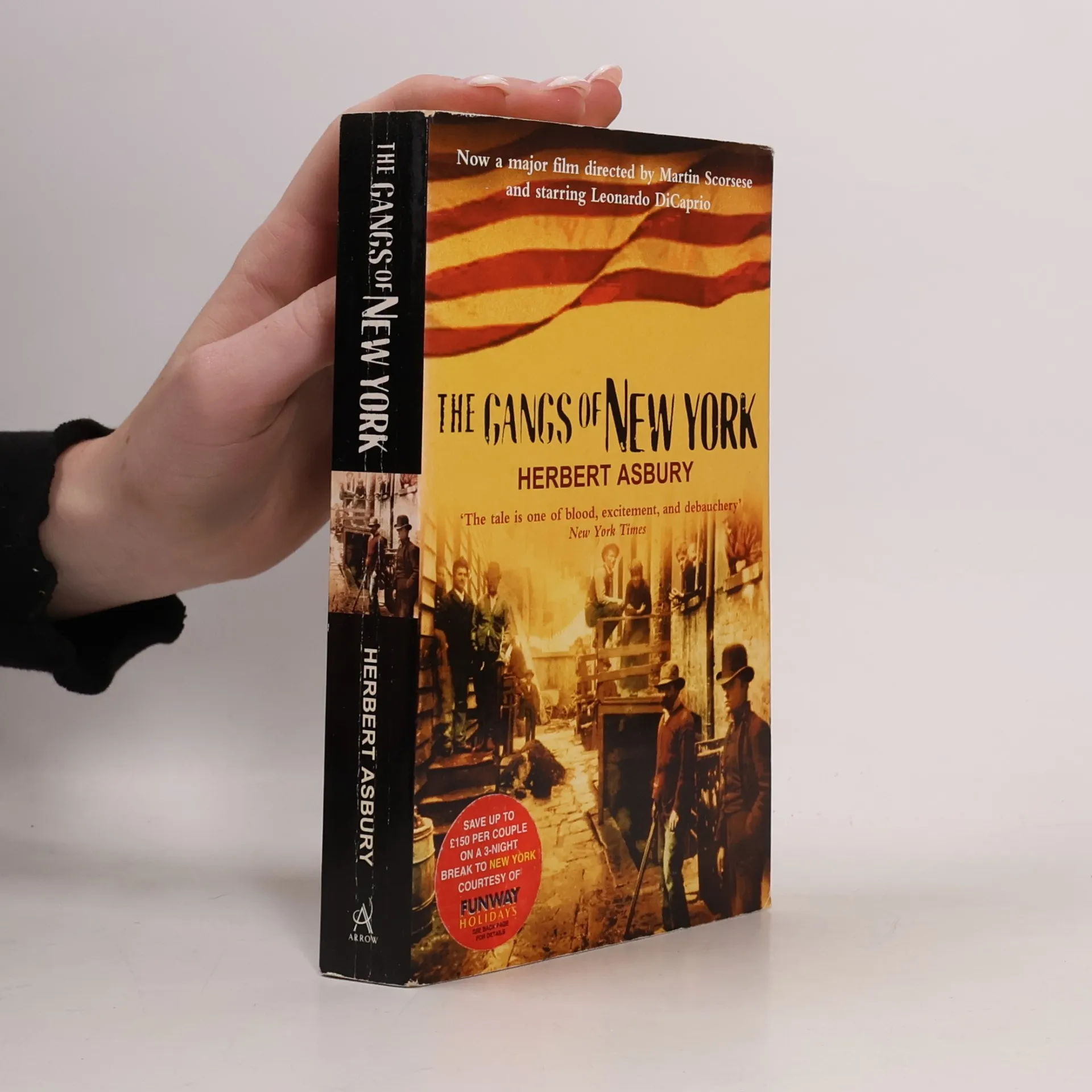
The Gangs of New York is a tour through a now unrecognisable city of abysmal poverty and habitual violence cobbled from legend, memory, police records, the self-aggrandizements of aging crooks, popular journalism, and solid historical research. Asbury pre
David O. Selznick was a unique figure in the golden Hollywood studio era. He produced some of the greatest and most memorable American films ever made--notably, Rebecca, A Star Is Born, Anna Karenina, A Farewell to Arms, and, above all, Gone With the Wind. Selznick's absolute power and artistic control are evidenced in his impassioned, eloquent, witty, and sometimes rageful memos to directors, writers, stars and studio executives, writings that have become almost as famous as his films. Newsweek wrote, I can't imagine how a book on the American movie business could be more illuminating, more riveting or more fun to read than this collection of David Selznick's memos.
The complete script of the five-time Academy Award ® nominated film, with a lengthy introduction with details on the behind-the-scenes production, photos, and a special section in which the authors discuss the 22 films that influenced them. 24 b/w photos. The Newmarket Shooting Script Series features an attractive 7 x 9 1/4 inch format that includes a facsimile of the film's shooting script, as chosen by the writer and/or director, exclusive notes on the film's production and history, stills, and credits.
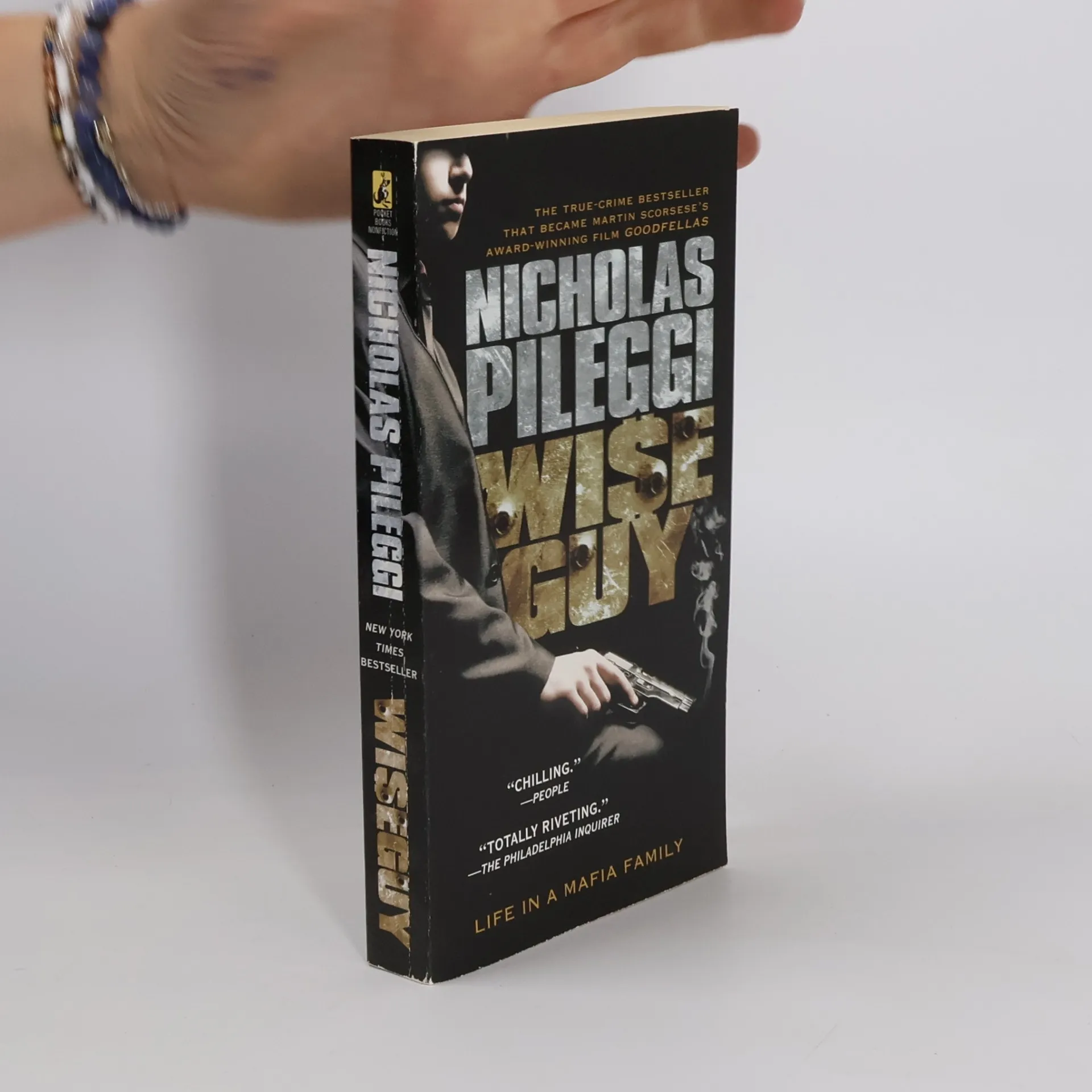
Nicholas Pileggi’s vivid, unvarnished, journalistic chronicle of the life of Henry Hill—the working-class Brooklyn kid who knew from age twelve that “to be a wiseguy was to own the world,” who grew up to live the highs and lows of the mafia gangster’s life—has been hailed as “the best book ever written on organized crime” (Cosmopolitan). This is the true-crime bestseller that was the basis for Martin Scorsese’s film masterpiece GoodFellas, which brought to life the violence, the excess, the families, the wives and girlfriends, the drugs, the payoffs, the paybacks, the jail time, and the Feds…with Henry Hill’s crackling narration drawn straight out of Wiseguy and overseeing all the unforgettable action. Read it and experience the secret life inside the mob—from one who’s lived it.
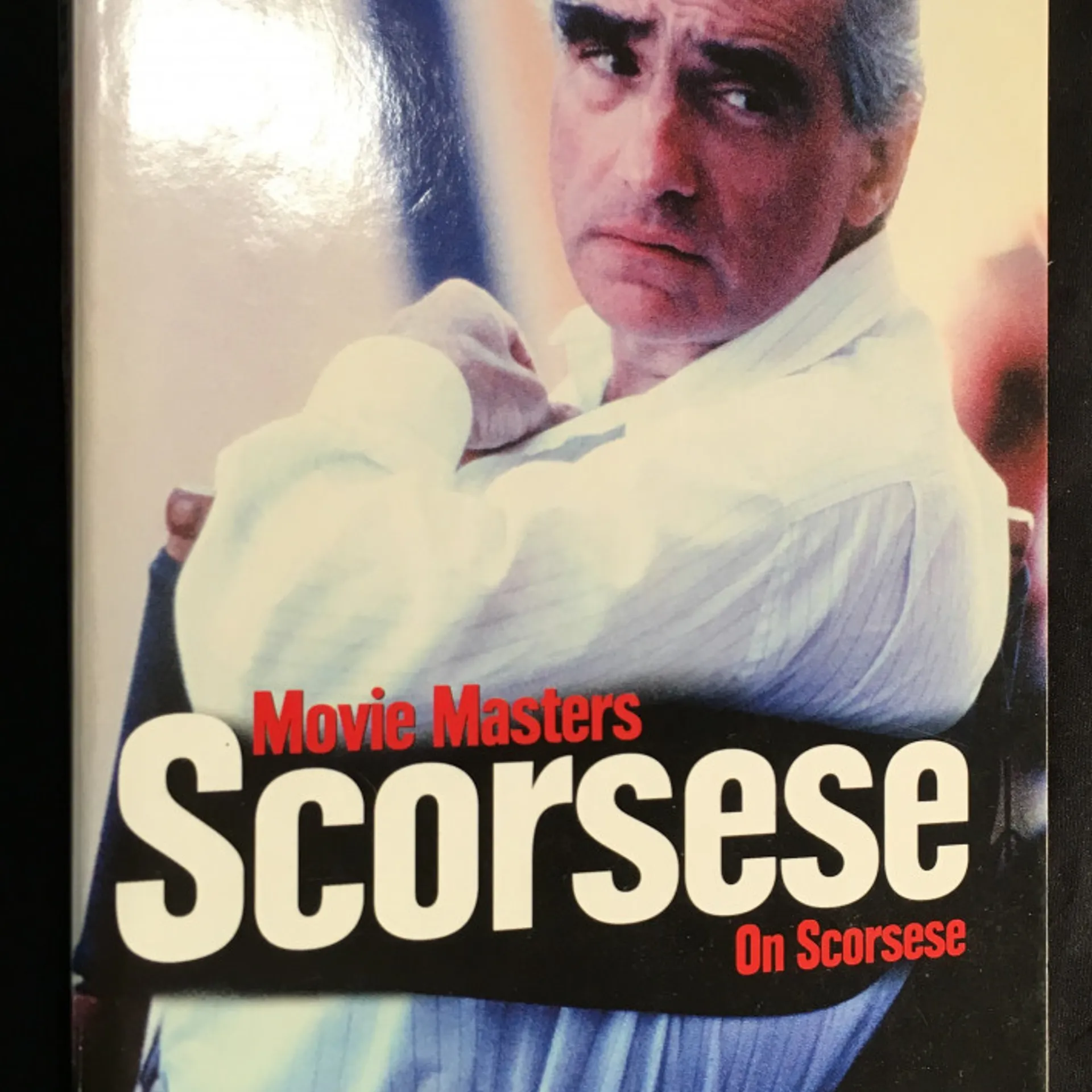
Following the release of Gangs of New York, this is an updated edition of the
study of America's foremost film director. It offers Martin Scorsese in his
own words and is an insight into a body of work that is perhaps the most
personal achievement in modern American cinema. číst celé