The Generations Trilogy - 1: Sovereignty
Overcoming Authoritarianism — A Family Perspective
- 274 pages
- 10 hours of reading


Kai Bird's work delves into the lives of political figures, employing a journalistic approach to craft intricate portraits of public individuals. His writing is characterized by depth and meticulous research, offering readers insightful perspectives into the motivations and experiences of key historical actors. Bird masterfully blends historical fact with compelling narrative, creating works that resonate with those seeking a deeper understanding of political landscapes. His approach is lauded for its accuracy and its ability to present complex life stories in an engaging and accessible manner.


Overcoming Authoritarianism — A Family Perspective
An essential re-evaluation of Jimmy Carter's presidential legacy, this account delves into the complex triumphs and tragedies of his one-term presidency, often dismissed as a failure. Many view Carter as an ex-president who used the White House as a stepping-stone to greater achievements. However, his political journey is a rich narrative of significant accomplishments and painful adversities. Expertly written by Pulitzer Prize-winning biographer Kai Bird, this account presents Carter's presidency as a pivotal moment in American history. As the only president from the Deep South in a century, and the most openly religious leader in memory, Carter brought a unique blend of humility, candor, and self-confidence that challenged the political landscape of his time. He urged a radical self-examination of a nation grappling with issues of race, Watergate, and Vietnam, which voters ultimately rejected, costing him a second term to Ronald Reagan. Bird traces the arc of Carter's administration, highlighting his domestic agenda and controversial foreign policy, while revealing the adversarial nature of both the political establishment and the press. Through interviews and declassified documents, Bird provides a profound evaluation of a misunderstood leader, capturing the essence of an enigmatic presidency and its enduring impact on American consciousness.
This book offers a critical analysis of Jimmy Carter's presidency, exploring the intricate balance of his successes and failures. Through the lens of an expert biographer, it delves into the significant events and decisions that shaped his legacy, providing insights into his character and the challenges he faced in office. The narrative not only highlights Carter's achievements but also addresses the controversies and obstacles that marked his time as president, making it a comprehensive study of his impact on American history.
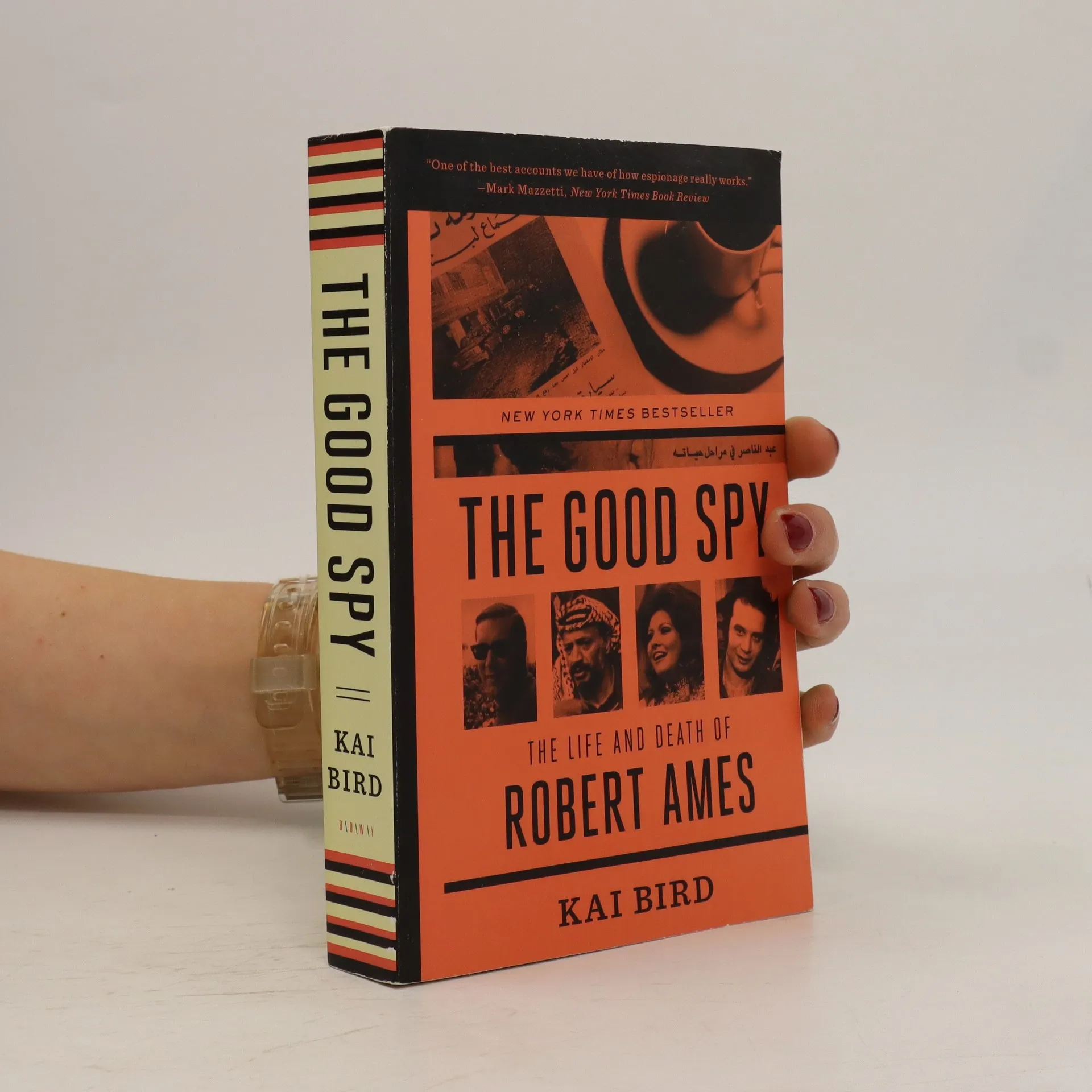
A narrative of the making of a CIA officer, a history of twentieth-century conflict in the Middle East, and an hour-by-hour account of the 1983 Beirut Embassy bombing
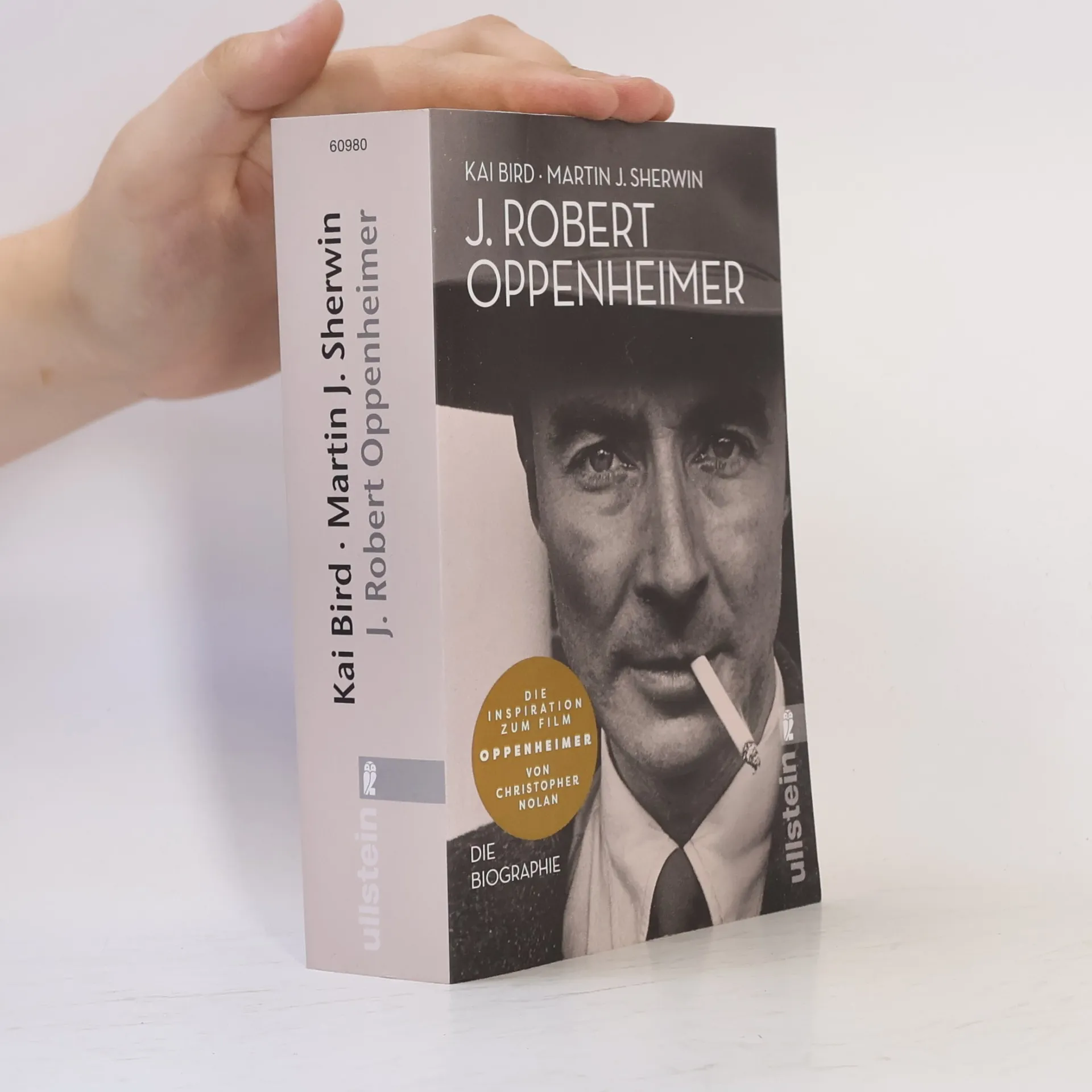
Die Biographie | Die Vorlage zum neuen Film von Christopher Nolan
Ausgezeichnet mit dem Pulitzer-Preis: Das Buch zum großen Kino-Highlight J. Robert Oppenheimer (1904-1967) zählt zu den schillerndsten Figuren der jüngeren Zeitgeschichte. Kai Bird und Martin J. Sherwin erzählen das Leben des »Vaters der Atombombe« und zeigen exemplarisch das Drama eines Forschers, der sich zwischen Erkenntnisdrang und ethischer Verantwortung entscheiden muss. Basierend auf ihrer mit dem Pulitzer-Preis ausgezeichneten Biographie drehte Regisseur Christopher Nolan sein Meisterwerk Oppenheimer .
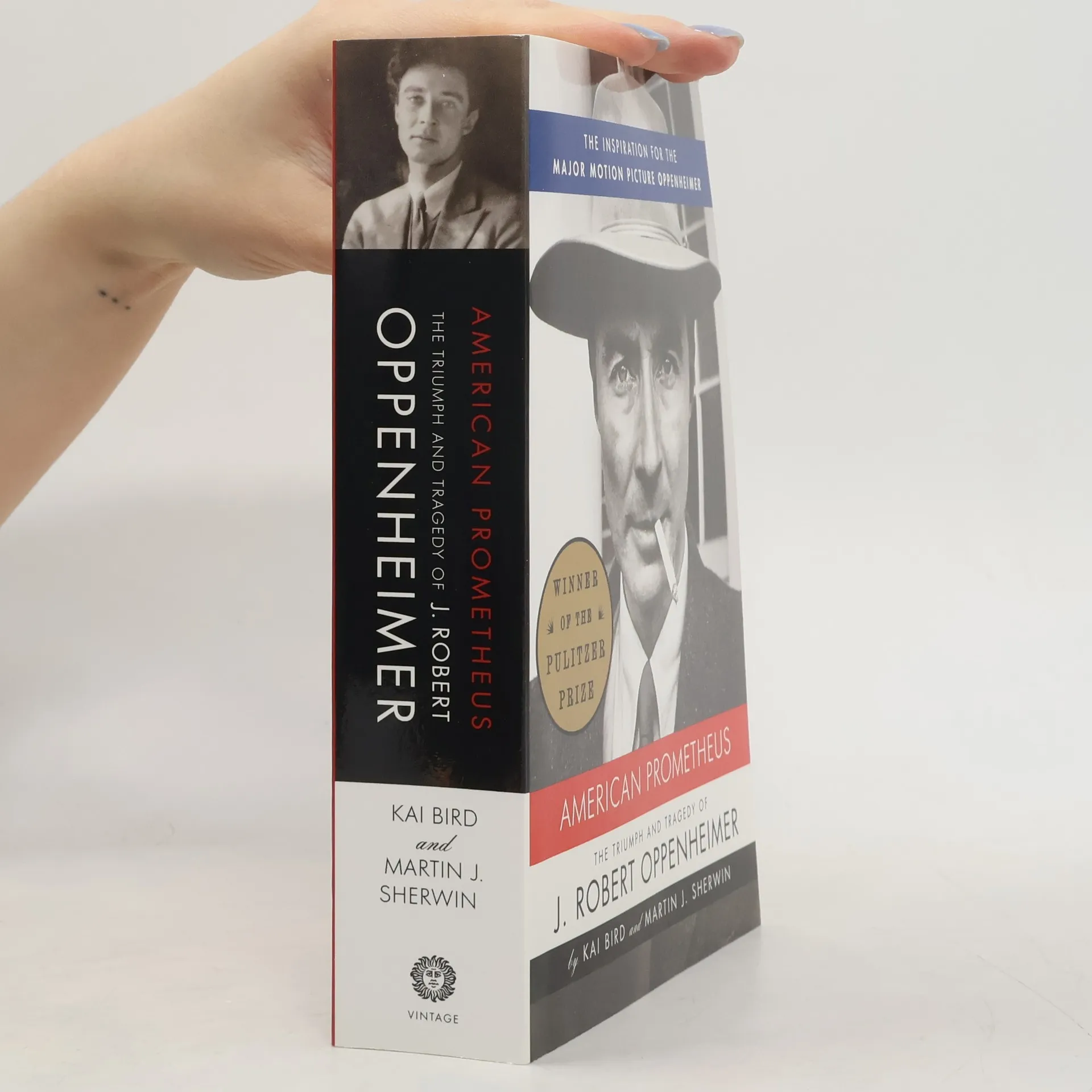
THE INSPIRATION FOR THE ACADEMY AWARD®-WINNING MAJOR MOTION PICTURE OPPENHEIMER • "A riveting account of one of history’s most essential and paradoxical figures.”—Christopher Nolan #1 NEW YORK TIMES BESTSELLER • PULITZER PRIZE WINNER • The definitive biography of J. Robert Oppenheimer, one of the iconic figures of the twentieth century, a brilliant physicist who led the effort to build the atomic bomb for his country in a time of war, and who later found himself confronting the moral consequences of scientific progress. In this magisterial, acclaimed biography twenty-five years in the making, Kai Bird and Martin Sherwin capture Oppenheimer’s life and times, from his early career to his central role in the Cold War. This is biography and history at its finest, riveting and deeply informative. “A masterful account of Oppenheimer’s rise and fall, set in the context of the turbulent decades of America’s own transformation. It is a tour de force.” —Los Angeles Times Book Review “A work of voluminous scholarship and lucid insight, unifying its multifaceted portrait with a keen grasp of Oppenheimer’s essential nature.... It succeeds in deeply fathoming his most damaging, self-contradictory behavior.” —The New York Times
Focusing on the lives of McGeorge and William Bundy, the book explores the brothers' influential roles in shaping American policy during the Cold War and Vietnam. It presents a nuanced narrative that intertwines themes of pride, power, and idealism, revealing the complexities of their decisions and the impact on history. The portrayal is both sensitive and politically charged, offering readers a deep understanding of the personal and professional dynamics that defined their legacy, complemented by a selection of photographs.
Set against pivotal historical events such as World War II and the Cold War, the narrative chronicles McCloy's remarkable transformation from a humble "chore boy" to a key figure in American power. The book explores his influence during significant moments like the Cuban missile crisis, the Kennedy assassination, and the Vietnam War, illustrating how he shaped and navigated the complexities of American politics and diplomacy during a transformative era.