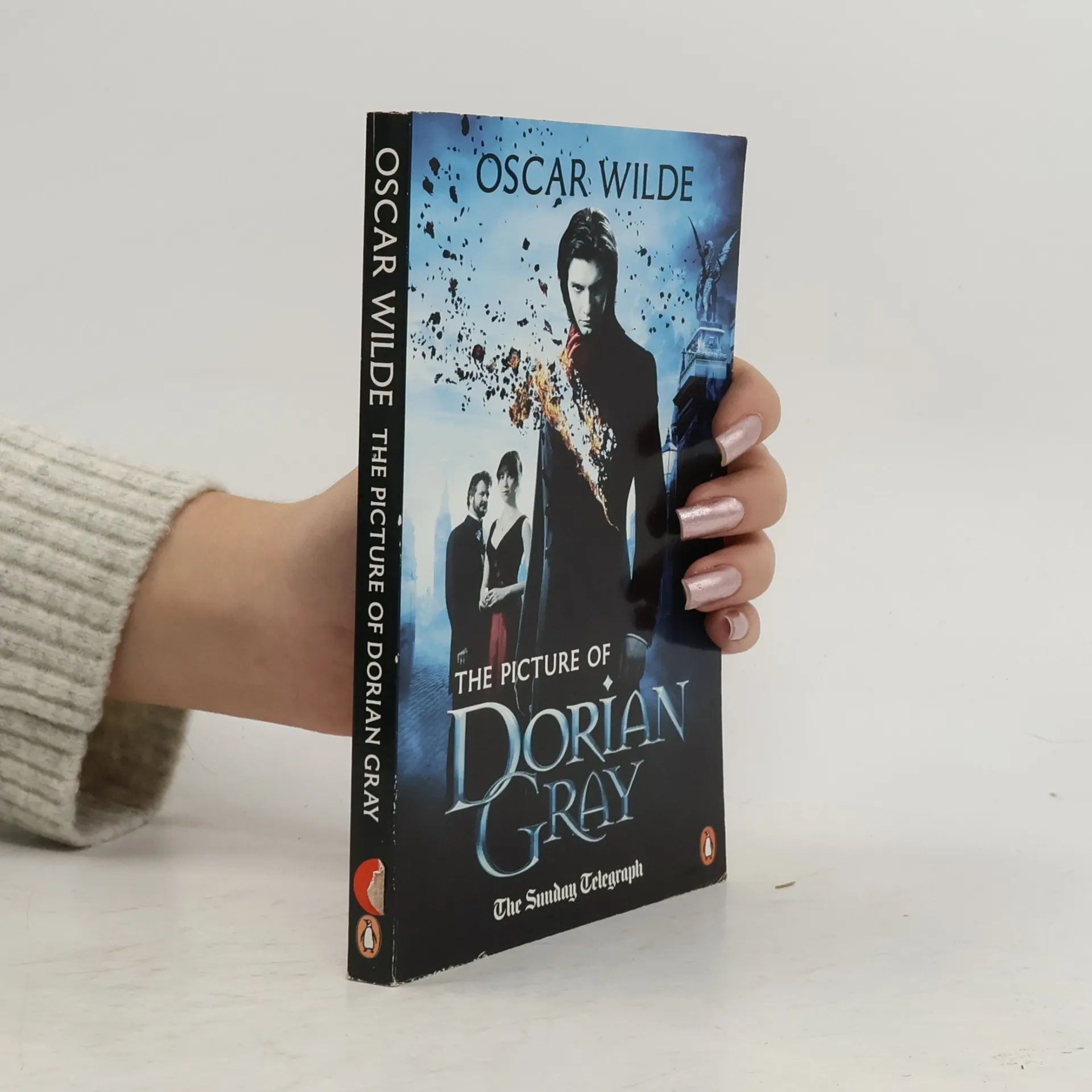
"This revised Norton Critical Edition, like its predecessor, is the only edition available that includes both the 1890 Lippincott's and the 1891 book version of The Picture of Dorian Gray. Under the editorial guidance of Wilde scholar Michael Patrick Gillespie, students have the opportunity to read comparatively both published versions of this controversial novel." ""Backgrounds" and "Reviews and Reactions" allow readers to gauge The Picture of Dorian Gray's sensational reception when the 1890 version appeared and to consider the heated public debate over art and morality that followed its publication. Joris-Karl Huysmans, Walter Pater, and Oscar Wilde offer a sense of the diverse opinions on these topics. Eight contemporary reviews and comments on the novel are reprinted, among them four opinions from the St. James's Gazette immediately after publication in 1890, each followed by Oscar Wilde's vehement reply." ""Criticism" includes seven new essays on the novel that reflect key changes in interpretive theory in recent years and reveal the broad range of perspectives associated with Wilde and The Picture of Dorian Gray. Simon Joyce, Donald L. Lawler, Sheldon W. Liebman, Maureen O'Connor, Ellie Ragland-Sullivan, John Paul Riquelme, and Michael Patrick Gillespie provide their varied assessments. A Chronology and a Selected Bibliography are also included."--BOOK JACKET.
Bořivoj Prusík Book order


- 2020
- 1923
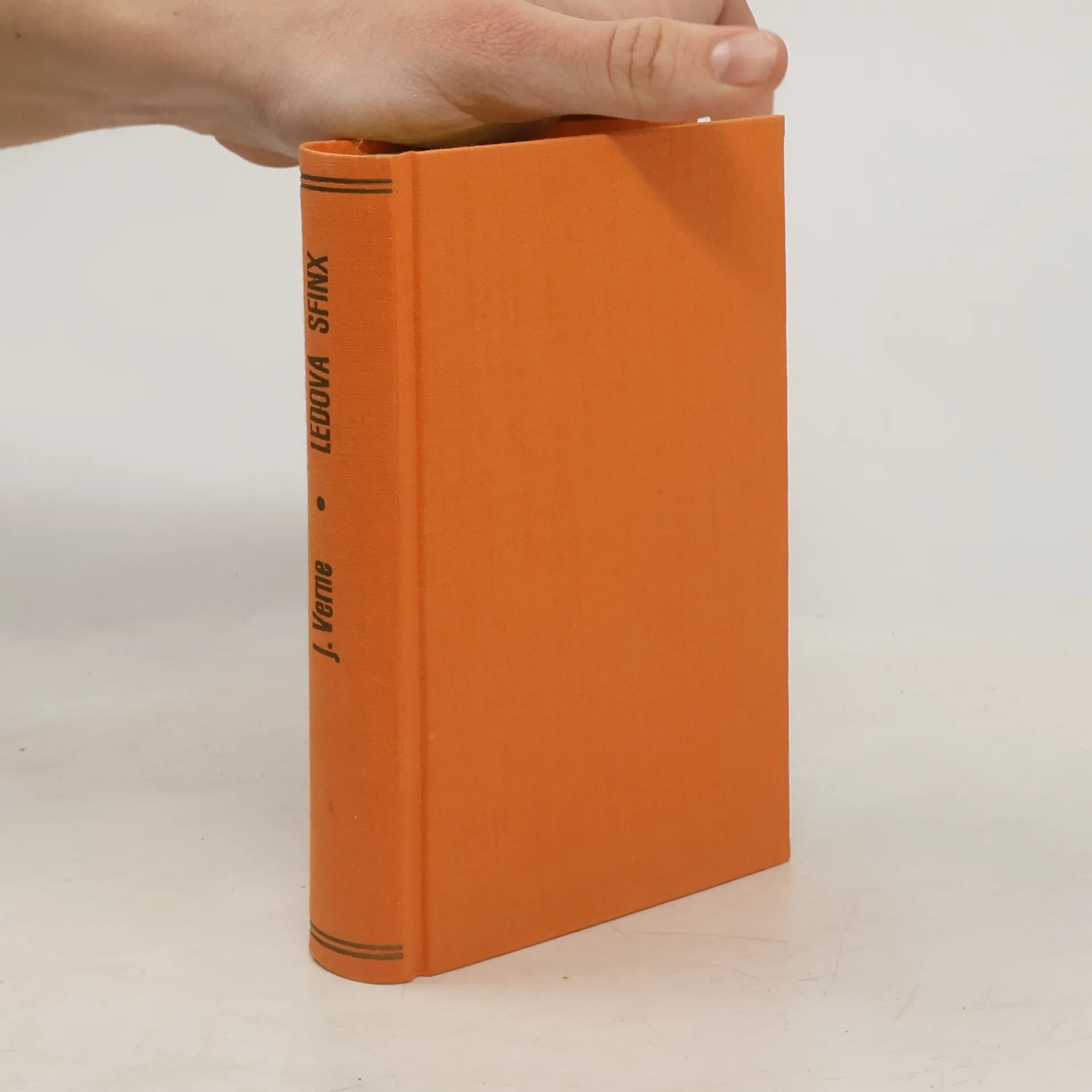
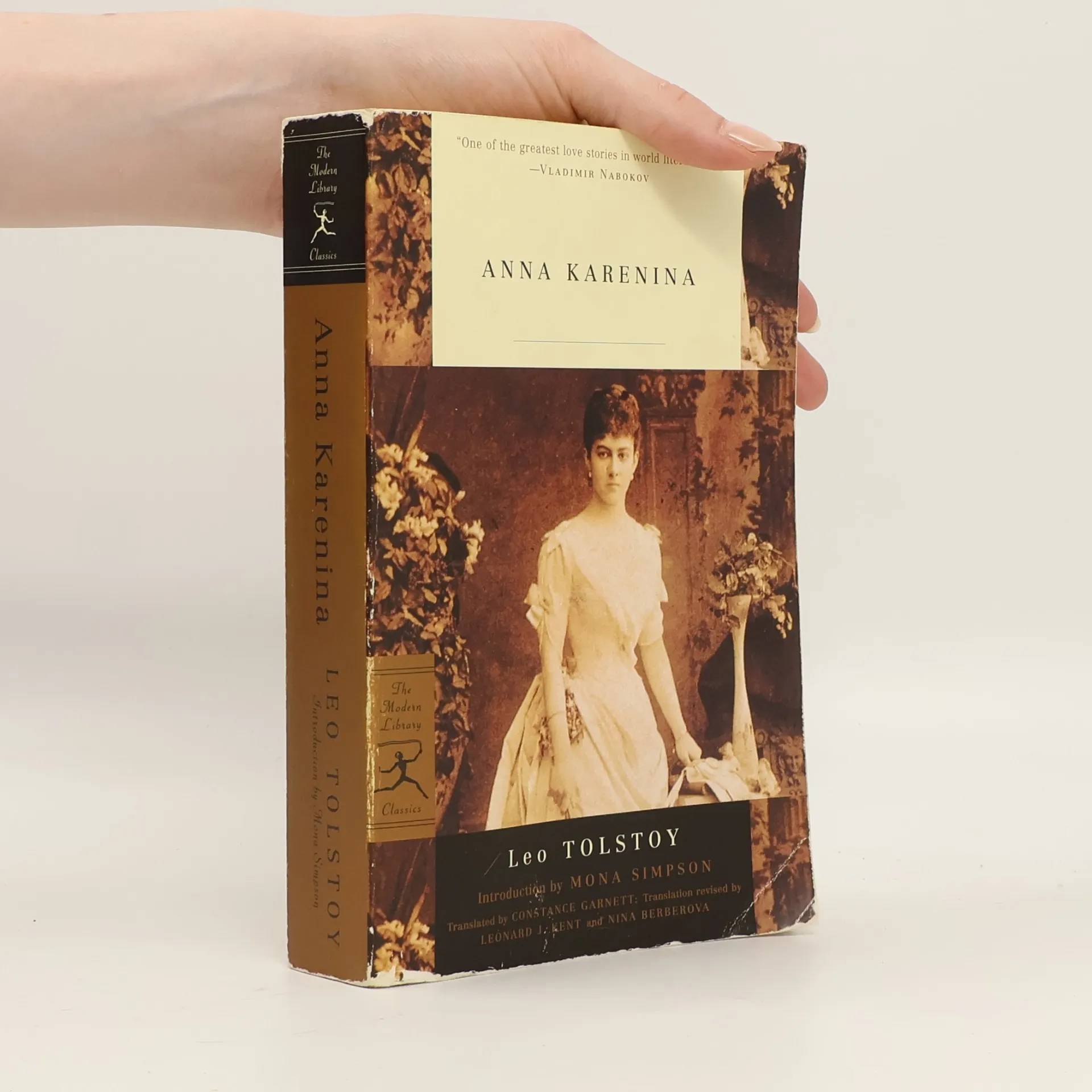
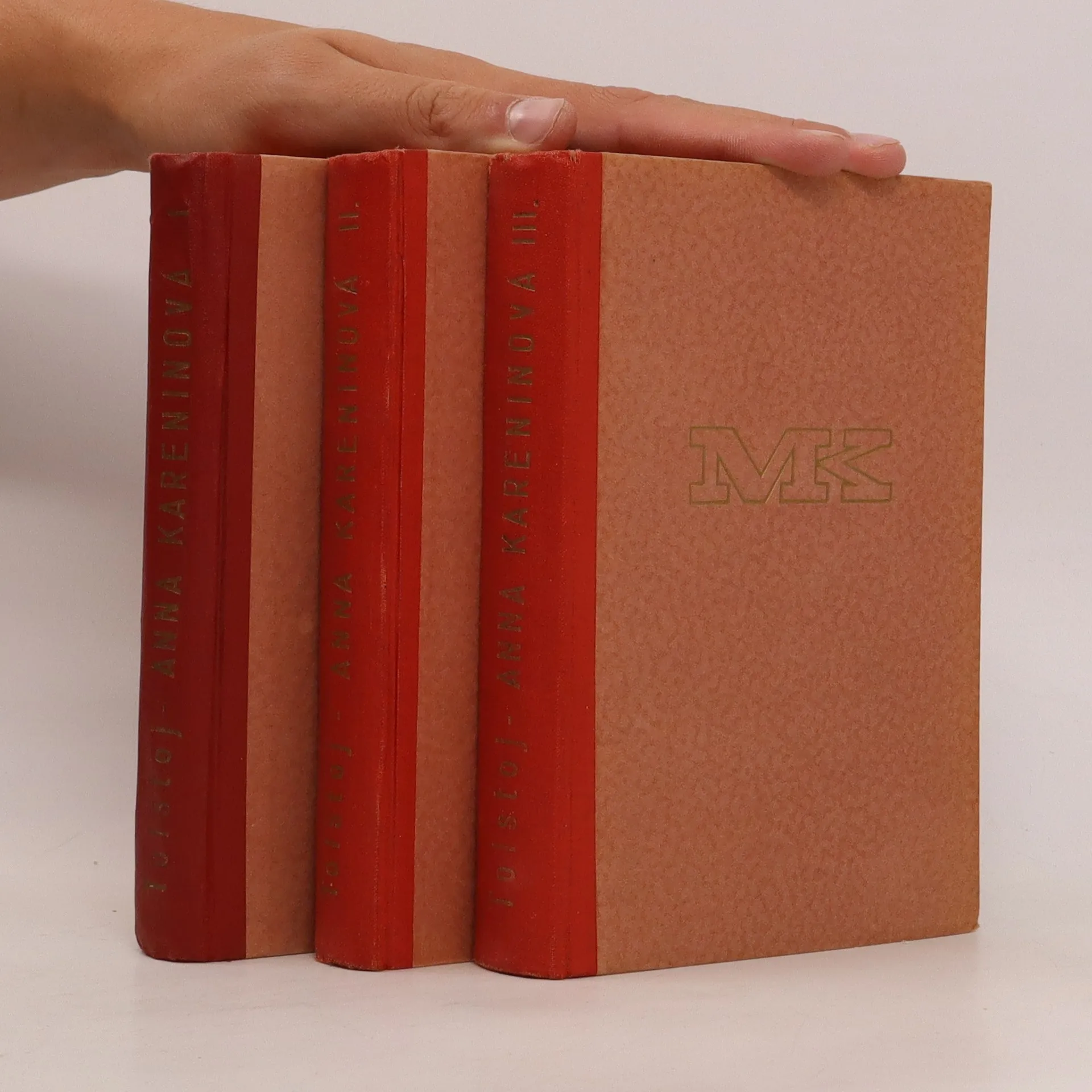
Anna Karenina. I.-III. díl
- 3 volumes
- 1923
Anna Karenina is one of the loved and memorable heroines of literature. Her overwhelming charm dominates a novel of unparalleled richness and density. This book addresses the very nature of society at various levels - of destiny, death, human relationships and the irreconcilable contradictions of existence.
- 1917
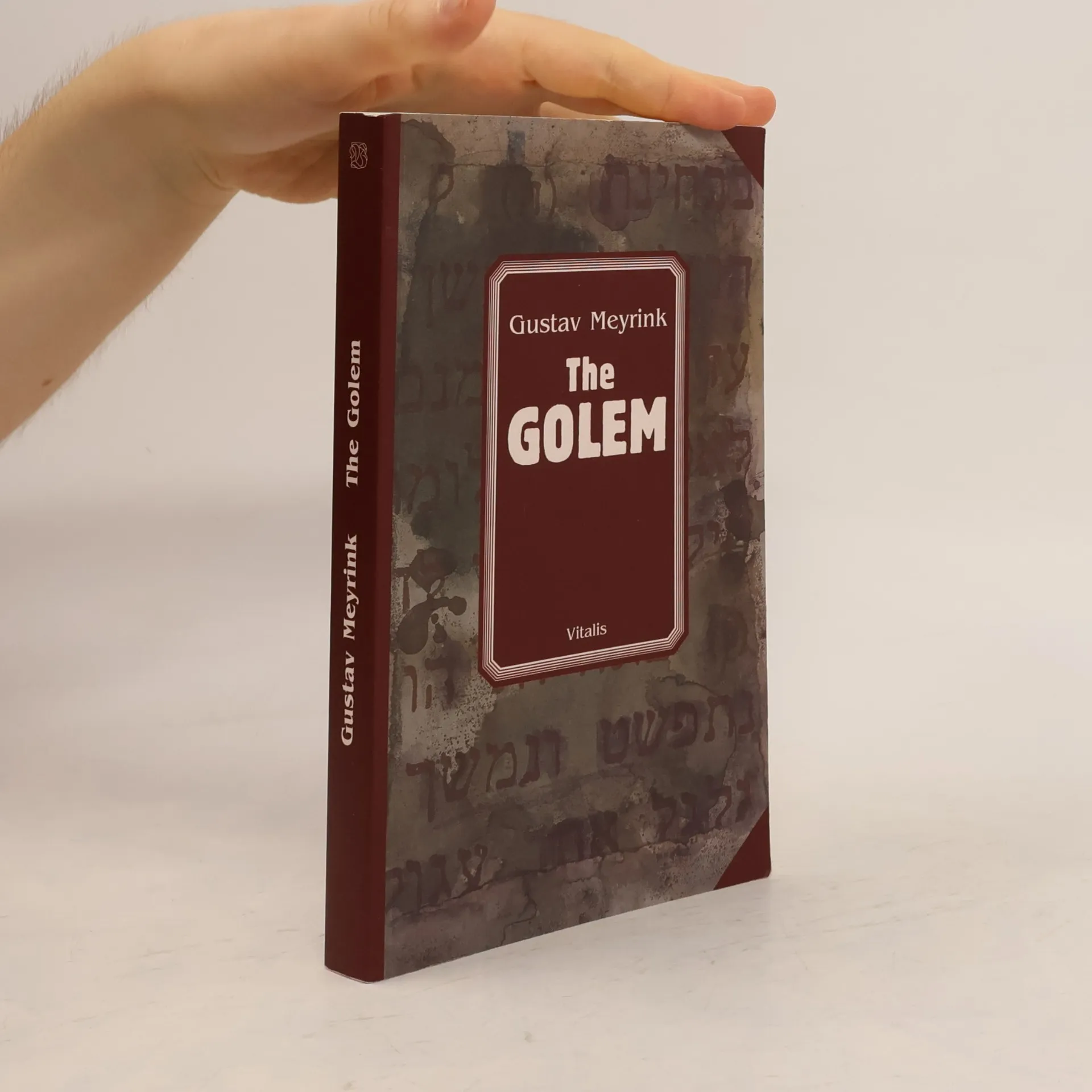
The Golem
- 272 pages
- 10 hours of reading
First published in serial form as Der Golem in the periodical Die weissen Blätter in 1913–14, The Golem is a haunting Gothic tale of stolen identity and persecution, set in a strange underworld peopled by fantastical characters. The red-headed prostitute Rosina; the junk-dealer Aaron Wassertrum; puppeteers; street musicians; and a deaf-mute silhouette artist. Lurking in its inhabitants’ subconscious is the Golem, a creature of rabbinical myth. Supposedly a manifestation of all the suffering of the ghetto, it comes to life every 33 years in a room without a door. When the jeweller Athanasius Pernath, suffering from broken dreams and amnesia, sees the Golem, he realises to his terror that the ghostly man of clay shares his own face. . . . The Golem, though rarely seen, is central to the novel as a representative of the ghetto's own spirit and consciousness, brought to life by the suffering and misery that its inhabitants have endured over the centuries. Perhaps the most memorable figure in the story is the city of Prague itself, recognisable through its landmarks such as the Street of the Alchemists and the Castle.
- 1911