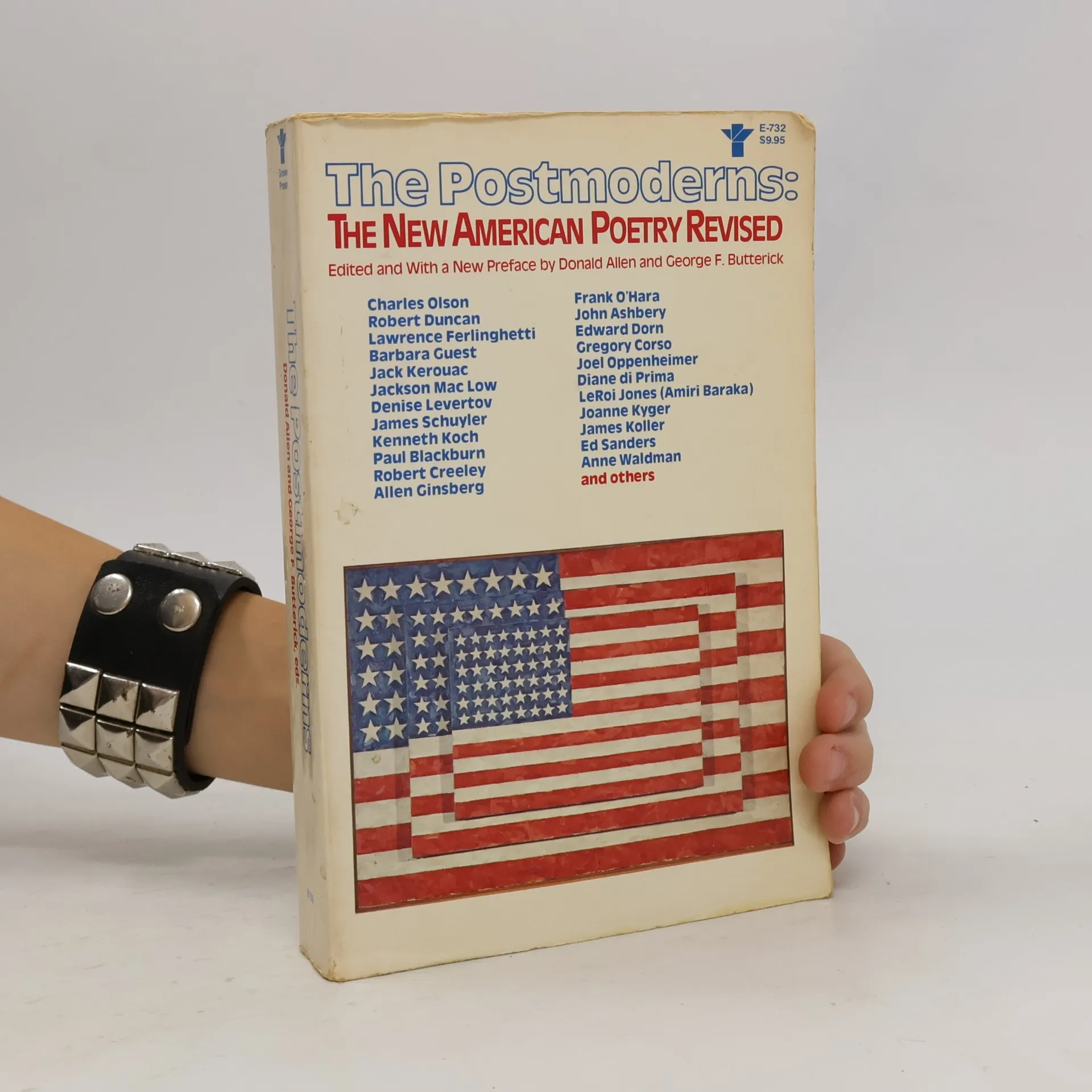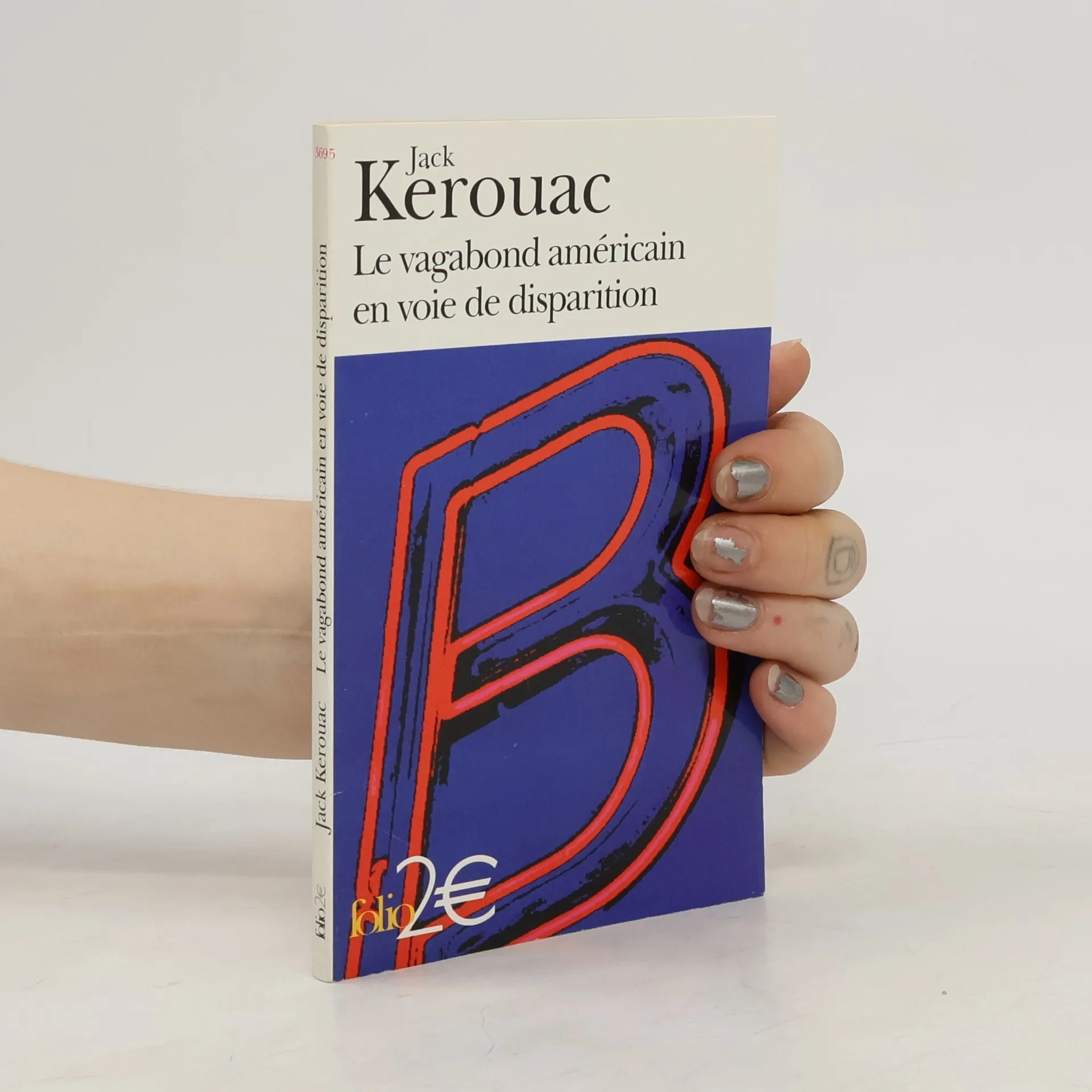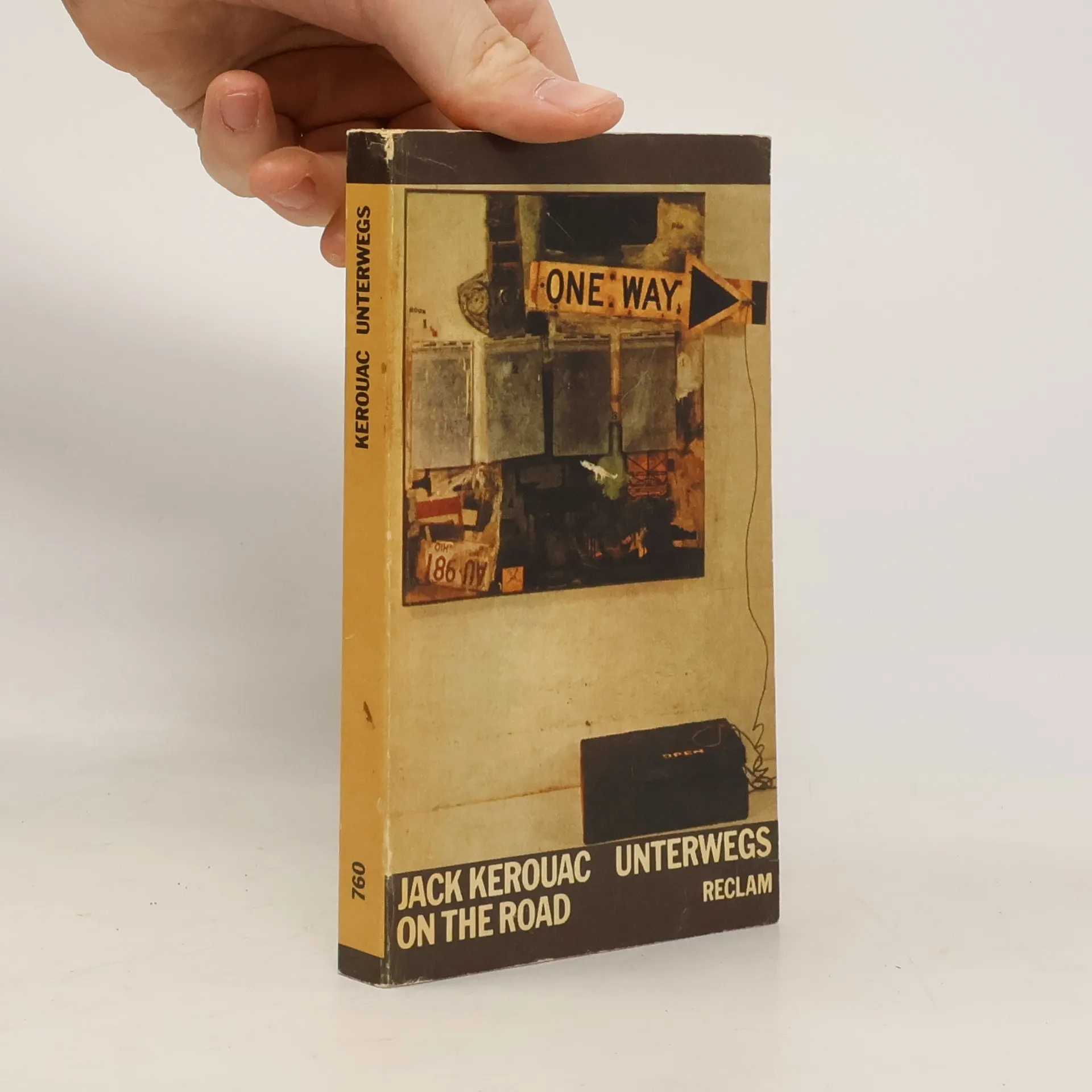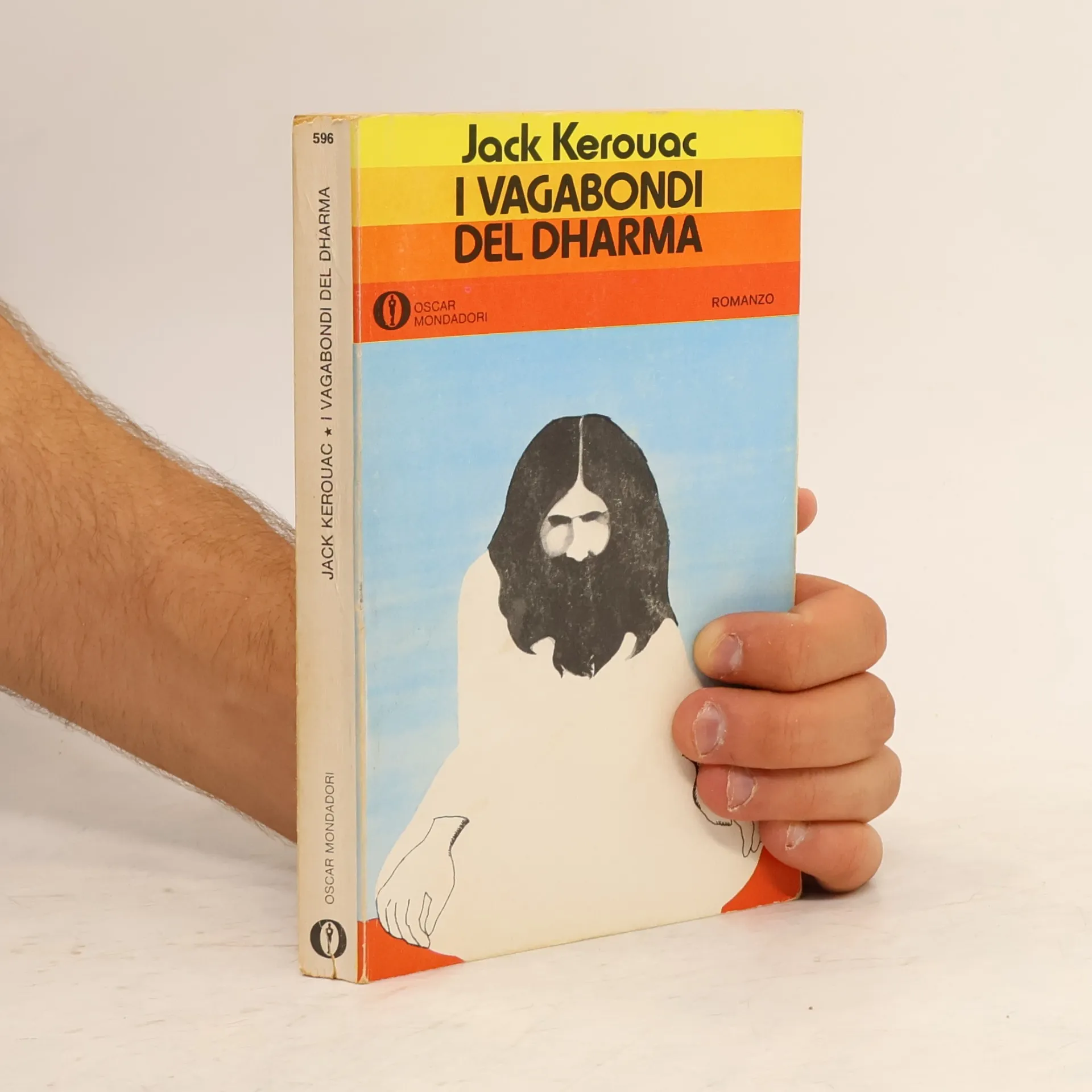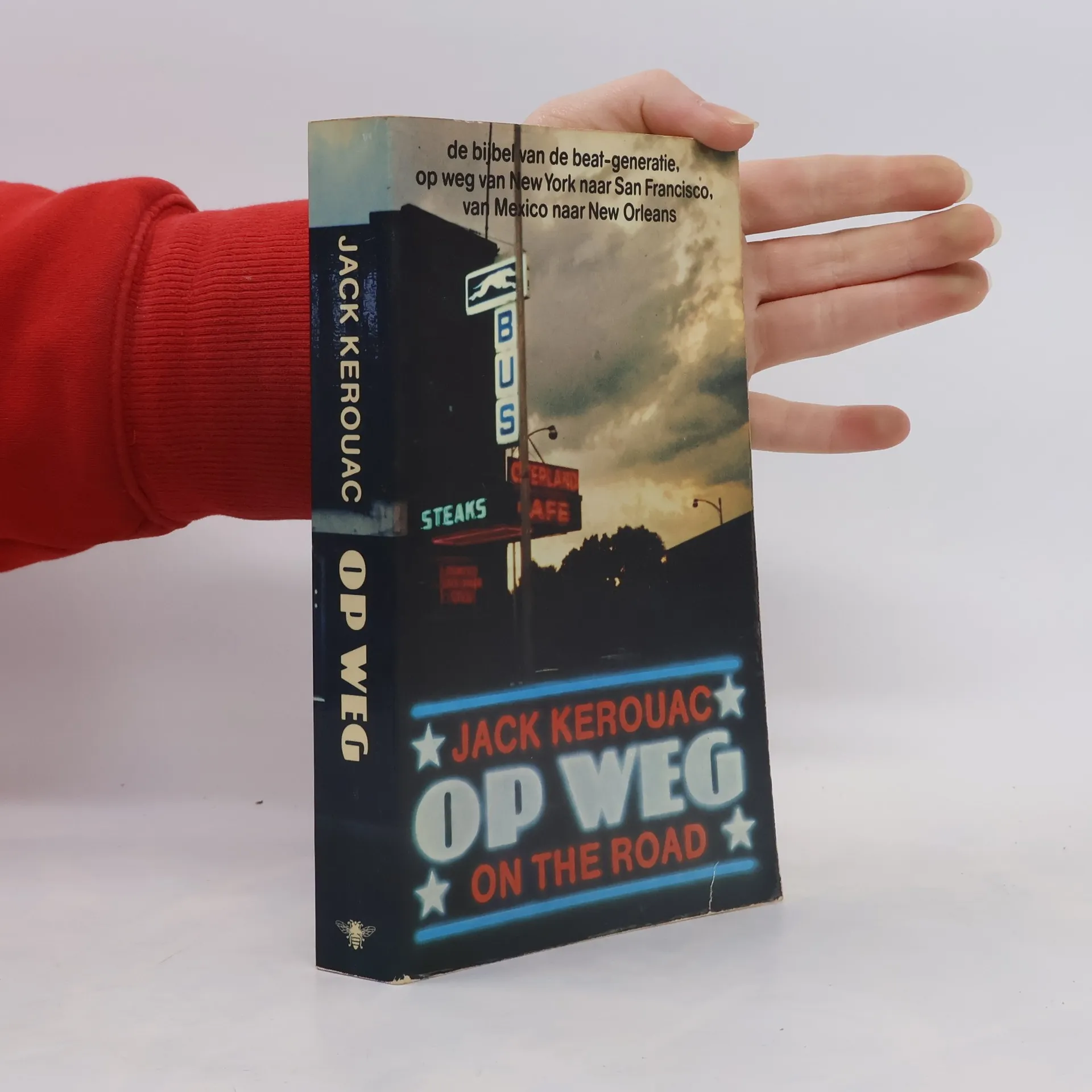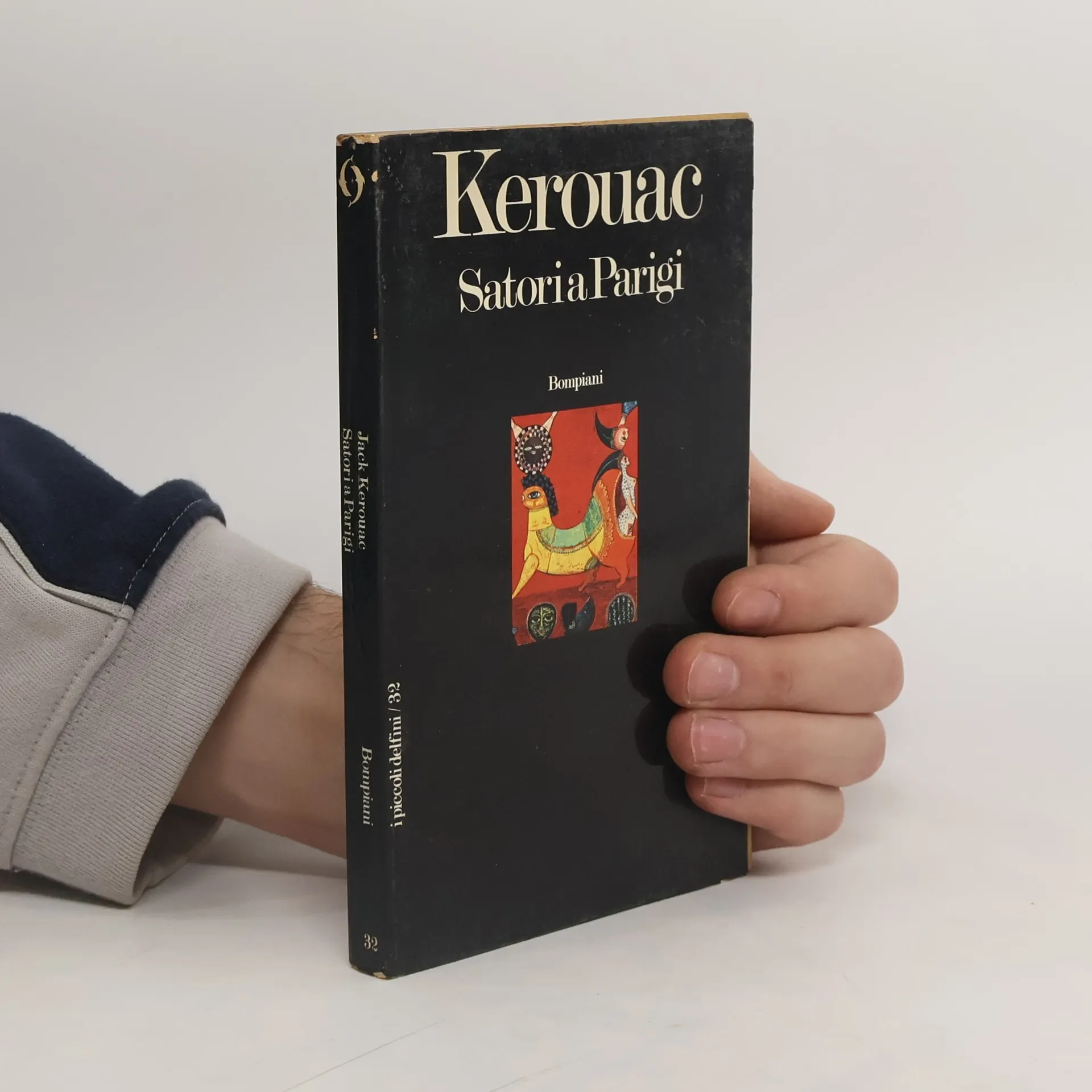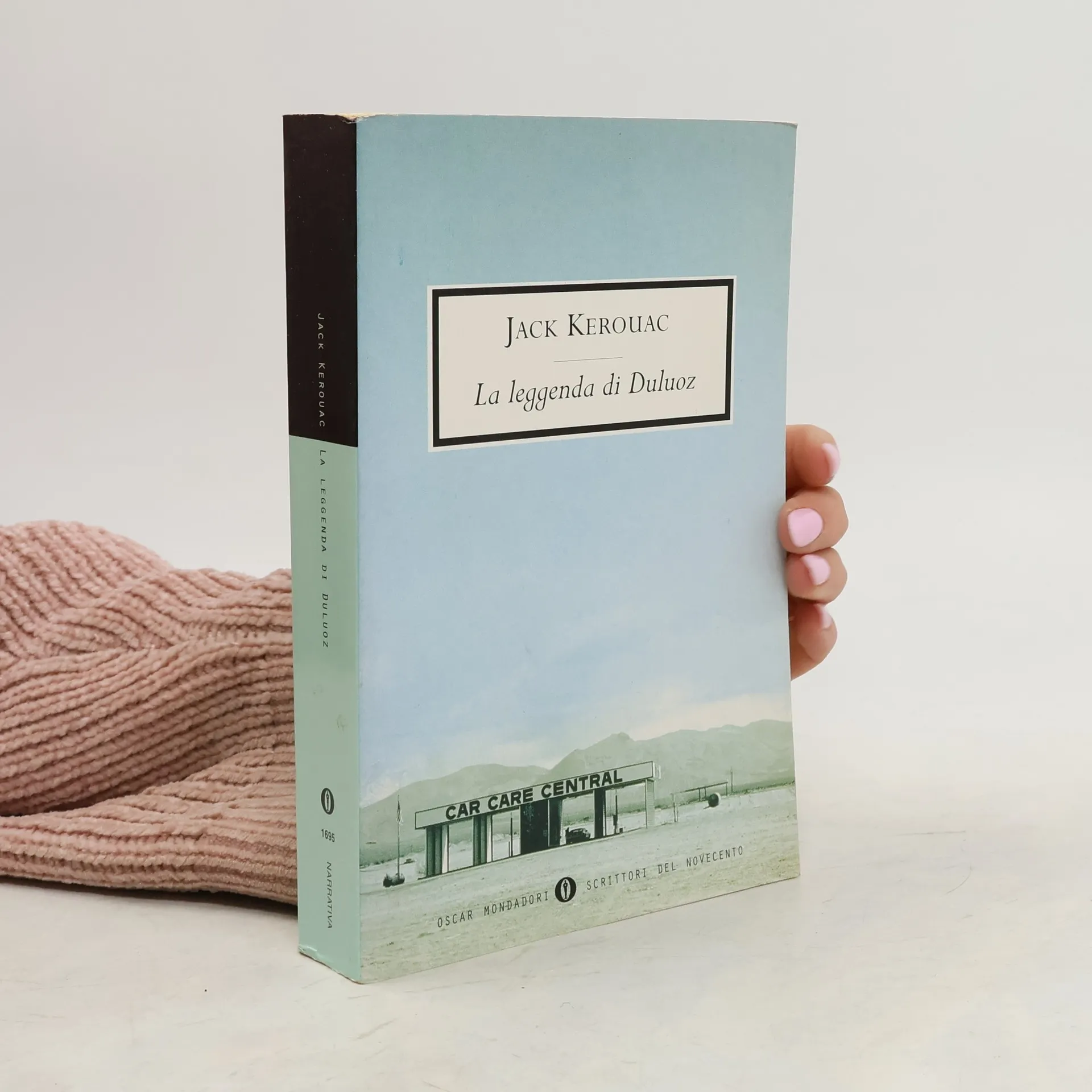




From the Publisher: In 1958, the first edition of Robert Frank's The Americans was published in Paris. Les Americains contained Frank's 83 photographs in the same sequence as all subsequent editions, with the image on the right hand page, but juxtaposed with historical texts about American society and politics, gathered by Alain Bosquet. The following year, in the first American edition, the French texts were removed and an introduction by Jack Kerouac was added. Over the subsequent 50 years, The Americans has been republished in many editions, in numerous languages, with a variety of cover designs and even in a range of sizes. It is the most famous photography book ever published, and it changed the face of the medium forever. Robert Frank discussed with his publisher, Gerhard Steidl, the idea of producing a new edition using modern scanning and the finest tritone printing. The starting point was to bring original prints from New York to Gottingen, Germany, where Steidl is based. In July 2007, Frank visited Gottingen. A new format for the book was worked out and new typography selected. A new cover was designed and Frank chose the book cloth, foil for embossing and the endpaper. Most significantly, as he has done for every edition of The Americans, Frank changed the cropping of many of the photographs, usually including more information. Two images were changed completely from the original 1958 and 1959 editions
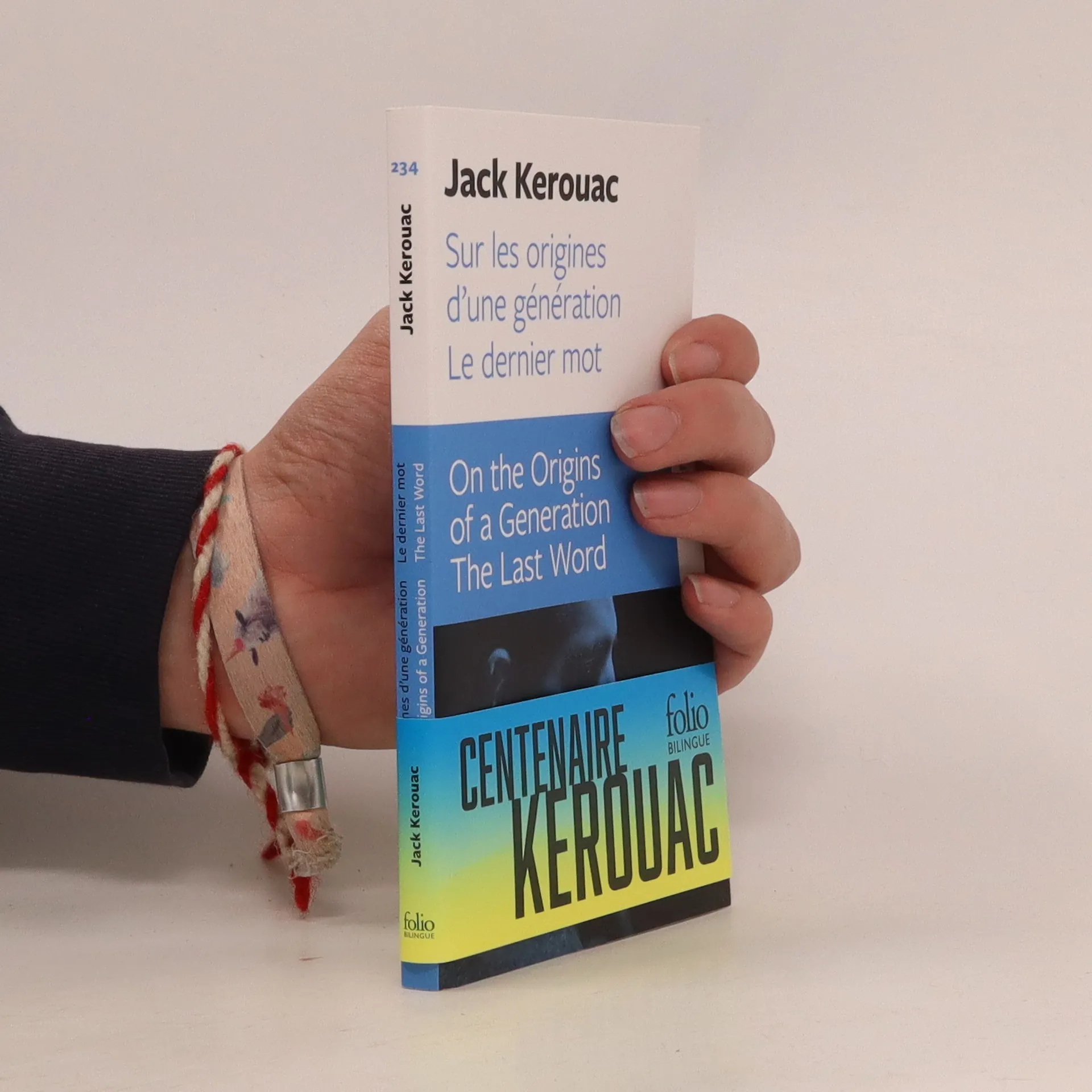
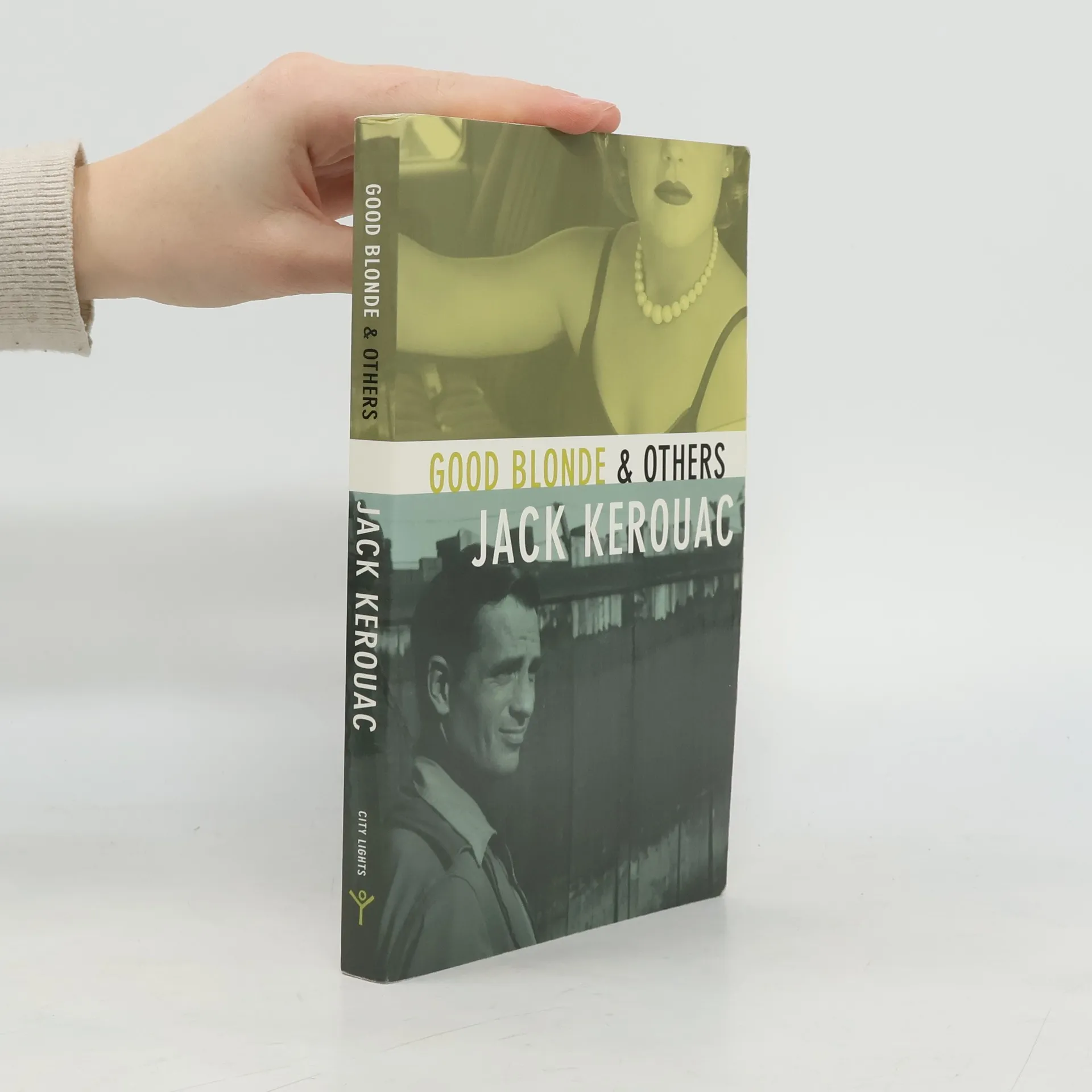
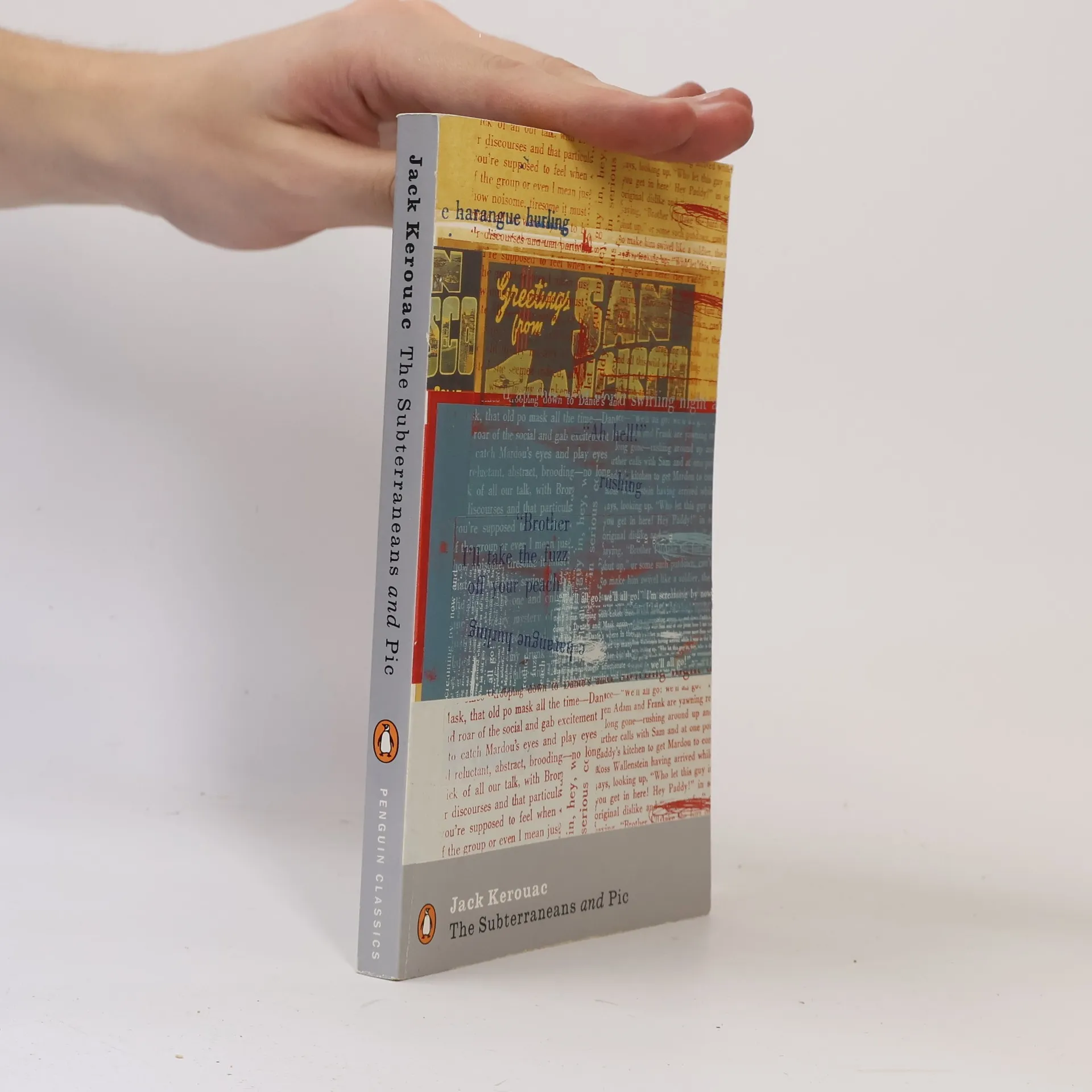
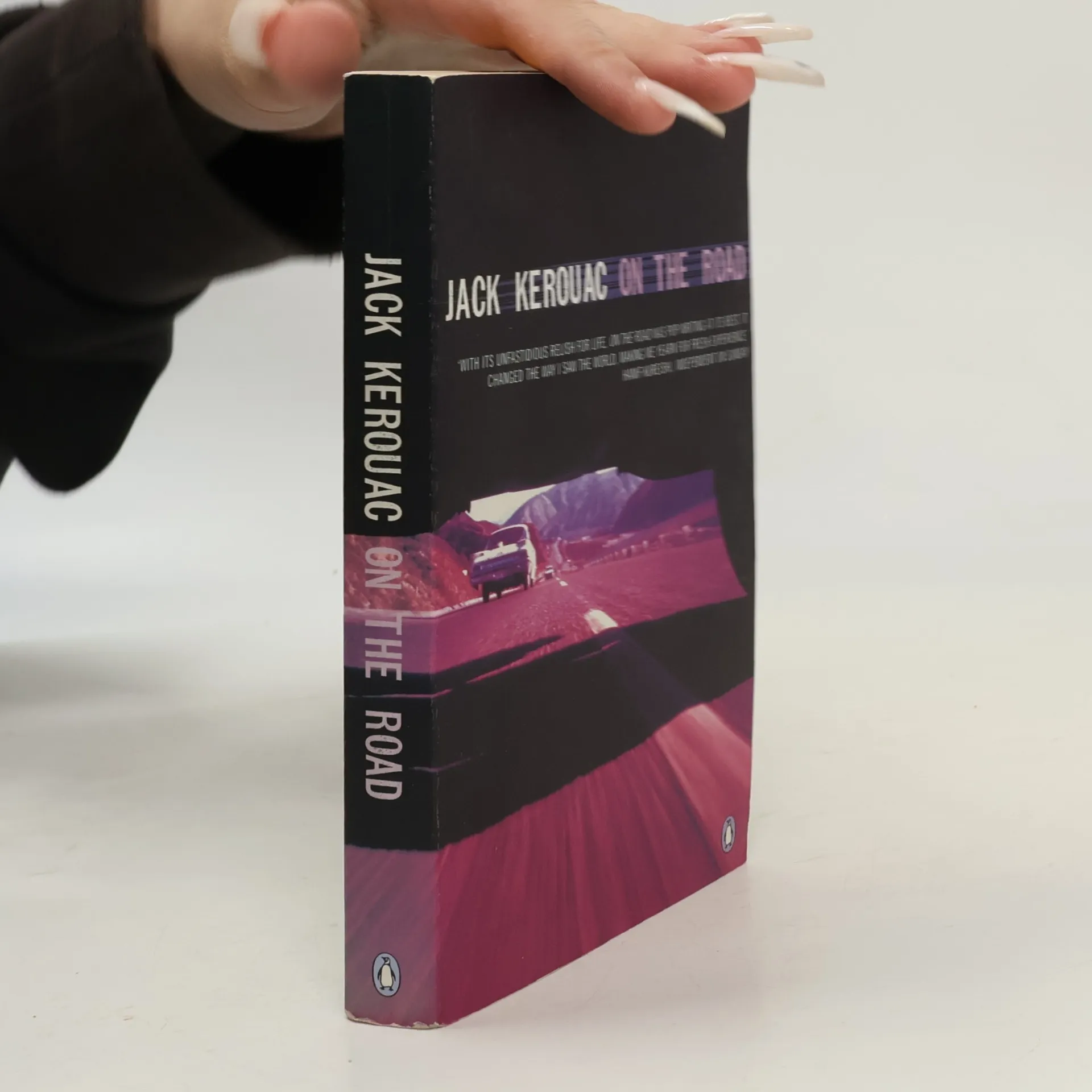
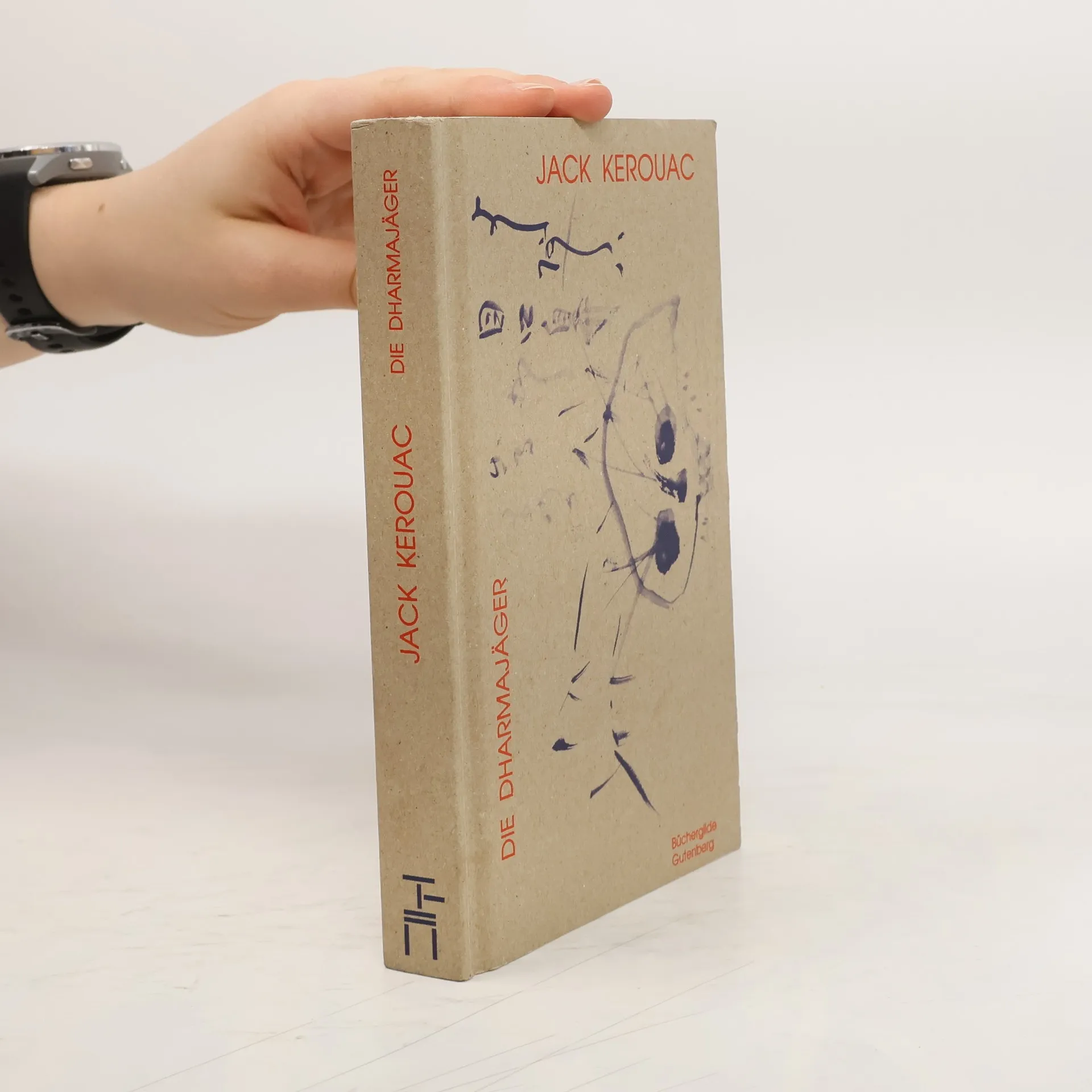
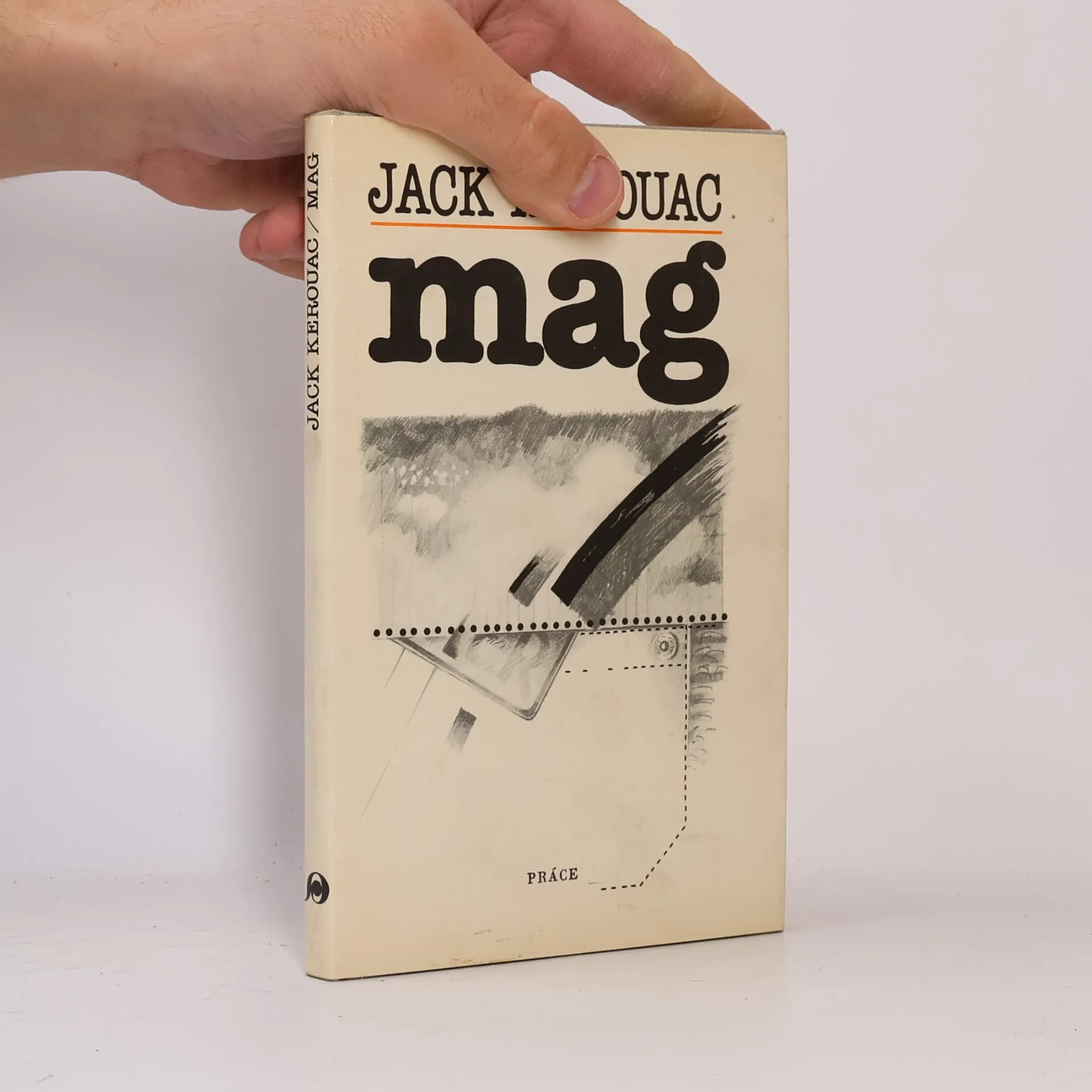
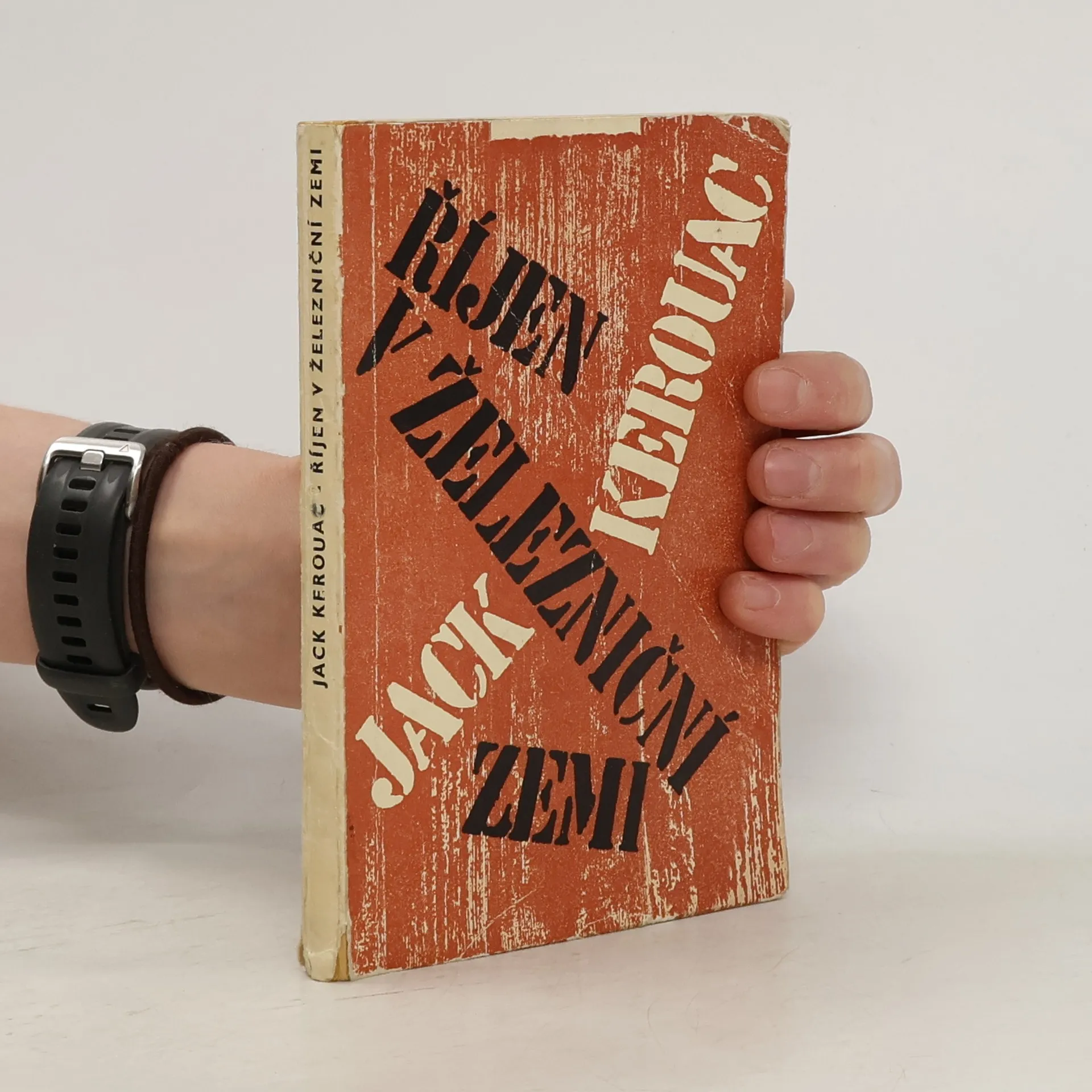
Jack Kerouac Books
Jack Kerouac's writing captured the spirit of the Beat Generation, achieving commercial success with a landmark publication in 1957 that defined a literary movement. His distinctive style and thematic explorations resonated deeply, making his work a cornerstone of American literature. Kerouac's distinctive voice continues to influence readers and writers alike.


"[An] essential Beat masterpiece." --The Village Voice. Perhaps one of the last great dual correspondences of the twentieth century, Jack Kerouac and Allen Ginsberg: The Letters reveals not only the process of creation of the two most celebrated members of the Beat Generation, but also the unfolding of a remarkable friendship of immense pathos and spiritual depth. Through this exhilarating exchange of letters, two-thirds of which have never been published before, Kerouac and Ginsberg emerge first and foremost as writers of artistic passion, innovation, and genius. Vivid and enthralling, the letters, which date from their first meeting in 1944 to Kerouac's untimely death in 1969, chronicle the endless struggle, anguish, and sacrifice involved in giving form to their literary visions.
Through candid correspondence with notable figures like Allen Ginsberg and William Burroughs, this collection of letters chronicles Jack Kerouac's life from 1957 until his death in 1969. The letters illuminate his evolution as a writer, capturing his travels, love affairs, and complex family dynamics. They also reflect his resilience against criticism and his relentless pursuit of literary excellence. This volume provides a profound glimpse into the thoughts and experiences of a pivotal figure in American literature.
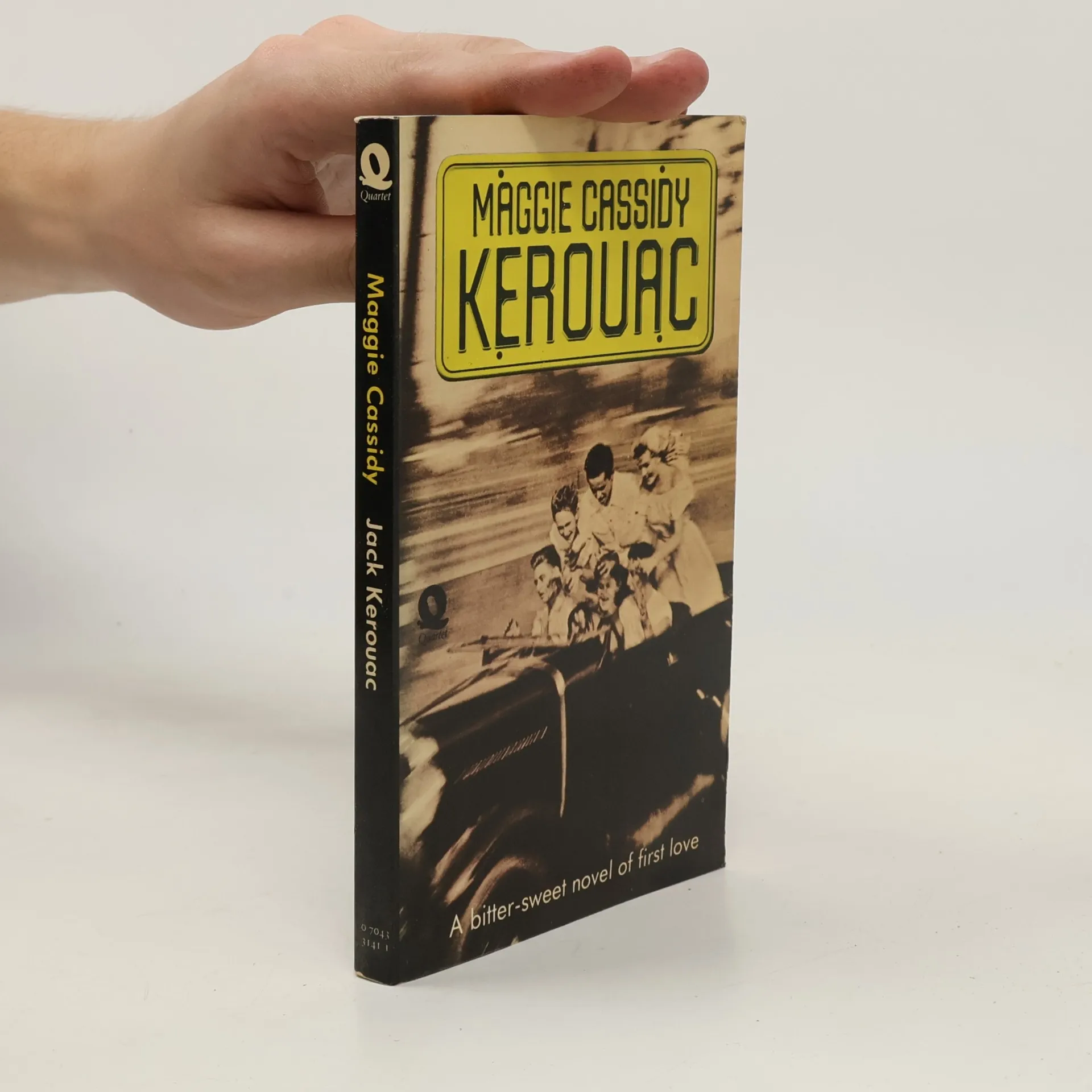
Maggie Cassidy (Original Manuscript)
- 284 pages
- 10 hours of reading
Set in 1950s Lowell, Massachusetts, this novel offers a poignant reflection on Jack Kerouac's high school years. It initially faced controversy due to its candid language, leading to its censorship and subsequent revisions. The original manuscript, containing Kerouac’s unfiltered expressions, was long suppressed until Devault-Graves uncovered it. This edition restores the text to its complete, uncensored form, allowing readers to experience the authentic voice Kerouac intended, capturing the essence of youth and rebellion in a changing literary landscape.
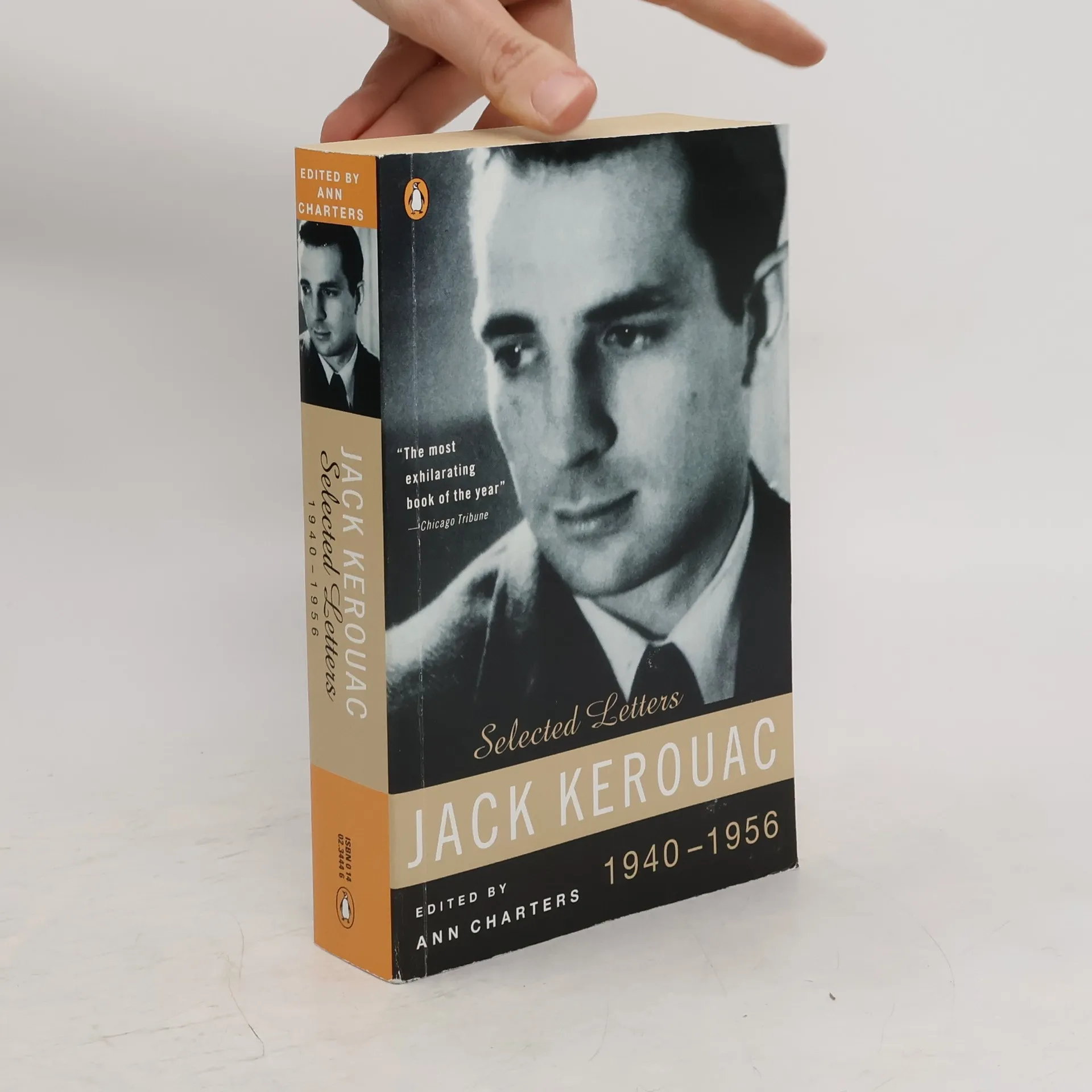
Kerouac: Selected Letters: Volume 1: 1940-1956
- 656 pages
- 23 hours of reading
The life and craft of Jack Kerouac are traced through some of his most personal and mesmerizing letters. Written between 1940, when he was a freshman in college, and 1956, immediately before his leap into celebrity with the publication of On the Road, these letters offer valuable insights into Kerouac's family life, friendships with Neal Cassady, Allen Ginsberg, and William S. Burroughs, and others.
Visions of Gerard

- 112 pages
- 4 hours of reading
'The piteousness of his little soft shroud of hair falling down his brow and swept aside by the hand over blue serious eyes' Described by Kerouac as 'my most serious sad and true book', Visions of Gerard forms the first volume of his memoir cycle the 'Duluoz Legend'. Based on Jack Kerouac's memories of the beloved older brother who died when he was a boy, it is unique among his novels for its dreamlike evocation of the sensations of childhood - its wisdom, anguish, intensity, innocence, joy and pain. It is a haunting exploration of the precariousness of existence. 'Called a "pain-tale" by Kerouac, it's the story of an almost divine, Buddha-like child wracked with sickness and suffering' Guardian
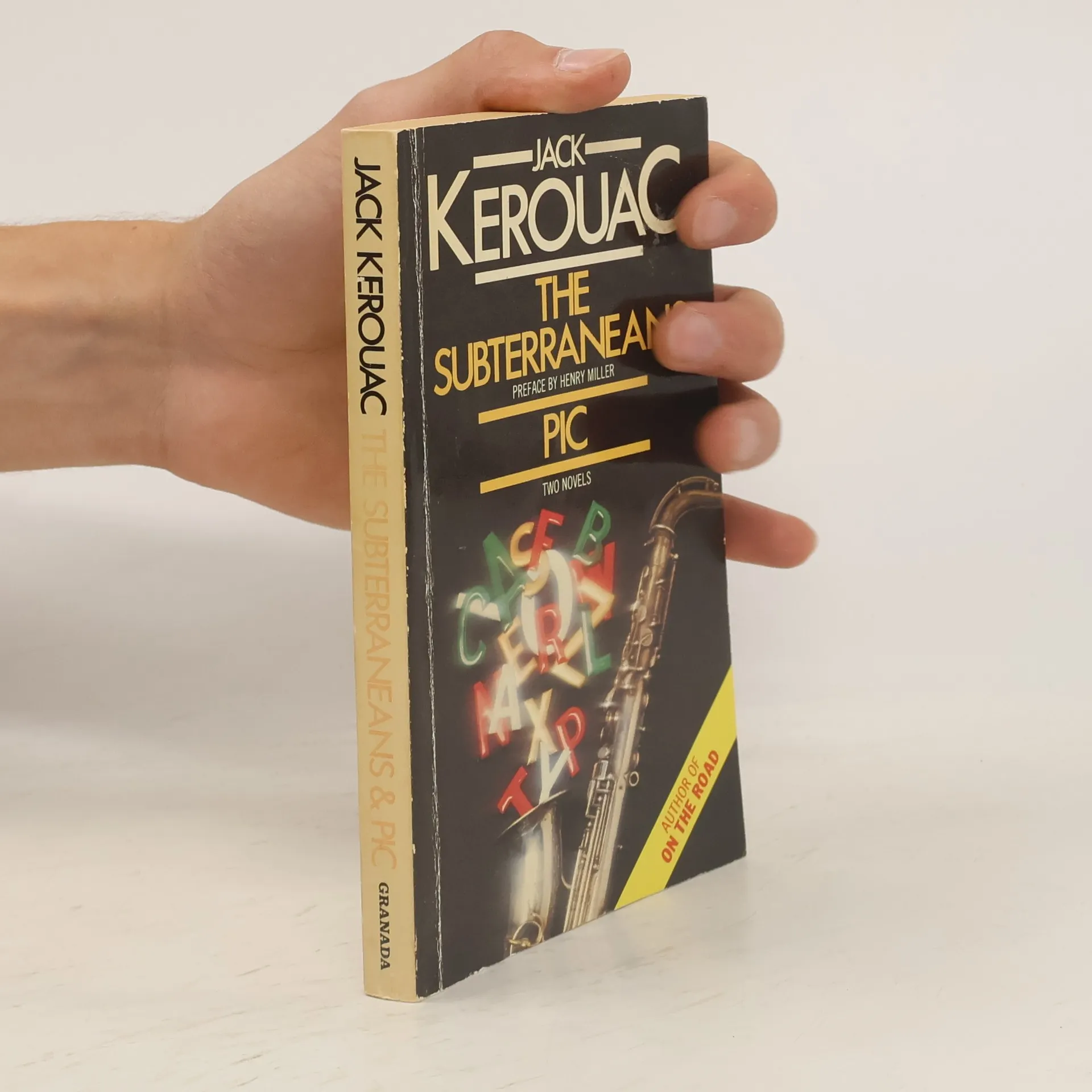
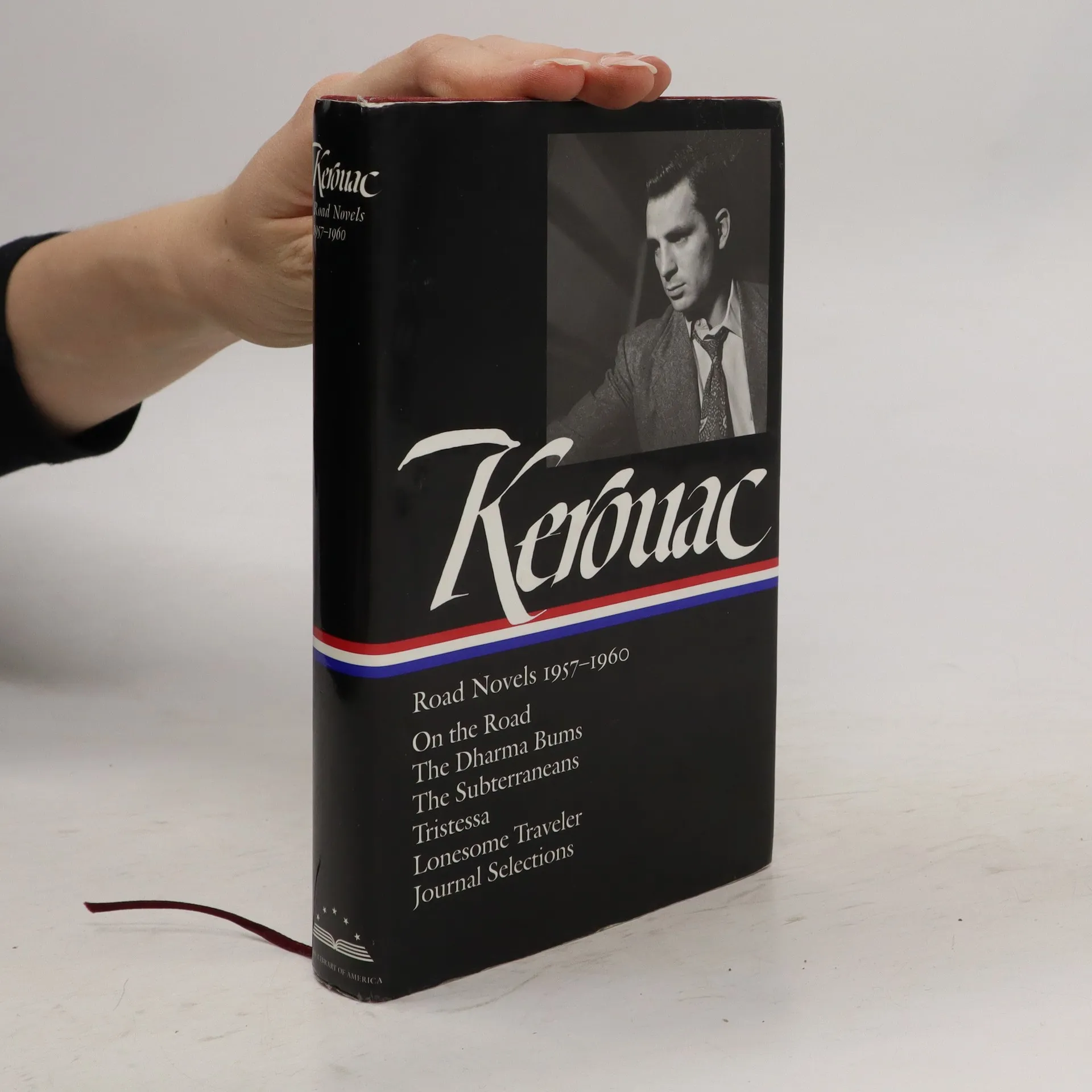
"In his portrayal of the fervent relationship between the writer Sal Paradise and his outrageous, exasperating, and inimitable friend Dean Moriarty, Kerouac created one of the great friendships in American literature; and his rendering of the cities and highways and wildernesses that his characters restlessly explore are a hallucinatory travelogue of a nation he both mourns and celebrates. Now, The Library of America collects On the Road together with four other autobiographical Toad books" published during a remarkable tour-year period." "The Dharma Bums (1958), at once an exploration of Buddhist spirituality and an account of the Bay Area poetry scene, is notable for its thinly veiled portraits of Kerouac's acquaintances, including Ginsberg, Gary Snyder, and Kenneth Rexroth. The Subterraneans (1958) recounts a love affair set amid the bars and bohemian haunts of San Francisco. Tristessa (1960) is a melancholy novella describing a relationship with a prostitute in Mexico City. Lonesome Traveler (1960) collects travel essays that evoke journeys in Mexico and Europe, and concludes with an elegiac lament for the lost world of the American hobo. Also included in Road Novels are selections from Kerouac's journal, which provide a fascinating perspective on his early impressions of material eventually incorporated into On the Road."--BOOK JACKET
Renowned for his Beat Generation novel On the Road, Jack Kerouac was also a master of the haiku, the three-line, seventeen-syllable Japanese poetic form. Written by a Kerouac scholar, this work supplements a core haiku manuscript from Kerouac's archives with a generous selection of the rest of his haiku, from various sources.
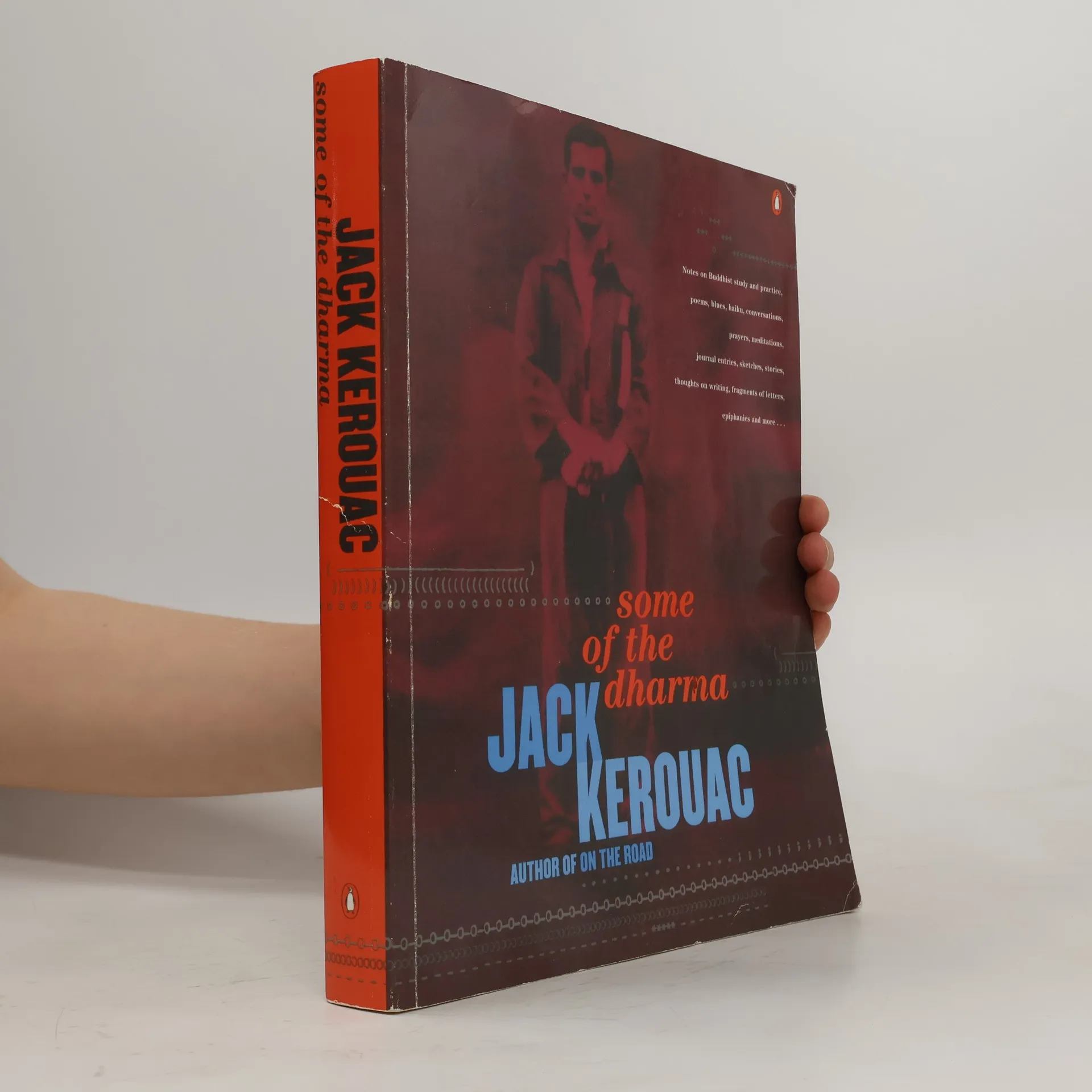
Some of the Dharma
- 434 pages
- 16 hours of reading
Written during a critical period of his life, Some of the Dharma is a key volume for understanding Kerouac and the spiritual underpinnings of his workWhile his future masterpiece, On the Road , languished on the desks of unresponsive editors, Kerouac turned to Buddhist practice, and in 1953 began compiling reading notes on the subject intended for his friend Allen Ginsberg. As Kerouac's Buddhist meditation practice intensified, what had begun as notes evolved into a vast and all-encompassing work of nonfiction into which he poured his life, incorporating poems, haiku, prayers, journal entries, meditations, fragments of letters, ideas about writing, overheard conversations, sketches, blues, and more.The final manuscript, completed in 1956, was as visually complex as the writing: each page was unique, typed in patterns and interlocking shapes. The elaborate form that Kerouac so painstakingly gave the book on his manual typewriter is re-created in this typeset facsimile. Passionate and playful, filled with humor, insight, sorrow, and struggle, Some of the Dharma is one of Kerouac's most profound and original works.
These classic Kerouac meditations, zen koans, and prose poems express the poet's beatific quest for peace and joy through oneness with the...