

The book explores the evolution of television from the classic era of the 1950s and 1960s, when families shared a communal viewing experience, to the current landscape of abundant programming options. It examines how the intimate, shared nature of early television has transformed, prompting questions about its relevance and the impact of modern viewing habits on culture and society.
Paddy Scannell Books
Paddy Scannell is professor emeritus in the department of communication studies at the University of Michigan. His work focuses on the analysis of media and cultural studies. He examines how media shapes our perception of the world and how cultural meanings are created and shared. His research contributes to a deeper understanding of the relationship between media, society, and culture.
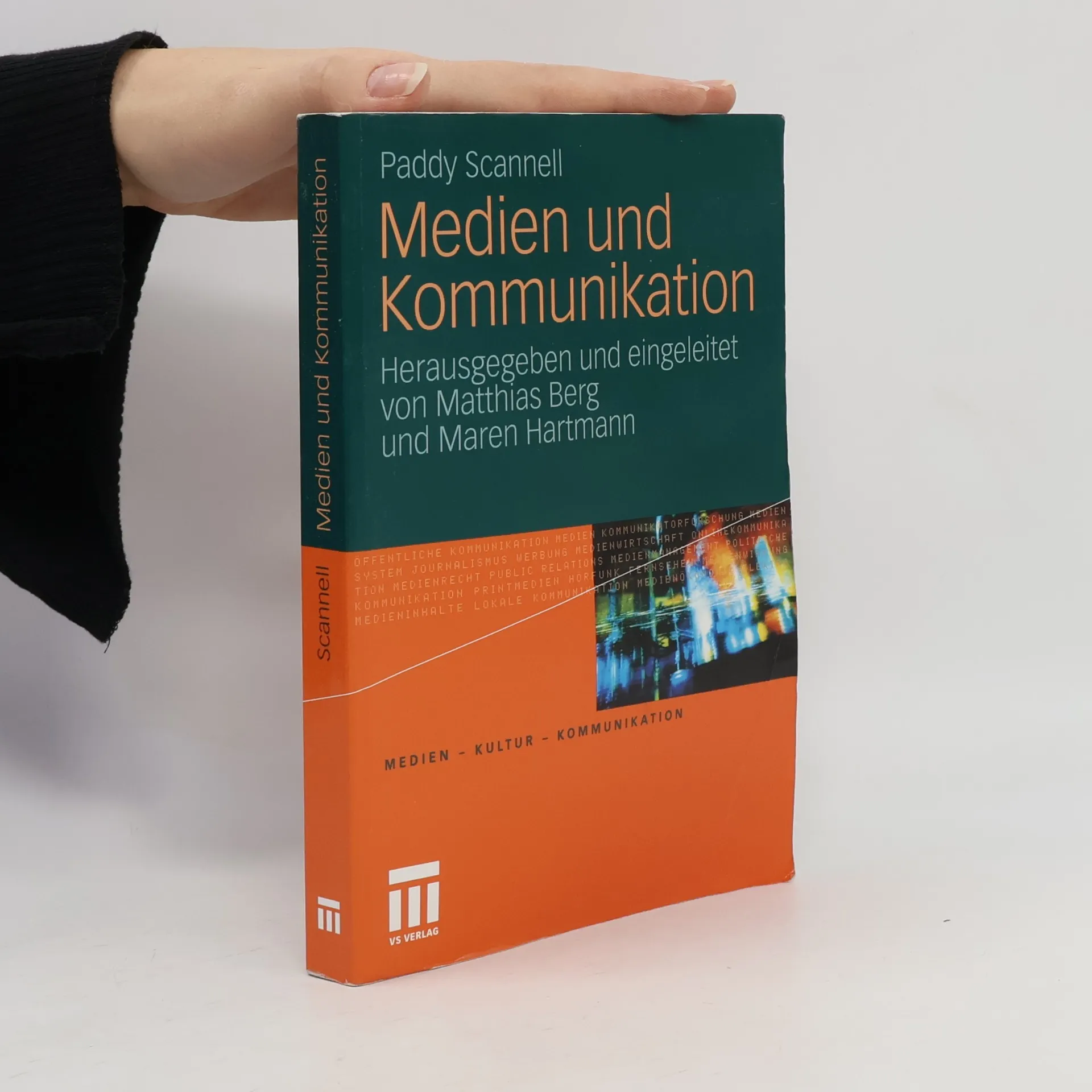

Medien - Kultur - Kommunikation: Medien und Kommunikation
- 361 pages
- 13 hours of reading
Media and Communication traces the historical development of media and communication studies in the 20th century. Paddy Scannell explores how the field formed and developed in both North America and in Europe, expertly introducing and explaining a host of essential media thinkers, ideas and concepts along the way. Including a new chapter on media events, this second edition of a classic text provides a comprehensive yet personal - and always accessible - analysis of media and communication theory and history. It is an invaluable resource for students across media and communication studies, cultural studies, and sociology.