This author delves deeply into history, particularly military history, examining the complex themes of war and society. His work is characterized by meticulous research and a keen analytical approach, offering readers a rich understanding of historical events. He explores not only the conflicts themselves but also their broader social, political, and cultural implications. His style is both informative and engaging, making him a valuable storyteller of the past.
"On War" by Carl von Clausewitz was first published in Germany after the Napoleonic Wars. Its description of 'absolute war' and its insistence on the centrality of battle to war have been blamed for the level of destruction involved in both the First and Second World Wars. This book challenges the popular misconceptions that surround "On War".
The complexities of military strategy are explored through Carl von Clausewitz's "On War," a foundational yet contradictory text that has shaped military thought for generations. Despite its challenging language and posthumous publication, its impact on modern warfare is undeniable. Hew Strachan, a leading military historian, provides clarity by unpacking Clausewitz's intentions and the book's relevance today. This insightful analysis serves as an essential guide for readers seeking to understand the enduring significance of Clausewitz's work in military history.
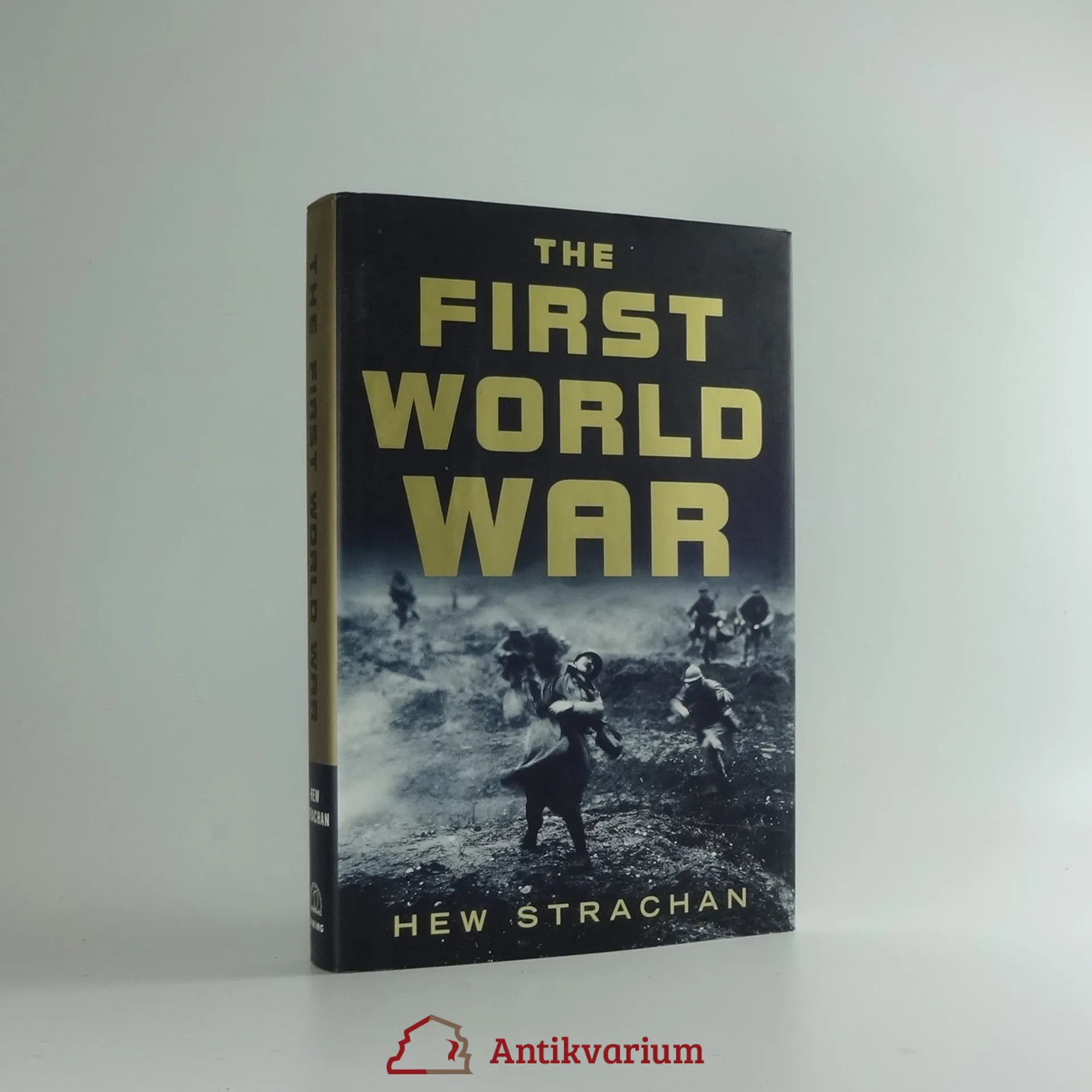
Ninety years after the First World War, military historian Hew Strachan argues that its legacy endures. This global conflict, with decisive battles in the Balkans, Africa, and the Ottoman Empire, continues to influence today's politics and international relations, particularly in the Middle East and the Balkans. Strachan masterfully reexamines the war's causes, major campaigns, and consequences, distilling a lifetime of knowledge into a definitive volume. His writing is crisp and compelling, enhanced by vivid photographs—many previously unpublished—and detailed maps. The narrative re-creates this world-altering conflict both on and off the battlefield, exploring the clash of ideologies among colonial powers, the social and economic unrest in Europe, and the military strategies that led to both success and failure. Strachan also analyzes the peace terms and their inability to last. Drawing from diverse sources, he offers a fresh perspective on how the war redrew the world map and ignited many of today's most dangerous conflicts. Deeply learned and powerfully written, this work is poised to be a landmark in contemporary history.
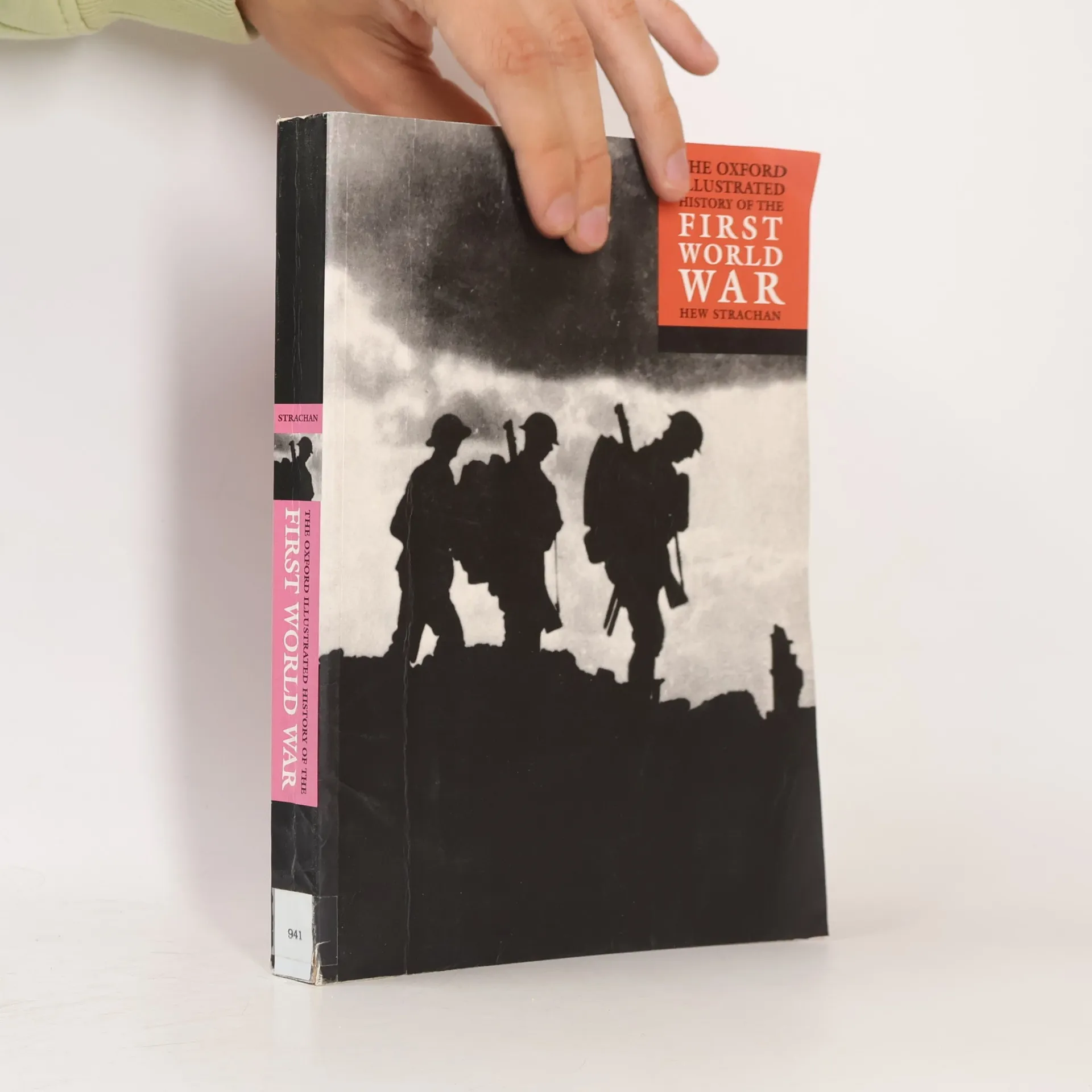
A comprehensive, illustrated history of World War I, its causes, impact on global politics and economy, military and political strategies, and the legacy it left behind.
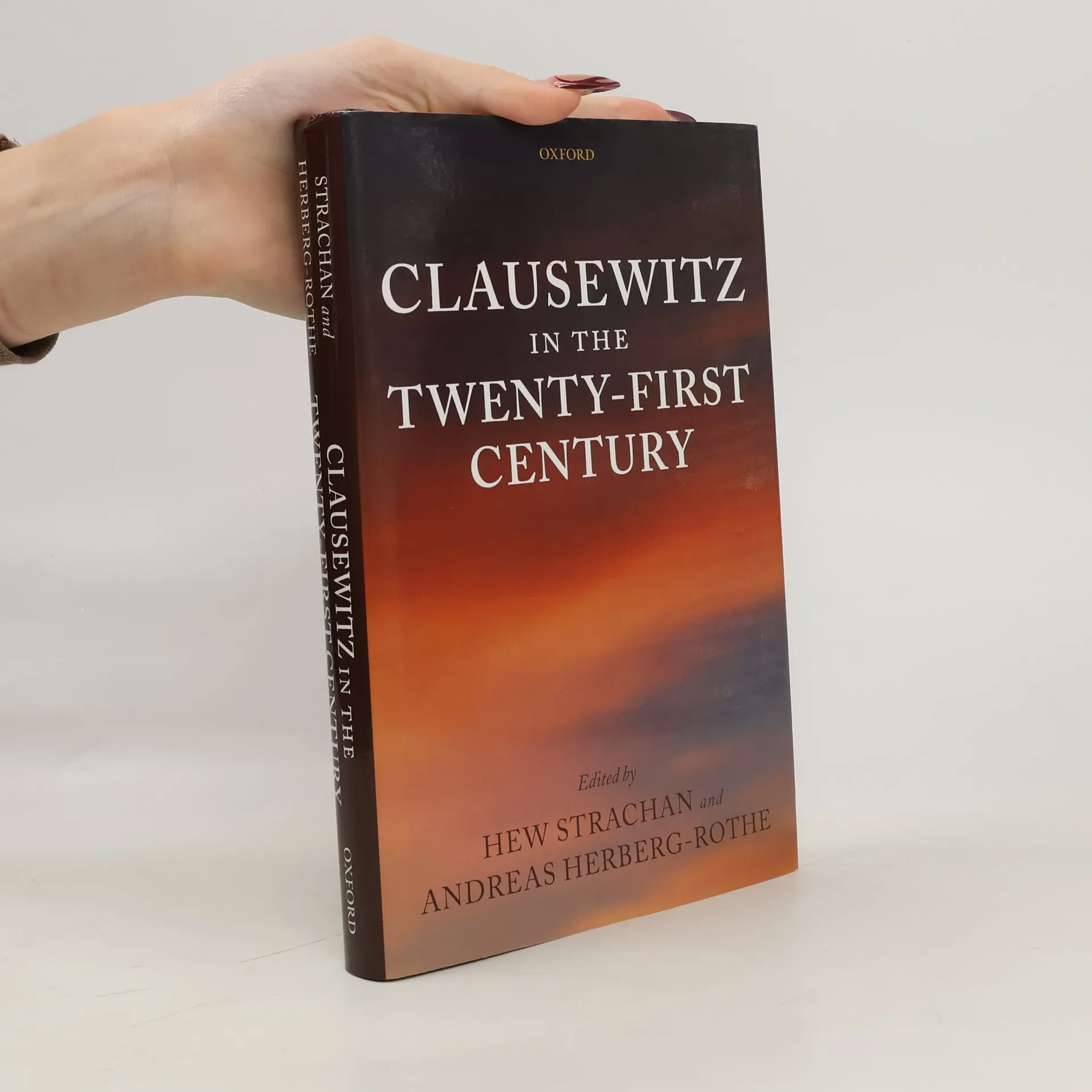
Clausewitz's On War has, at least until very recently, been regarded as the most important work of theory on its subject. But since the end of the Cold War in 1990, and even more since the 9/11 attacks on the United states in 2001, an increasing number of commentators have argued that On War has lost its analytical edge as a tool for understanding war. They have argued that Clausewitz was concerned solely with inter-state war and with properly defined armies, and that the sorts of conflicts which he discussed are therefore part of a historical pattern which dominated Europe between 1648, the end of the Thirty Years War, and 1990 itself. Some have gone further, and suggested that Clausewitz's best known aphorism, that war is a continuation of policy by other means, is not only irrelevant today but also inapplicable historically. Clausewitz in the Twenty-First Century reconsiders the principal themes in Clausewitz's writings from a contemporary perspective, and finds in themmuch more inspiration and insight than these generalisations allow. Embracing the perspectives of history, philosophy and political science, the book reconsiders both the text and its current implications. Traditional interpretations of On War are put into fresh light; neglected passages are re-examined; and new insights are derived from the conjunction between Clausewitz's text and today's challenges.
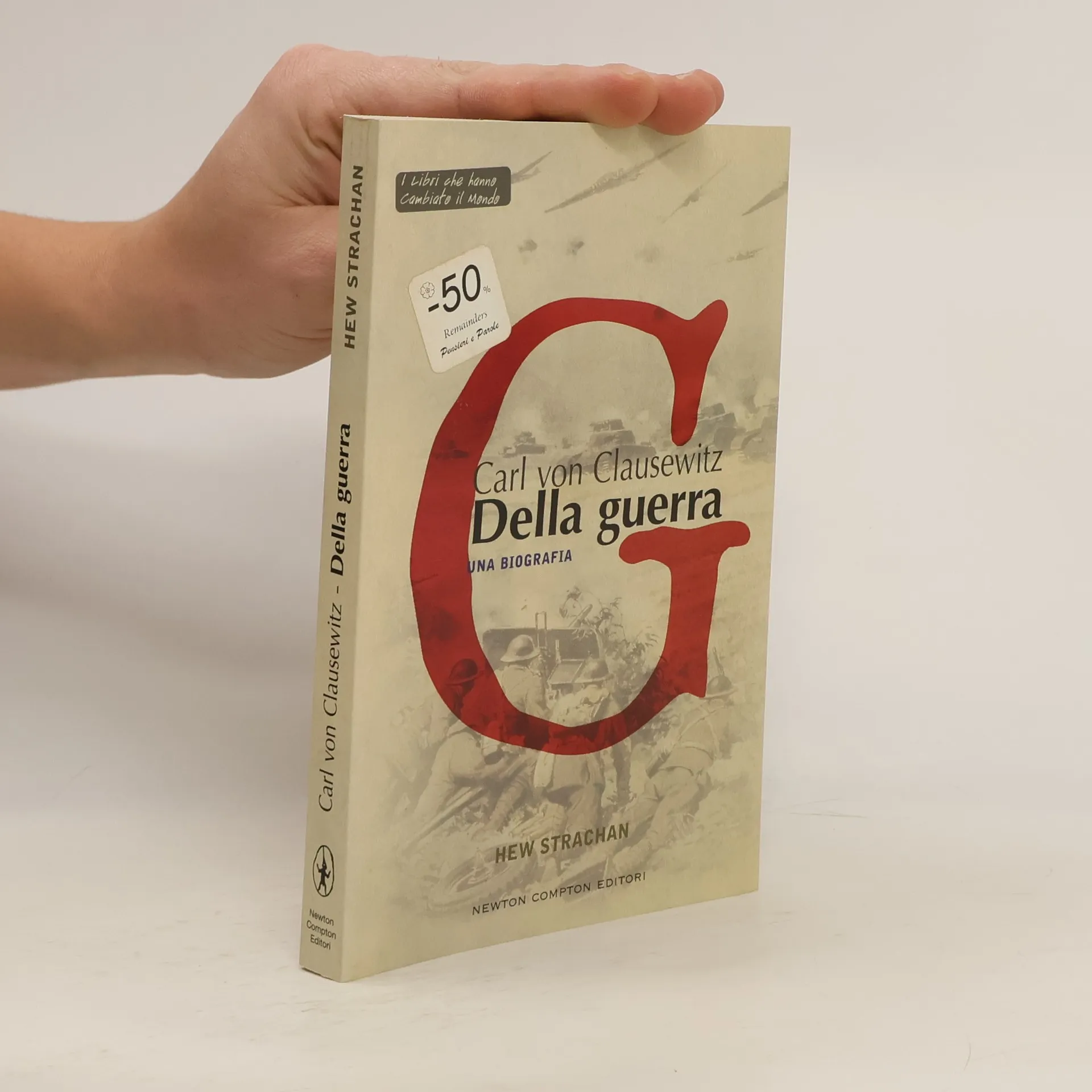
Questo titolo è un'analisi approfondita del classico libro di Carl von Clausewitz, Della guerra, pubblicato per la prima volta dopo le guerre napoleoniche e considerato uno dei trattati più significativi sulla strategia militare mai scritti. La biografia di Hew Strachan su Della guerra sfida le idee sbagliate che circondano l'opera classica e dissipa la nozione che per Clausewitz la politica plasmi necessariamente la guerra. Sostiene che la guerra ha una propria dinamica e che i suoi effetti reciproci possono a loro volta influenzare la politica. Strachan, Professore di Storia della Guerra all'Università di Oxford, analizza il nucleo di Della guerra e mette in discussione la saggezza percepita su questo pilastro della strategia militare.