


Jonathan Phillips is a leading historian specializing in the Crusades, holding a professorship at Royal Holloway, University of London. His research meticulously explores the intricate connections between the Latin East and the West during this pivotal historical period. He critically examines the driving forces, key events, and lasting impacts of the Crusades, providing readers with a profound grasp of their significance. Phillips is a distinguished expert, regularly contributing his insights to scholarly articles and public media.
The second edition of "The Biology of Disease" is an introductory level text on the biological principles of human disease. The book is aimed at medical students in degree courses in biomedical science. The book fuses the biological (physiological and biochemical) processes which underlie the clinical manifestations of disease. As such, it brings together material which is conventionally dealt with by several books. The authors have covered the fundamentals of each topic in a readable manner, which should encourage students to develop a fuller understanding, where necessary, by reference to more comprehensive texts. Integrates basic science and clinical medicine. Detailed case studies at the end of each chapter which emphasise the clinical setting. New chapters on transplantation immunology, anaemia, toxicology & poisoning. The use of non-technical language for the descriptions in the case studies to ensure that all students will comprehend the underlying principles.
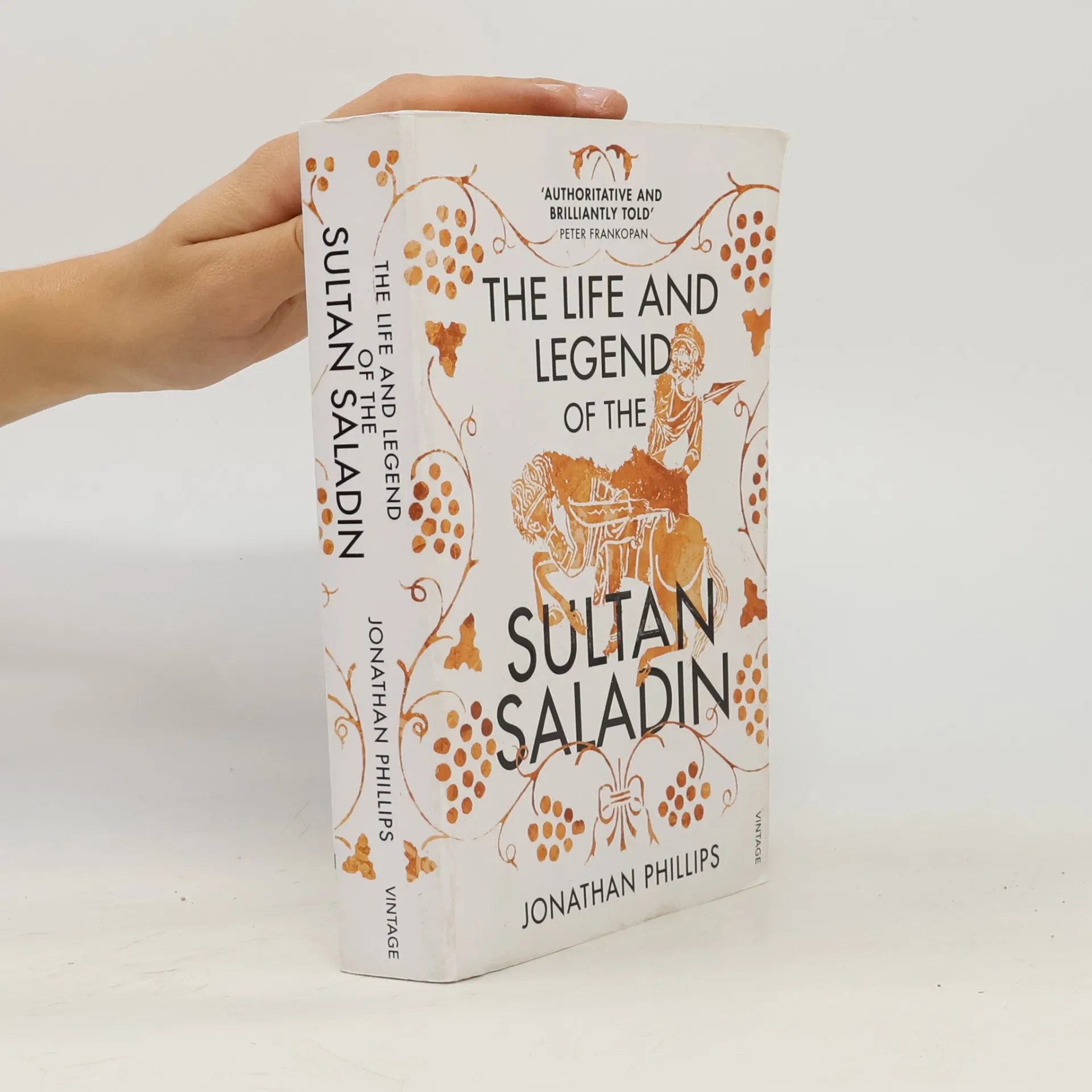
An epic story of empire-building and bloody conflict, this ground-breaking biography of one of history's most venerated military and religious heroes opens a window on the Islamic and Christian worlds' complex relationship. When Saladin recaptured Jerusalem from the Crusaders in 1187, returning the Holy City to Islamic rule for the first time in almost ninety years, he sent shockwaves throughout Christian Europe and the Muslim Near East that reverberate today. It was the culmination of a supremely exciting life, fraught with challenges and contradictions but blessed occasionally with marvellous good fortune. Born into a significant Kurdish family in northern Iraq, Saladin shot to power in faraway Egypt thanks to the tutelage of his uncle. Over two decades, this warrior and diplomat fought under the banner of jihad, but at the same time worked tirelessly to build an immense dynastic empire that stretched from North Africa to Western Iraq. Gathering together a turbulent and diverse coalition he was able to capture Jerusalem, only to trigger the Third Crusade and face his greatest adversary, King Richard the Lionheart. Drawing on a rich blend of Arabic and European sources, this is a comprehensive account of both the man and the legend to which he gave birth, describing vividly the relentless action of his life and then tracing its aftermath through culture and politics all the way to the present day. It reveals the personal qualities that explain his enduring reputation as a man of faith, generosity, mercy and justice, even while showing him to be capable of mistakes, self-interest and cruelty. After Saladin's death, it goes on to explain how in the West this Sunni Muslim became famed for his charm and chivalric virtue, while across much of the Islamic world he stands as one of history's greatest heroes, an inspiration to be admired and emulated.The Life and Legend of the Sultan Saladin shows how this one man's life takes us beyond the crude stereotypes of the `Clash of Civilisations' even while his legacy helps explain them: an intimate portrait of a towering figure of world history that is thrillingly relevant today
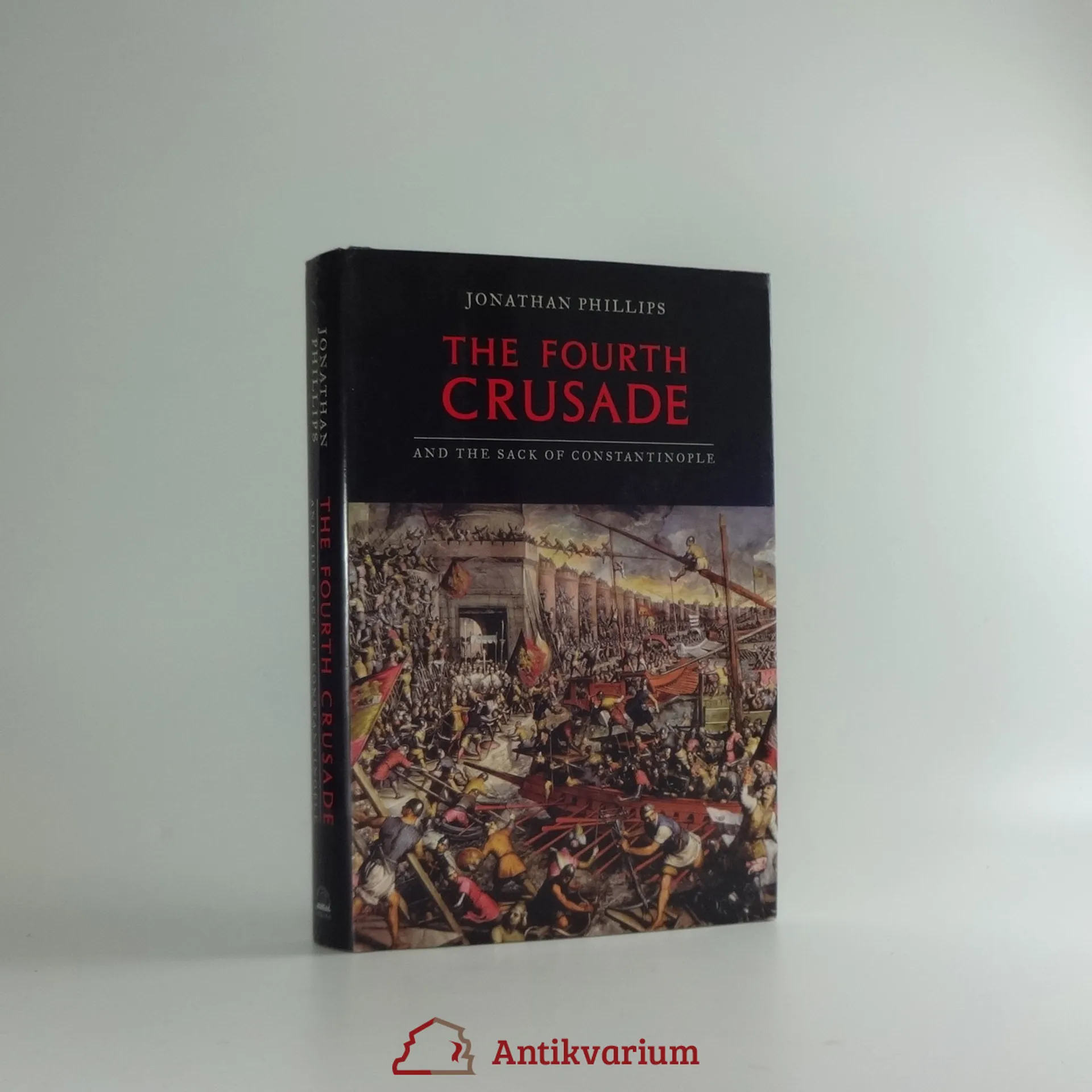
In April 1204, the armies of Western Christendom wrote another bloodstained chapter in the history of holy war. Aflame with religious zeal, the Fourth Crusade had set out to free Jerusalem from the grip of Islam. But after a dramatic series of events, the crusaders turned against the Christian city of Constantinople, the heart of the Byzantine Empire and the greatest metropolis in the known world. The crusaders spared no one in their savagery: they murdered old and young, raped women and girls, desecrated churches and plundered treasuries, and much of the city was put to the torch. Some contemporaries felt God had approved this punishment of the effeminate, treacherous Greeks; others expressed shock and disgust. History has judged this as the crusade that went wrong, and even today its violence and brutality provokes deep ill-feeling towards the Catholic Church.--From publisher description
W 1202 roku zebrani w Wenecji chrześcijanie mieli po raz kolejny podjąć próbę
wyzwolenia Ziemi Świętej. Kampania została przemyślana i przygotowana w
najdrobniejszych szczegółach. W weneckich stoczniach powstała flota, która
miała pomóc w zdobyciu Egiptu stanowiącego swoiste wrota do Ziemi... číst celé
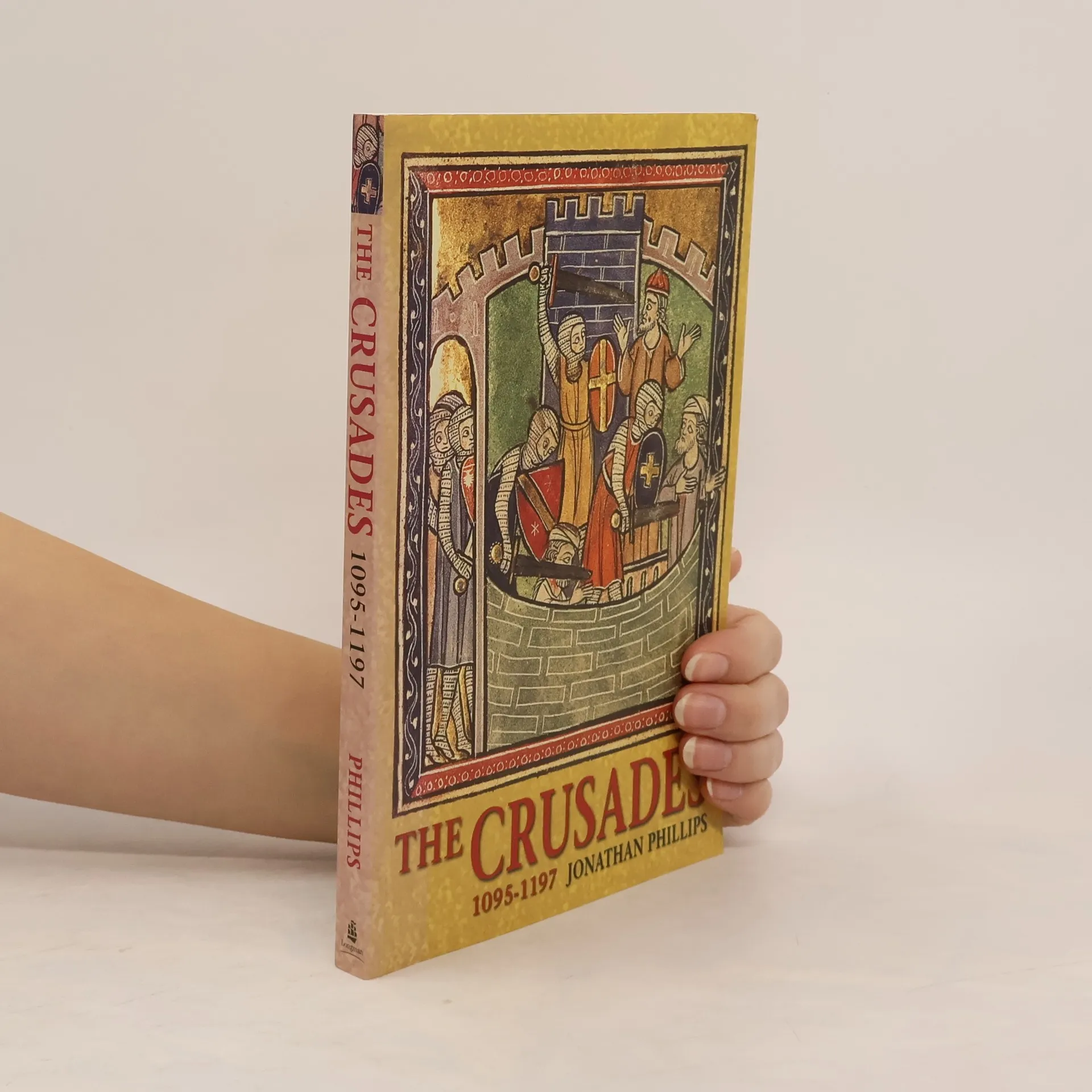
Die Geschichte der Kreuzzüge vom Mittelalter bis zur Gegenwart Kaum ein Phänomen des Mittelalters ist so bekannt, so reich an Legenden wie die Kreuzzüge. Dass die Idee des Heiligen Krieges sich nicht nur auf die Rückeroberung Jerusalems beschränkte, sondern auch als politisches Instrument diente, um gegen unbotmäßige Christen und andere Gegner des Papsttums vorzugehen, zeigt Jonathan Phillips in seiner neuen, umfassenden Geschichte der Kreuzzüge. Anhand einer Fülle an zeitgenössischen Quellen lässt er die zentralen Figuren dieser Epoche lebendig werden und berichtet von gottesfürchtigen Kriegern, die meist in blutigen Auseinandersetzungen aufeinandertrafen. Nur manchmal gelang es, durch Verhandlungen und friedlichen Austausch beide Kulturen, die muslimische wie die christliche, zu bereichern. Nicht zuletzt zieht Phillips Parallelen zur Gegenwart, in der die Kreuzzugsidee nach den Anschlägen vom 11. September 2001 wieder ungeahnte Brisanz erlangt hat.