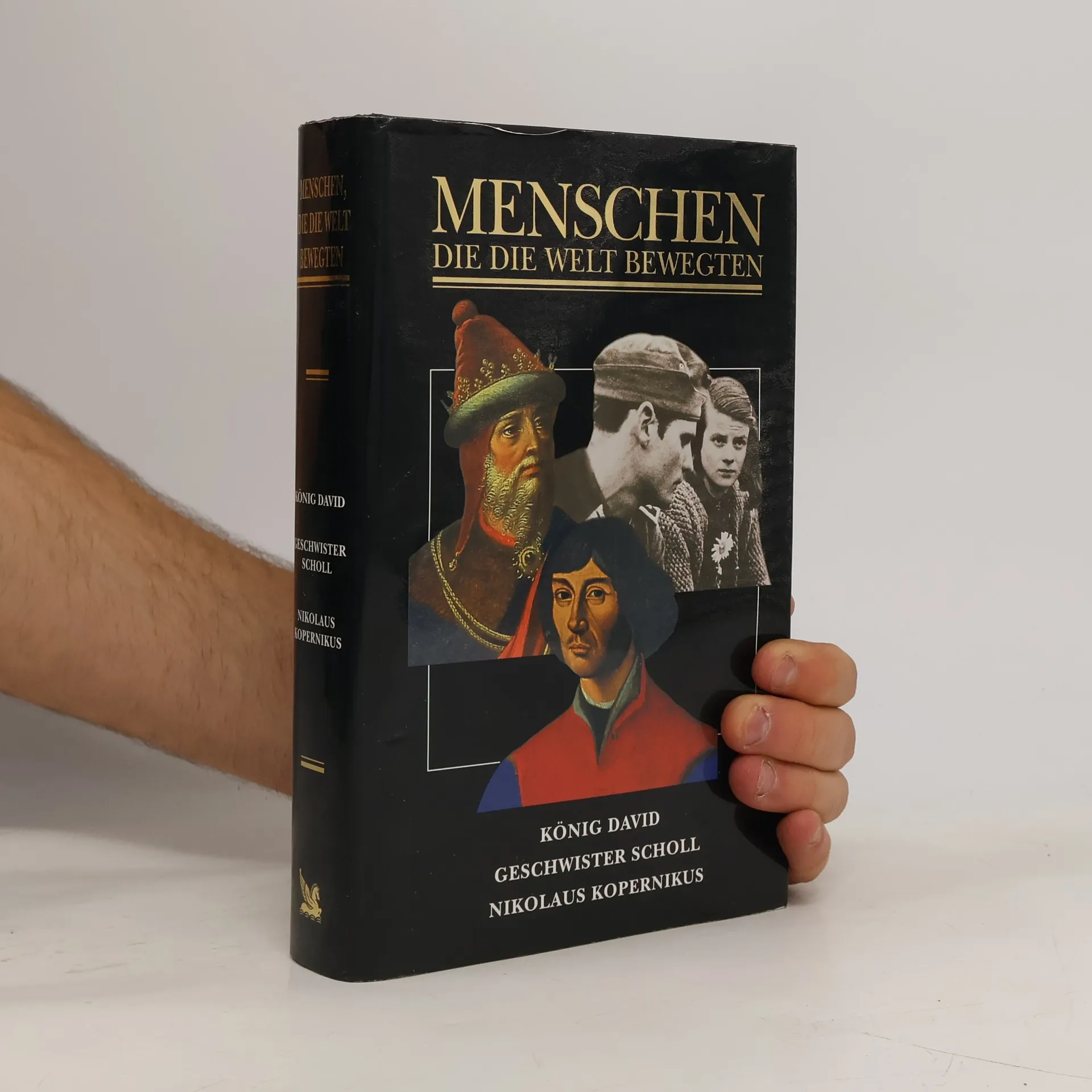
A Question of Loyalties
- 320 pages
- 12 hours of reading
This novel is a multi-layered political story that attempts to explain how and why France capitulated in 1940.


Allan Massie is a Scottish author distinguished by his profound engagement with the distant past. His prolific and varied body of work, including over twenty novels, masterfully intertwines historical themes with a distinctive literary style. Massie's writing is lauded for its insightful exploration of human nature and historical events.


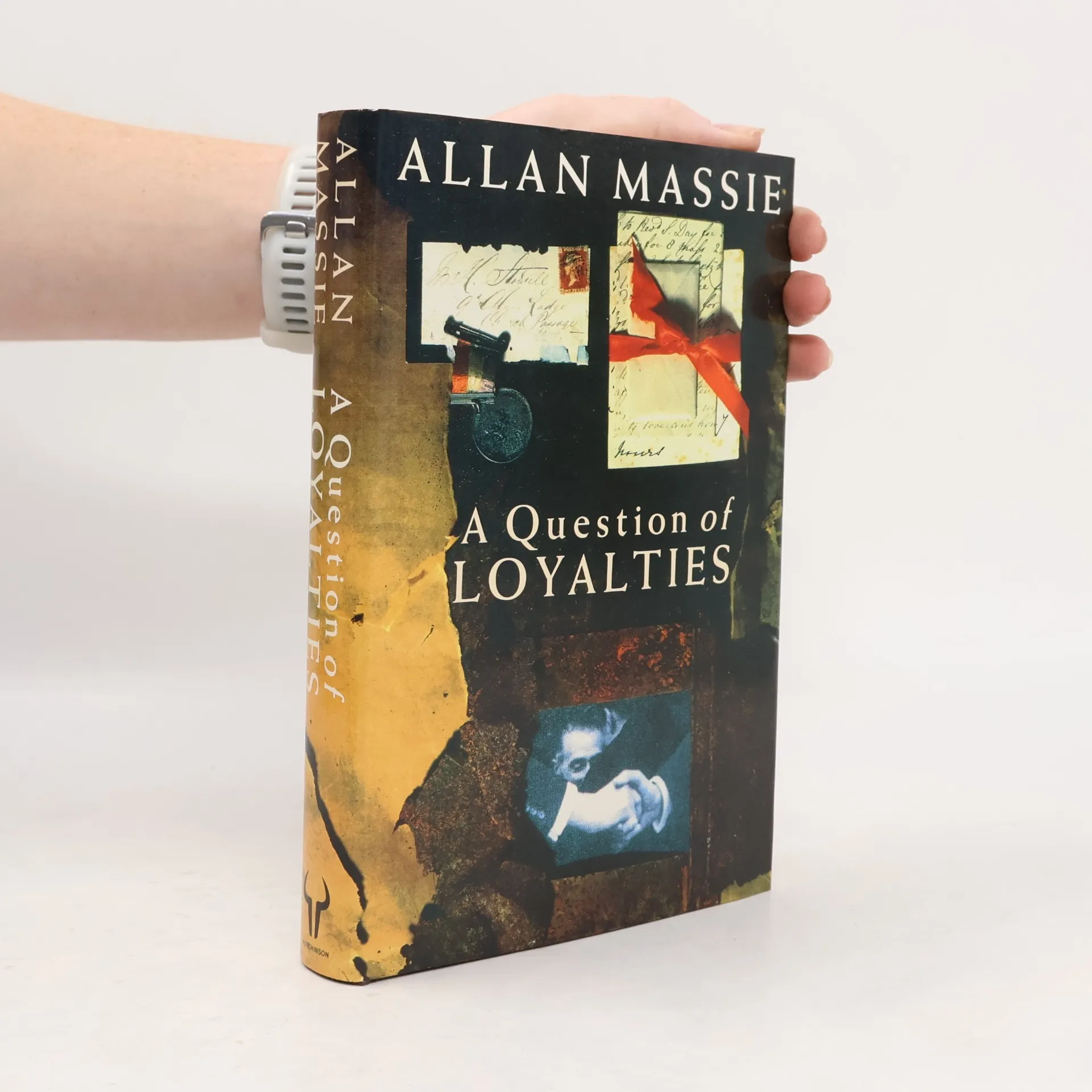
This novel is a multi-layered political story that attempts to explain how and why France capitulated in 1940.
In this personal history and celebration of Glasgow, Allan Massie uses contemporary accounts to trace the history from its 6th century founding, through its Victorian heyday and 20th century decline, to its current resurgence, marked by its selection as the 1990 Cultural Capital of Europe.
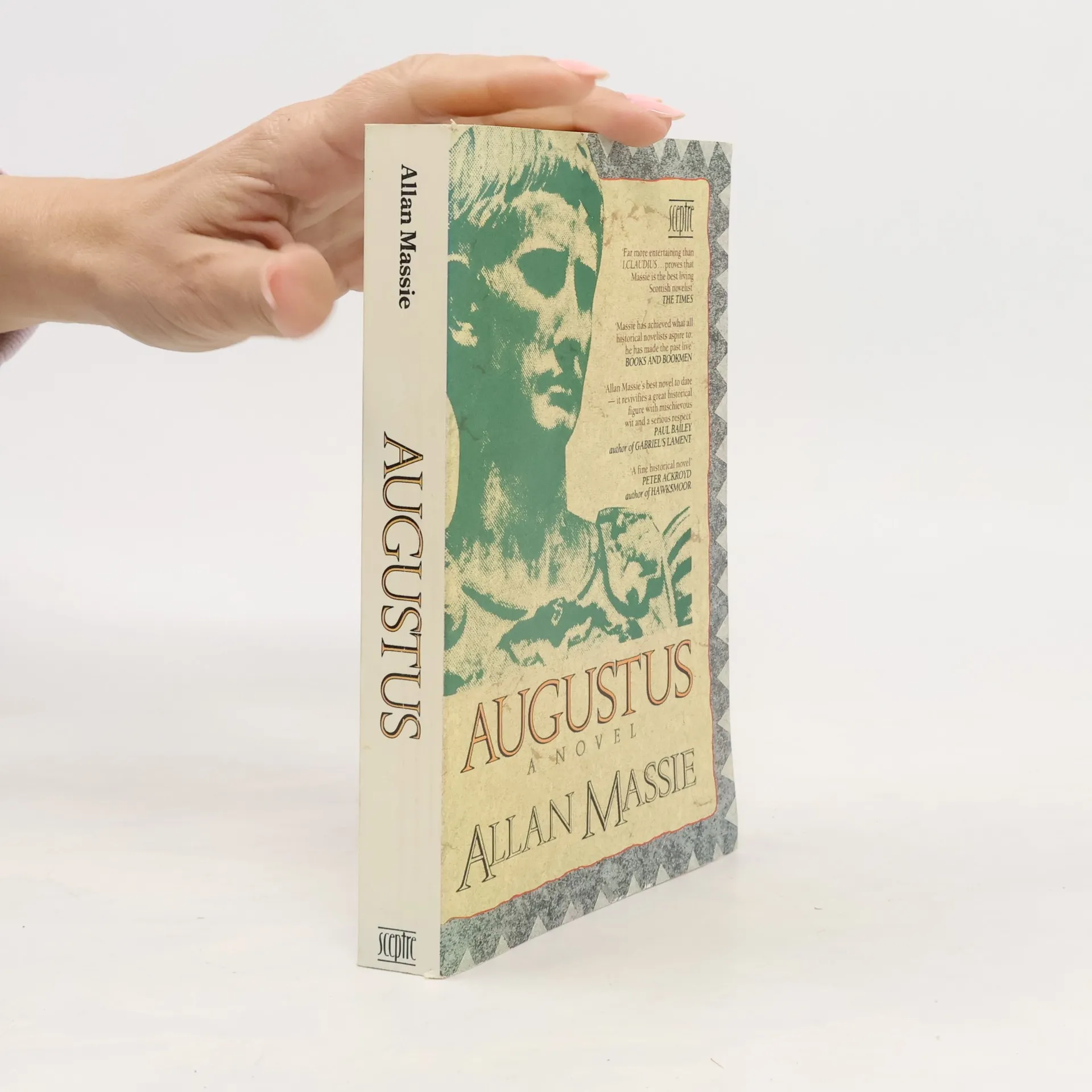
The second of a trilogy of Roman novels. Augustus is the first book in the trilogy and was the winner of the Saltire Society/Scotsman Book of the Year Award. The author also wrote The Last Peacock, which won the Frederick Niven Award in 1981, The Death of Men and A Question of Loyalties.
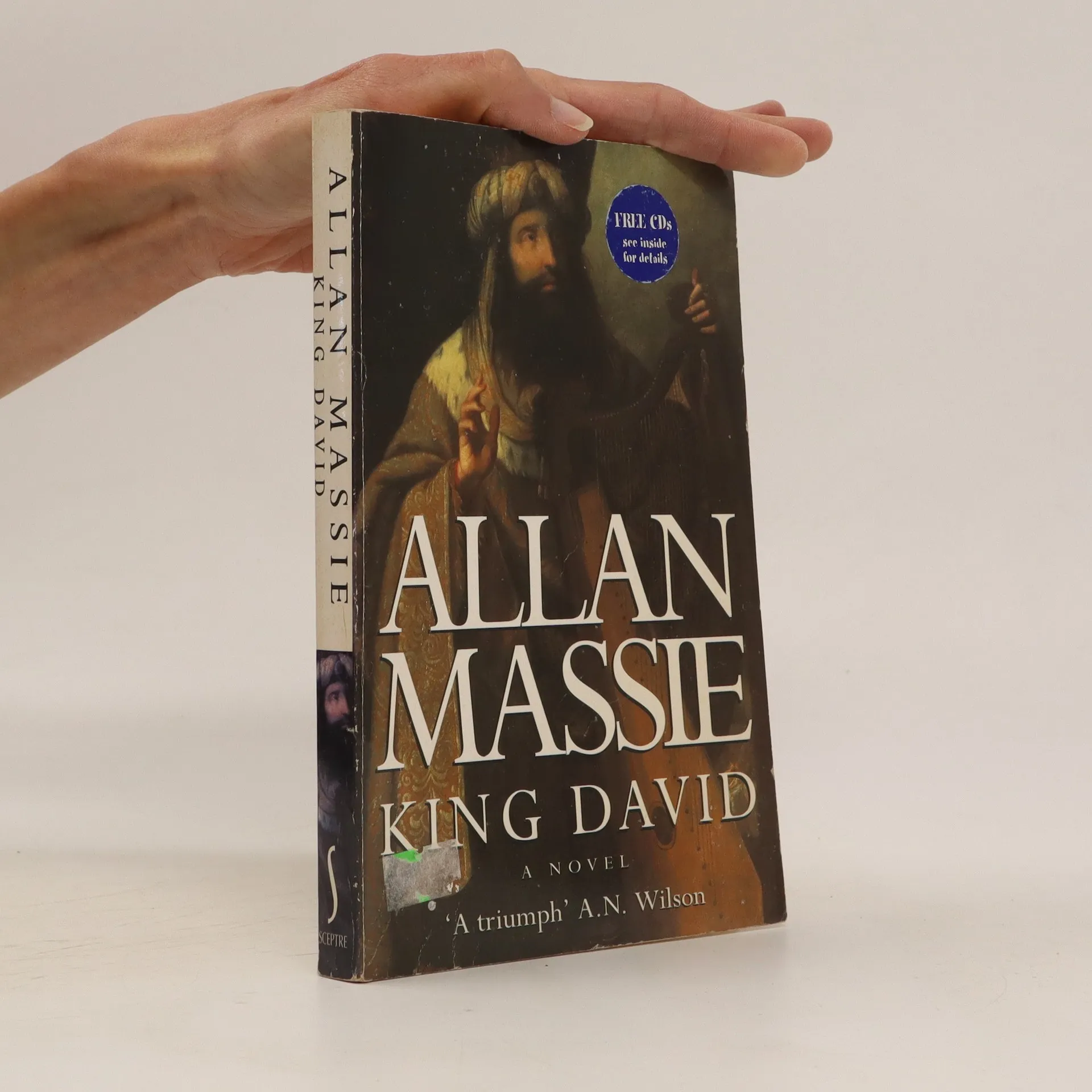
'David comes alive in this novel as a fascinating, divided self, but you also feel on finishing it that you have understood a little more about the extraordinary world of the Middle East from which so much of our own Judaeo-Christian religion and civilisation spring. Modern parallels are never forced - Massie to too subtle a writer for that - but this world of sex, intrigue, war and religious mania suggests constantly to the reader not memories of the Bible but events in the newspapers in that very Hebron where David ruled as king' AN Wilson, Evening Standard
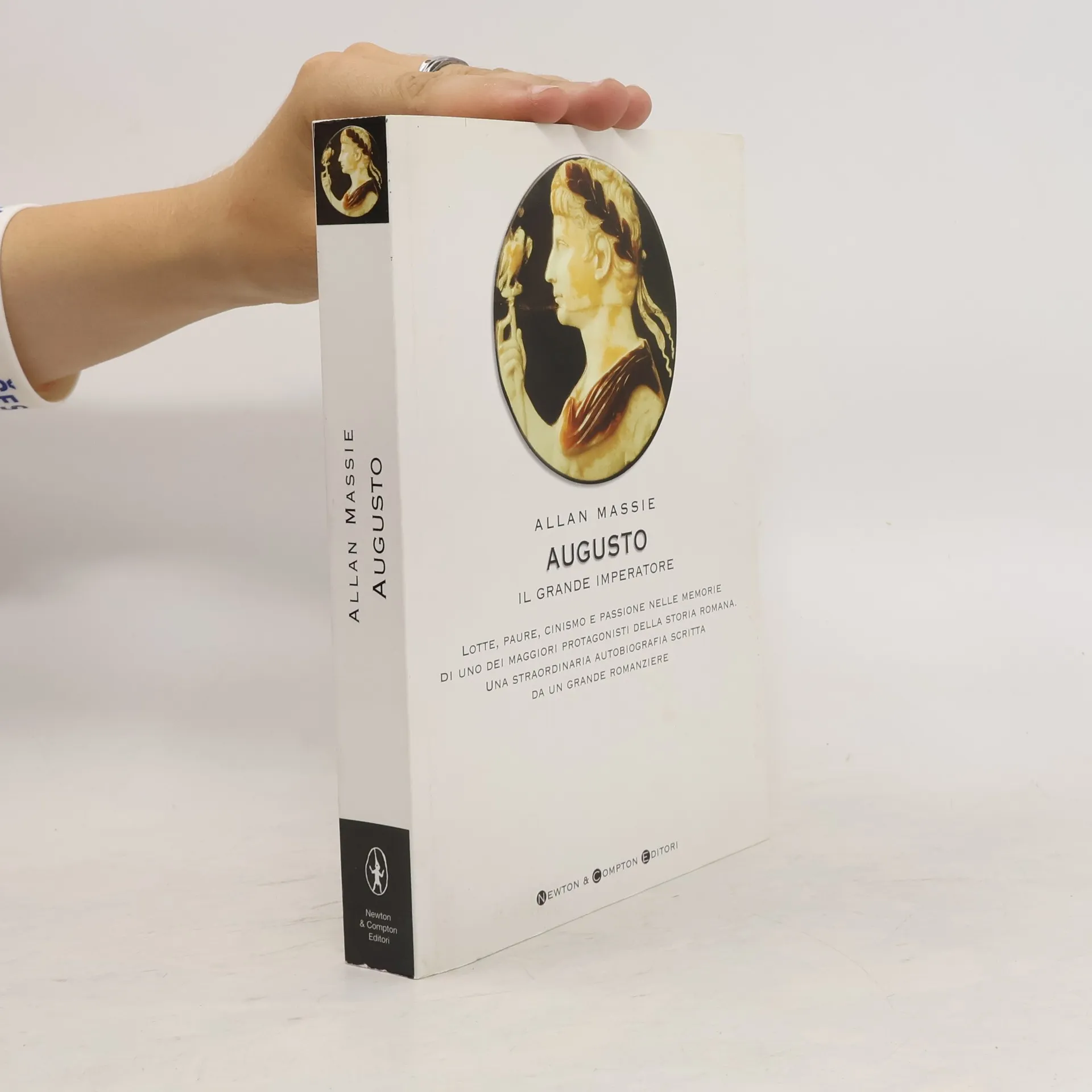
Augustus was the founder of the Roman Empire, adopted son of Julius Caesar, friend and later foe of Mark Antony, patron of Horace and Virgil. Frank and forceful, this putative autobiography tells his story from the assassination of Caesar, through his military, political and personal struggles to his final days as Emperor in everything but name.
"Compelling...A masterly feat...A magnificent, sweeping, authoritative, warm yet wry history." --The Wall Street Journal In this fascinating and intimate portrait of the Stuarts, author Allan Massie takes us deep into one of history's bloodiest and most tumultuous reigns. Exploring the family's lineage from the first Stuart king to the last, The Royal Stuarts is a panoramic history of the family that acted as a major player in the Scottish Wars of Independence, the Union of the Crowns, the English Civil War, the Restoration, and more. Drawing on the accounts of historians past and present, novels, and plays, this is the complete story of the Stuart family, documenting their path from the salt marshes of Brittany to the thrones of Scotland and England and eventually to exile. The Royal Stuarts brings to life figures like Mary, Queens of Scots, Charles I, and Bonnie Prince Charlie, uncovering a family of strong affections and fierce rivalries. Told with panache, this is the gripping true story of backstabbing, betrayal, and ambition gone awry.
Marian Sutro is an outsider: the daughter of a diplomat, brought up on the shores of Lake Geneva and in England, half French, half British, naive yet too clever for her own good. But when she is recruited from her desk job by SOE to go undercover in wartime France, it seems her hybrid status, and fluent French, will be of service to a greater, more dangerous cause.
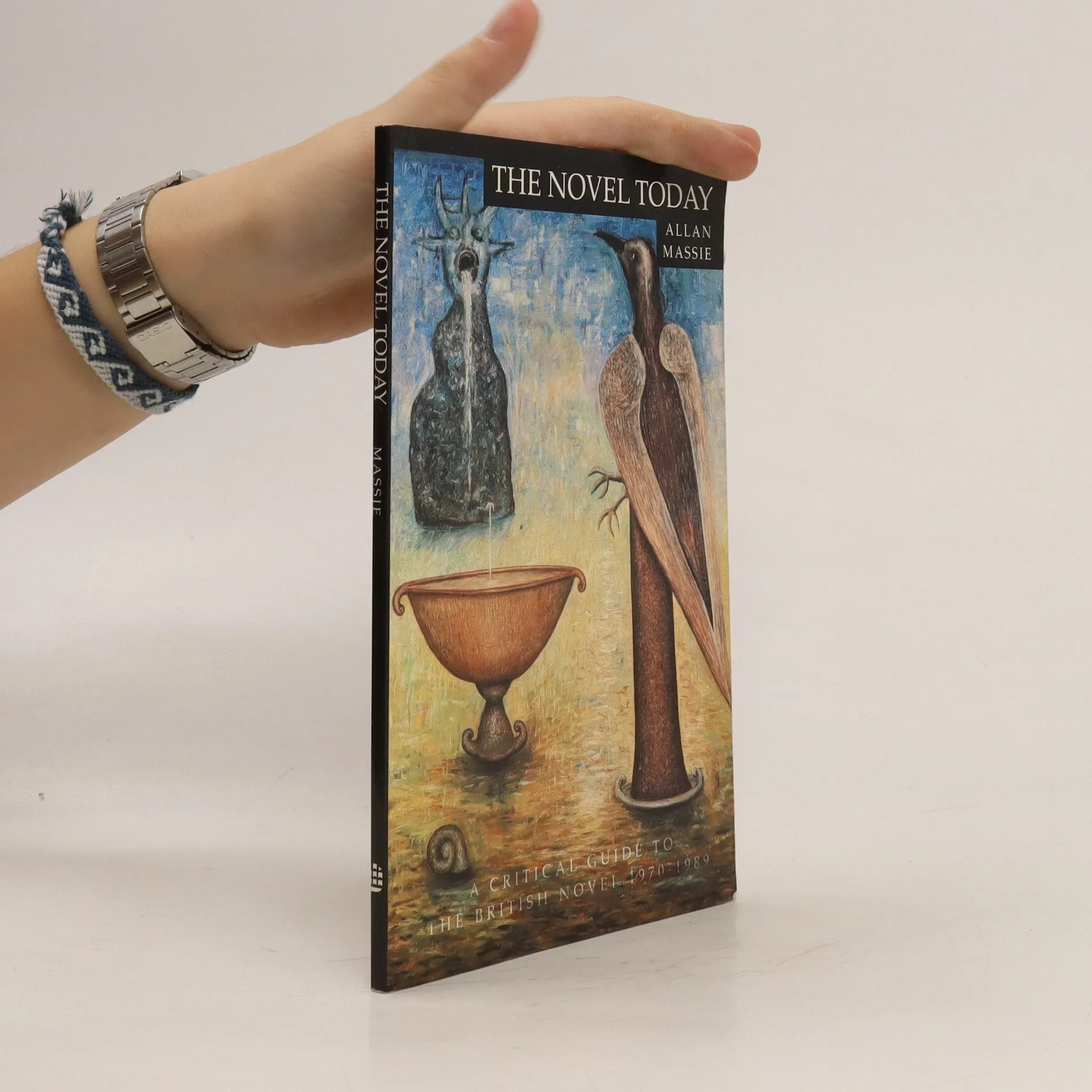
This is a survey of contemporary British fiction. Focussing primarily on the distinctive achievement and personality of each writer, the author also discusses the contribution of British fiction to such genres as women's writing, the political novel, spy and crime fiction. It addresses questions such as the rise of mass market publishing and the emergence of an international readership in assessing the role of the modern author as we approach the twenty-first century.
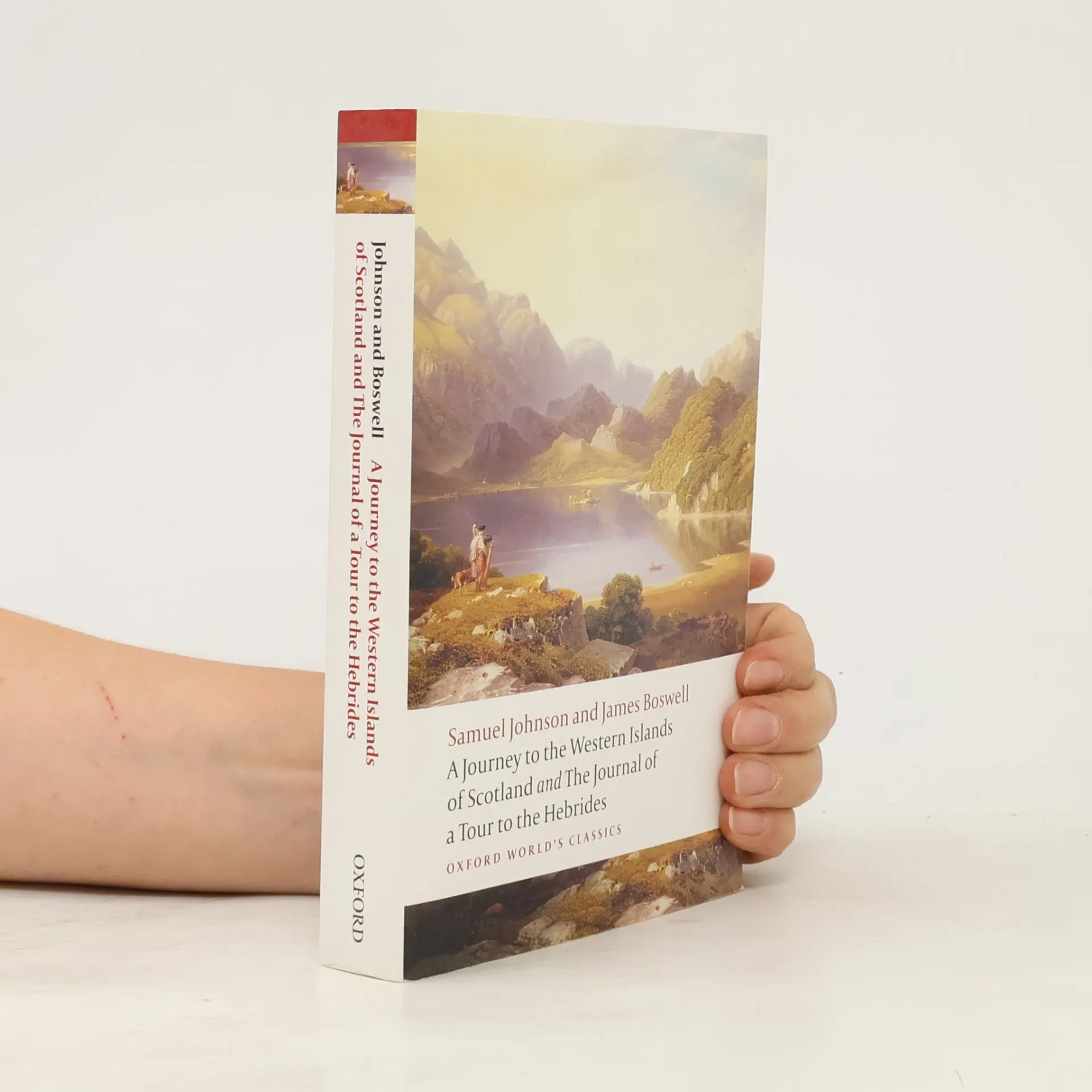
Johnson's Journey to the Western Islands and Boswell's Journal of a Tour to the Hebrides form a natural pair for an OWC because both books, often read and taught alongside each other, focus on the Scottish highlands.
A thrilling and highly original retelling of the Arthurian legend with a twist!
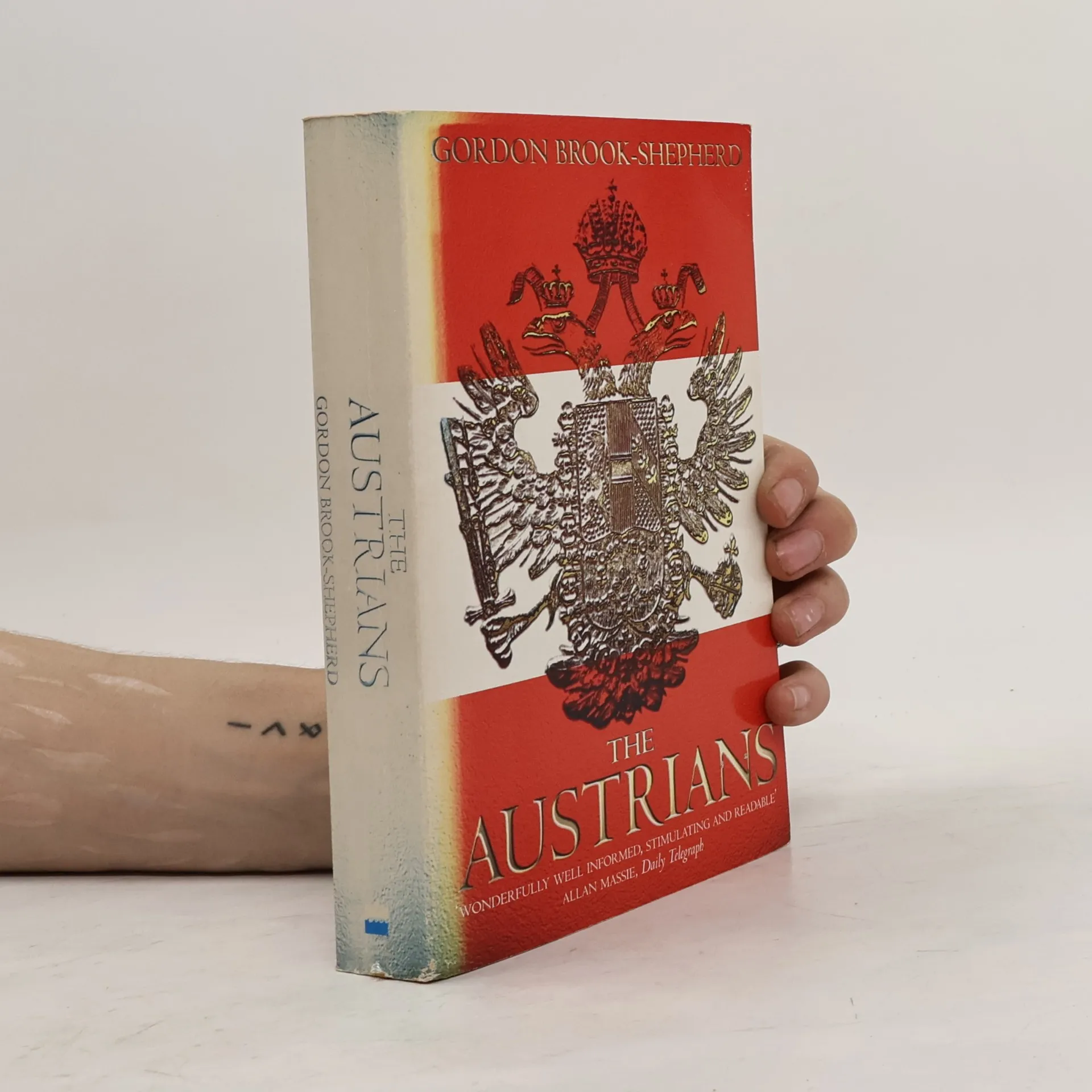
The nation-state of Austria has only existed since the fall of the Austro-Hungarian Habsburg empire in 1918. This work examines the Austrian people's struggle to find their identity against the pull of multi-national Danubian traditions on one hand and racial German ties on the other. It also describes the role the Austrians have to play in the modern world and how they have come to terms with their recent past.
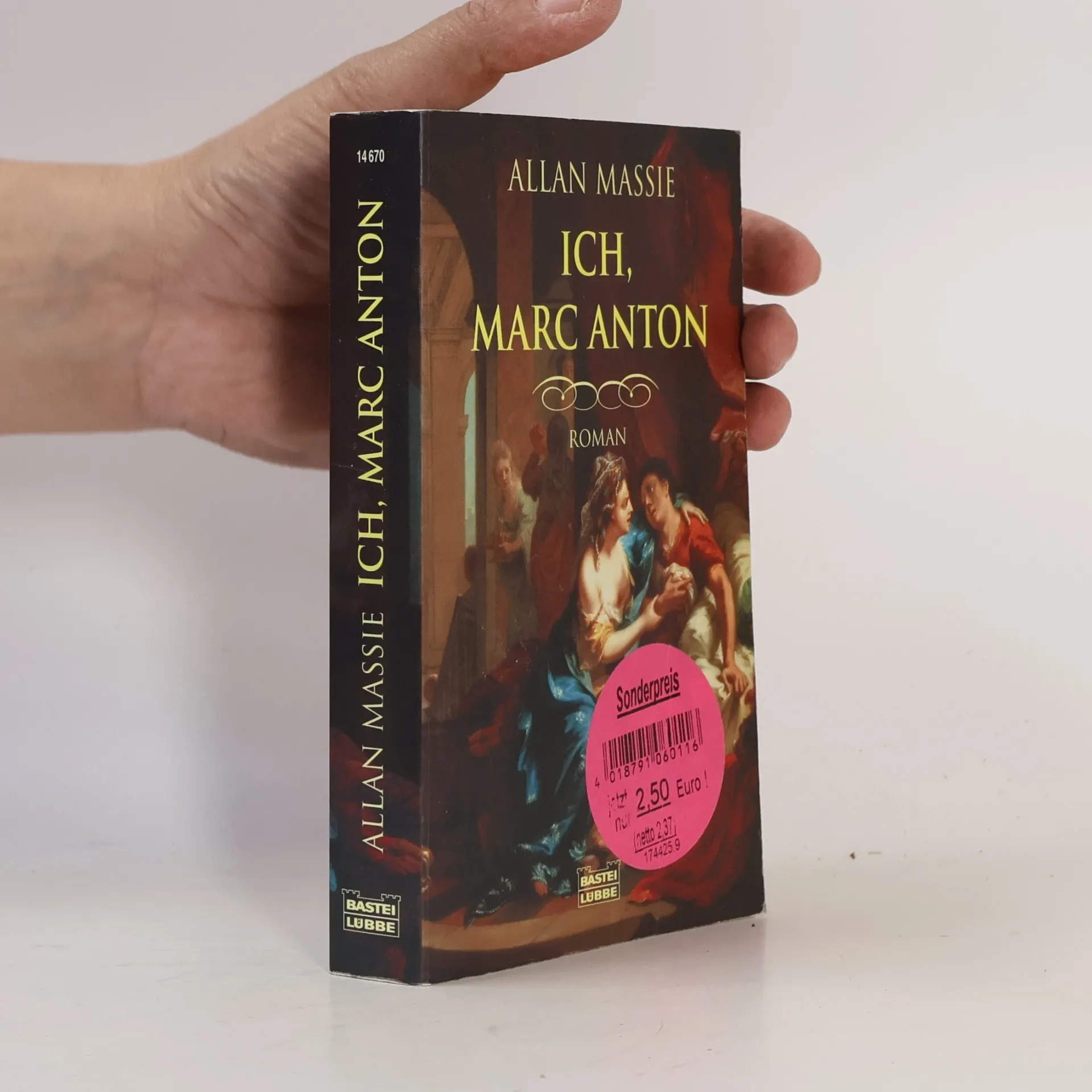
Die Lebensgeschichte des Marc Anton, Nachfolger Cäsars in Rom und in Kleopatras Armen: Nach seiner Niederlage gegen Octavian bei Actium zieht Marc Anton sich nach Alexandria zurück und diktiert seinem treuen griechischen Sekretär Critias den letzten Band seiner Memoiren. Es soll eine Gegendarstellung zu den Verleumdungen Octavians werden, die dieser seit geraumer Zeit in Rom gegen Marc Anton in Umlauf bringt. Marc Anton erzählt von der Ermordung Cäsars, vom ersten Treffen mit Cäsars Adoptivsohn Octavian und von der Gründung des Triumvirats. Schließlich kommt es zu der schicksalhaften Begegnung mit Cäsars Geliebter Kleopatra, deren Reizen Marc Anton ebenso erliegt wie sein großer Vorgänger.
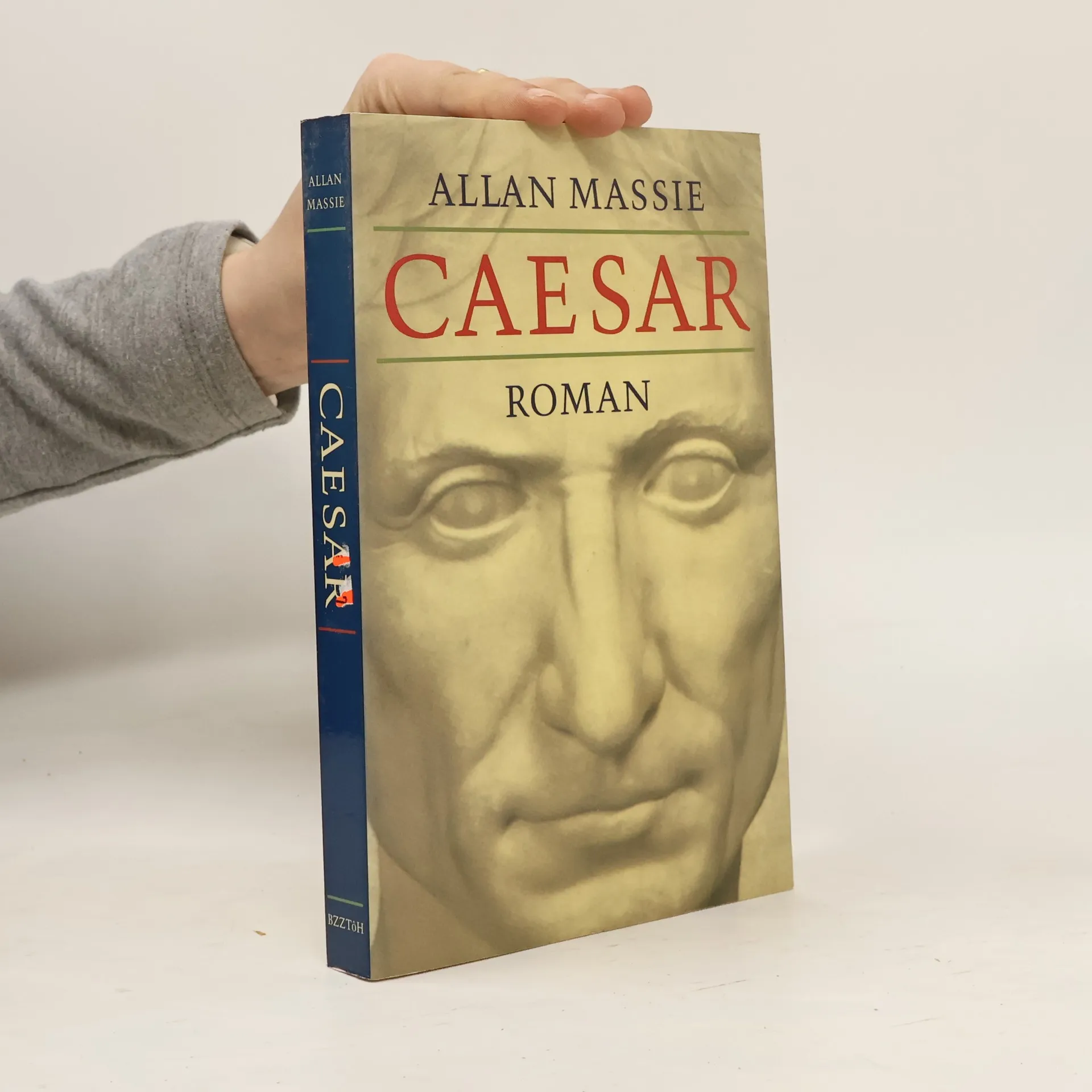
Vanaf het moment dat Julius Caesar zijn vijanden Pompejus en Crassus heeft verslagen, ontstaat er een groeiende onrust onder zijn medestanders. Hebben zij er wel goed aan gedaan hem te steunen nu hij alle macht naar zichzelf toetrekt, de republikeinse macht aan de kant wil schuiven en zelfs goddelijkheid nastreeft? Door de ogen van een van hen, Decimus Brustus, zien we Caesar als de theatrale tovenaar en de generaal wiens soldaten hem blindelings volgen, ondanks dat hun vrouwen het bed met hem delen. Caesar is een heerser die met zijn talenten de megalomane ambities voedt om Alexander te overtroeven en die gaandeweg uitgroeit tot een koning en zelfs een god. Hij is een authoritaire man met een fabelachtige charme en een emotionele betrokkenheid die nihil is. Enorm is dan ook het effect van zo'n man op een groep nobele burgers, wier wrok en afgunst zo gemakkelijk kan worden gedempt onder mooie woorden over eer en vrijheid. Met als resultaat één van de bekendste moorden uit de geschiedenis.