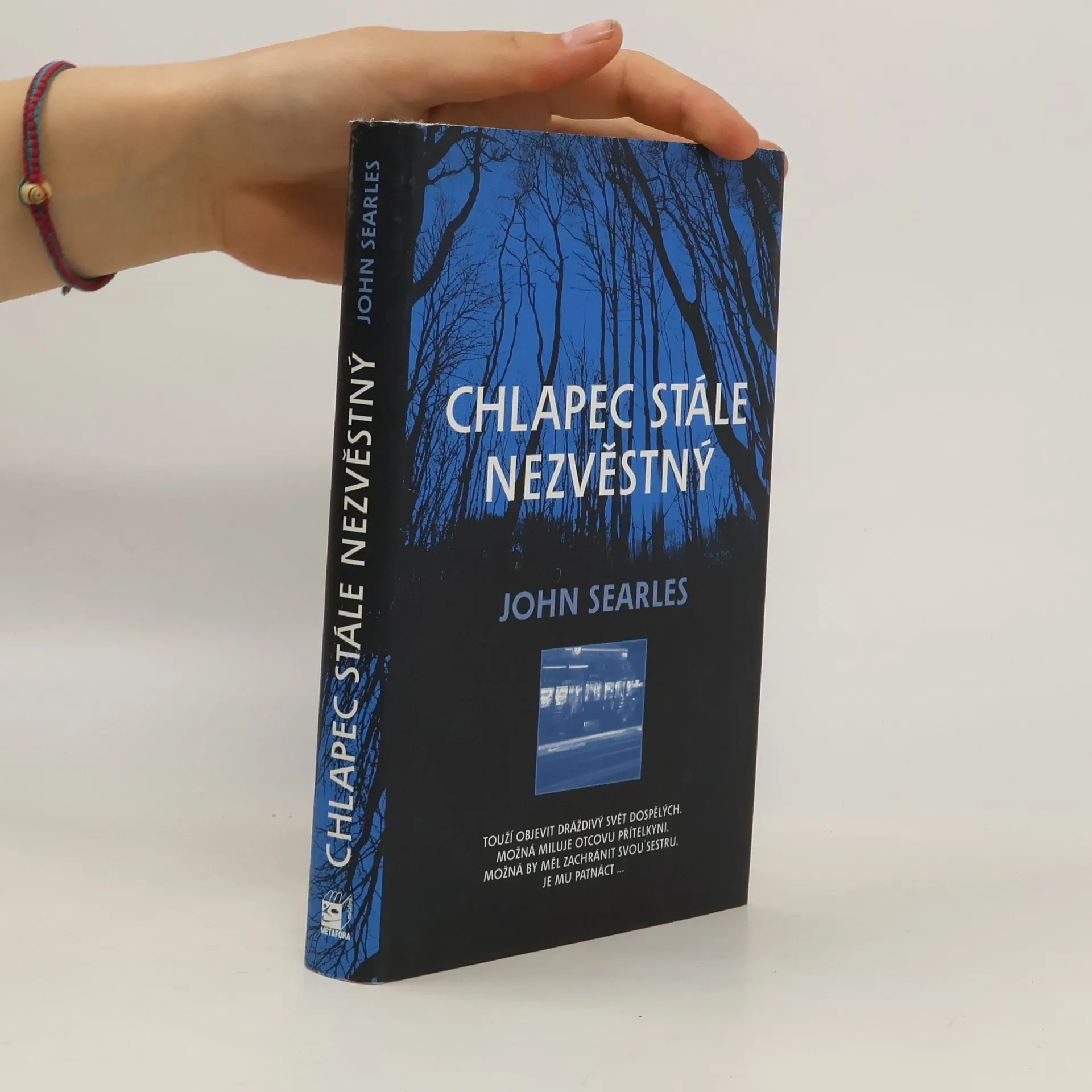
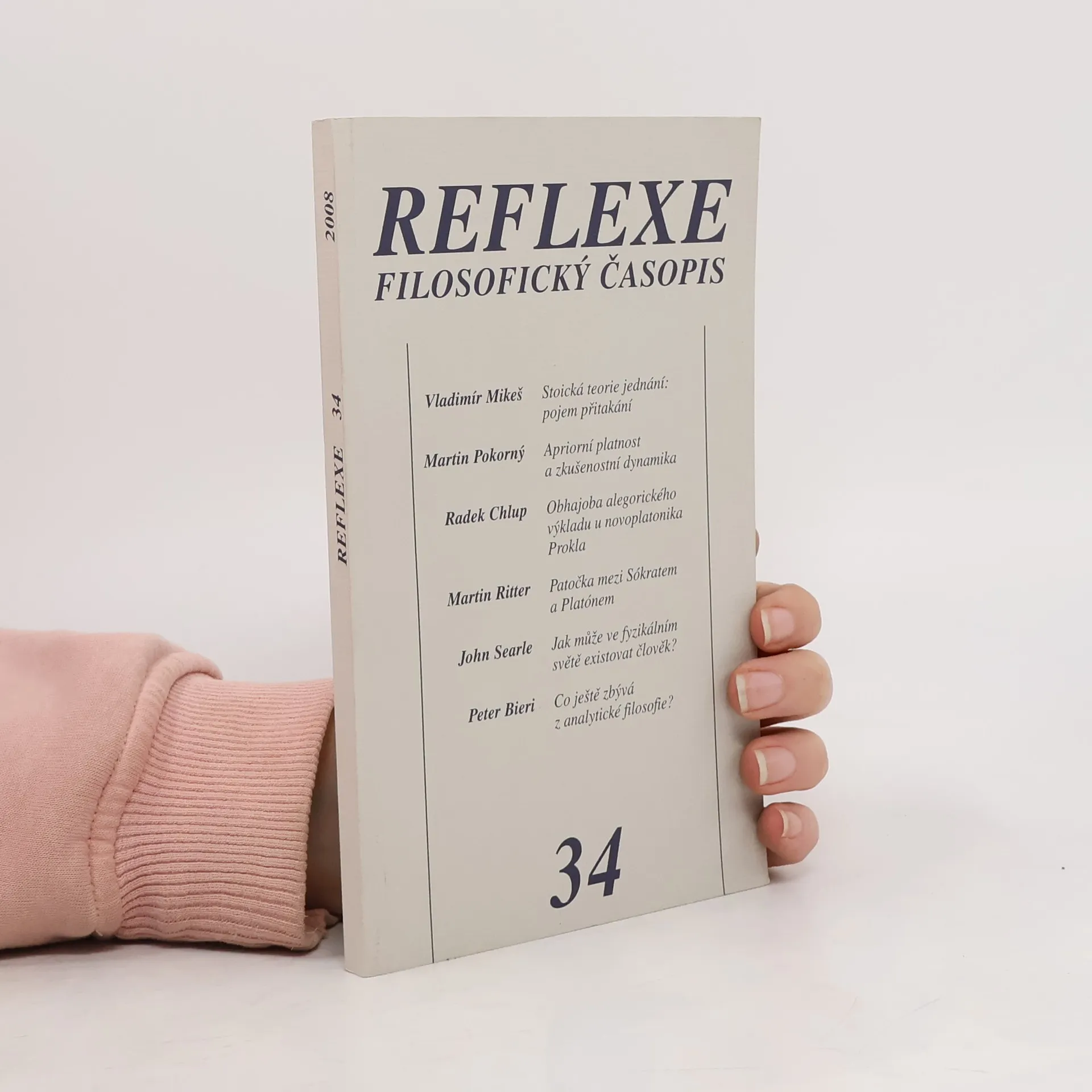
John Searles crafts novels that delve into the intricate depths of human psychology and the complexities of relationships. His narrative style is marked by a keen ability to explore the darker facets of human nature and the mysterious circumstances that shape his characters' lives. Searles masterfully builds suspense and delivers startling revelations, drawing readers into compelling stories filled with unexpected twists. His talent for creating believable characters and portraying their internal struggles establishes him as a distinctive voice in contemporary fiction.
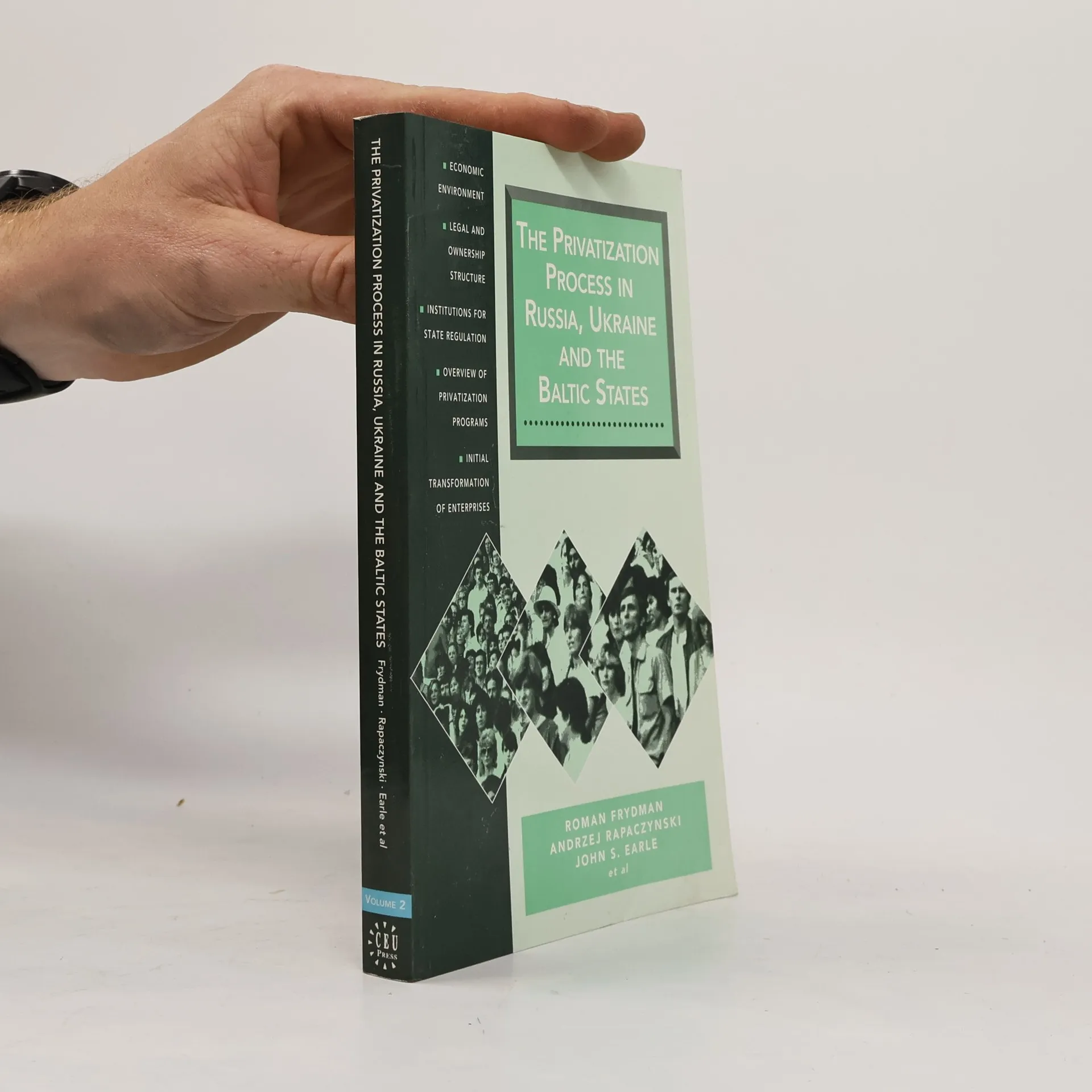
In this important study, the authors use new material to augment their earlier contributions to understanding the economic and political transformations now taking place in Poland, Hungary, and the Czech Republic.
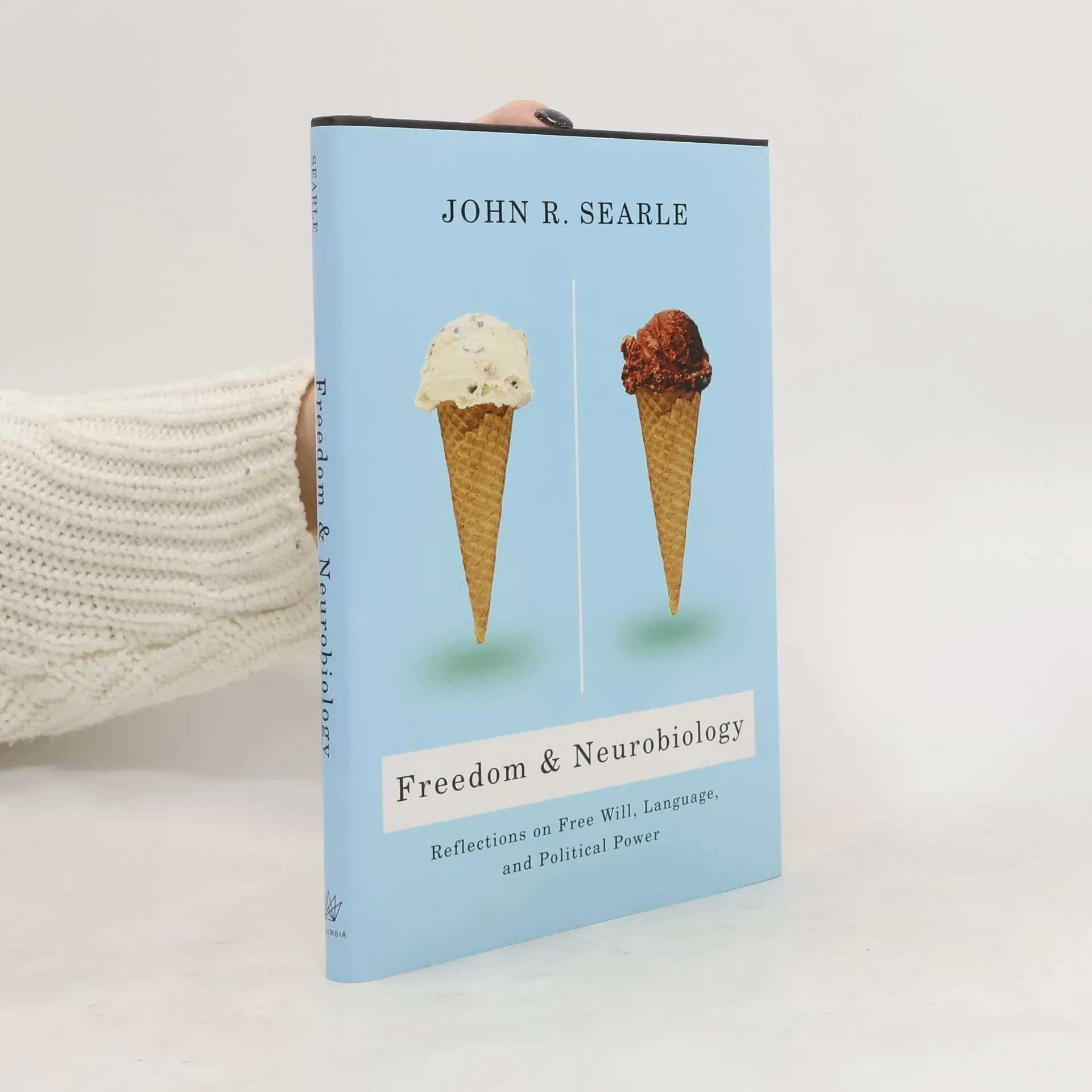
'This small but tightly packed volume is easily the most substantial discussion of speech acts since John Austin's How To Do Things With Words and one of the most important contributions to the philosophy of language in recent decades.'--Philosophical Quarterly
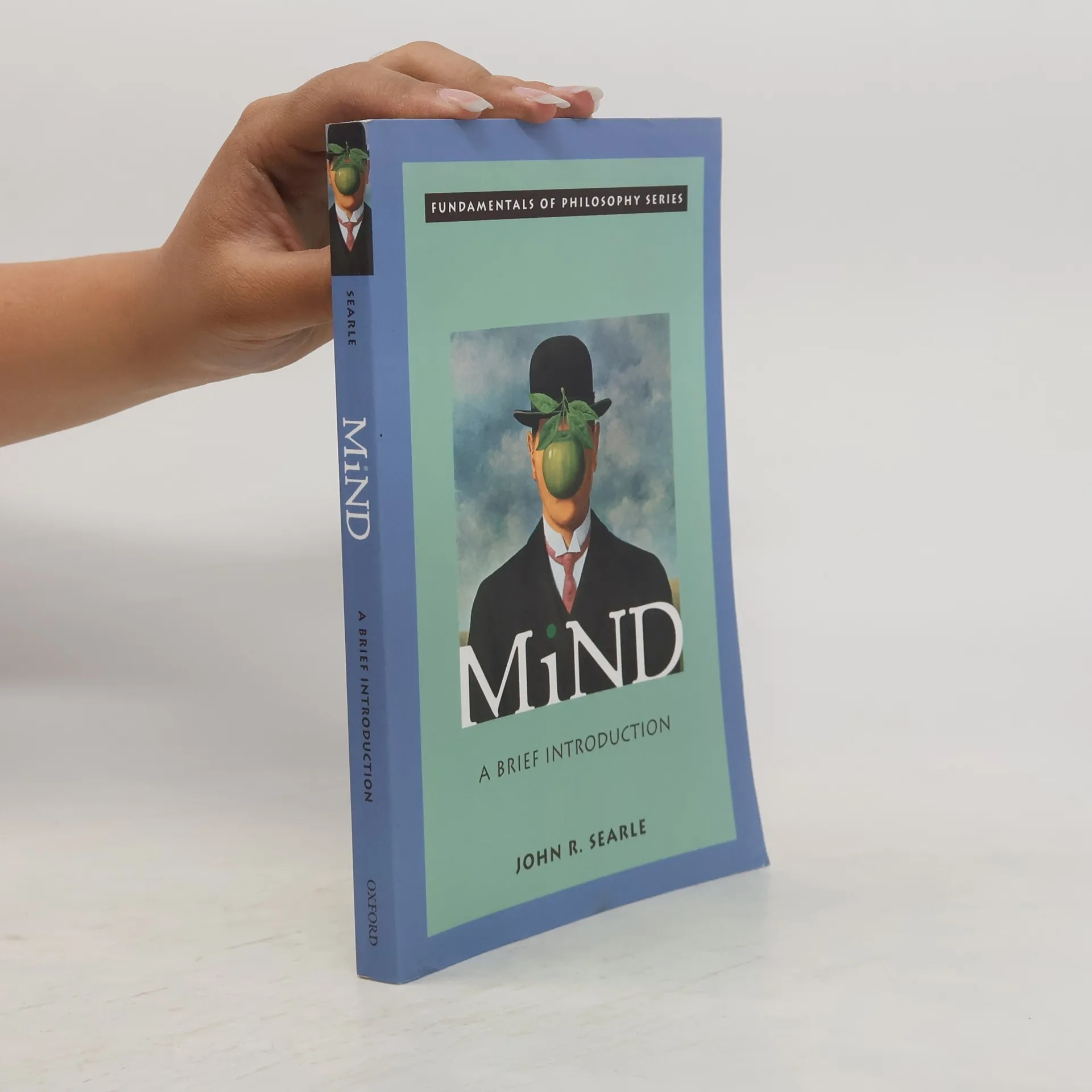
Offers a general introduction to the philosophy of the mind. Giving a survey
of the major issues, including philosophical issues in cognitive science and
neurobiology, the author argues for his own distinctive point of view. He
leads the reader through a variety of theories that reduce the mind to aspects
that can be fully explained by physics.
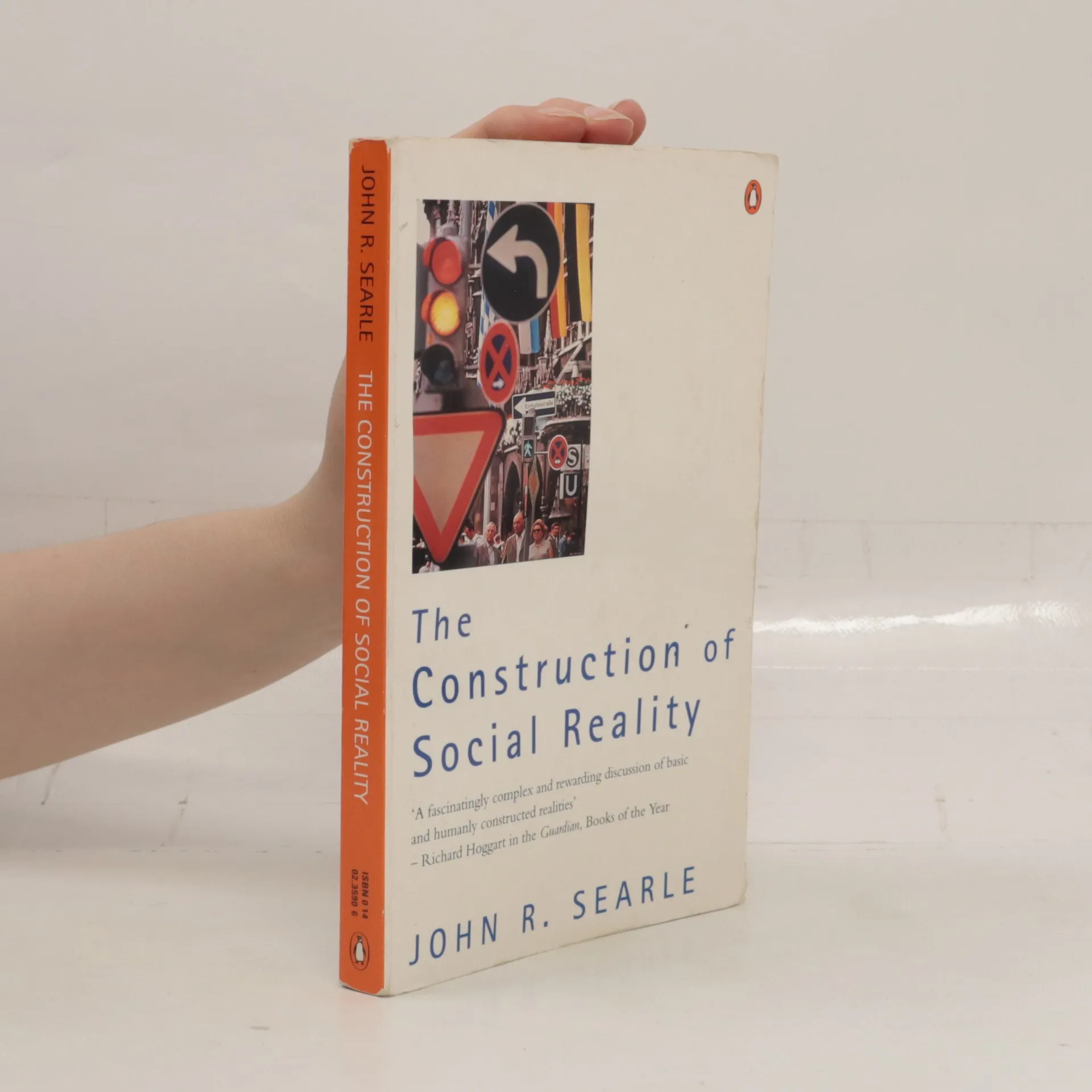
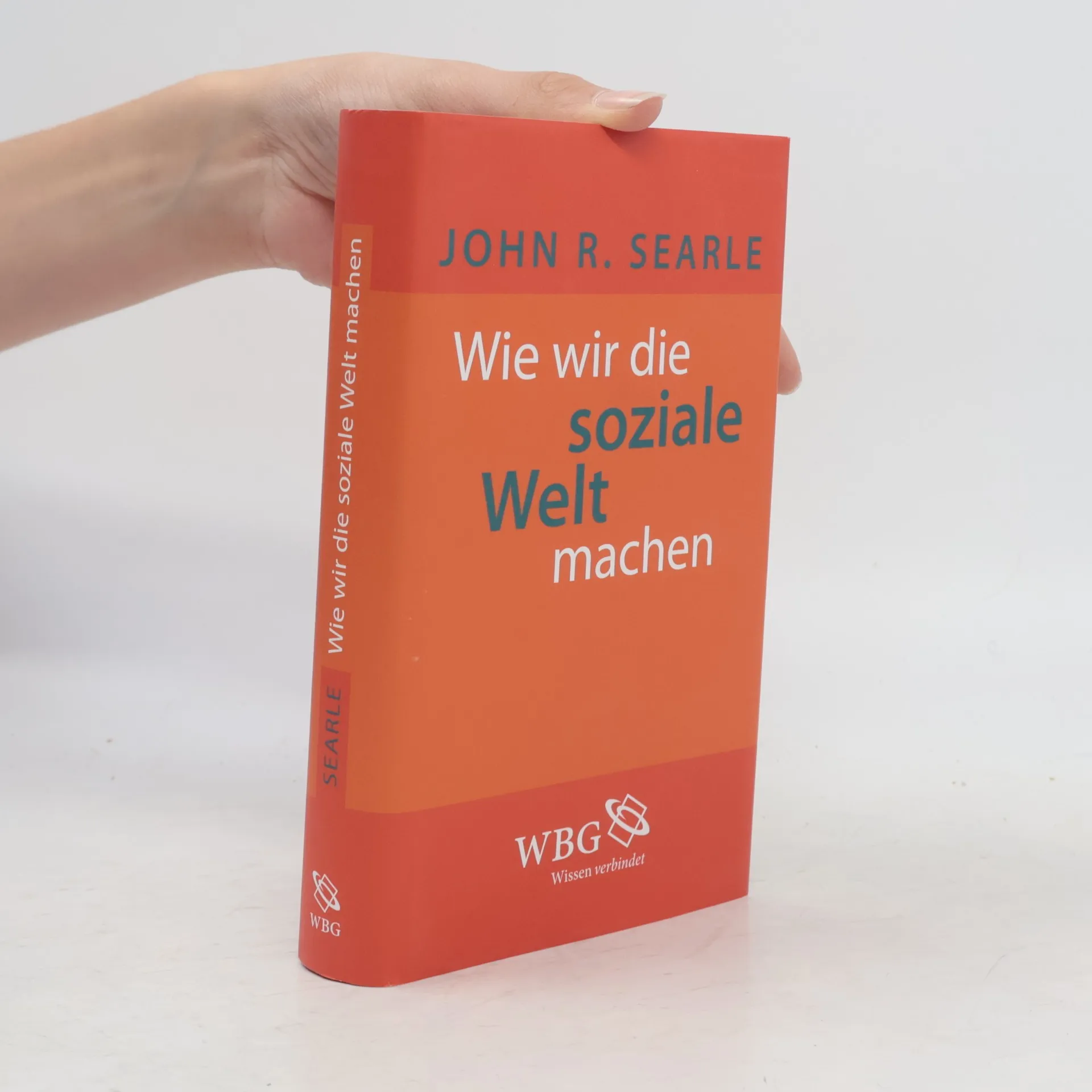
In this fascinating, provocative account, eminent philosopher John Searle shows how our everyday actions and cultural knowledge are of a metaphysical complexity that is truely staggering. He explores the charecter of the structures of our daily work that exist by human agreement and from this, the nature of objective reality. For example, how can it be completely objective fact that coins are money, if something is money only because we belive it is money? And what is the role of language constitutiing such facts? In examining the difference between what can and what cannot be socially constructed, he also shows how biology, which offers facts that are independant of human opinion and is often seen in opposition to the social sciences, forms the basis of these cultural and consititutional forms.
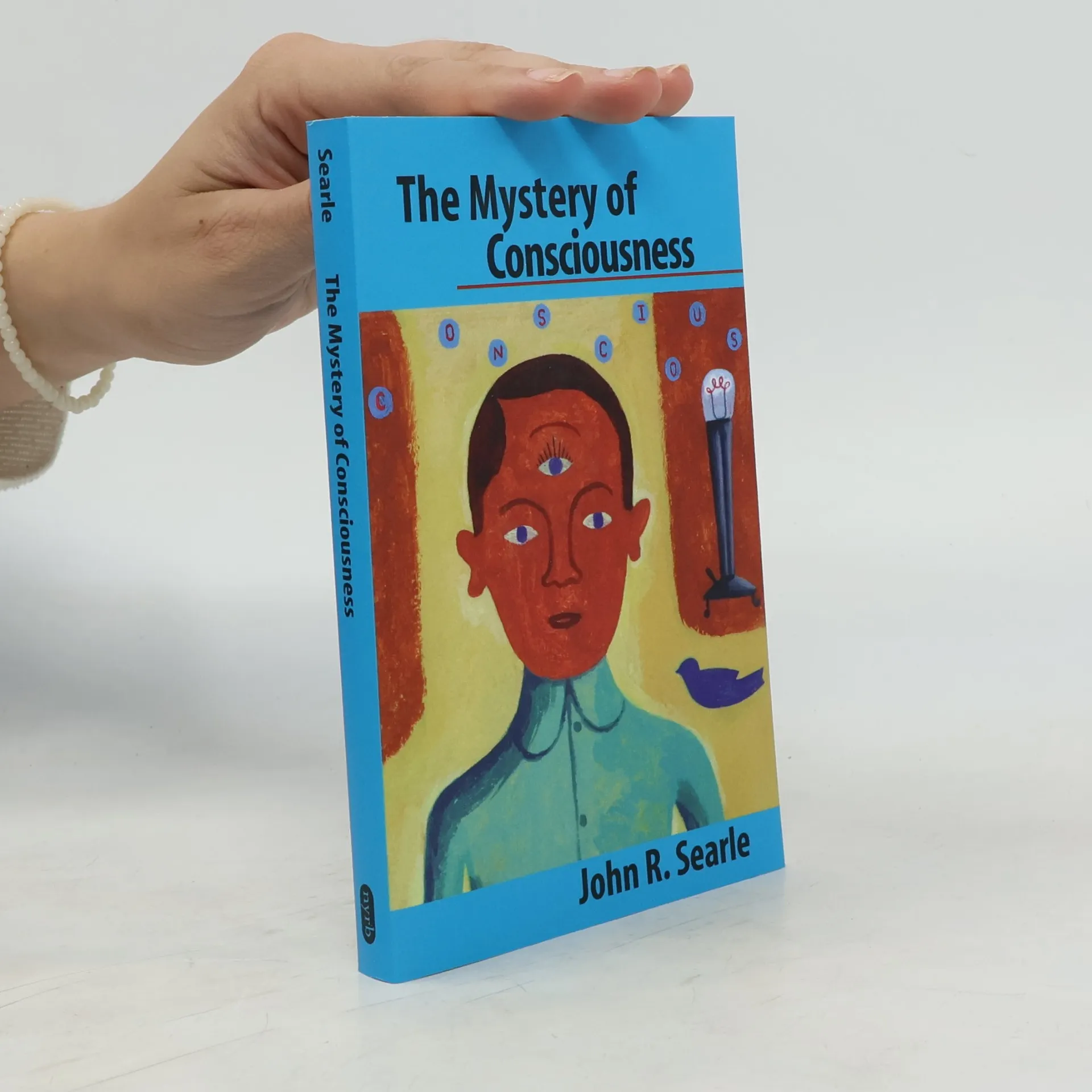
It has long been one of the most fundamental problems of philosophy, and it is now, John Searle writes, "the most important problem in the biological sciences": What is consciousness? Is my inner awareness of myself something separate from my body? In what began as a series of essays in The New York Review of Books, John Searle evaluates the positions on consciousness of such well-known scientists and philosophers as Francis Crick, Gerald Edelman, Roger Penrose, Daniel Dennett, David Chalmers, and Israel Rosenfield. He challenges claims that the mind works like a computer, and that brain functions can be reproduced by computer programs. With a sharp eye for confusion and contradiction, he points out which avenues of current research are most likely to come up with a biological examination of how conscious states are caused by the brain. Only when we understand how the brain works will we solve the mystery of consciousness, and only then will we begin to understand issues ranging from artificial intelligence to our very nature as human beings.
"In the second half of the book, Searle applies his theory of social reality to the problem of political power, explaining the role of language in the formation of our political reality. The institutional structures that organize, empower, and regulate our lives - money, property, marriage, government - consist in the assignment and collective acceptance of certain statuses to objects and people. Whether it is the president of the United States, a twenty-dollar bill, or private property, these entities perform functions as determined by their status in our institutional reality. Searle focuses on the political powers that exist within these systems of status functions and the way in which language constitutes them."--BOOK JACKET.
Tense and terrifying, this story features unforgettable characters whose lives intersect in shocking ways. The narrative builds suspense, leading to a twist that will catch readers off guard, ensuring a gripping experience that lingers long after the last page.
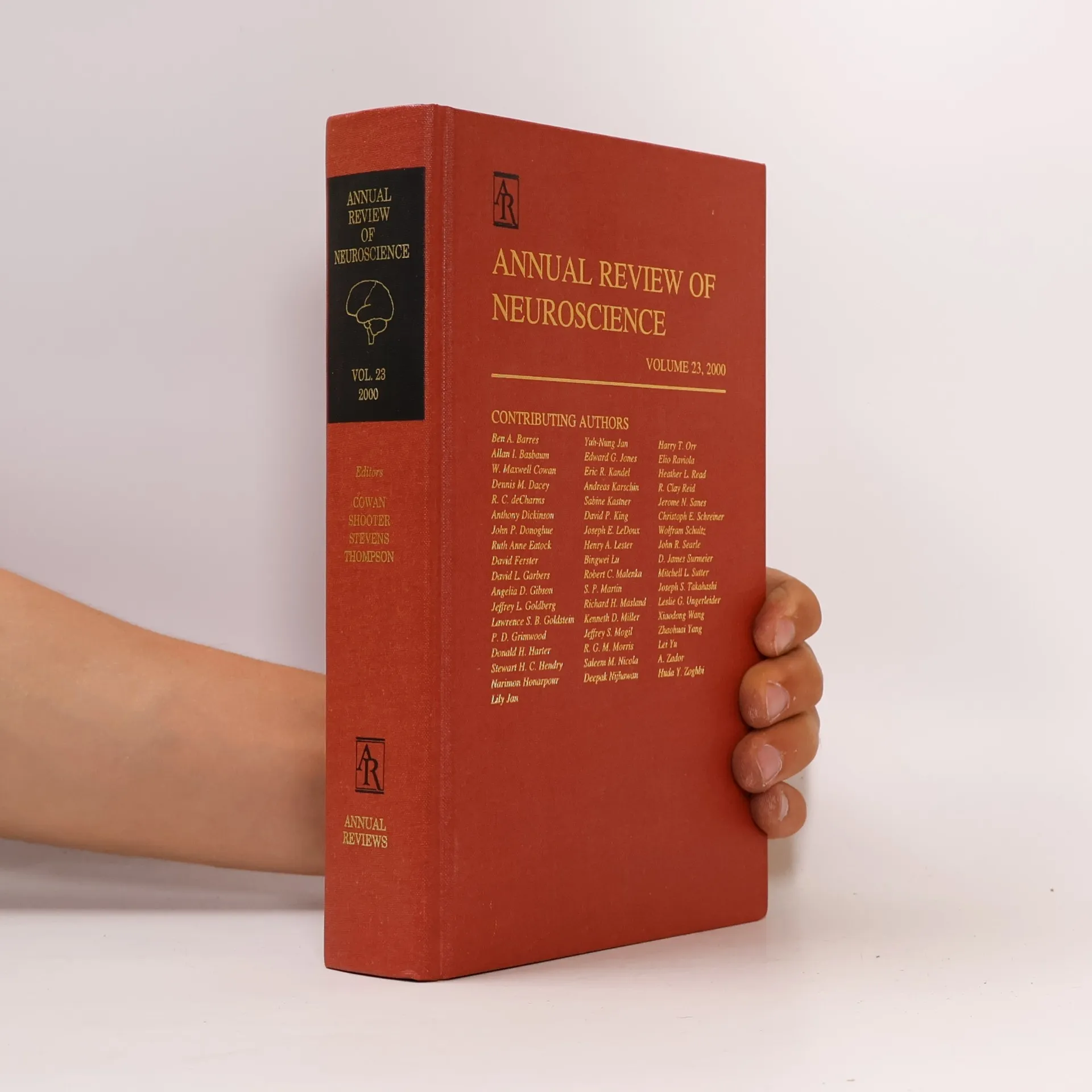
Forty-one articles are presented, comprising an important report of developments in the field and a review of progress. It is, therefore, a disappointment to note that this highly respected publisher has allowed its production department to perfect bind Neuroscience and to hide that cheaper technique by notch adhesive binding: the signatures are left intact with the gutter edge cut through at several places to allow adhesive to reach part of each page. The head & tail remains not notched to give the appearance of intact signatures as in Smythe sewn binding. This deception results in a weaker binding than if the whole gutter edge were cut (to allow the glue to adhere to the entire inner edge of each page). At least Annual Reviews continues to bind in book cloth. Annotation c. Book News, Inc., Portland, OR (booknews.com)
Fünf Jahre ist es her, dass der 18-jährige Ronnie Chase in der Nacht seines Abschlussballs bei einem tragischen Unfall ums Leben kam. Mit seinem Tod geriet das Leben seiner gesamten Familie aus der Bahn. Die Mutter, Charlene, verbitterte, der Vater, Richard, reichte die Scheidung ein, und Ronnies älterer Bruder Philip suchte das Weite. Und dann taucht fünf Jahre später auch noch plötzlich Melissa, Ronnies damalige Freundin auf, und behauptet steif und fest, von Ronnie ein Kind zu erwarten-…
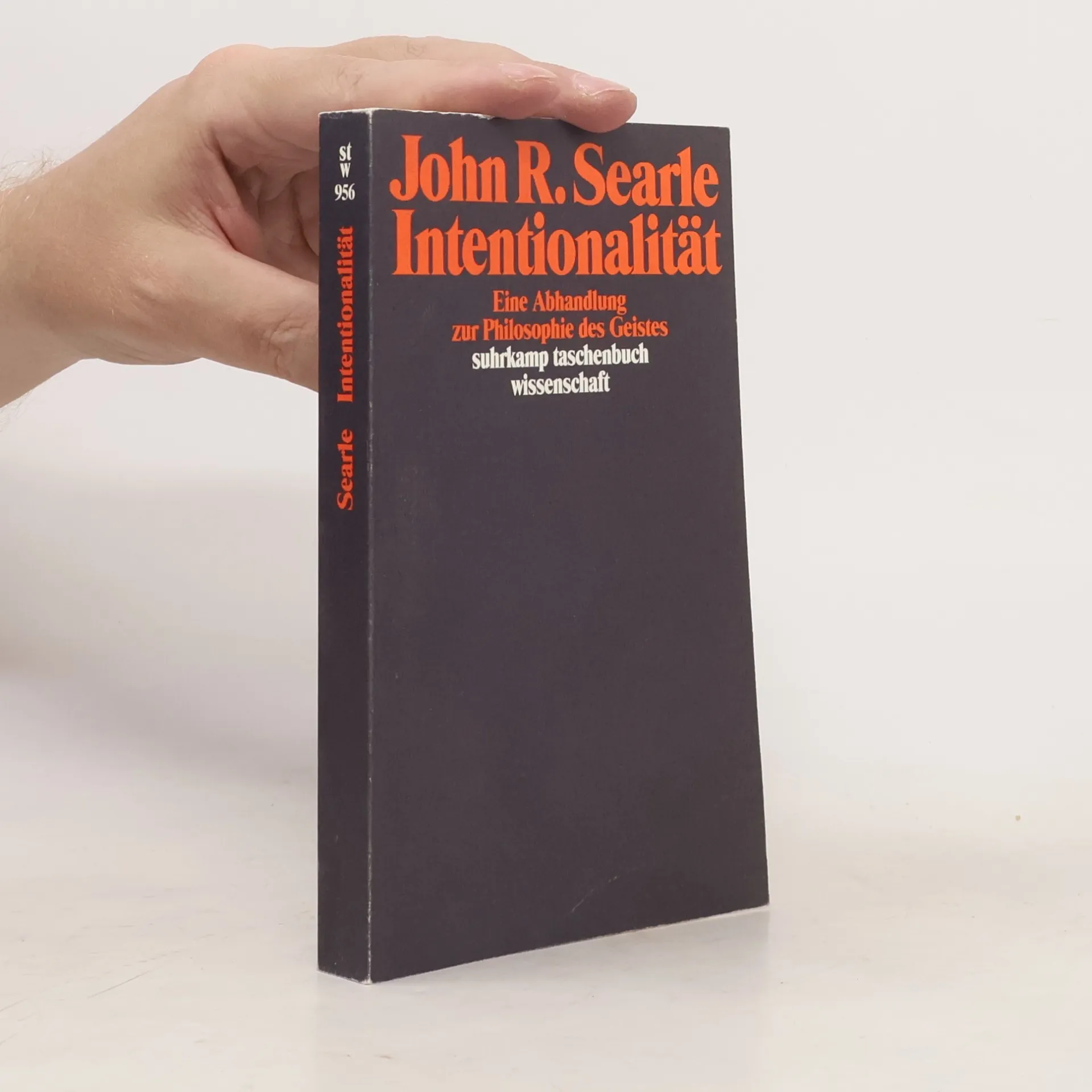
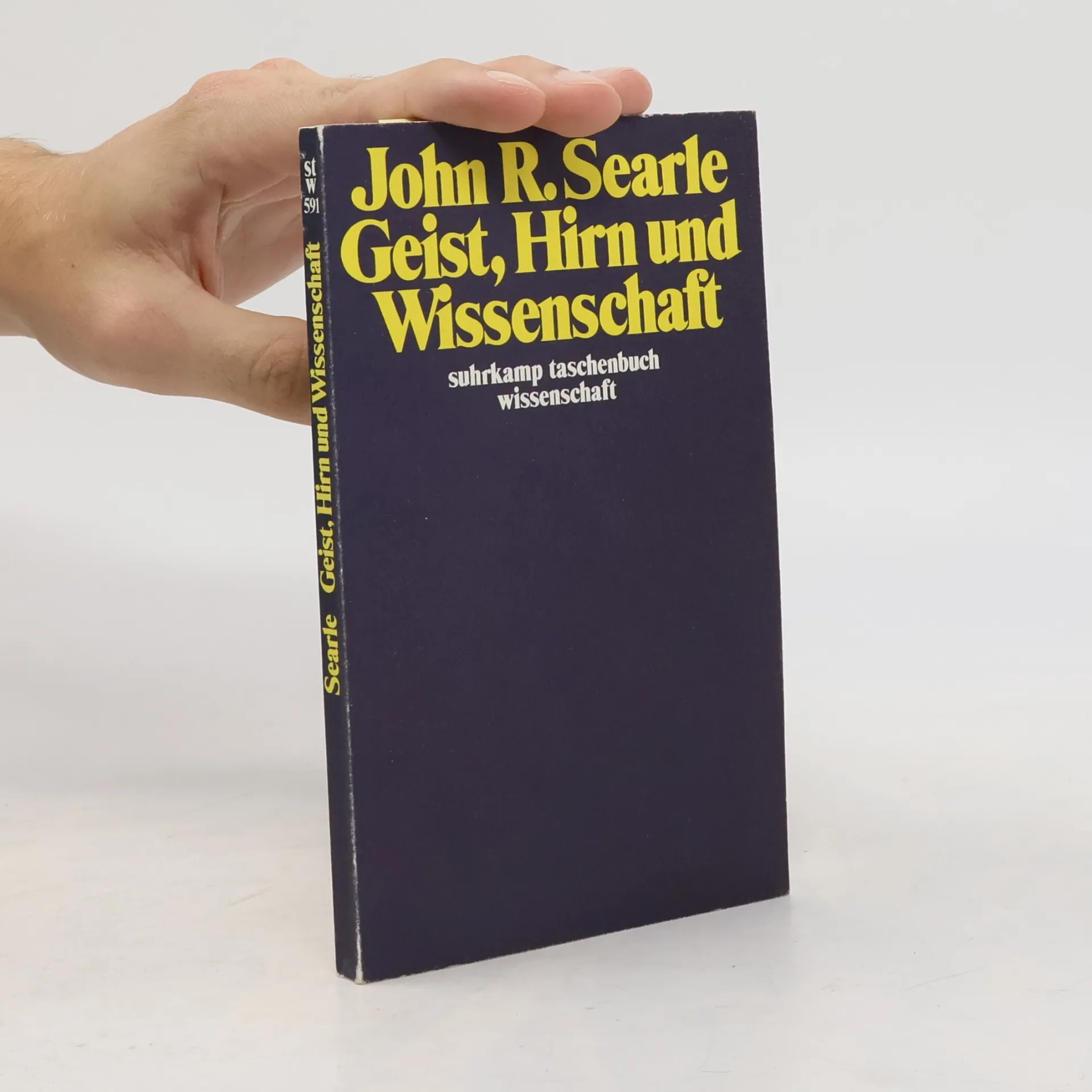
Nach seinen sprachphilosophischen Arbeiten (»Sprechakte«, stw 458; »Ausdruck und Bedeutung«, stw 349) hat John R. Searle mit »Intentionalität« eine Untersuchung zu einem Kernstück der Philosophie des Geistes vorgelegt, die in einem engen thematischen Zusammenhang mit den früheren Arbeiten steht. Intentionalität ist nach Searles Auffassung die Basis sprachlicher Bedeutung. In seiner Theorie der Intentionalität geht es um die begrifflichen Eigenschaften intentionaler Zustände (auf die Frage nach ihrem ontologischen Status geht er ausführlicher ein in »Geist, Hirn und Wissenschaft«, stw 591). Zwei Aspekte stehen dabei im Vordergrund der Untersuchung: die Logik der Repräsentation und der Kausalität intentionaler Zustände. Doch Searle entwickelt in dieser Arbeit nicht nur eine Theorie der Intentionalität und des Zusammenhangs zwischen sprachlichem und geistigem Inhalt. In einem vornehmlich kritischen Teil setzt er sich ausführlich mit konkurrierenden Auffassungen aus dem Bereich der analytischen Philosophie auseinander, insbesondere mit derzeit sehr einflußreichen »nicht-deskriptivistischen« Theorien des Bezugs, wie sie von S. Kripke, H. Putnam, K. Donnellan, T. Burge und D. Kaplan vertreten und angeregt wurden.
Die Reith Lectures 1984. Übersetzt von Harvey P. Gavagai
98 pages
4 hours of reading
Geist, Hirn und Wissenschaft greift Probleme auf, die im allgemeinen Verblüffung hervorrufen, und tut, was gute Philosophie immer tut: sie löst die falschen Vorstellungen auf, die durch den Zusammenstoß von Wahrheiten hervorgerufen werden. Wie bringen wir den gesunden Menschenverstand und die Wissenschaft miteinander in Einklang? Mit ebenso kräftigen wie farbigen Argumenten formuliert Searle seine These: sowohl die Wahrheit des gesunden Menschenverstandes als auch die Wahrheit der Wissenschaft sind richtig. Er erklärt, wie wir eine intuitive Sicht unserer selbst als bewußte, freie und rationale Akteure mit einem Universum in Übereinstimmung bringen können, von dem die Wissenschaft uns sagt, es bestehe aus geistlosen physikalischen Bestandteilen. Lebhaft und luzide entwickelt er seine Argumente gegen die vertrauten Positionen der Philosophie des Geistes und legt im einzelnen die Konsequenzen seiner Ideen dar, insbesondere für das Leib-Seele-Problem, die künstliche Intelligenz, die kognitive Wissenschaft, für Fragen des Handelns und des freien Willens sowie für die Philosophie der Sozialwissenschaften.
Dominick Pindle wächst in einer amerikanischen Kleinstadt heran. Hier nimmt das Leben ruhig seinen Lauf. Doch alles ändert sich für Dominick an dem Tag, an dem er zum ersten Mal Edie, der schönen Geliebten seines Vaters, gegenübersteht. Denn wenig später lösen seine Gefühle für die junge Frau eine Kette fataler Ereignisse aus - und Dominick steht vor der größten Bewährungsprobe seines Lebens.
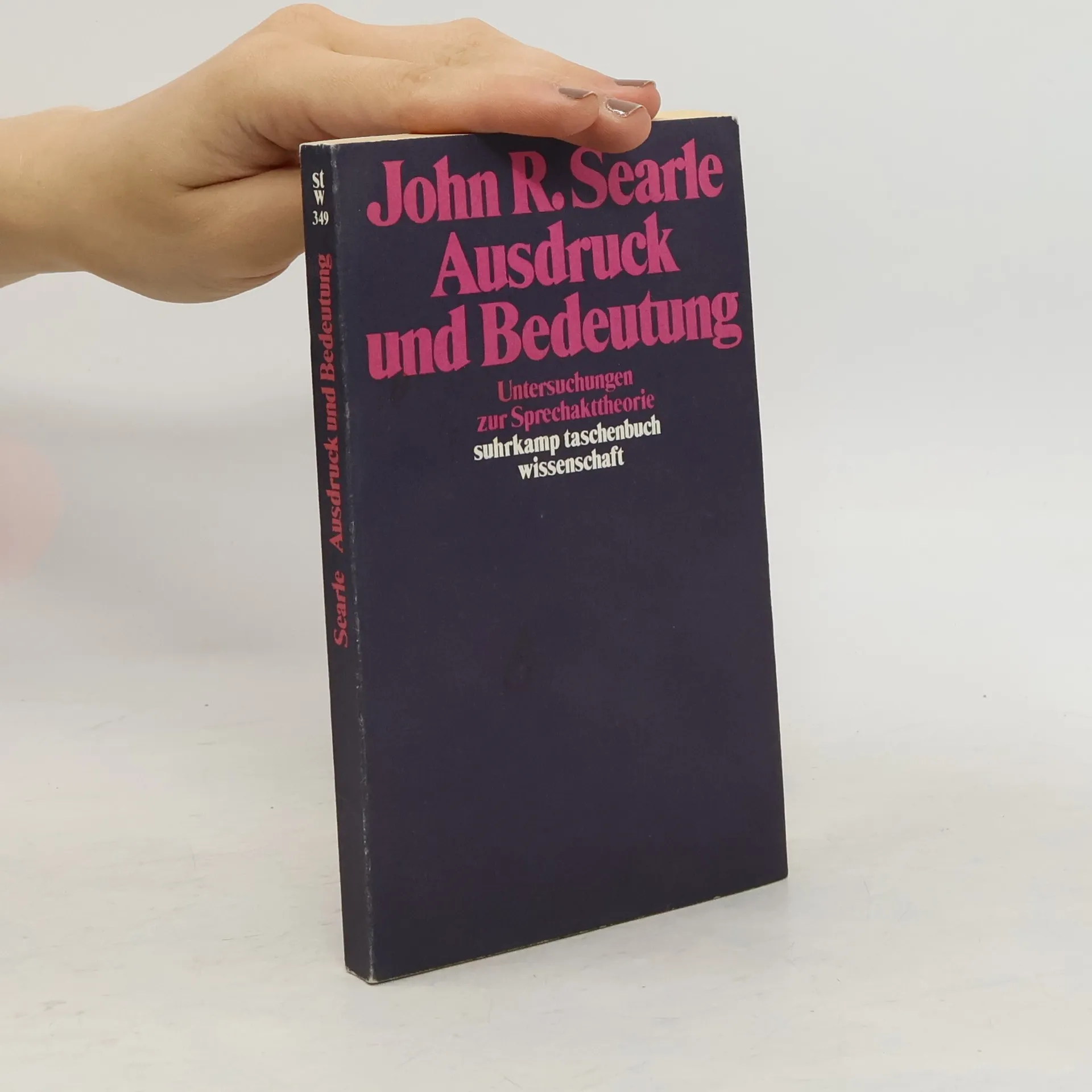
Searles Buch Sprechakte hat die Arbeiten zahlreicher Linguisten, Sozialwissenschaftler und Philosophen beeinflußt. Ausdruck und Bedeutung arbeitet die Theorie der Sprechakte weiter aus und wendet sie auf Diskursformen an, die sich linguistischer und philosophischer Analyse gegenüber als besonders widerspenstig erwiesen haben: Metapher, Fiktion, indirekte Sprechakte. Darüber hinaus bietet Searle eine Taxonomie der Typen von Sprechakten und untersucht die Beziehung zwischen der Bedeutung von Sätzen und dem Kontext, in dem sie geäußert werden.
Beautifully written and charged with a sublime wit, the novel brings to vibrant life a cast of characters that no reader will forget. After a mysterious fall from his New York City apartment, Philip Chase has moved back home with his mother, Charlene, a bitter woman who has never fully accepted the death of her younger son, Ronnie, five years earlier. Numb from watching too much television, rereading a tragic biography, and trading snipes with his mother, Philip is in stasis. But everything changes late one windy February night when Ronnie's high school girlfriend shows up on their doorstep. A sad young woman who still bears the scars of the accident that took Ronnie's life on the night of their prom, Melissa has unexpectedly found hope. She is nine months pregnant. And the father, she claims, is Ronnie. So begins this startling tale, which moves from one breathless surprise to another as Philip and his mother confront not only Melissa's past but their own. Their desperate search for answers takes them on a poignant and emotional journey, ultimately placing them in the path of murder and revenge. At once a moving story of redemption and a heart-stopping work of suspense, Strange but True confirms John Searles's place among the most gifted voices of his generation. Beautifully written and charged with a sublime wit, the novel brings to vibrant life a cast of characters that no reader will forget.
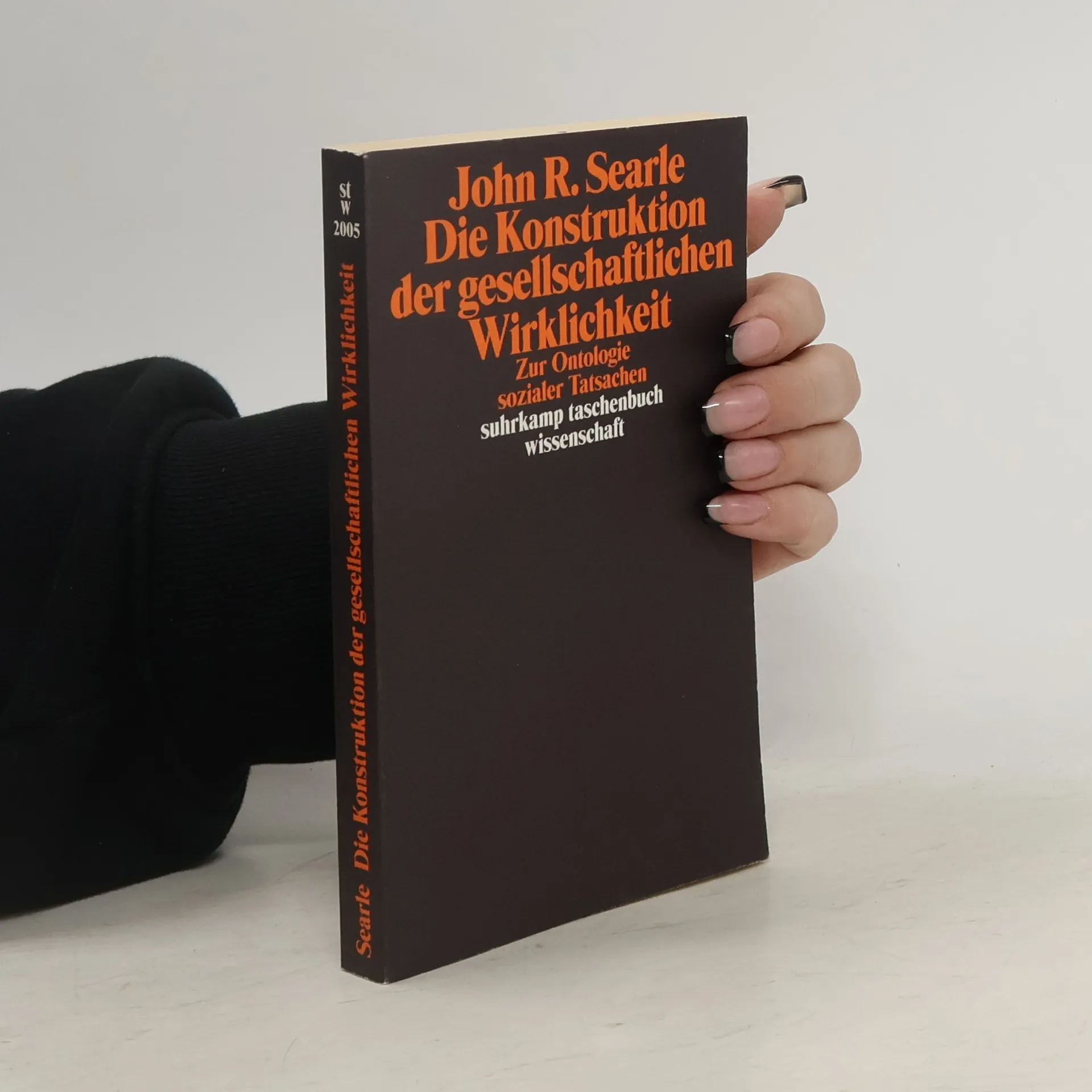
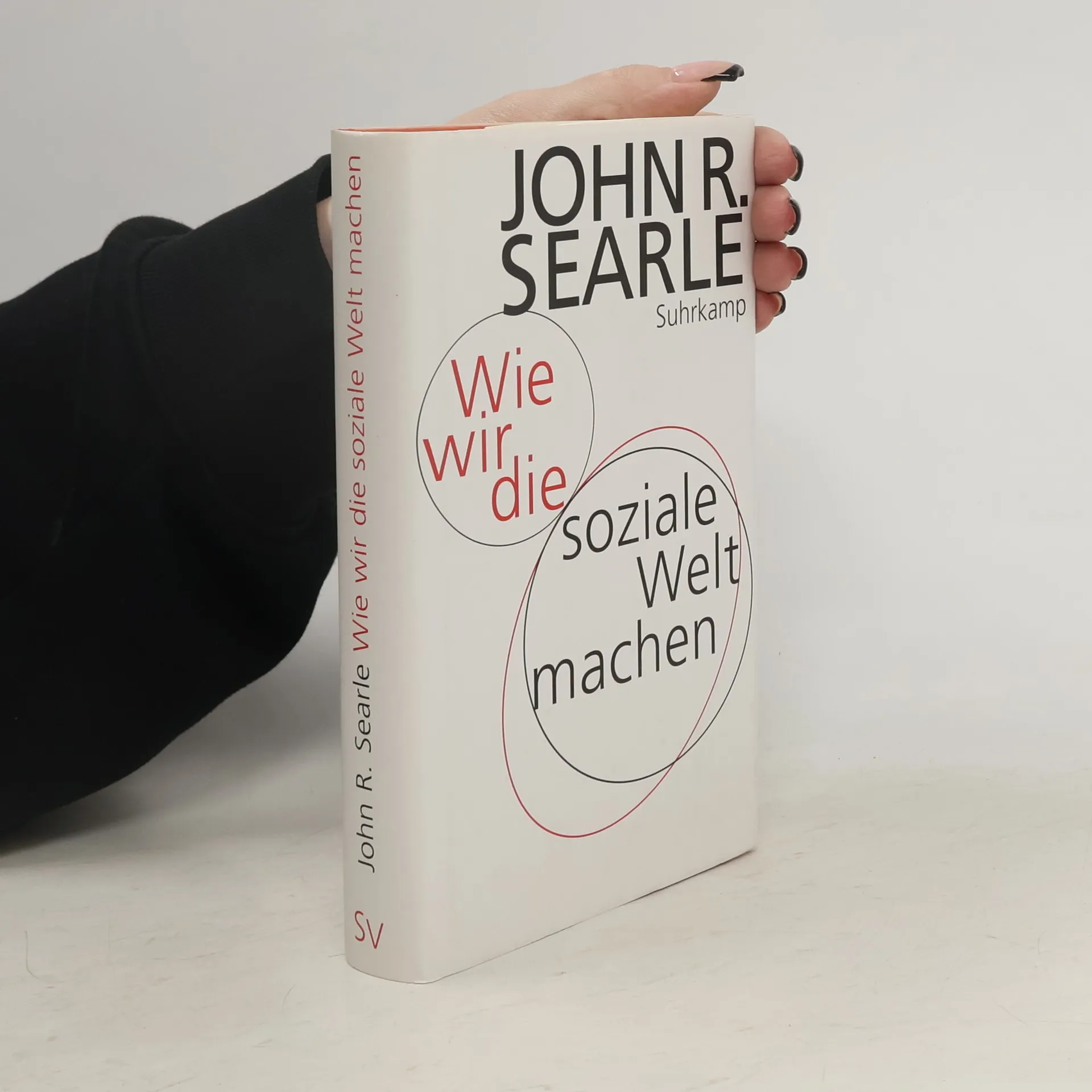
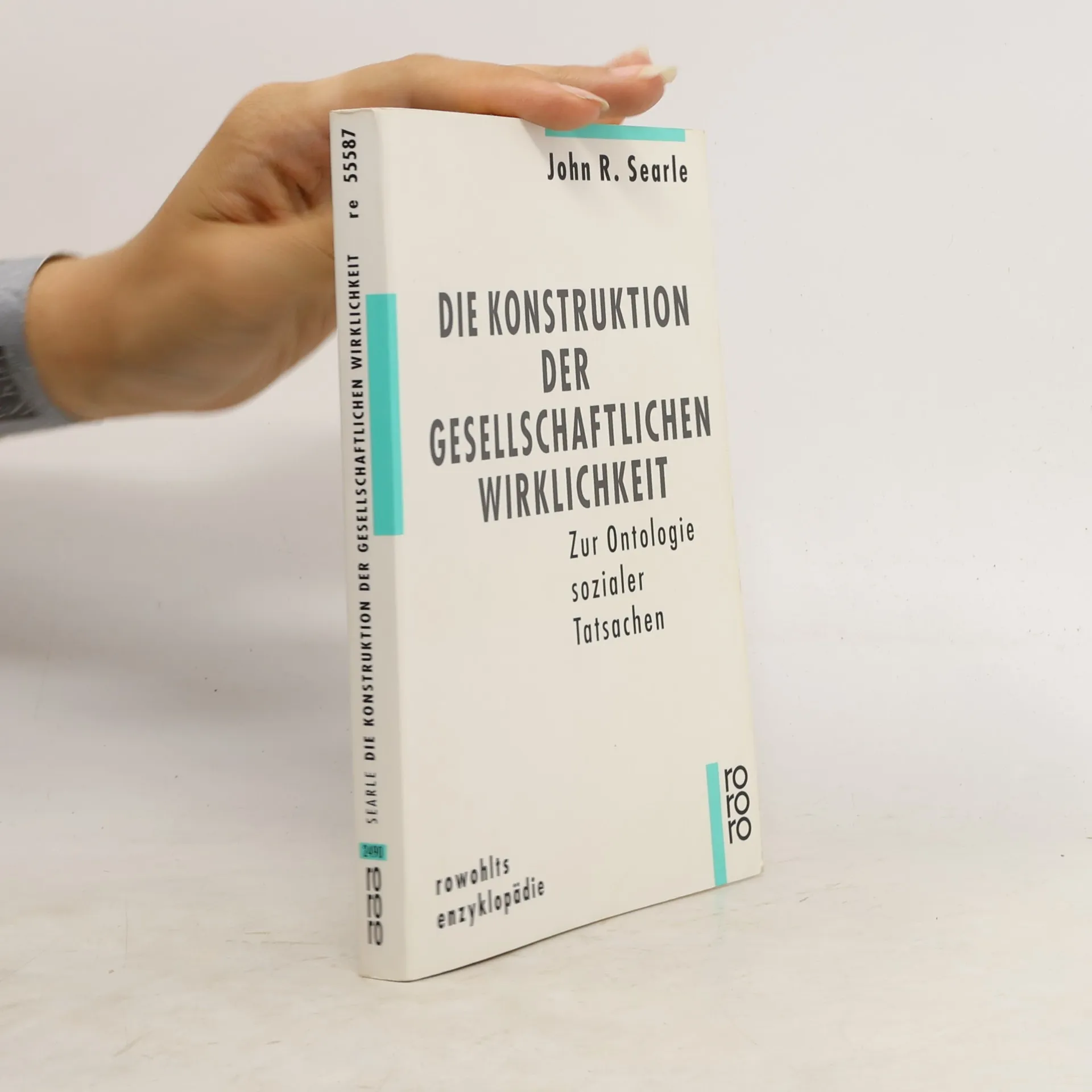
In seinem grundlegenden Werk geht John Searle der Frage nach, in welchem Sinn das Soziale existiert. Was unterscheidet soziale Tatsachen wie etwa Geld von natürlichen Tatsachen wie der Höhe eines Berges? Searle kommt zu dem Ergebnis, daß soziale Tatsachen durch Phänomene kollektiver Intentionalität konstituiert werden. Hierfür entwickelt er die mittlerweile zum philosophischen Standardrepertoire gehörende Formel »X gilt als Y in C«, die aufschlüsselt, wie zum Beispiel ein Stück Papier in einem bestimmten sozialen Kontext als Geld behandelt wird. Eine brillante Analyse, ein Klassiker.
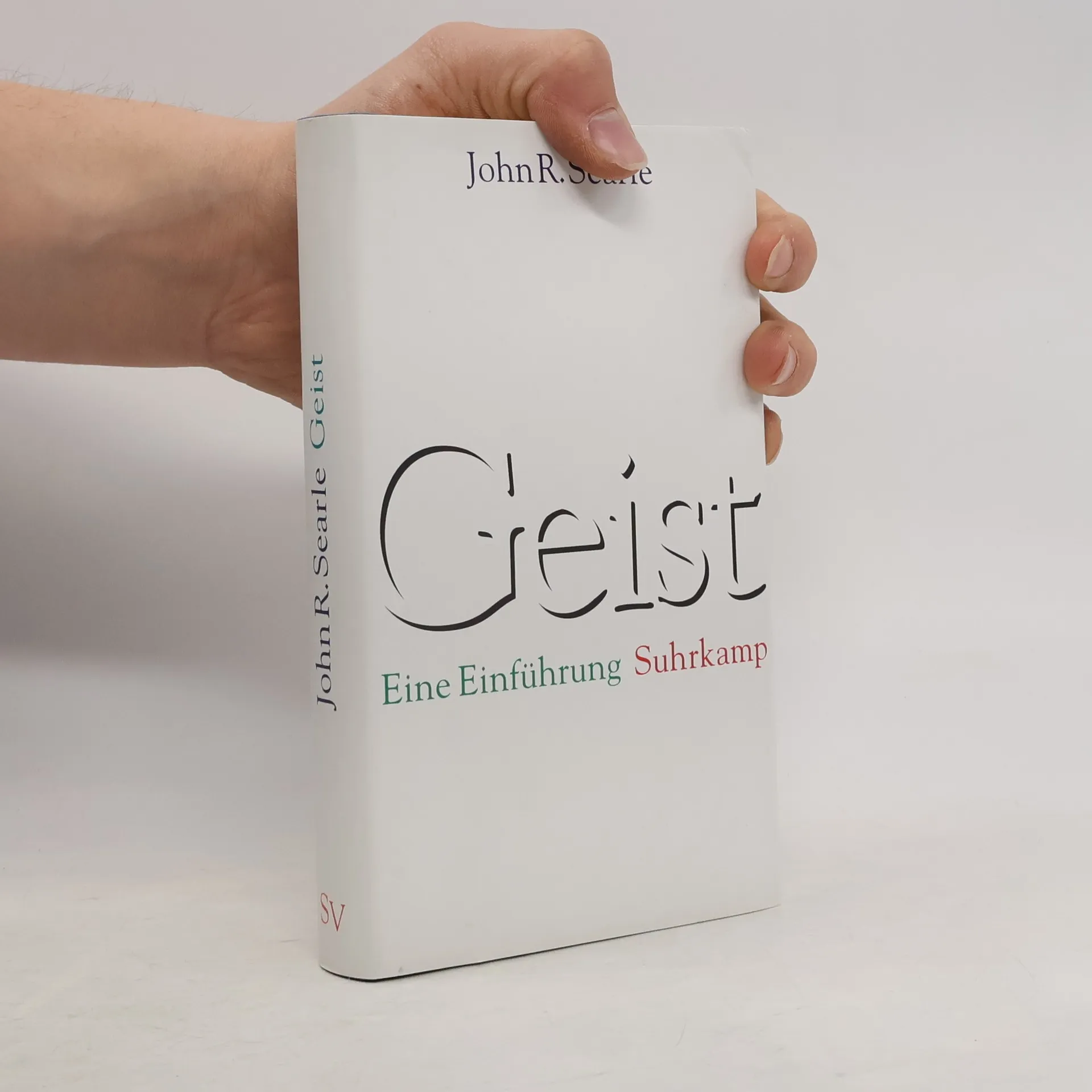
John R. Searle gehört zu den wirkmächtigsten Philosophen der Gegenwart. Er hat bahnbrechende Untersuchungen über Sprechakte veröffentlicht, eine eigene Konzeption von Intentionalität vorgelegt und das Funktionieren gesellschaftlicher Realität erklärt. Er hat die Diskussion um künstliche Intelligenz mit seinem Bild des »chinesischen Zimmers« bereichert und damit allen Vergleichen des menschlichen Geistes mit dem Computer ein vieldiskutiertes Argument beschert. Hier zieht Searle die Summe aus diesen Themen. Durch die leichtverständliche Darstellung und Searles Fähigkeit, komplexe Probleme in wenigen Sätzen zu skizzieren und zu lösen, eignet sich das Buch nicht nur als Einführung in Searles Denken, sondern auch als Einführung in die Gegenwartsphilosophie überhaupt.
Les parents de la jeune Sylvie Mason ont une occupation pour le moins inhabituelle : exorcistes baignés dans la foi chrétienne, ils prêtent main-forte aux âmes tourmentées pour les aider à retrouver la paix. Un soir d'hiver, alors qu'ils sont appelés à se rendre dans une vieille église à l'orée de la ville, ils disparaissent l'un après l'autre par les portes rouges de l'édifice lorsque des coups de feu retentissent... Bien décidée à découvrir ce qui s'est réellement passé cette nuit-là, Sylvie n'aura de cesse de chercher les réponses aux questions qui la harcèlent et découvrira des secrets qui hantent sa famille depuis des années.
Kaum ein Gebiet der modernen Philosophie ist komplexer, kaum eines wird kontroverser diskutiert als die Philosophie des Geistes. Wie in keiner anderen philosophischen Disziplin manifestieren sich hier zudem die Konflikte zwischen zwei scheinbar unversöhnlichen Welten: der Welt des Geistes bzw. der Geisteswissenschaften und der Welt des Gehirns bzw. der modernen Naturwissenschaften. Mit John R. Searle hat nun einer der Großmeister des Fachs eine historisch-systematische Einführung geschrieben, die zugleich eine neue Sicht auf dieses »wichtigste Thema der gegenwärtigen Philosophie« bietet. Ausgehend von »Descartes und anderen Katastrophen «, präpariert Searle zwölf zentrale Probleme der Philosophie des Geistes, verwirft selbst die einflußreichsten Theorien und schlägt eigene Lösungen jenseits der Zwei-Welten-Lehre vor. Entstanden sind provozierende Analysen etwa des klassischen Leib- Seele-Problems und des Zusammenhangs zwischen Bewußtsein und Neurobiologie. Dem Unbewußten ist ebenso ein eigenes Kapitel gewidmet wie der Wahrnehmung und dem schwierigen Problem der mentalen Verursachung. Searles temperamentvoll geschriebenes Buch, das nicht mit Kritik an eingefahrenen Denkmustern geizt und mit einem Minimum an philosophischem Jargon auskommt, ist eine umfassende Einführung in die Philosophie des Geistes für Studierende und ein Lesevergnügen für jeden, der sich für die tiefen Fragen der Philosophie interessiert.
Angela Merkel ist die Bundeskanzlerin der Bundesrepublik Deutschland, Das Stück Papier in der Hand des Kassierers ist ein Fünfzig-Euro-Schein, John Searle ist verheiratet mit Sätzen wie diesen sagen wir etwas über die Welt: dass es in ihr Dinge wie Bundeskanzler, Geld und Ehen tatsächlich gibt. Jedoch existieren diese sozialen Tatsachen nur, weil wir glauben, dass sie existieren. Das gilt für natürliche Tatsachen, die Schwerkraft etwa, nicht. Zerfällt die Welt somit in unterschiedliche Sphären des Seins? Gibt es womöglich zwei oder gar drei Wirklichkeiten?
Stato, Regierung, Geld, Markt, Steuern, Verträge (von Mietverträgen bis zu Eheverträgen), aber auch Cocktailpartys, Fußballspiele, organisierte Urlaube oder Vereine zur Verteidigung von gut gezapftem Bier: aus diesem und anderem besteht die Realität, in der wir leben. Niemand bezweifelt die objektive Natur solcher sozialer Phänomene. Dennoch existieren sie nur, weil wir denken, dass sie existieren, und weil wir kollektiv bestimmten Objekten oder Personen einen Status zuschreiben, der es ihnen ermöglicht, sonst unmögliche Funktionen zu erfüllen. Auf diesem Paradoxon basiert unsere soziale Welt, deren Konstruktion eine der faszinierendsten Aufgaben für das Denken und Handeln darstellt. Mit gewohntem Klarheit behandelt John R. Searle die Schlüsselthemen der sozialen Ontologie, mit dem ehrgeizigen Ziel, eine neue Philosophie zu schaffen, die frei von akademischen Zwängen ist und den Herausforderungen gewachsen ist, mit denen unsere Gesellschaft in naher Zukunft konfrontiert sein wird.
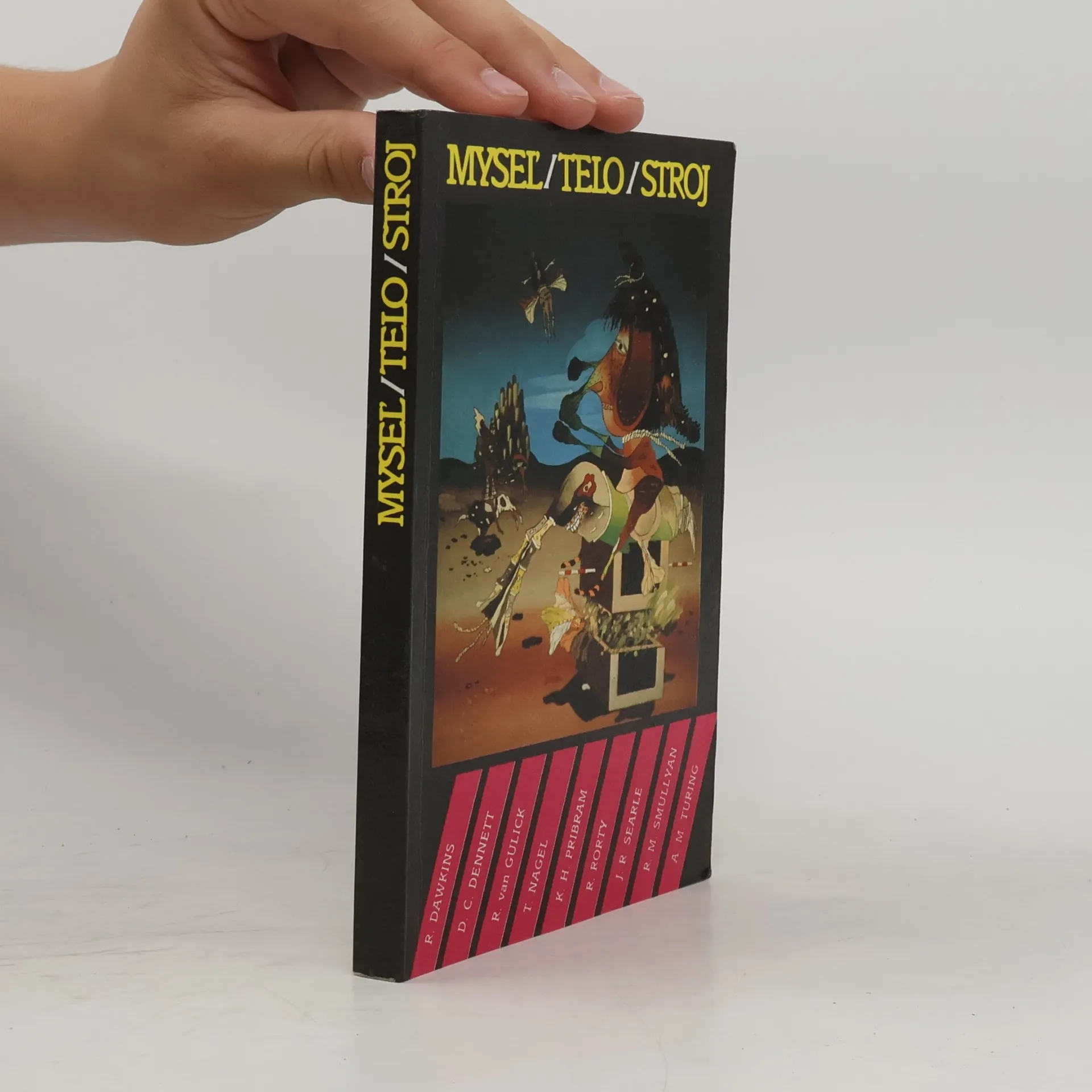
Počnúc Platónom si filozofi kladú otázku, čo je poznanie. Ako poznávame vonkajší svet pohybov, objektov a farieb? Ako poznávame vnútorný svet predstáv, vier a želaní? A ako tieto dva svety spolu súvisia? Človek poznáva mysľou, ale čo je myseľ? Ako možno zistiť, čo sa v nej deje? Aký je vzťah medzi mysľou a telom? Ako svet v nás súvisí so svetom okolo nás?
Kniha Myseľ, telo, stroj predstavuje deviatich filozofov a vedcov - R. Dawkinsa, D. C. Dennetta, R. Van Gulicka, T. Nagela, K. H. Pribrama, R. Rortyho, J. R. Searla, R. M. Smullyana a A. M. Turinga, ktorí významne ovplyvnili súčasné diskusie o týchto problémoch, zamestnávajúcich filozofov už viac ako dvetisíc rokov. Okrem filozofov zaujme aj odborníkov v súvisiacich vedných disciplínach ( biológii, logike, psychológii, umelej inteligencii) a každého, kto slobodne rozmýšľa o tom, akú predstavu si mi ľudia máme vytvoriť o sebe a svojom mieste v prírode.
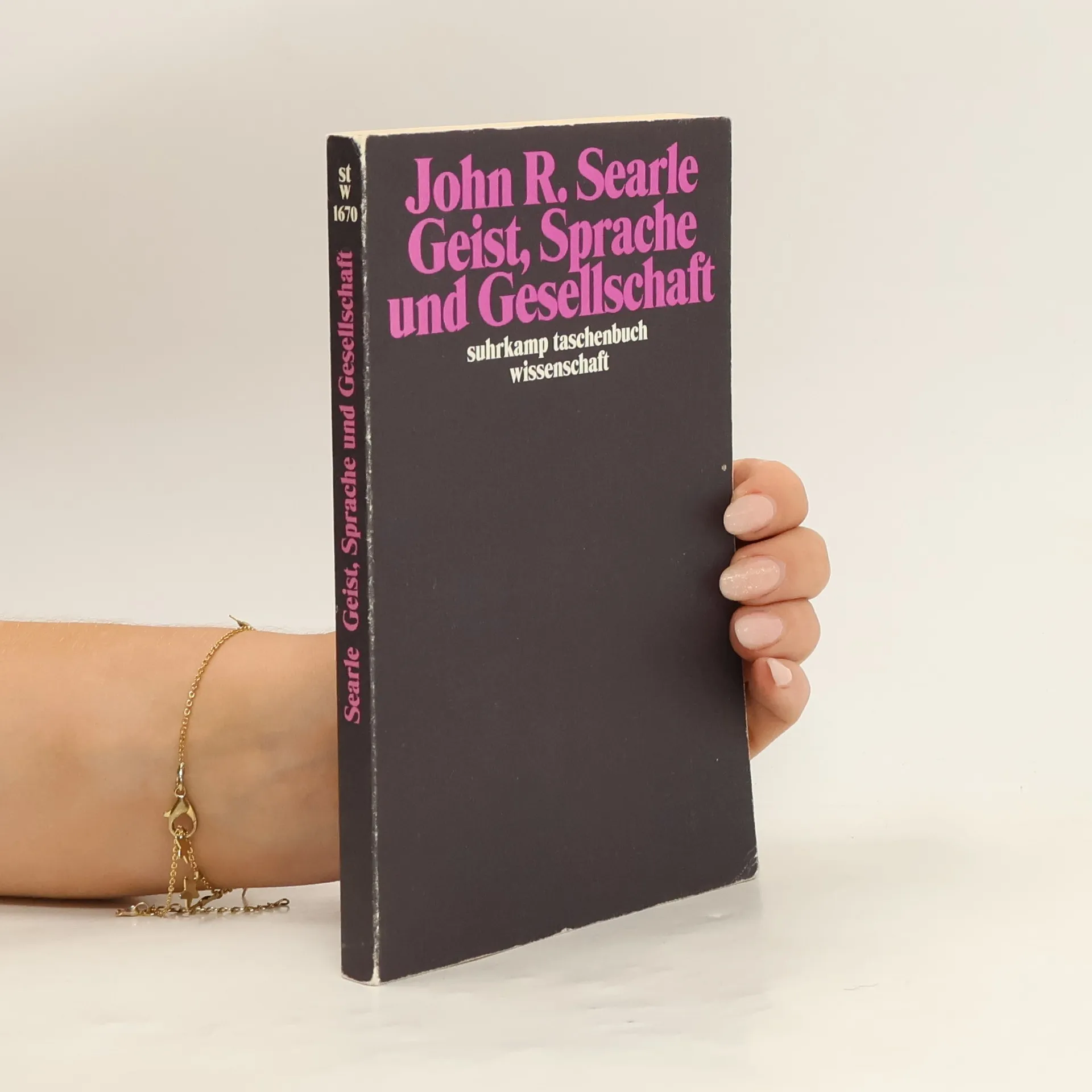
V tejto knihe sa filozof so špeciálne vymedzeným chápaním filozofie podujal preskúmať tzv. rámcové otázky prostredníctvom analýzy pojmov, analýzy jazyka. Presnejšie, podujal sa preskúmať štruktúru vzájomných vzťahov medzi mysľou, jazykom a spoločnosťou, teda vlastne štruktúrne väzby troch vzájomne prepojených rámcov, prostredníctvom analýzy vzťahov medzi základnými pojmami týchto rámcov.
"Provokujúca je aj Searlova úvaha o fungovaní spoločnosti. Sociálne fenomény plnia svoje funkcie preto, lebo veríme, že ich majú. Peniaze, obyčajný kus fyzikálne nezaujímavého papiera, majú svoju úlohu iba preto, lebo veríme, že to sú peniaze. Aj keby sme vytvorili rovnaký kus papiera, neboli by to peniaze, ale falzifikát."
Patnáctiletý Dominick se ničím neliší od ostatních dospívajících kluků – s kamarády si rád popovídá o autech, ale hlavně touží konečně objevit zapovězený svět erotiky a sexu. Zamiluje se do otcovy tajné milenky Edie. Když ale Dominickův otec zjistí, že Edie s ním čeká dítě, opustí ji. Dominick se rozhodne, že se o Edii a o svou nevlastní sestru postará sám...