When Michael Hofmann and James Lasdun's ground-breaking anthology After Ovid (also Faber) was published in 1995, Hughes's three contributions to the collective effort were nominated by most critics as outstanding.
Ted Hughes Books
August 17, 1930 – October 28, 1998
Edward James Hughes, known as Ted Hughes, was an English poet and children's writer. His most characteristic verse eschews sentimentality, emphasizing the cunning and savagery of animal life in stark, sometimes disjunctive lines. The dialect of his native Yorkshire set the tone for his poetry, and an interest in folklore and anthropology is reflected in his work. Hughes is celebrated for his unflinching engagement with the natural world and human existence, drawing on the raw forces of life.


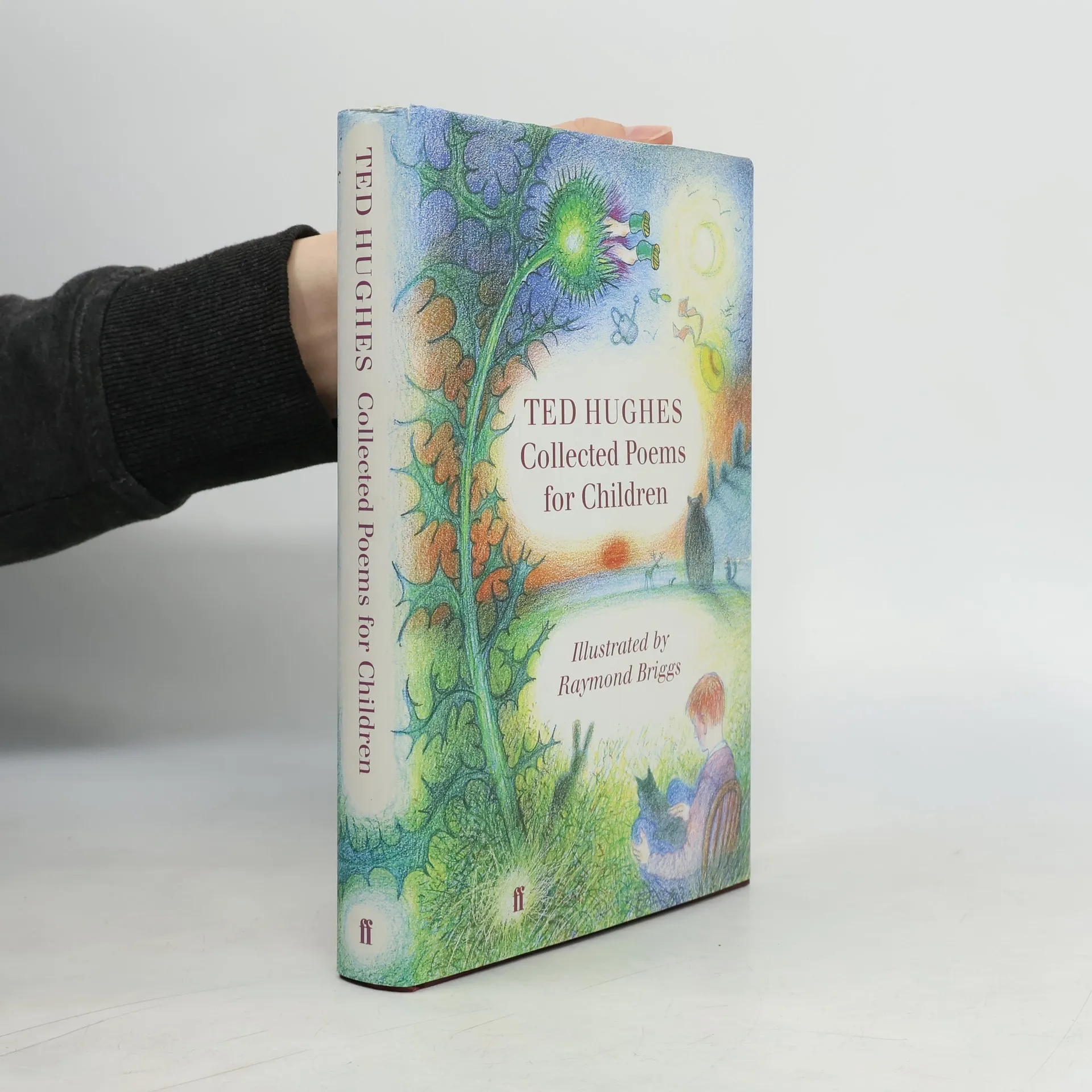

Collected Poems for Children
- 360 pages
- 13 hours of reading
Ted Hughes has created some of the most enchanting poetry for children in recent times. This collection brings together four decades of his children's poems, from "Meet My Folks!" (1961) to "The Mermaid's Purse," featuring two hundred original illustrations by Raymond Briggs. The edition is thoughtfully organized by reading age, starting with poems for younger readers and progressing to those for young adults. This anthology is a treasure for both children and adults, showcasing Hughes's unique ability to write prolifically for younger audiences. Beautifully illustrated throughout by the acclaimed Raymond Briggs, this collection is the first to arrange all of Hughes's children's poems according to age. It serves as an essential poetry anthology for children of all ages and makes a perfect gift. The poems explore whimsical themes, such as a frosty octopus in mittens and a grandmother with an underwater family, while also celebrating the wonders of nature and the imaginative lives of children. Hughes's work captures the essence of childhood, blending humor and depth, making it a delightful read for anyone who appreciates the magic of poetry.
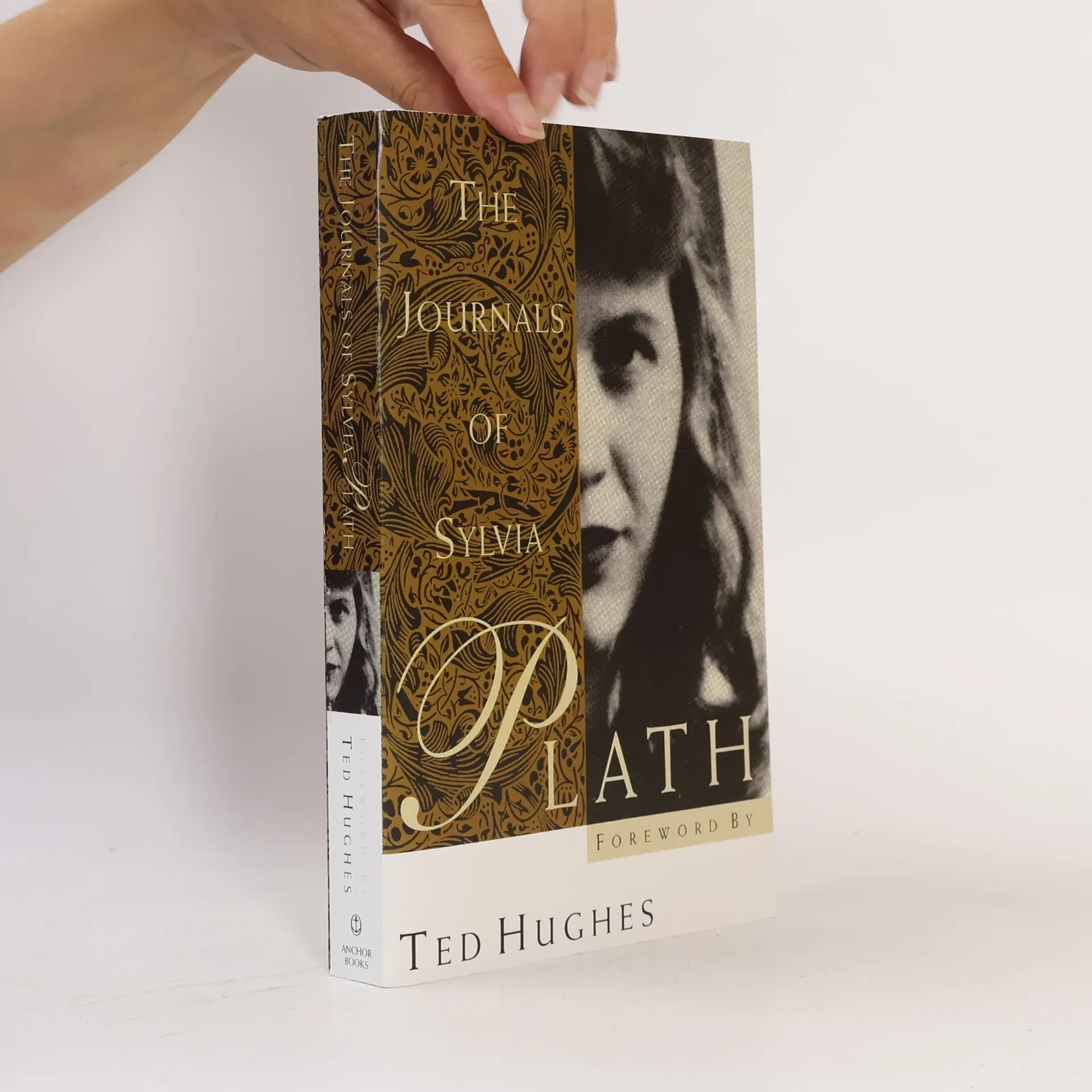
Sylvia Plath began keeping a diary as a young child. By the time she was at Smith College, when this book begins, she had settled into a nearly daily routine with her journal, which was also a sourcebook for her writing. Plath once called her journal her “Sargasso,” her repository of imagination, “a litany of dreams, directives, and imperatives,” and in fact these pages contain the germs of most of her work. Plath’s ambitions as a writer were urgent and ultimately all-consuming, requiring of her a heat, a fantastic chaos, even a violence that burned straight through her. The intensity of this struggle is rendered in her journal with an unsparing clarity, revealing both the frequent desperation of her situation and the bravery with which she faced down her demons. Written in electrifying prose, The Journals of Sylvia Plath provide unique insight, and are essential reading for all those who have been moved and fascinated by Plath’s life and work.
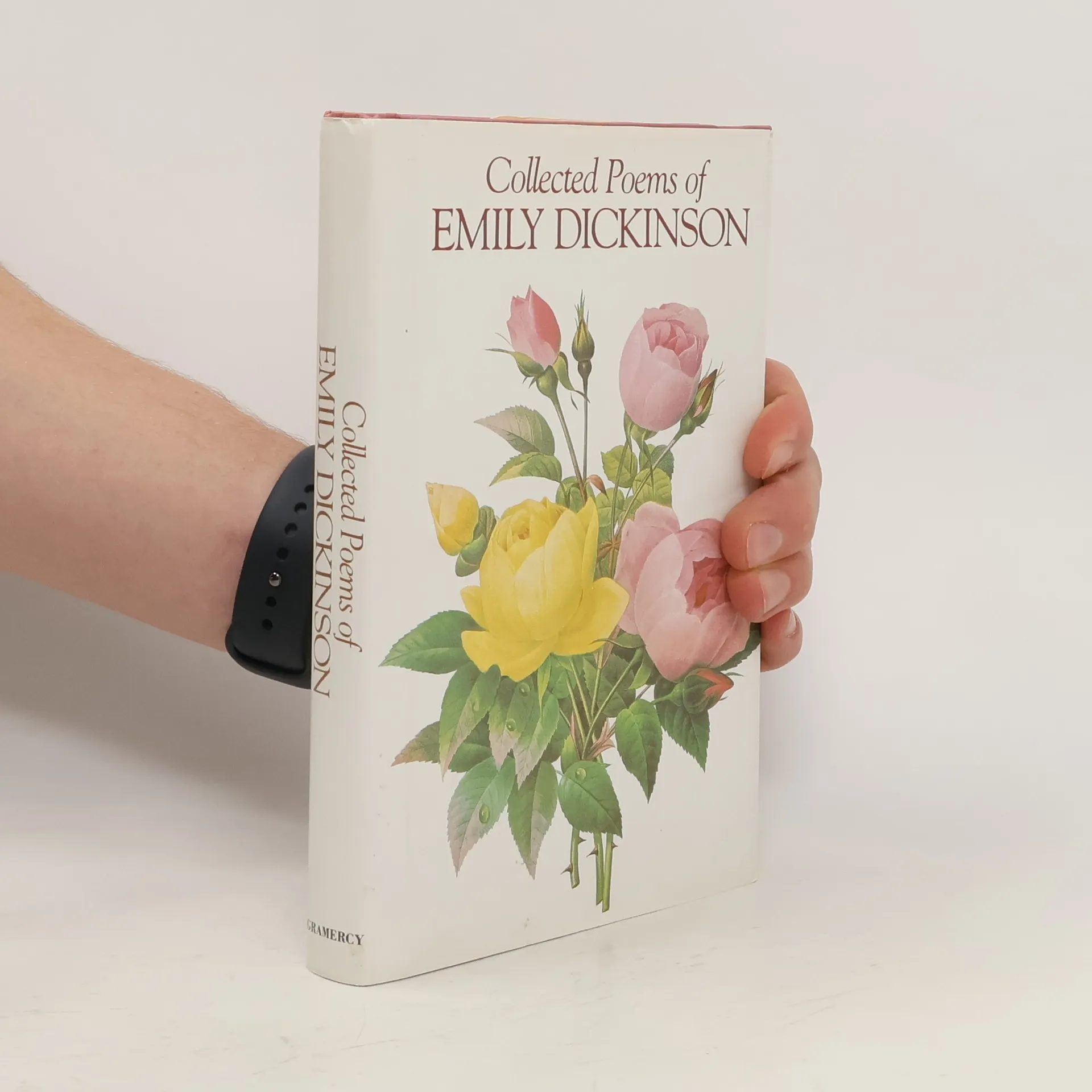
Collected Poems of Emily Dickinson
- 288 pages
- 11 hours of reading
Here are 450 poems from the private collection of America's most cherished poet, including many difficult to find elsewhere
What is the Truth?
- 128 pages
- 5 hours of reading
First published in 1984, this book of prose-linked animal poems won both the Guardian Children's Fiction Award and the Signal Poetry Award. This new, illustated edition remains 'a very beautiful book: God and his son go to visit mankind and ask a few simple questions . . . the poems are pure enchantment' (The School Librarian).
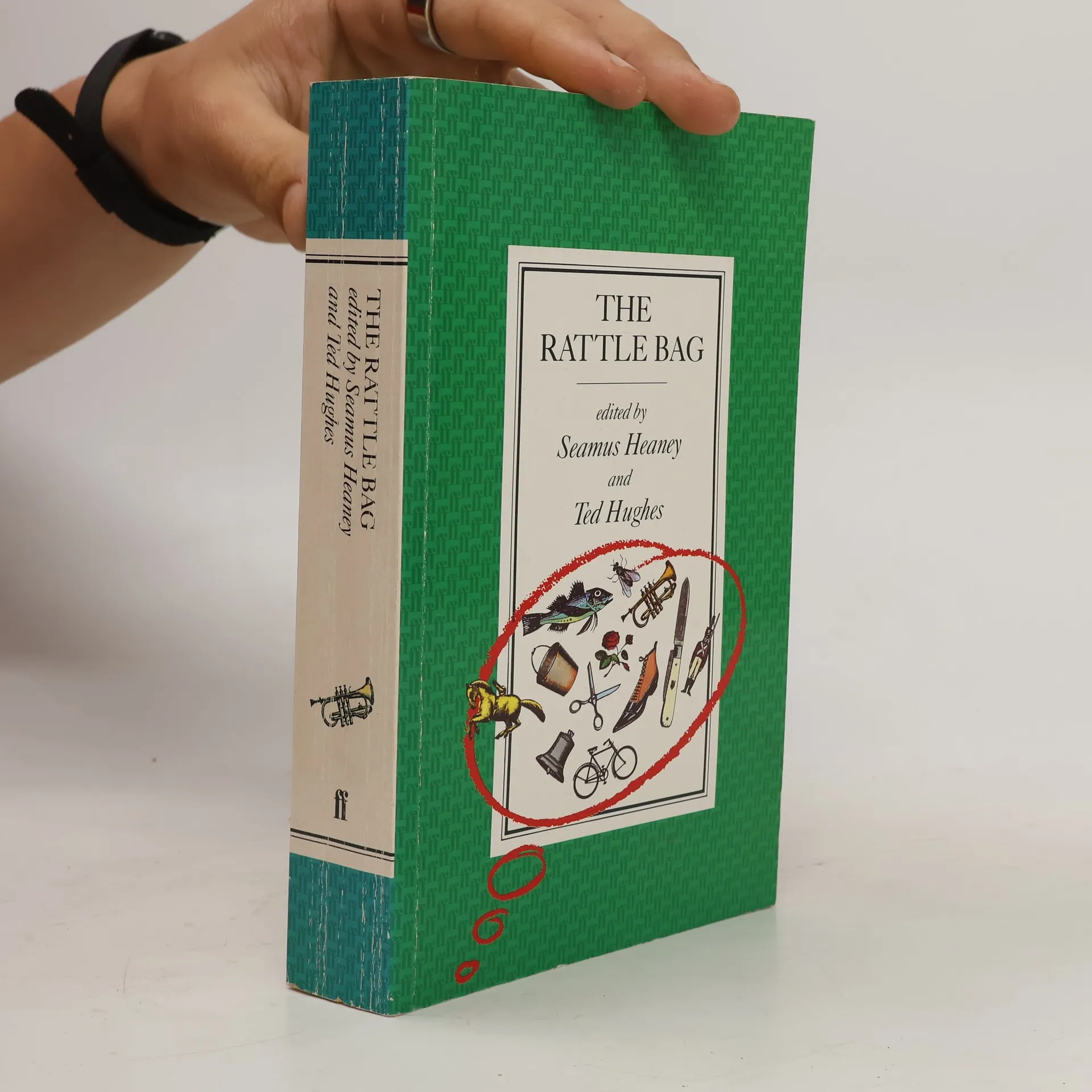
The Rattle Bag
- 498 pages
- 18 hours of reading
The Rattle Bag is an anthology of poetry (mostly in English but occasionally in translation) for general readers and students of all ages and backgrounds. These poems have been selected by the simple yet telling criteria that they are the personal favorites of the editors, themselves two of contemporary literature's leading poets.Moreover, Heaney and Hughes have elected to list their favorites not by theme or by author but simply by title (or by first line, when no title is given). As they explain in their "We hope that our decision to impose an arbitrary alphabetical order allows the contents [of this book] to discover themselves as we ourselves gradually discovered them--each poem full of its singular appeal, transmitting its own signals, taking its chances in a big, voluble world."With undisputed masterpieces and rare discoveries, with both classics and surprises galore, The Rattle Bag includes the work of such key poets as William Shakespeare, Walt Whitman, Emily Dickinson, Lewis Carroll, Dylan Thomas, Wallace Stevens, Elizabeth Bishop, and Sylvia Plath among its hundreds of poems. A helpful Glossary as well as an Index of Poets and Works are offered at the conclusion of this hefty, unorthodox, diverse, inspired, and inspiring collection of poetry.
Collected Poems
- 1376 pages
- 49 hours of reading
This book gathers all of Ted Hughes's work, from his earliest poems (published only in journals) through the ground-breaking volumes Crow (1970), Gaudete(1977), and Tales from Ovid (1997). It includes poems Hughes composed for fine-press printers, poems he wrote as England's Poet Laureate, and those children's poems that he meant for adults as well
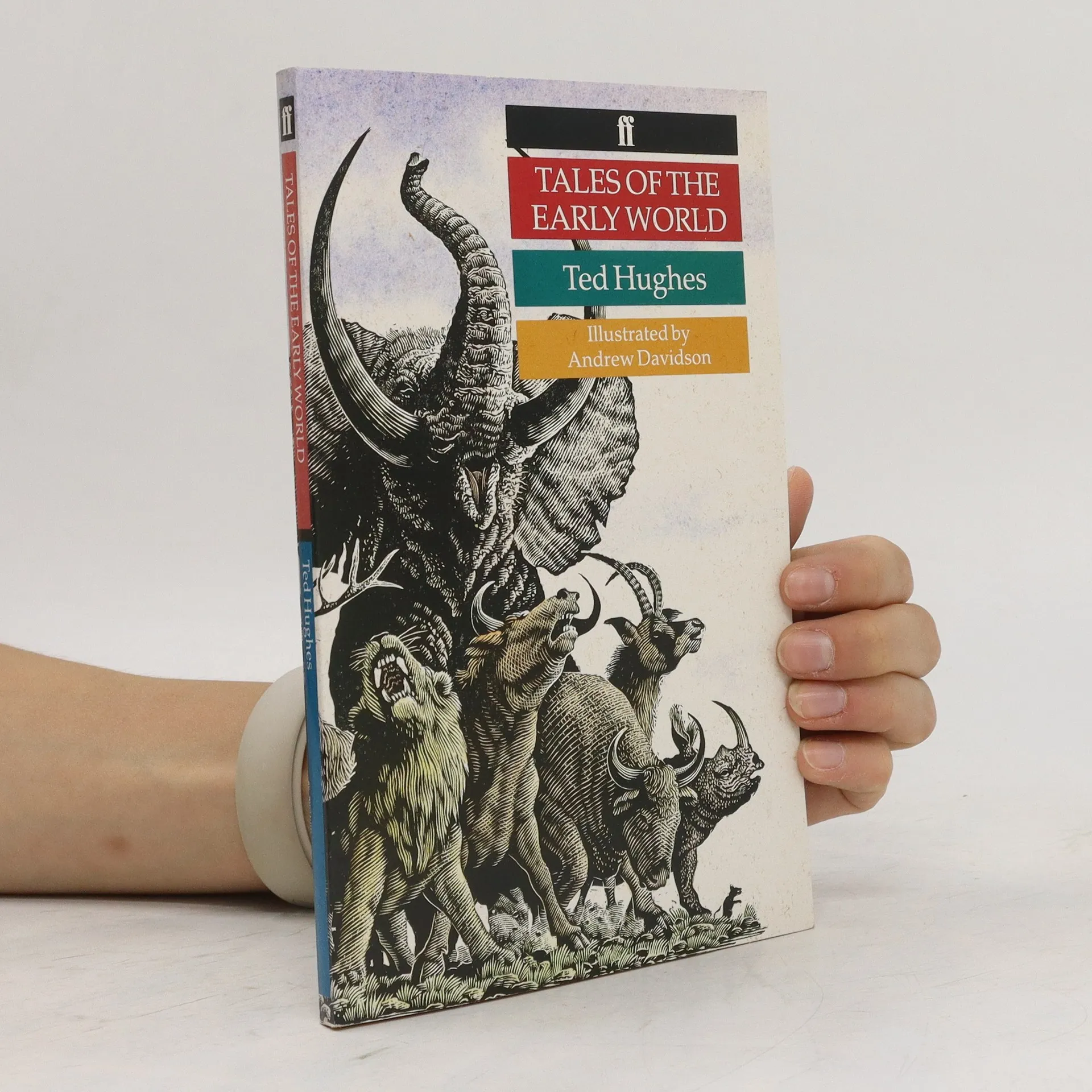
Tales of the Early World
- 128 pages
- 5 hours of reading
In this collection of tales from the Poet Laureate, Ted Hughes, God appears as an artist who is sometimes surprised by his creatures. He puts an awful lot of care into fashioning the birds, whereas he simply pulls Newt out of the ground. The author's other books for children include The Iron Man.
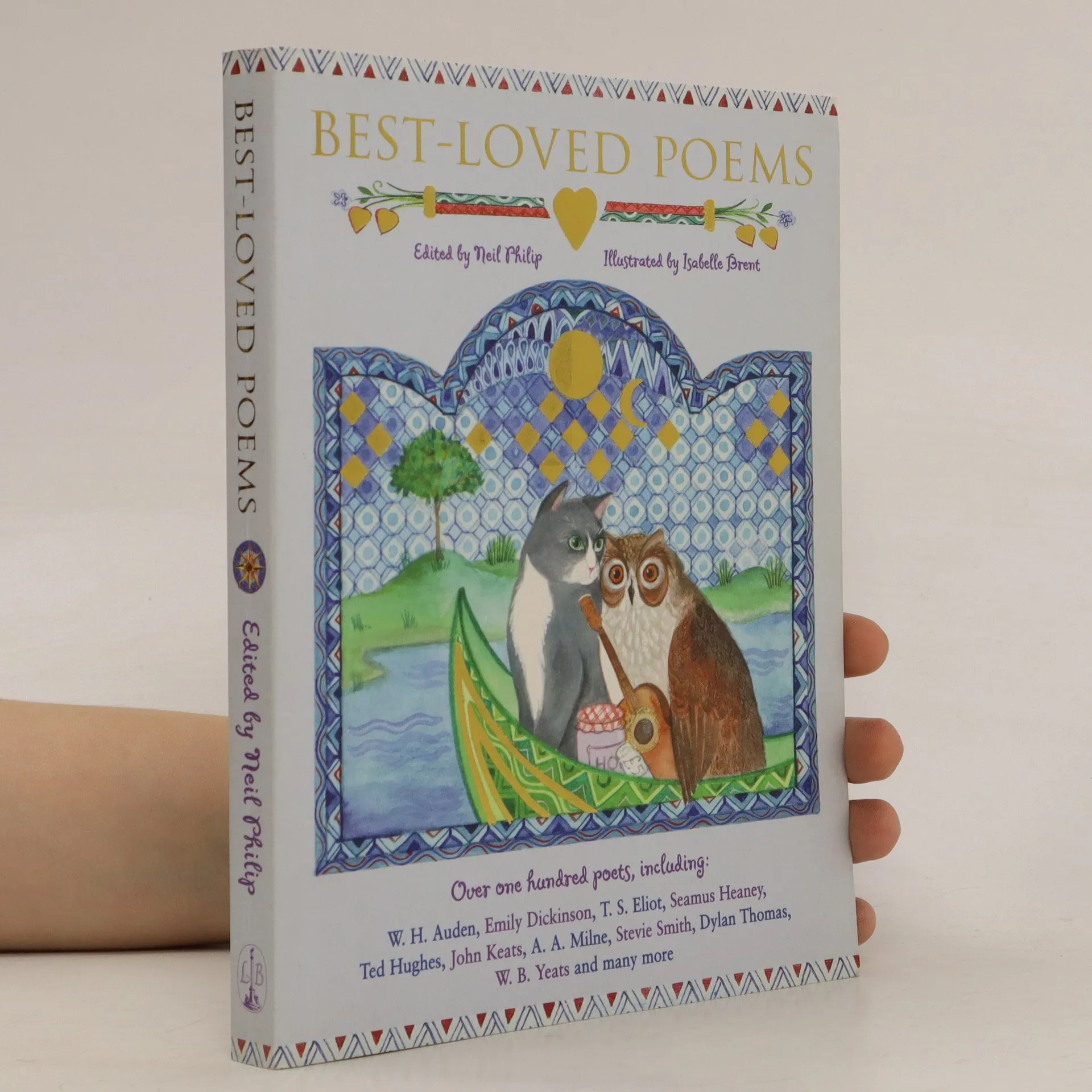
Best-loved poems
- 224 pages
- 8 hours of reading
This highly accessible collection gathers together the best-loved gems of English language verse, from the deeply moving to the hilariously silly. The poems span the entire range of verse from high drama to stuff-and-nonsense and are presented in nine sections: Poems of Childhood and Youth; Poems of Love and Marriage; Poems of Life; Poems of Loss and Comfort; Poems of War and Peace; Poems to Read Aloud; Poems to Read Quietly; Poems of Animals and Nature and Poems of Magic and Mystery. The anthology includes works by William Blake, Dylan Thomas, Seamus Heaney, Robert Burns, T S Eliot, Rudyard Kipling, W B Yeats and many, many more. The poems have all been chosen and arranged by Neil Philip and the volume is illustrated throughout with watercolour borders and decorative motifs by Isabelle Brent, glowing with her trademark gold leaf.
The Thought Fox
- 80 pages
- 3 hours of reading
All the richness of the wild is seen through the poet's eye. Here are poems from Hawk in the Rain, Wodwo, Wolfwatching, Lupercal and River as well as from Adam and the Sacred Nine, their juxtaposition highlighting the variety of the natural world and of Hughes's poetry about it.
Shakespeare and the Goddess of Complete Being
- 560 pages
- 20 hours of reading
This enthralling tour de force of literary criticism, unprecedented in Shakespeare studies for its scope and daring, is nothing less than an attempt to show the Complete Works - dramatic and poetic - as a single, tightly integrated, evolving organism.
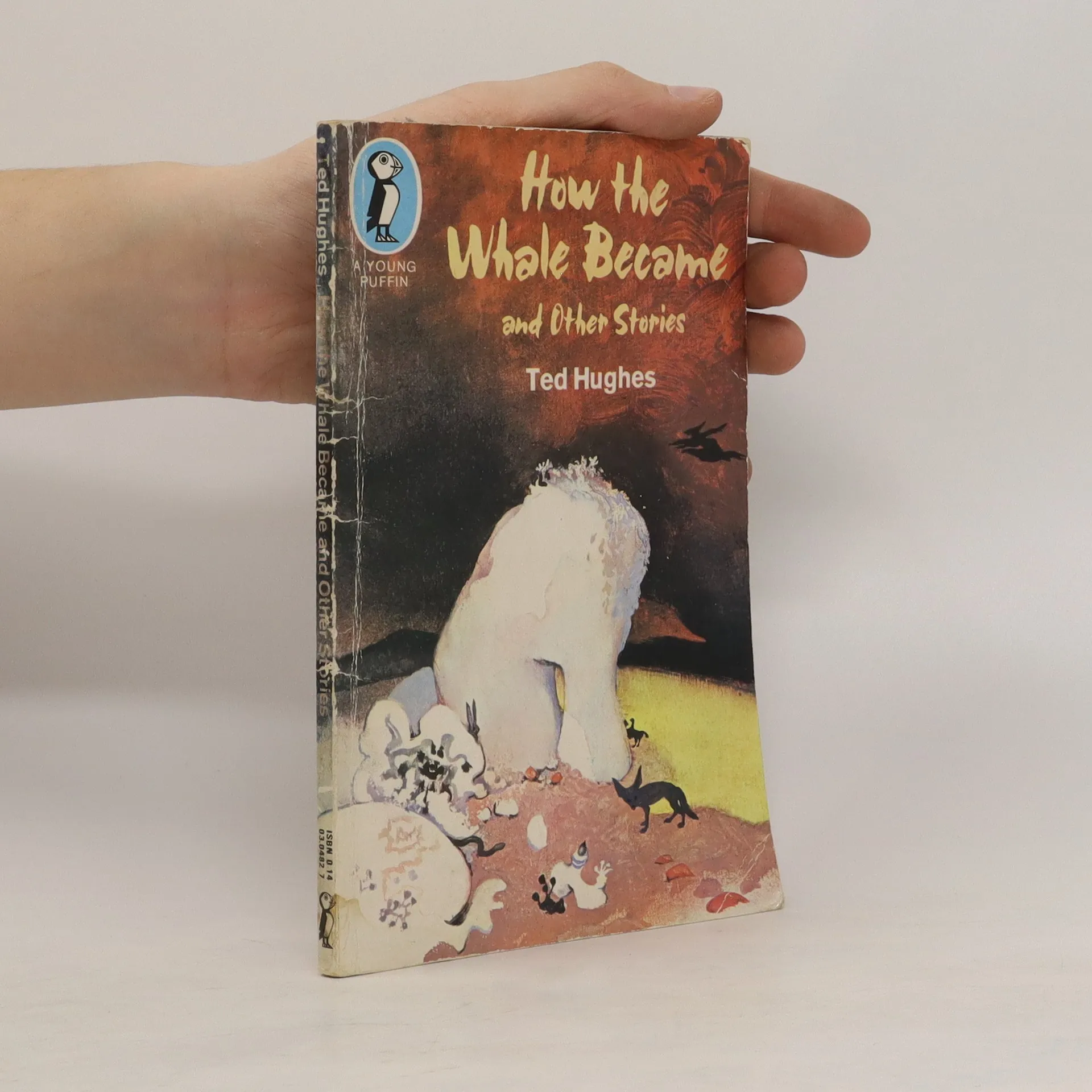
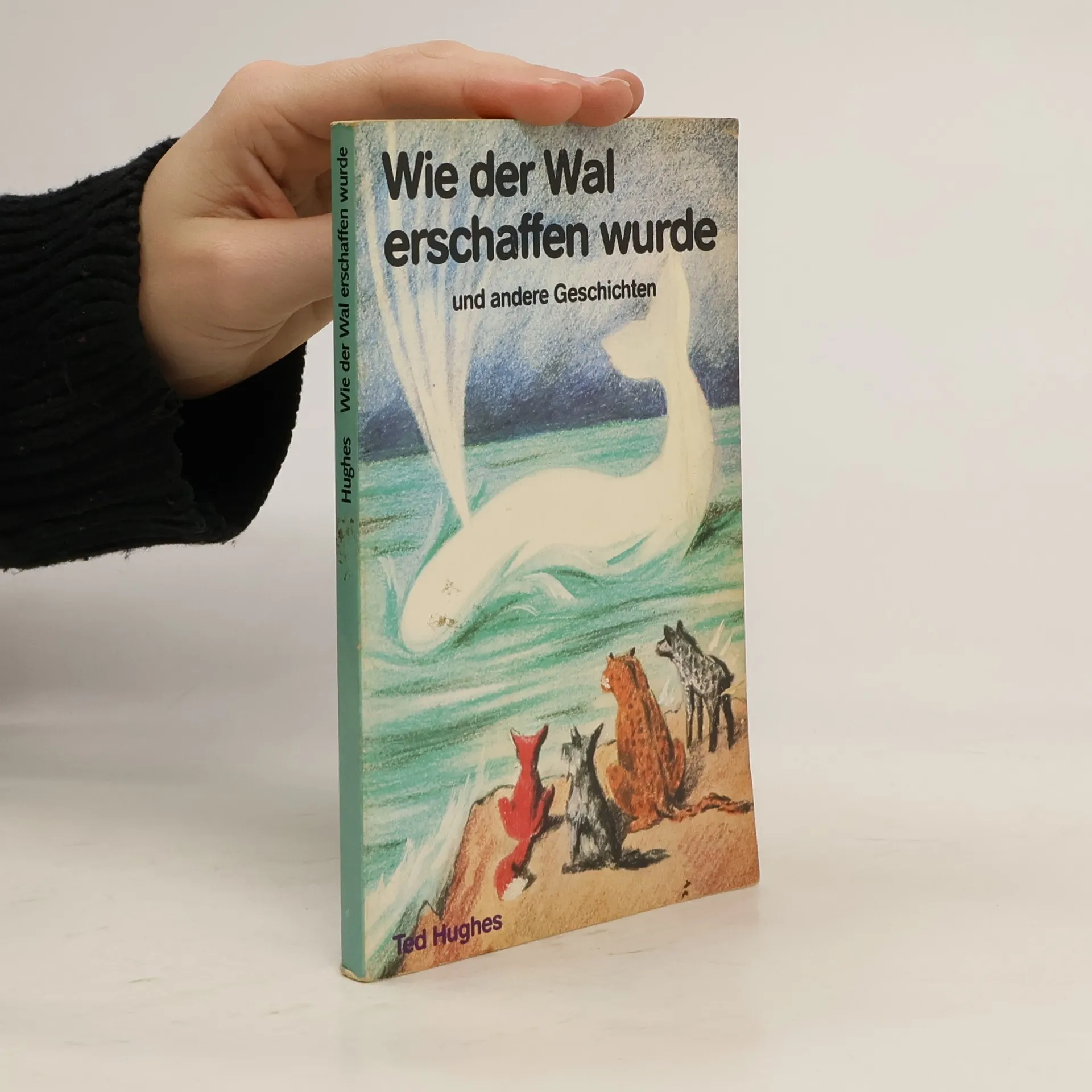
Long ago all the earth's creatures became what they are today by virtue of choice, default or any number of reasons. These stories tell how the owl, whale, fox, polar bear, hyena and other animals achieved their present forms
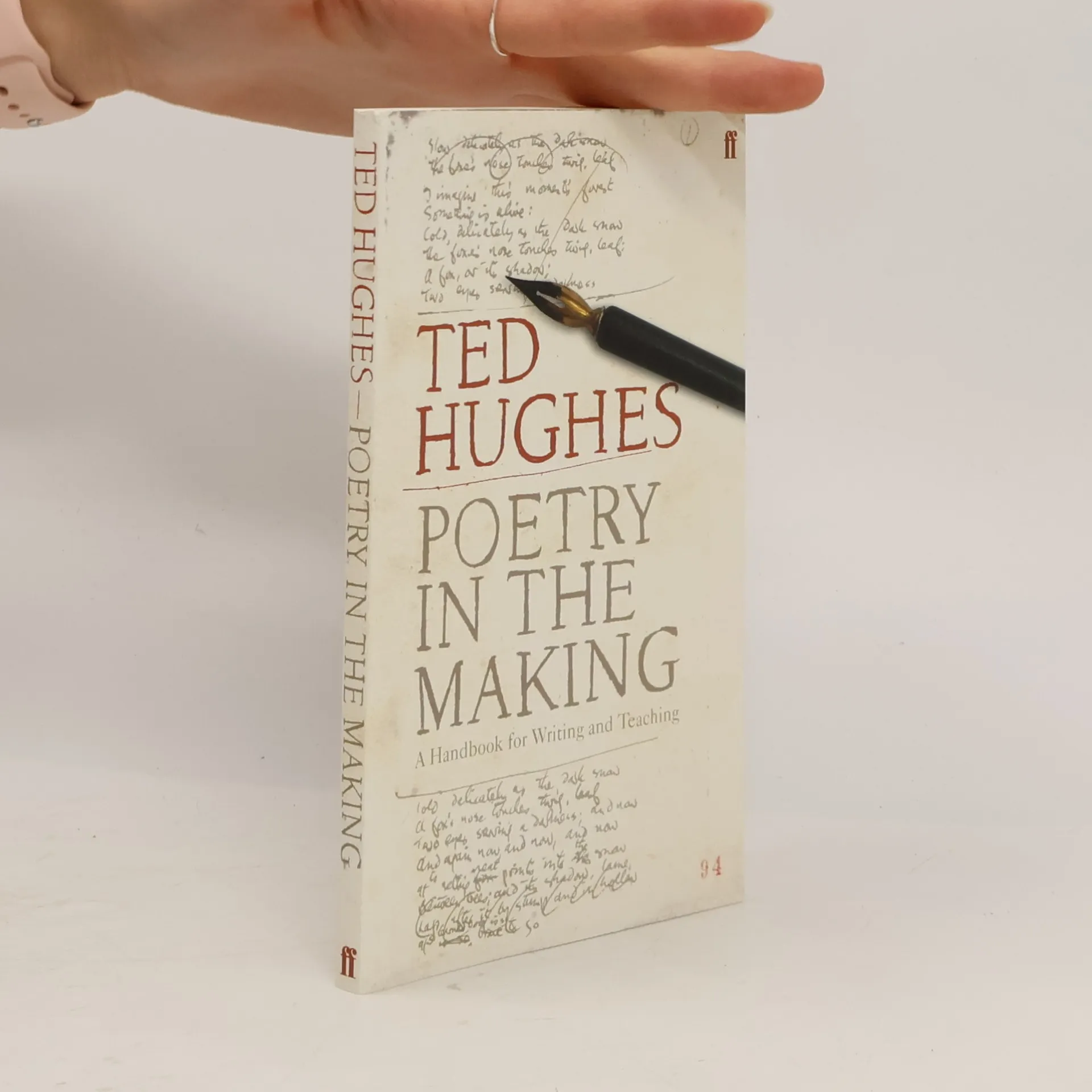
"In a series of chapters built round poems by a number of writers including himself . . . [Ted Hughes] explores, colourfully and intensively, themes such as 'Capturing Animals', 'Wind and Weather' and 'Writing about People'. The purpose throughout is to lead on, via a discussion of the poems (which he does with riveting skill) to some direct encouragement to the children to think and write for themselves. He makes the whole venture seem enjoyable, and somehow urgent . . . ' Times Literary Supplement
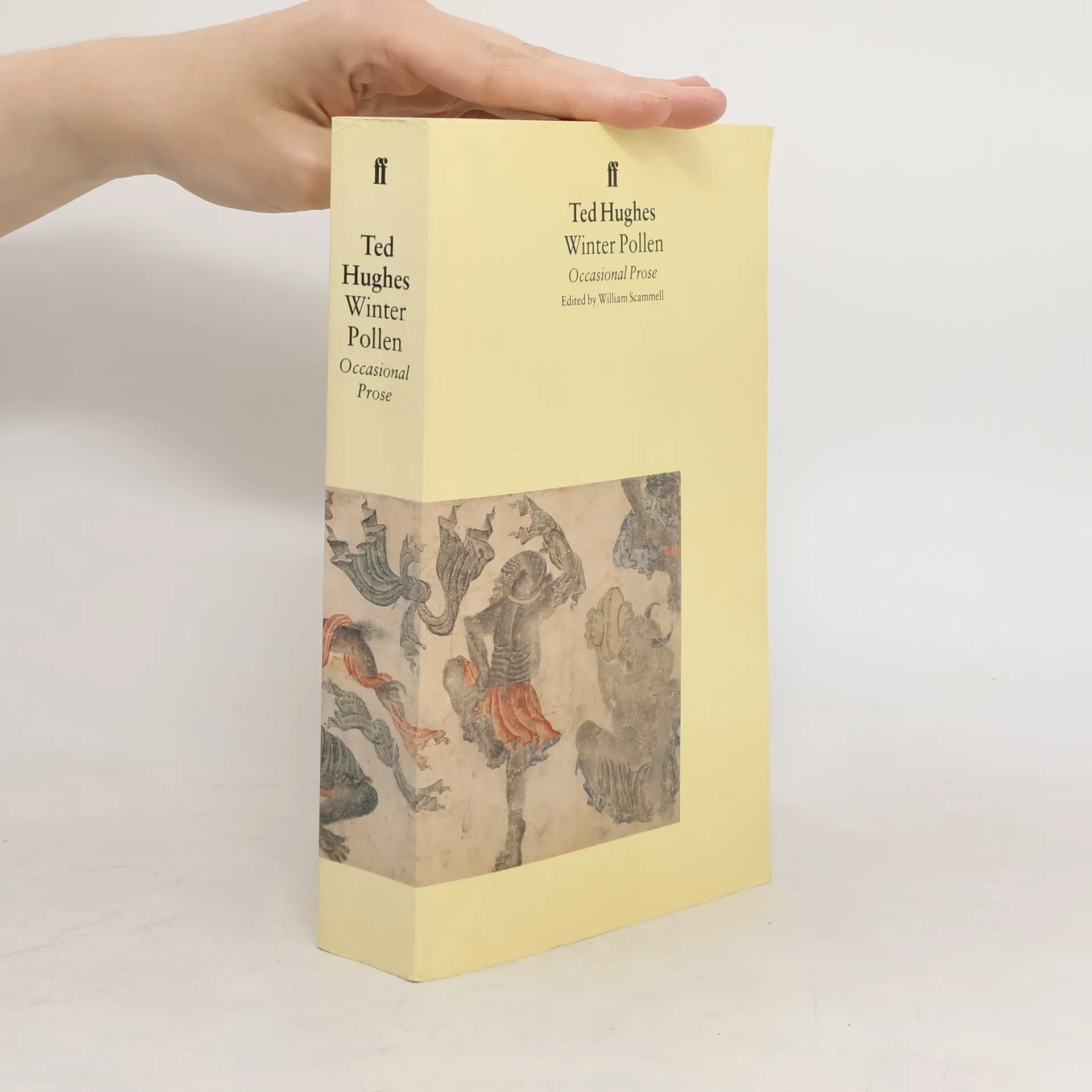
Winter Pollen
- 336 pages
- 12 hours of reading
A collection of prose pieces by the Poet Laureate, on literary matters and on writers as diverse as Emily Dickinson, Isaac Bashevis Singer, Walter de la Mare, T.S. Eliot, Wilfred Owen and Sylvia Plath. Hughes also expresses concerns about education, the environment, and the arts in general.
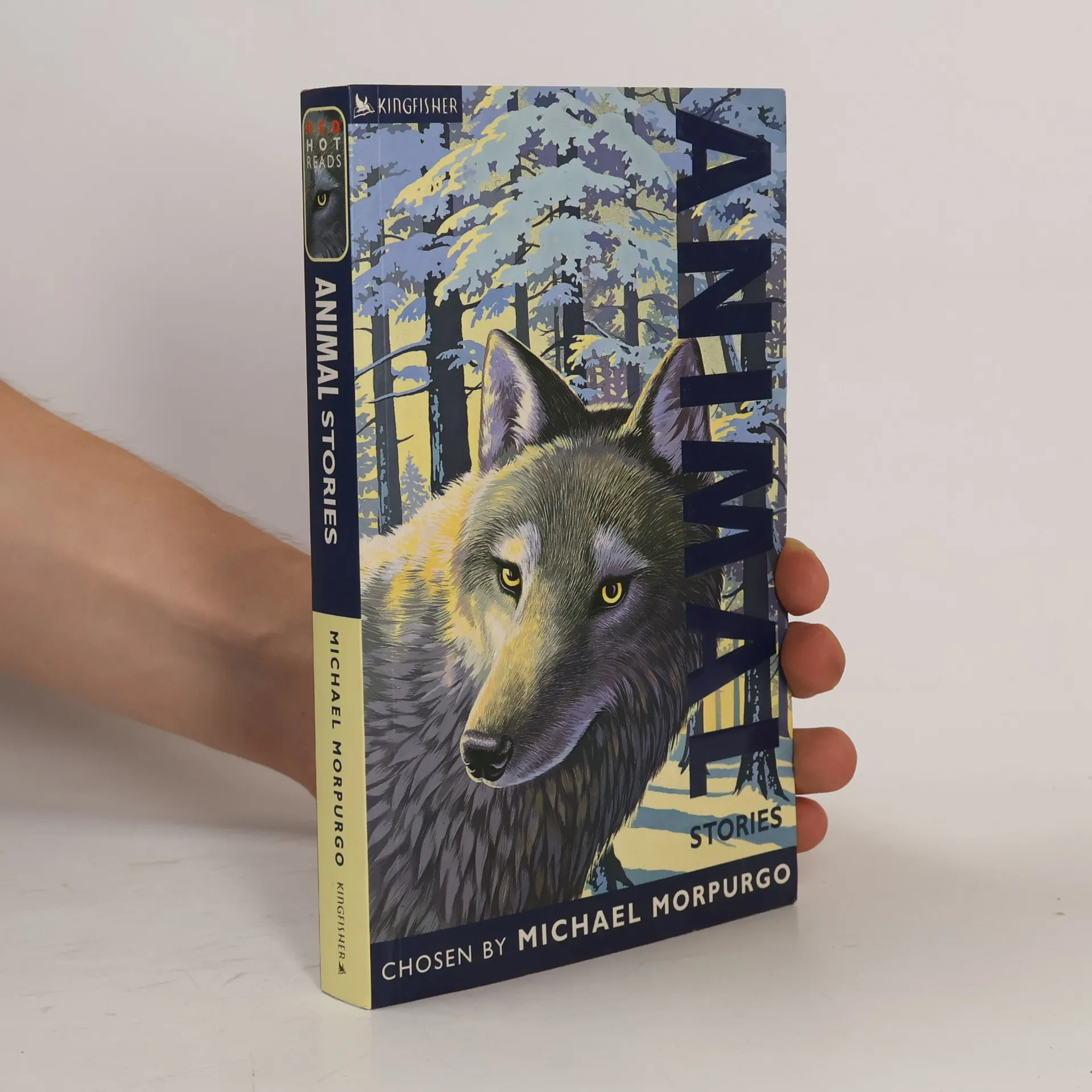
Red Hot Reads: Animal Stories
- 222 pages
- 8 hours of reading
This is the perfect book for any wildlife enthusiast: a unique selection of over twenty stories and extracts about the animal kingdom, from the very finest writers of the genre. This carefully selected collection features writers as diverse as Rudyard Kipling, John Steinbeck, Charles Darwin, Ted Hughes, Ernest Hemingway, Dick King-Smith and Michael Morpurgo himself. Illustrated throughout with detailed etchings, this is a fantastic introduction to many great writers and a great present for any animal-loving child.
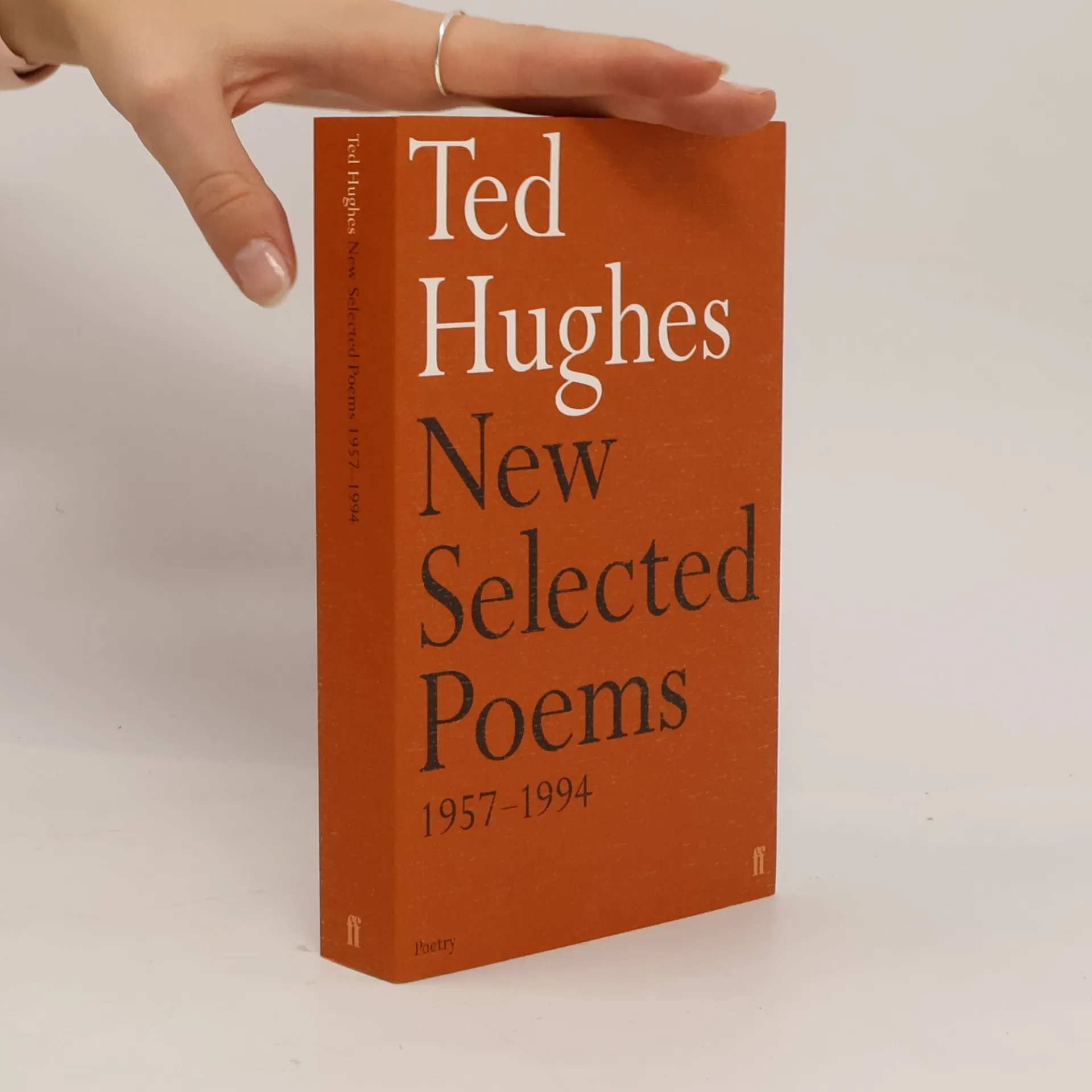
New and Selected Poems
- 332 pages
- 12 hours of reading
This volume replaced Ted Hughes's Selected Poems 1957-1981. It contains a larger selection from the same period, to which are added poems from more recent books, uncollected poems from each decade of Ted Hughes's writing life, and some new work.
Paperback signed by the author, in very good condition. Creasing along the spine and spinesides, front cover, and cover edges are slightly rubbed. Page block and page edges are tanned. Pages are otherwise clear and binding is sound. LW
My Own Book of Animal Stories
- 176 pages
- 7 hours of reading
This delightful collection of stories involves understanding those qualities needed to tackle the nasty character and difficult obstacles in life - both young and old, be this in the jungle or farmyard, town or country. Many of these stories are particulary relevant to our own lives, and prove that smart-thinking and kindness to fellow living creatures are more important than muscle or power.Traditional stories appear beside modern ones, illustrating the fact that nature hasn't changed over the years; in the end good must prevail, however difficult it may seem. The many colorful illustrations that accompany the text to these enduring stories will ensure a special place in any child's collection. It is a book to be cherished along with childhood memories.
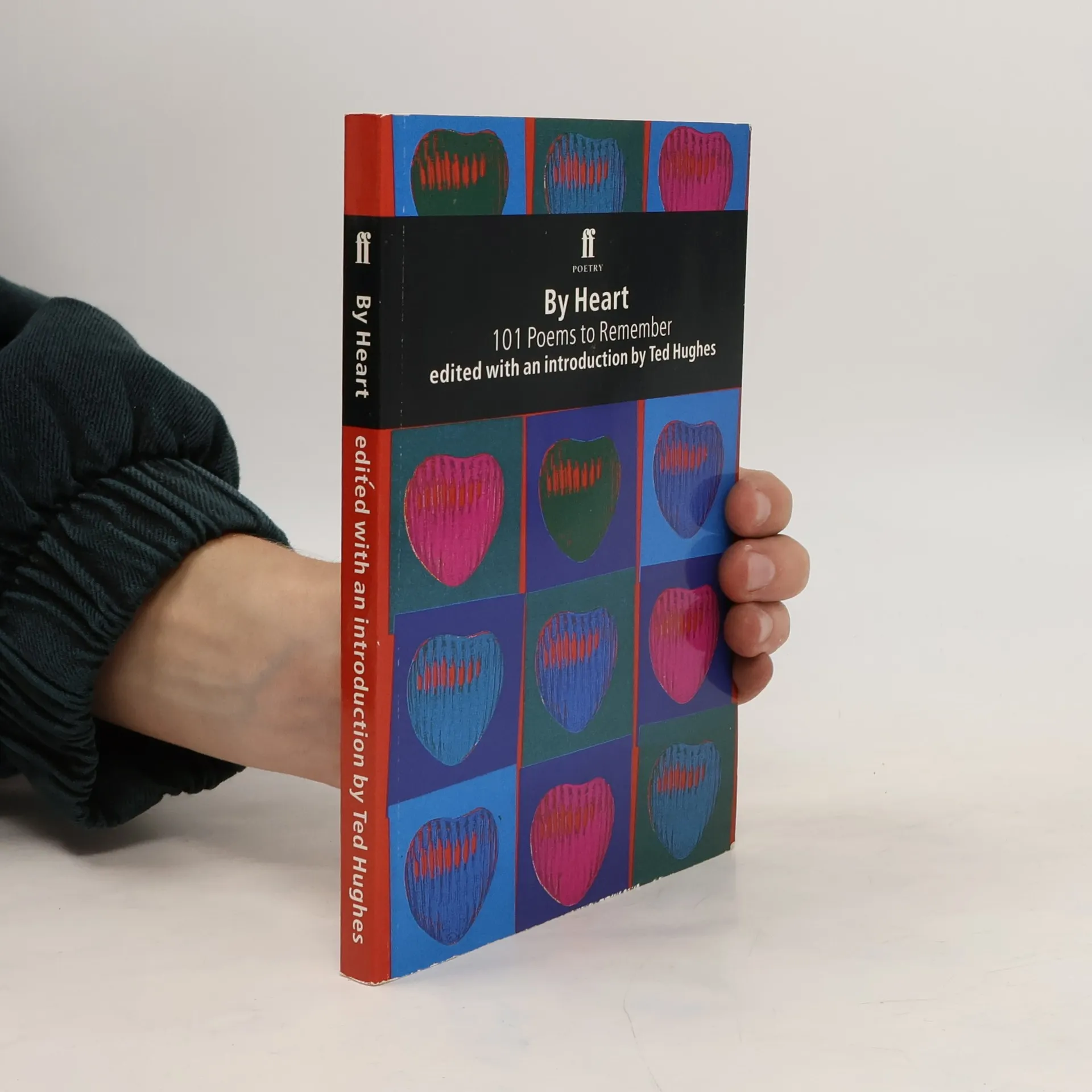
What has happened to the lost art of memorising poems? Why do we no longer feel that it is necessary to know the most enduring, beautiful poems in the English language 'by heart'? In his introduction Ted Hughes explains how we can overcome the problem by using a memory system that becomes easier the more frequently it is practised. The collected 101 poems are both personal favourites and particularly well-suited to the method Hughes demonstrates. Spanning four centuries, ranging from Shakespeare and Keats through to Thomas Hardy and Seamus Heaney, By Heart offers the reader a 'mental gymnasium' in which the memory can be exercised and trained in the most pleasurable way. Some poems will be more of a challenge than others, but all will be treasured once they have become part of the memory bank. This edition is part of a series of anthologies edited by poets such as Don Paterson and Simon Armitage and features an attractive new design to complement an anthology of classic poems.
The School Bag
- 560 pages
- 20 hours of reading
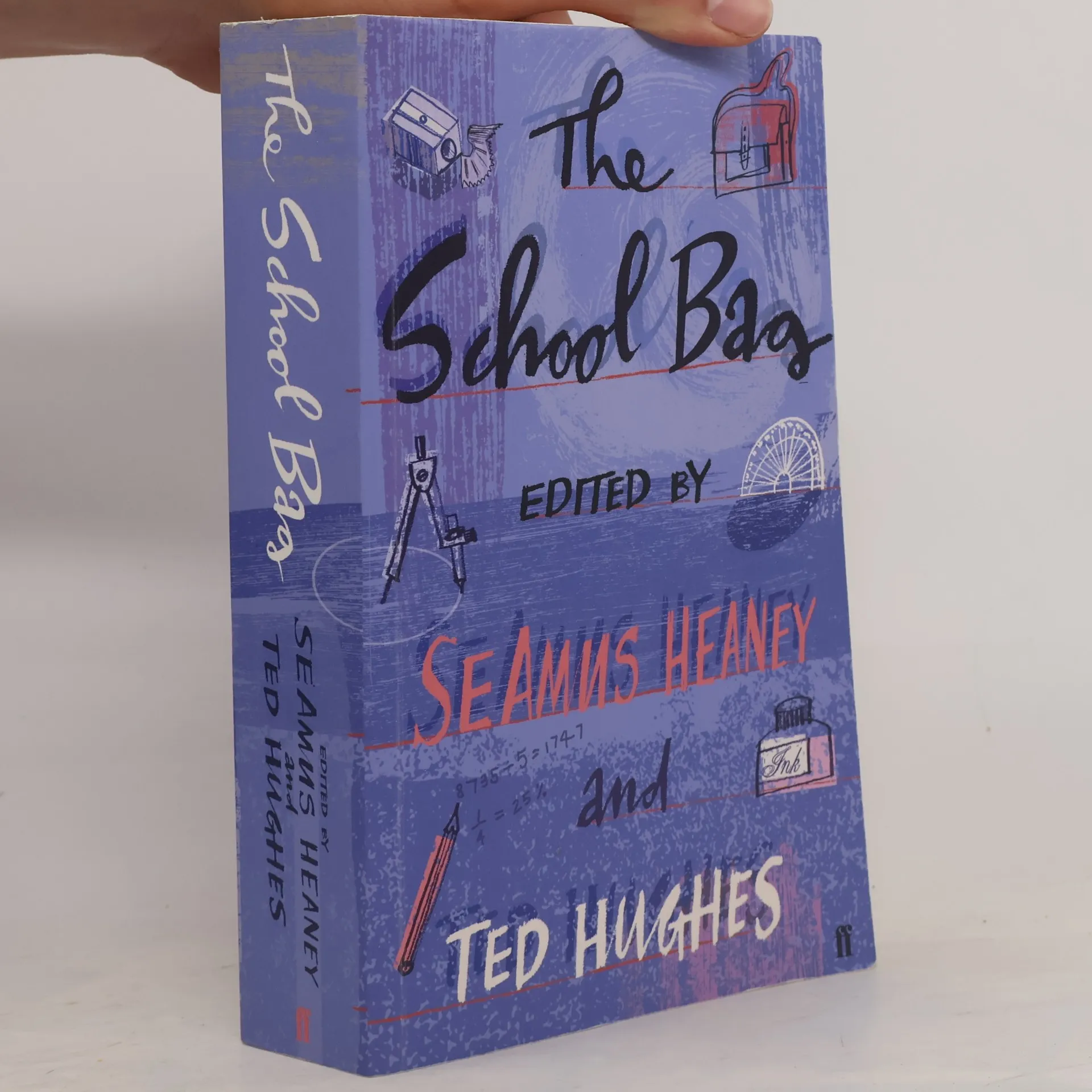
A companion to The Rattle Bag, The School Bag is an engaging and authoritative selection for the classroom. Seamus Heaney and Ted Hughes have chosen an eclectic range of poets read in today's schools, but also those poems that the editors themselves read at school, or those from which they learned the most.
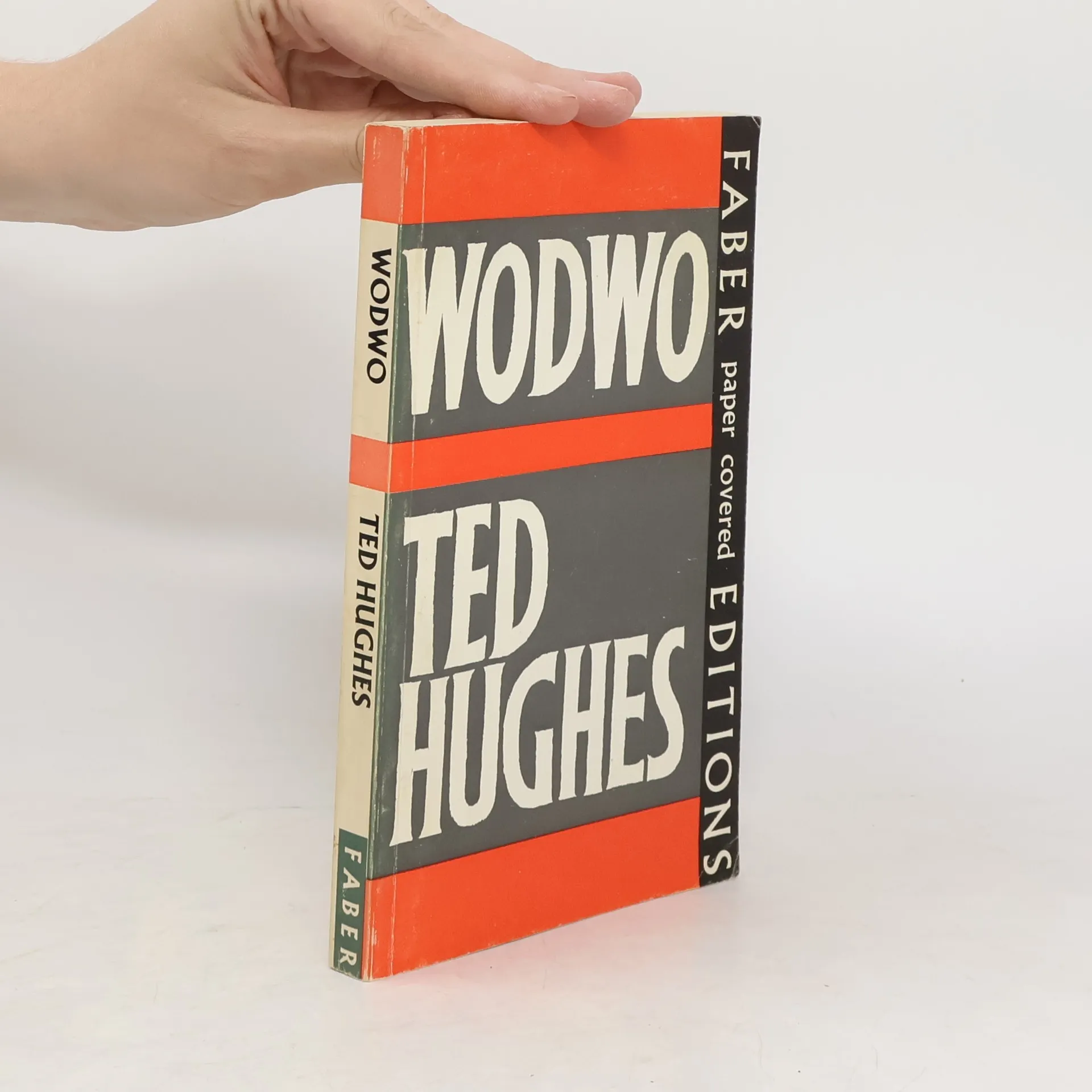
'... the best English poet of his generation. Forty poems, five stories (including that extraordinary celebration of panic The Rain Horse), and a play. In them move the ghostly shapes of beasts, predators and prey, the Norsemen, and the damaged Tommies, and all the figures of that mythology through which Ted Hughes communicates his disturbing vision of England and its history.' The Guardian'. . . he is the most powerful and original poet now writing in this country.' A. Alvarez in The Observer'. . . quite the best book by an English poet since Philip Larkin's The Whitsun Wed-dings . . . the passion and exactness with which he looks at skylarks, stones, hare-bells, gnats, ferns and thistles, and makes them his own in an entirely fresh way, is extremely intense and thrilling.' Derwent May in The Times
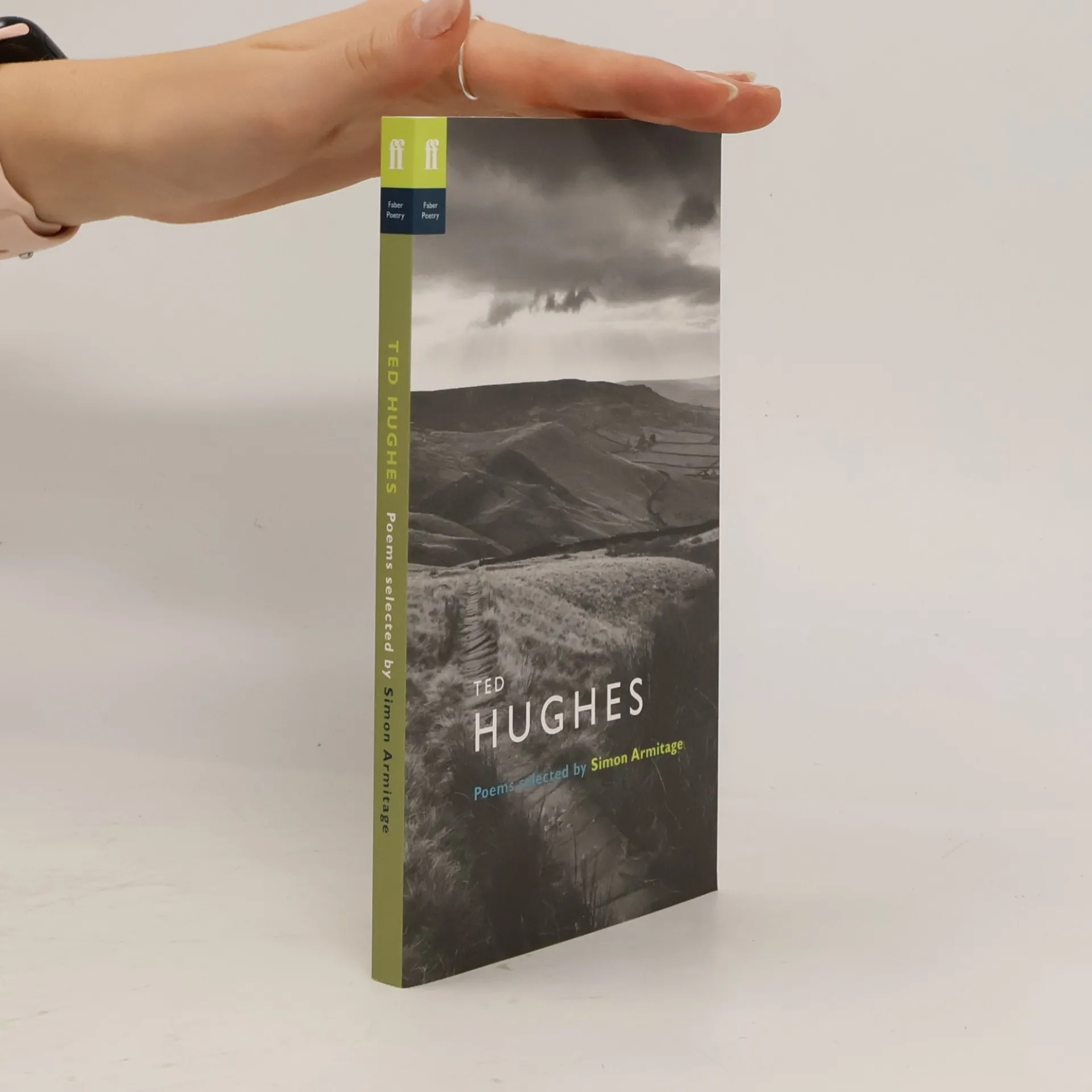
In this series, a contemporary poet selects and introduces a poet of the past. By their choice of poems and by the personal and critical reactions they express in their prefaces, the editors offer insights into their own work as well as providing an accessible and passionate introduction to some of the greatest poets in our literature.Ted Hughes (1930-98) was born in Yorkshire. His first book, The Hawk in the Rain, was published in 1957. His last collection, Birthday Letters, was published in 1998 and won the Whitbread Book of the Year, the Forward Prize and the T. S. Eliot Prize. He was appointed Poet Laureate in 1984 and appointed to the Order of Merit in 1998.
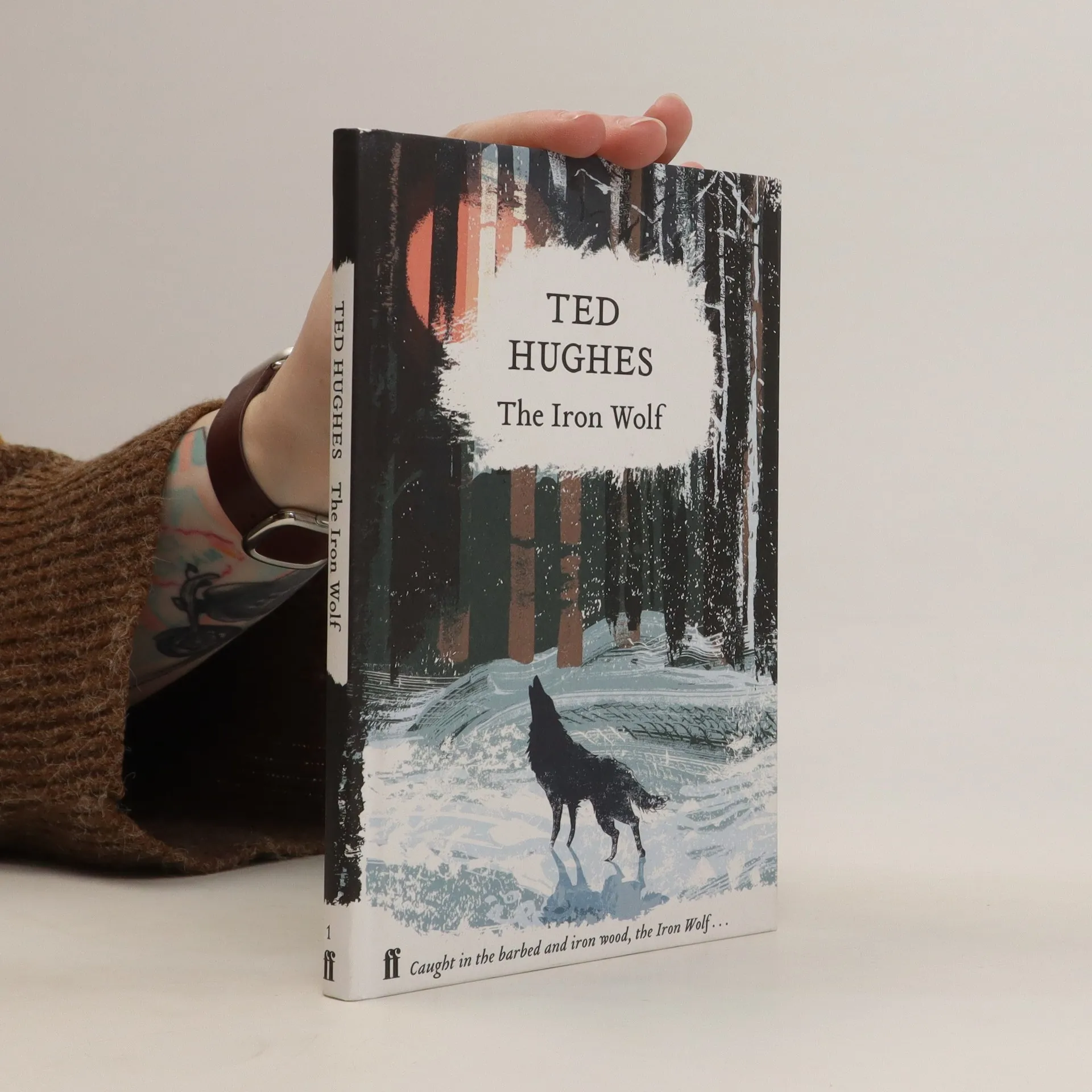
The Iron Wolf
- 112 pages
- 4 hours of reading
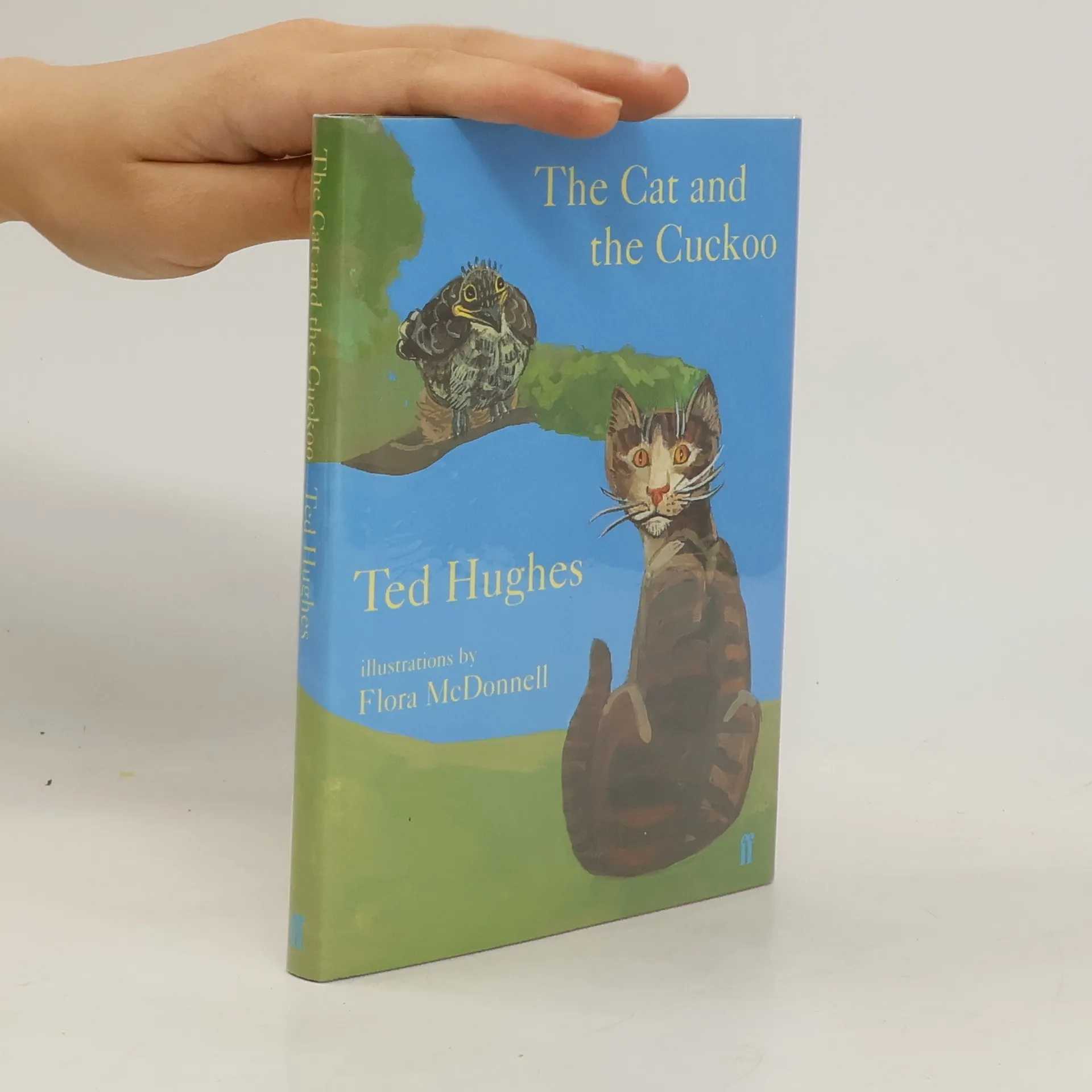
Animals of air, land and sea are brilliantly imagined in this perfect introduction for young readers to the work of Ted Hughes. Previously unpublished poems appear with selections from Under the North Star and The Cat and the Cuckoo. Part of Hughes's Collected Animal Poems, The Iron Wolf is for the youngest readers, both to listen to and explore themselves. Chris Riddell's delightful line illustrations add to the journey of discovery.
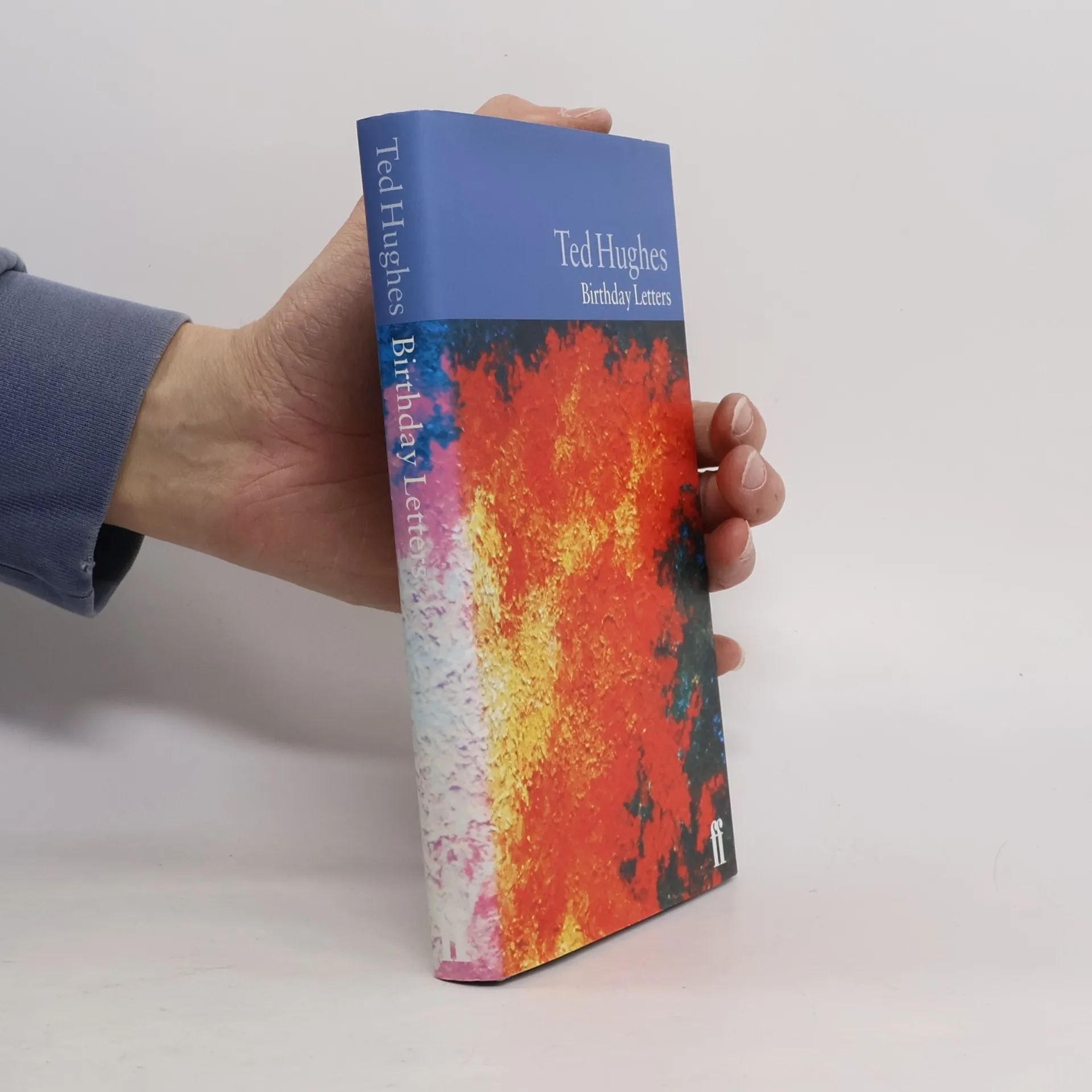
Ted Hughes's Birthday Letters are addressed, with just two exceptions, to Sylvia Plath, the American poet to whom he was married. They were written over a period of more than twenty-five years, the first a few years after her suicide in 1963, and represent Ted Hughes's only account of his relationship with Plath and of the psychological drama that led both to the writing of her greatest poems and to her death. The book became an instant bestseller on its publication in 1998 and won the Forward Prize for Poetry in the same year.
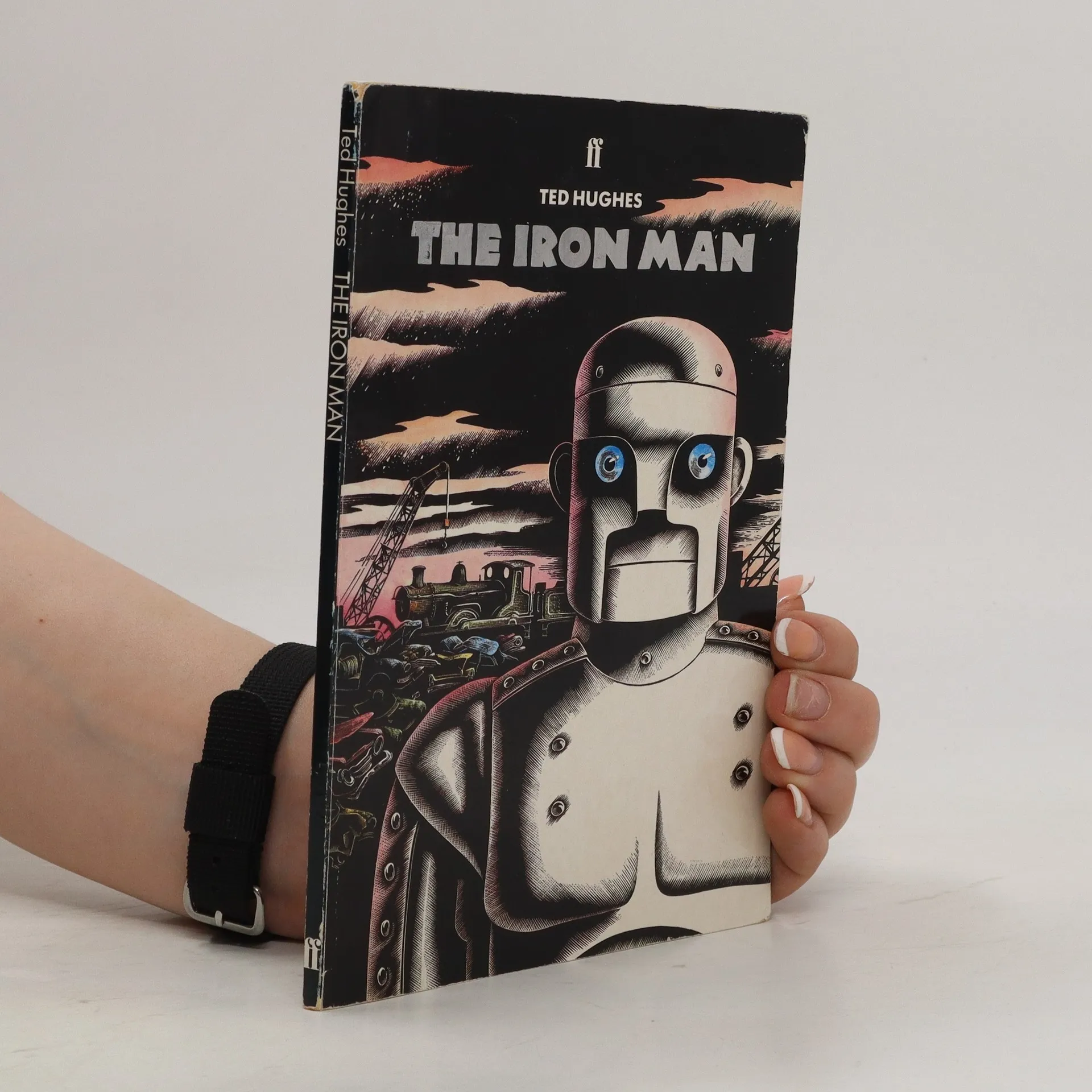
The iron man
- 64 pages
- 3 hours of reading
When an iron giant topples over a cliff his scattered parts get up and try to search for each other.
Crow : from the life and songs of the crow
- 94 pages
- 4 hours of reading
'Crow' was Ted Hughes's fourth book of poems for adults and a pivotal moment in his writing career. In it, he found both a structure and a persona that gave his vision a new power and coherence.
A king's decision to sacrifice his daughter and turn the tide of war inflicts lasting damage on his family, culminating in a terrible act of retribution.
This collection of Ted Hughes's animal poems for younger readers is accompanied by illustrations from Flora McDonnell.
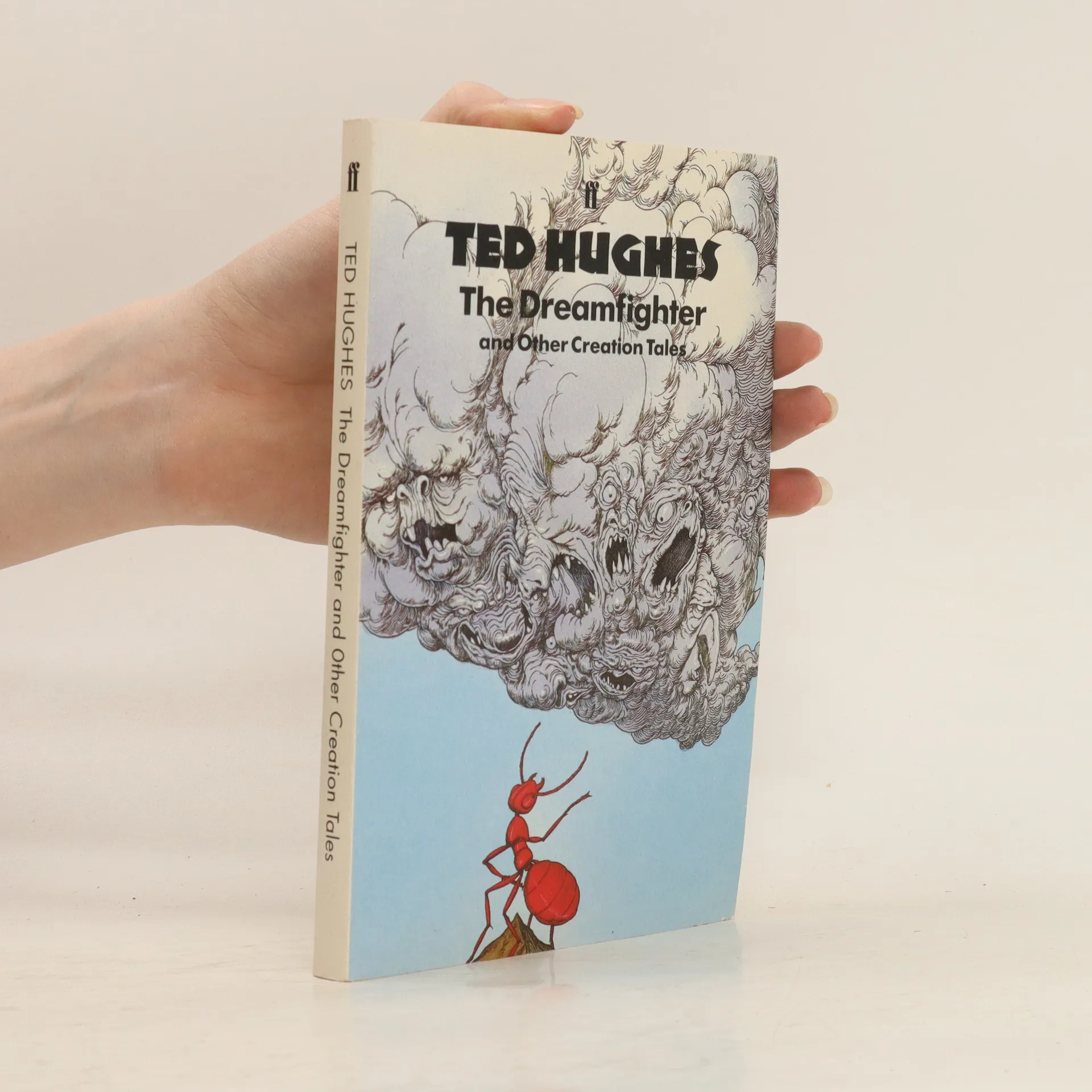
The Dreamfighter and Other Creation Tales
- 196 pages
- 7 hours of reading
Ted Hughes wrote a series of creation stories for children from the early 1960s until 1995, which appear here in one volume. They are mesmerising tales about the creatures around us - how they came to be the shape they are and why they behave as they do.
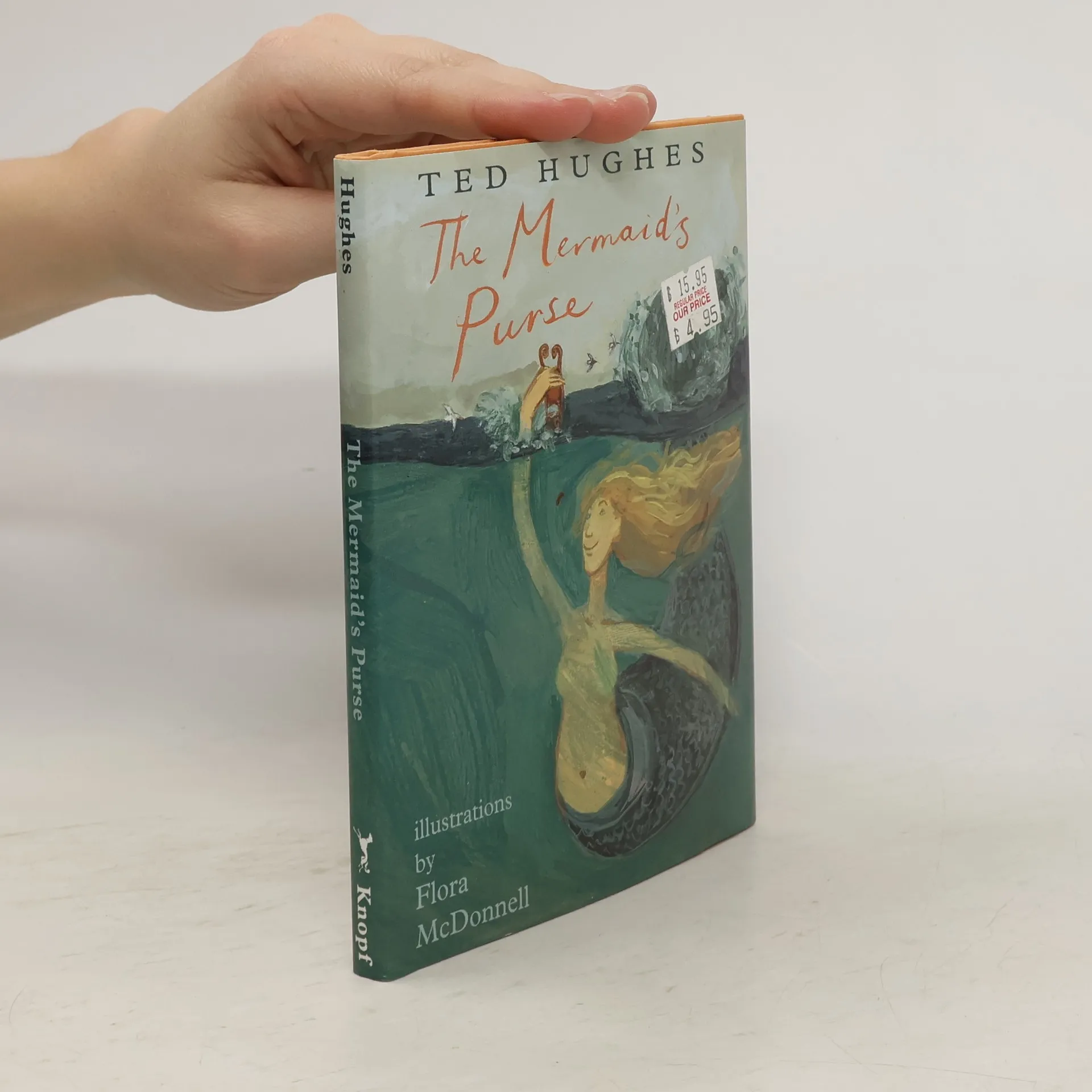
In The Mermaid's Purse, Ted Hughes explores the ocean. From starfish and seagulls to mermaids and monsters, 28 poems capture the beauty, drama, and mystery of the sea and the seashore. Here is the ghostly cormorant: "Drowned fishermen come back/As famished cormorants/With bare and freezing webby toes/Instead of boots and pants." The strange and comical flounder: "The flounder sees/Through crooked eyes./Through crooked lips/The flounder cries." And the mermaid herself: "Call her a fish,/Call her a girl./Call her the pearl/Of an oyster fresh/On its pearly dish."By turns lyrical, whimsical, and robust, The Mermaid's Purse showcases the distinctive voice and appreciation of the natural world that made Ted Hughes among the most respected of late-20th-century poets. Made doubly accessible by Flora McDonnell's distinctive black-and-white art, this sea-themed collection will delight children and be welcomed by educators.
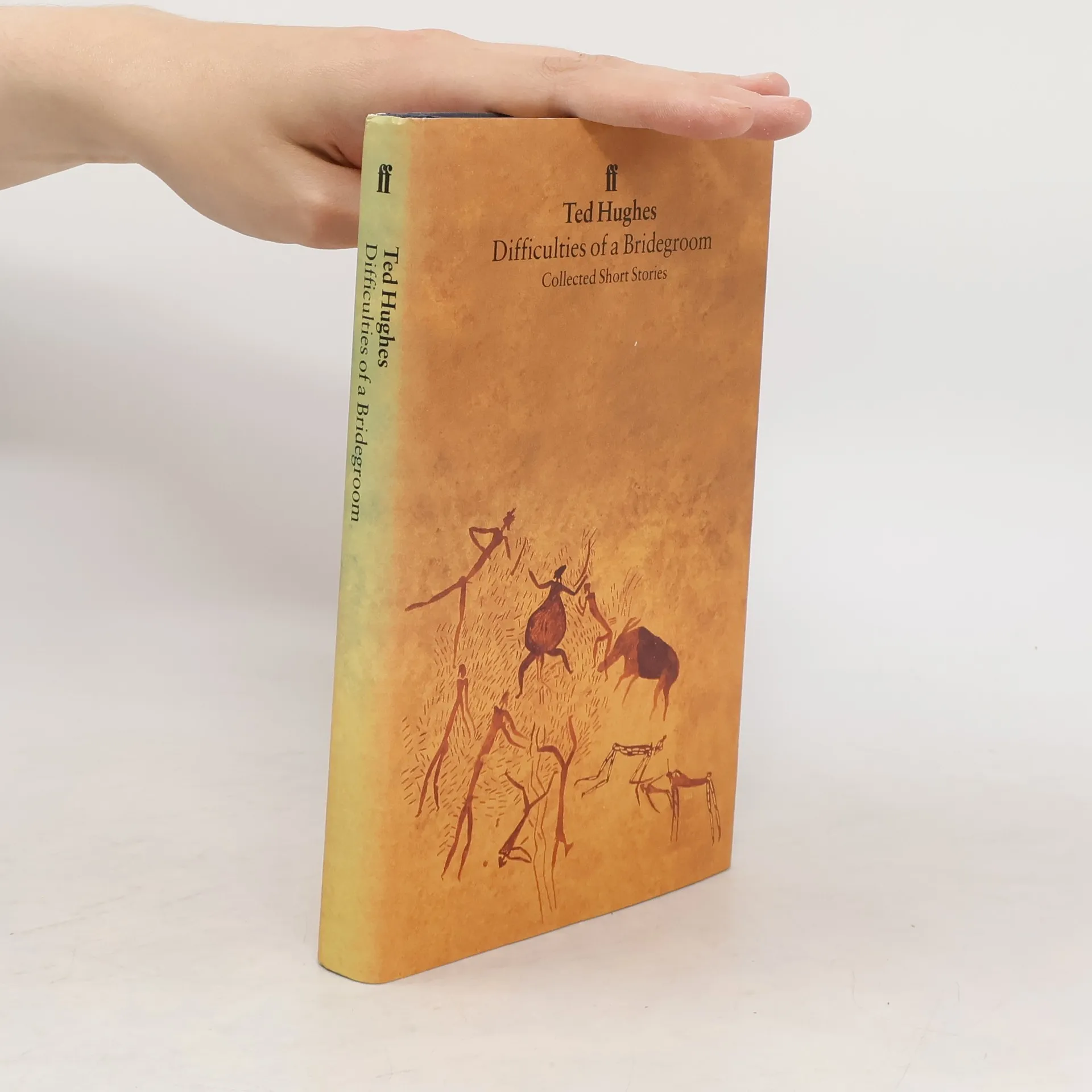
Difficulties of a Bridegroom
- 159 pages
- 6 hours of reading
Nine short stories ranging over four decades of the Poet Laureate's occasional fiction writing.
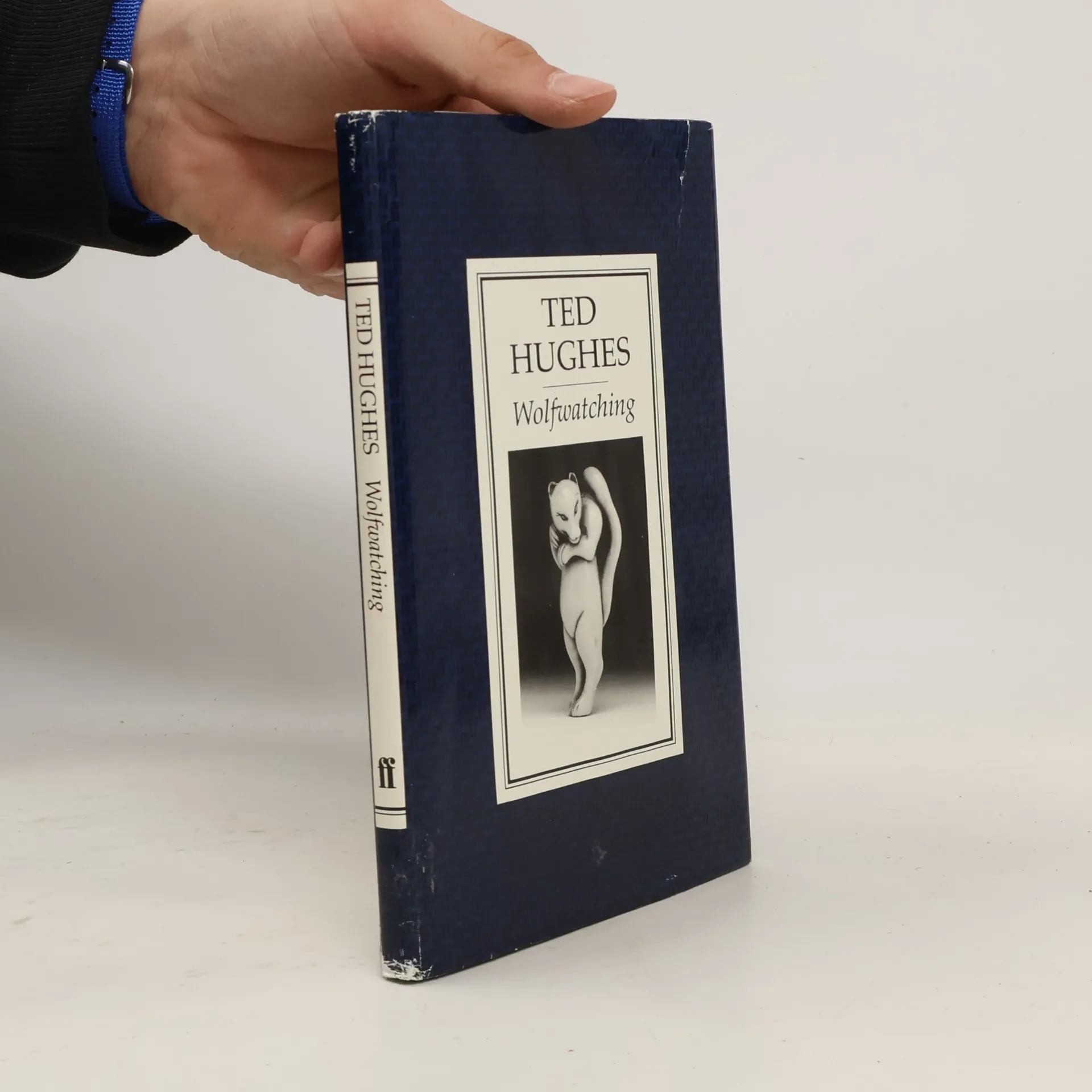
Wolfwatching
- 55 pages
- 2 hours of reading
Wolfwatching, Hughes' 14th collection of poetry contains many poems in which nature is the subject as well as a number of intimate family poems.
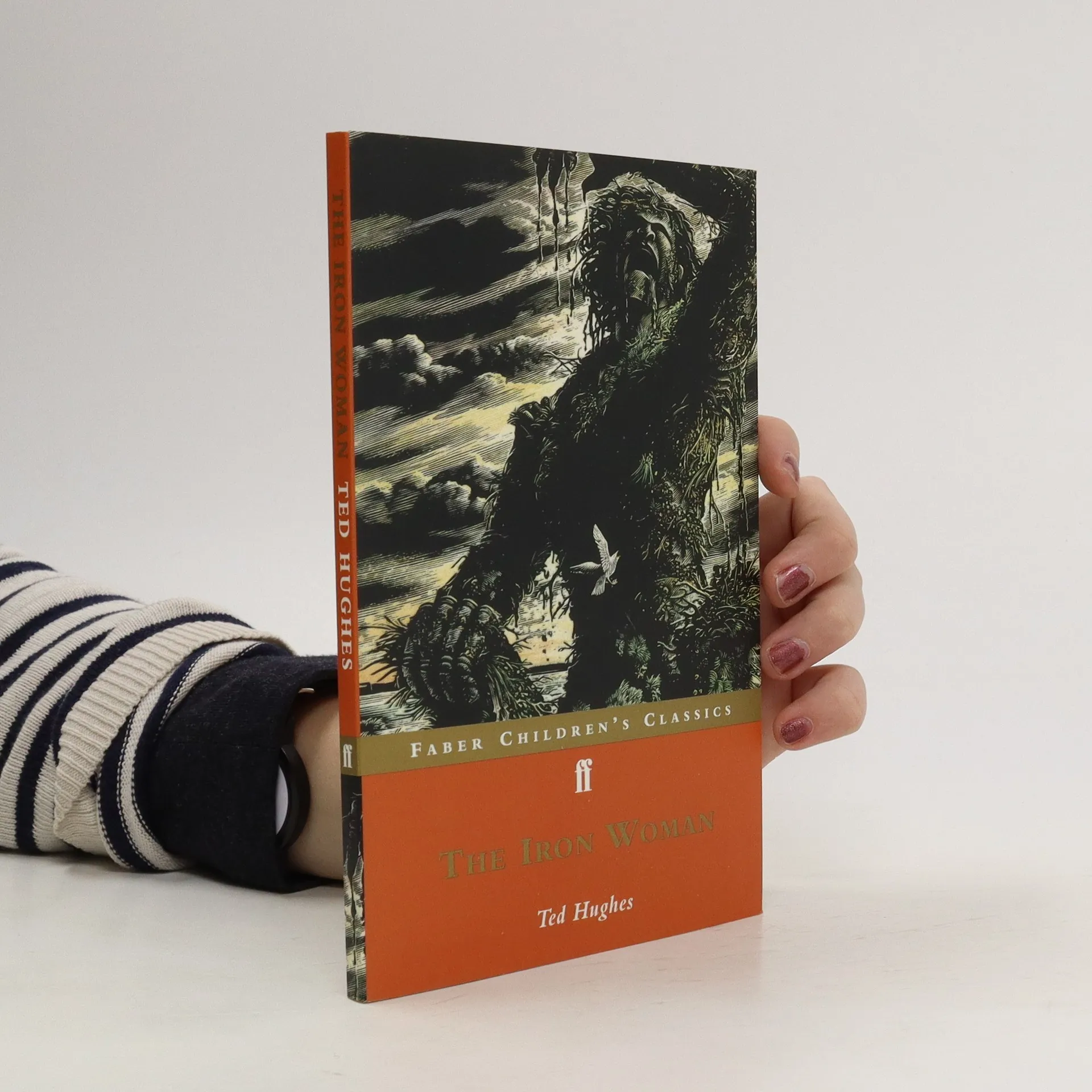
Full of the power and fantastic imagination of his famous book The Iron Man, this sequel from the late Poet Laureate is a passionate and brilliant cry against the relentless pollution of the Earth's waterways through the dumping of industrial waste.
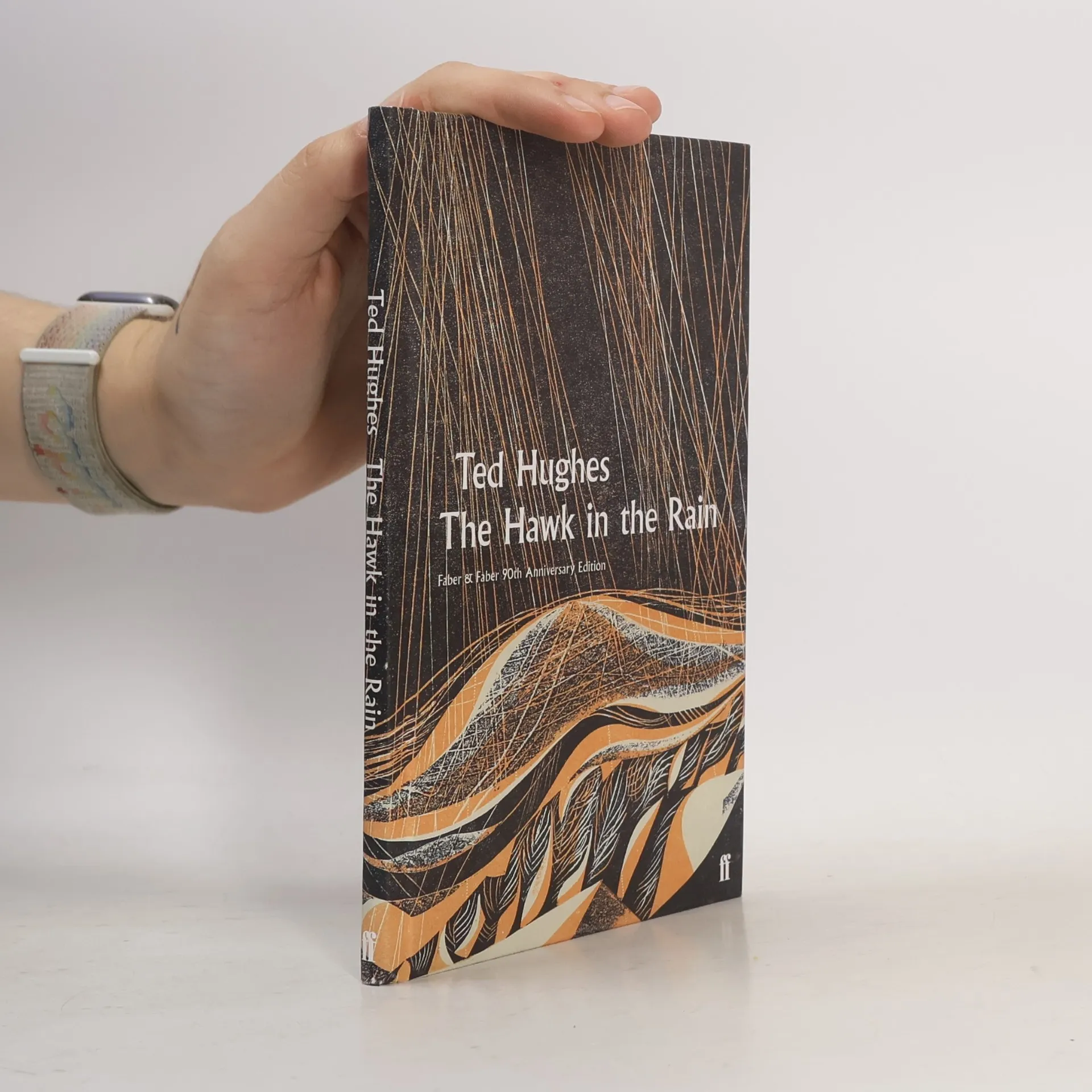
Faber 90th Anniversary edition of Hughes's first and groundbreaking poetry collection.
Listening and Reading the Iron Man
- 32 pages
- 2 hours of reading
In the first episode, the immense Iron Man crashes over the cliff, but the scattered pieces of his body re-assemble themselves; in the second, he is buried in a deep pit dug by farmers who are tired of his eating their tractors and machinery.
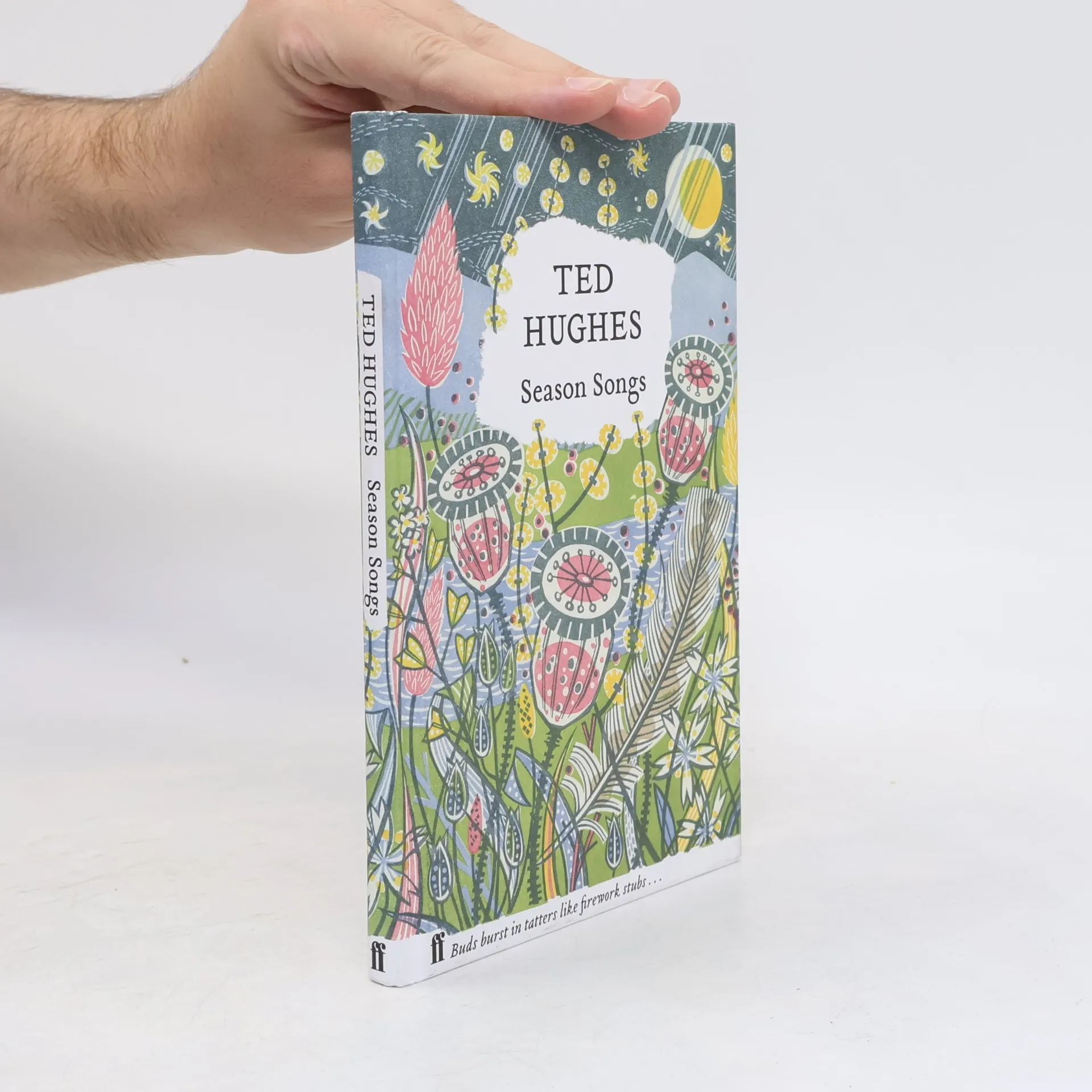
Season Songs
- 96 pages
- 4 hours of reading
O get your house ready!Expectation keeps you starry. But at which church and on what day?In these poems Ted Hughes invites the reader to try and catch the spring (but she's elusive);
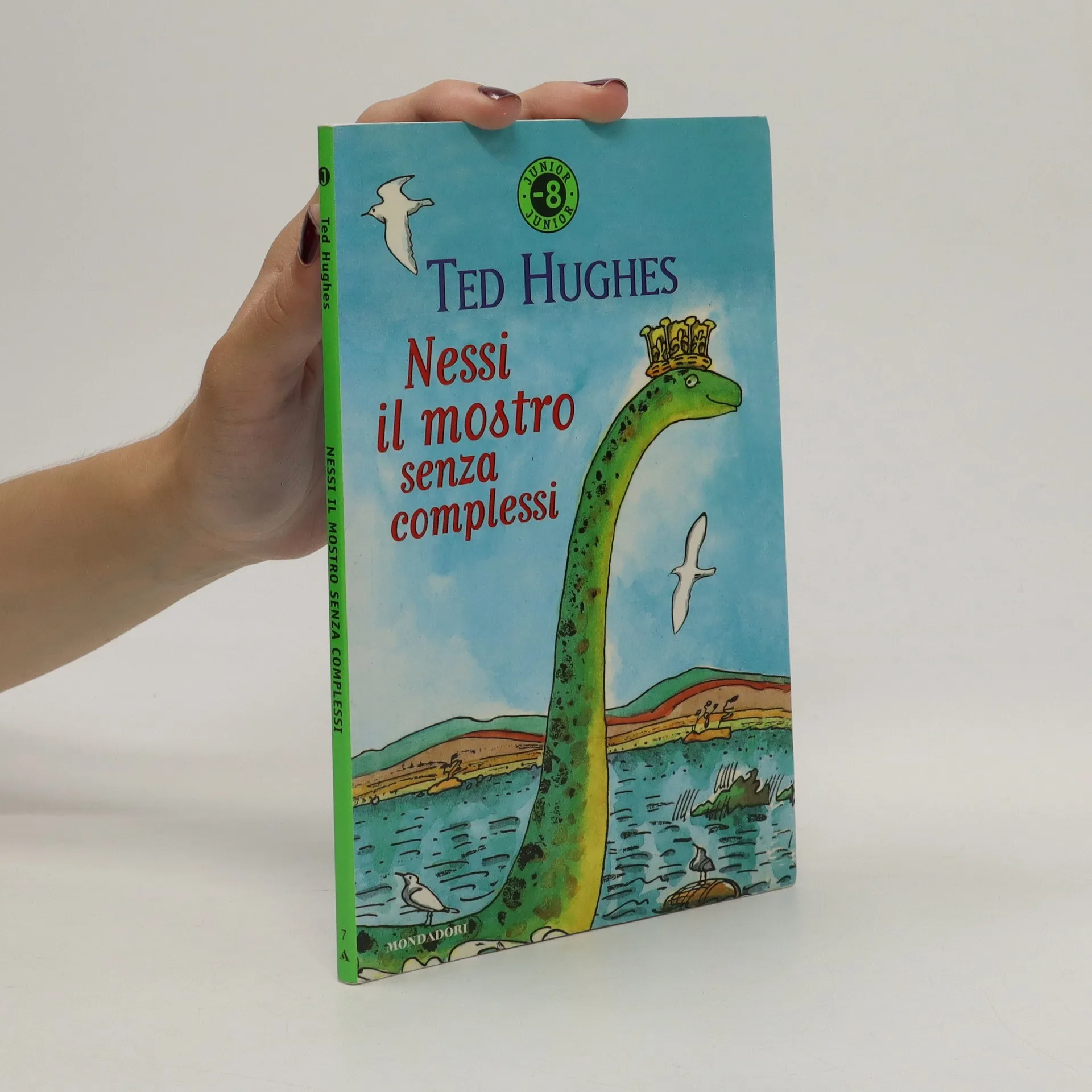
Nessi il mostro senza complessi
- 48 pages
- 2 hours of reading
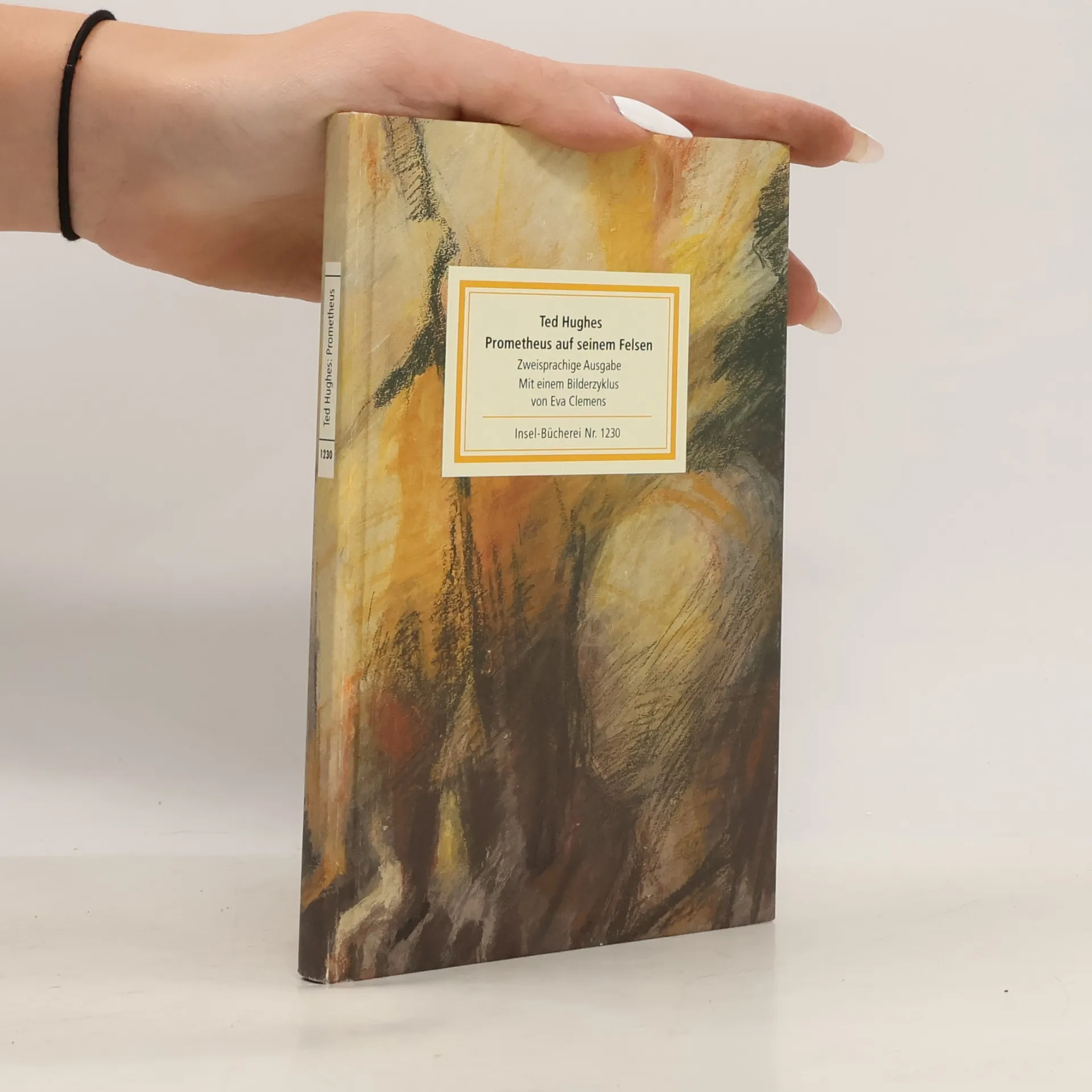
Insel-Bücherei - 1230: Prometheus auf seinem Felsen. Zweisprachige Ausgabe
- 95 pages
- 4 hours of reading
Die Geschichten von Prometheus, tief im menschlichen Gedächtnis verankert, beschäftigen sich mit seinen Taten und Leiden. Ted Hughes' einundzwanzig Gedichte zeigen Prometheus in einer ausweglosen Situation, bis er das Unausweichliche annimmt und geheilt wird. Diese englisch-deutsche Ausgabe bietet zudem Illustrationen von Eva Clemens.
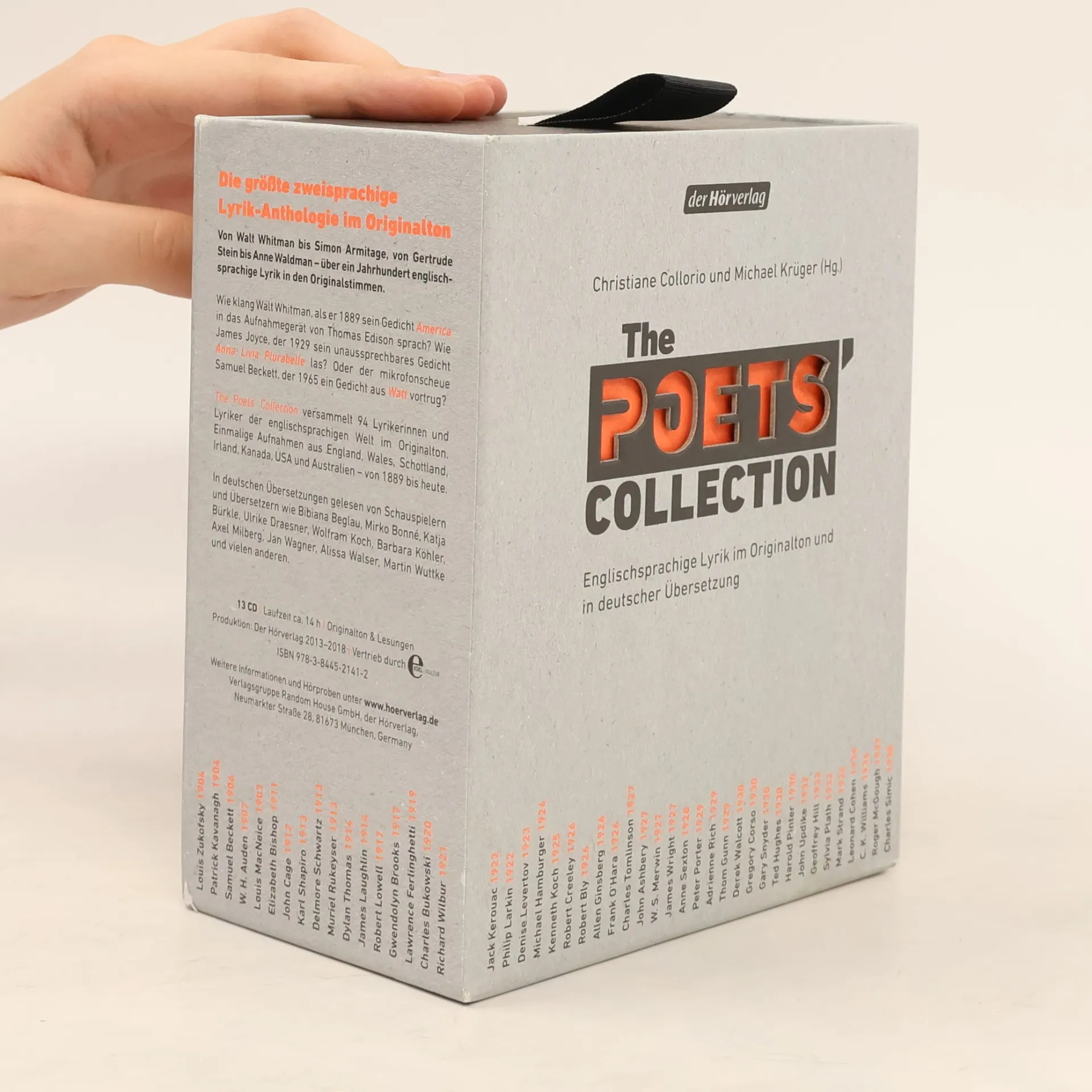
The Poets' Collection
Englischsprachige Lyrik im Originalton und in deutscher Übersetzung
Die größte zweisprachige Lyrik-Anthologie im Originalton versammelt 94 englischsprachige Lyrikerinnen und Lyriker und bietet seltene Sprachaufnahmen, die in mehrjähriger Recherche zusammengetragen wurden. Die Anthologie nimmt die Hörer mit auf eine zeitliche und geographische Reise durch das letzte Jahrhundert der englischsprachigen Welt. Die Übersetzungen werden von erstklassigen Schauspielern gelesen und stammen von angesehenen Lyrikern und Übersetzern. Zu den vertretenen Dichtern gehören Alfred Lord Tennyson, Robert Browning, Walt Whitman, William Butler Yeats, Rudyard Kipling, Edgar Lee Masters, James Weldon Johnson, Walter de la Mare, Gertrude Stein, Robert Frost, Carl Sandburg, Wallace Stevens, James Joyce, William Carlos Williams, Ezra Pound, H.D. (Hilda Doolittle), Robinson Jeffers, Edith Sitwell, Marianne Moore, T. S. Eliot, Conrad Aiken, Edna St. Vincent Millay, Archibald Macleish, Dorothy Parker, E. E. Cummings, Robert Ranke Graves, Louise Bogan, Ernest Hemingway, Langston Hughes, Ogden Nash, Louis Zukofsky, Patrick Kavanagh, Samuel Beckett, W. H. Auden, Louis MacNeice, Elizabeth Bishop, John Cage, Karl Shapiro, Delmore Schwartz, Muriel Rukeyser, Dylan Thomas, James Laughlin, Robert Lowell, Gwendolyn Brooks, Lawrence Ferlinghetti, Charles Bukowski, Richard Wilbur, Jack Kerouac, Philip Larkin, Denise Levertov, Michael Hamburger, Kenneth Koch, Robert Creeley, Robert Bly, Allen Ginsberg, Frank O'Hara, Charles Tomlinson
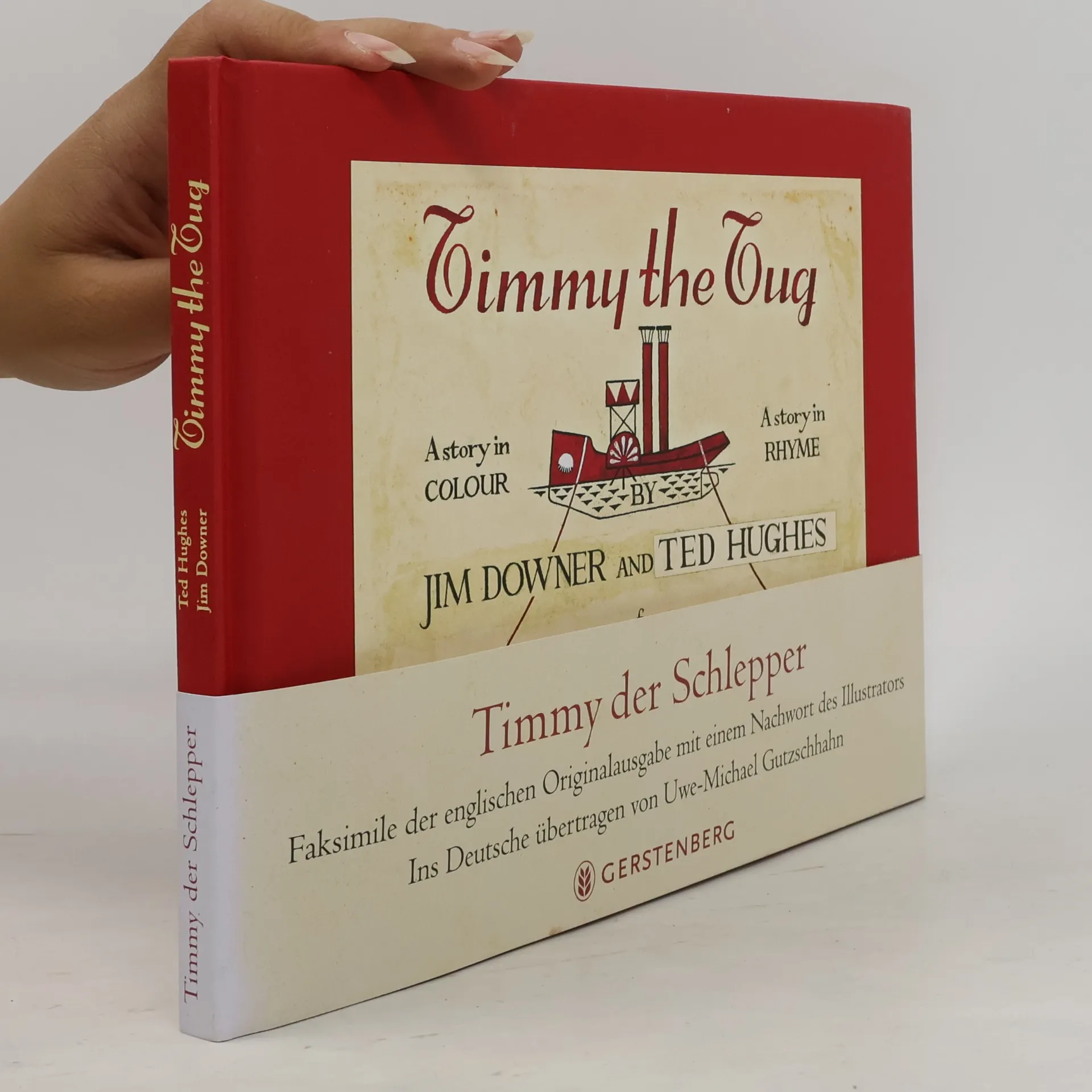
Timmy der Schlepper fühlt sich von moderner Technik überholt und sucht auf hoher See nach einer neuen Chance, die ihm schließlich die Liebe bringt. Die Geschichte stammt von Jim Downer, während Ted Hughes ursprünglich Verse dazu plante. Diese Ausgabe enthält ein Faksimile der Originalausgabe sowie eine deutsche Übersetzung von Uwe-Michael Gutzschhahn.
Wie der Wal erschaffen wurde und andere Geschichten
- 122 pages
- 5 hours of reading
Príbehy z počiatku sveta
- 125 pages
- 5 hours of reading
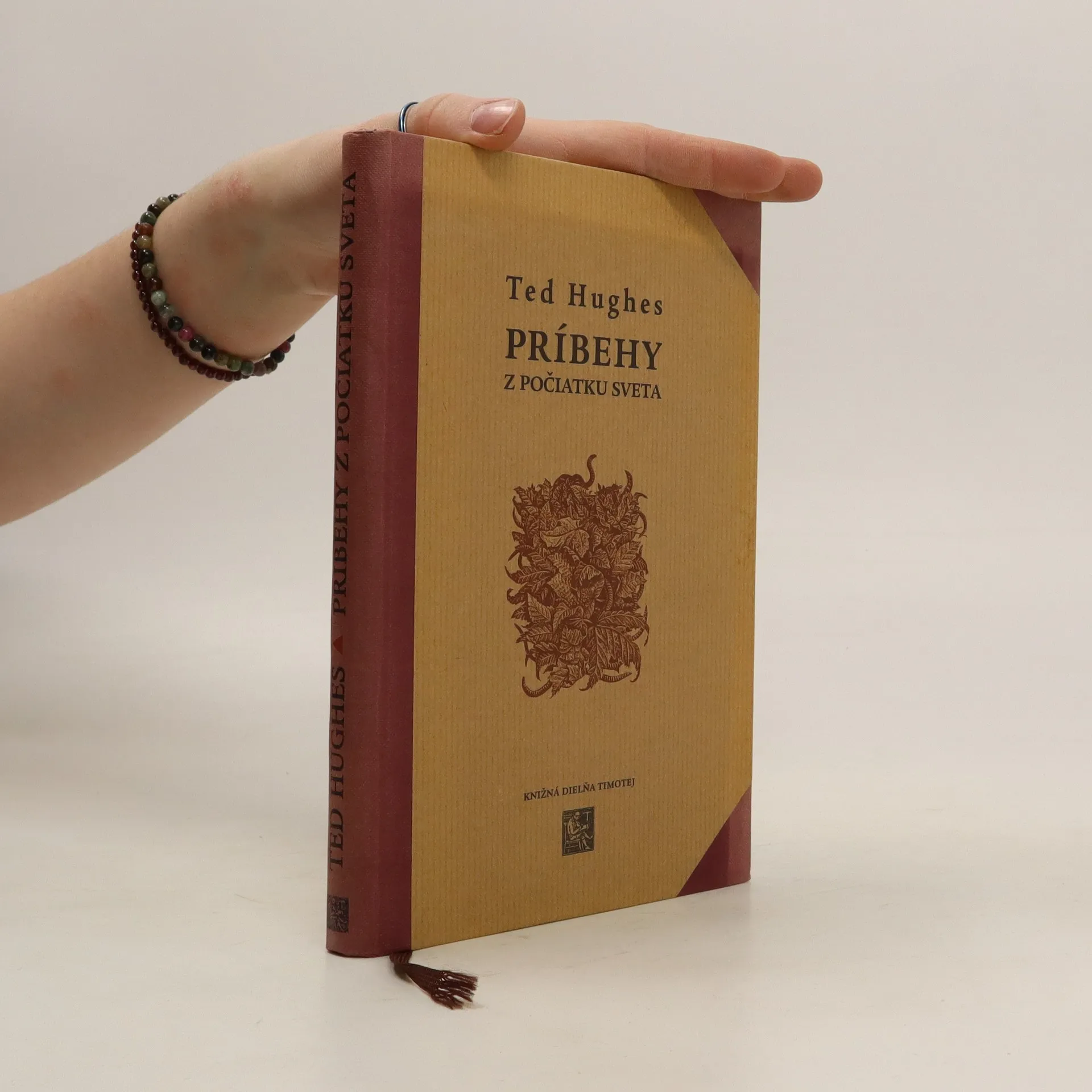
V dávnych časoch, keď ešte svet voňal novotou a nebolo v ňom zvierat ani vtákov, slnko vystúpilo na oblohu a prinieslo prvý deň. Zo zeme vyhupli kvety a užasnuto hľadeli vôkol seba. Potom sa zo všetkých strán, spod listov a spoza skál začali vynárať zvieratá. V tých dňoch boli farby oveľa krajšie, oveľa jasnejšie ako dnes. A vo vzduchu to iskrilo, lebo ešte sa nepoužíval. Nemyslite si však, že všetko šlo tak ľahko. Predovšetkým sa zvieratá navzájom dosť podobali. Netušili, čo z nich bude. Jedny sa chceli stať stehlíkmi, druhé levmi, tretie zas čímsi iným. Tie, ktoré sa chceli stať levmi, nacvičovali levstvo - a postupne sa naozaj začali meniť na levy. Rovnako tie, ktoré sa chceli stať stehlíkmi, nacvičovali stehlíkovstvo a pomaly sa zmenili na stehlíky. A tak ďalej. Boli však zvieratá, ktoré sa zrodili inak....
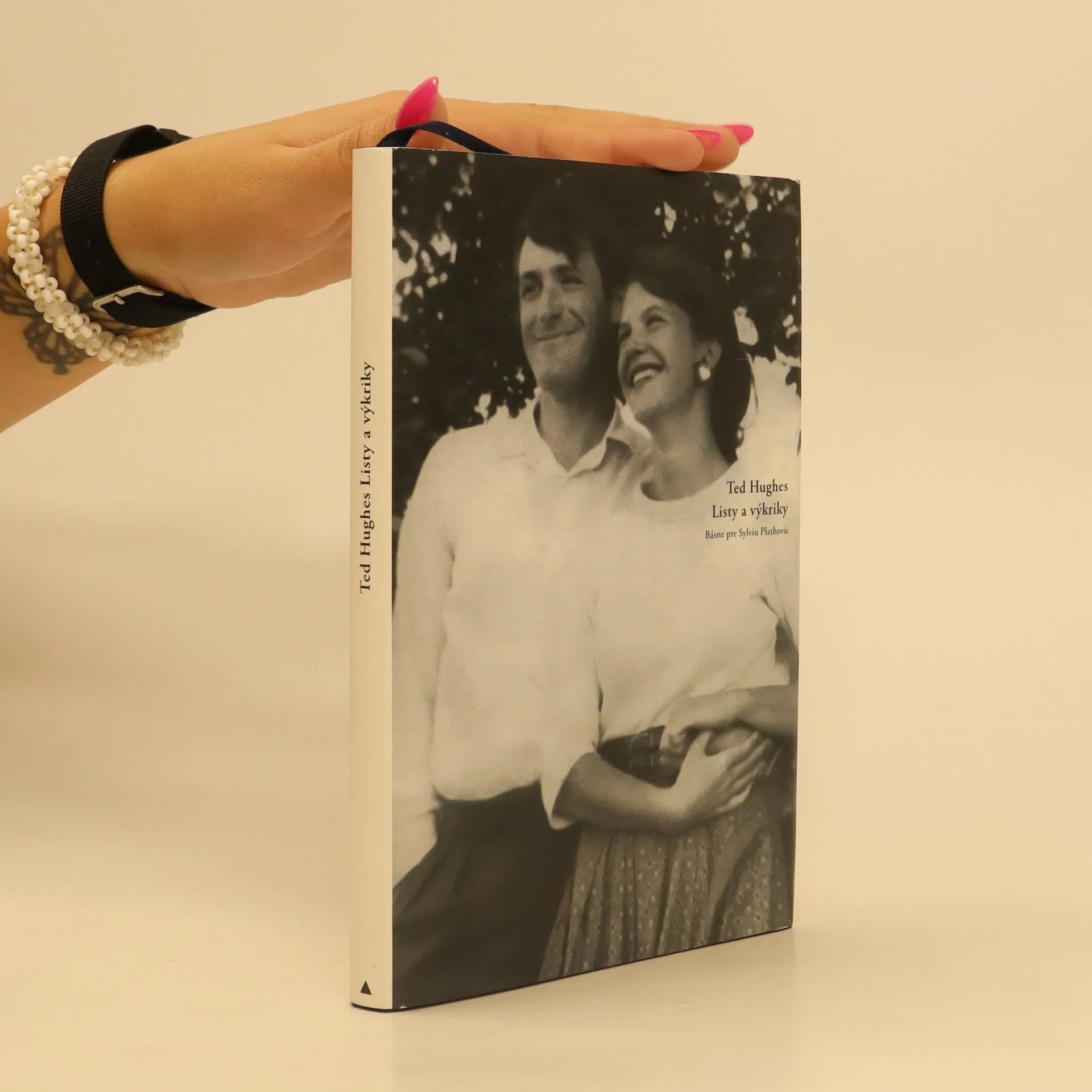
Listy a výkriky: Básne pre Sylviu Plathovú
- 128 pages
- 5 hours of reading
Ted Hughes, anglický básnik, jeden z najlepších zo svojej generácie. Základné východisko tohto výberu tvoria jeho Listy k narodeninám (Birthday Letters), adresované Sylvii Plathovej, americkej poetke, s ktorou ho spájalo nielen sedemročné manželstvo, ale aj dcéra Frieda a syn Nicholas. Zbierka sa okamžite po vydaní stala bestsellerom, bola ovenčená významnými cenami a mnohí kritici ju považujú za vrchol autorovho diela. V tom istom roku, keď vyšli Birthday Letters, vyšla aj bibliofília Teda Hughesa Výkriky a šepoty (Howls & Whispers), rovnako adresovaná Sylvii Plathovej, ktorú možno čítať ako súčasť väčšieho projektu Listov k narodeninám. Napokon slovenský výber obsahuje ešte jeden básnický text, ktorý sa volá Posledný list (Last Letter) a hovorí o posledných dvoch dňoch a noci, počas ktorej Plathová zomrela. Výber zostavil a preložil Peter Trizna. Doslov napísal Ján Gavura.
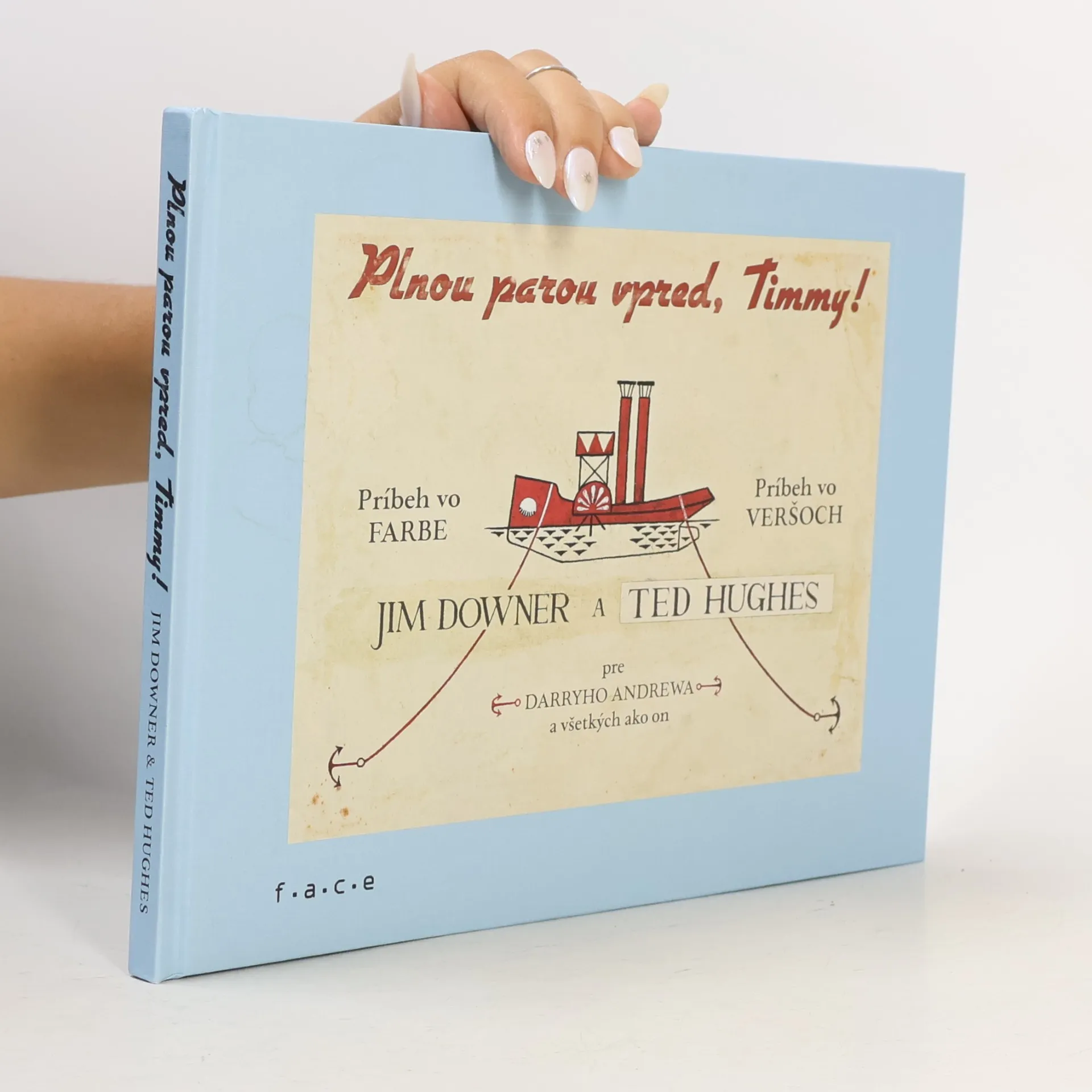
Plnou parou vpred, Timmy!
- 40 pages
- 2 hours of reading
Knihu Plnou parou vpred, Timmy! nakreslil v polovici päťdesiatych rokov minulého storočia Jim Downer a verše k obrázkom napísal slávny anglický básnik Ted Hughes. Kniha sa dlhý čas považovala za stratenú, ale roku 2008 sa ju podarilo objaviť v Hughesovej pozostalosti a vydať. Timmy bol parník a vlečná loď, jagal sa ako gong, plavil sa po rieke, spod kolies hrala mu muzika. Zdravý bol, rybička, silnejší než Kráľ Kong, mal nový náter a drevo bez jediného červíka. Takto sa začína podmanivý príbeh Timmyho, zabudnutého riečneho parníka, ktorý sa jedného dňa sa rozhodne utiecť zo zátoky a preskúmať šíre moria. Timmy má srdce na správnom mieste a chce pomáhať, no dlho akoby o jeho pomoc nikto nestál. Až kým mu osud do ceste nepriveje nádhernú plachetnicu, ktorú treba zachrániť z pazúrov hroznej búrky.
Kráska a zviera
- 80 pages
- 3 hours of reading
Tri divadelné hry plné napätia, komiky a zmyslu pre spravodlivosť napísal známy anglický básnik Ted Hughes pre detské školské predstavenia. Dôvtip, invenčnosť a pocit, že v deťoch treba rozvíjať zmysel pre čarovné aj skutočné vnímanie sveta, sa preniesli aj do rozprávkových hier, a tak sa Sean, blázon, Diabol a mačky, Kráska a Zviera či Traja Králi stali zdrojom potešenia a poučenia pre veľkých i malých čitateľov. Knihu preložila Miroslava Gavurová a ilustrovala Miroslava Rudášová.
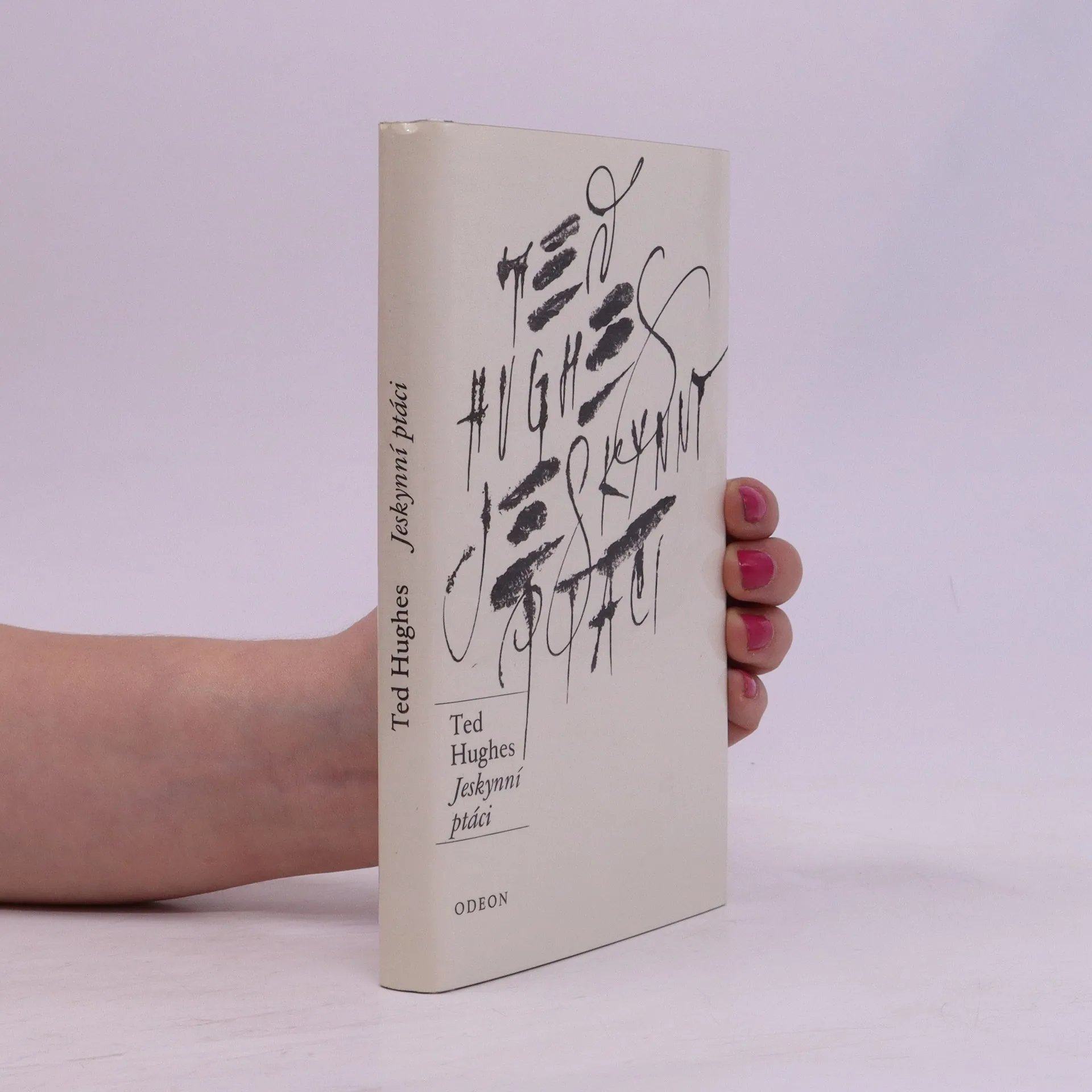
Výbor ze tří básnických sbírek jednoho z nejvýznačnějších anglických básníků 20. století: Wodwo (1967) — Vrán: Z Vránova života a písní (1970) — Jeskynní ptáci (1975).