Henry James was an American-born author who became a leading figure of the realist school of fiction. He masterfully portrayed the clash between American and European societies, focusing his narratives on personal relationships, the complexities of power, and profound moral questions. James pioneered innovative narrative techniques, such as the use of character perspectives and interior monologue, to delve deeply into consciousness and perception, anticipating modernist literary approaches. He advocated for writers to have the greatest freedom in depicting their worlds, influencing the trajectory of modern literature.
(Book Jacket Status: Not Jacketed) Contents of Volume 1 A Landscape-PainterA Light ManA Passionate PilgrimThe Madonna of the FutureMadame de MauvesBenvolioDaisy Miller: A StudyAn International EpisodeThe Pension BeaurepasThe Point of ViewThe Siege of LondonLady BarberinaThe Author of "Beltraffio"Louisa PallantThe Aspern PapersThe LiarThe Lesson of the MasterThe PatagoniaThe PupilThe MarriagesThe ChaperonSir Edmund Orme
Henry James, a pivotal figure in late 19th-century literature, was known for his unique narrative style, often employing a character's perspective to convey stories, akin to impressionist painting. Born in the U.S. to a clergyman and brother of philosopher William James, he spent most of his life in England, becoming a British citizen in 1915. His literary criticism emphasized the importance of creative freedom for writers, reflecting his belief in diverse interpretations of the world. His familial connections also included his sister, Alice, a fellow writer.
Are there ghosts at Bly, or is the governess going mad? A young woman starts her first job as a governess in charge of two young orphans, Miles and Flora, at a country house called Bly. The children are beautiful and well-behaved, but are they too good to be true? When the governess starts to experience strange visions, she suspects that the children are hiding a terrible secret. Sú tu v Bly duchovia, alebo sa opatrovateľka zbláznila? Mladá žena nastúpila prvýkrát do práce ako opatrovateľka, ktorá má na starosti dve malé siroty, Milesa a Floru, žijúce vo vidieckom dome zvanom Bly. Deti sú úžasné a vychované, ale nie je to príliš dobré, aby to bola pravda? Keď začne opatrovateľka vidieť zvláštne veci, začne tušiť, že deti majú desivé tajomstvo.
Henry James, an influential Anglo-American novelist of the late 19th century, explored character perspectives in his works, likening his style to impressionist painting. Born into a literary family, he was the son of a clergyman and brother to philosopher William James. Although he spent his early years in the United States, he became a British citizen in 1915. James championed the idea that writers should enjoy the utmost freedom in their artistic expression, a principle reflected in both his novels and literary criticism.
"For other novelists the value of Henry James's Notebooks is immense and to brood over them a major experience. The glow of the great impresario is on the pages. They are occasionally readable and endlessly stimulating, often moving and are ocasionally relieved by a drop of gossip."—V. S. Pritchett, New Statesman "The Notebooks take us into his study, and here we can observe him, at last, in the very act of creation at his writing table."—Leon Edel, Atlantic Monthly "A document of prime importance."—Edmund Wilson, New Yorker
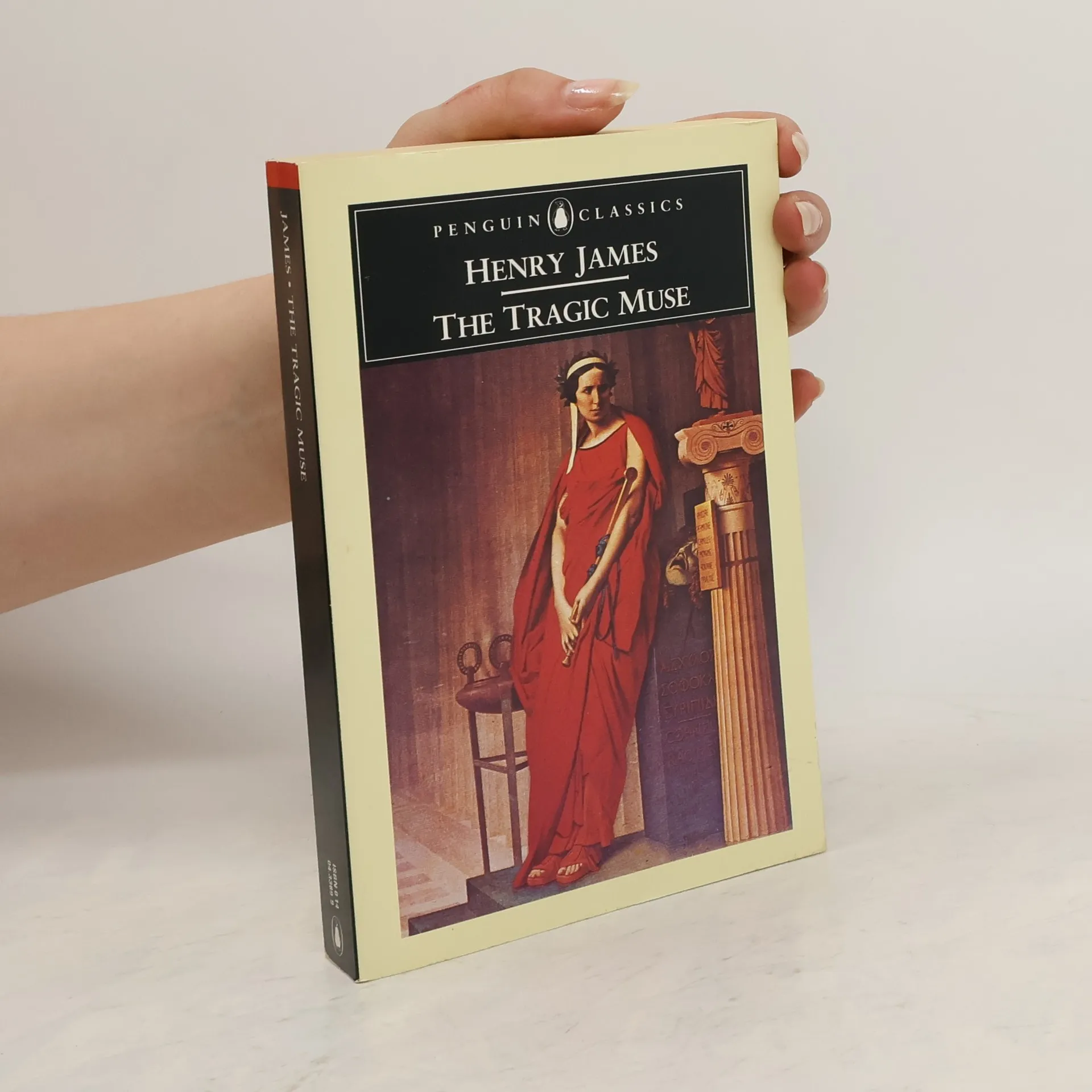
Features Nick Dormer, the young Englishman who, during the course of the novel, will courageously resist the glittering Parliamentary career desired for him by his family, in order to paint. His progress is counterpointed by the 'Tragic Muse' of the title, Miriam Rooth, a great actress indifferent to social reputation, and dedicated to her art.
This classic collection includes the British author's most influential works, from The Portrait of a Lady to the Aspern Papers. Part of a beautiful series of classic fiction, this title brings Henry James back to life and reminds the world just what a wonderful writer he was.
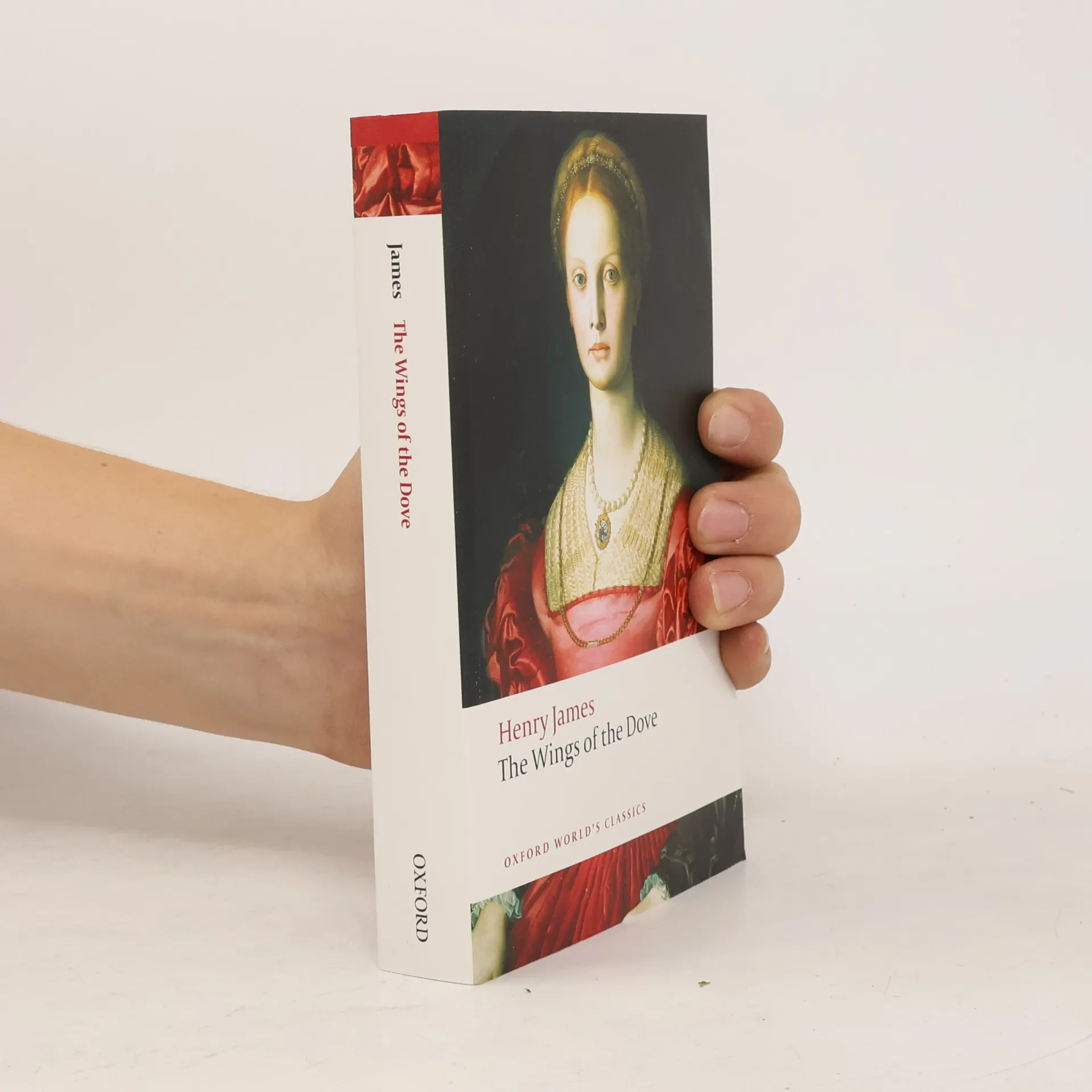
With carefully adapted text, new illustrations, language practise activities and additional online resources, the Penguin Readers series introduces language learners to bestselling authors and compelling content. Titles include popular classics, exciting contemporary fiction, and thought-provoking non-fiction. The Wings of the Dove, a Level 5 Reader, is B1 in the CEFR framework. The text is made up of sentences with up to four clauses, introducing present perfect continuous, past perfect, reported speech and second conditional. It is well supported by illustrations, which appear regularly. Kate and Densher are in love and want to get married. Densher is a poor journalist, and Kate's aunt tells her that she must marry someone rich. But Kate has a plan. She decides to deceive Milly, a sweet young heiress who is very ill. She wants Milly to marry Densher so he can get her money after she dies. Will Kate's plan succeed?
Exploring the craft of writing, this collection features Henry James's insightful essays, including the renowned "The Art of Fiction." Delving into the works of literary giants like George Eliot, Ivan Turgenev, and Honoré de Balzac, James's writings are characterized by their wit, erudition, and fervor. This selection offers a rich experience for anyone who appreciates the intricacies of literature and the art of storytelling.
The book is a reproduction of a historical work, presented in large print to enhance accessibility for readers with impaired vision. Published by Megali, a house dedicated to making historical texts more readable, this edition aims to preserve the original while catering to the needs of those who may struggle with standard print sizes.
Hyacinth Robinson, a talented bookbinder, becomes entwined in radical politics after meeting revolutionary Paul Muniment and the enchanting Princess Casamassima. As he grapples with his commitment to a terrorist assassination, he finds himself torn between love and ideology.
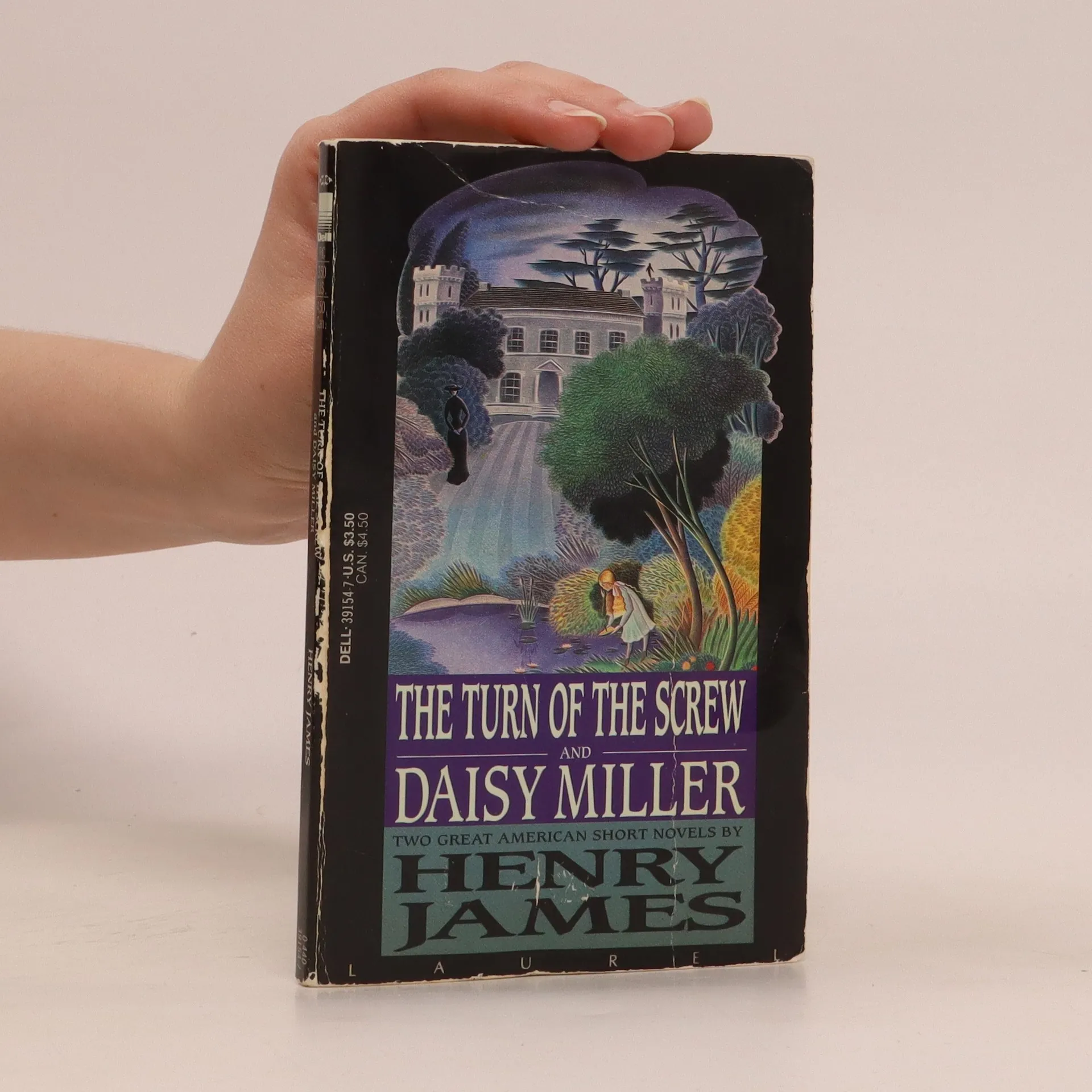
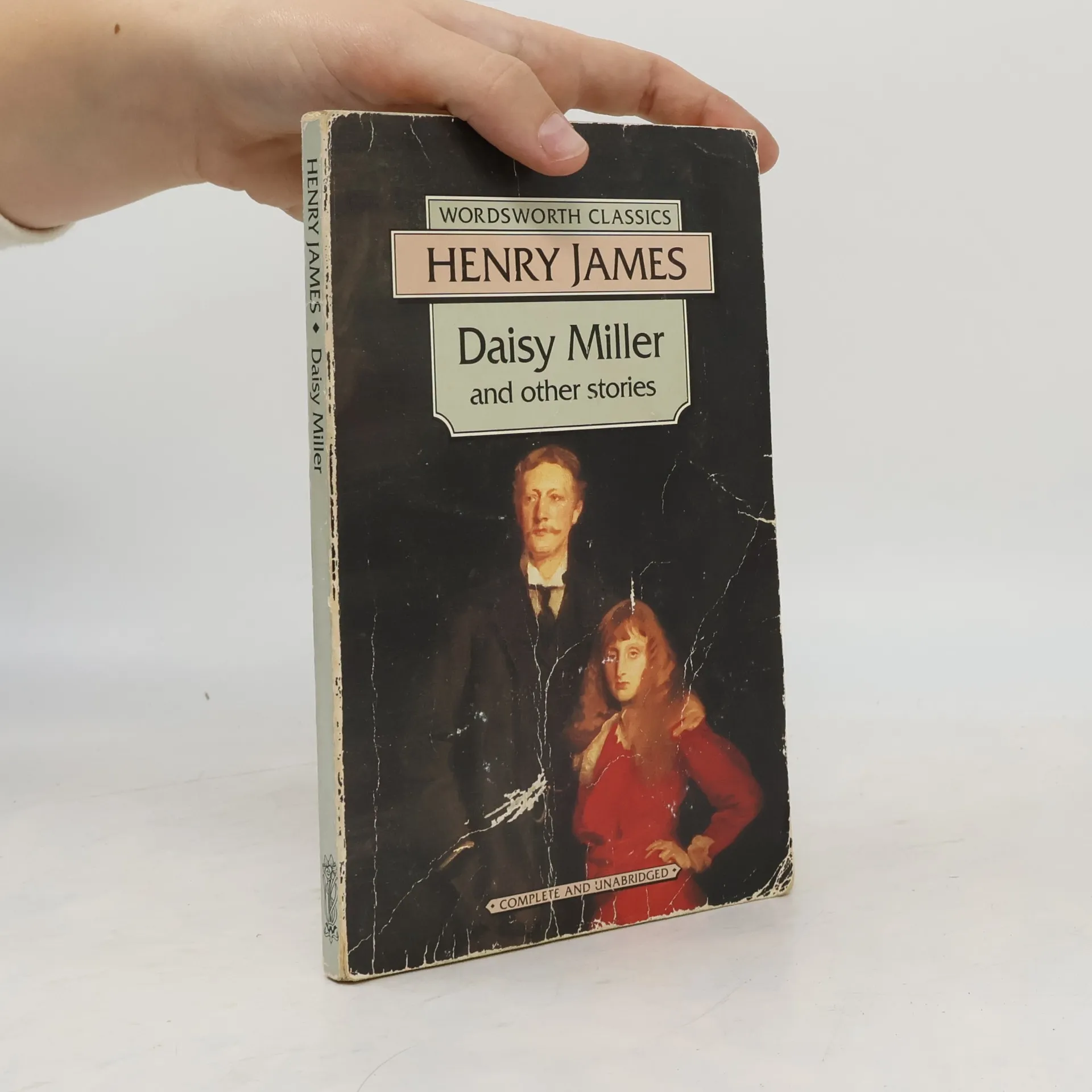
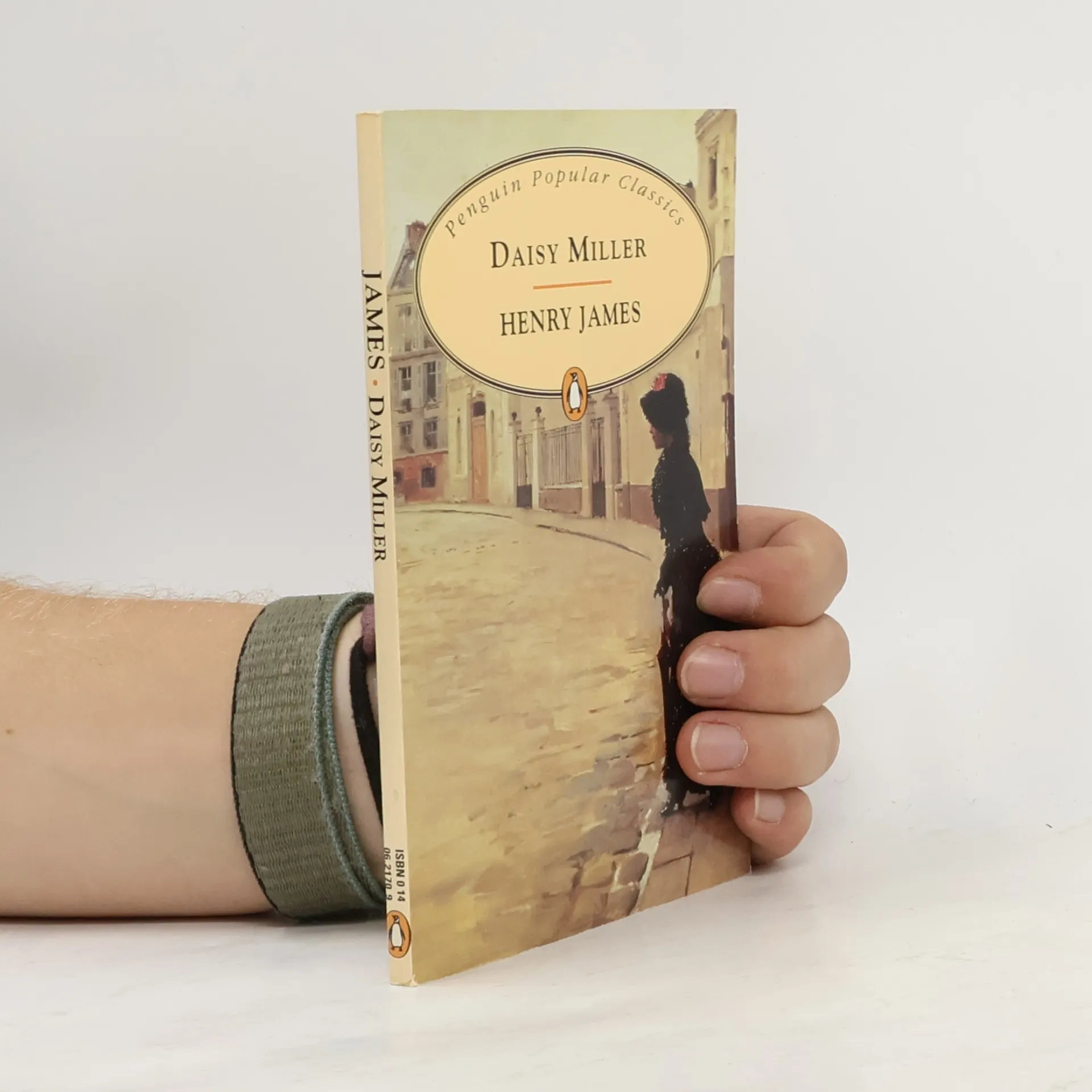
Travelling in Europe with her family, Daisy Miller, an exquisitely beautiful young American woman, presents her fellow-countryman Winterbourne with a dilemma he cannot resolve. Is she deliberately flouting social convention in the outspoken way she talks and acts, or is she simply ignorant of those conventions? When she strikes up an intimate friendship with an urbane young Italian, her flat refusal to observe the codes of respectable behaviour leave her perilously exposed. In Daisy Miller James created his first great portrait of the enigmatic and dangerously independent American woman, a figure who would come to dominate his later masterpieces.
Romantic entanglements unfold throughout the narrative, showcasing a range of relationships and emotional complexities. As the characters navigate their connections, the story builds towards a nuanced yet satisfying conclusion, reflecting the intricacies of love and confidence in human interactions. Henry James weaves a tale that balances realism with the charm of romance, making for an engaging read.
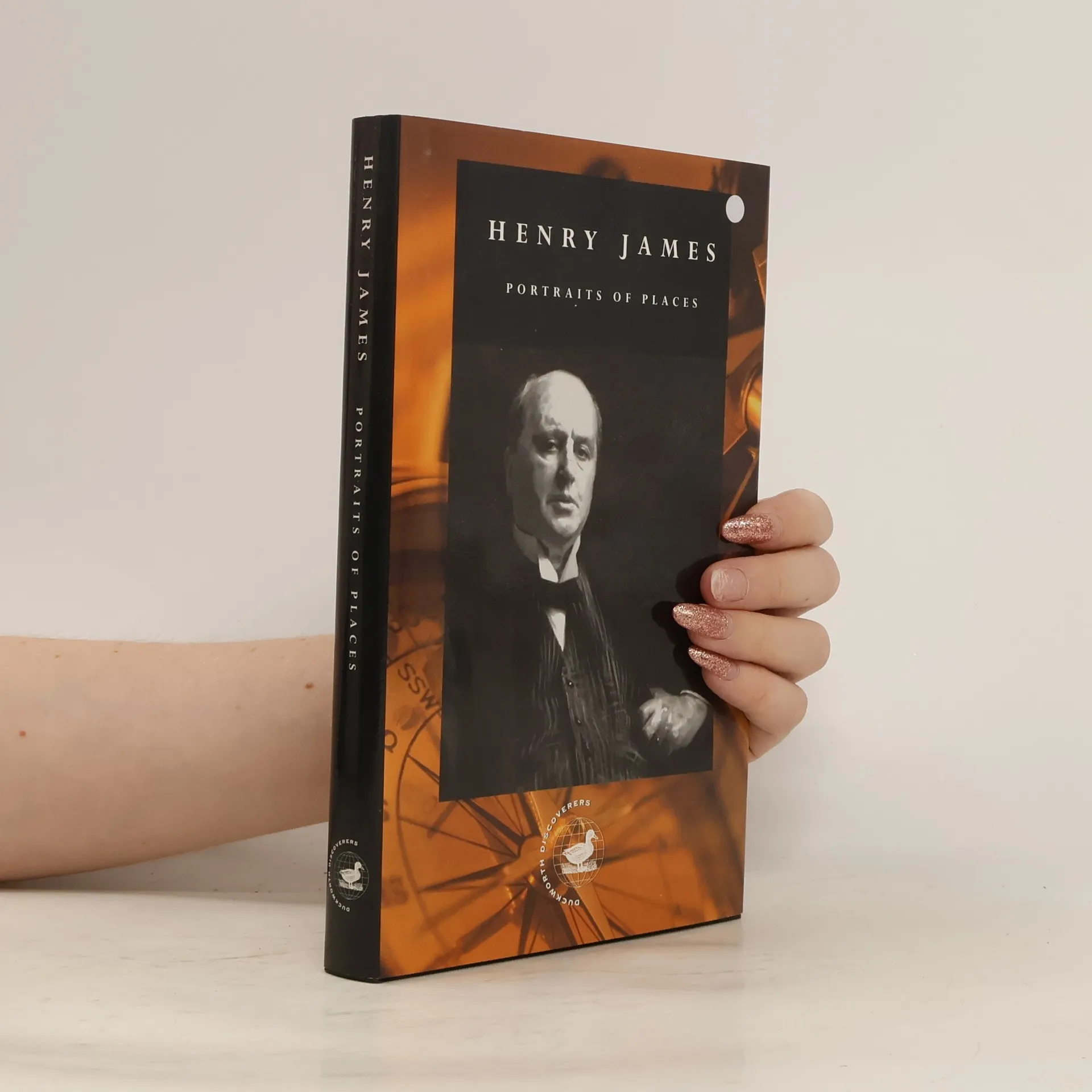
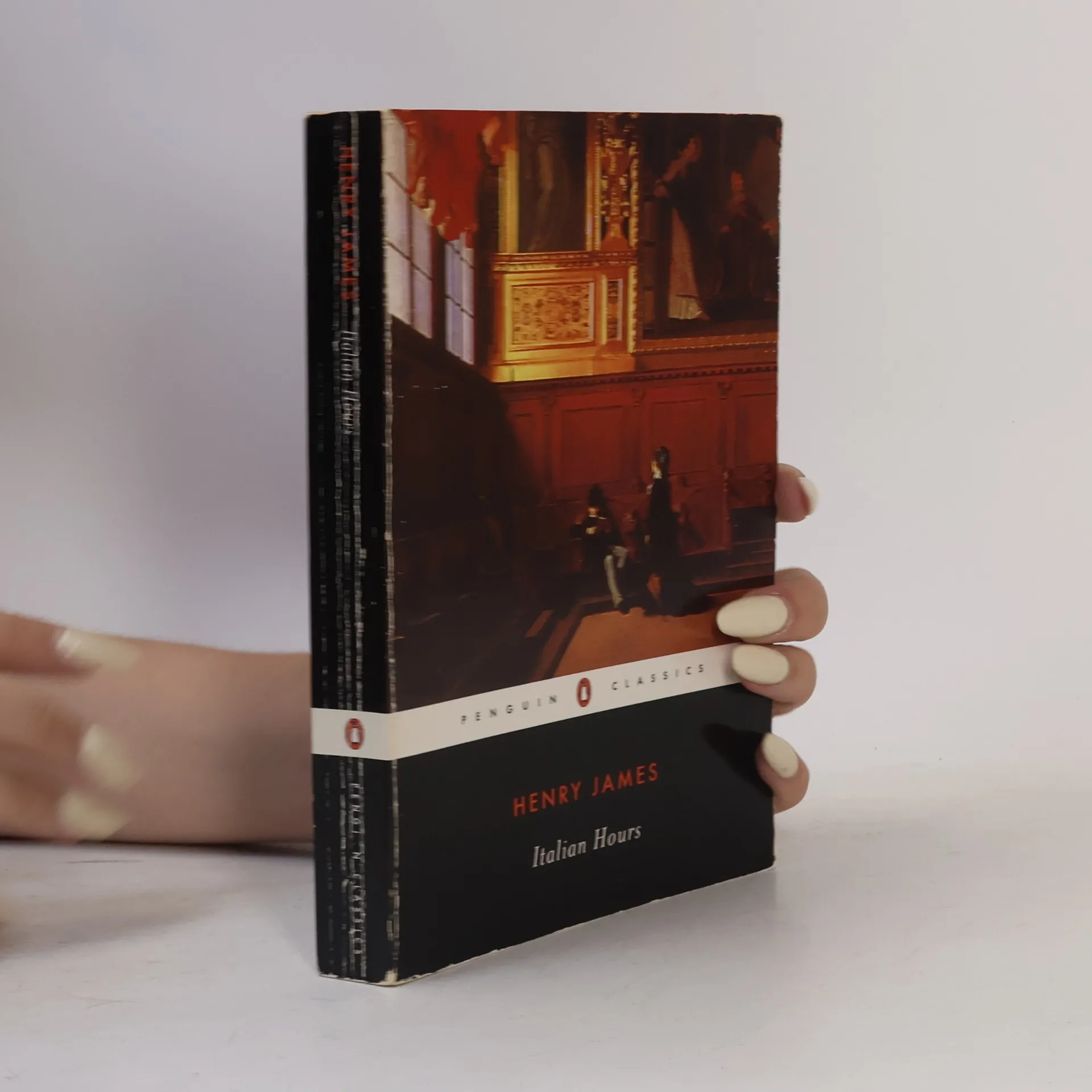
Henry James was not only a novelist who wrote with the elegance of Marcel Proust, he was also a renowned travel writer and wrote prolifically for a dedicated following in American magazines, newspapers and journals. In this volume his best work on Italy, Britain, and the US was collected for a wider audience.
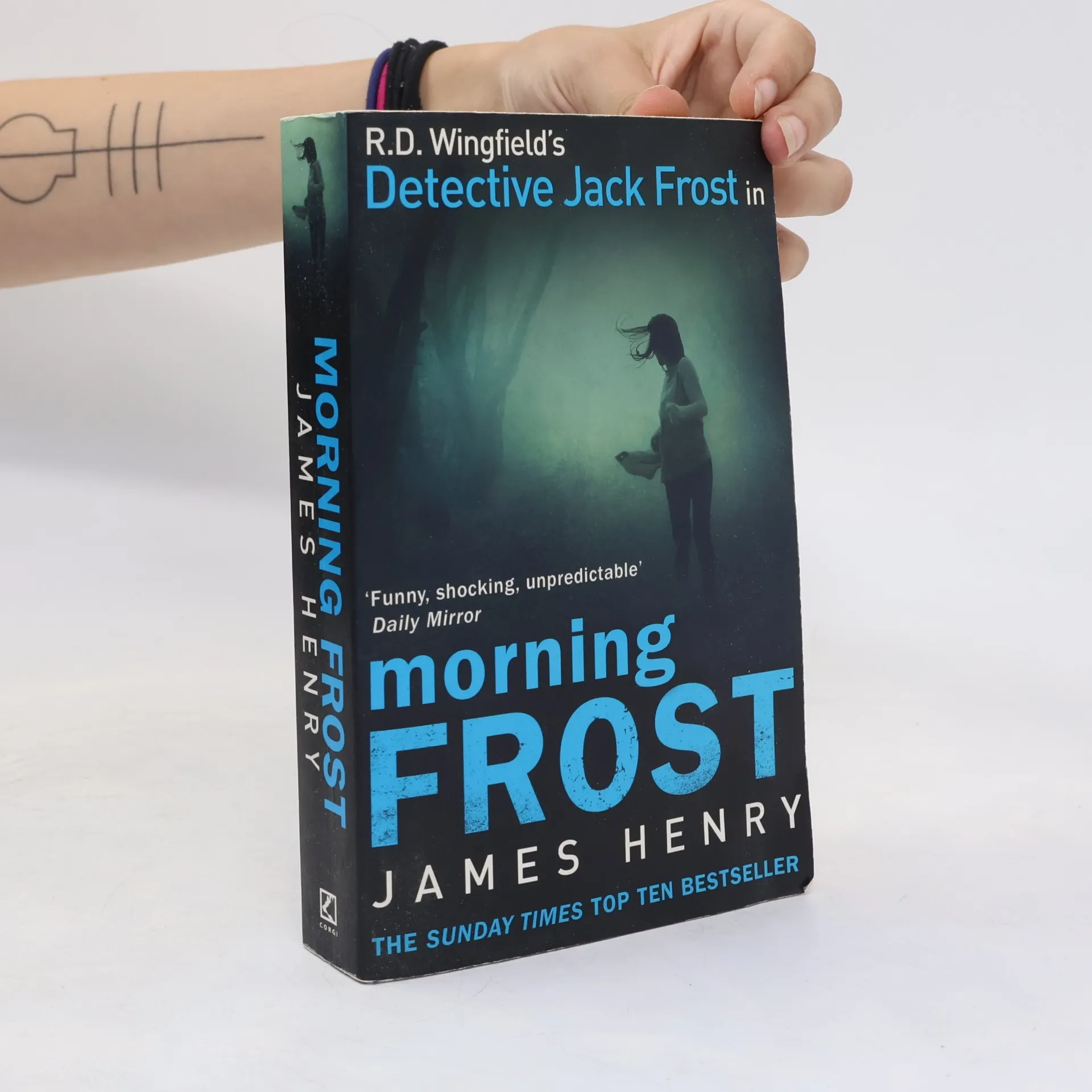
A gripping prequel to R. D. Wingfield's A TOUCH OF FROST, perfect for fans of David Jason's Jack Frost and readers who love Stuart MacBride, Peter James and Lynda La Plante. November 1982. Itâe(tm)s been one of the worst days of DS Jack Frostâe(tm)s life. He has buried his wife Mary, and must now endure the wake, attended by all of Dentonâe(tm)s finest. All, that is, apart from DC Sue Clarke, who has been summoned to the discovery of a human foot in a farmerâe(tm)s field. And things get worse. Local entrepreneur Harry Baskin is shot inside his club and a valuable painting goes missing. As the week goes on, a cyclist is found dead in suspicious circumstances. Frost is on the case, but another disaster âe" one he is entirely unprepared for âe" is about to strikeâe¦
Henry James, an influential Anglo-American novelist, was a key literary figure of the late 19th century. Born to a clergyman, he was part of a notable intellectual family, including his brother William, a psychologist, and sister Alice, a writer. Although he spent his early years in the U.S., he later became a British citizen. James's narrative style often reflects a character's perspective, drawing comparisons to impressionist art. He advocated for creative freedom in literature, emphasizing the importance of individual viewpoints in storytelling.
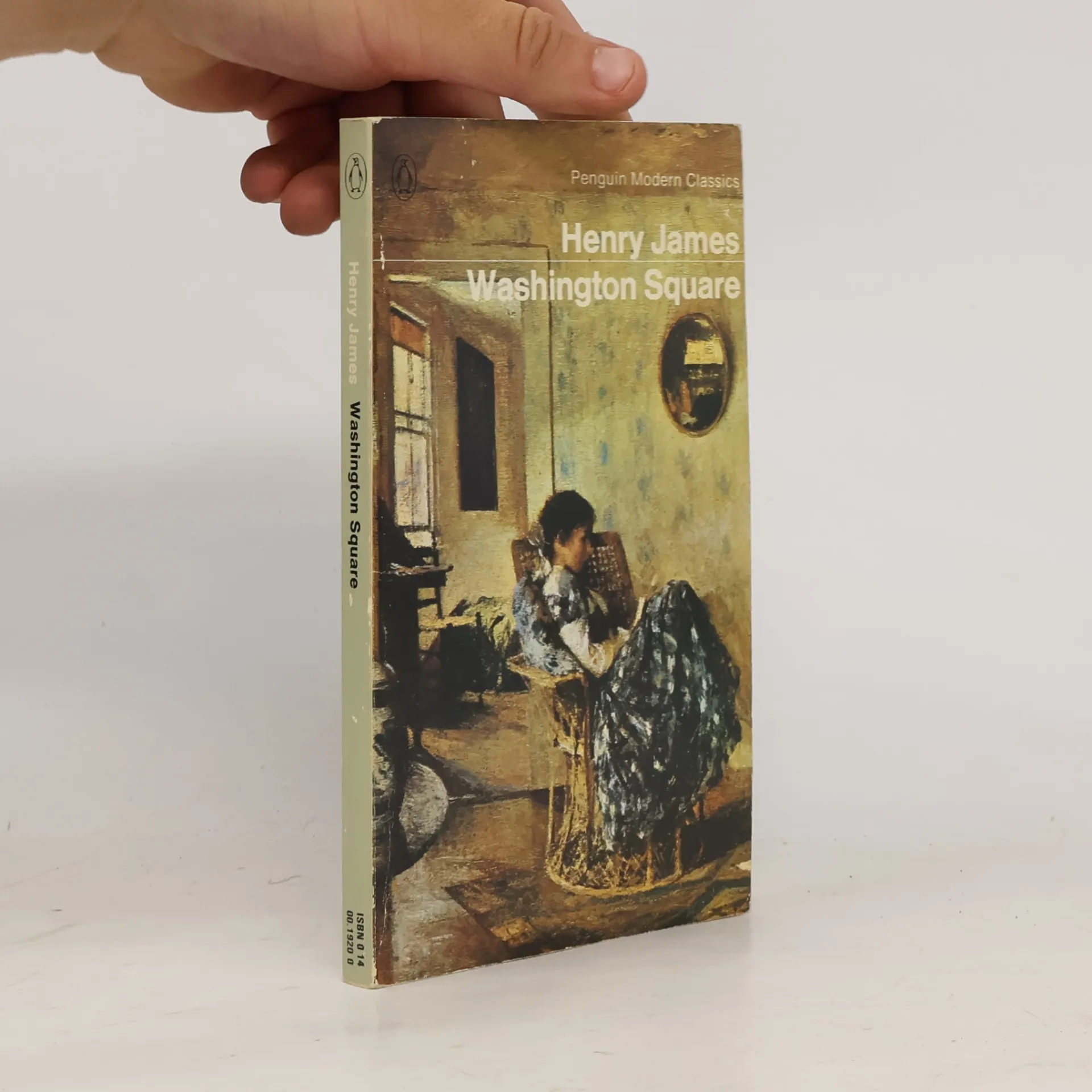
With carefully adapted text, new illustrations, language practise activities and additional online resources, the Penguin Readers series introduces language learners to bestselling authors and compelling content. Titles include popular classics, exciting contemporary fiction, and thought-provoking non-fiction. Washington Square, a Level 4 Reader, is A2+ in the CEFR framework. The text is made up of sentences with up to three clauses, introducing more complex uses of present perfect simple, passives, phrasal verbs and simple relative clauses. It is well supported by illustrations, which appear regularly. Catherine Sloper is not pretty or clever, but she is rich. She lives in New York with her father, the respected doctor, Austin Sloper. One day, Catherine meets a charming man called Maurice Townsend, who wants to marry her. But does Maurice really love Catherine, or does he just want her money? Doctor Sloper is sure that he knows the answer.
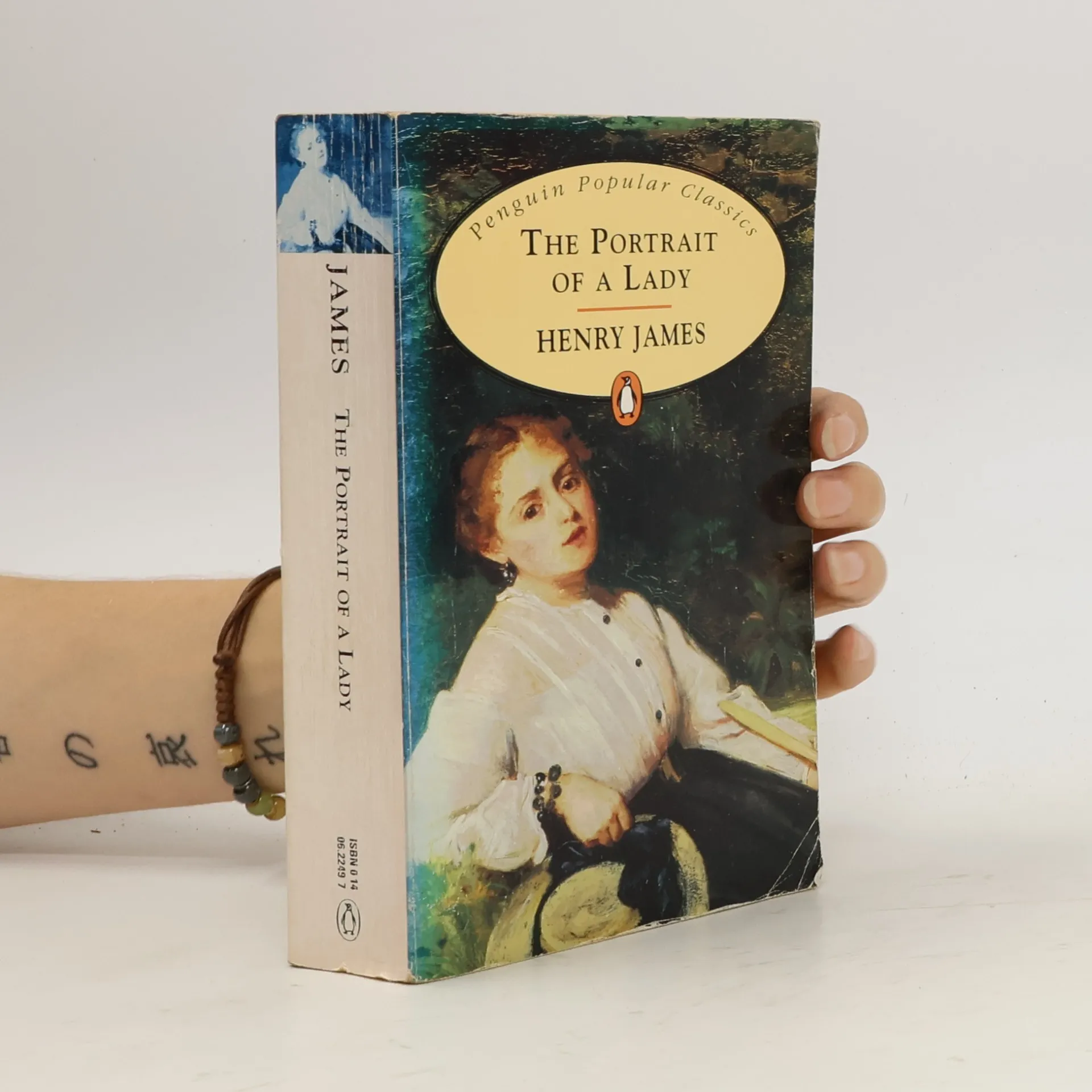
An American heiress newly arrived in Europe, Isabel Archer does not look to a man to furnish her with her destiny; instead she desires, with grace and courage, to find it herself. Two eligible suitors approach her and are refused. She then becomes utterly captivated by the languid charms of Gilbert Osmond. To him, she represents a superior prize worth at least seventy thousand pounds; through him, she faces a tragic choice.
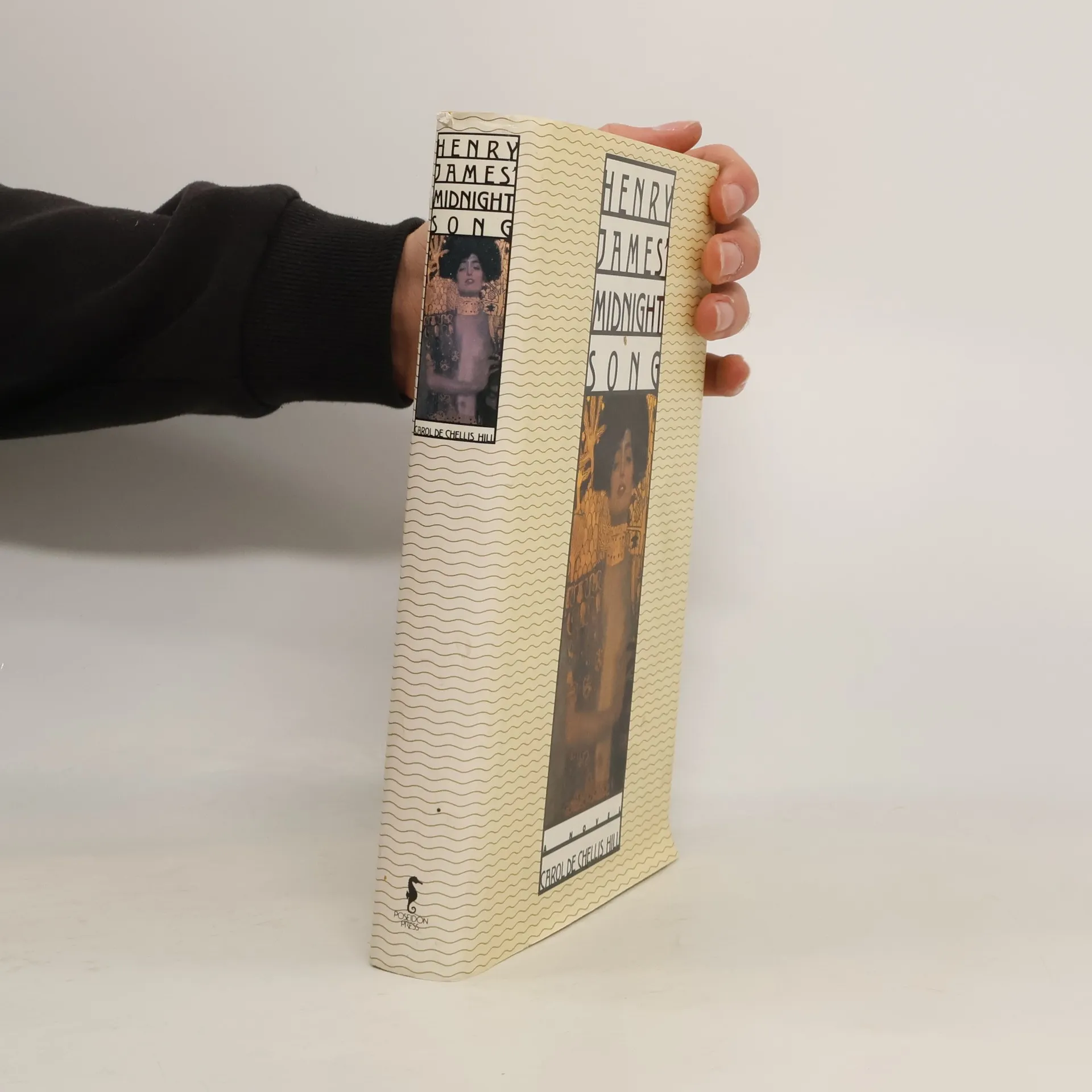
An original novel in which Henry James, Edith Wharton, Sigmund Freud, and Carl Jung meet in a plot of sex, love, murder, and memory. Only erudite inspector Maurice Le Blanc is able to cope with the literary and psychological geniuses who are involved in this murder case.
Wingfield's A TOUCH OF FROST, for anyone who loved watching David Jason as
Jack Frost, and readers of sharply plotted detective crime novels. Denton is
preparing for a wedding, with less than a week to go until Detective Sergeant
Waters marries Kim Myles.
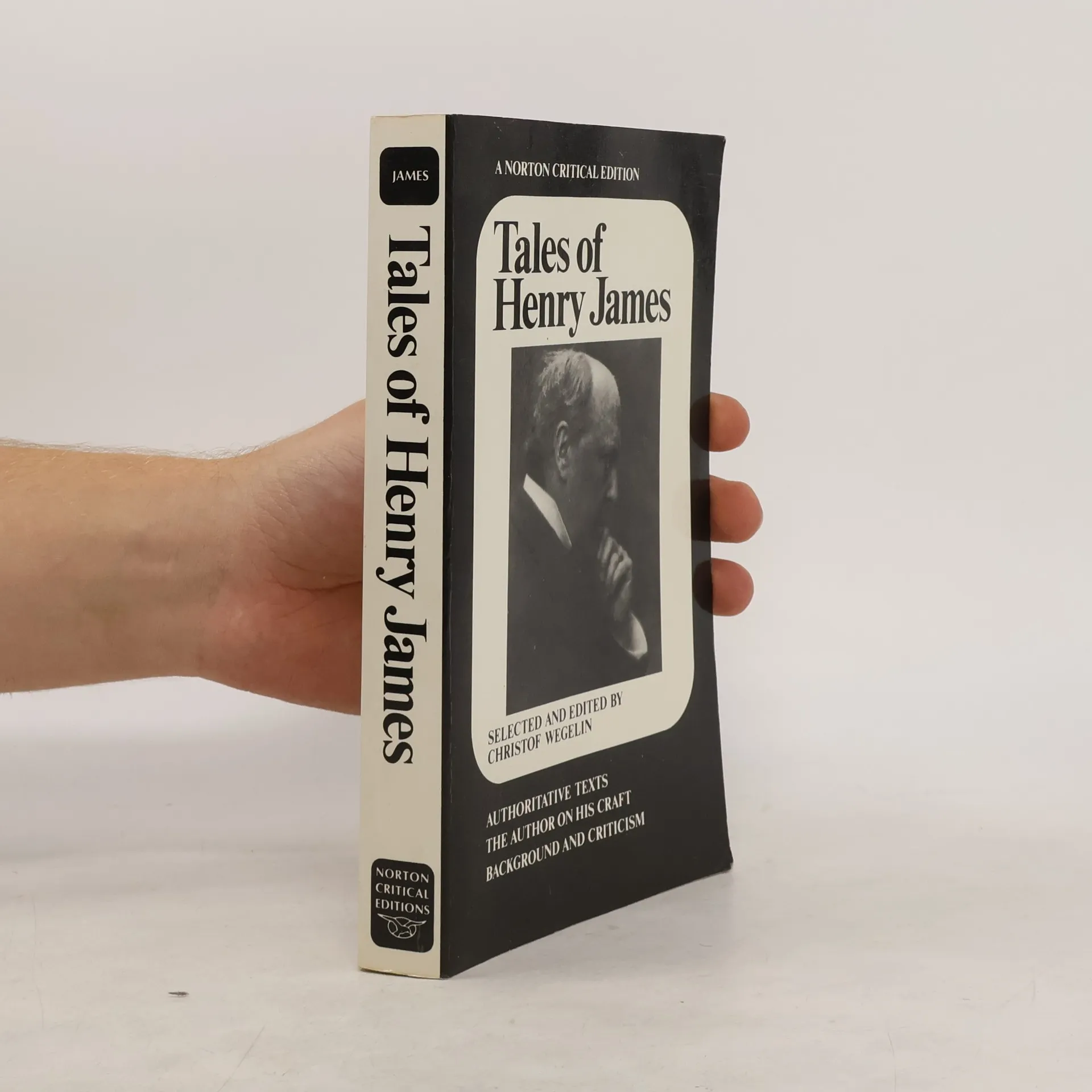
Critical essays and excerpts from James' notebooks, letters, and prefaces accompany nine stories that deal with ghosts, tyranny, the impact of Europe on Americans, and social manipulation
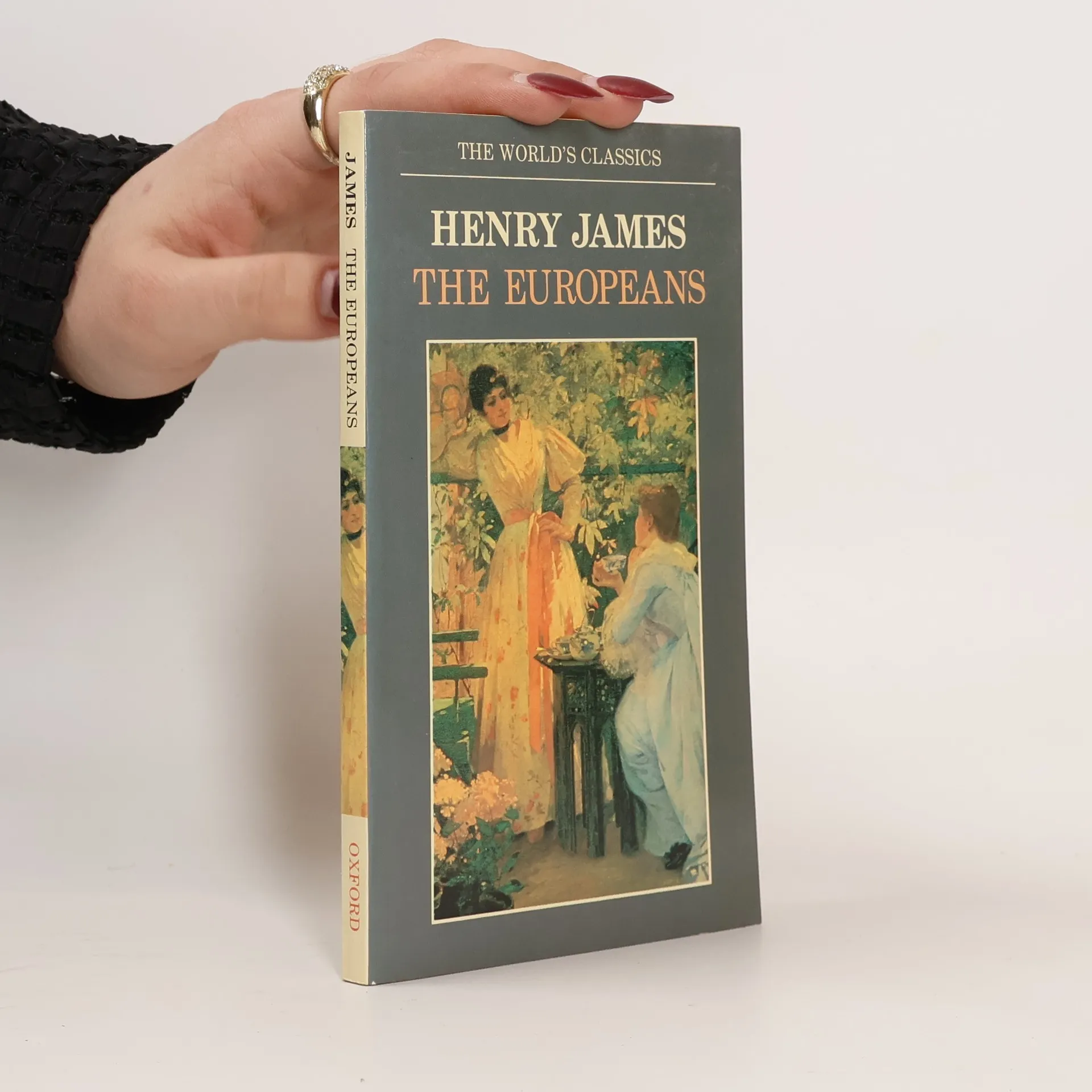
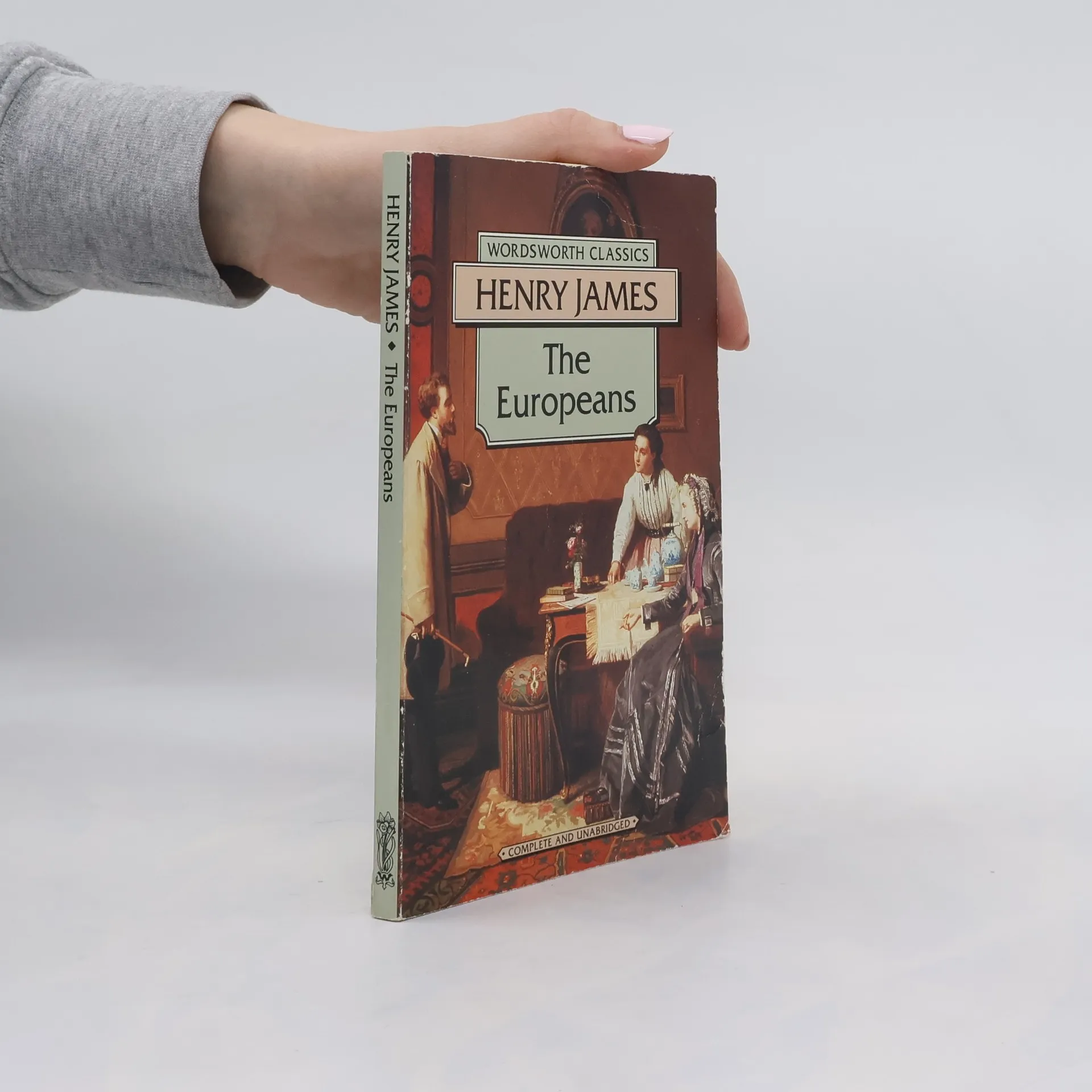
Eugenia, Baroness Munster, wife of a German princeling who wishes to be rid of her, crosses the ocean with her brother Felix to seek out their American relatives. Their voyage is prompted - so Eugenia says - by natural affection; but the Baroness has also come to seek her fortune. The advent of these visitors is viewed by the Wentworths, in the suburbs of Boston, with wonder and some apprehension. Of these, not the least alarming is the fascination exerted by the brilliant Eugenia on her impressionable cousins and their more wordly neighbor, Robert Acton. Can her restless spirit, which might find a safe haven in the New Englander's solid wealth, anchor itself to their solid principles? Or, as the Baroness phrases the question, who are these people, to whom fibbing is not pleasing? While Eugenia seems set permanently to unsetle them all, Felix, painter of trifling sketches, would diffuse among his hosts a healing charm, easing them in and out of various amorous complications, he has, as one might say of the novel itself, 'no fear of not being, in the end, agreeable.' The text of this World's Classics paperback is based on the first English edition (1878).
Henry James was arguably the greatest practitioner of what has been called the psychological ghost story. This edition includes all ten of his tales in this genre.
Denton, 1981. Britain is in recession, the IRA is becoming increasingly active and the country's on alert for an outbreak of rabies. Detective Sergeant Jack Frost is working under his mentor and inspiration DI Bert Williams, and coping badly with his increasingly strained marriage. Probably not helped by the fact that he never goes home...
Cultural distinctions and social misunderstandings drive the narrative, as two British gentlemen meet American women, leading to comedic interactions that reveal the contrasts between hospitality and aloofness across the Atlantic. The story features characters like Willy Woodley and Mr. Westgate, who serve as mere plot devices rather than fully developed figures, resulting in a narrative that lacks cohesion and thematic depth. James skillfully explores the complexities of love and nostalgia within a bi-national context, highlighting the comedic elements of manners and faux pas.
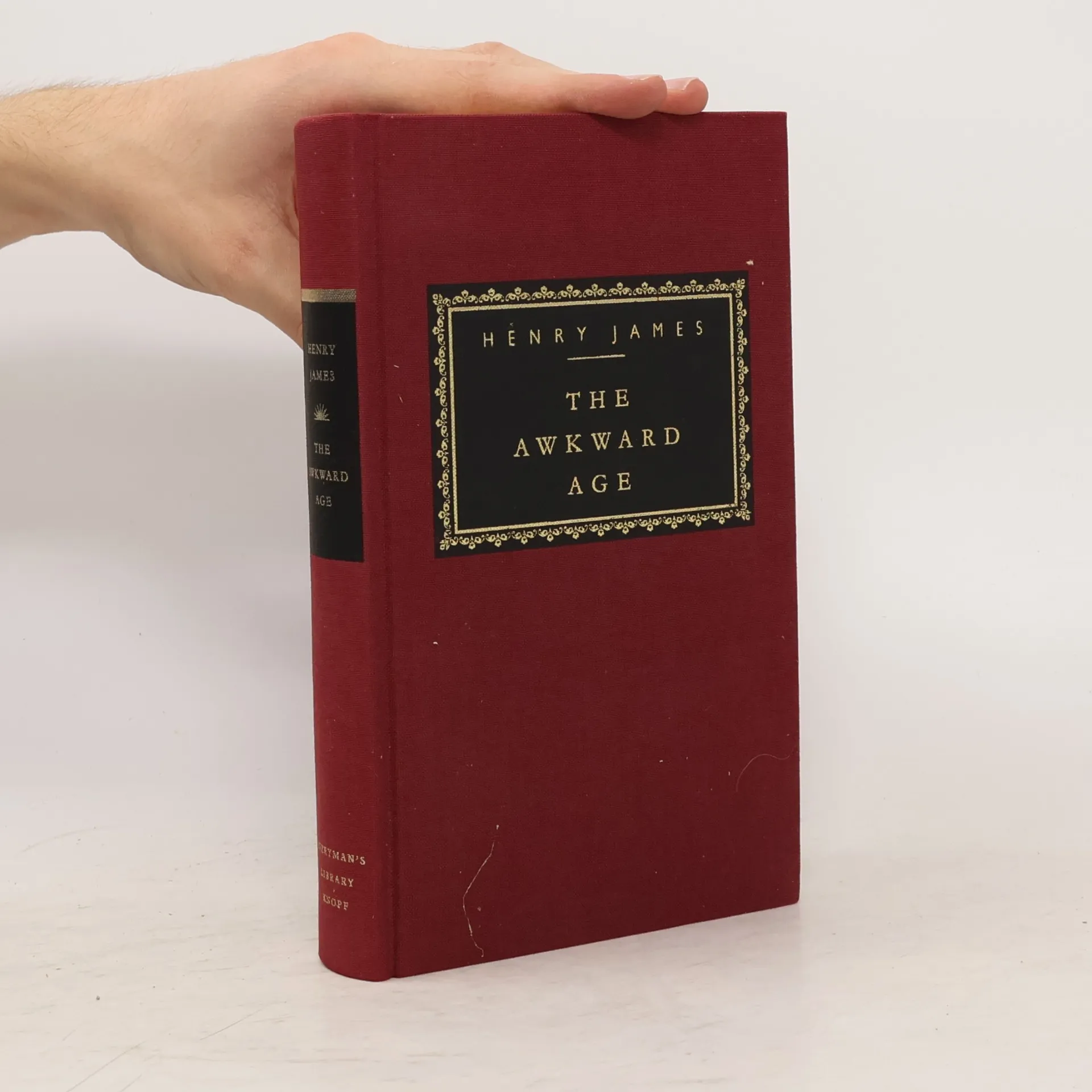
The Awkward Age is a novel by Henry James. Originally conceived as a brief, light story about the complications created in her family's social set by a young girl coming of age, the novel expanded into a general treatment of decadence and corruption in English fin de si�cle life.
Introduction -- Note on the text -- Further reading -- Chronology of Henry James -- Preface by Henry James -- The Wings of the Dove -- Appendix : From James's notebook -- Notes -- Selected variant readings.
This light-hearted masterpiece tells of the influence Eugenia and her brother Felix exert on their Bostonian cousins when they visit the New World. In the hope of making a wealthy marriage, Eugenia, the Baroness Münster, and her younger brother, the artist Felix, descend on the Wentworths, in Boston. Installed in a nearby house, they become close friends with the younger Wentworths - Gertrude, Charlotte and Clifford. Eugenia's wit, guile and sophistication, and Felix's debonair vivacity from an uneasy alliance with the Puritan morality and the frugal, domestic virtues of the Americans. A rich and delicately balanced comedy of manners, The Europeans weighs the values of the established order against those of New England society, but makes no simple judgements, only subtle contrasts and beautifully observed comparisons. Librarian note: alternative cover edition - ISBN 0140621954
Henry James, an influential Anglo-American novelist of the late 19th century, was noted for his unique narrative style, often presenting stories from a character's perspective, akin to impressionist art. Born into a literary family, he spent his formative years in the U.S. before settling in England, where he became a British citizen in 1915. His literary criticism emphasized the importance of creative freedom for writers, reflecting his belief in diverse interpretations of the world. His connections to notable figures, including his brother William, further highlight his literary significance.
Focusing on Nathaniel Hawthorne's literary contributions, Henry James offers an in-depth analysis of Hawthorne's novels and selected short stories, alongside insights into his life and nonfiction work. The book sparked controversy, particularly for James's critique of American life, where he identifies elements he believes are lacking in its novelistic landscape. This critical examination not only highlights Hawthorne's significance but also reflects on the broader context of American literature during that era.
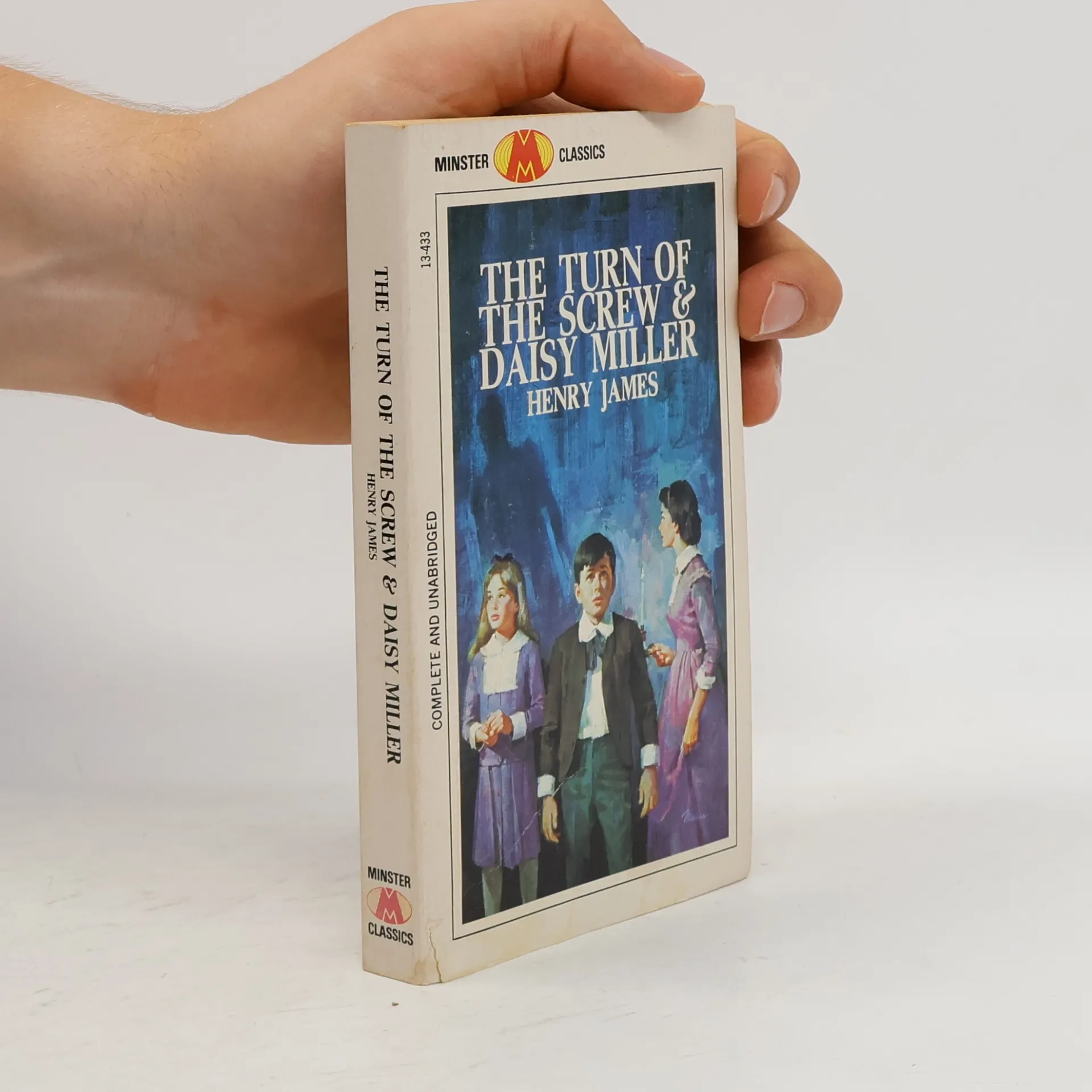
In The turn of the Screw, the story unfolds with the arrival of a new governess at a remote country estate. She has been hired by the uncle of two young orphans to take complete charge of the children's lives and upbringing. Her first peaceful weeks are disturbed by the apparition of the ghosts of two evil servants who once served in the house. In Daisy Miller, a young American traveling abroad for the first time, openly ignores the rigid European social code of the day and earns the disapproval of her fellow Americans.
Catherine Sloper is forbidden by her wealthy father to marry the fortune-hunting Morris Townsend. She secretly promises to marry Townsend when he is ready, but then realizes that Townsend is only waiting for her father to change his mind about her inheritance.
A collection of essays on travels in Italy. It explores art and religion,
political shifts and cultural revolutions, and the nature of travel itself. It
covers the aesthetic allure of Venice, the vitality of Rome, and the noisy,
sensuous appeal of Naples.
Preparing to marry, Owen Gereth asks his widowed mother to move out of the family manse, leaving its glorious objects to him and his bride. Mrs Gereth disapproves of her would-be daughter-in-law and enlists a young friend named Fleda Vetch to save the collectibles and her son.
An American editor with an enthusiasm for the works of Jeffrey Aspern, a romantic poet of the early 19th century, goes to Venice to acquire the letters that Aspern wrote to his mistress, a Miss Bordereau, whom he called "Juliana." Under an assumed name he rents a suite in the ancient palace where she lives in poverty and seclusion with her niece, Miss Tina. He finds that the old lady is shrewd and haughty and accepts him as a lodger only to put aside money for the future of Miss Tina, a timid, unattractive spinster much in awe of her aunt. During his residence with them, the editor wins the friendship of Miss Tina, to whom he reveals his mission. Leaving Venice for a fortnight, he returns to find that Miss Bordereau has died. Miss Tina, who is clearly in love, welcomes him expectantly, but confesses that she could only give him the papers if he were "a relative."In addition to "The Aspern Papers," this collection contains "The Private Life," "The Middle Years," and "The Death of the Lion," as well as prefaces by Henry James, a chronology of his life, and editor's notes.
The novella explores the complex relationship between a young writer, Paul Overt, and his idol, the renowned novelist Henry St. George. As Overt seeks guidance from St. George, themes of ambition, mentorship, and the struggles of artistic integrity emerge. The narrative delves into the challenges of balancing personal aspirations with the expectations of the literary world, ultimately revealing the nuanced dynamics between teacher and student in the pursuit of creative fulfillment.
Exploring the contrast between a sheltered scholar and a streetwise pragmatist, the narrative delves into philosophical themes through rich character profiles. Set against the backdrop of Homburg before gambling was banned, the story captures a vibrant scene where an orchestra plays, evoking memories and reflections. Written in chapters, this work showcases Henry James' ability to weave complex ideas into engaging storytelling, similar to his other renowned novels. The atmosphere of the Kursaal terrace enhances the exploration of human experiences and connections.
Gustave Flaubert's novel is a landmark of the nineteenth century, known for its influence and controversy. In this Penguin Classics edition, translated by Geoffrey Wall and featuring a preface by Michele Roberts, we meet Emma Bovary, a beautiful yet discontented woman trapped in a mundane marriage to a mediocre doctor. Longing for excitement, she immerses herself in sentimental novels and seeks escape through extravagant spending and affairs. However, her pursuits lead to disappointment and tragic consequences. Upon its publication in 1857, Flaubert's candid exploration of Emma's desires sparked moral outrage, with many women claiming to be reflections of her character. Flaubert famously stated, "Madame Bovary, c'est moi," asserting a personal connection to his creation. Born in Rouen in 1821, Flaubert turned to writing after an illness disrupted his law career. Although the novel garnered immediate acclaim, its frank depiction of adultery led to a trial for immorality, from which he narrowly escaped conviction. Despite limited success during his lifetime, Flaubert's reputation grew posthumously. If you appreciated this work, you may also enjoy Stendhal's The Red and the Black, available in Penguin Classics. A.S. Byatt praised it as "enchanting and terrible," while Kate Summerscale noted its innovative style.
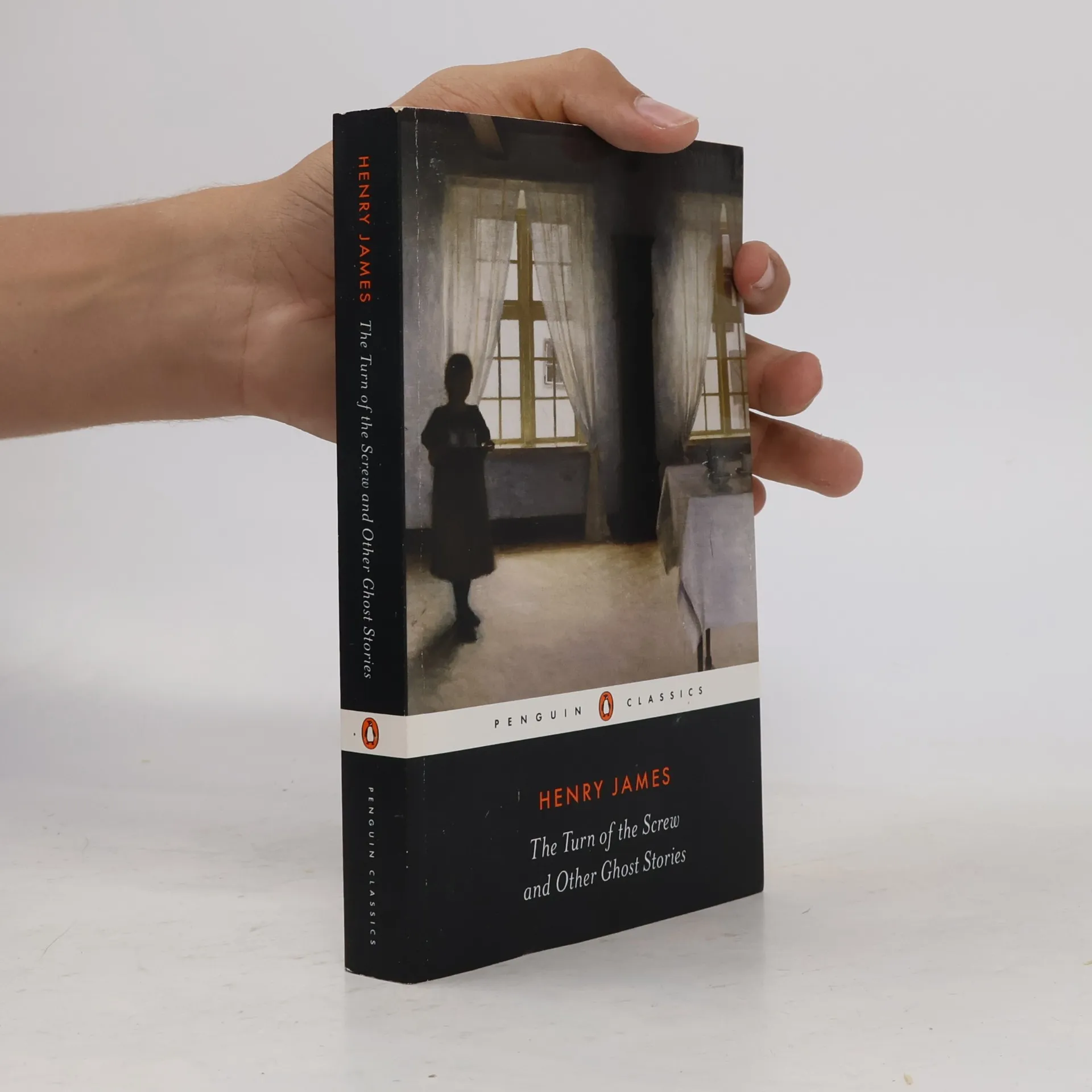
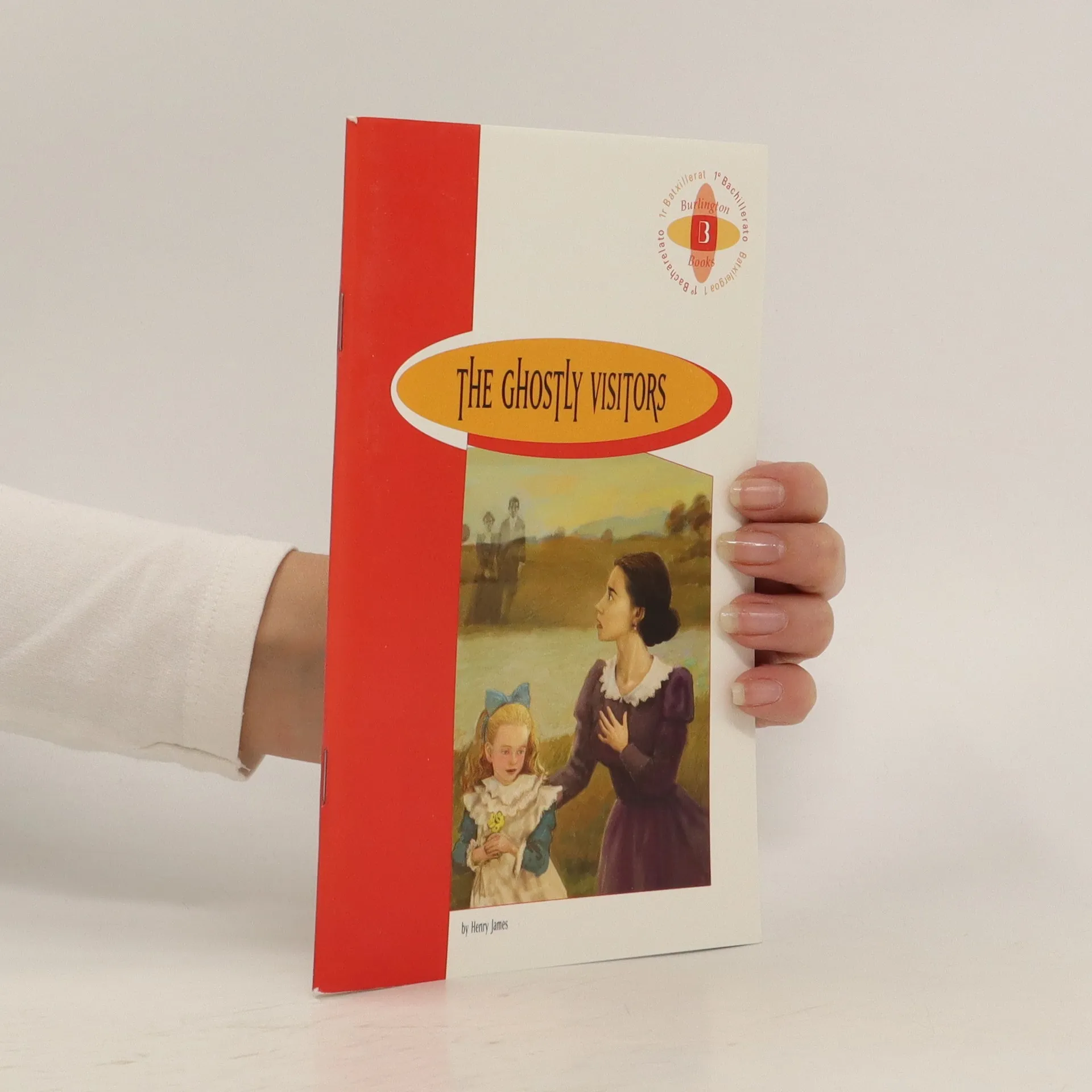
Penguin Readers is an ELT graded reader series for learners of English as a foreign language. With carefully adapted text, new illustrations and language learning exercises, the print edition also includes instructions to access supporting material online. Titles include popular classics, exciting contemporary fiction, and thought-provoking non-fiction, introducing language learners to bestselling authors and compelling content. The eight levels of Penguin Readers follow the Common European Framework of Reference for language learning (CEFR). Exercises at the back of each Reader help language learners to practise grammar, vocabulary, and key exam skills. Before, during and after-reading questions test readers' story comprehension and develop vocabulary. Visit the Penguin Readers website Exclusively with the print edition, readers can unlock online resources including a digital book, audio edition, lesson plans and answer keys. A young woman accepts her first job as a governess and goes to Bly, a large country house in England. There she teaches a young brother and sister. But the governess soon starts to see ghosts and tries to protect the children from them.
'A fast-moving thriller. I was totally absorbed by it' ELLY GRIFFITHS 'Vivid and compelling, with great evocation of the 1980s period' PETER JAMES 'A masterclass in place and landscape' CHRISTIE WATSON PERFECT FOR FANS OF PETER JAMES AND STUART MACBRIDE. January 1983, Blackwater Estuary A new year brings a new danger to the Essex shoreline. An illicit shipment, bound for Colchester - 100 kilograms of powder that will frantically accelerate tensions in the historic town, and leave its own murderous trace. Detective Inspector Nick Lowry, and his fellow officers Daniel Kenton and Jane Gabriel must now develop a tolerance to one another, and show their own substance, to save Britain's oldest settlement from a new, unsettling enemy.
Viewed from Mt. Vernon Street, the problem of life was as simple as it was classic, Politics offered no difficulties, for there the moral law was a sure guide. Social perfection was also sure, because human nature worked for good, and three instruments were all she asked Suffrage, Common Schools, and Press. On these points doubt was forbidden. Education was divine, and man needed only a correct knowledge of fact to reach perfection.
Set in Paris, this short novel explores the humorous fallout from scandalous truths about a local family that are exposed in an American gossip magazine. The narrative cleverly intertwines themes of reputation and societal perception, showcasing Henry James's wit and keen observations of both American and European cultures. As the characters navigate the ensuing chaos, the story unfolds with a lighthearted tone, reflecting the complexities of social dynamics in a vibrant city.
On the occasion of the centenary of the Master's death, a new collection of
the acclaimed novelist's travel writing, taking readers from the American
towns of upstate New York to villages in rural Tuscany.
Regarded by many as James's greatest achievement in short fiction, "The Beast in the Jungle" is a portrait of a man alienated from life and love with a secret neither he nor James can talk about. "The Jolly Corner" and "The Altar of the Dead" are two tales that explore the complex interlacings of loss, love and the ever-present past in the lives of their protagonists.
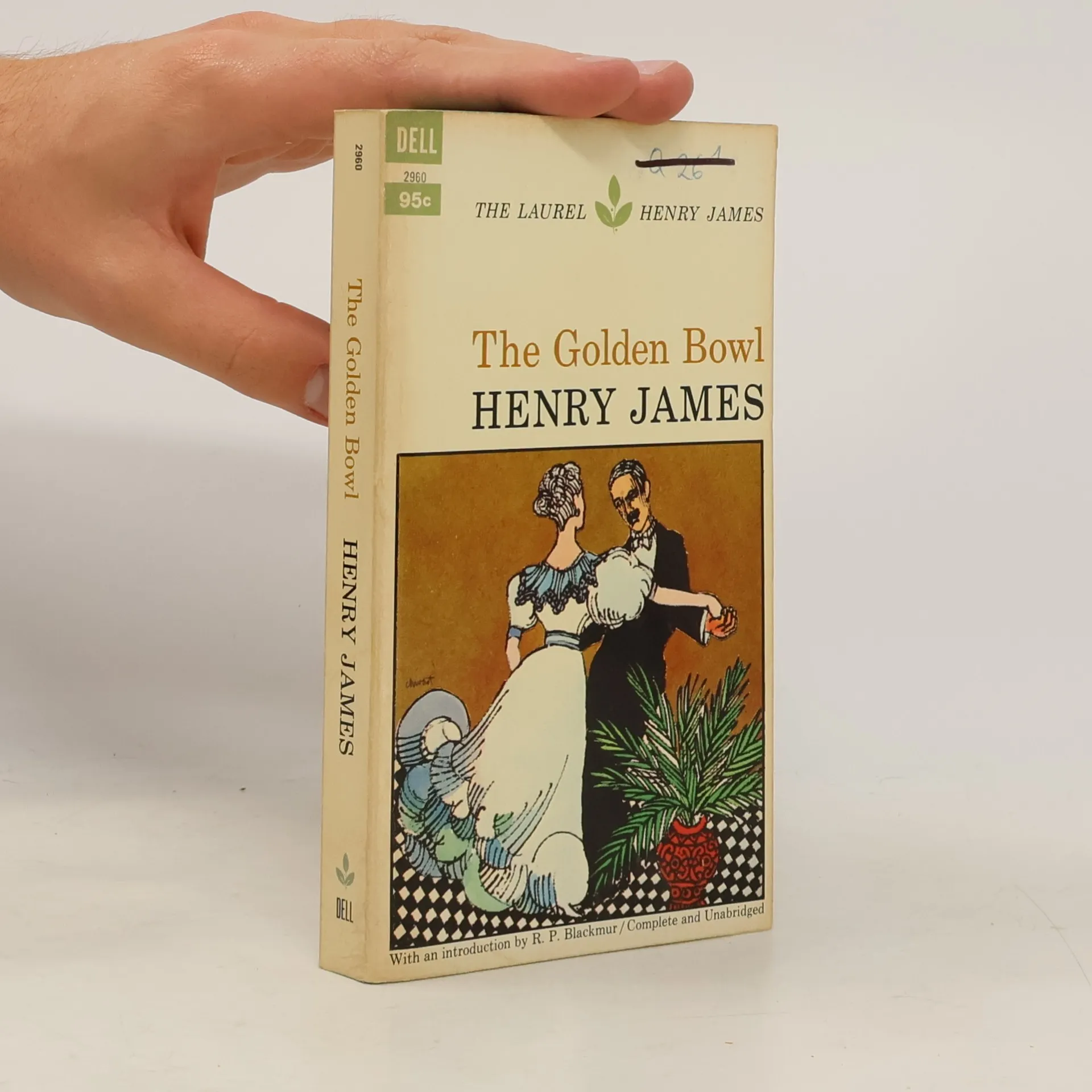
In this classic collision of the New World with Old Europe, James weaves a fable of thwarted desire that shifts between comedy, tragedy, romance, and melodrama. This revised edition features a new Introduction and Afterword by Leon Edel. Reissue.
A masterpiece by the great American realist Henry James, Daisy Miller is the story of an innocent girl's love and recognition in a society where respectable behaviour counts for everything.[Macmillan]
Daisy Miller is one of Henry James's most attractive heroines: she represents
youth and frivolity. As a tourist in Italy, her American freedom and freshness
of spirit come up against the corruption and hypocrisy of European manners.
From its first publication, readers on both sides of the Atlantic have
quarrelled about her, defending or attacking the liberties that Daisy takes
and the conventions that she ignores. All three tales in this collection,
Daisy Miller, An International Episode and Lady Barbarina, express James's
most notable subject, 'the international theme', the encounters, romantic and
cultural, between Americans and Europeans. His heroes and heroines approach
each other on unfamiliar ground with new freedoms, yet find themselves
unexpectedly hampered by old constraints. In An International Episode, an
English lord visiting Newport, Rhode Island, falls in love with an American
girl, but their relationship becomes more complicated when she travels to
London. In the light-hearted comedy Lady Barbarina, a rich young American
seeks an English aristocratic bride. The unusual outcomes of these three tales
pose a number of social questions about marriage and the traditional roles of
men and women. Is an international marriage symbolic of the highest cultural
fusion of values or is it an old style raid and capture? Is marriage to remain
the feminine destination?
This publication focuses on making historical works accessible to individuals with impaired vision through large print. Megali, the publishing house behind this initiative, is dedicated to reproducing original texts to enhance readability and preserve important literature for future generations.
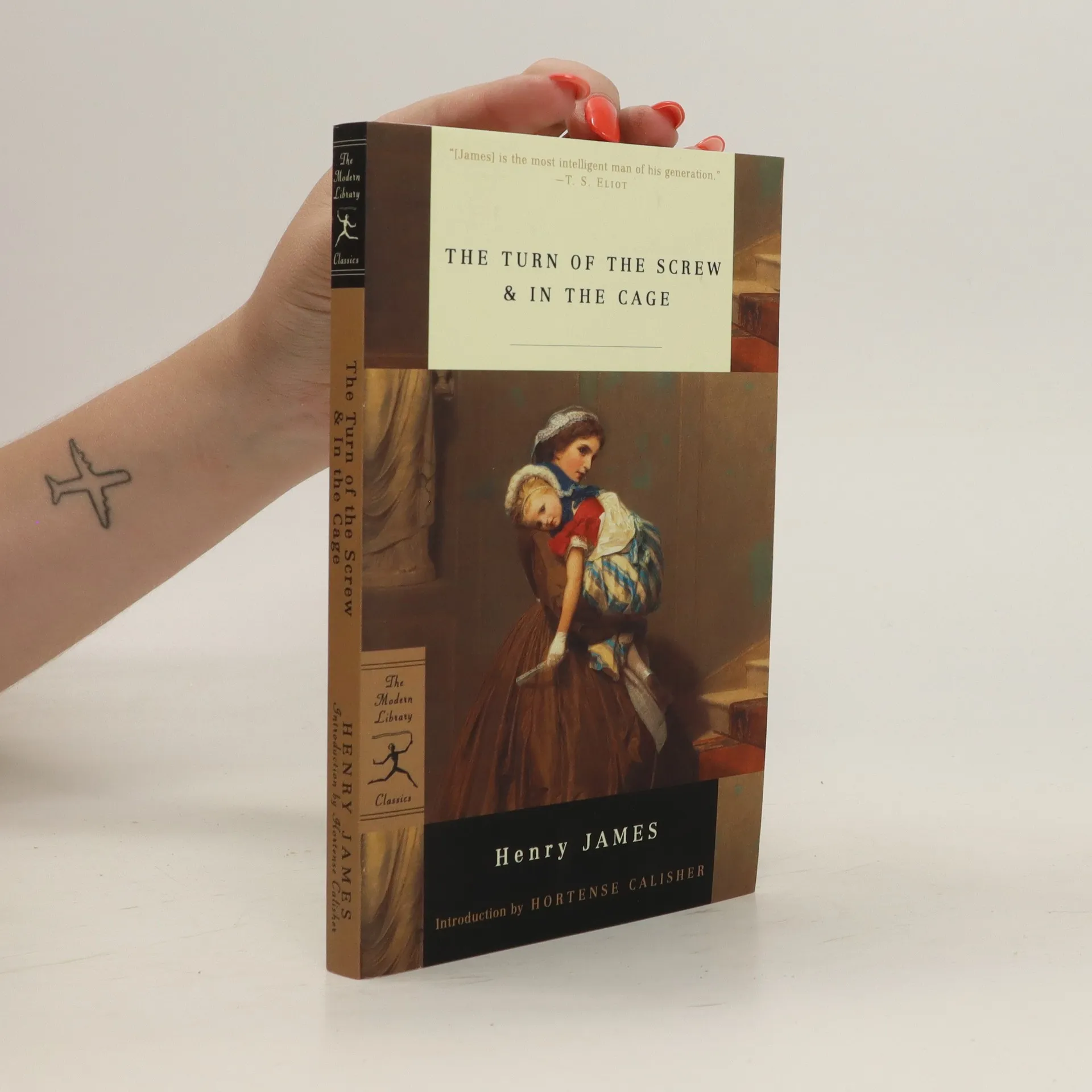
This Modern Library Paperback Classics edition brings together one of literature's most famous ghost stories and one of Henry James's most unusual novellas. In The Turn of the Screw, a governess is haunted by ghosts from her young charges past; Virginia Woolf said of this masterpiece of psychological ambiguity and suggestion, We are afraid of something unnamed, of something, perhaps, in ourselves...Henry James...can still make us afraid of the dark.In his rarely anthologized novella In the Cage, James brings his incomparable powers of observation to the story of a clever, rebellious heroine of Britain's lower middle class. Hortense Calisher, in her Introduction, calls it a delicious story, the more so because it confounds what we expect from James.
To read a story by Henry James is to enter a world - a rich, perfectly crafted domain of vivid language and splendid, complex characters. In this classic novella, a young governess who goes to an isolated English estate to take charge of two precocious children gradually realizes that her young charges are under the evil influence of the ghosts of the family's ex-steward and former governess.
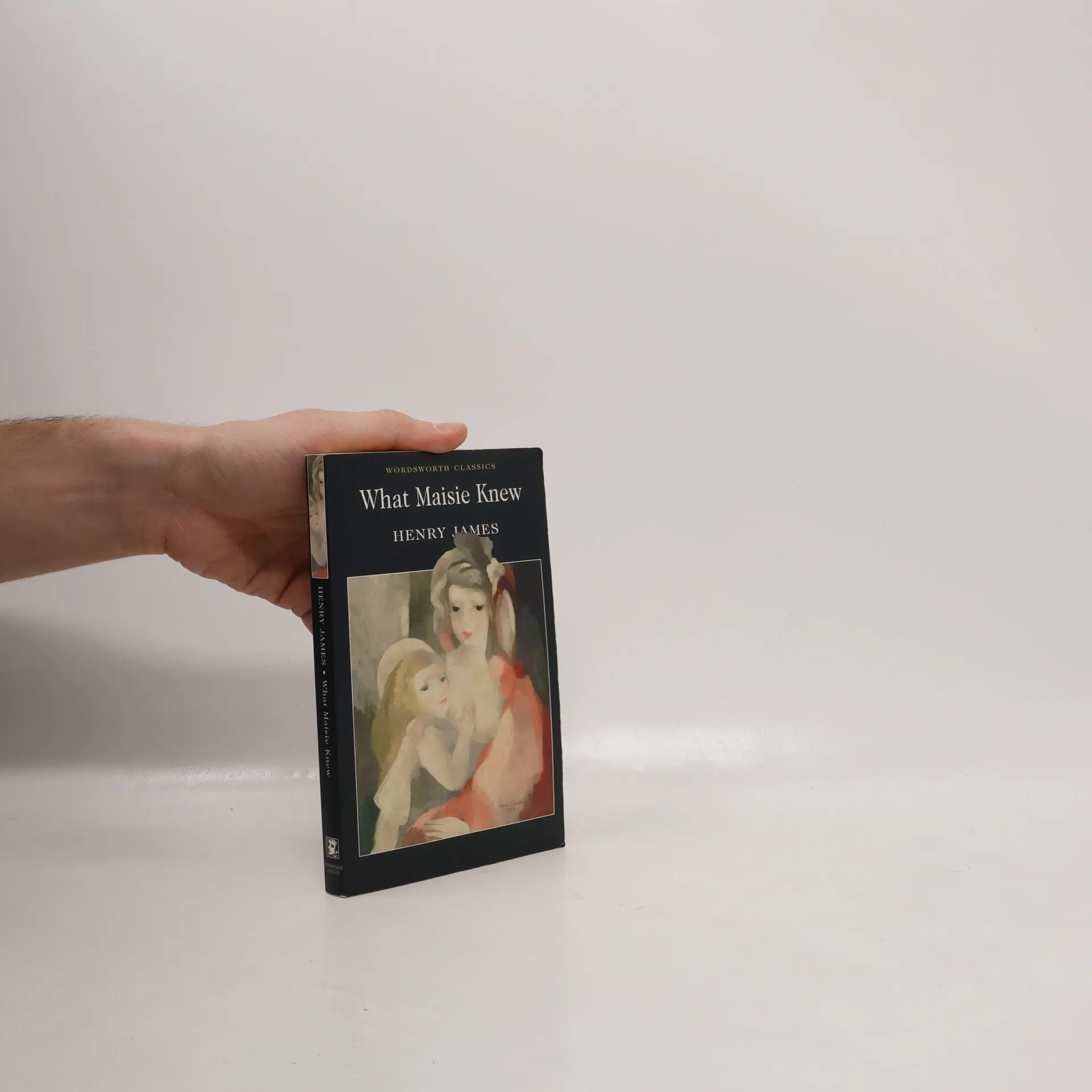
What Maisie Knew (1897) represents one of James's finest reflections on the rites of passage from wonder to knowledge, and the question of their finality. The child of violently divorced parents, Maisie Farange opens her eyes on a distinctly modern world. Mothers and fathers keep changing their partners and names, while she herself becomes the pretext for all sorts of adult sexual intrigue.In this classic tale of the death of childhood, there is a savage comedy that owes much to Dickens. But for his portrayal of the child's capacity for intelligent `wonder', James summons all the subtlety he devotes elsewhere to his most celebrated adult protagonists. Neglected and exploited by everyone around her, Maisie inspires James to dwell with extraordinary acuteness on the things that may pass between adult and child. In addition to a new introduction, this edition of the novel offers particularly detailed notes, bibliography, and a list of variant readings.
An unsettling new collection of Henry James's best short stories exploring
ghosts and the uncanny 'There had been a moment when I believed I recognised,
faint and far, the cry of a child; there had been another when I found myself
just consciously starting as at the passage, before my door, of a light
footstep' 'I see ghosts everywhere', wrote Henry James, who retained a
fascination with the supernatural and sensational throughout his writing
career. This new collection brings together eight of James's tales exploring
the uncanny, including his infamous ghost story, 'The Turn of the Screw', a
work saturated with evil, in which a fraught governess becomes convinced that
malicious spirits are menacing the children in her care. The other masterly
works here include 'The Jolly Corner', 'Owen Wingrave' and further tales of
visitations, premonitions, madness, grief and family secrets, where the living
are just as mysterious and unknowable as the dead. With an introduction and
notes by Susie Boyt General Editor Philip Horne
Set in England, this novella explores the tension between American and European cultures, showcasing Henry James' fascination with their contrasts. As the narrative unfolds, the clash between the Old World and the New escalates, culminating in an ironic conclusion. Originally published in 1871, it was later included in the New York Edition of his works, reflecting its significance in James' literary journey.
Set during a weekend party at the Newmarch estate, the narrative features a first-person narrator who observes unsettling transformations among the guests. As he notes the decline of a graceful woman and the newfound charm of a previously dull man, he becomes obsessed with the idea of life force exchanges among them. This exploration of human dynamics and the complexities of social interactions showcases Henry James at his artistic peak, blending psychological insight with the peculiarities of character development.
When Chadwick Newsome becomes entangled in a liaison dangereux with a Parisian temptress, his overbearing mother deploys her future husband - the aimable Strether - as an ambassador to engineer his safe return. Strether soon deserts to Chadwick's side, initiating a tale of mistaken intentions.
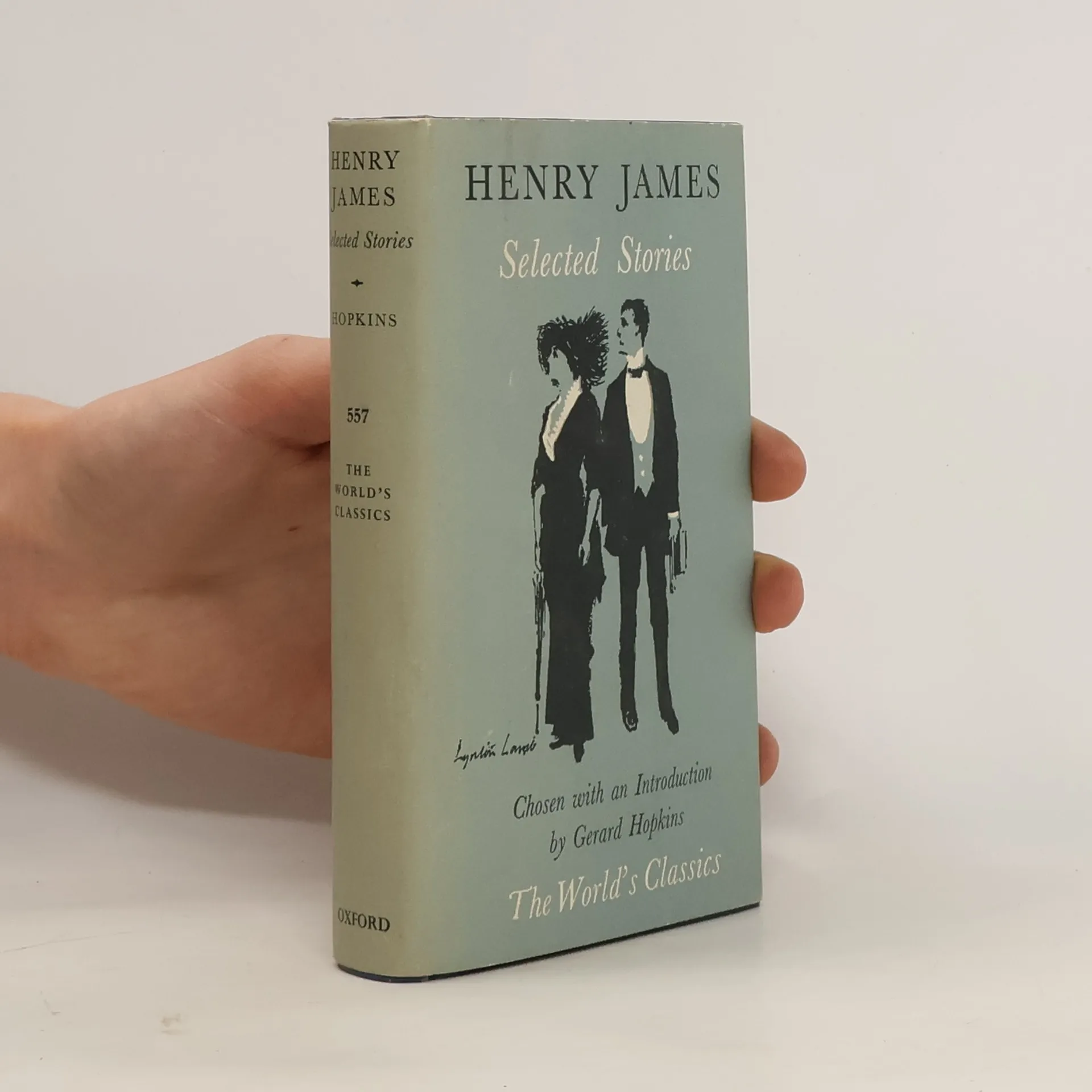
This collection features some of Henry James's finest short works. The stories range in subject from marriage and money to artistic criticism and moral dilemmas. James's unique style of psychological realism is on full display in these masterful tales.
This comprehensive collection of Henry James' novels and tales is a must-have for any serious student of American literature. From the psychological complexity of The Author of Beltraffio to the haunting supernaturalism of The Turn of the Screw, these works showcase James' remarkable range and artistry. Percy Lubbock's insightful introduction provides valuable context and analysis for readers new to James' work.
Lose yourself in the complex psychological dramas and subtle social critiques of Henry James, one of the greatest novelists of the 19th century. This comprehensive collection features ten of his most celebrated works, including his masterpieces The Portrait of a Lady and The Turn of the Screw. With an illuminating introduction by Percy Lubbock, this book is a must-have for lovers of classic literature.
Exploring the concept of Covert Manipulation, this book delves into how our decisions are often influenced by subtle techniques. It uncovers the psychological tactics behind everyday choices, revealing how external factors shape our preferences and behaviors. The author aims to empower readers by increasing awareness of these manipulative strategies, encouraging critical thinking and informed decision-making in a world where many influences operate beneath the surface.
This book features a reproduction of a historical work, produced by Megali, a publishing house dedicated to creating large print editions. This initiative aims to enhance accessibility for individuals with impaired vision, ensuring that classic literature remains available and easy to read for a broader audience.
Exploring the clash of American and European cultures, the story centers on Isabel Archer, a vibrant young American who inherits a fortune. Eager to embrace her independence, she travels through Europe but becomes entangled with Gilbert Osmond, an American expatriate, after rejecting previous marriage proposals. Initially drawn to him, Isabel soon faces the harsh reality of his egotism and lack of true affection, leading to her disillusionment. Celebrated as a modern classic, this novel delves into themes of freedom, identity, and the complexities of love.
The narrative intricately explores the tension between the supernatural and psychological realms, raising questions about the nature of fear and guilt. Critics debate whether the story features actual ghosts or if the terrors stem from the characters' internal struggles. Inspired by a chilling tale from an Archbishop, the author weaves a "sinister romance" filled with enigmatic spirits, leaving their true nature ambiguous. This layered storytelling ensures that the work remains compelling and open to interpretation, captivating readers for generations.
This work is a reproduction of an original text, focusing on accessibility by utilizing large print format. Megali, the publishing house behind this edition, is dedicated to making historical works more readable for individuals with impaired vision, ensuring that important texts remain accessible to a wider audience.
Henry James, an influential Anglo-American novelist of the late 19th century, explored character perspectives in his works, likened to impressionist painting. Born into a literary family, he was the son of a clergyman and brother to philosopher William James. Although he spent his early years in the U.S., he later became a British citizen. Advocating for creative freedom, James emphasized the importance of personal viewpoints in literature, shaping his unique narrative style and contributing significantly to literary criticism.
Featuring ten original tales by Henry James, this collection includes his renowned story, "The Altar of the Dead," alongside other notable works such as "The Beast In The Jungle" and "The Death Of The Lion." Each story showcases James's intricate narrative style and deep exploration of complex themes such as mortality, artistic ambition, and the intricacies of human relationships. Readers can expect a rich tapestry of character-driven narratives that reflect James's literary mastery and psychological insight.