Richard Leigh was a British author celebrated for his novels that delve into historical mysteries and hidden truths. His works are marked by thorough research and compelling narratives that draw readers into intricate puzzles. Leigh expertly weaves historical events with fictional elements, exploring timeless themes of belief, history, and human nature. His distinctive style and fascination with uncovering the concealed aspects of the past make his books an engaging read for enthusiasts of mystery and history.
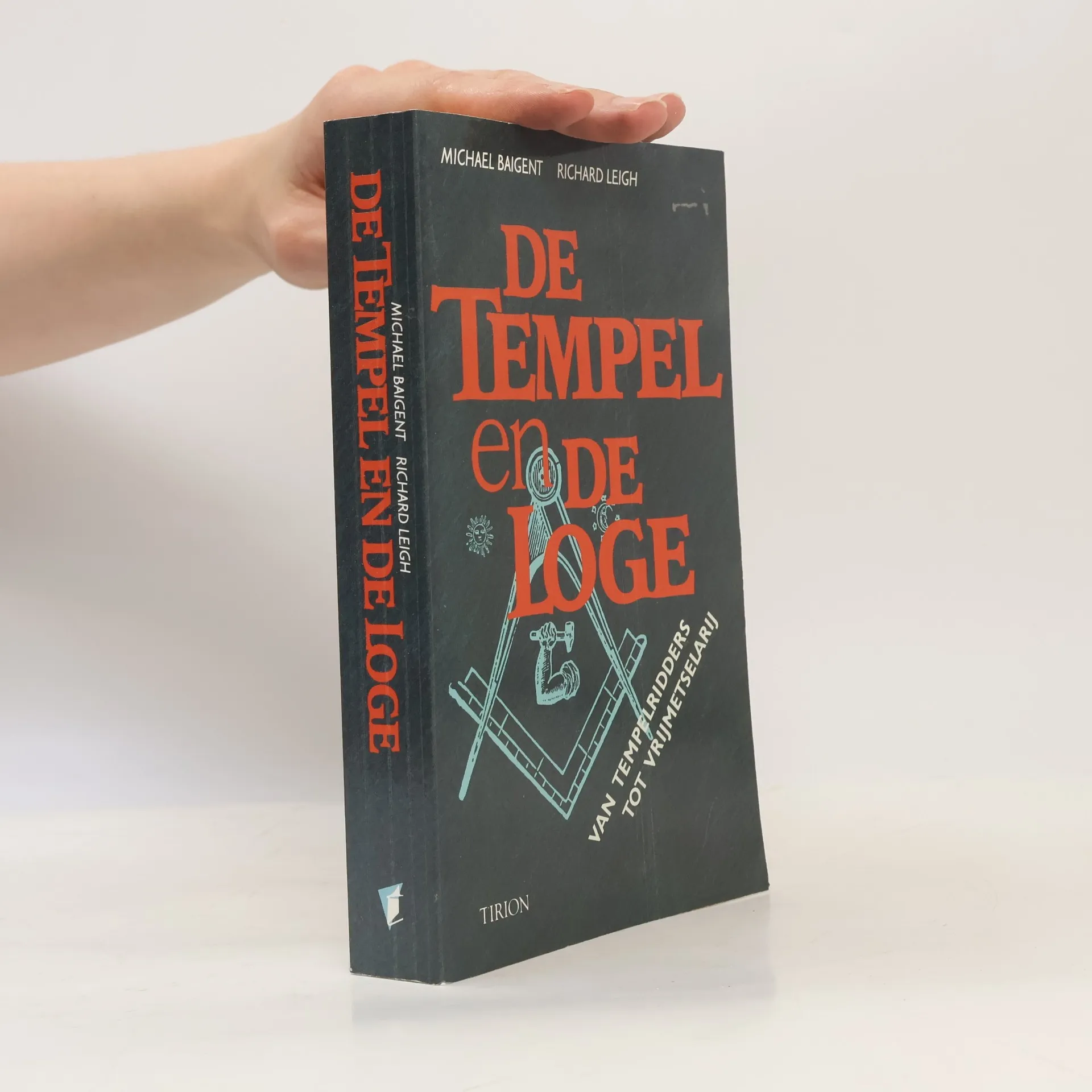
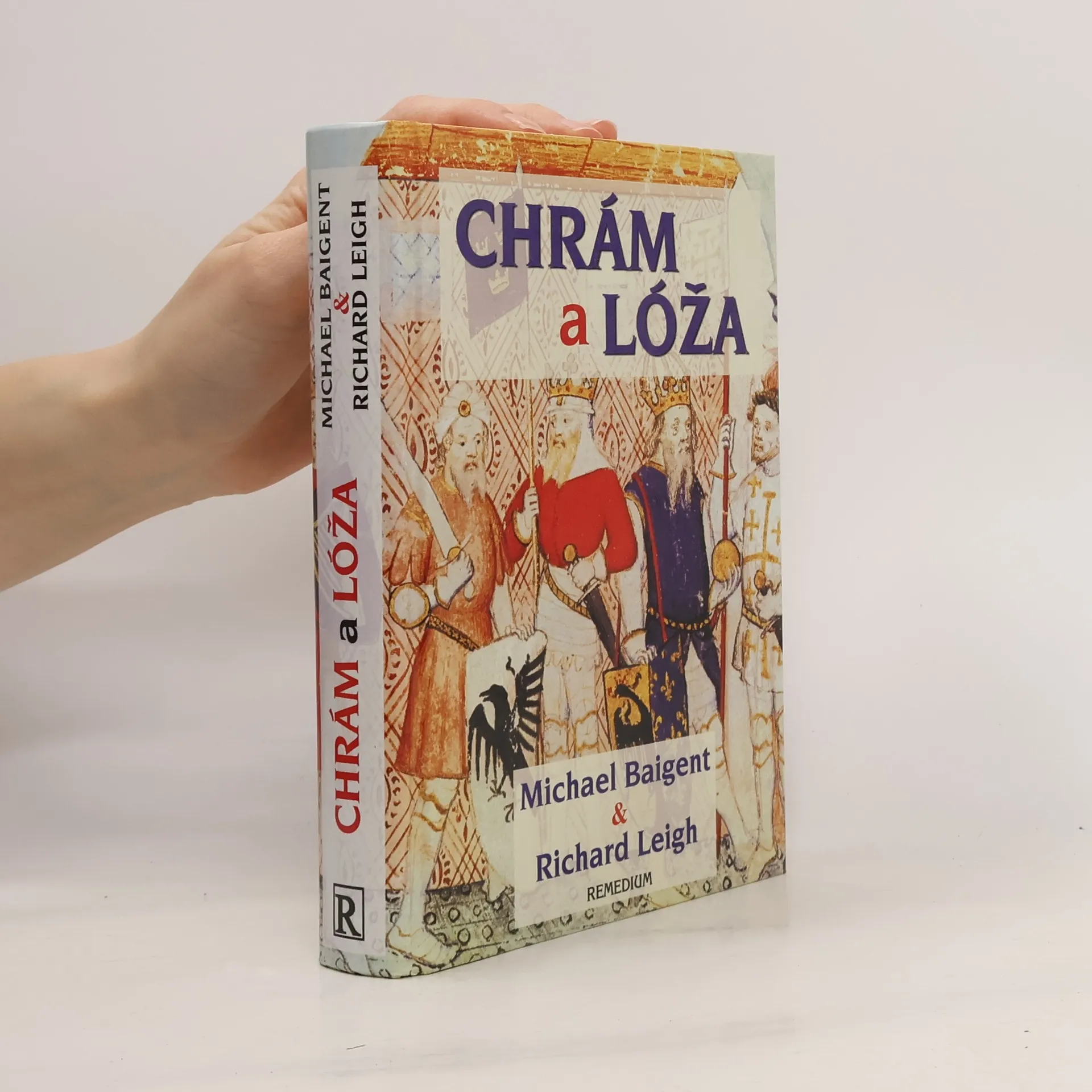
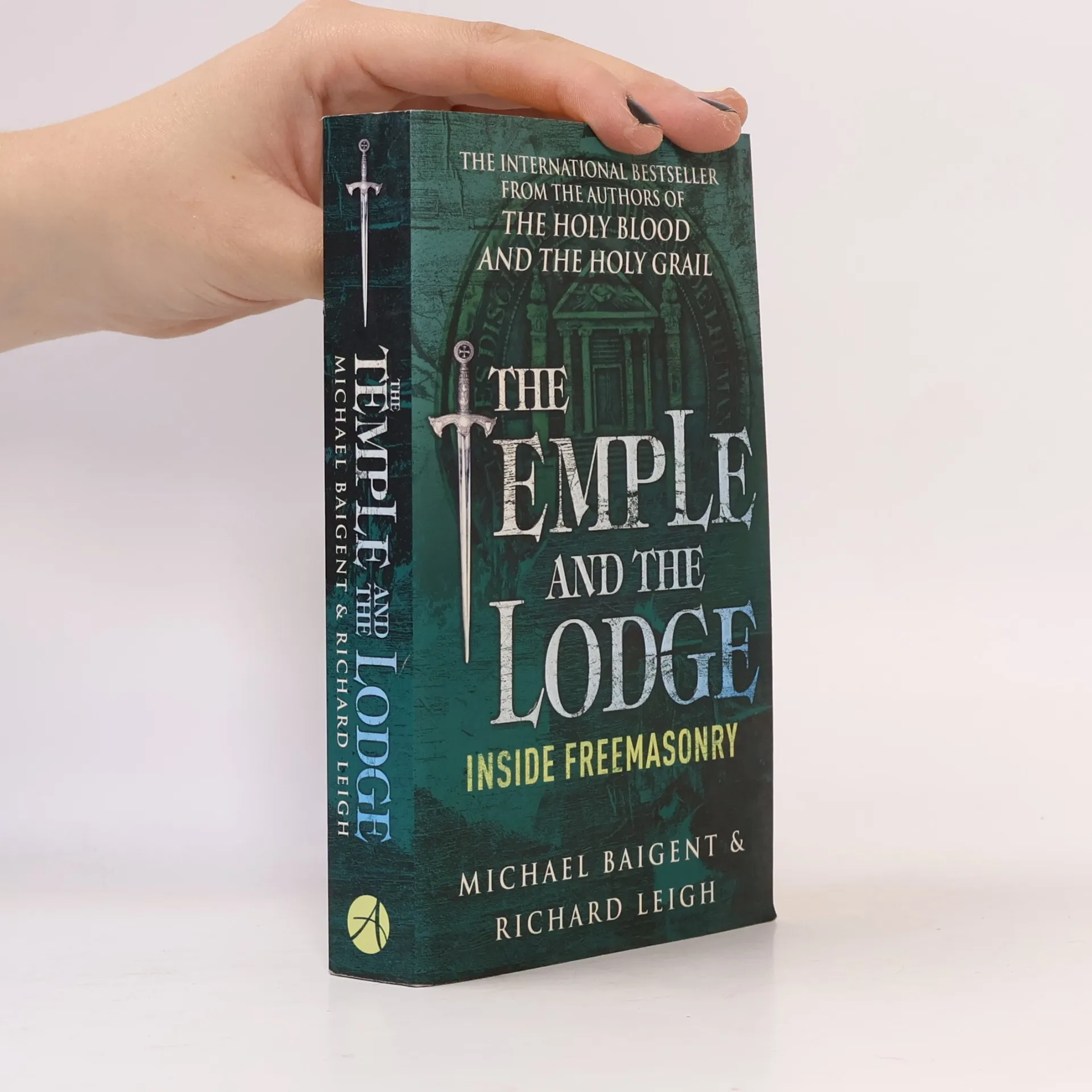
Charts the birth of Freemasonry through the survival of Templar traditions, currents of European thought, the mystery surrounding Rosslyn chapel, and an elite cadre of aristocrats attached as personal bodyguards to the French king. This book reveals its contribution to the fostering of tolerance, progressive values and cohesion in English society.
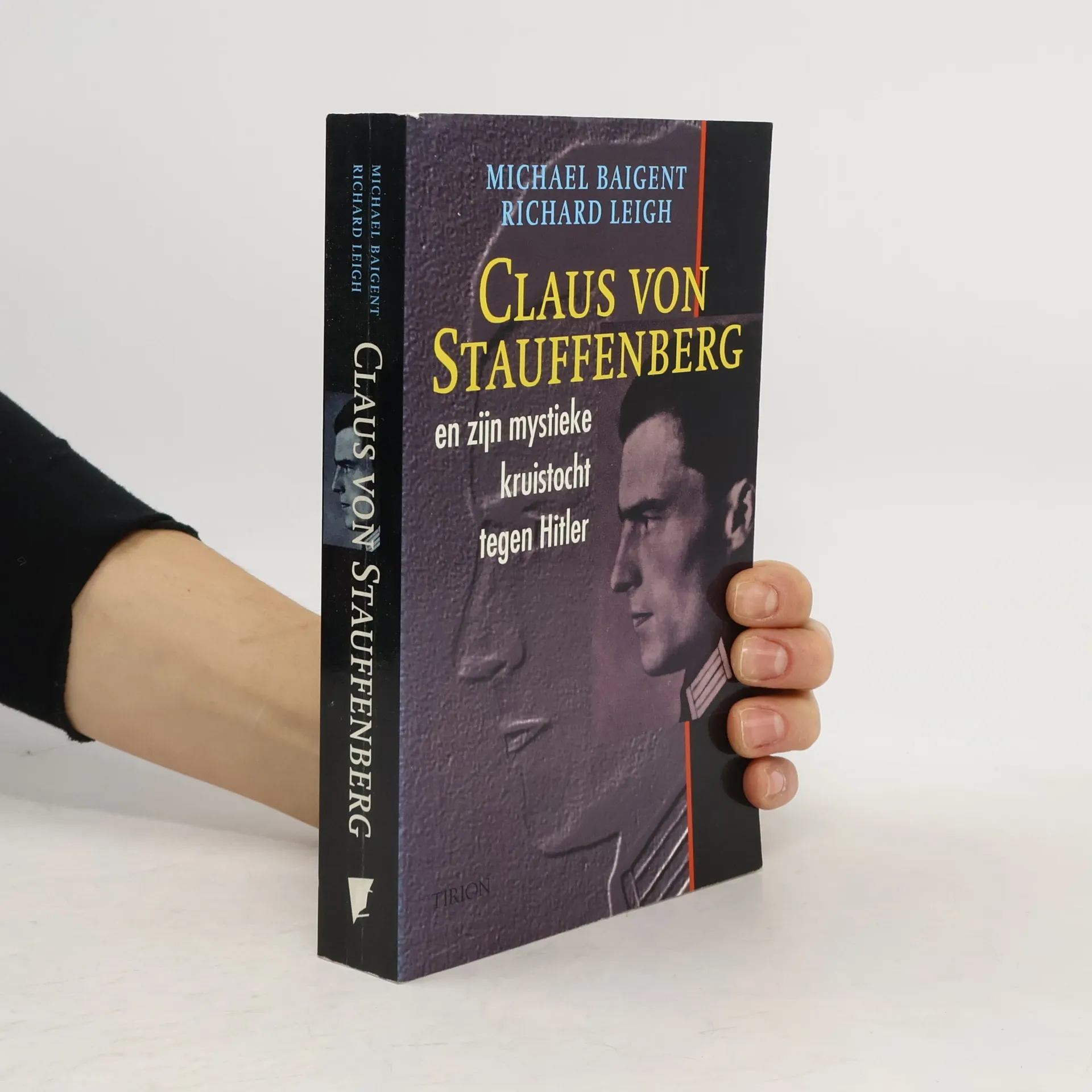
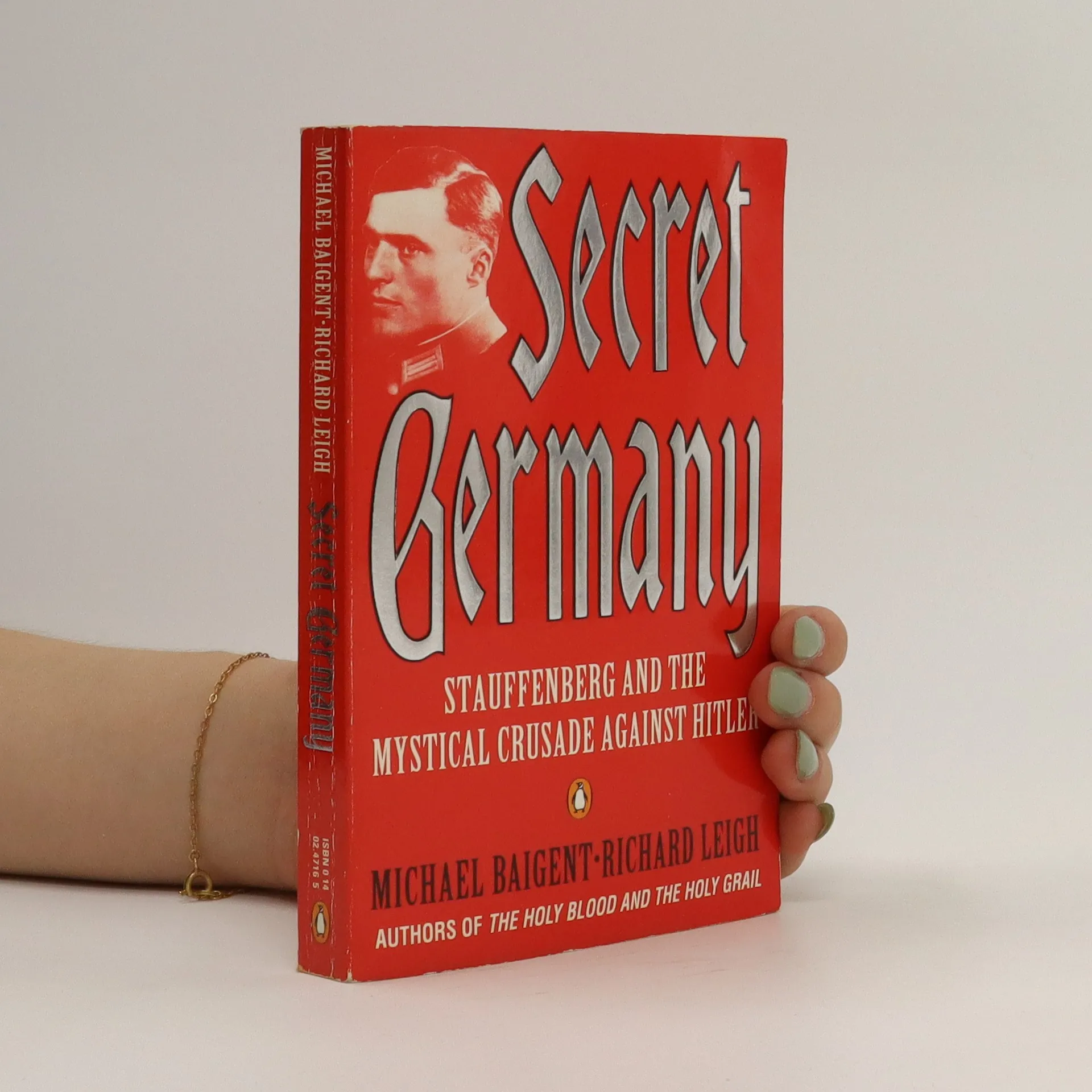
By July of 1944, the Third Reich's days were numbered. Colonel Claus von Stauffenberg, a general staff insider with open eyes (and access to the F?hrer), was convinced that assassinating Hitler was the only way to prevent the destruction of the Fatherland and the deaths of millions. On July 20, he hid a bomb-stuffed briefcase at a high-level meeting. The explosion tore through the room, but a table leg spared Hitler from the blast. The result was a witch hunt, a wave of executions, and a further pointless year of war. Michael Baigent and Richard Leigh deliver ... [a] definitive portrait of the anti-Nazi movement (called "Secret Germany") that almost killed Hitler
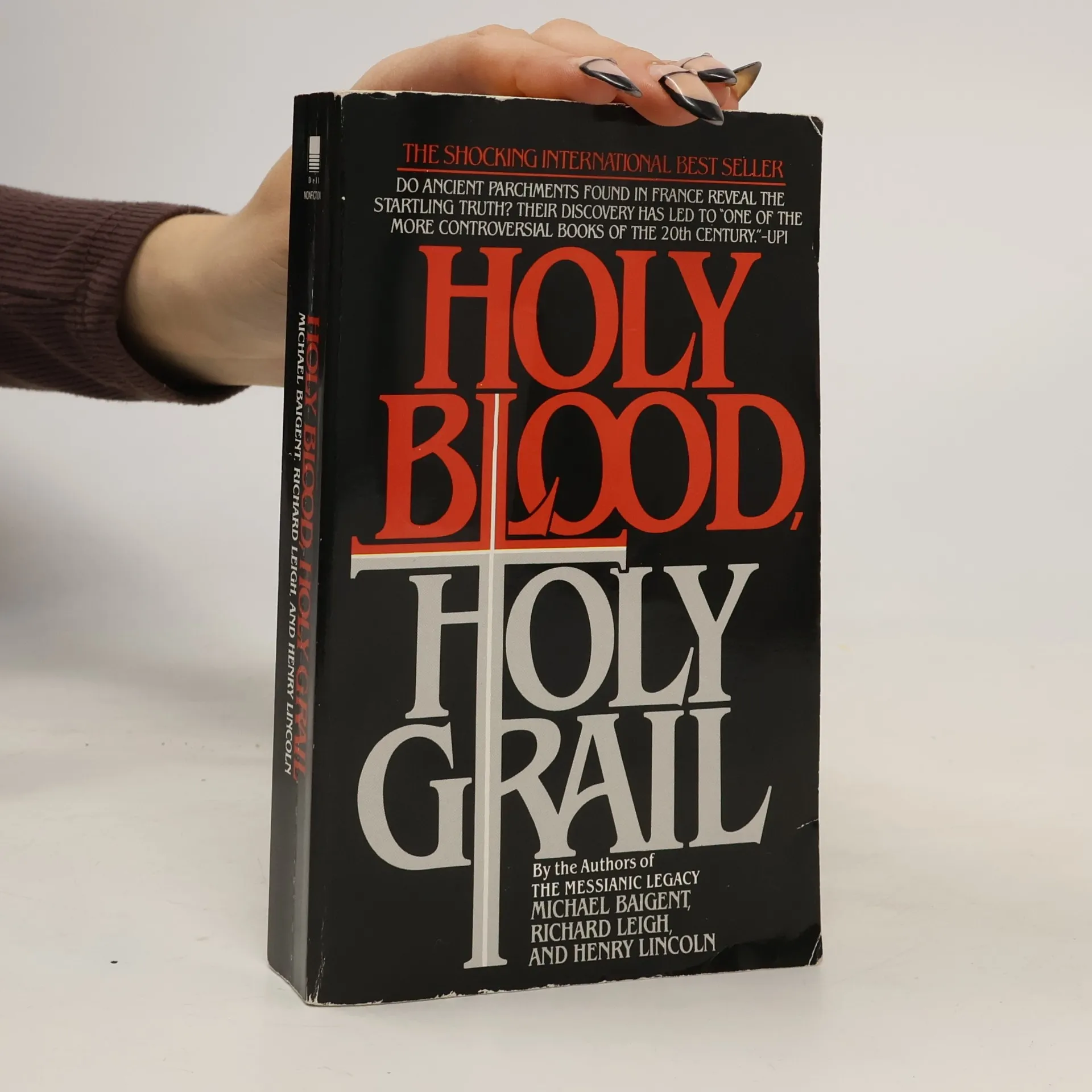
Hailed as "one of the more controversial books of the 20th century," (UPI) Holy Blood, Holy Grail rocked the very foundation of Christianity. Now four more years of research have uncovered shocking material -- and its earthshaking consequences... Here is the book that reveals the answers to these intriguing, potentially explosive questions. Utilizing the same meticulous research that catapulted their first book onto the bestseller lists, the authors again bring an enlightening message of truth -- and urgent importance -- to Christians and non-Christians the world over. Book jacket.
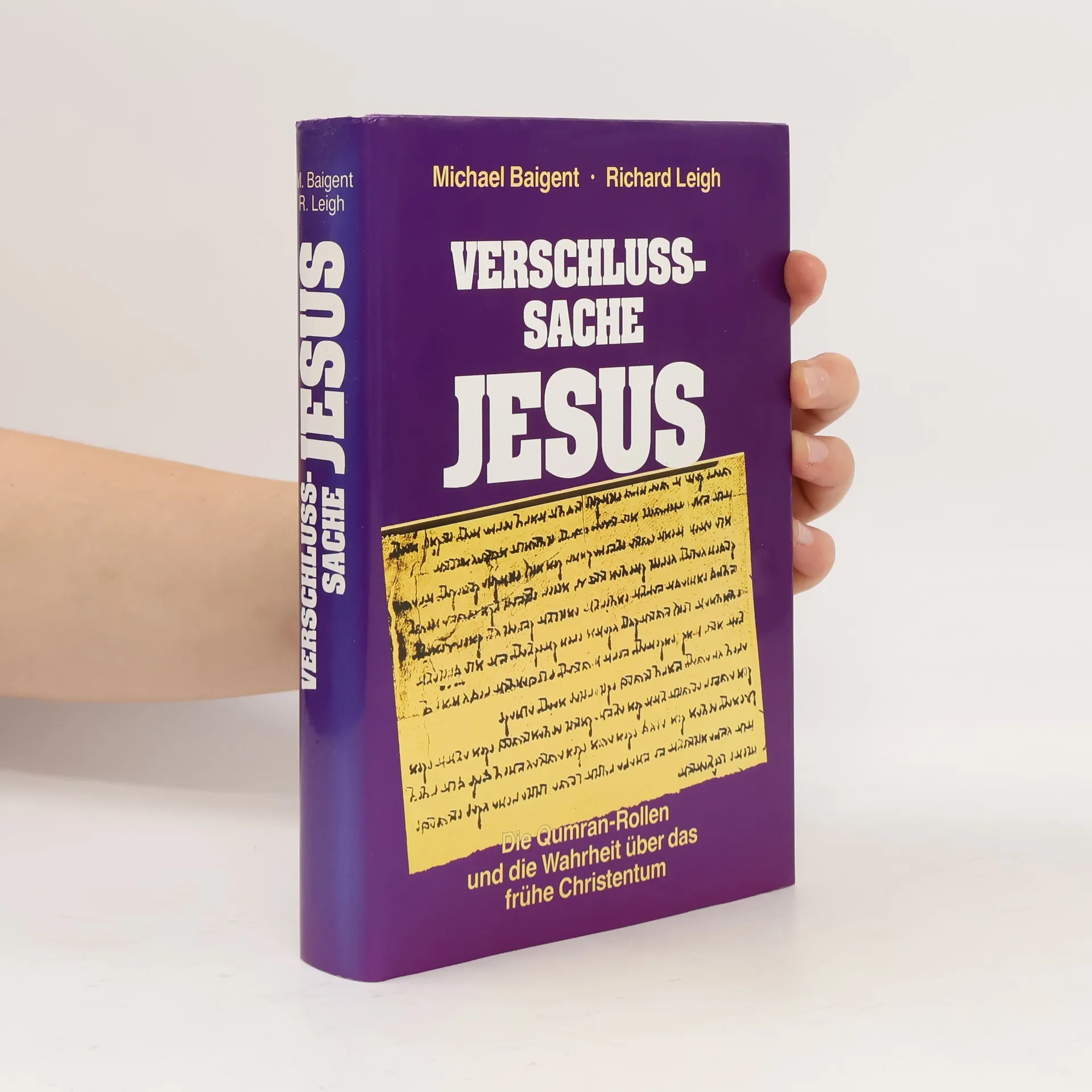
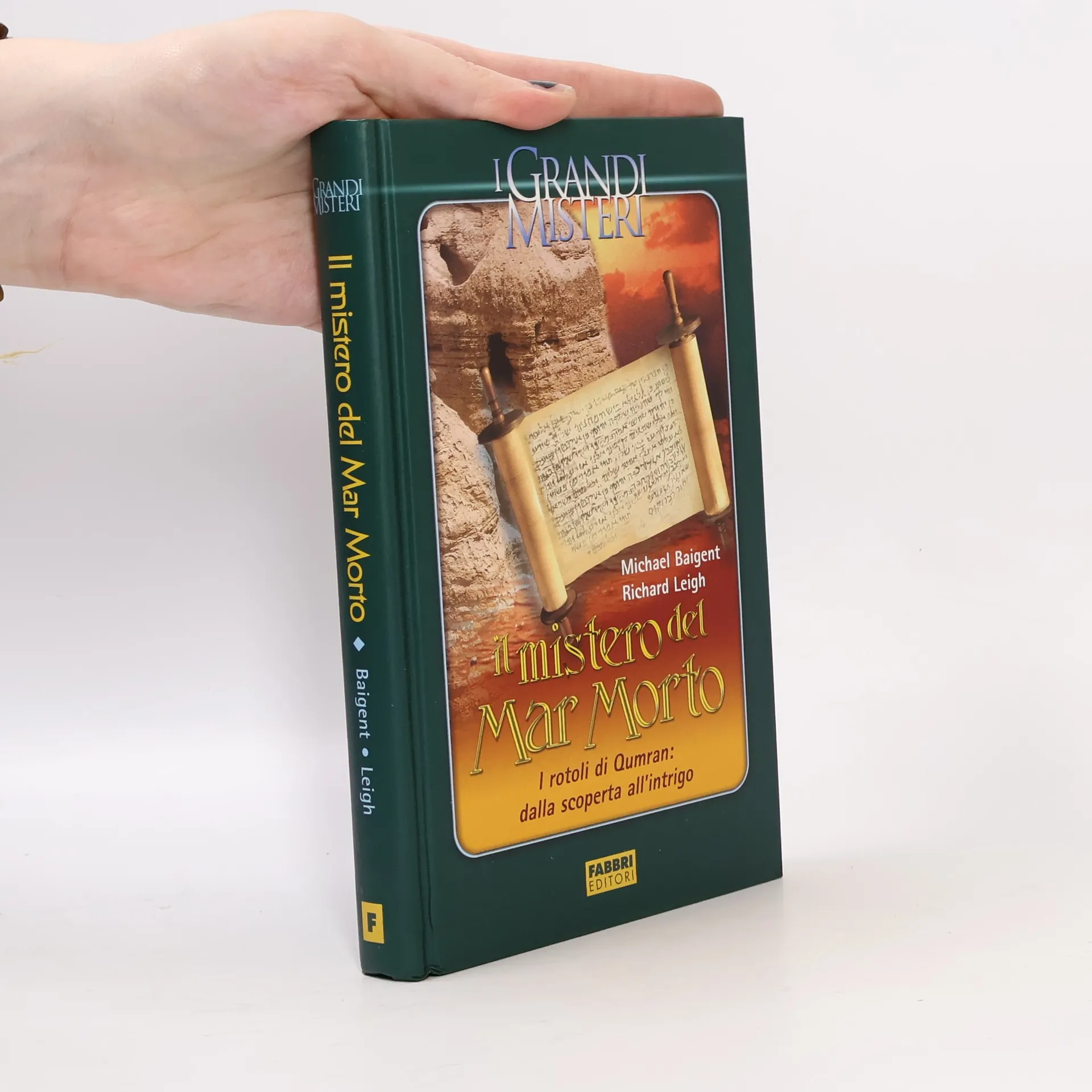
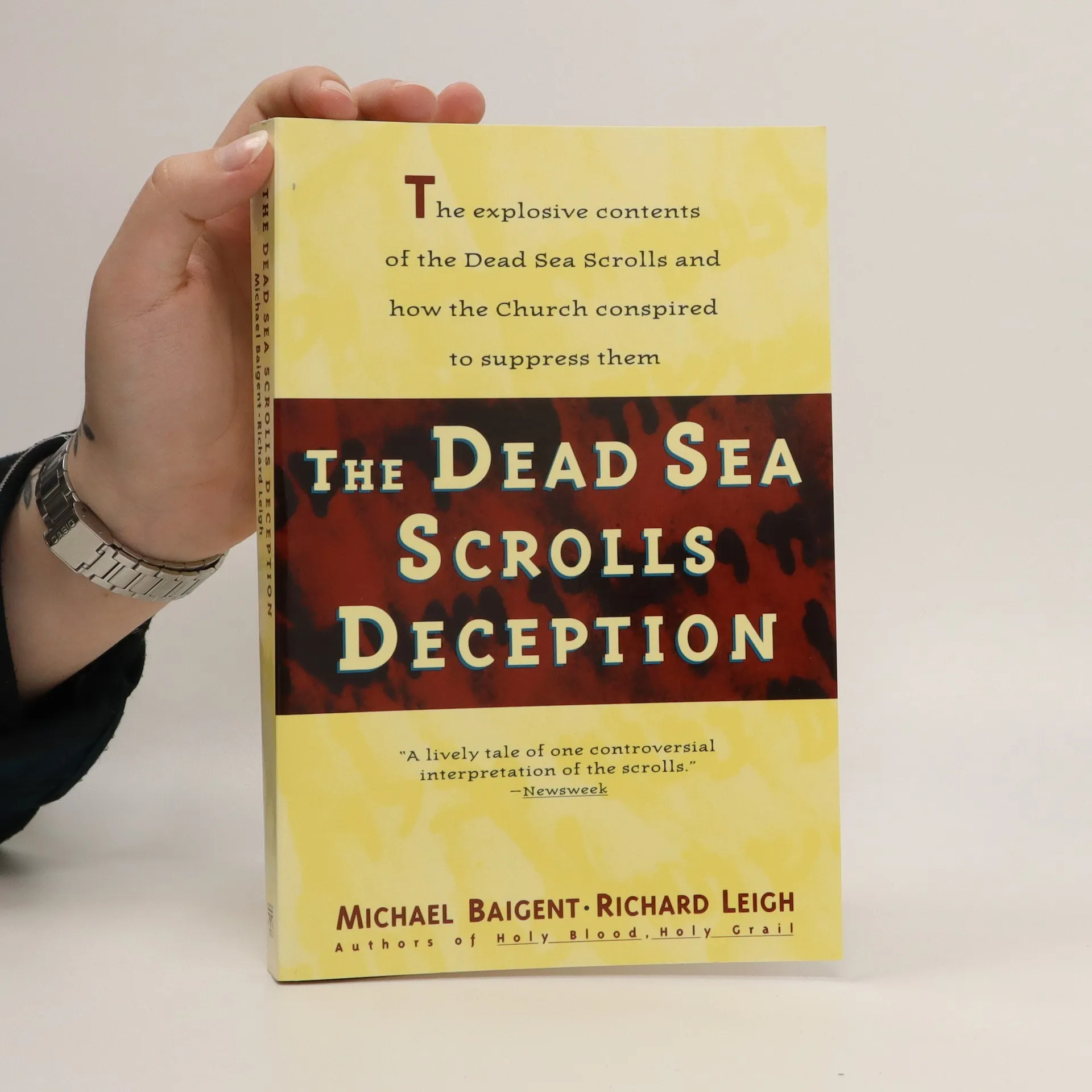
Over the last two years a controversy has erupted in the world's press over the Dead Sea Scrolls that were found in caves 20 miles east of Jerusalem between 1947 and 1956. Professor Geza Vermes of Oxford calls it the academic scandal par excellence of the 20th century, Professor Morton Smith of Columbia University protests that there is no justification for the cover-up, and Professor Robert Eisenman of California says, we're tired of being treated contemptuously.
The authors present reasons why they believe Jesus did not die on the cross, but instead married Mary Magdalene and had a child creating a blood line that lives on in the modern world.
Se tutto ciò che è scritto nel libro corrisponde al vero, l'intera storia religiosa e politica dell'Occidente è molto diversa da come è stata sempre raccontata. Prendendo avvio da alcuni incredibili indizi ritrovati a Carcassone, centro della Francia meridionale, gli autori danno vita a un'inchiesta storica d acui emerge un quadro quanto mai sconvolgente: Gesù non morì sulla croce, sposò Maria Maddalena - da cui ebbe alcuni figli - e, con la famiglia, si rifugiò in Francia presso una comunità ebraica. I suoi discendenti regnarono con il nome di Merovingi, creando successivamente il Sacro Romano Impero, maestoso disegno di un'Europa finalmente unita. Fallito sul piano politico, questo progetto avrebbe invece continuato a vivere grazie a sette religioso-esoteriche come i Templari, gli Albigesi, i Cavalieri Teutonici, e a società facenti capo a un'organizzazione ancora più misteriosa, il "Priorato di Sion", alla quale sono stati collegati, nel corso dei secoli, alcuni fra i nomi più prestigiosi dell'arte, della scienza e persino della Chiesa cattolica.
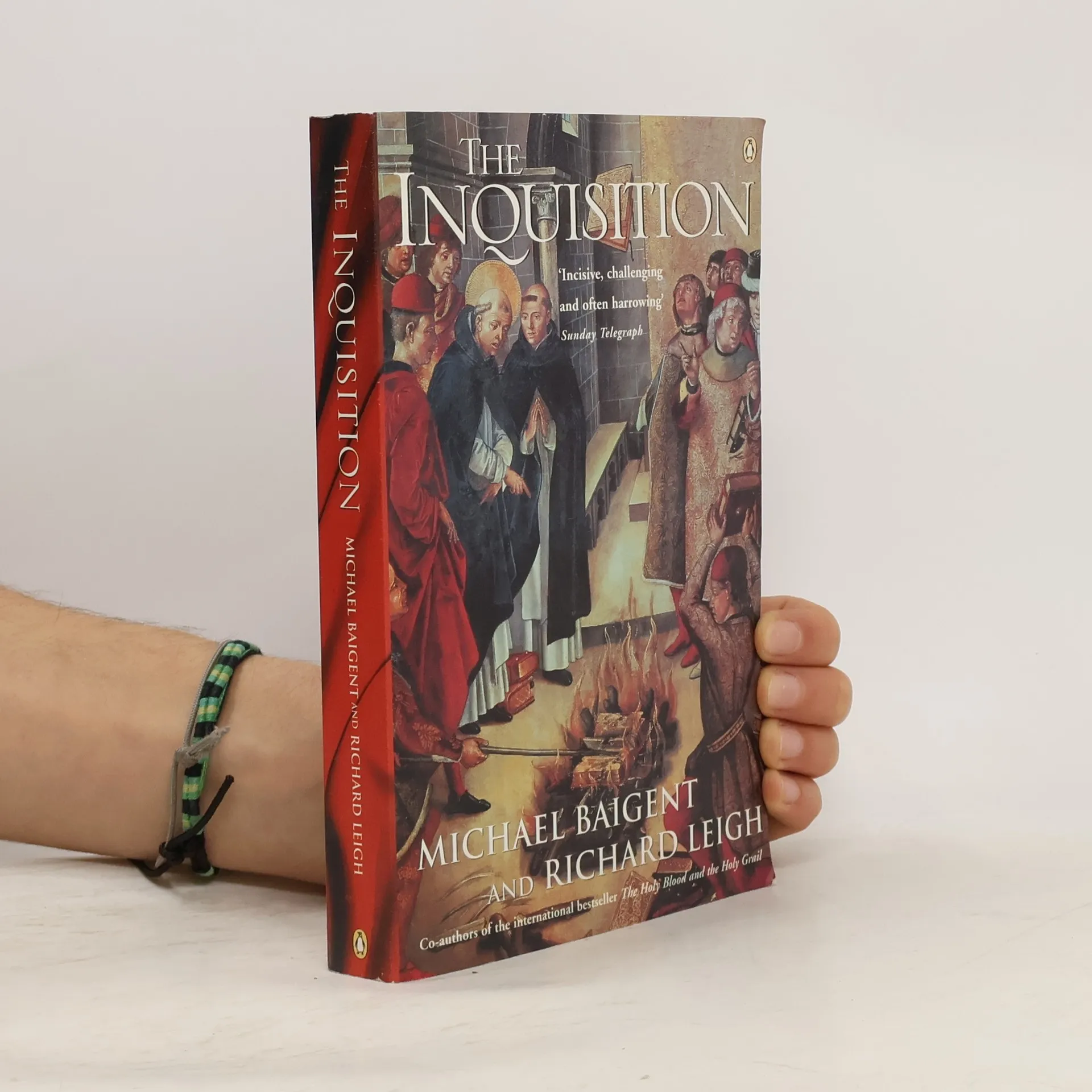
Nell'estate del 1206 il monaco spagnolo Domenico Guzmàn, futuro fondatore dell'ordine dei domenicani e santo, si trovò a viaggiare attraverso il Sud della Francia e s'imbatte in uno spettacolo, per lui, sconvolgente: l'eresia dei Catari era in piena espansione e raccoglieva masse di proseliti. Per combattere tale scisma (che teorizzava la superiorità dell'esperienza diretta del divino da parte di ogni persona, in aperto contrasto con l'autorità costituita della Chiesa, i suoi dogmi e i suoi riti), Domenico mise in piedi un'organizzazione che sarebbe diventata la pietra angolare dell'Inquisizione, inaugurata formalmente da papa Gregorio IX a partire dal 1231. Fu così che ebbe origine una delle istituzioni più discusse che la civiltà occidentale abbia prodotto: in nome della fede furono torturate e uccise migliaia di persone, il più delle volte accusate di reati assai improbabili. Dopo aver raggiunto l'apogeo con Torquemada, nella Spagna del quindicesimo secolo, e con la Controriforma in Italia, nel secolo successivo, l'Inquisizione arrivò anche nel Nuovo Mondo e, in realtà, fu dichiarata ufficialmente conclusa solo nel 1908. Tra le sue vittime, ebrei, arabi, filosofi come Giordano Bruno, presunte streghe. Nel loro sconvolgente resoconto, gli autori dimostrano in maniera documentata come la Chiesa nel suo insieme si sia appropriata delle istanze dell'Inquisizione (e anche di alcuni suoi strumenti, dalla scomunica alla messa all'Indice dei libri scomodi) per controllare e manipolare qualunque informazione in grado di interferire nella propria sfera d'azione. E le più recenti controversie sui rotoli del Mar Morto dimostrerebbero che tale atteggiamento è ben radicato anche nel presente.