William Ayers is an education activist and retired distinguished professor whose work focuses on pedagogy and educational activism. His writings explore courageous and imaginative approaches to teaching, often delving into taboo subjects. Ayers aims to provoke deeper reflection on the role of the educator and the nature of learning. His writing style is both reflective and engaged, striving to transform educational practice.
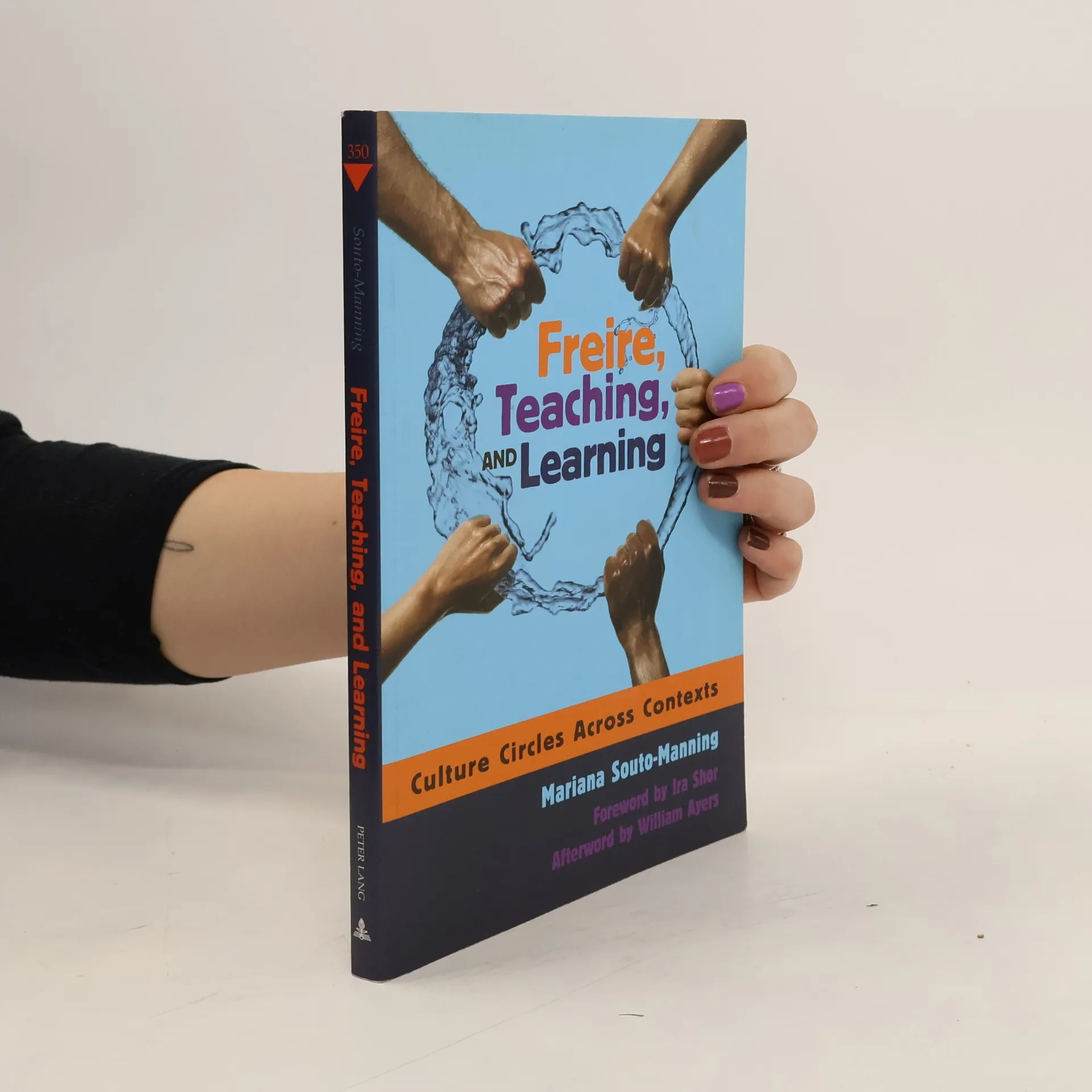
Culture Circles Across Contexts - Foreword by Ira Shor - Afterword by William Ayers
218 pages
8 hours of reading
In this book, Paulo Freire’s culture circles cross linguistic, cultural, and socioeconomic borders to work across contexts in the U.S. (early education, pre-service and in-service teacher education) and in Brazil (adult education). Freire, Teaching, and Learning makes culture circles accessible to those seeking to embrace equity and democracy through everyday educational practices.
Why do stock and housing markets sometimes experience amazing booms followed
by massive busts and why is this happening more and more frequently? Boom and
Bust reveals why bubbles happen, and why some bubbles have catastrophic
economic, social and political consequences, whilst others have actually
benefited society.
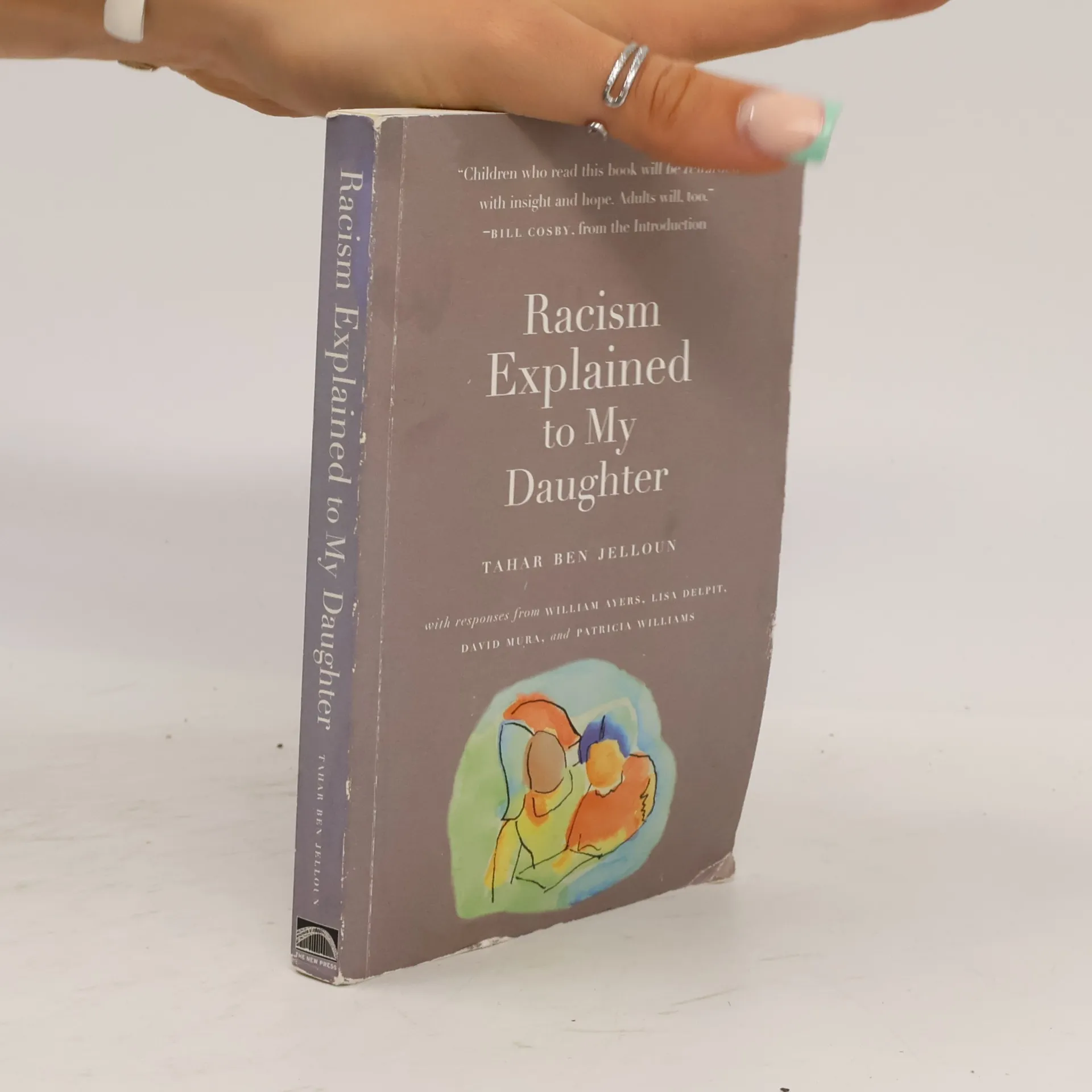
The book presents a thoughtful exploration of racism tailored for younger audiences, using accessible language and relatable examples. It aims to educate children about the complexities of racism, encouraging critical thinking and empathy. By addressing difficult topics in a straightforward manner, it seeks to empower the next generation to recognize and challenge discriminatory attitudes. The French edition adapts these themes for a different cultural context, making the conversation about racism relevant and engaging for its readers.
Die Autobiografie von Bill Ayers, einem ehemaligen Mitglied des „Weather Underground“, beleuchtet die Hintergründe und Motivationen dieser Gruppe, die in den späten 1960er-Jahren aktiv war. Während des Wahlkampfs 2008 wurde Ayers durch Sarah Palin ins Rampenlicht gerückt, die Barack Obama vorwarf, Kontakte zu ihm zu haben. Die „Weather“-Aktivisten lehnten das gesellschaftliche Erbe ihrer Eltern ab, das Rassendiskriminierung, Frauenbenachteiligung und die Machtpolitik des Kalten Krieges umfasste. Ayers, ein politischer Aktivist und Teil der Friedensbewegung gegen den Vietnamkrieg, begann mit friedlichen Protesten, bevor er sich der Illegalität zuwandte. In seiner fesselnden Autobiografie beschreibt er seine Suche nach Wegen zur Veränderung, seine Kindheit im amerikanischen Mittelstand der 1950er-Jahre und die Radikalisierung der „Weather Underground“-Bewegung, die in den 1970er-Jahren zu den meistgesuchten Personen des FBI gehörten. In einer Zeit, in der Terrorismus wieder ein aktuelles Thema ist, bietet Ayers' Erinnerungen wertvolle Einblicke in die Auseinandersetzung mit Terror und dem Erbe der 1968er-Bewegung. Das Werk enthält ein Nachwort, in dem Ayers sein Verhältnis zu Obama reflektiert, sowie ein Glossar und eine Einführung in die Geschichte des „Weather Underground“.