James Robertson crafts narratives that delve into the intricacies of human experience, often with a profound connection to Scottish identity and history. His works are characterized by their insightful exploration of character psychology and a precise command of language. With an unwavering commitment to authenticity, Robertson examines the complex relationships between individuals and society. His distinctive approach to storytelling resonates with readers who appreciate literary craftsmanship and thematic depth.
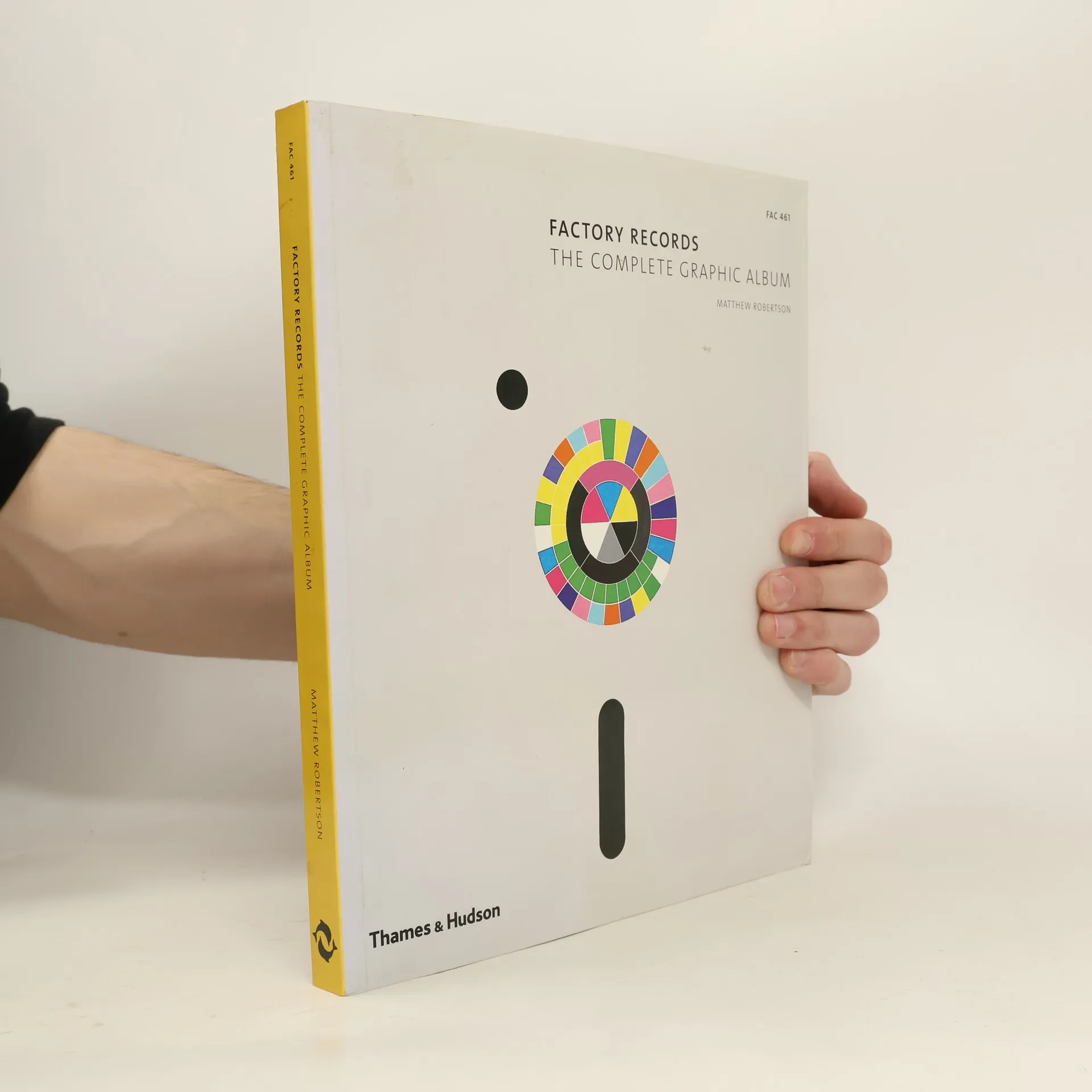
Provides an overview of the artwork of the seminal Manchester-based Factory
label, covering its iconic record sleeves, posters, ephemera, venues and
packaging. This title discusses the label's role in bringing design to the
mainstream.
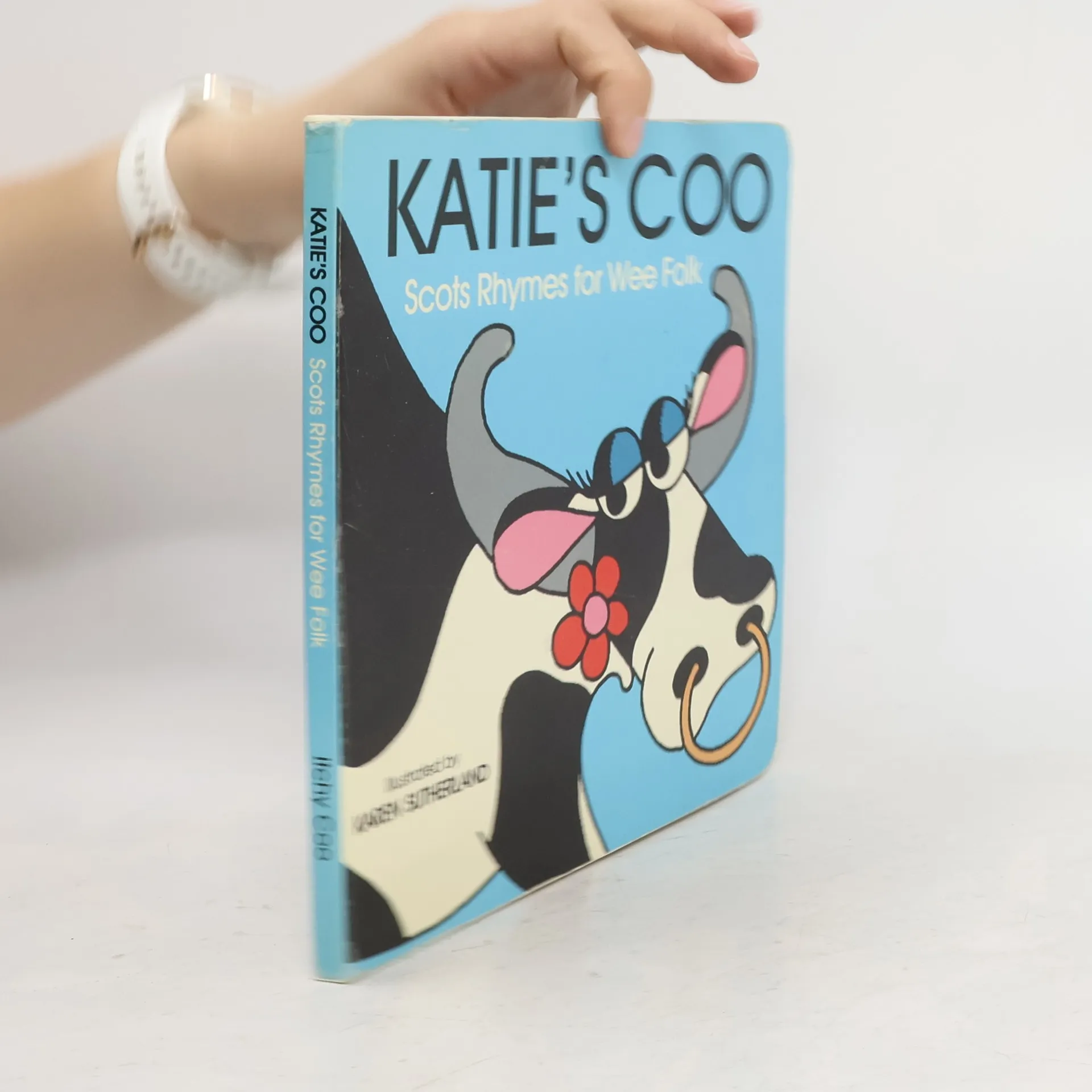
Katie Bairdie had a coo, Black and white aboot the mou. Wasna that a dainty coo? Dance, Katie Bairdie. Itchy Coo's first publication specifically for babies and very young children, Katie's Coo is a delightful board book. Illustrated in full colour throughout, the book contains some much-loved traditional Scots rhymes, along with a few that are less well known. Parents, grandparents, aunties, uncles, big brothers and sisters, they'll all enjoy singing or chanting the words in Katie's Coo to babies and toddlers. And the bairns will love the combination of Scots words and sounds with the bright and simple illustrations by award-winning artist Karen Sutherland (Animal ABC, A Moose in the Hoose, Eck the Bee). Rhymes featured include favourites like 'The Three Craws', 'Katie Bairdie', 'Wee Willie Winkie' and 'Ally Bally Bee'. Developed in consultation with Craigmillar Books for Babies and the Scottish Book Trust, Katie's Coo is a fun introduction for young children to easy Scots rhymes.
It is the age of the bomb, the Cold War, Margaret Thatcher and North Sea Oil. As nationalism becomes a credible force in Scotland, a gay photographer, a feminist journalist, a war veteran and a guilt-ridden Conservative MP find their private lives entangled with the ideological conflicts of the times.
A gripping tale of history, enlightenment, and slavery unfolds as Sir John Wedderburn, exiled to Jamaica after the 1746 Battle of Culloden, amasses wealth as a faux surgeon and sugar planter with his brothers. In the 1770s, he returns to Scotland to marry and restore his family name, bringing along Joseph Knight, a black slave and remnant of his Caribbean years. By 1802, as Wedderburn settles his estate, he hires solicitor's agent Archibald Jamieson to locate Knight, who has haunted him since their last encounter in a pivotal court case twenty-four years prior. This case exposed deep societal divides—master versus slave, white versus black, rich versus poor. Wedderburn's past looms large, and the search for Knight raises questions about his own future. If Jamieson succeeds, how will it impact Wedderburn and those around him? As Jamieson delves into Knight's story, he grapples with his motivations, questioning how to find someone who seeks to remain hidden. The narrative spans sixty years, traversing battlefields, Jamaican plantations, Enlightenment Edinburgh, and Dundee's back streets, offering a poignant exploration of history, identity, and a forgotten chapter of Scottish history.
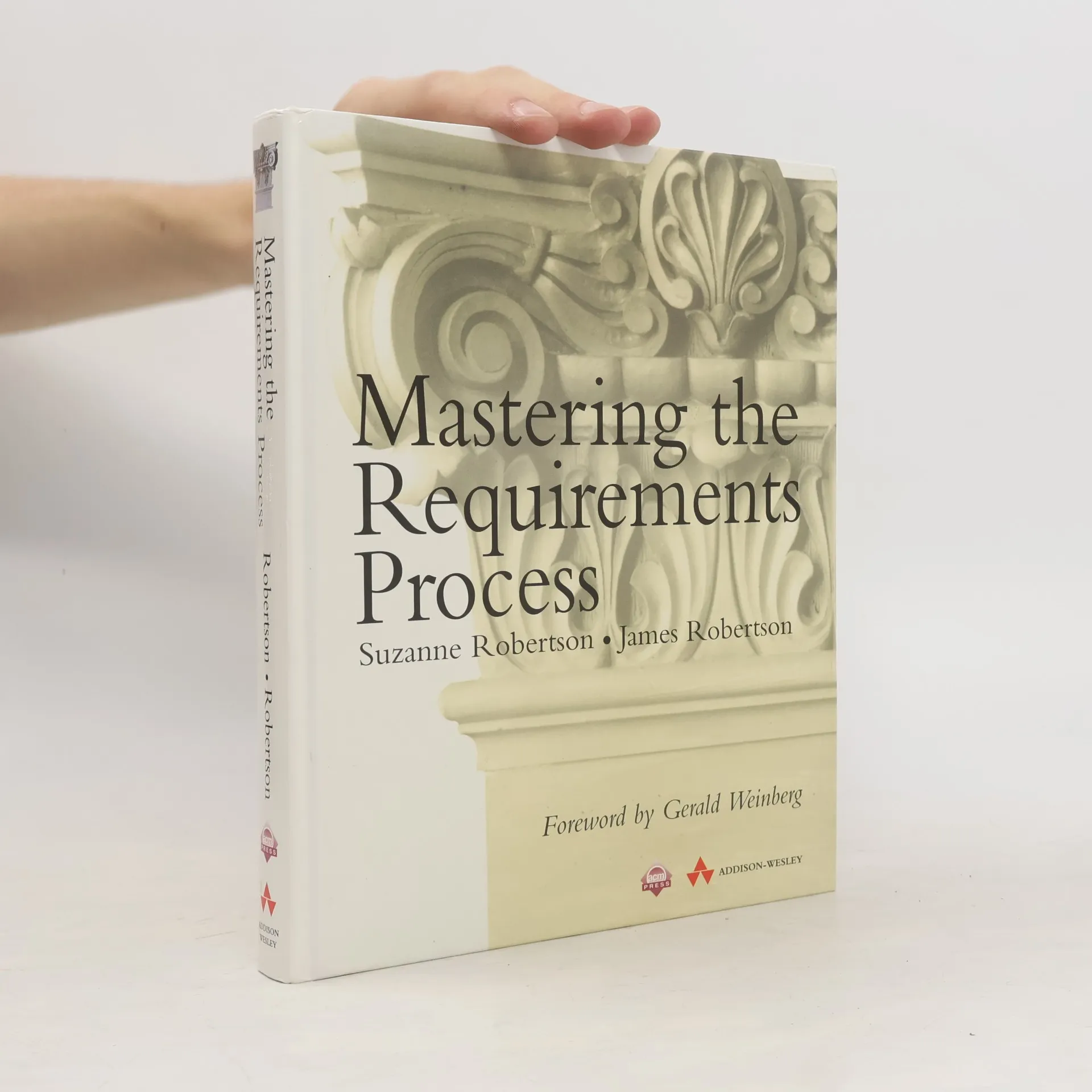
To deliver software that achieves its goals, you need a requirements process that can reliably, quickly, and easily identify those goals -- all of them. Mastering the Requirements Process delivers just that: start-to-finish techniques and templates for discovering exactly what your clients need, and describing it in ways that are provably correct and testably complete. Leading consultants Suzanne and James Robertson integrate the best of the waterfall, incremental, spiral, and use case modeling approaches into a practical set of techniques that reflect the way organizations really work. You'll learn how to identify functional requirements effectively, and how to capture crucial, easy-to-miss "non-functional" requirements, such as ease of use, performance and security levels, operational and maintenance requirements, even legal and "political" requirements. The Robertsons show how to prototype and risk-analyze your requirements; how to manage the requirements process more effectively; and how to analyze your finished spec for lessons that can improve your effectiveness next time.
Twenty-one years after his wife and daughter were murdered in the bombing of a
plane over Scotland, Alan Tealing, a university lecturer, still doubts the
official version of events surrounding that terrible night. Obsessed by the
details of what he has come to call The Case, he is sure that the man
convicted of the atrocity was not responsible.
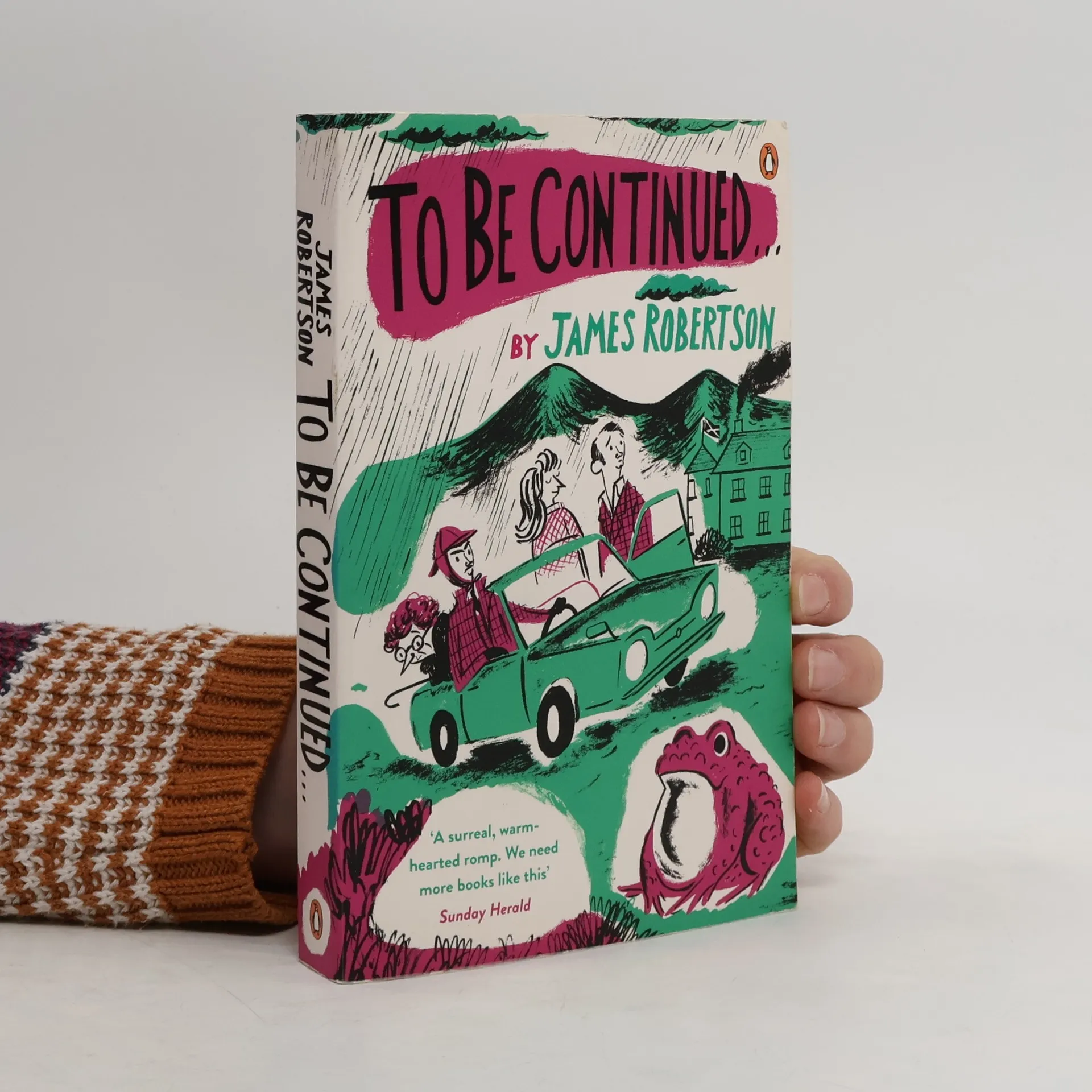
An utterly mad, entirely heart-warming Highland adventure from the Man Booker-longlisted author of And the Land lay Still Douglas is fifty years old - he's just lost his job, been kicked out by his girlfriend and moved back into his dad's house. Just when things are starting to look hopeless, he makes a very unexpected new friend: a talking toad. Mungo is a wise-cracking, straight-talking, no-nonsense kind of toad - and he is determined to get Douglas's life back on track. Together, man and beast undertake a madcap quest to the distant Highlands, hot on the trail of a hundred-year-old granny, a beautiful Greek nymph, a split-personality alcoholic/teetotaller, a reluctant whisky-smuggler, and the elusive glimmer of redemption . . .
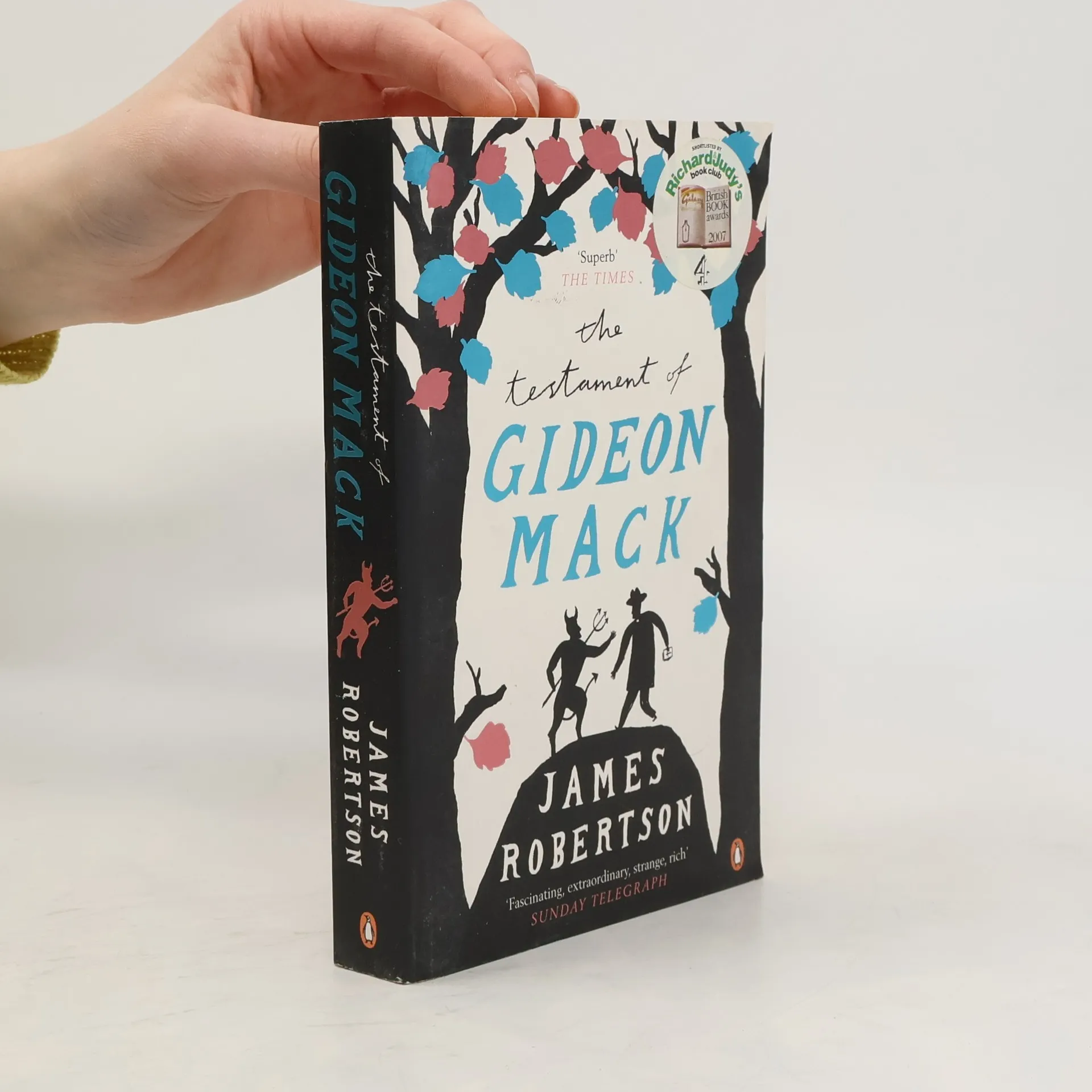
A son of the manse, Mack has grown up in an austere and chilly house, dominated by a joyless father. Unable to believe in God, he is far more attracted by the forbidden allure of television and popular culture. Father and son clash traumatically one day and it may be guilt which drives Mack to take up a career in the Church. This minister, who doesn't believe in God, the Devil or an afterlife, one day discovers a stone standing in the middle of a wood where previously there had been none. Unsure what to make of this apparition, Mack's life begins to unravel dramatically until the moment when he is swept into a mountain stream, which pours down a chasm before disappearing underground. Miraculously Mack emerges three days later, battered but alive. He seems to have lost his mind however, since he claims that while underground he met the Devil. Written with tight pacing, superlative storytelling and immense imaginative power, this is Robertson's most ambitious and accessible novel to date.
Hidden in the breath-taking mountains of wild Scotland, Glen Conach is the home of secrets and stories, of fables and folklore. Over hundreds of years, three lives are woven together. In ancient Britain, the hermit Saint Conach performs impossible miracles, which survive as legend in 'The Book of Glen Conach'. Generations later in the nineteenth century, the book is rediscovered by charlatan Charles Gibb, who hustles his way into the big house at the heart of the village. In the present-day, young Lachie whispers to Maja of ghosts he has seen in the glen. Reflecting back on her long life, Maja believes him, as she has some ghosts of her own. News of the Dead is a captivating examination of the distance between the stories we tell of ourselves and the way in which we are remembered.
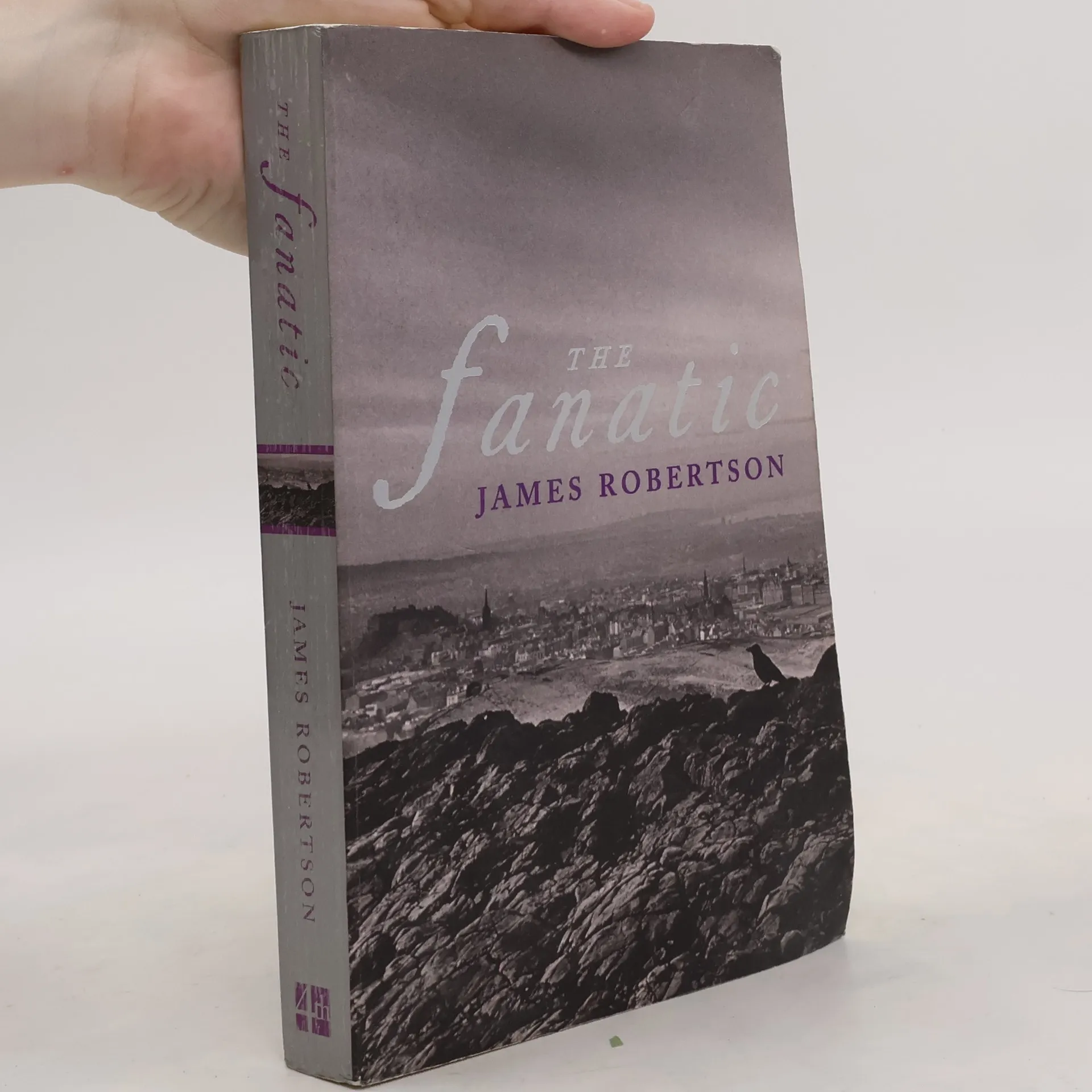
In 1997, Hugh Hardie needs a ghost for his Tours of Old Edinburgh, and Andrew Carlin is the perfect candidate. So with cape, stick, and plastic rat, Carlin is paid to scare the tourists, pretending to be the spirit of Colonel Weir, a religious extremist burned at the stake in 1670. But who was Weir? Carlin's research draws him into the past, and in particular to James Mitchel, imprisoned in 1674 for the attempted assassination of the Archbishop of St Andrews. Through the story of Carlin and Mitchel, "The Fanatic" reveals an extraordinary history of Scotland--a tale of betrayals, witch hunts, Puritan exiles, smuggled journeys, and disguised identities.
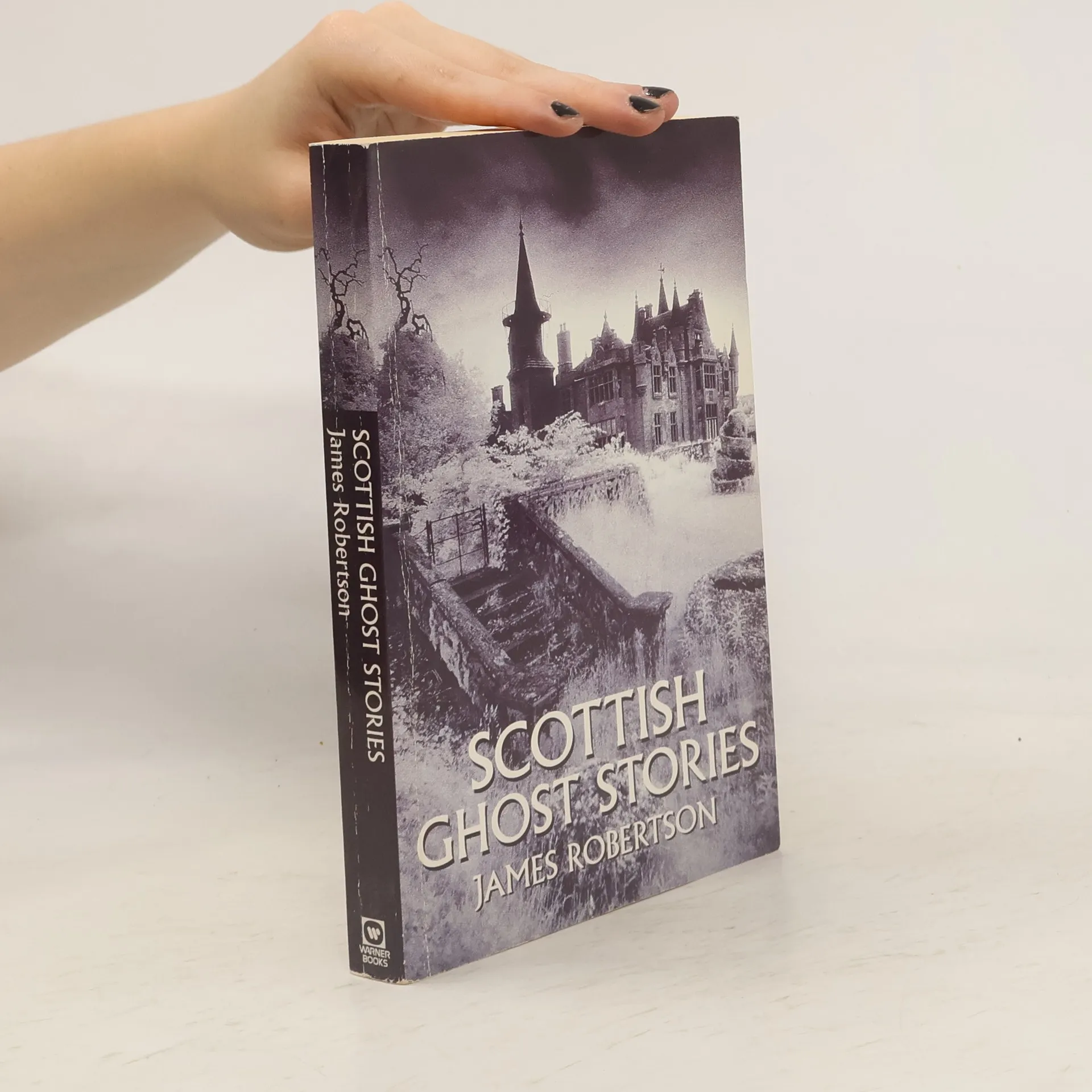
This is a collection of ghost stories based on a mixture of local history and folklore. The stories are from past and present. Some, such as The Hauntings of Glamis Castle and The Tale of Major Weir are well known, while others are less familiar, such as The Deil of Littledean.
Culturally significant, this work has been preserved to maintain its authenticity and historical value. It reproduces the original artifact, complete with copyright references and library stamps, reflecting its importance in the knowledge base of civilization. This dedication to authenticity allows readers to engage with the text as it was originally presented in major libraries worldwide.
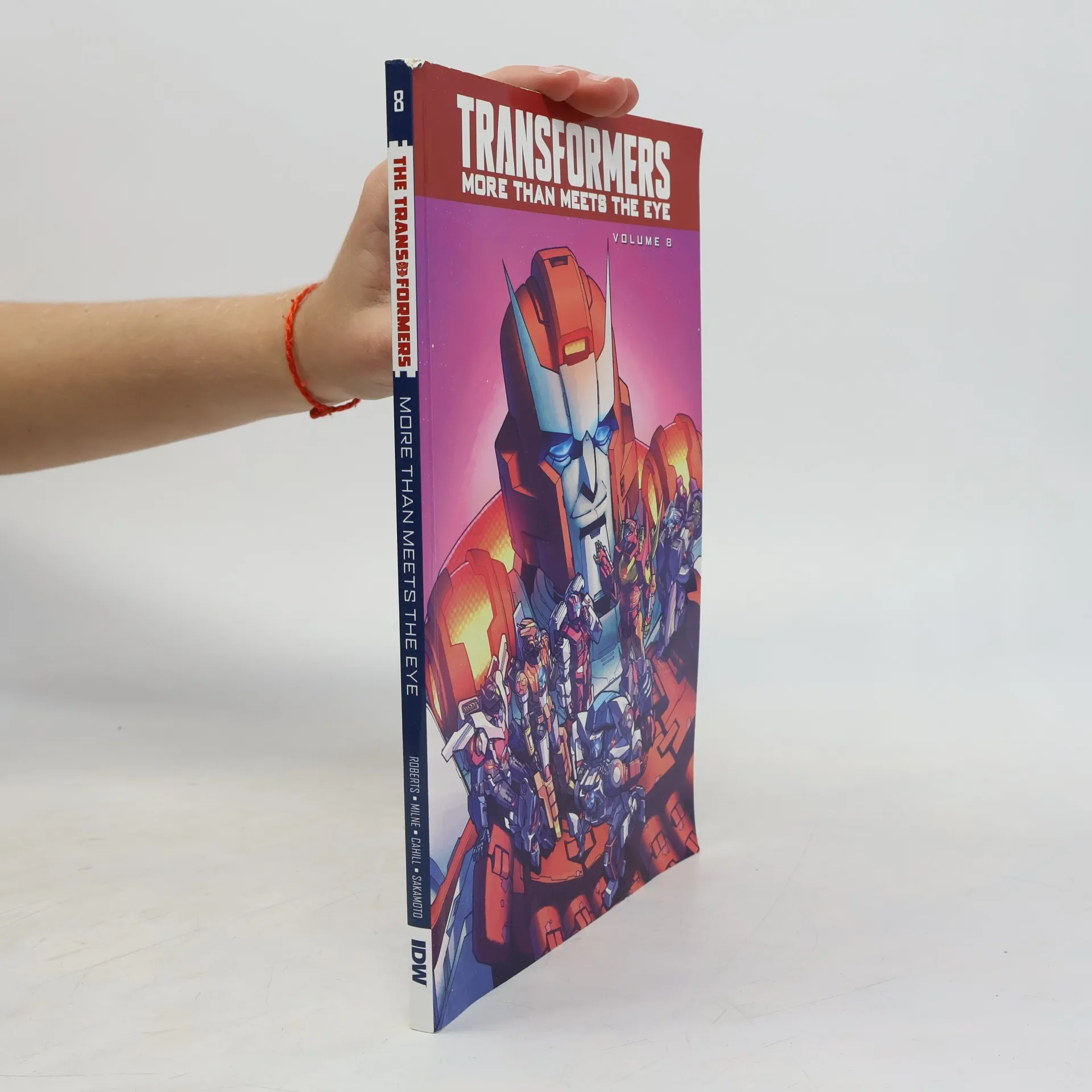
The Decepticon Justice Division discovers that Megatron has joined the Autobots as the crew of the Lost Light start to think that the universe holds no more surprises for them.
Exploring pivotal moments of the Civil War, this collection offers fresh perspectives on key figures and events, including Union and Confederate soldiers, Abraham Lincoln, and the Battle of Gettysburg. National Geographic delves into the complexities of American history during this critical period, revealing lesser-known narratives that illuminate the war's profound impact on the nation.
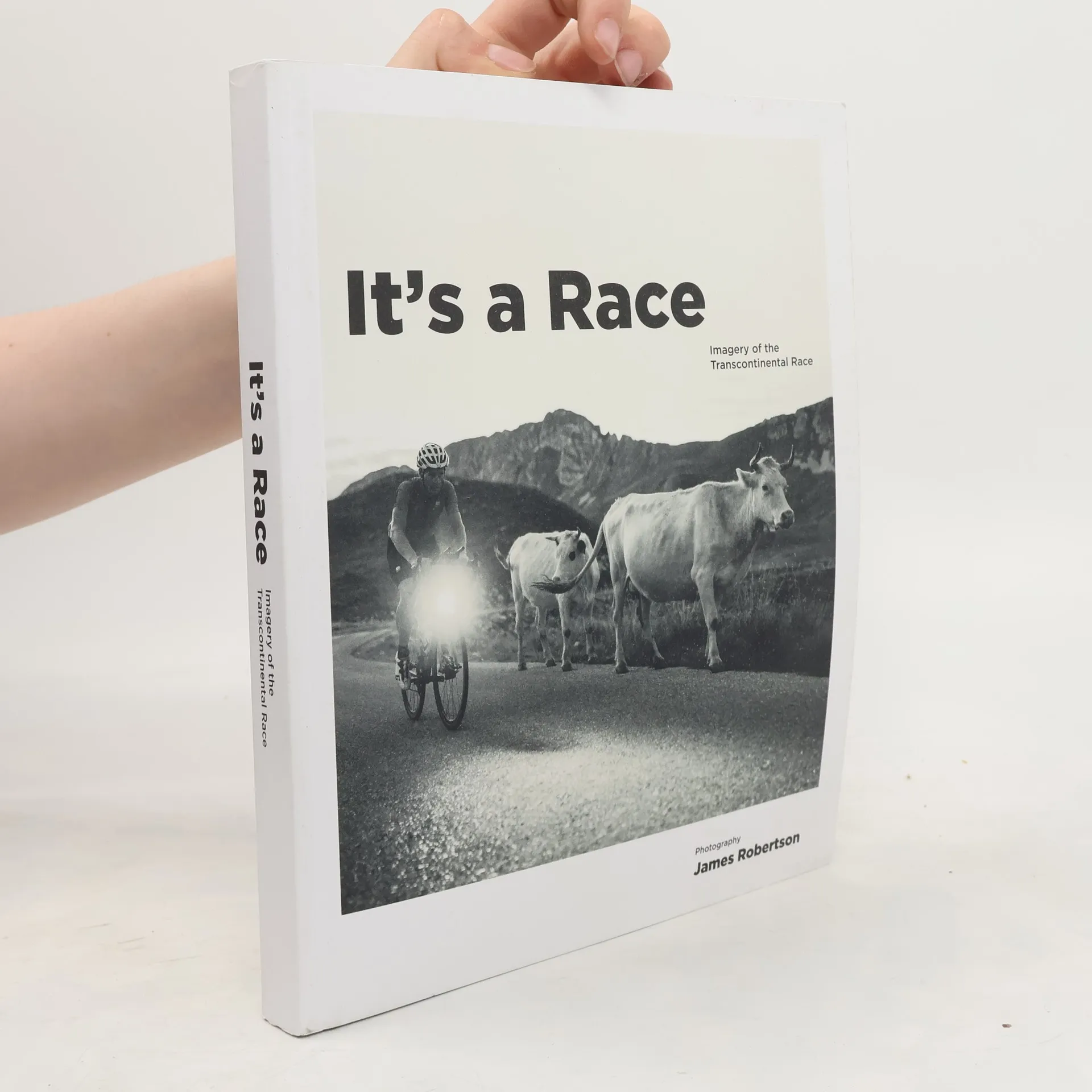
The Transcontinental Race is a non-stop bicycle race across Europe. The route – often over 4,000km in length – strings together a series of spectacular mountaintop control points, which participants must navigate between without any outside assistance.It's a Race provides a glimpse of this unique sporting event up close. Combining documentary photography - from dramatic landscapes and intimate portraits to emotive reportage - with a series of written contributions from participating riders, the book is an exploration, and celebration, of a truly unique sporting event.Following the adventure over the high passes of the Alps, across the great plains of Central Europe, and between the dramatic river gorges of the Balkan peninsula, the story traces the contours of a continent alongside the personal, sometimes life-changing experiences of its participants and documentarians.