

Explore the latest books of this year!
Bookbot

Paul Cobley

    April 24, 1963

    Paul Cobley is a Reader in Communications at London Metropolitan University whose work primarily engages with semiotics. His research delves into the cultural implications of biosemiotics, particularly through the lens of modelling systems theory. As an accomplished author and editor, Cobley has produced numerous books exploring communication theory, semiotics, and media studies. His scholarship seeks to illuminate the intricate connections between signs, human communication, and the broader biological world.

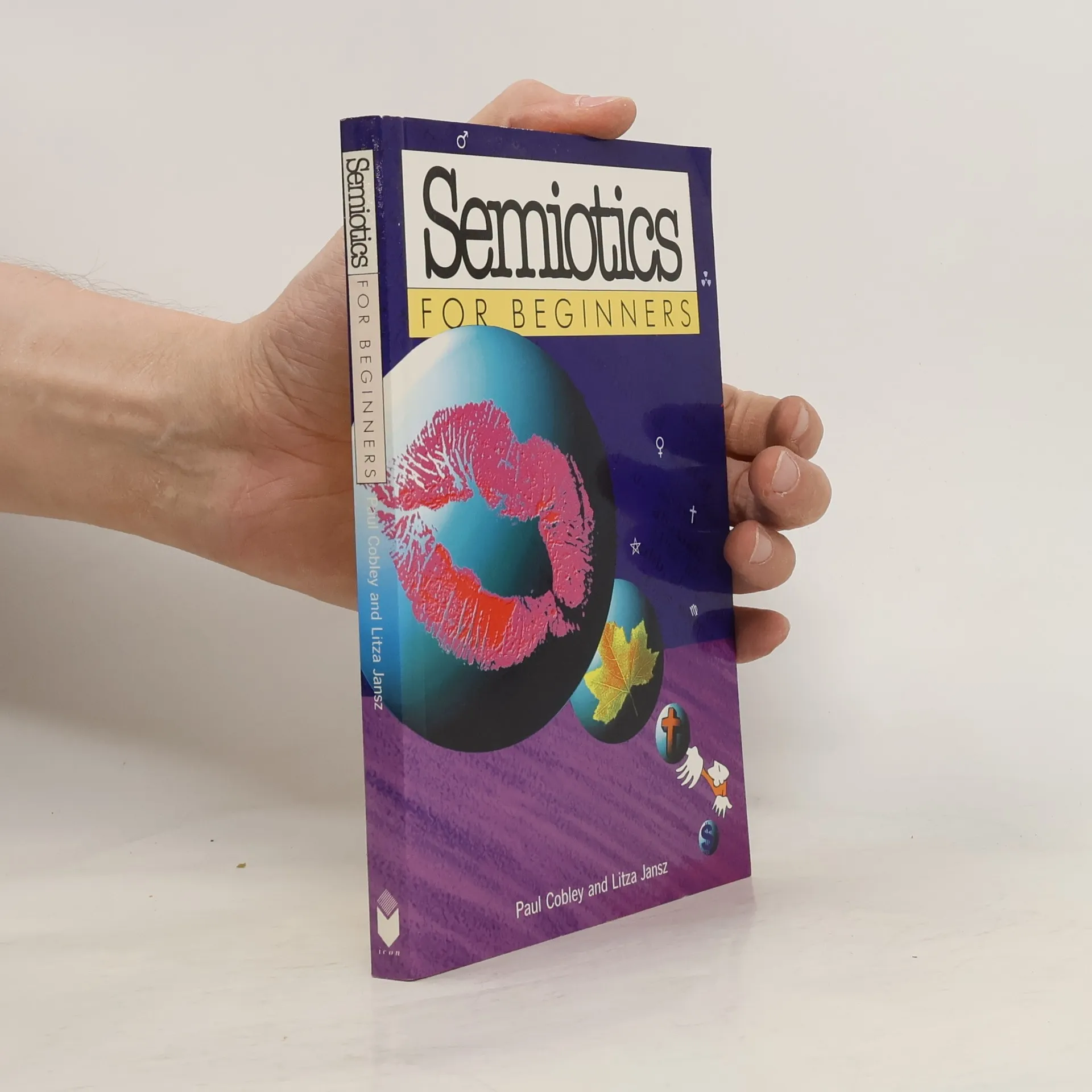
    Semiotics for Beginners
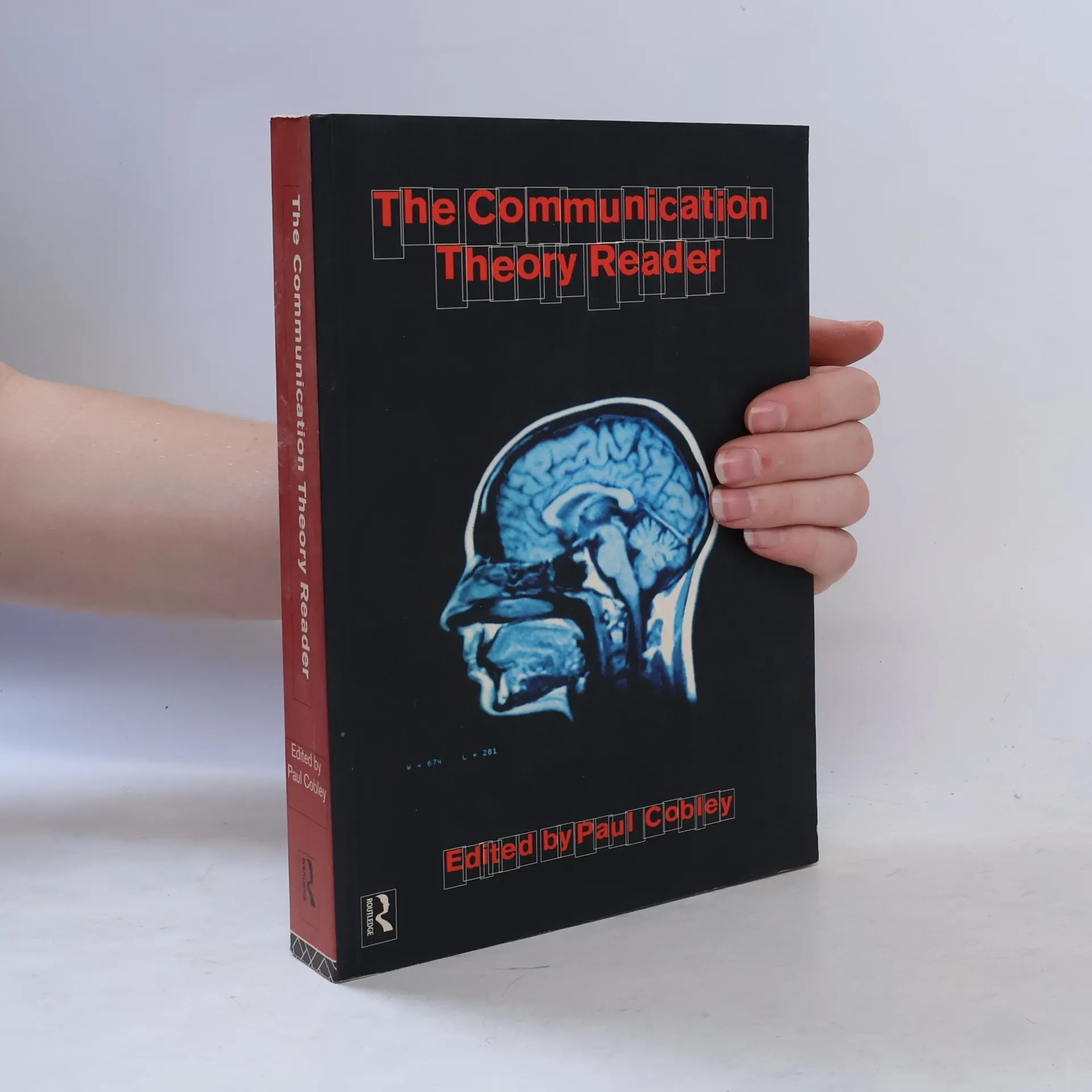
    The Communication Theory Reader
    Narrative
    Introducing Semiotics
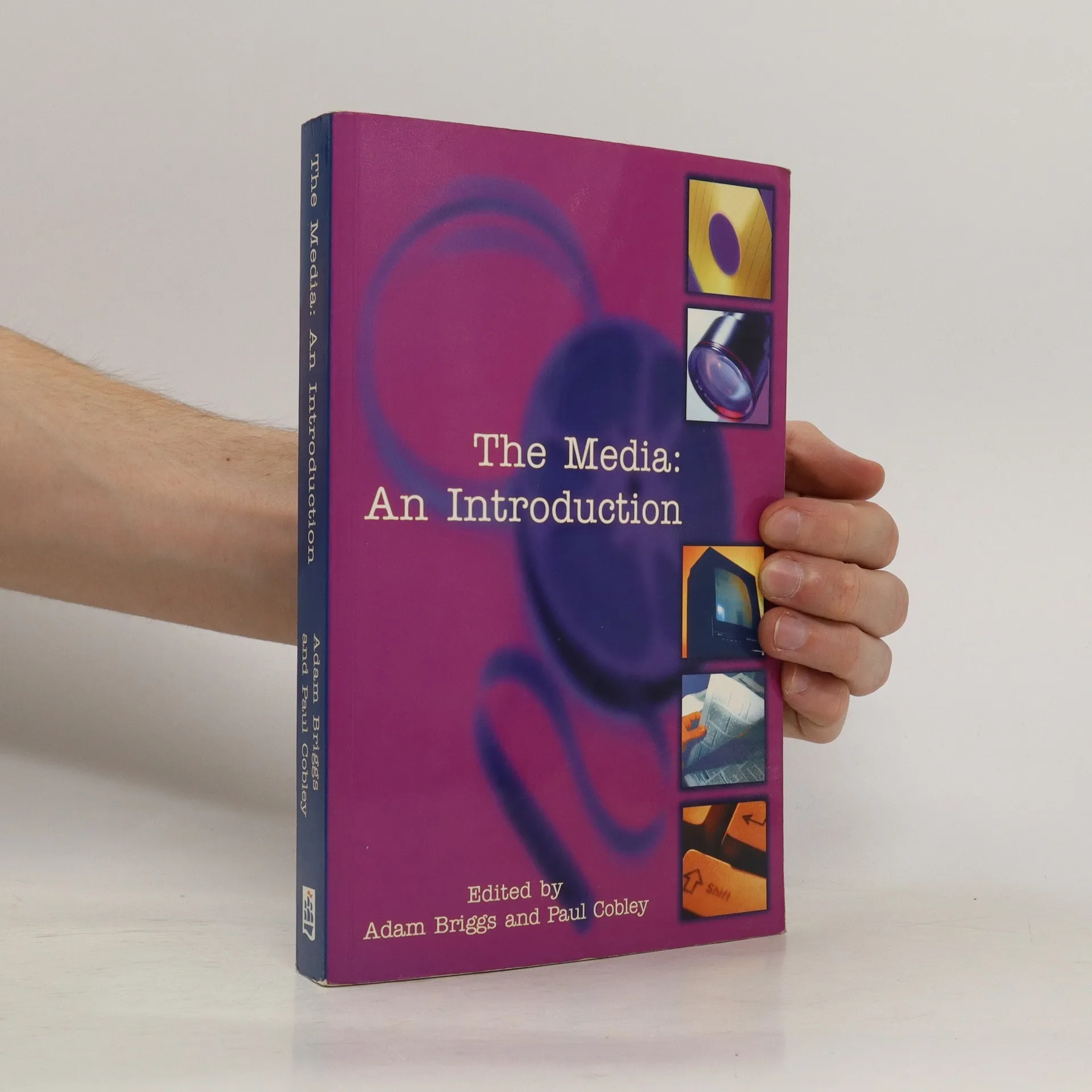
    The Media: An Introduction
    • The Media: An Introduction

      • 494 pages
      • 18 hours of reading

      Provides a comprehensive introduction to all the important recent developments in the media from constitutions to policy and practice. Describes the diversity of the media as a series of separate and distinct industries and practices; explores the issues which directly infringe on the different media- audience feedback, belief about effects, broadcast policy and different traditions of organising, studying and funding; and examines the presentations that actually appear in the media and how the media presents different facets of the real world

      The Media: An Introduction
    • Introducing Semiotics

      • 184 pages
      • 7 hours of reading
      3.6(148)Add rating

      An animal's cry, language disorders, the medical symptom, and body language are all signs of semiotics.

      Introducing Semiotics
    • Narrative

      • 304 pages
      • 11 hours of reading

      This fully updated second edition traces the ways in which centuries of human beings have used narrative to make sense of time, space and identity.

      Narrative
    • The Communication Theory Reader

      • 518 pages
      • 19 hours of reading

      This collection of readings is designed to provide easy access to Communication Theory. Many of the essays in the Reader have previously been difficult to obtain and many have appeared in contexts where their relevance for communications, media and cultural studies was not immediately apparent. The Reader presents the most important work which has shaped the field as it stands today. The articles are grouped in subject sections, with an editor's introduction, indications of further reading together with a glossary and comprehensive bibliography.

      The Communication Theory Reader
    • Semiotics for Beginners

      • 176 pages
      • 7 hours of reading

      Why study signs? This perennial question of philosophy is answered in the 20th century by the science of semiotics. An animal's cry, poetry, the medical symptom, media messages, language disorders, architecture, marketing, body language-- all these, and more, fall within the sphere of semiotics. Introducing Semiotics outlines the development of sign study from its classical precursors to contemporary post-structuralism. Through Paul Cobley's incisive text and Litza Jansz's brilliant illustrations, this seminal introduction identifies the key semioticians and their work and explains the simple concepts behind difficult terms. For anybody who wishes to know why signs are crucial to human existence and how we can begin to study systems of signification, this book is the place to start. It is the perfect companion volume to Introducing Barthes.

      Semiotics for Beginners