Christopher Goss is a serving officer in the Royal Air Force whose fascination with military aviation began in his youth. His writing draws deeply from this lifelong passion, offering readers a unique perspective on the world of flight and its human element. Goss explores the technical intricacies and the profound personal experiences intertwined with aerial combat and exploration.
Focusing on the German manufacturers, this book offers an in-depth exploration of the fighter aircraft developed by the Luftwaffe during World War Two. It delves into the design and engineering aspects, providing readers with valuable insights into the innovations and strategies behind these iconic planes. The text highlights the enduring fascination with the Luftwaffe, making it a compelling resource for aviation enthusiasts and historians alike.
This illustrated study charts the development and combat history of the units that saw combat with the Dornier Do 217, one of the Luftwaffe’s workhorse bombers during World War II.
Illustrated throughout with detailed artwork, this book examines the Do 17,
also known as the Flying Pencil, a common and feared sight in the European
skies, including over southern England during the Battle of Britain.
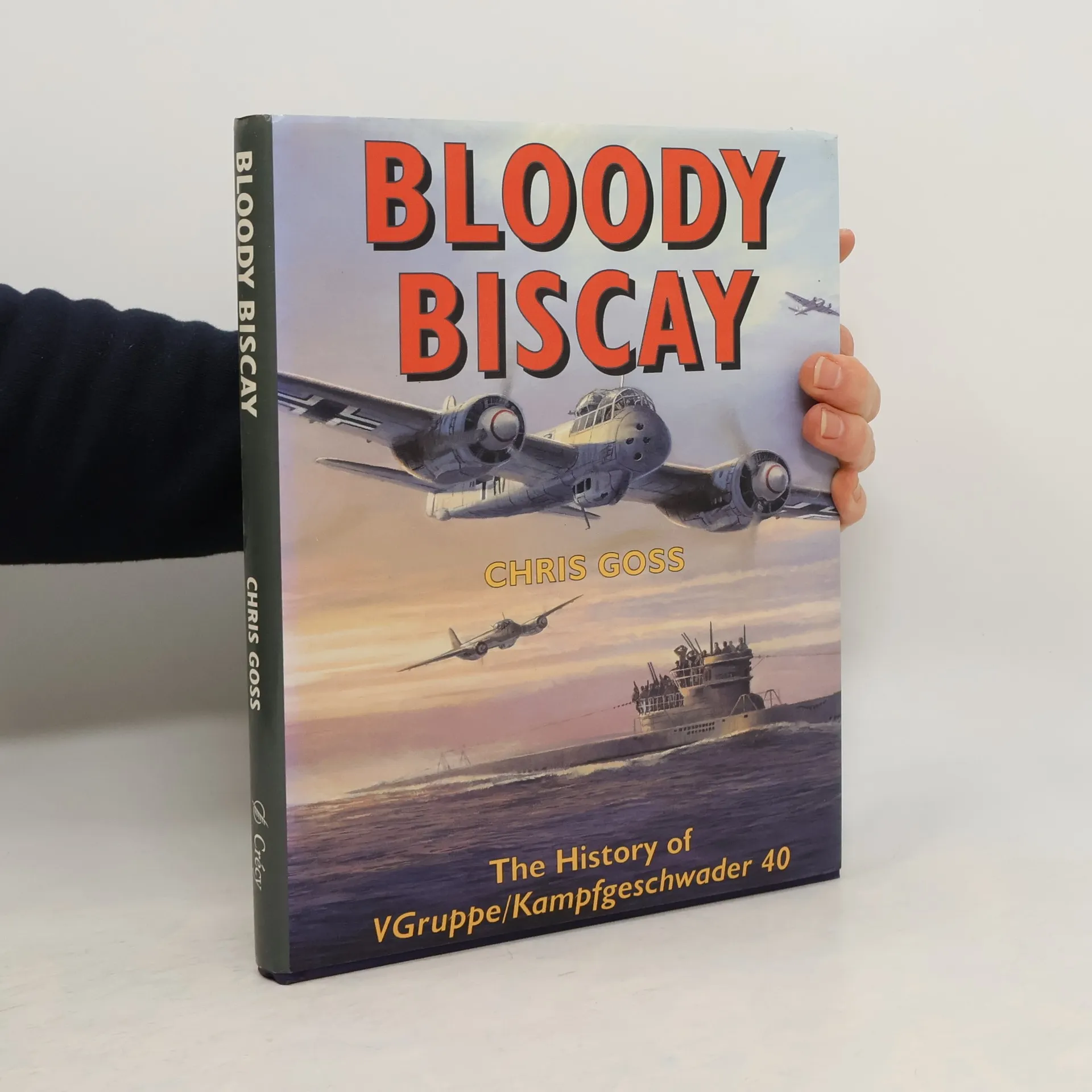
The story of the Luftwaffe's only long range maritime fighter unit - V Gruppe/Kampfgeschwader 40 (V/KG40) - and its battles against the Royal Air Force (RAF), the US Army Air Force (USAAF) and the US Navy (USN) in the skies above the Bay of Biscay. Using personal accounts from both German and Allied survivors from July 1942 onwards, Bloody Biscay relates the initial tribulations of the unit and its battles against overwhelming odds to its eventual annihilation over the Normandy beaches in June 1944. Comprehensive appendices detail the unit's commanding officers, known aircrew, all of its 109 known 'kills' matched to Allied losses and the 88 combat losses of the unit with the details of who shot those aircraft down. The twenty-six aircraft lost in accidents and further aircraft interned in Spain are also listed. Containing nearly 200 photographs, the vast majority of German origin, Bloody Biscay will give the reader a graphic insight into V/KG40's aircraft, crews and 'kills' .
From Bomber to Night-Fighter: Rare Wartime Photographs
288 pages
11 hours of reading
The Dornier Do 217, an evolution of the Do 17 bomber, entered service in 1941 and played a crucial role in the Luftwaffe's operations during World War II. Initially deployed for bombing and anti-shipping missions, it gained notoriety for its use in the Baedeker Blitz. The aircraft was notable for being the first to deploy precision-guided weapons in combat. Despite its versatility, including modifications for night fighting and reconnaissance, production ended in 1943 as it became increasingly outdated. The book features rare archival images that highlight its operational history.
The mainstays of the RAF’s bomber force in the 1970s and ’80s were the distinctive Avro Vulcan and the slightly less well-known Blackburn Buccaneer. The Buccaneer came into service in 1962 and flew with just five RAF and six RN squadrons before being retired in 1994. The Vulcan came into service in 1956 and was retired after the Falklands War in 1982, having flown operationally with nine RAF squadron. Illustrated with 180 photographs, this book details the much-loved Buccaneer and Vulcan and the part they played in the latter stages of the Cold War.
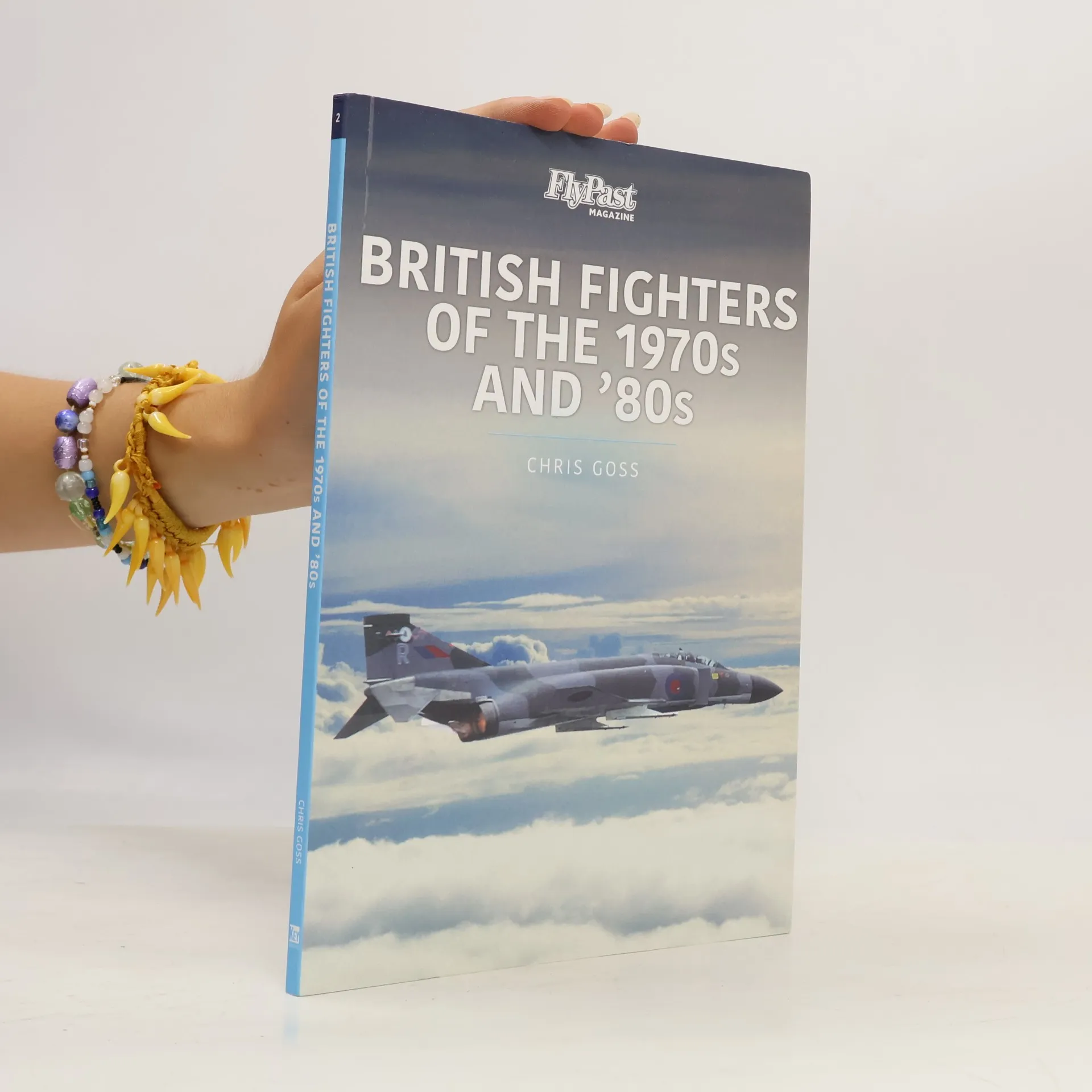
Two of the RAF's most memorable aircraft are the English Electric Lightning and the McDonnell Phantom. Illustrated with more than 180 photographs, this book covers in great detail the Lightning and Phantom fighter aircraft and the part they played in the latter stages of the Cold War.
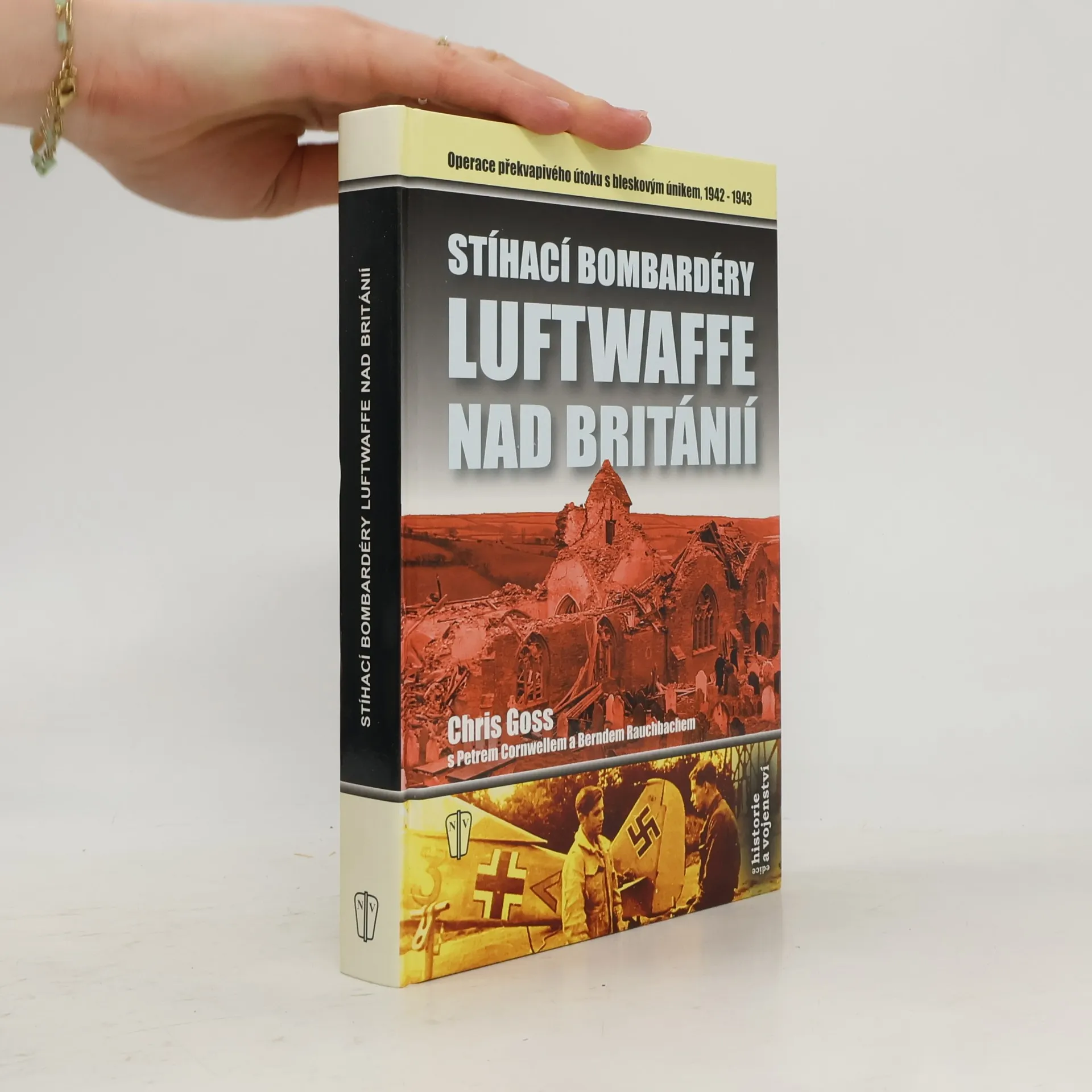
Luftwaffe Fighter-Bombers over Britain analyses the campaign from March 1942-June 1943 using contemporary records and first-hand accounts from both the German and British sides.
Contains black and white and colour images from the 1970s and 80s, showing the
aircraft as they were. Written by an aviation expert. Part of Historic
Military Aircraft Series.
For the first three years of the Second World War, the Dornier Do 17 was the
Luftwaffe's principal light bomber and this book explores its role in the
Battle of Britain.
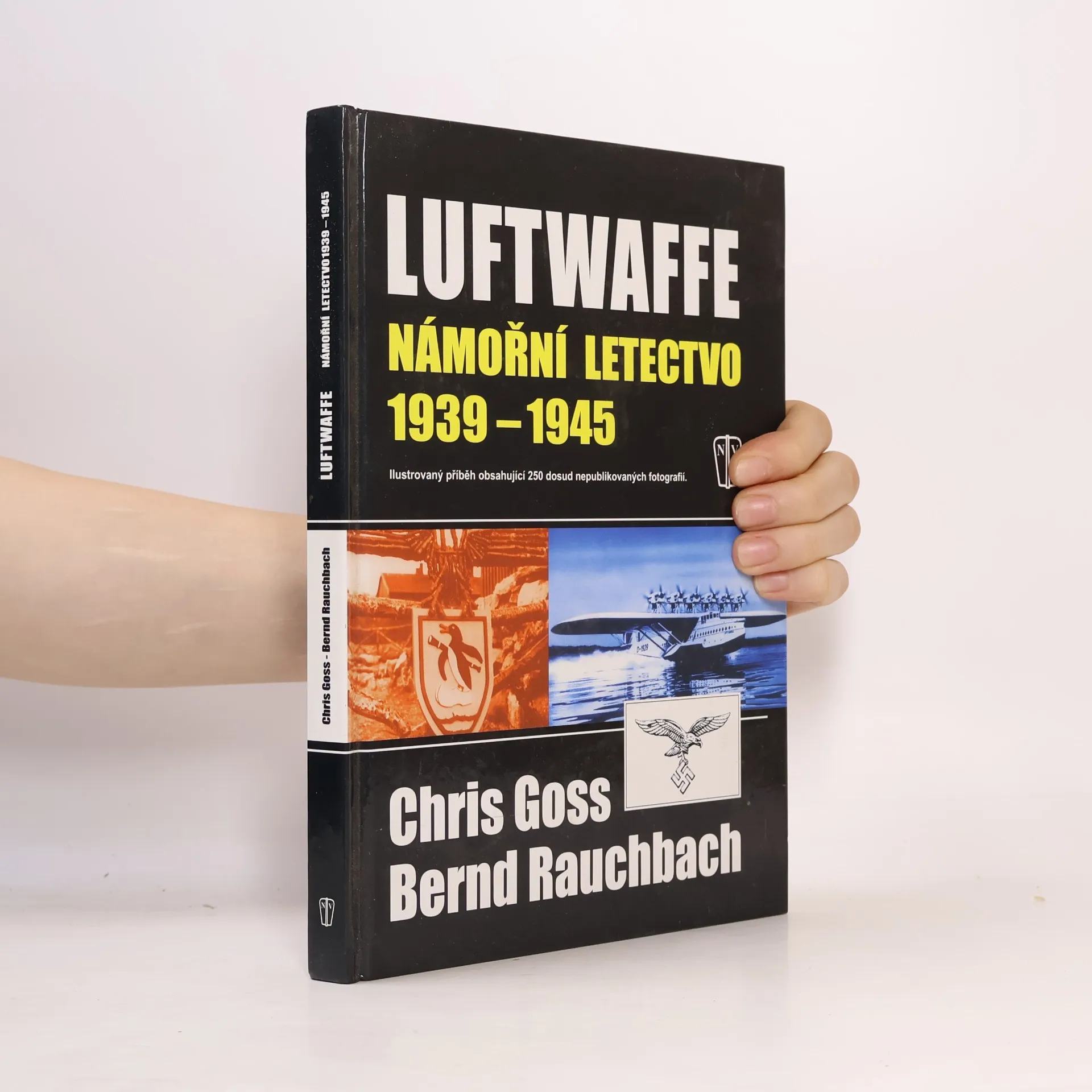
Ilustrovaný příběh obsahující téměř 250 doposud nepublikovaných fotografií.
Tato poslední kniha známého leteckého historika Chrise Gosse je fascinujícím obrazovým výčtem námořních letadel a hydroplánů, které měla Luftwaffe k dispozici v období 1939 – 1945 a v letech těsně před válkou. Najdeme zde takové typy letadel jako Arado 196, Blohm und Foss 222, Heinkel 115 a rovněž mnoho dalších od Junkerse, Dorniera a Bregueta. Autoři ve své práci berou do úvahy služební výsledky jednotlivých typů na různých frontách v průběhu celé války. Publikace obsahuje i část, která se věnuje personálu námořního letectva a poskytuje zajímavý pohled na letce a jejich uniformy.
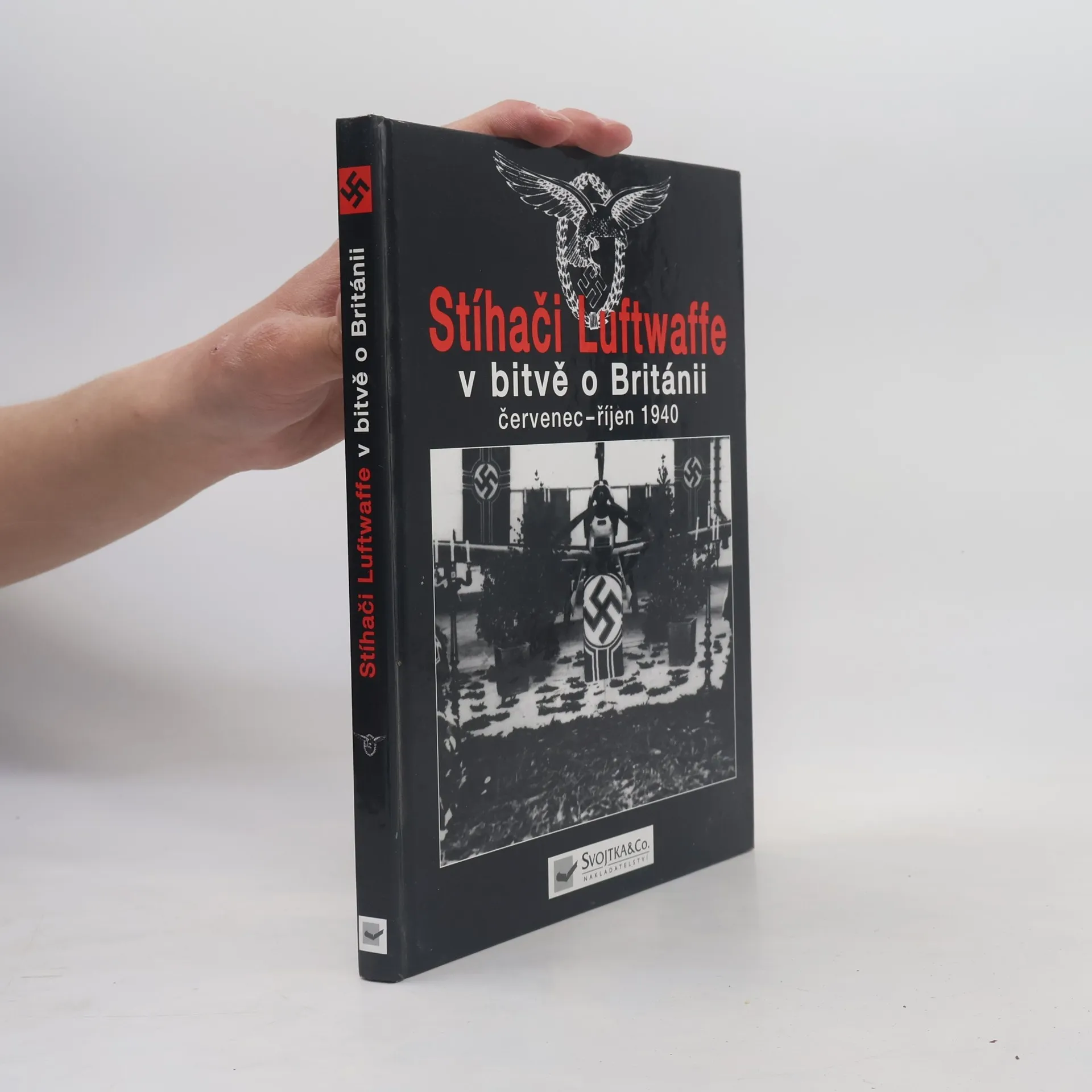
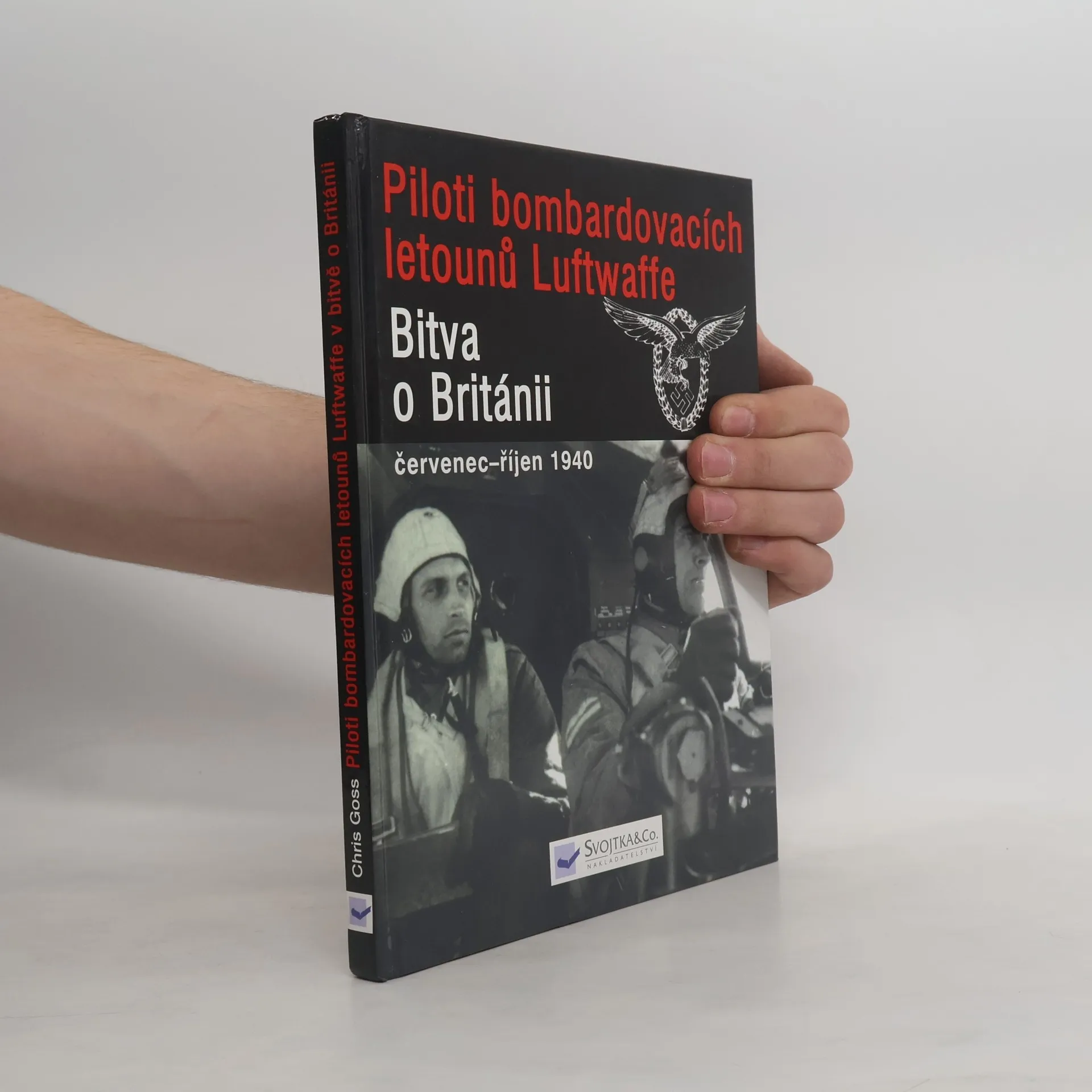
Před dvaceti lety začal autor této knihy oslovovat německé posádky, které se zúčastnily bitvy o Británii; většina z nich se stala válečnými zajatci. Současně se pokoušel zjistit, kde havarovalo jejich letadlo, kdo je sestřelil, a v některých případech uskutečnit setkání vítěze a sestřeleného. Během těch let se vynořila řada velmi osobních, drásavých, někdy hrdinských, někdy tragických příběhů, které, když se chronologicky seřadily, dávaly zajímavý pohled na bitvu o Británii z různých úhlů. Nikdy nesmíme pustit ze zřetele, že Luftwaffe byla nástrojem Hitlerových ďábelských světových plánů, navzdory tomu byli mezi německými stÍhači a bombardovacími letci velmi prostí lidé, kteří měli tu smůlu, že se narodili ve špatnou dobu. Stíhači Luftwaffe v bitvě o Británii a následný svazek Bombardovací letci Luftwaffe v bitvě o Británii jsou výsledkem dvacetiletého výzkumu a snad umožní čtenáři rozdílný pohled na bitvu o Británii. Knihy v žádném případě nejsou uzavřeným a konečným líčením bitvy o Británii, umožní však čtenáři pochopit, jaké to bylo létat proti urputnému nepříteli, který neměl co ztratit, a jaké to bylo být poražený, protože v předešlém roce se Luftwaffe v podstatě jen setkávala s kombinací neorganizovaných, technicky a početně slabších protivníků.
Když se bitva o Británii blížila ke konci, Luftwaffe začala vyzbrojovat své jednomotorové stíhačky pumami a zaměřila se na dvoumotorové bombardéry pro denní útoky. Tyto útoky, prováděné Jagdbomber, měly za cíl ničit pobřežní objekty, loďstva, železnice a vybrané vojenské a civilní cíle, což mělo značný dopad na morálku britských obyvatel. Britské vojenské síly čelily těmto náletům, zatímco místní obyvatelstvo žilo ve strachu z dalšího útoku. Kniha analyzuje válečné tažení od března 1942 do června 1943 na základě současných pramenů a svědectví z první ruky z pohledu britské i německé strany. Zaměřuje se na útoky na Londýn, Bexhill, Eastbourne, Hastings a další místa. Taktika je zvažována z pohledu útočníka i obránce, včetně jejich úspěchů a proher. Publikace obsahuje téměř 300 dosud nepublikovaných fotografií a je bohatá na detaily a fakta podložená výzkumem. Zkoumá málo známé aspekty leteckých bitev 2. světové války a osloví jak pamětníky, tak zájemce o místní historii a vojenské badatele.
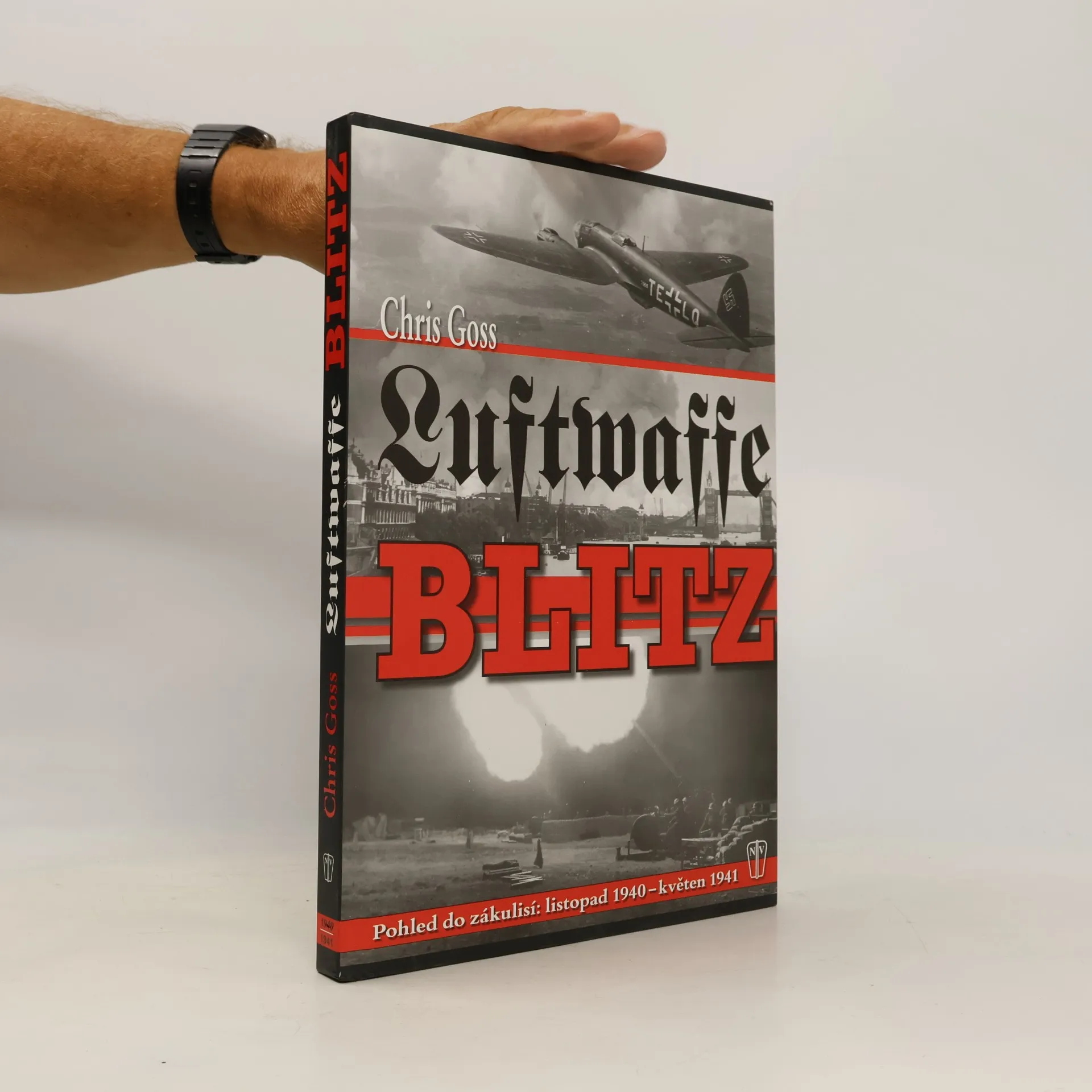
Autor přináší leteckým nadšencům a historikům mnohé dříve nepublikované informace a fotografie z doby nočních náletů na Velkou Británii. Příběh vypráví z pohledu osádek letadel RAF a Luftwaffe. Jsou zde zveřejněny výpovědi více než tří desítek letců a dalších pamětníků bojů na noční obloze nad Británií v době, kdy ještě osamoceně čelila třetí říši.
Tato publikace je volným pokračováním knihy Stíhači Luftwaffe v bitvě o Británii. Obě knihy jsou výsledkem dvacetiletého výzkumu a snad umožní čtenáři netradiční pohled na bitvu o Británii, v tomto případě pohled posádek bombardérů a průzkumných letadel.