The Selected Letters
- 564 pages
- 20 hours of reading
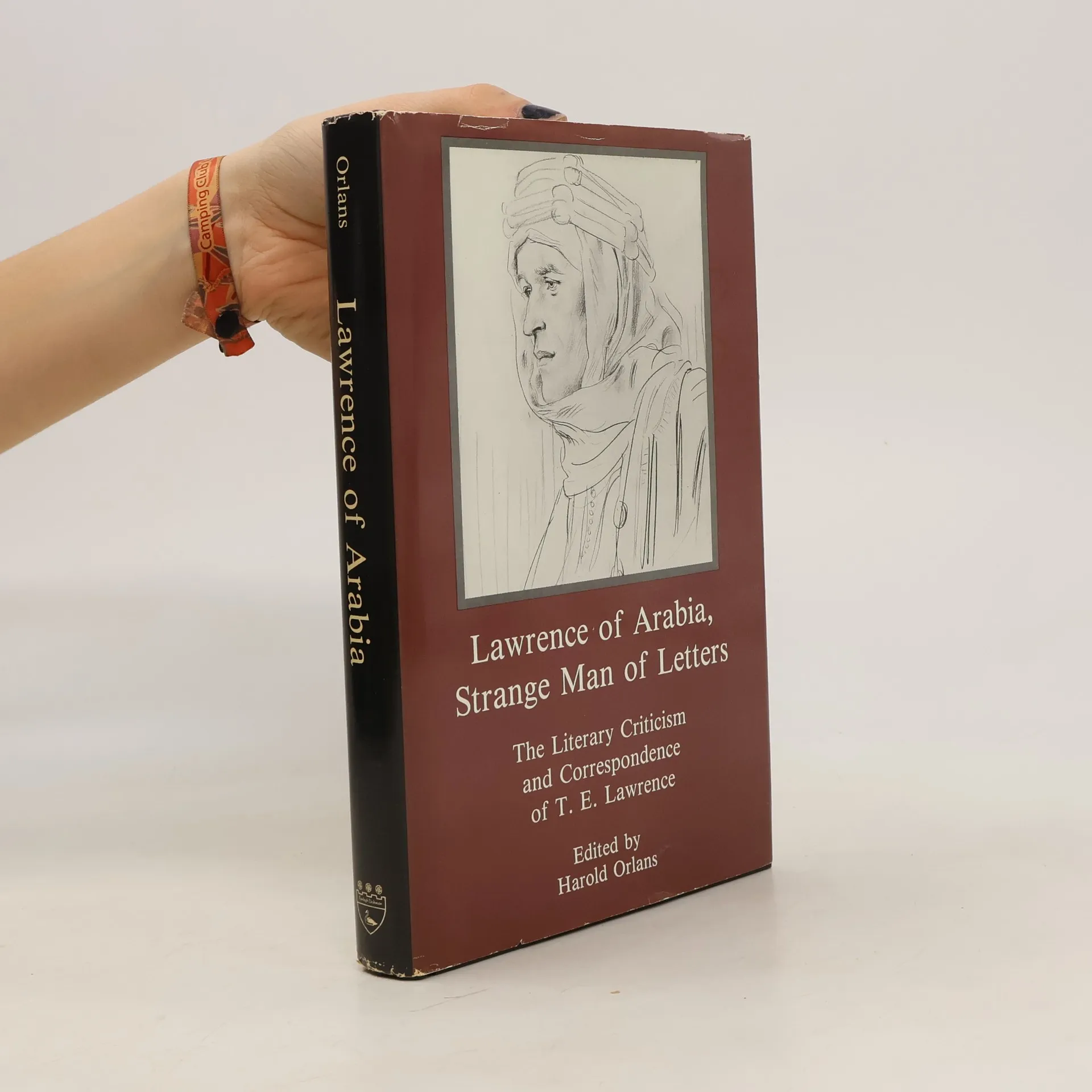
Profiles the enigmatic soldier, statesman, and man of letters, offering a wealth of letters that shed light on his role in the Arab revolt, his sexuality, and his retreat into obscurity


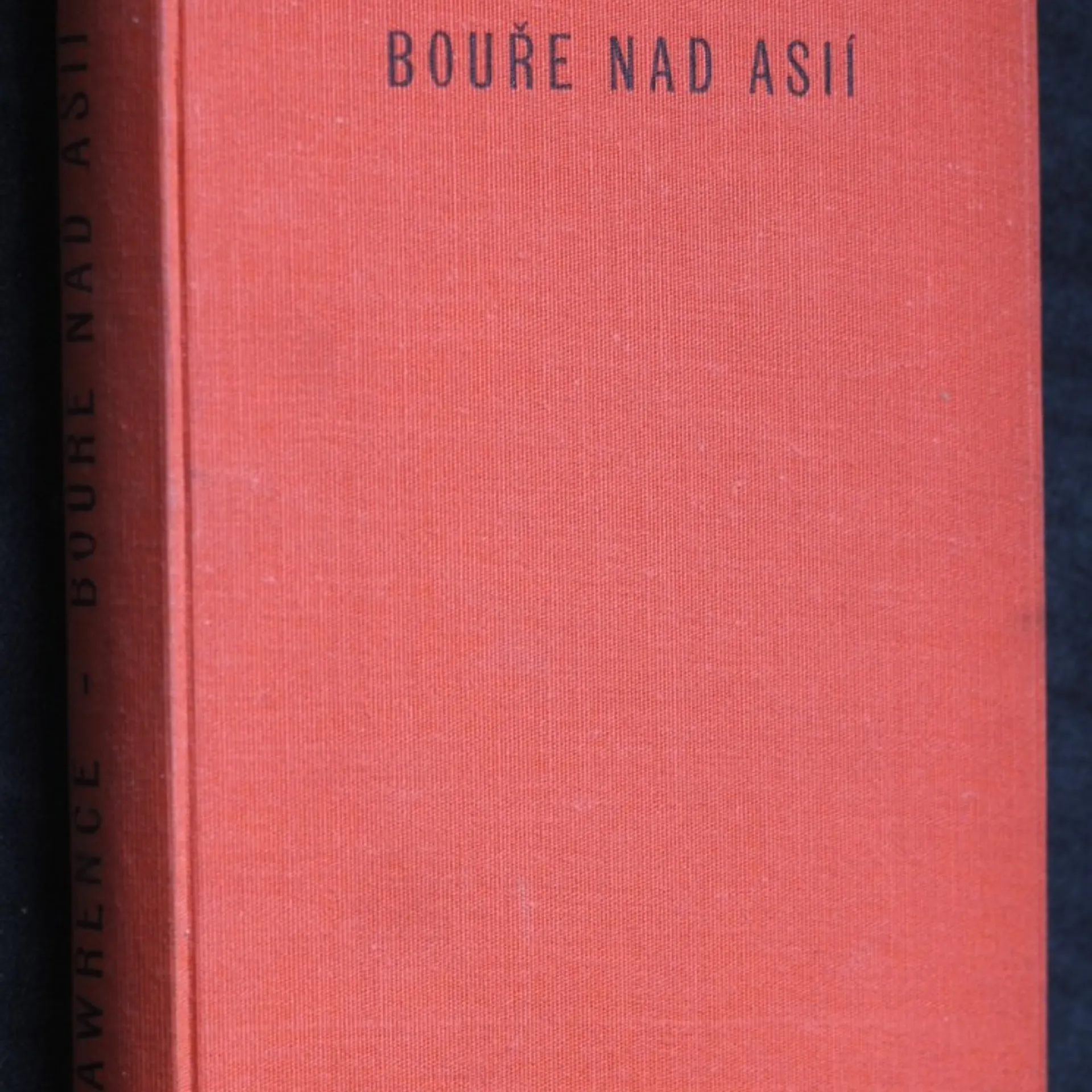
This author gained fame for his adventurous tales, deeply infused with a fascination for the history and culture of the Middle East. His works are characterized by vivid landscape descriptions and compelling portrayals of human destinies amidst dramatic historical events. He enriches his texts with detailed insights into Arab customs and traditions, offering readers a unique perspective on the clash of cultures. His writing is known for its epic scope and intimate focus on individuals.





Profiles the enigmatic soldier, statesman, and man of letters, offering a wealth of letters that shed light on his role in the Arab revolt, his sexuality, and his retreat into obscurity
Presented here with 13 key photographs and letters to his mother, the diary shows the young T.E. Lawrence developing a strong respect for the Arab people and already involved in Arabian politics.
An account of Lawrence's service in the Royal Air Force
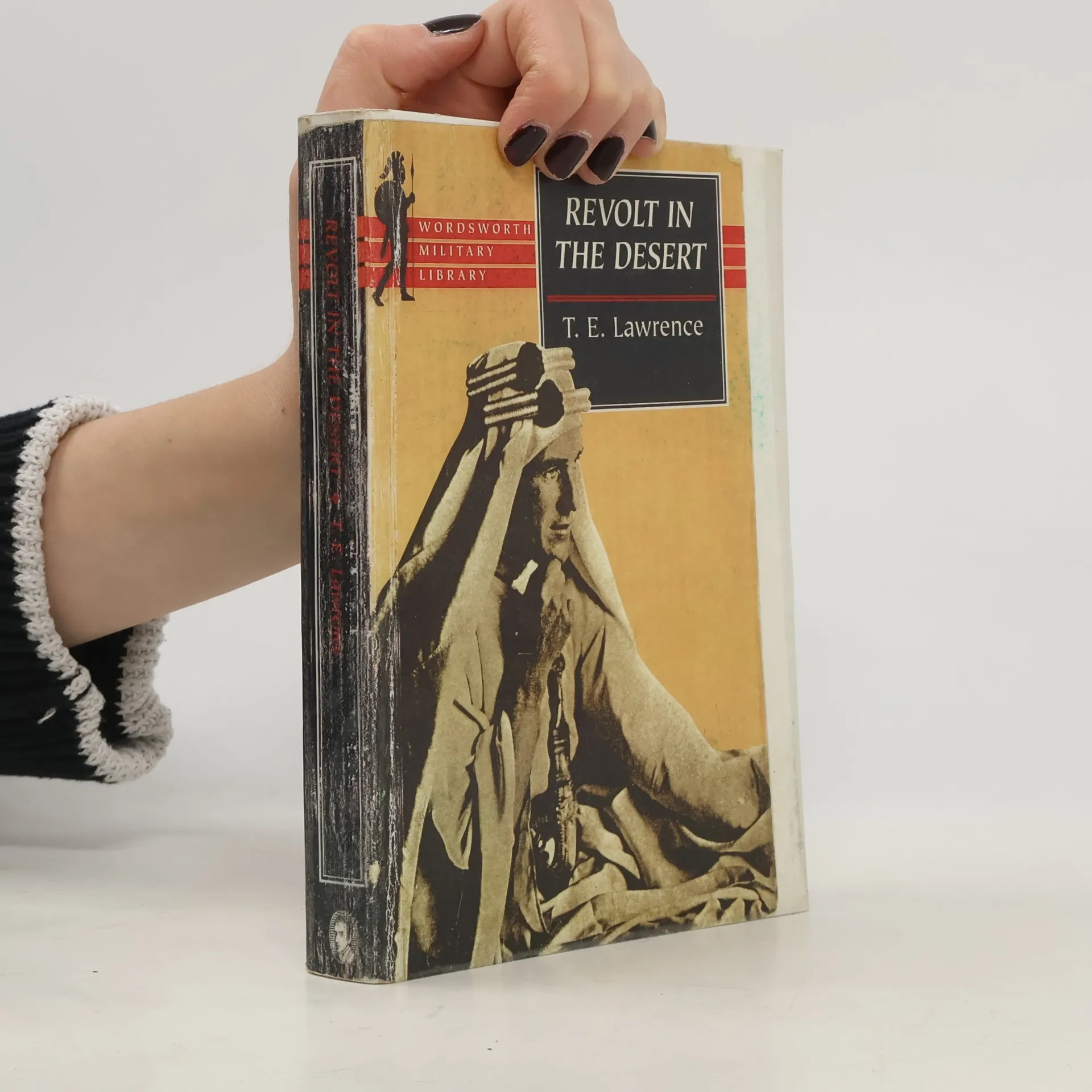
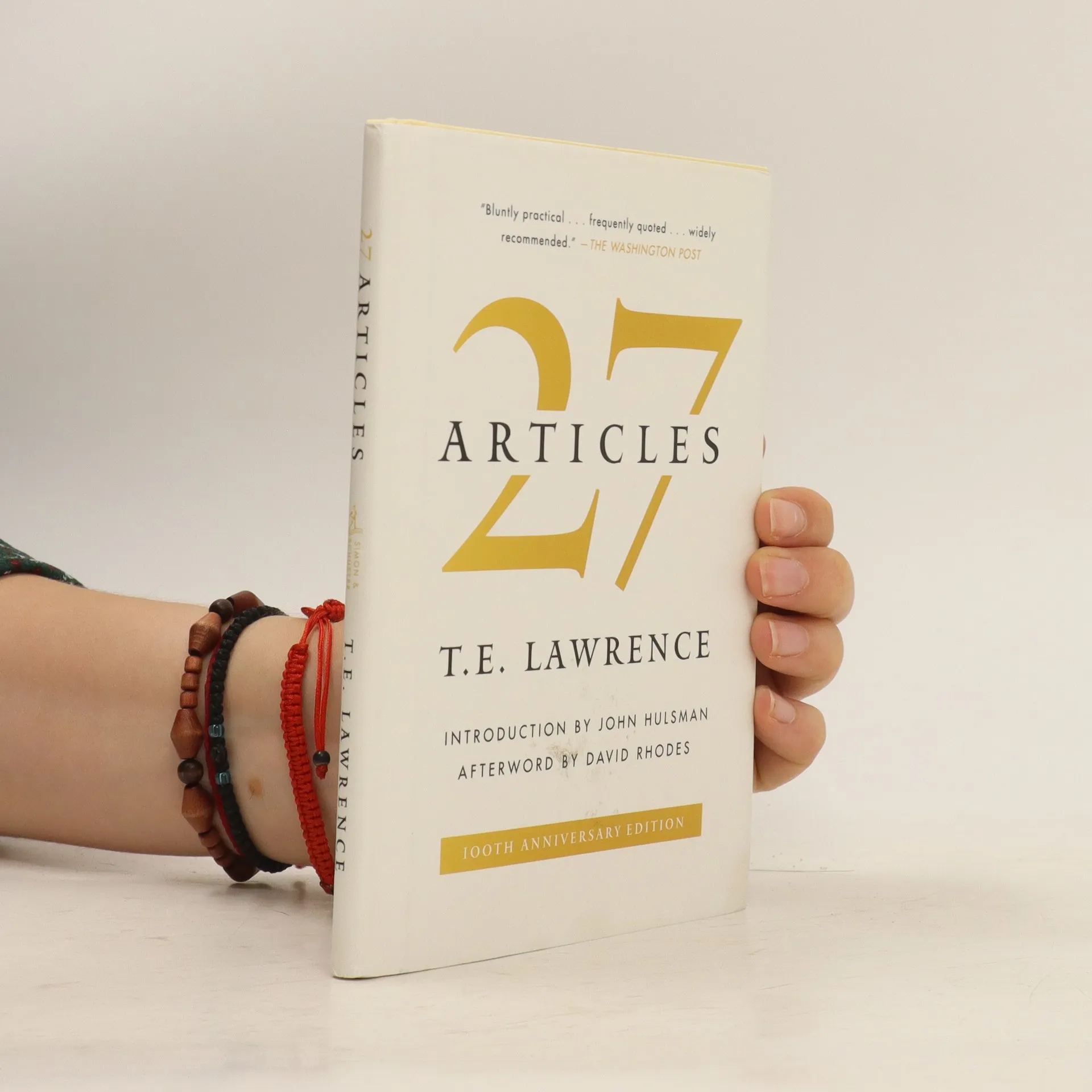
This classic set of military leadership guidelines was penned by T.E. Lawrence during his deployment to the Arabian Peninsula in 1916, amid World War I. Tasked with supporting the Arab Revolt against the Ottoman Empire, Lawrence achieved remarkable success alongside Arab revolutionaries, and his experiences became legendary. To preserve his insights, British command urged him to document his tactics and teachings, resulting in a collection that has become essential reading for military leaders. The 100th anniversary edition includes a new introduction by foreign policy expert John Hulsman and an afterword by CBS News President David Rhodes, highlighting the articles' enduring relevance. Lawrence's deployment marked the West's first modern military engagement in the Middle East, offering invaluable lessons that resonate with contemporary conflicts, particularly in Iraq and Afghanistan. His concise articles, while rooted in battlefield strategy, also provide significant insights applicable to management, leadership, and business, proving their timelessness and adaptability across various fields.
In the desert sands of southern Jordan lies a once-hidden conflict landscape along the Hejaz Railway. Built at the beginning of the twentieth-century, this narrow-gauge 1,320 km track stretched from Damascus to Medina and served to facilitate participation in the annual Muslim Hajj to Mecca. The discovery and archaeological investigation of an unknown landscape of insurgency and counter-insurgency along this route tells a different story of the origins of modern guerrilla warfare, the exploits of T. E. Lawrence, Emir Feisal, and Bedouin warriors, and the dramatic events of the Arab Revolt of 1916-18. Ten years of research in this prehistoric terrain has revealed sites lost for almost 100 years: vast campsites occupied by railway builders; Ottoman Turkish machine-gun redoubts; Rolls Royce Armoured Car raiding camps; an ephemeral Royal Air Force desert aerodrome; as well as the actual site of the Hallat Ammar railway ambush. This unique and richly illustrated account from Nicholas Saunders tells, in intimate detail, the story of a seminal episode of the First World War and the reshaping of the Middle East that followed.
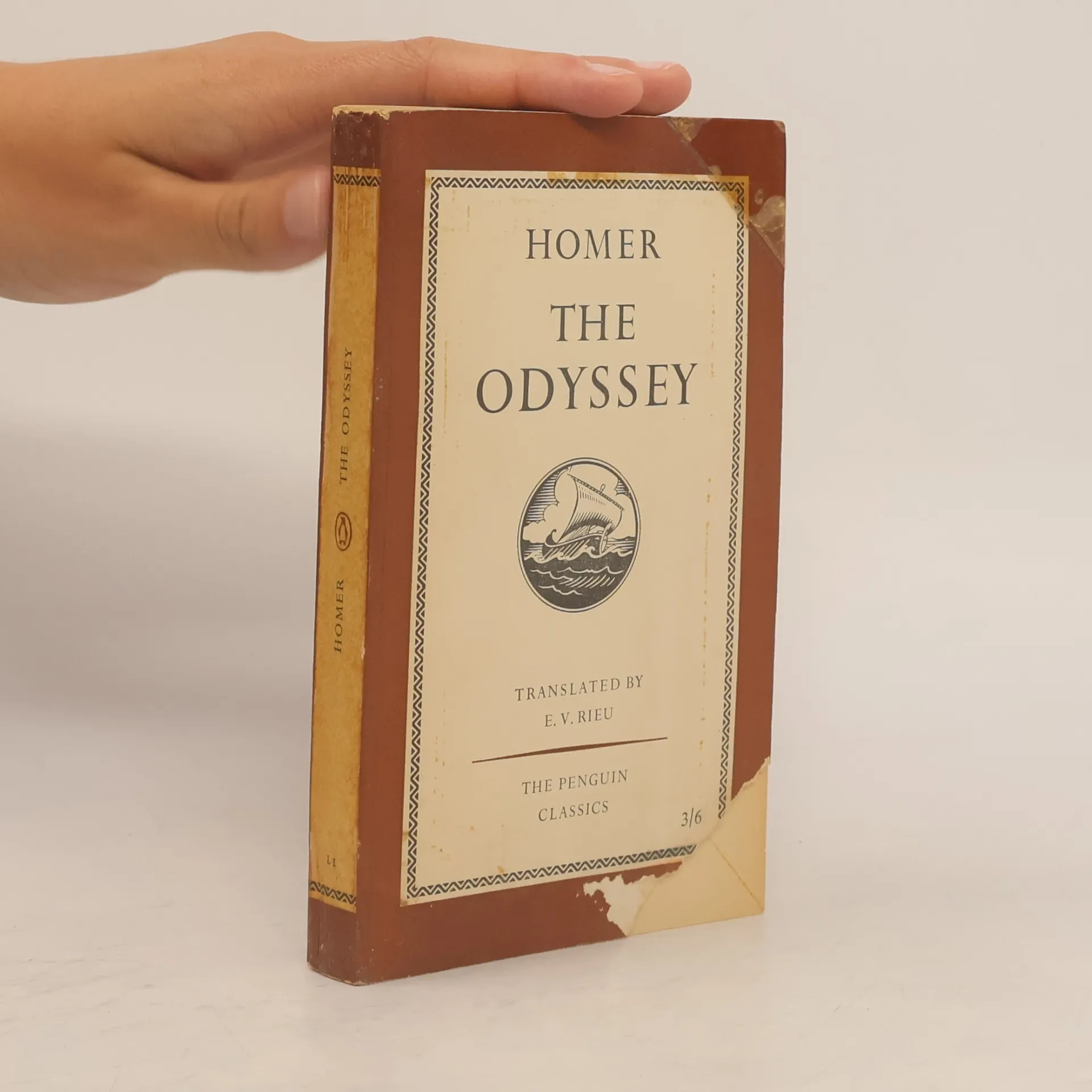
Robert Fagles's stunning modern-verse translation-available at last in our black-spine classics line A Penguin Classic The Odyssey is literature's grandest evocation of everyman's journey through life. In the myths and legends that are retold here, renowned translator Robert Fagles has captured the energy and poetry of Homer's original in a bold, contemporary idiom and given us an Odyssey to read aloud, to savor, and to treasure for its sheer lyrical mastery. This is an Odyssey to delight both the classicist and the general reader, and to captivate a new generation of Homer's students. For more than seventy years, Penguin has been the leading publisher of classic literature in the English-speaking world. With more than 1,700 titles, Penguin Classics represents a global bookshelf of the best works throughout history and across genres and disciplines. Readers trust the series to provide authoritative texts enhanced by introductions and notes by distinguished scholars and contemporary authors, as well as up-to-date translations by award-winning translators.
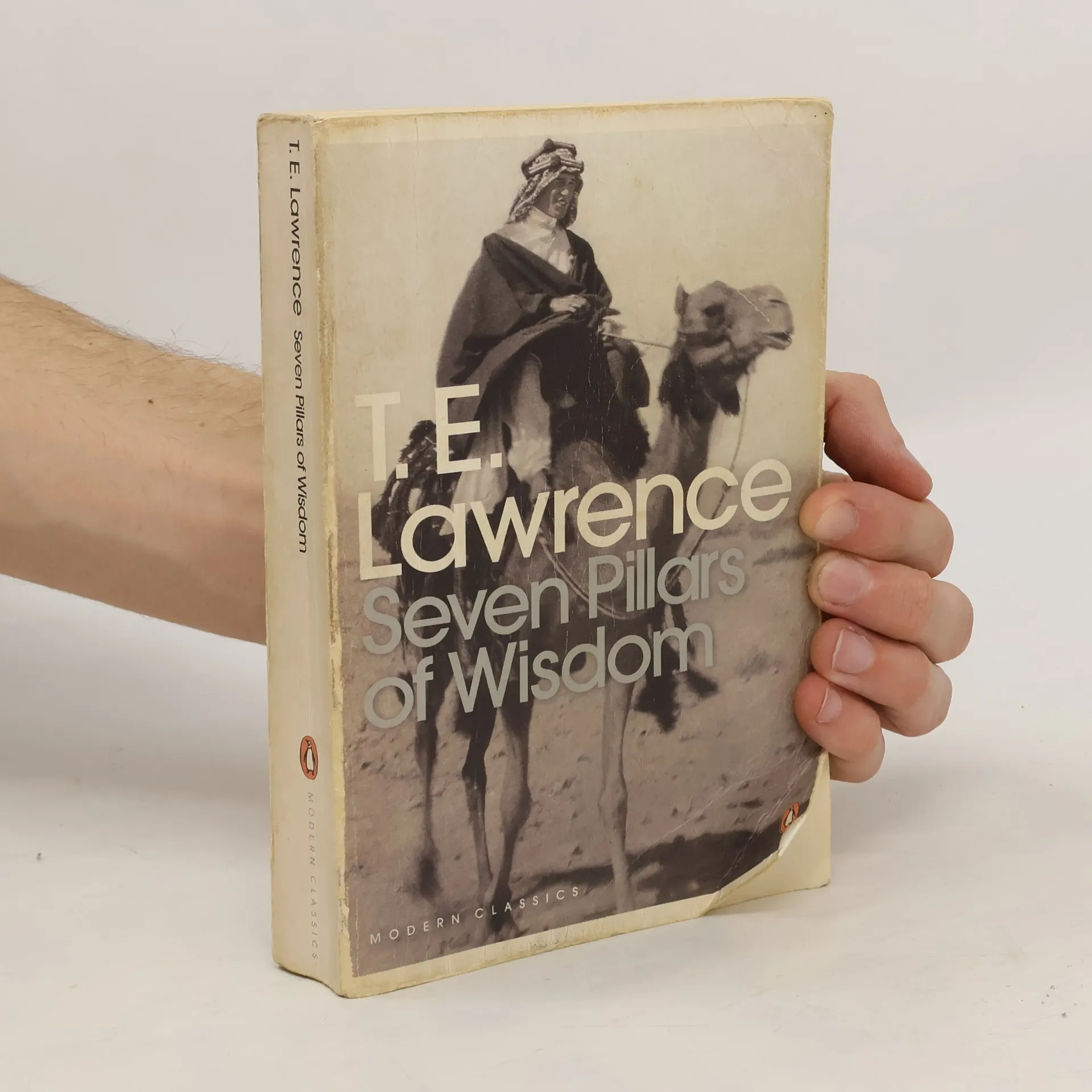
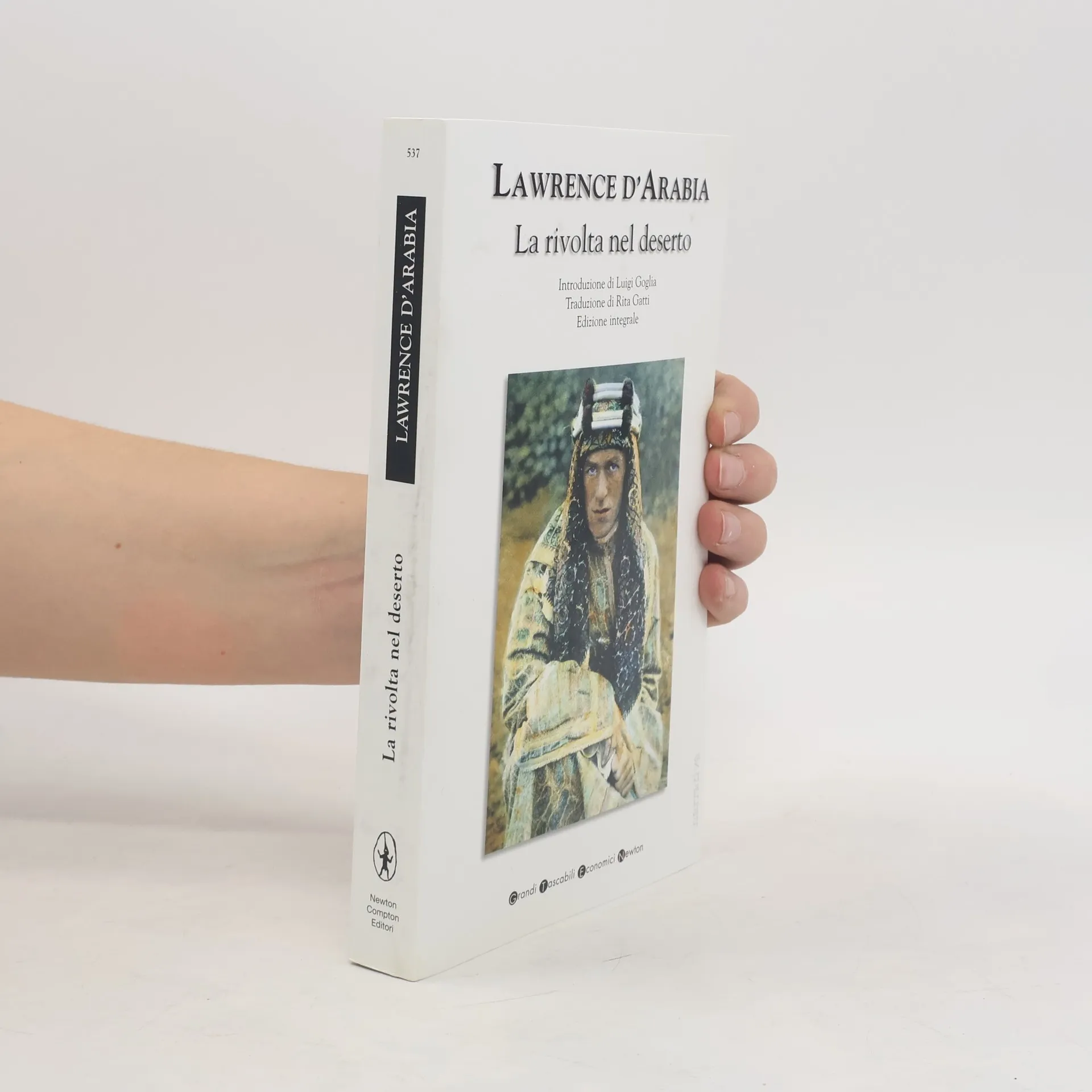
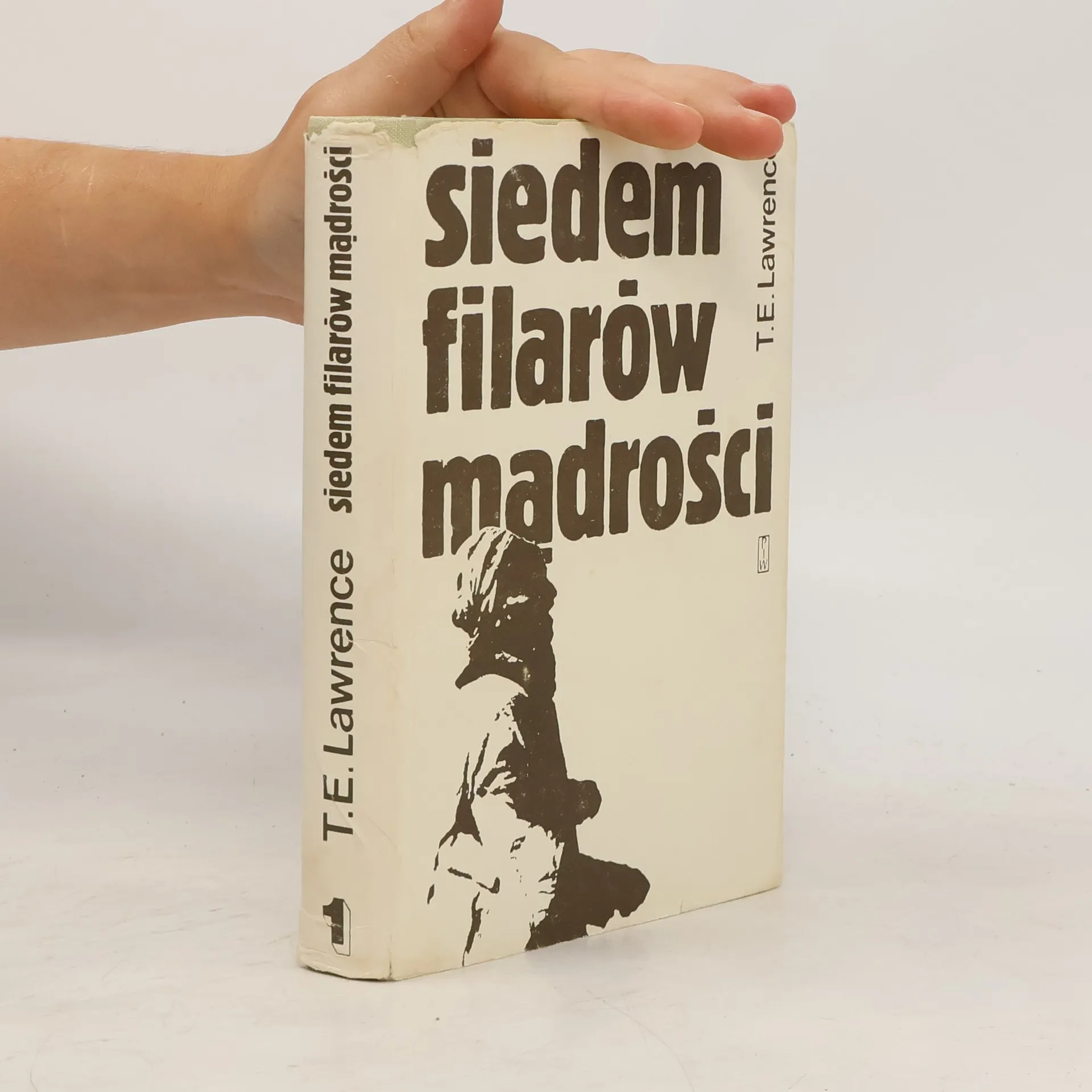
The race of heroes is not dead. Occasionally, a book, poem, or character emerges, illuminating our world and demonstrating that individuals, shaped in our image, can exhibit superhuman energy and achieve miracles through a fortunate blend of talent and circumstance. Legends like Odysseus, Roland, Drake, or Lawrence enrich human history, and if they possess enough vitality, these legends endure. This particular work may enjoy such longevity, presenting a grand epic of deeds. Lawrence himself has become a legend, yet it is rare for a hero to pen their own narrative, and even rarer for that legend to survive the writing. However, Lawrence defies these odds. This seemingly frail man, deemed unfit for military service, manages to eclipse the memories of great captains and generals. Born in Wales in 1888 and dying in a motorcycle accident in 1935, T. E. Lawrence was an Oxonian, archaeologist, intelligence officer, writer, and soldier, renowned for his military exploits in Arabia during World War I, as detailed in his works. Critics have noted his literary prowess alongside his military genius, questioning if he might be the only great writer who was also a man of action. His storytelling is praised for its wit, truth, beauty, and simplicity, ensuring it remains compelling from start to finish.
Although 'continually and bitterly ashamed' that the Arabs had risen in revolt against the Turks as a result of fraudulent British promises of self-rule, Lawrence led them in a triumphant campaign which revolutionized the art of war. Seven Pillars of Wisdom recreates epic events with extraordinary vividness. In the words of E. M. Forster, 'Round this tent-pole of a military chronicle, T. E. has hung an unexampled fabric of portraits, descriptions, philosophies, emotions, adventures, dreams'. However flawed, Lawrence is one of the twentieth century's most fascinating figures. This is the greatest monument to his character and achievements.
This Elibron Classics book is a facsimile reprint of a 1888 edition by the University Press, Cambridge.
And Other Writings
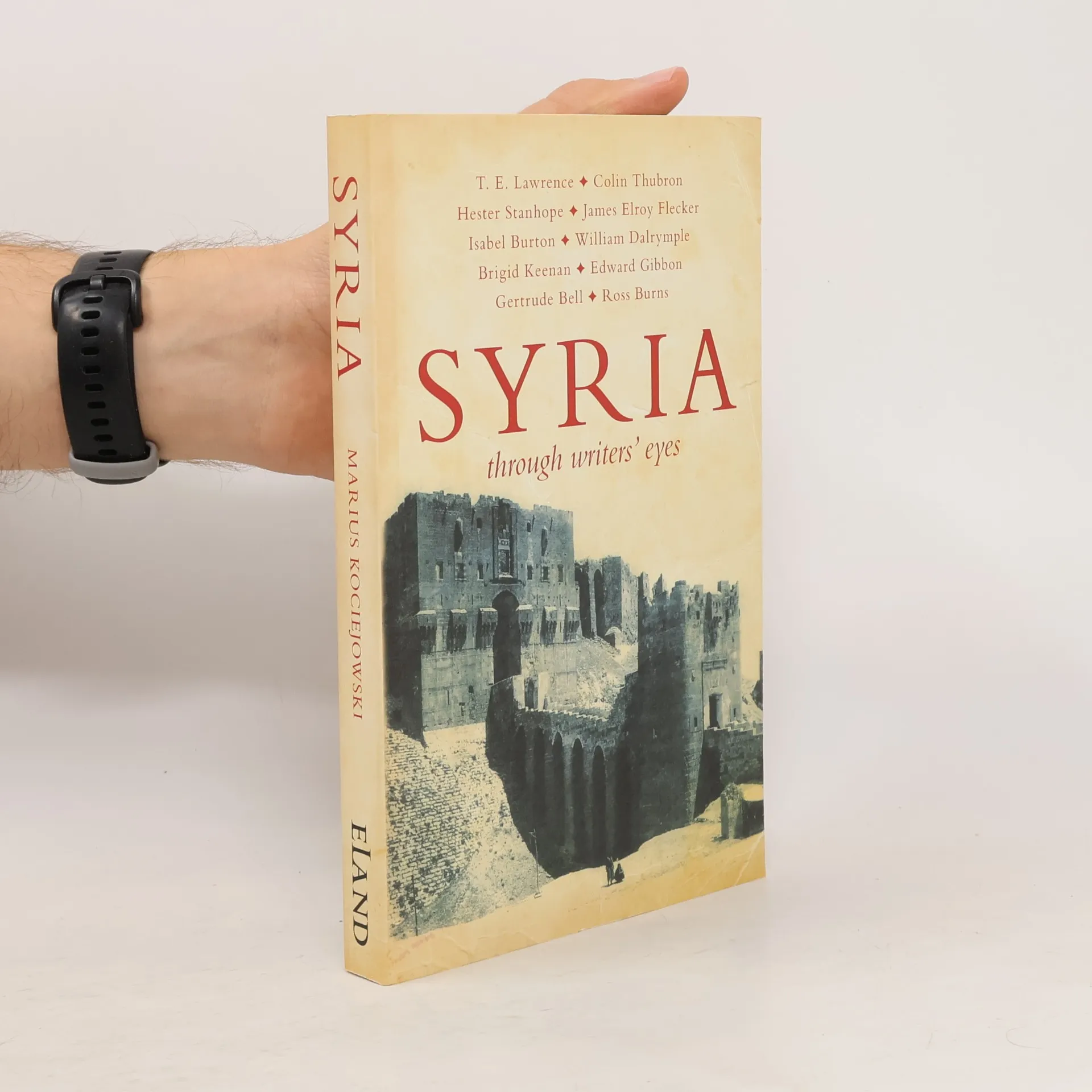
A useful companion for those travelling to Syria, this work is part of a series that is a collection of writing, aiming to invest the traveller with a cultural and historical background to Syria.
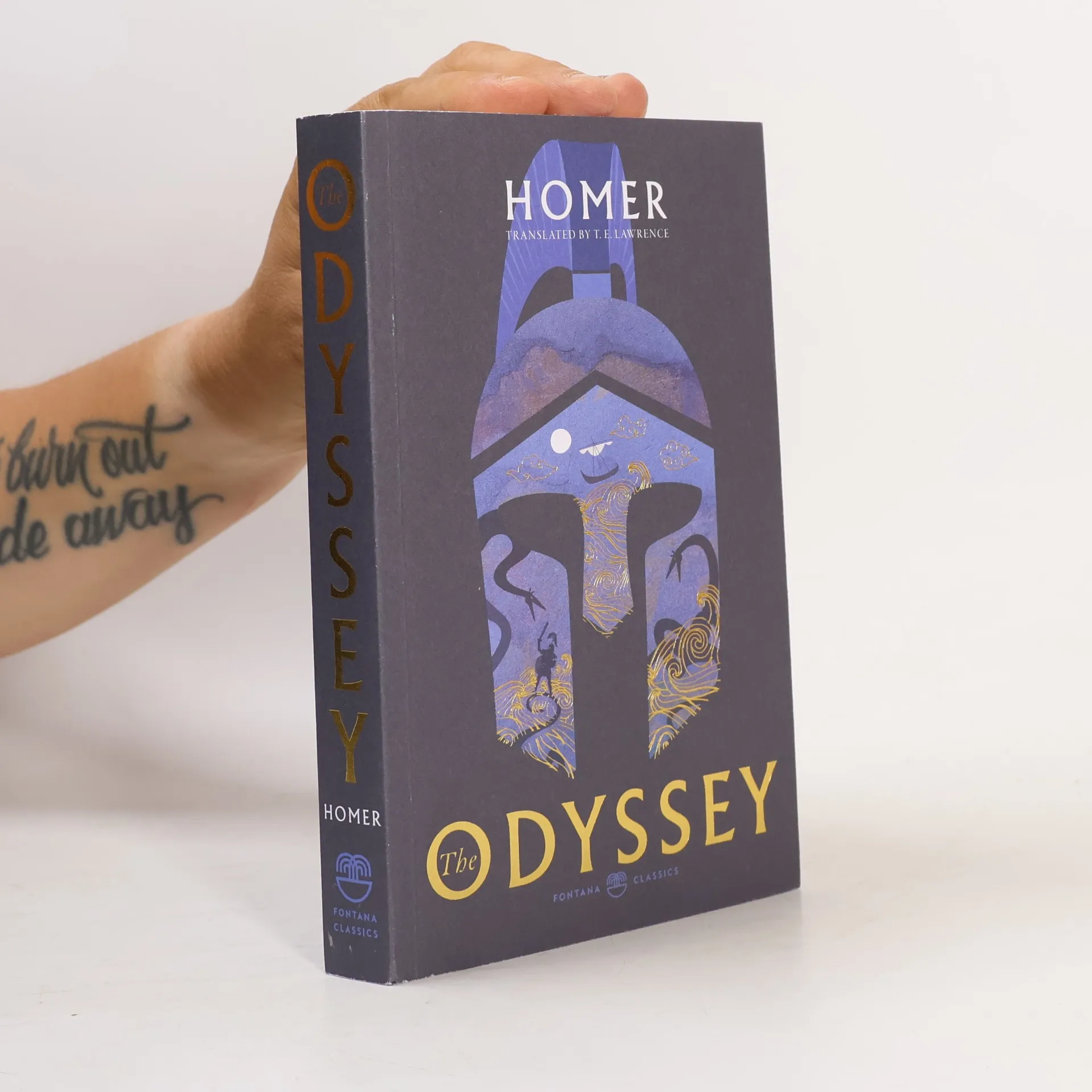
Discover the Timeless Greek Epic Before You See the Film
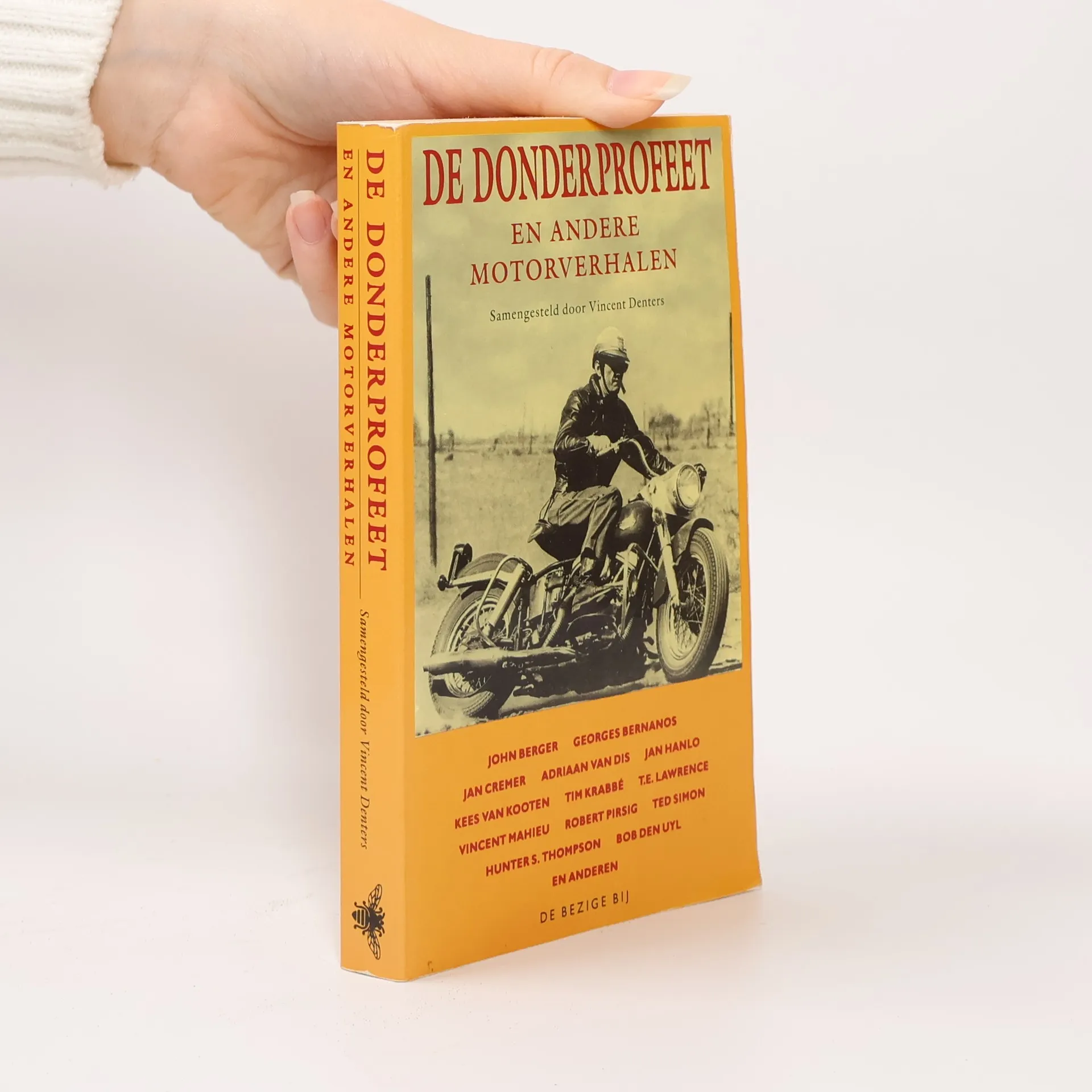
Dutch
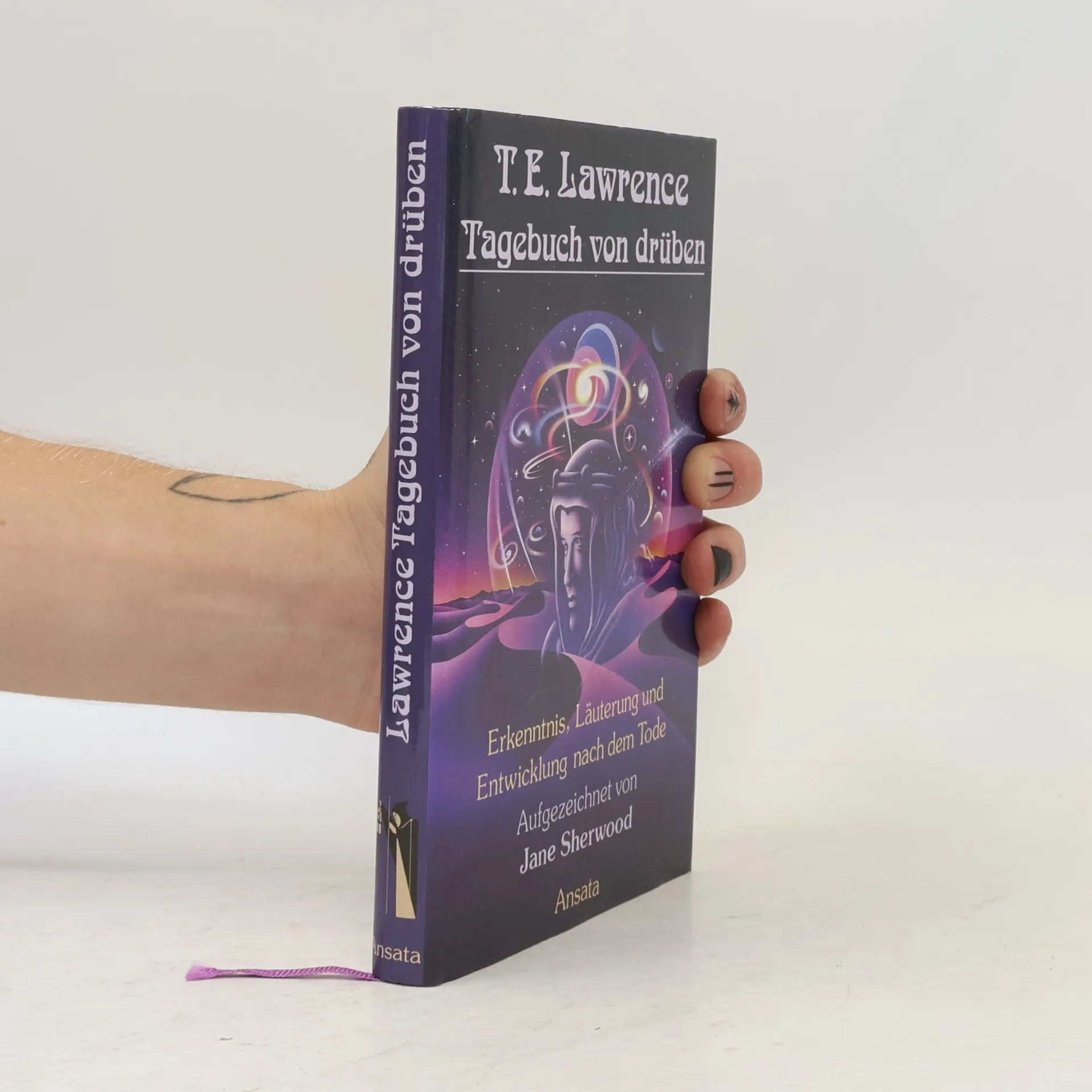
Der autobiografische Kriegsbericht von Lawrence of Arabia fängt eindrucksvoll die Atmosphäre des Nahen Ostens während des Krieges ein. In einer bewegenden Schilderung reflektiert der Autor über seine Erlebnisse und die kulturellen Eindrücke, die ihn prägen. Die eindringliche Beschreibung eines abendlichen Gebetsrufes eines Muezzins verdeutlicht die spirituelle Tiefe und die kulturellen Kontraste der Region. Lawrence vermittelt sowohl persönliche als auch historische Perspektiven, die den Leser in die komplexen Ereignisse und Emotionen dieser Zeit eintauchen lassen.
Die autobiografischen Kriegsberichte des Lawrence von Arabien
Die autobiografischen Kriegsberichte von Thomas Edward Lawrence bieten einen faszinierenden Einblick in seine Erlebnisse während des Ersten Weltkriegs im Nahen Osten. Lawrence schildert eindrucksvoll den Arabischen Aufstand gegen das Osmanische Reich und seine Rolle als Vermittler zwischen den verschiedenen Stämmen. Sein Schreiben kombiniert persönliche Reflexionen mit historischen Ereignissen und beleuchtet die komplexen politischen und kulturellen Dynamiken der Region. Die Erzählung ist sowohl ein Abenteuerbericht als auch ein tiefgehendes psychologisches Porträt eines Mannes, der zwischen verschiedenen Welten steht.
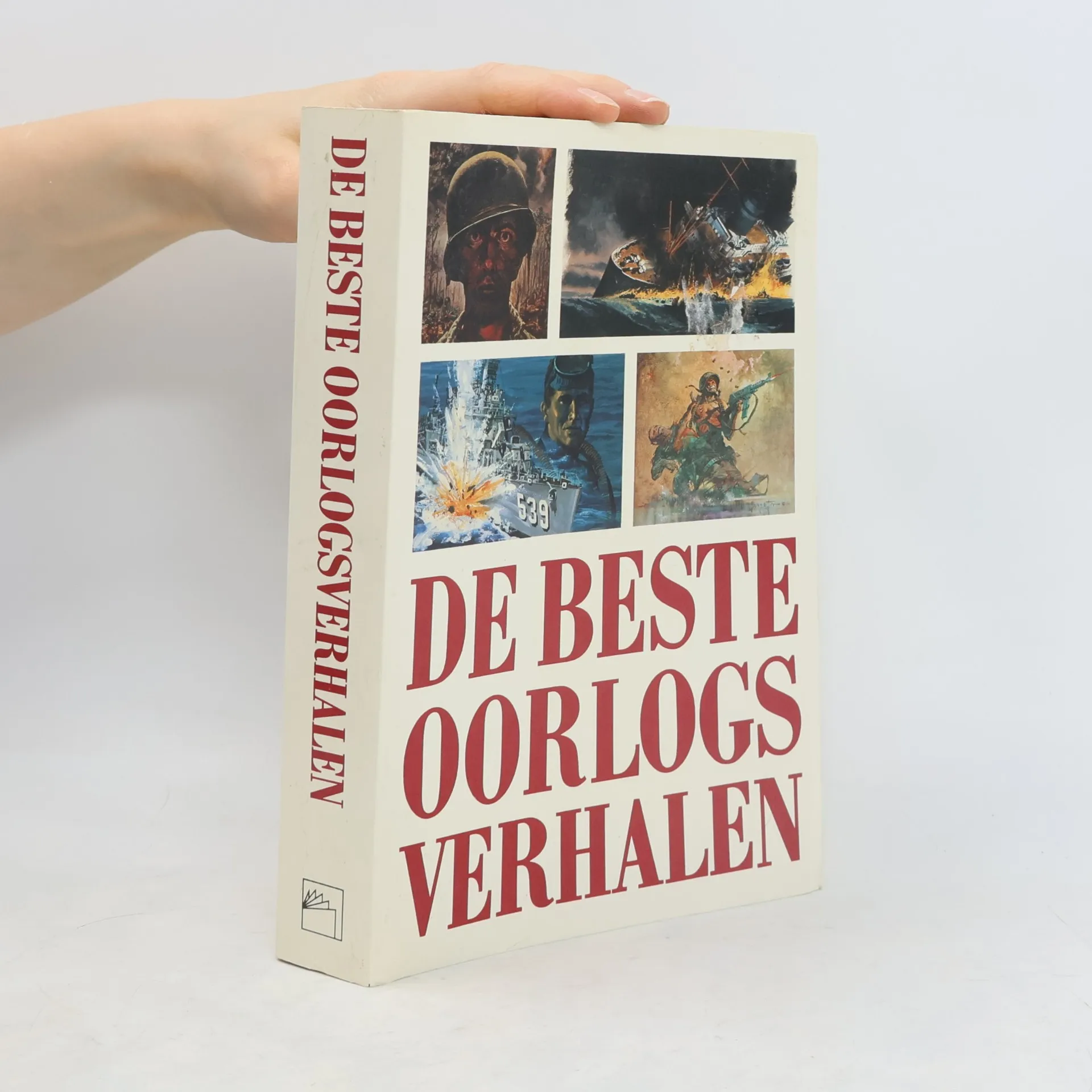
Deze omvangrijke omnibus biedt de lezer een zeer uitgebreide en rijk geschakeerde collectie oorlogsverhalen. Verdeeld in 6 afdelingen - Soldaten in de oorlog, Burgers in de oorlog, Facetten van de oorlog, Soldateneer, Oorlog tussen volkeren en Satire over de oorlog - bevat deze omnibus meer dan 25 novellen en verhalen. Naast verhalen van beroemde schrijvers als Tolstoj, Sholochow, Zola, T.E. Lawrence, Remarque en Hemingway werden uit een onvoorstelbare rijkdom aan Engelse, Franse, Duitse, Russische en Japanse literatuur de beste verhalen over oorlog gekozen - van de Griekse mythologie tot onze eigen tijd. De beste oorlogsverhalen voert de lezer naar de slagvelden en loopgraven van vele oorlogen; naar de besneeuwde steppes van Azië, de verzengende woestijnen van Afrika en de verschroeide aarde van Vietnam.