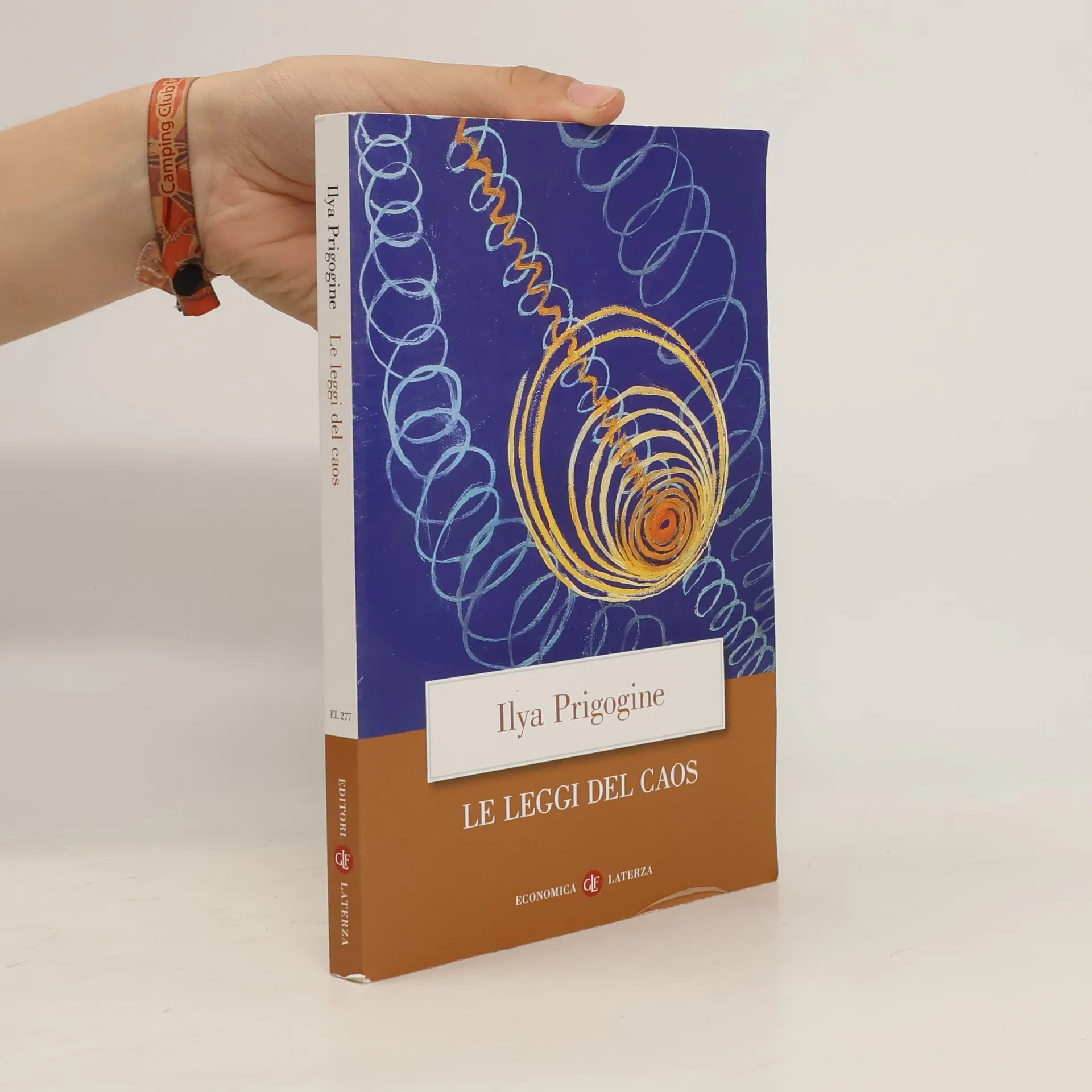
Le leggi del caos
- 117 pages
- 5 hours of reading


Ilya Prigogine was a scientist renowned for his groundbreaking work in physical chemistry. He notably investigated dissipative structures, complex systems, and irreversibility. His research profoundly influenced our understanding of how complex systems evolve and maintain order.


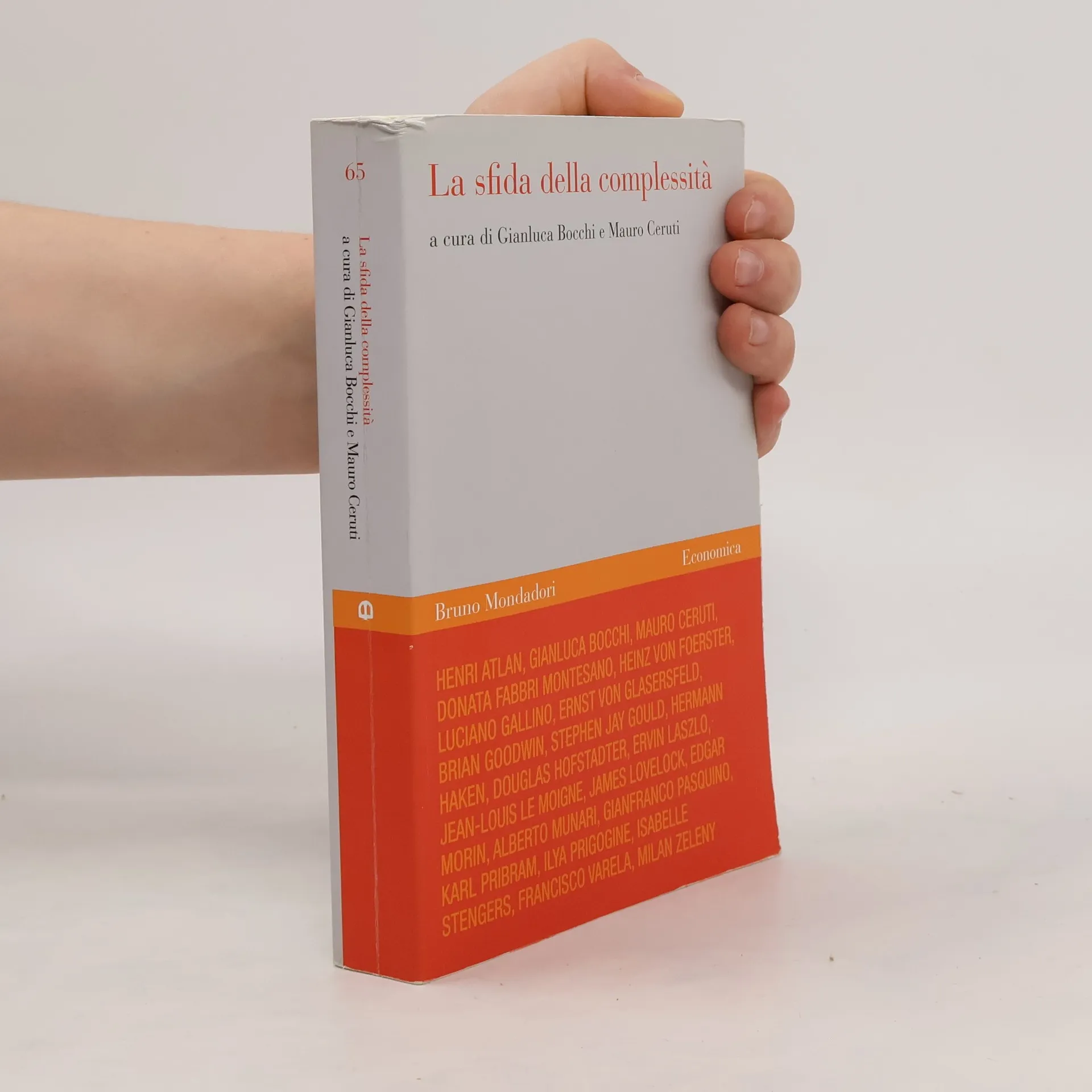
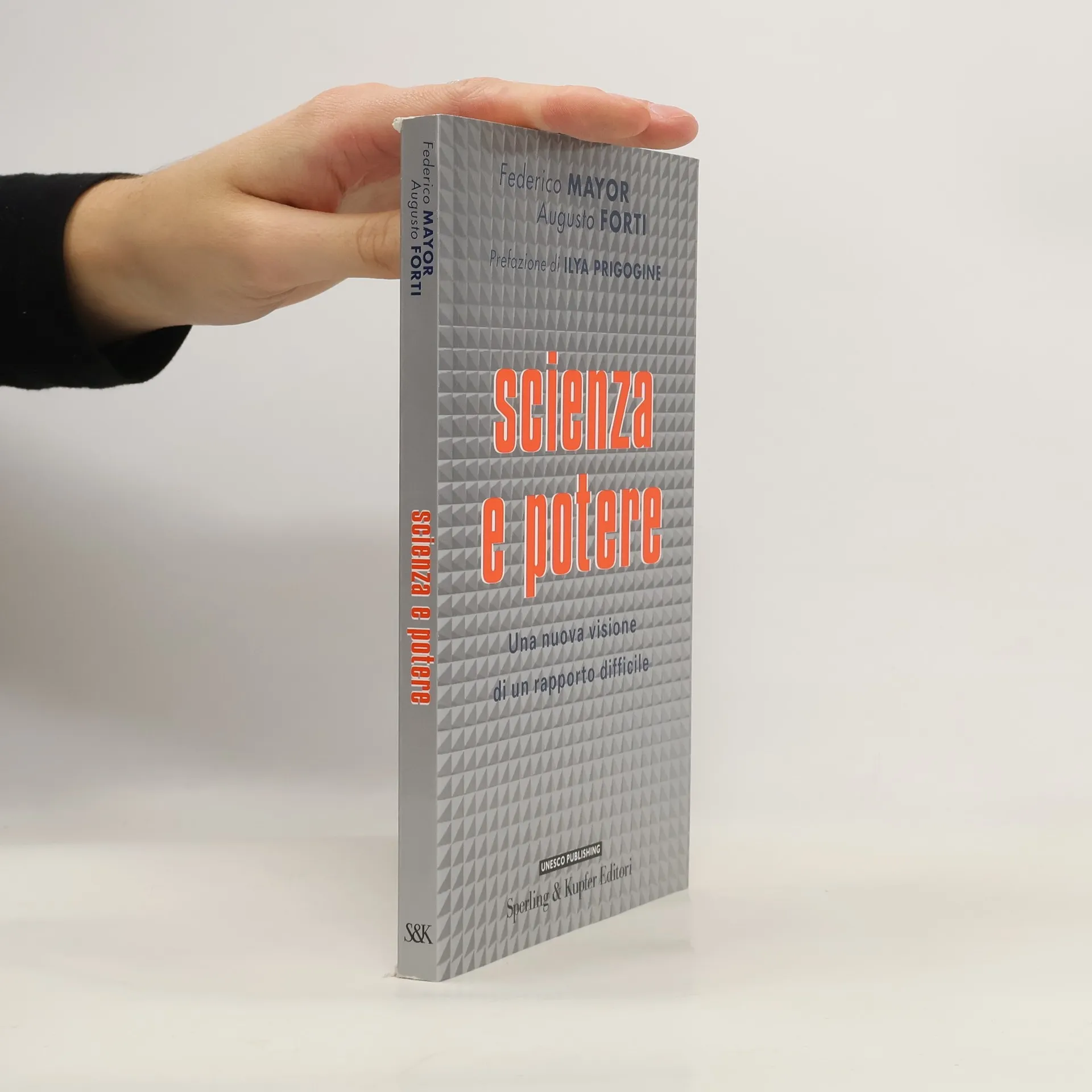
La sfida della complessità nasce dall'irruzione dell'incertezza nelle nostre conoscenze, dallo sgretolarsi dei miti che per secoli hanno regolato il cammino della scienza moderna. Ma d'altra parte la fine della certezza, della completezza, dell'esaustività e dell'onniscienza non segnala soltanto la fine di un ordine, ma rende ineludibile una trasformazione delle domande e delle risposte su cui è basato il nostro sapere. Chiamati a raccolta da Gianluca Bocchi e Mauro Ceruti a metà degli anni ottanta, scienziati e pensatori come Ilya Prigogine e Francisco Varela, Stephen Jay Gould e Heinz von Foerster presentano e confrontano i loro itinerari nella “nuova scienza”, in un'opera che ha mantenuto intatta la sua freschezza ed esemplarità.
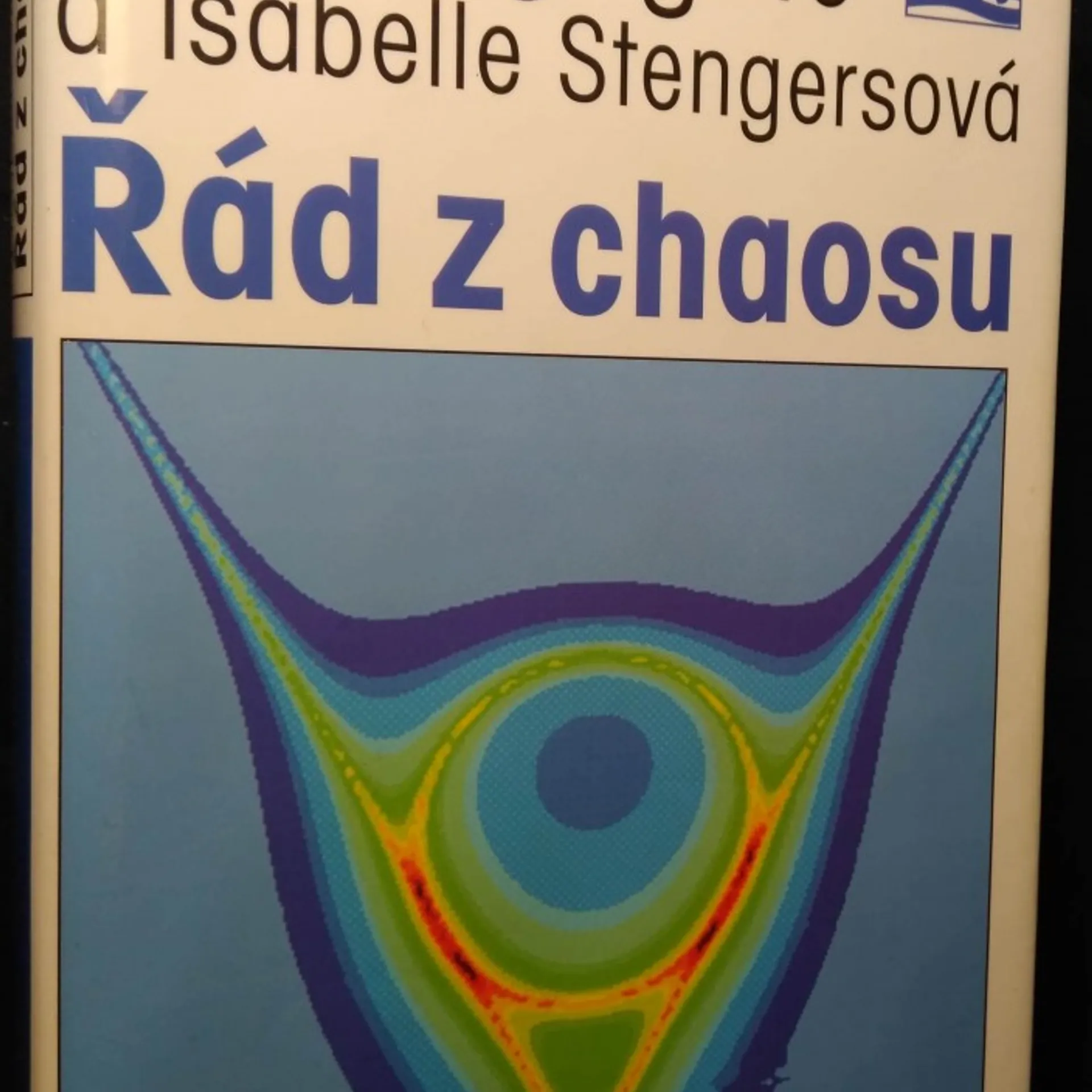
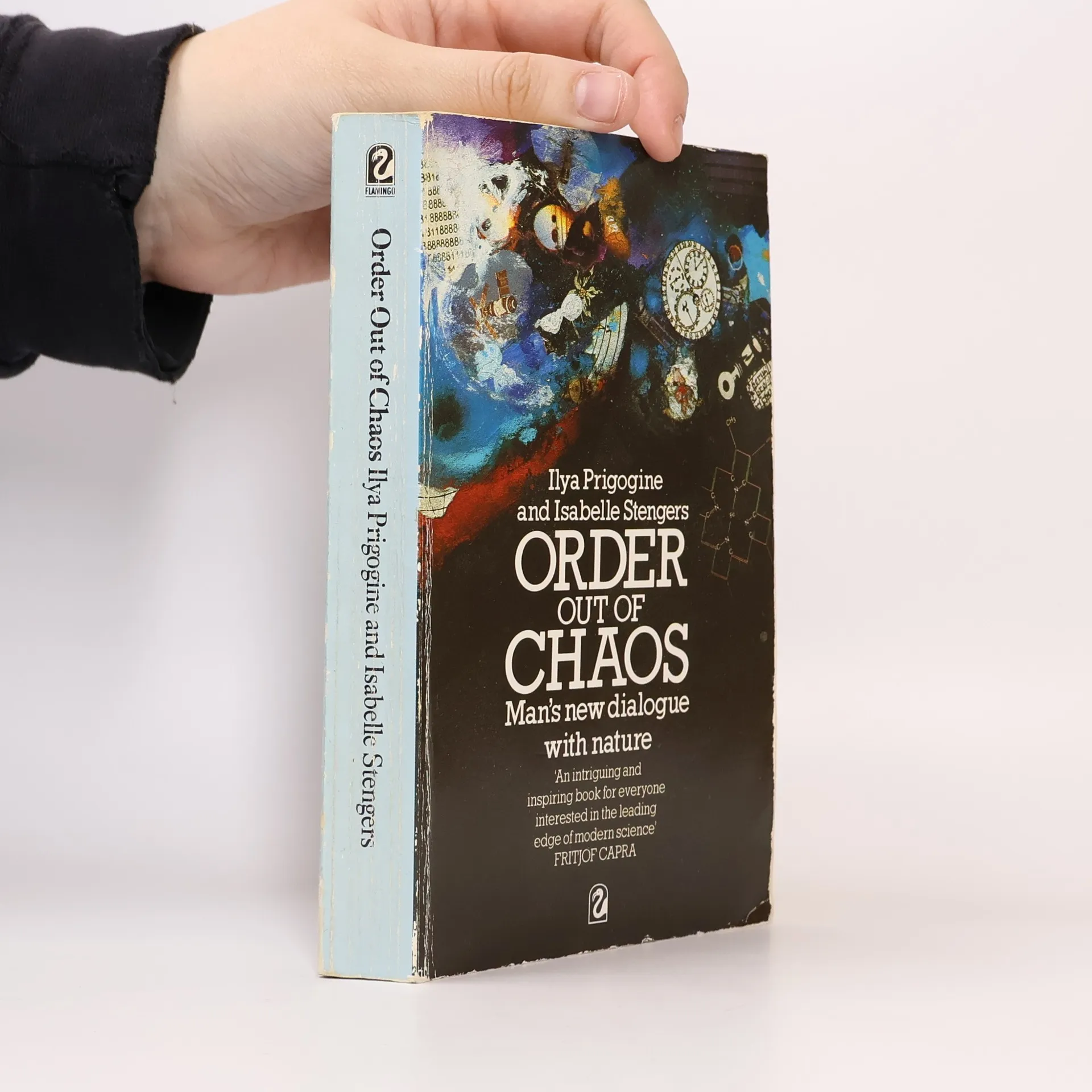
Podtitul: Nový dialog člověka s přírodou Kniha je širokým panoramatickým pohledem na změny v základech soudobé vědy, na proměny vztahu člověka a přírody. Prosazuje názor, že je třeba nastolit jednotu přírodních a společenských věd, překonat „dvojí kulturu“, tj. přírodovědnou ahumanitní. Procesuálnost a dynamičnost světa, problém vznikání nového, otázka času a jeho fyzikálního určení, to vše zkoumáno na podkladu nikoli spekulativním, ale solidně vybudovaném na poznatcích přírodních věd, dává naději, že Prigoginova kniha by mohla působit v českém, byť opožděném překladu stejně podnětně jako v době svého vzniku, kdy se stala světovým bestsellerem.
Fragment evoluční ontologie. teprve v epoše globální informační společnosti a kasírovaného kapitalismu lépe vidíme, že čím více se technická civilizace vzdaluje svému původnímu biologickému základu, tím více o jejím osudu polorozhoduje kulturou poškozený hostitelský systém přírody a průměrná, vysoce konzervativní lidská přirozenost.
Thermodynamics is a core part of most science and engineering curricula. However, most texts that are currently available to students still treat thermodynamics very much as it was presented in the 19th century, generally for historical rather than pedagogical reasons.
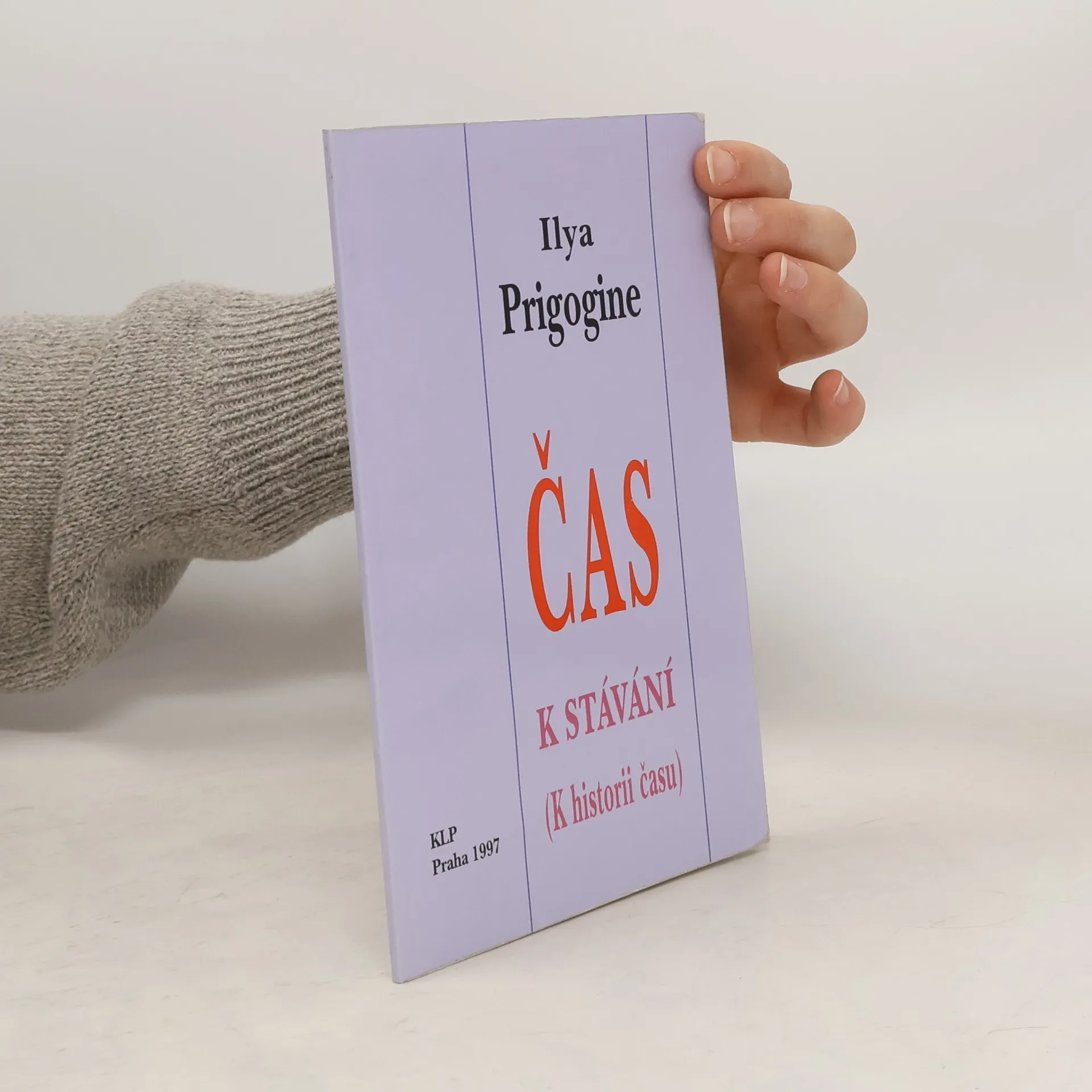
Přednáška pronesená 24. září 1993 v Muzeu civilizace v Québecu na zahájení 4. mezinárodního festivalu vědeckého filmu.
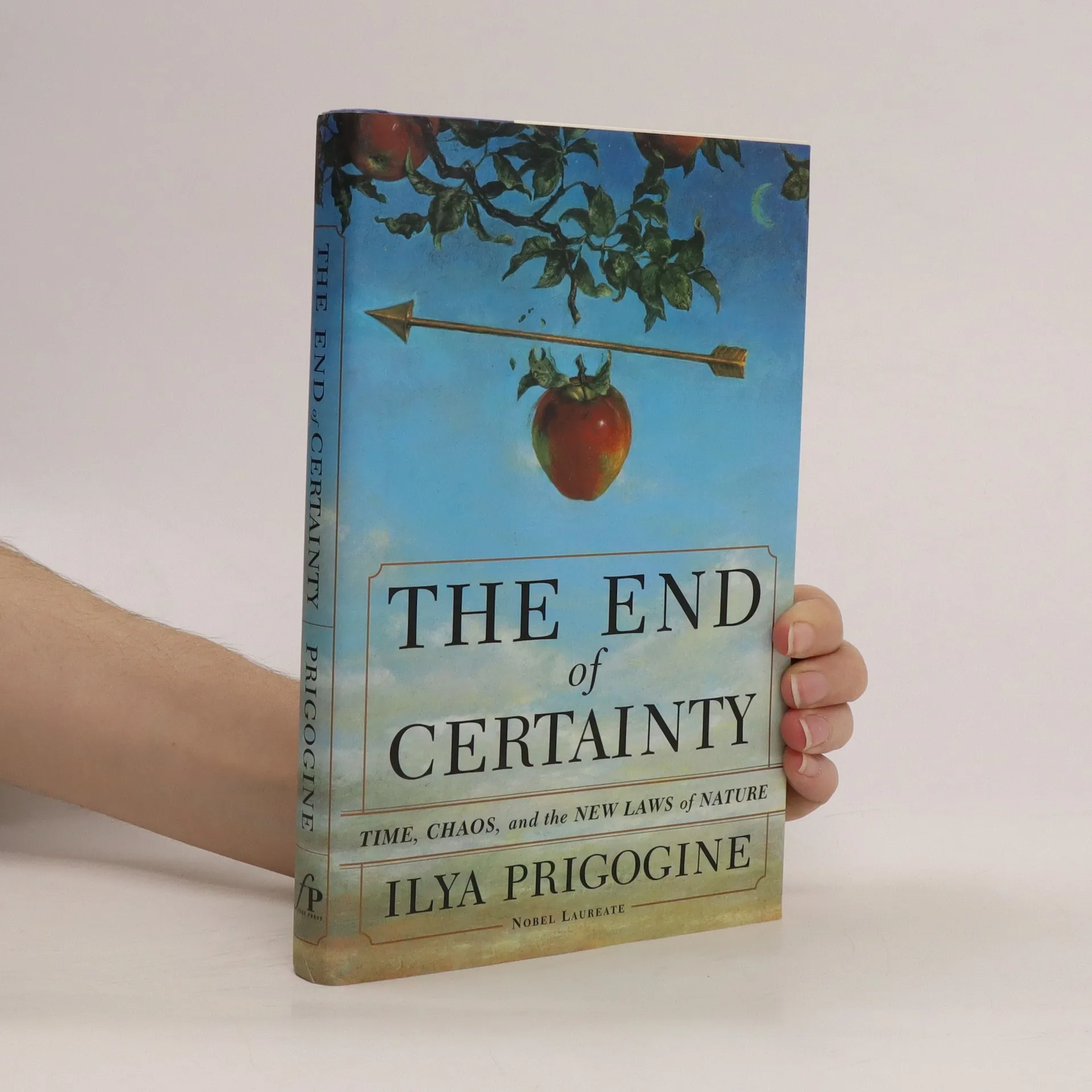
Nobel Laureate Ilya Prigogine discusses the irreversibility of time and his findings impact on the laws of physics.
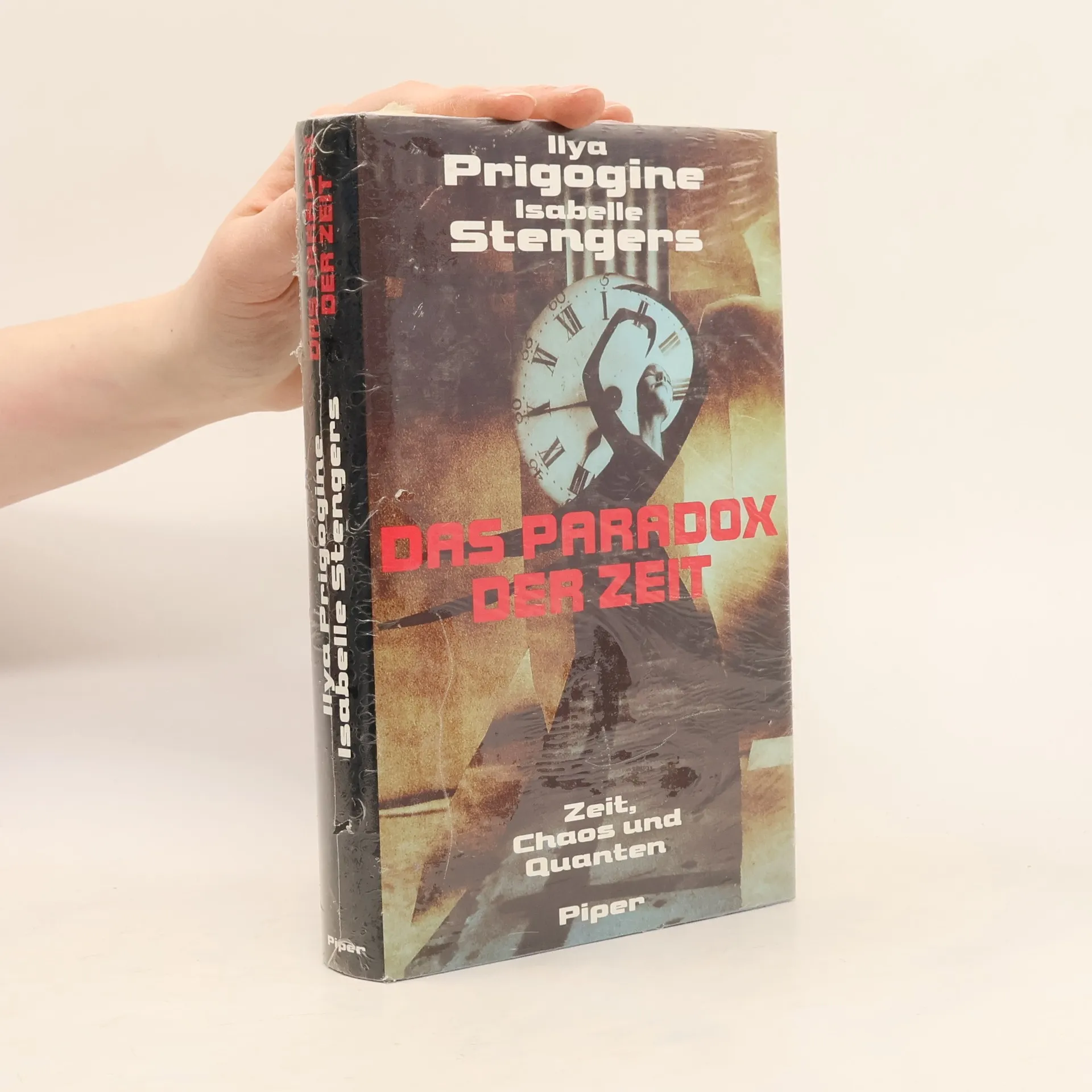
Das 'Paradox der Zeit' entsteht, weil einerseits in den großen Gesetzen der Physik der 'Pfeil der Zeit' geleugnet wird, wir aber auf der anderen Seite in allen Erscheinungen, die wir beobachten, den Unterschied zwischen Vergangenheit und Zukunft finden. Gibt es also den 'Pfeil der Zeit'? Oder ist die Zeit, wie wir sie wahrnehmen, nur eine Illusion? In diesem Buch zeigen die Autoren, wie das Paradox der Zeit entstanden ist, welche Folgen es hatte, und wie instabile dynamische Systeme und Chaos dazubeitragen werden, das Paradox der Zeit aufzulösen. §Aus dem Inhalt:§§I. Der ideologische Hintergrund§ 1. Die Zeit steht zur Debatte§ 2. Von Göttern und Menschen§§II. Die Wiederkehr des Zeitparadoxons§ 3. Die Möglichkeiten der Weltbeschreibung§ 4. Vom Einfachen zum Komplexen§§III. Die Gesetze der Physik$ 5. Die Herausforderung des Chaos§ 6. Klassische Dynamik, Chaos und Integrierbarkeit§ 7. Das Sagbare und das Unsagbare in der Quantenmeschanik§ 8. Die Statistische Beschreibung der Mikrowelt§§IV. Die Auflösung des Zeitparadoxons§ 9. Die Gesetze des Chaos§ 10. Eine Alternative Formulierung der Dynamik, Die Lösung des Quantenparadoxons§ 11. Die Geburt der Zeit§§Schluß: Ein schmaler Weg
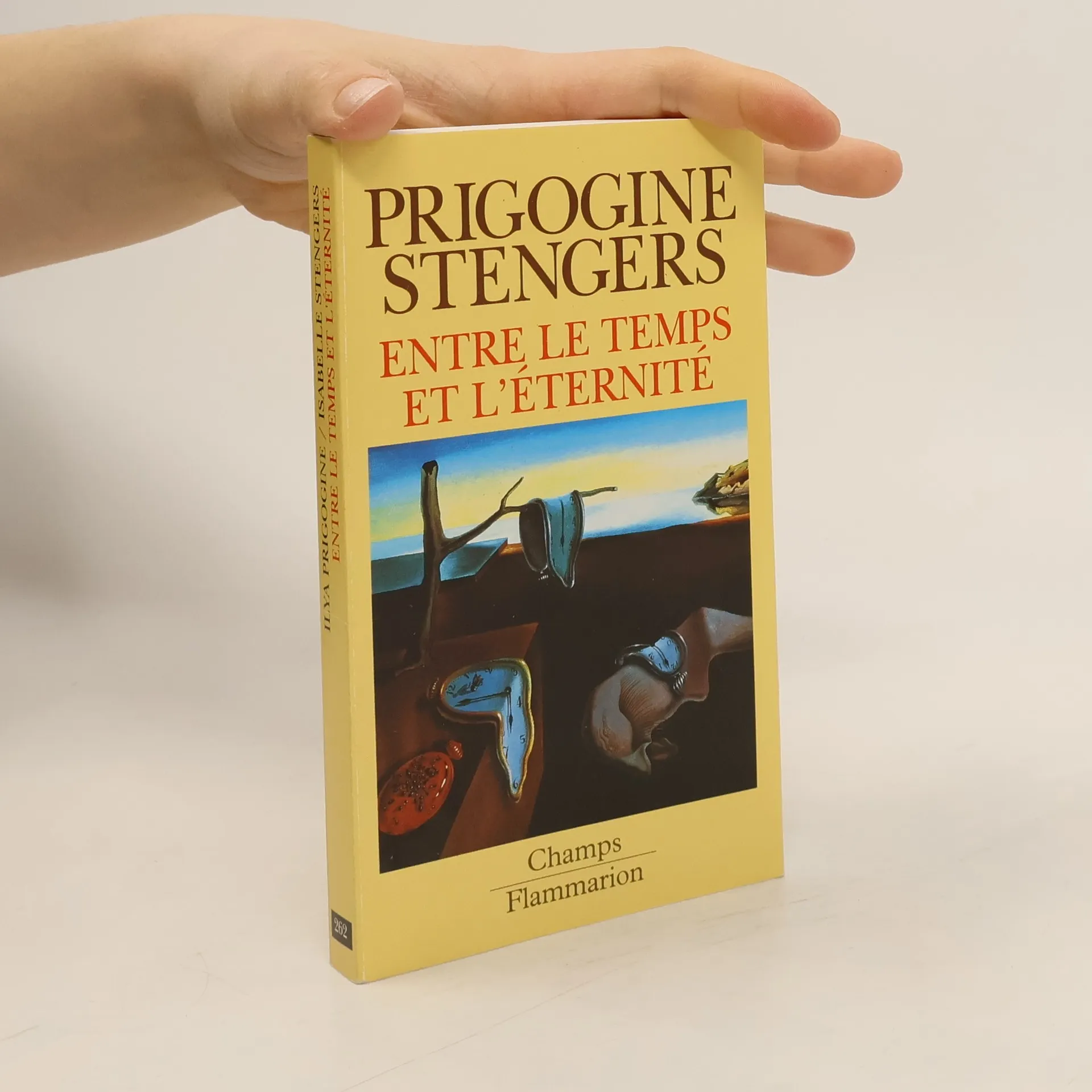
Entre la culture scientifique, pour laquelle le temps est une illusion ou, selon les mots d'Einstein, « notre création », et la culture humaniste, où le temps est le fondement de l'être, une réconciliation doit être réalisée. L'objet de mes recherches est de dépasser cette dualité, disait Ilya Prigogine, fondateur de la thermodynamique des processus irréversibles et lauréat du Prix Nobel de chimie en 1977. Intitulée "Entre le temps et l'éternité", cette œuvre étudie le rapport intime entre la problématique du temps et les schémas conceptuels de la physique. La présentation intuitive, claire et rigoureuse des résultats scientifiques s'entrelace avec l'ouverture philosophique de ce livre, qui trouve son origine dans la culture humaniste raffinée des auteurs.
Zeit und Komplexität in den Naturwissenschaften - Überarbeitete Neuausgabe
Ilya Prigogine, winner of the Nobel Prize in 1977 for his work on the thermodynamics of non-equilibrium systems, makes his ideas accessible to a wide audience in this book, which has engendered massive debate in Europe and America.