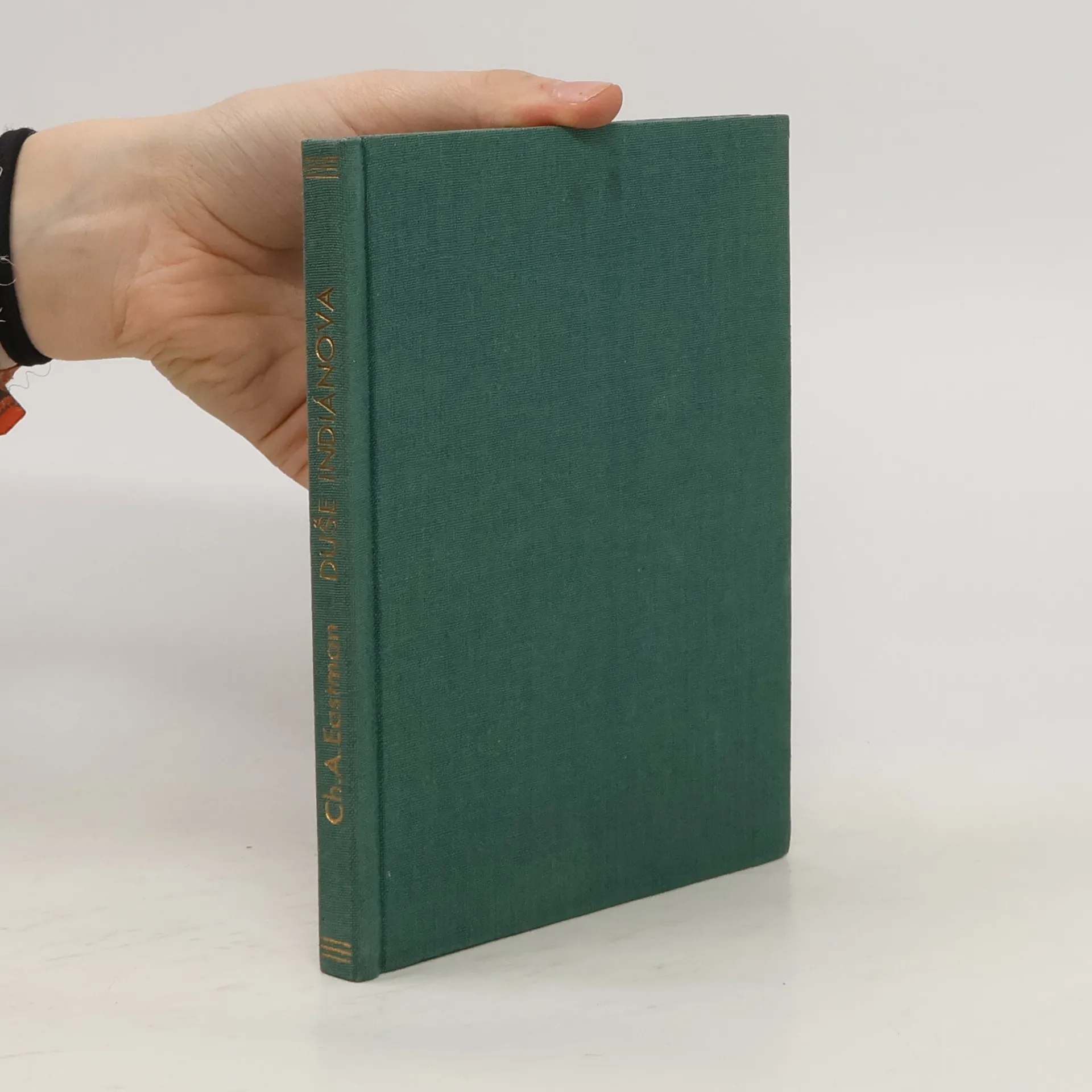
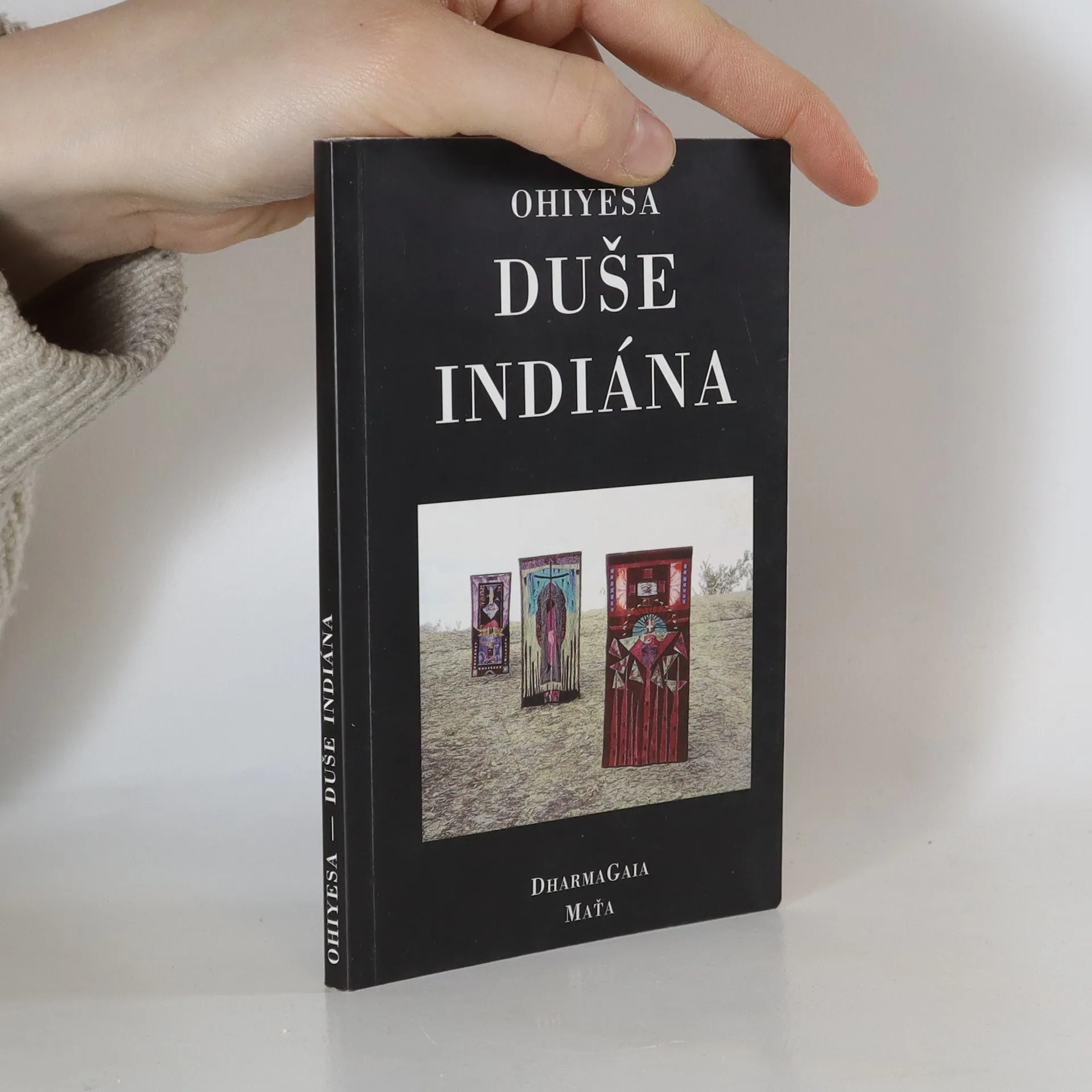
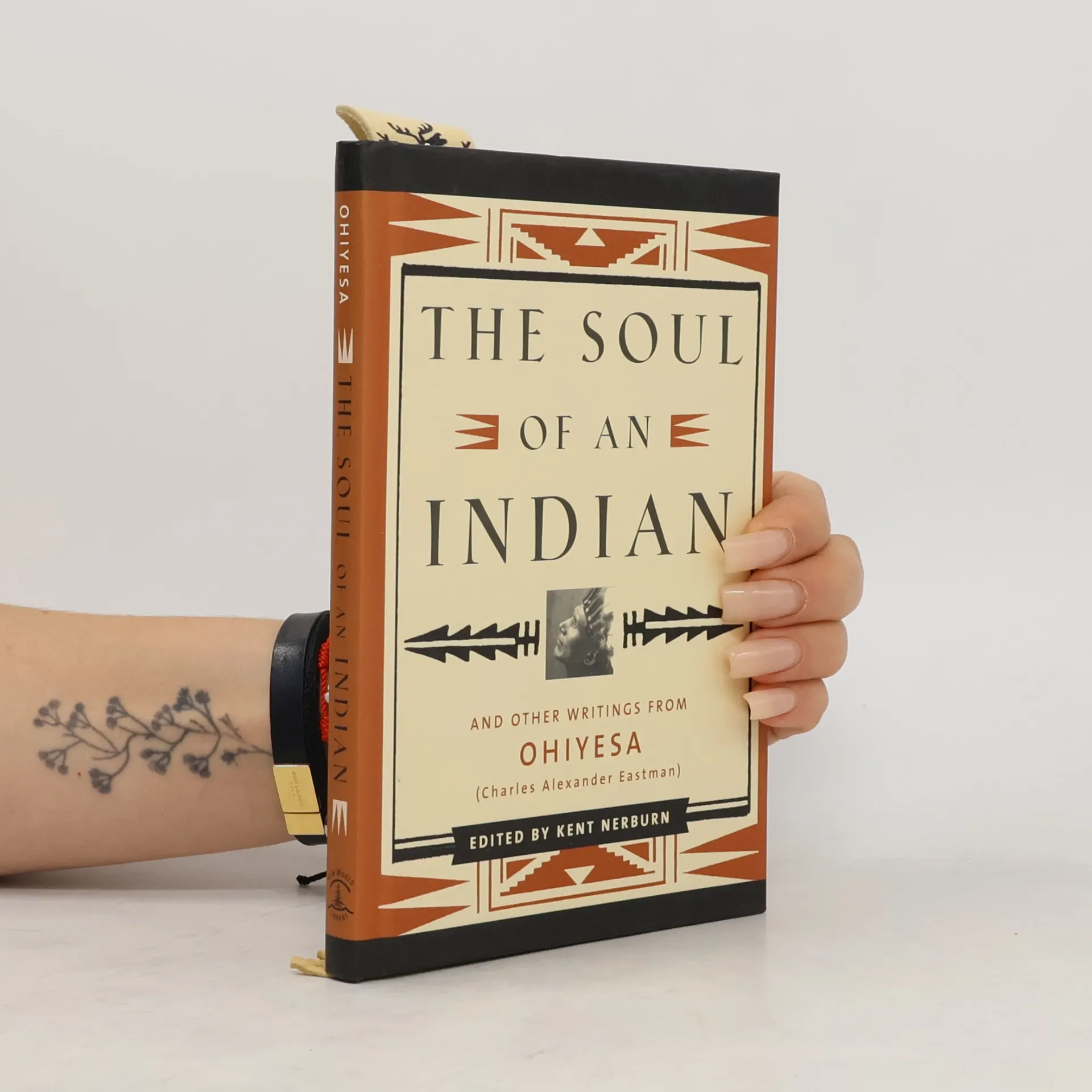
Ohiyesa, a Dakota Indian also known as Charles Alexander Eastman, is one of America’s most fascinating and overlooked individuals. Born in Minnesota in 1858, he obtained postgraduate degrees and advised U.S. presidents before returning to traditional living in native forests. This beautifully packaged reissue contains Ohiyesa’s insights on spirit, the human experience, and white culture’s impact on Native American culture.
Charles Alexander Eastman Books
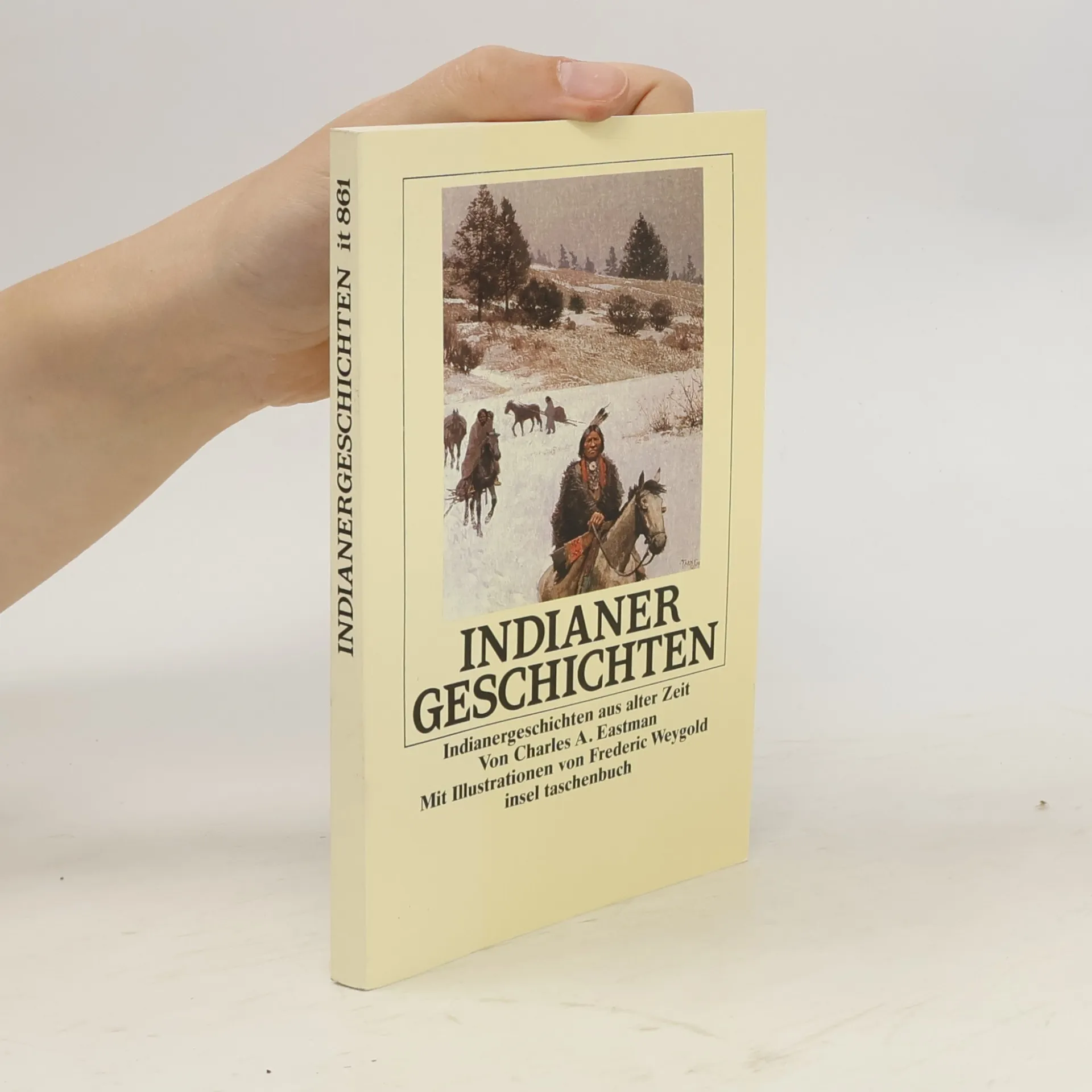
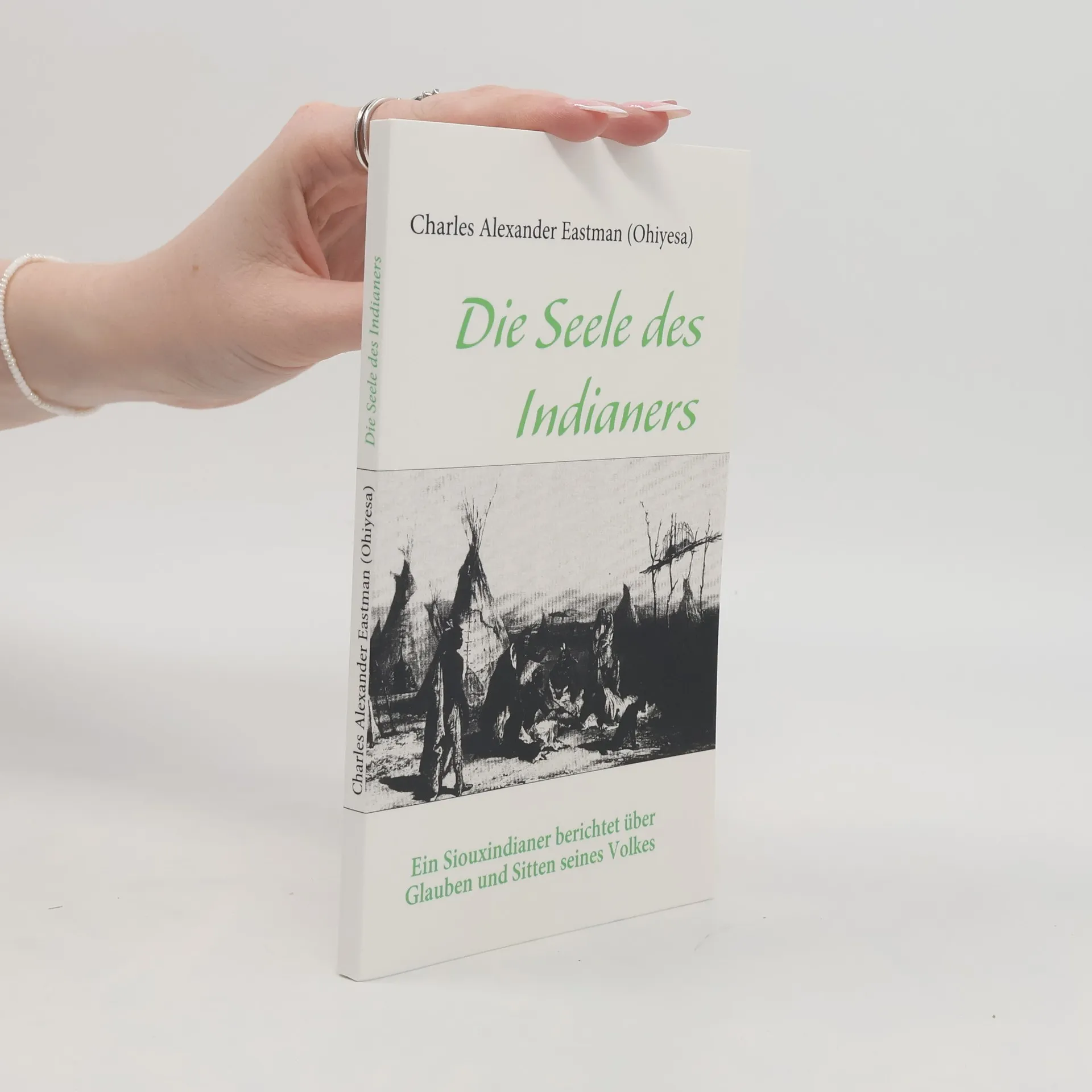
Charles Alexander Eastman stands apart among Native American authors, bridging the worlds of traditional storytelling and formal scholarship. Raised in the traditional ways of the Woodland Sioux by his grandmother, he gained an intimate, first-hand understanding of his people's lifeways, language, and oral history. He later pursued a formal education, becoming a physician who served the victims of the Wounded Knee massacre. This unique dual perspective allowed him to document his cultural heritage with authenticity, unmediated by translators or external observers.

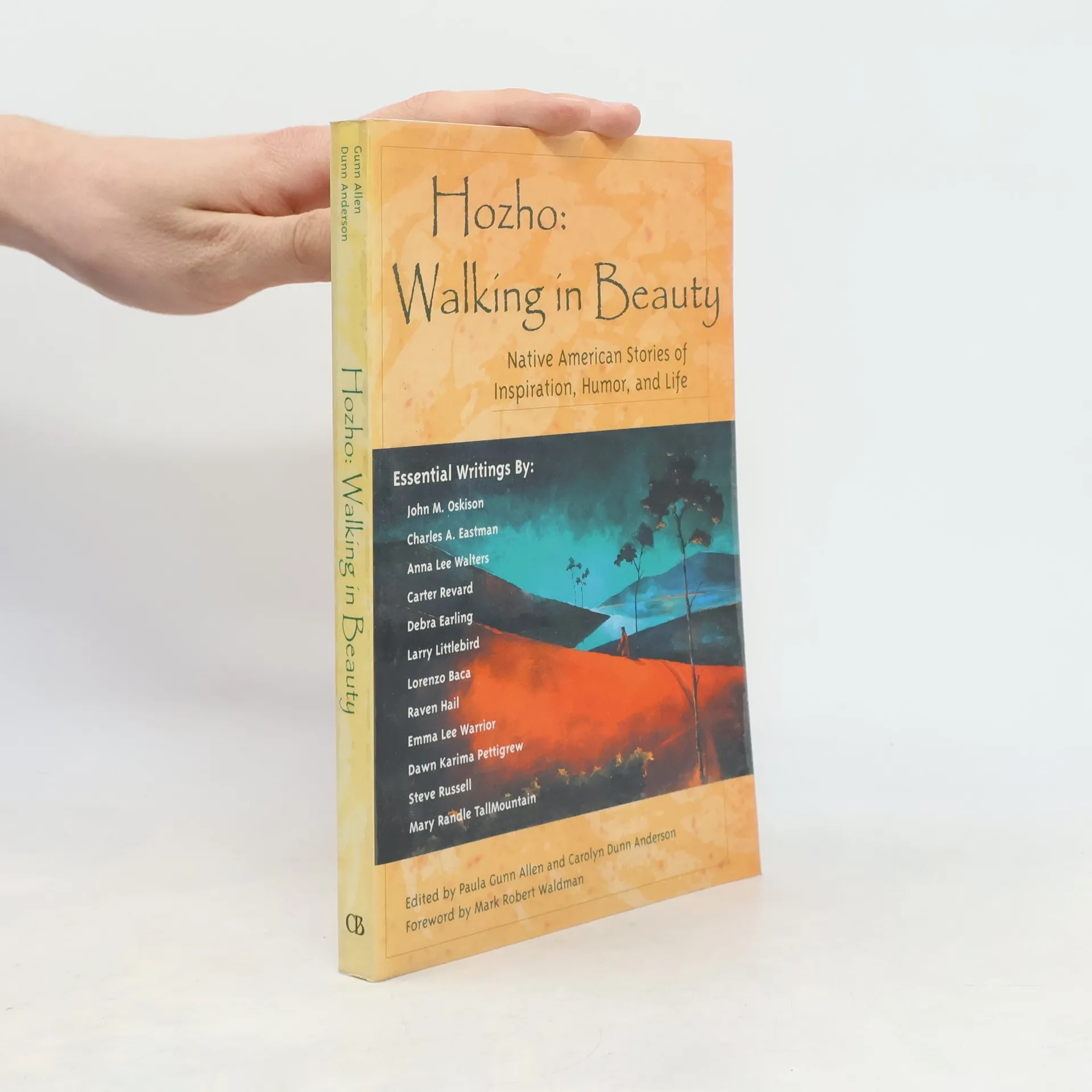
Hozho--Walking in Beauty
Native American Stories of Inspiration, Humor, and Life
- 256 pages
- 9 hours of reading
Leading writers and poets, such as LeAnne Howe, Julian Lang, Caren Wallace, and Sulieman Allen, contribute to this collection of stories that captures the Native American spirit, humor, and reality. "Hozho," the Navajo word meaning walking in beauty, explores such themes as invisibility, transcendence, the oral tradition, and the role of humor and irony in Indian culture.
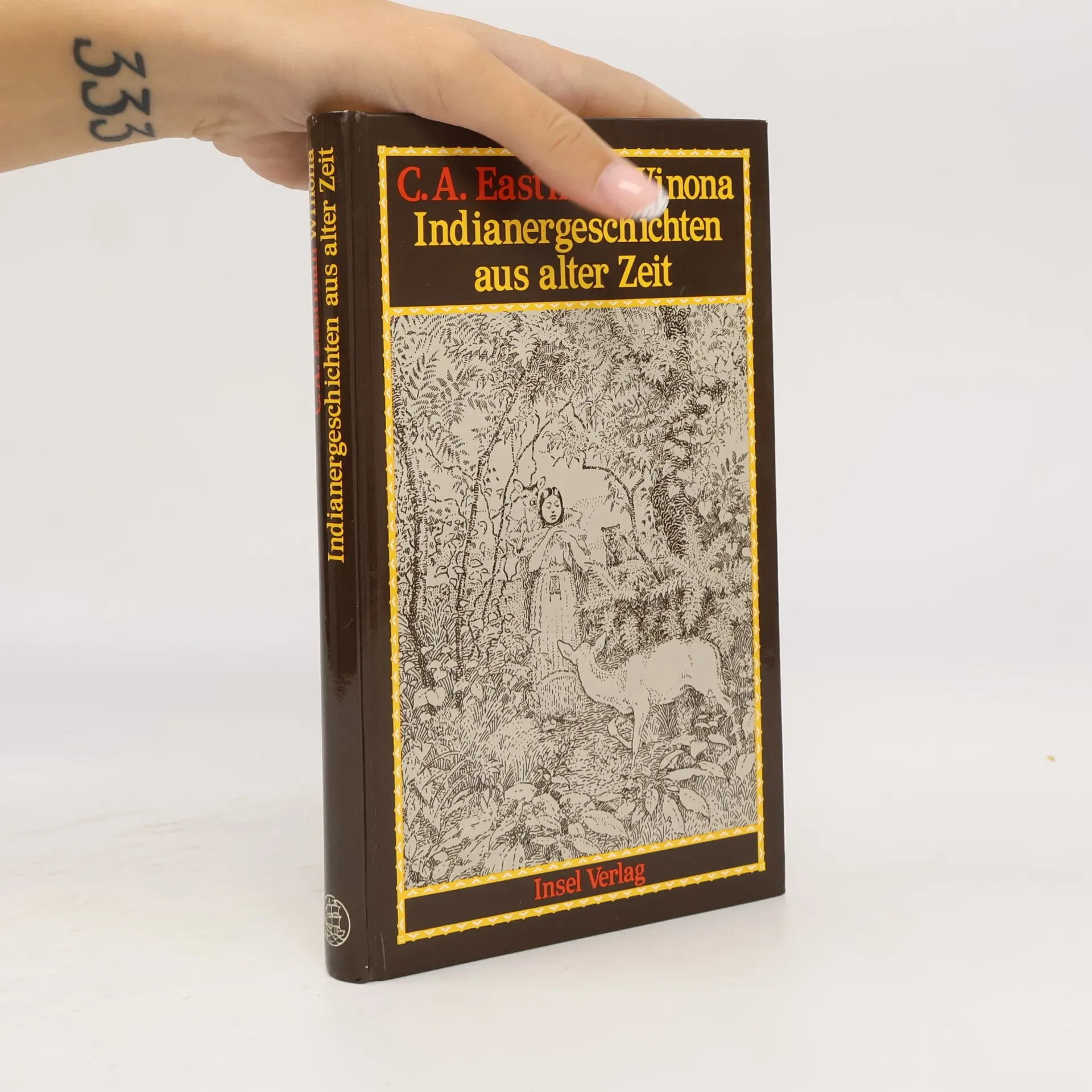
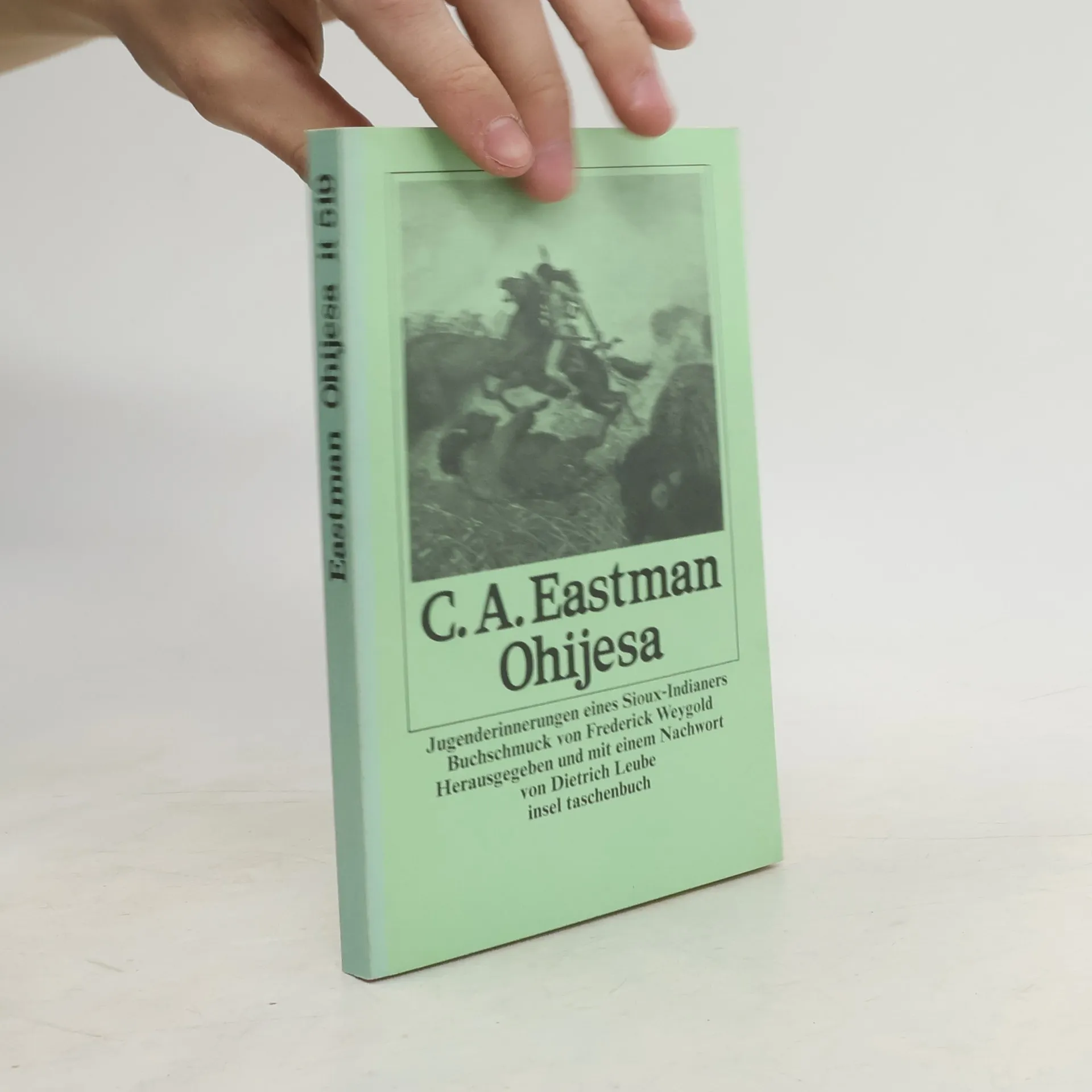
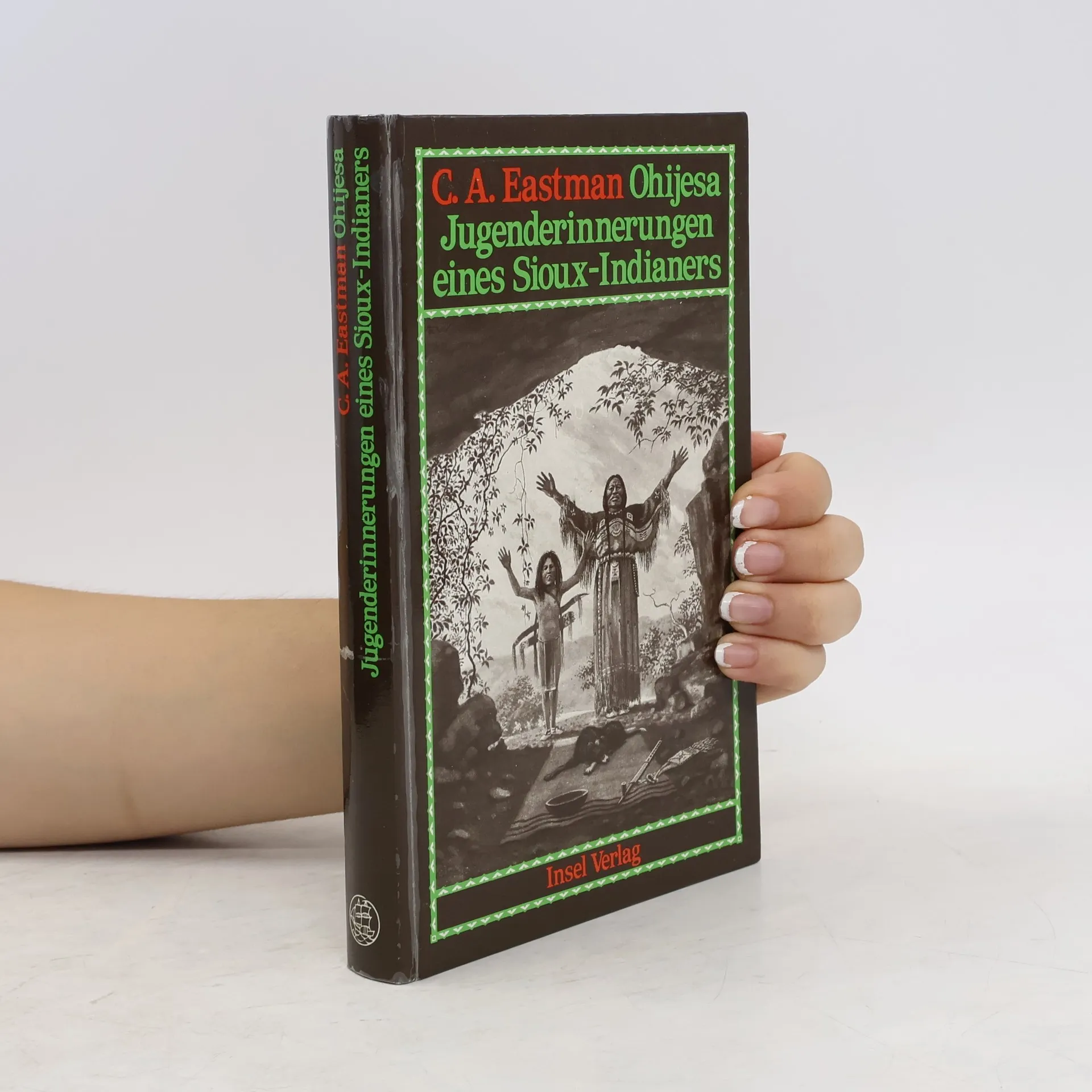
"Diese Geschichten aus altindianischem Leben, vor allem die Erzählungen von den tapferen und doch echt weiblichen Frauen unseres Volkes, widme ich meinen Töchtern." (Charles A. Eastman)
Ohijesa
- 223 pages
- 8 hours of reading
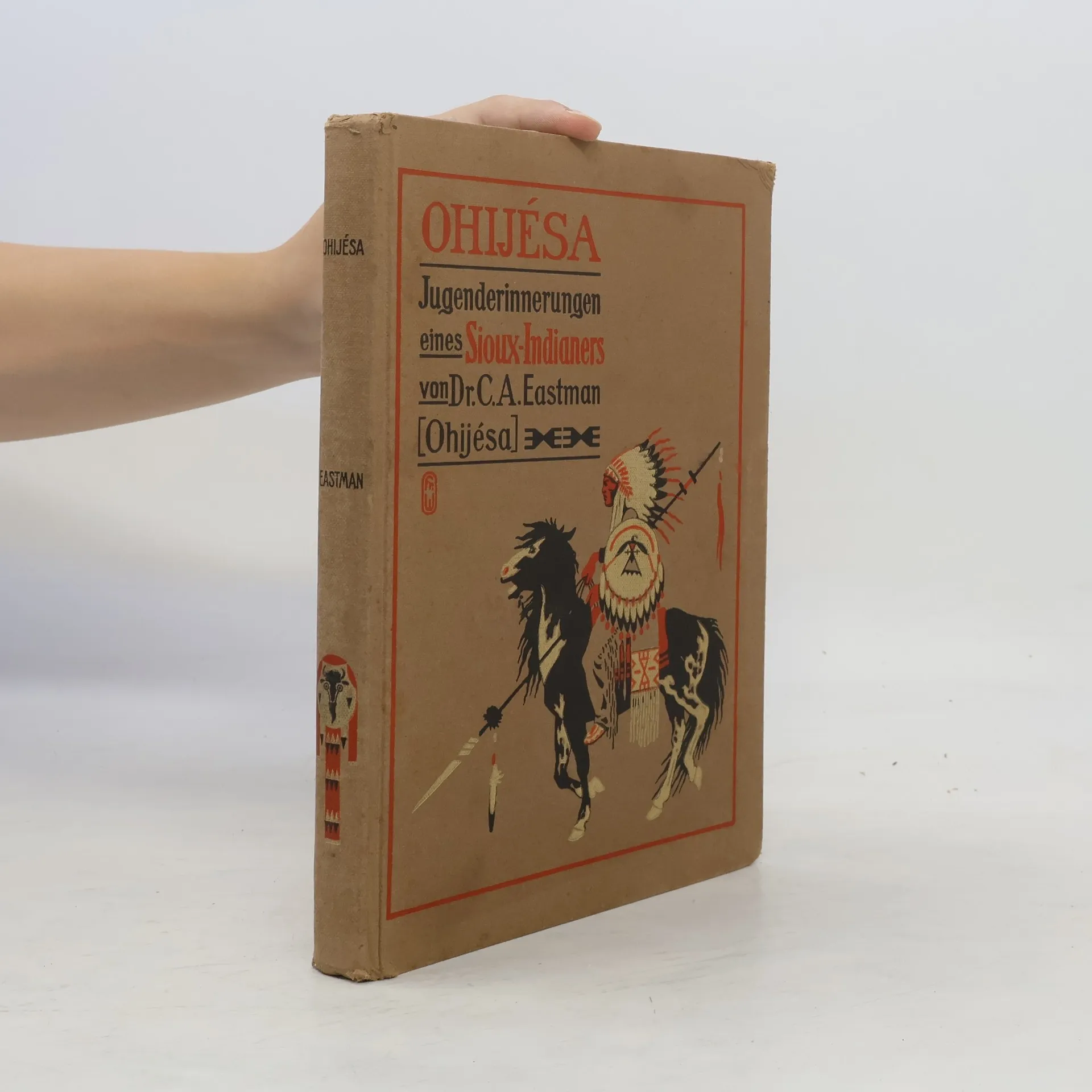
Ohijésa
Jugenderinnerungen eines Sioux-Indianers
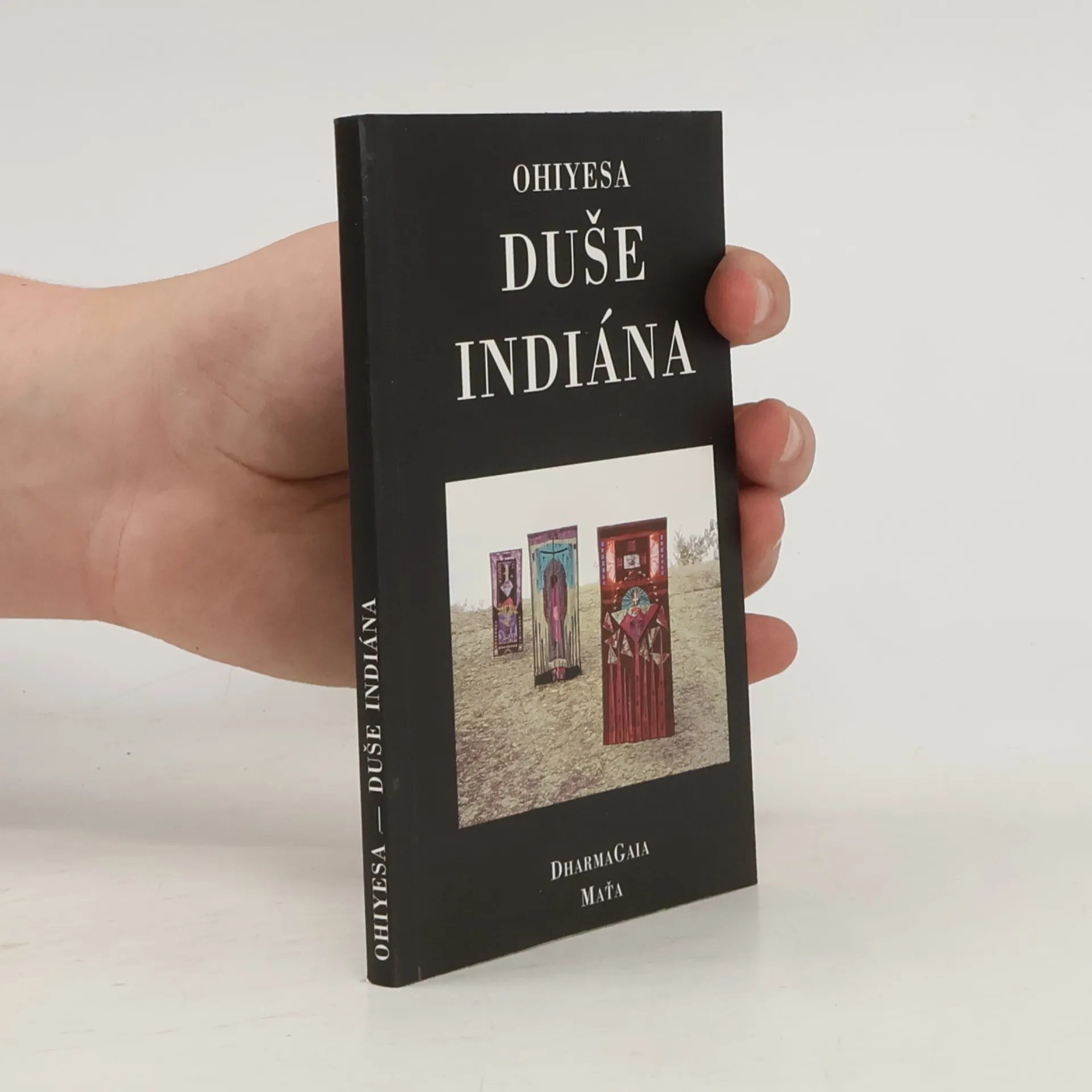
Duše Indiána a jiné spisy
- 86 pages
- 4 hours of reading
Krátký, ale naléhavý spisek, přibližující původní, evropskou kulturou dosud nedotčenou filosofii a způsob myšlení Indiánů a podíl křesťanství na rozvrácení jejich tradičního způsobu života. Autorem je příslušník kmene Santí, patřící k národu Dakotů, který vystudoval americké školy, aby pochopil jednání bílých, ale v srdci i v duši zůstal hrdým Indiánem. Kniha, která s přímočarostí Indiánům vlastní přibližuje podstatu indiánské filosofie a přístupu ke světu a zároveň se snaží nalézt styčné body mezi duchovními světy Indiána a bělocha.
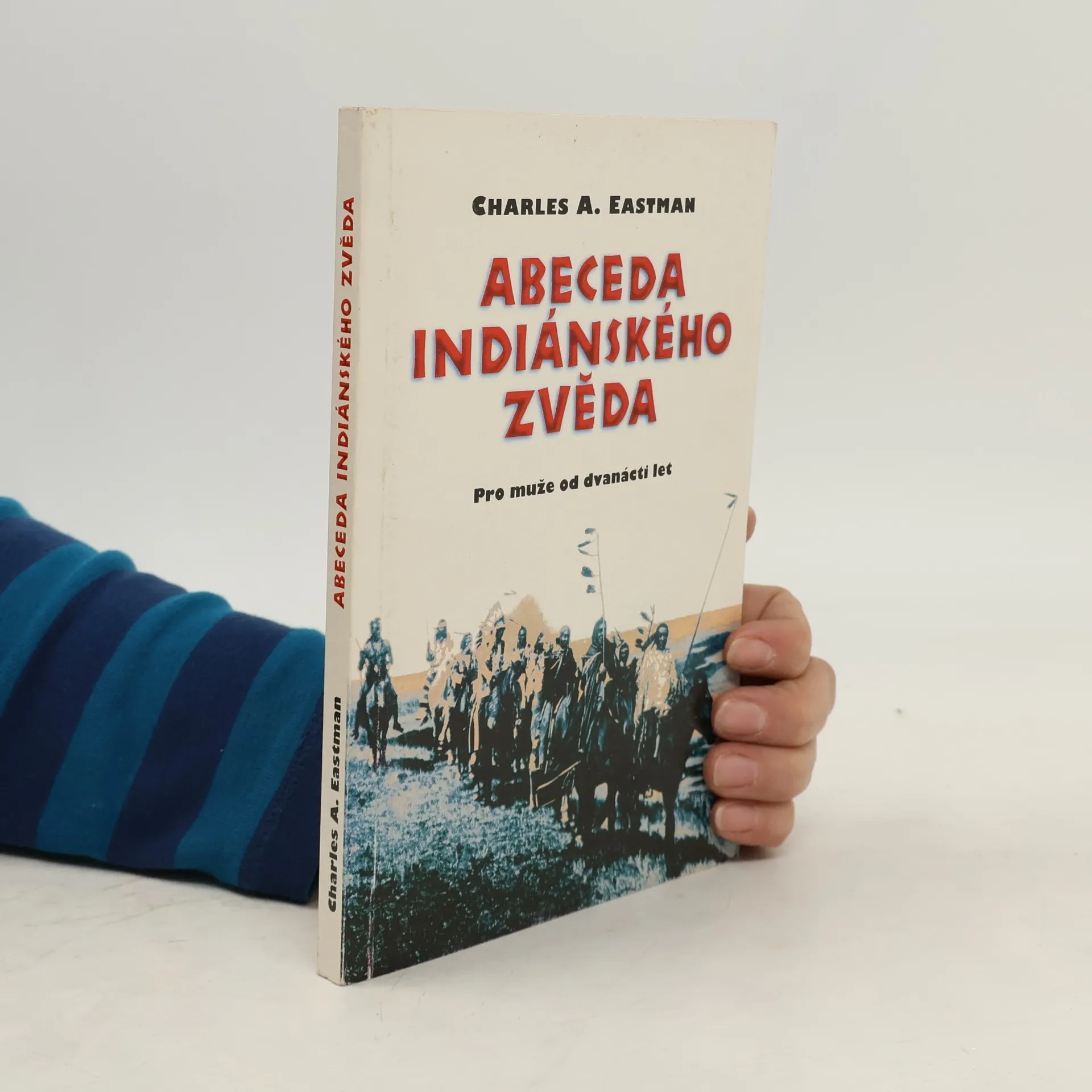
Abeceda indiánského zvěda
- 139 pages
- 5 hours of reading
Pro muže od dvanácti let. Výchova indiánského chlapce - život v těsném kontaktu s přírodou, důvěrná znalost zvířat a rostlin, hry a naslouchání příběhům posilující tělo i ducha - již mnohokrát osvědčila udivující schopnost rozvíjet kladné charakterové vlastnosti. V této knize popisuje Ch. Eastman, čistokrevný siouxský indián, své mládí, spadající do sedmdesátých a osmdesátých let minulého století - vědění, hry i pocity chlapce, který se připravuje na svůj budoucí život bojovníka a zvěda.