
"An award-winning investigative reporter shares the real-life detective story of how Klansmen came to justice in notorious unsolved civil rights cold cases--decades after they had gotten away with murder"-- Provided by publisher
The whole world in the palm of your hand Ever wonder how you can have a rainforest on one side of a mountain and a desert on the other? Or zoom around the globe with Google Maps and wonder how everything got to where it is now? The answer is...geography. In Geography For Dummies, you’ll discover that geography is more than just cool trivia—it explains tons about the world around us. From understanding the basics—like how to read maps and geographic coordinates—to learning about how the continents got to their current positions, you’ll learn fascinating things about the planet’s people, cities, resources, and more. In this book, you’ll discover: How geographers make and use maps to understand and tell useful stories about the earth How weather and climate shape the planet, impact the water supply, and change landscapes How humans use (and overuse) the planet we live on to our advantage Geography For Dummies is an incredible exploration of our planet and the people who live on it. This book takes a huge subject and makes it accessible for the rest of us!
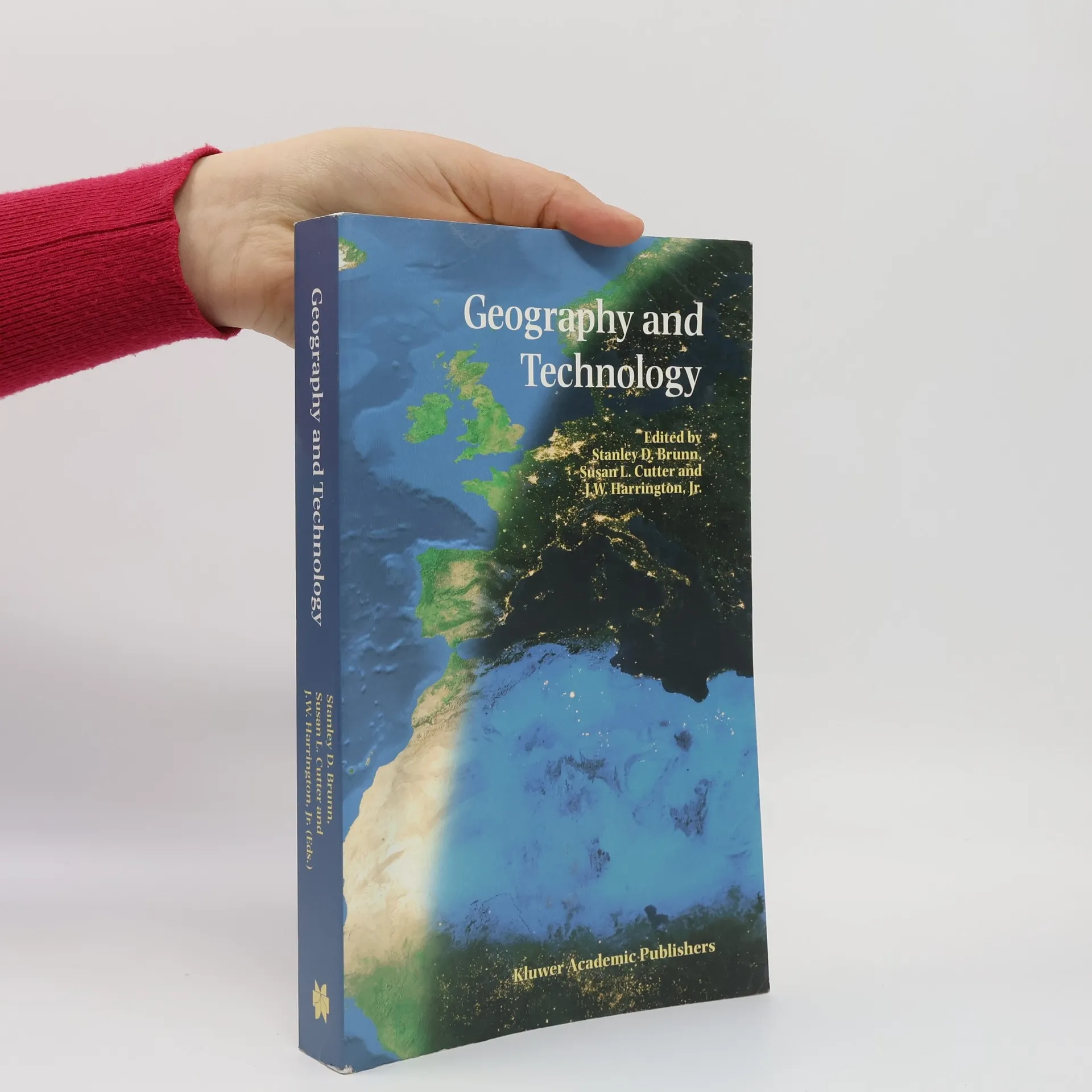
It is particularly appropriate that the AAG's Centennial Celebration should prompt the publication of a volume devoted to Geography and Technology. New technologies have always been important in advancing geographic understanding, but never have they been so thoroughly and rapidly transformative of the discipline as at this stage in geography's evolution. Just as new technologies have profoundly expanded both research possibilities and the knowledge base of other disciplines, such as biology, physics or medicine, so too are the revolutionary new geographic technologies developed during the past few decades extending frontiers in geographic research, education and applications. They are also creating new and resurgent roles for geography in both society and in the university. This trend is still accelerating, as the integration of geographic technologies, such as the global positioning system and geographic information systems (GPS/GIS), is creating an explosion of new "real-time, real-world" applications and research capabilities. The resultant dynamic space/time interactive research and management environments created by interactive GPS/GIS, among other technologies, places geography squarely at the forefront of advanced multidisciplinary research and modeling programs, and has created core organization management tools (geographic management systems) which will dramatically change the way governments and businesses work in the decades ahead. While these and other important geographic technologies, including remote sensing, location-based services, and many others addressed in this book, are forging new opportunities for geography and geographers, they also pose challenges.