

Markus Eisen Book order (chronological)

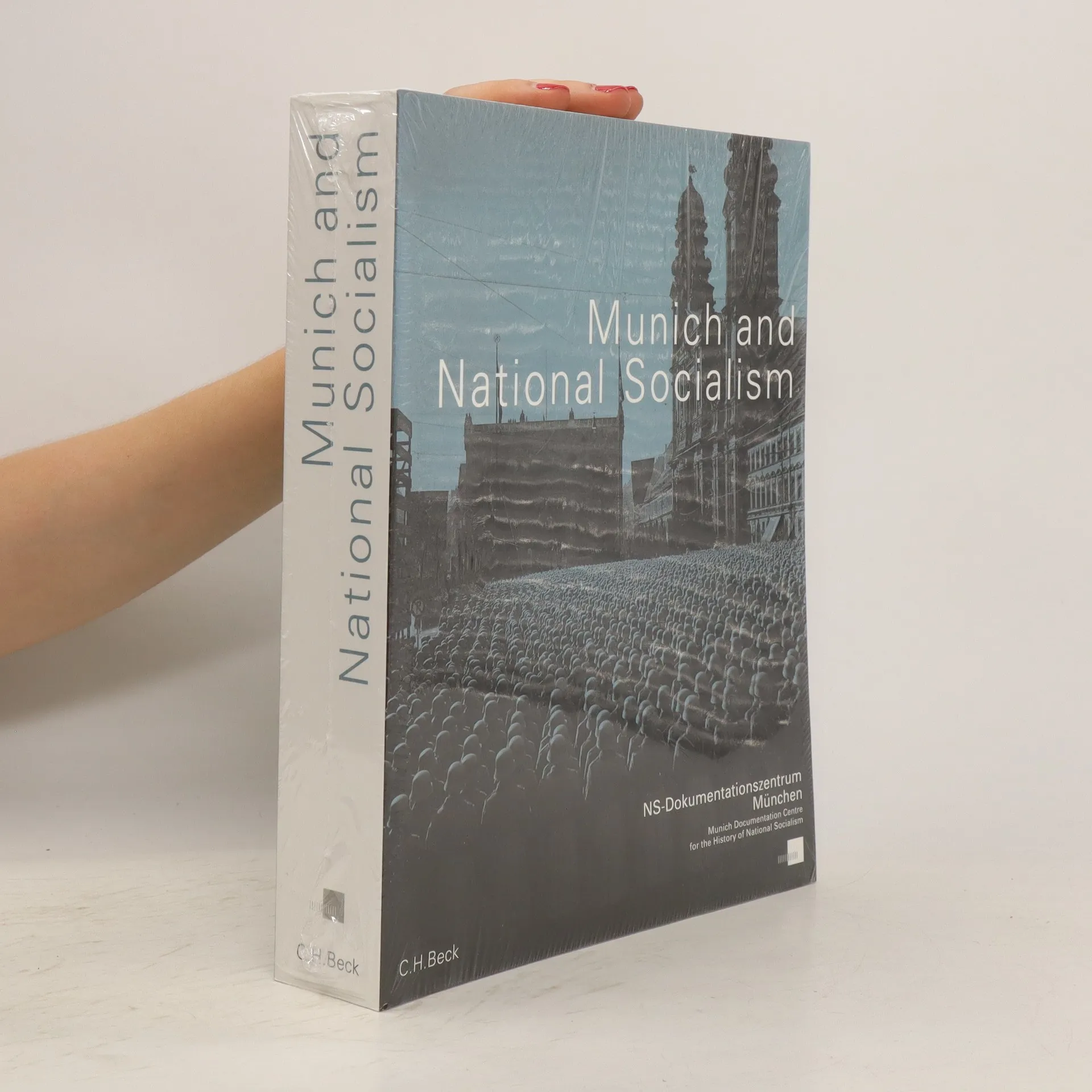
Munich and National Socialism
Catalogue of the Munich Documentation Centre for the History of National Socialism
- 624 pages
- 22 hours of reading
Munich is associated with the rise of National Socialism like no other city. After the First World War, the ‘National Socialist German Workers´ Party‘ (NSDAP) emerged from anti-Semitic and radical right-wing circles in the Bavarian capital with Adolf Hitler becoming its leading figure. Here he tried to assume power via a putsch in 1923. Here, after the ‘seizure of power‘, a party district arose in which about 6000 people organised the apparatus of the NSDAP. Moreover, with the opening of the nearby concentration camp in Dachau, the ‘Capital of the Movement‘ took on a pioneering role in the construction of the dictatorship. The Munich Documentation Centre for the History of National Socialism occupies the site of the former party headquarters on Königsplatz and illuminates the Nazi history of the city. Its permanent exhibit, with plentiful new material, presents the history of National Socialism in Munich, the special role of the city in the system of terror, and the difficulties in dealing with this past since 1945. This book encompasses the texts and images of the permanent exhibit as well as 23 accompanying essays by renowned historians, making it also an illustrated history of the ‘Third Reich‘ based on the very latest research.
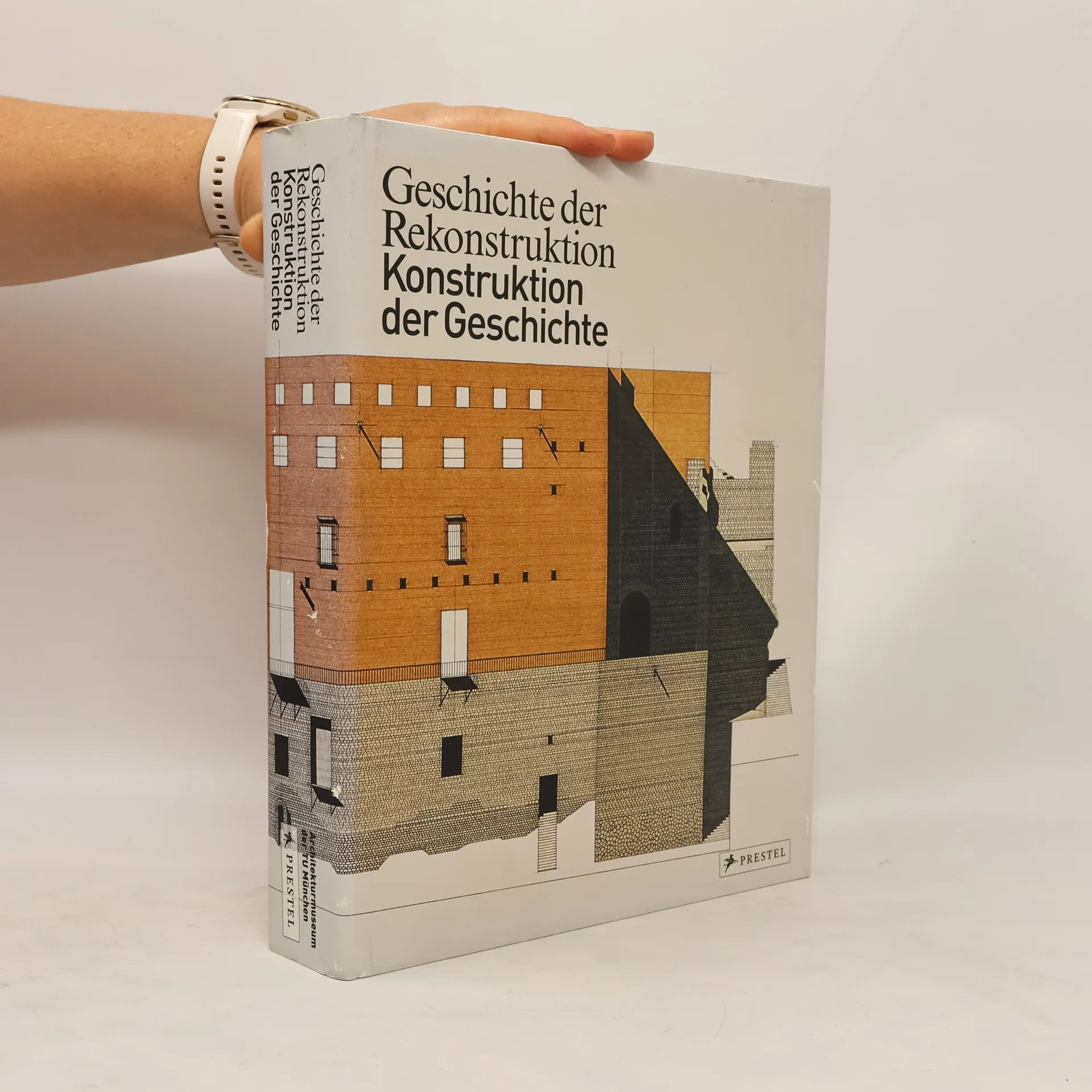
Geschichte der Rekonstruktion - Konstruktion der Geschichte
- 511 pages
- 18 hours of reading
In der Öffentlichkeit wie in Fachkreisen wird um das Thema 'Rekonstruktion' seit Jahren eine heftige, emotional aufgeladene Debatte geführt. Rekonstruiert wurde jedoch seit der Antike – aus verschiedenen Gründen sowie mit wechselndem Verständnis von 'Wiederherstellung'. Ein Blick in die Geschichte kann helfen, die Probleme und Argumente in einen größeren historischen Kontext einzuordnen und so die Diskussion etwas zu 'entemotionalisieren'. In der vorliegenden Publikation werden anhand von circa 150 repräsentativen Fallbeispielen – von Japan bis Kanada und von der griechischen Antike bis heute – verschiedene Beweggründe für die Rekonstruktion verlorener Bauten präsentiert und analysiert. Der Bogen spannt sich von Rekonstruktionen aus Gründen religiöser Kontinuität oder aus nationalen Überlegungen bis hin zu Wiederaufbauten zur Erfüllung ästhetischer oder kommerzieller Wünsche. Mit Modellen, Gemälden, Plänen, Fotos und Animationen wird ein ebenso spannender wie lehrreicher Einblick in ein kontroverses Thema gegeben.