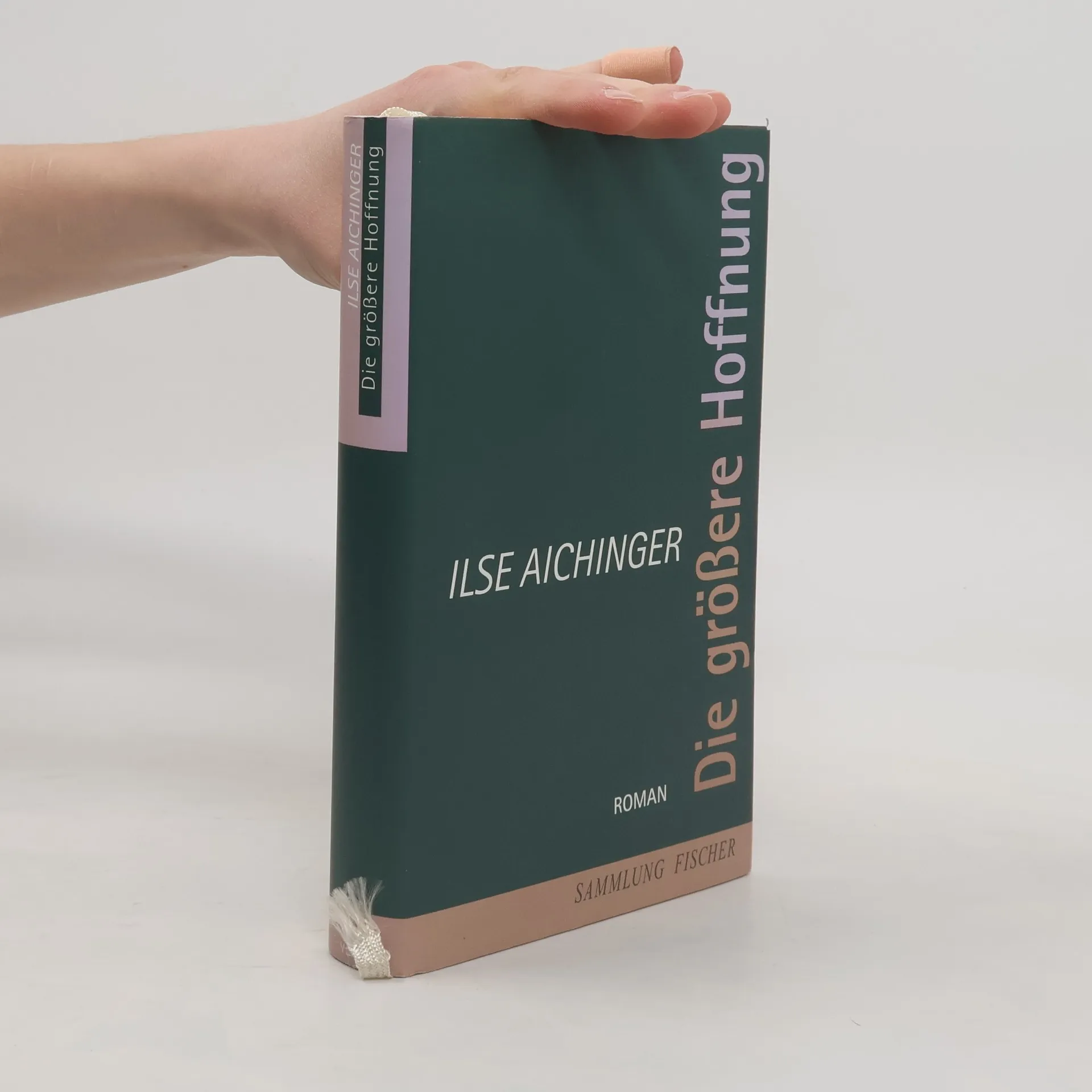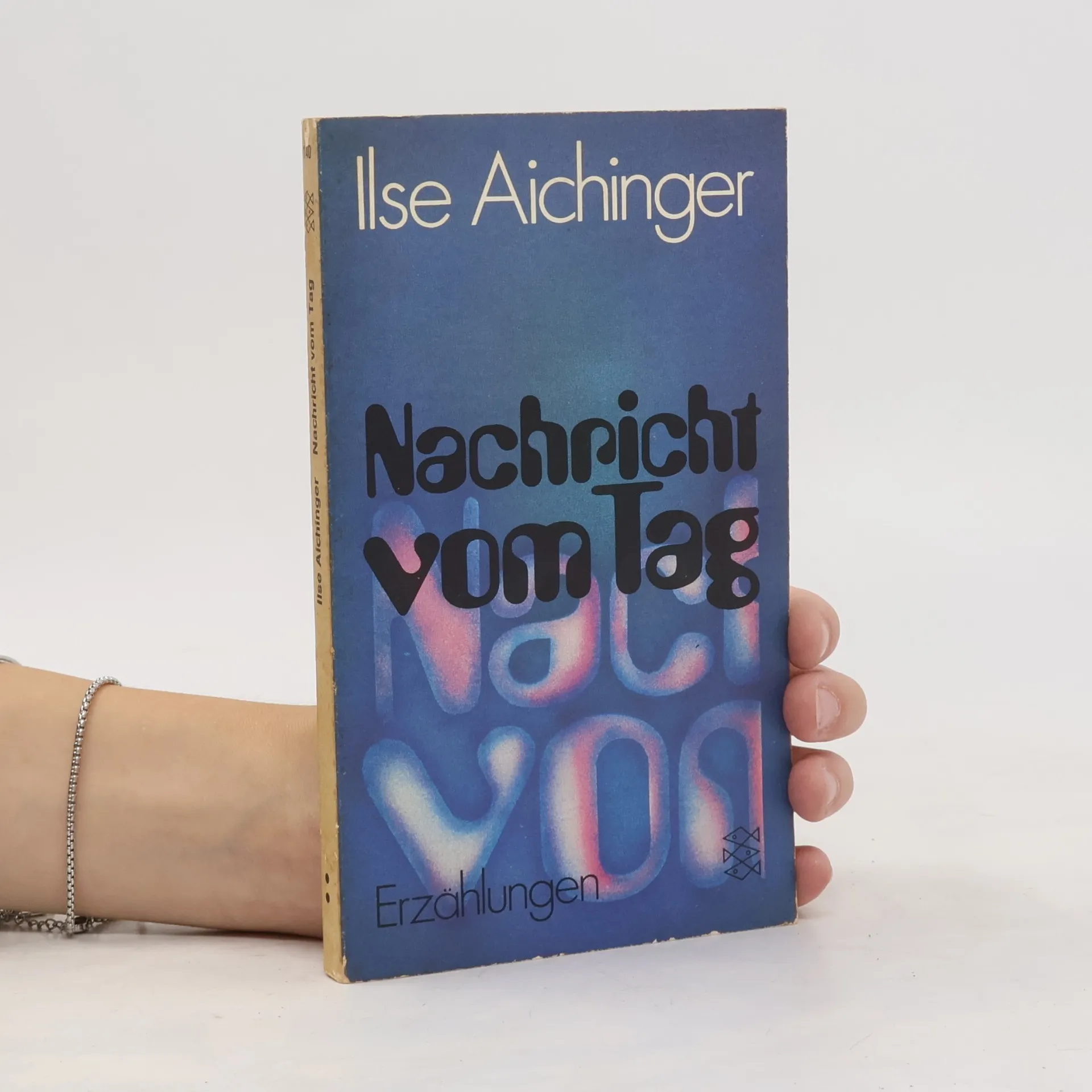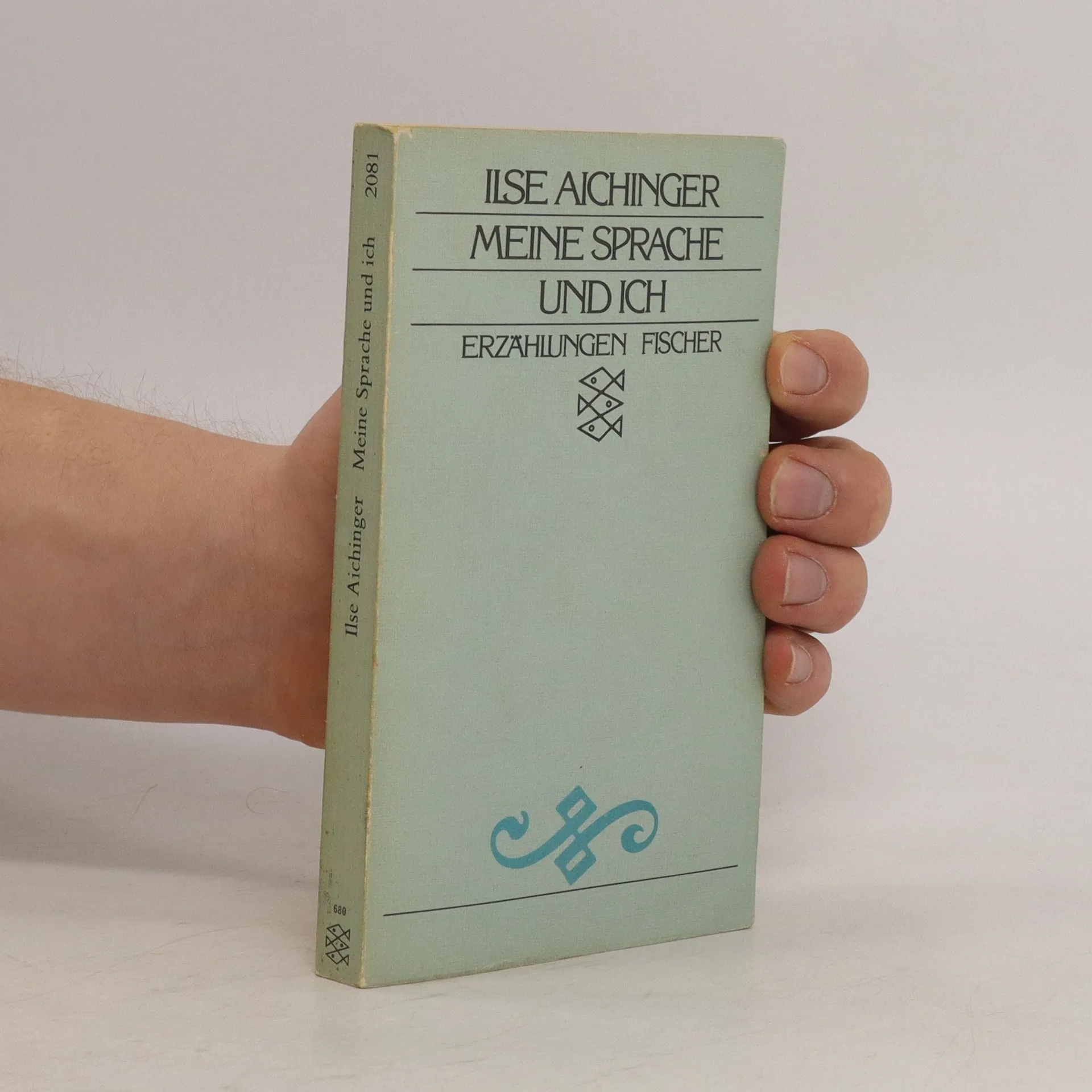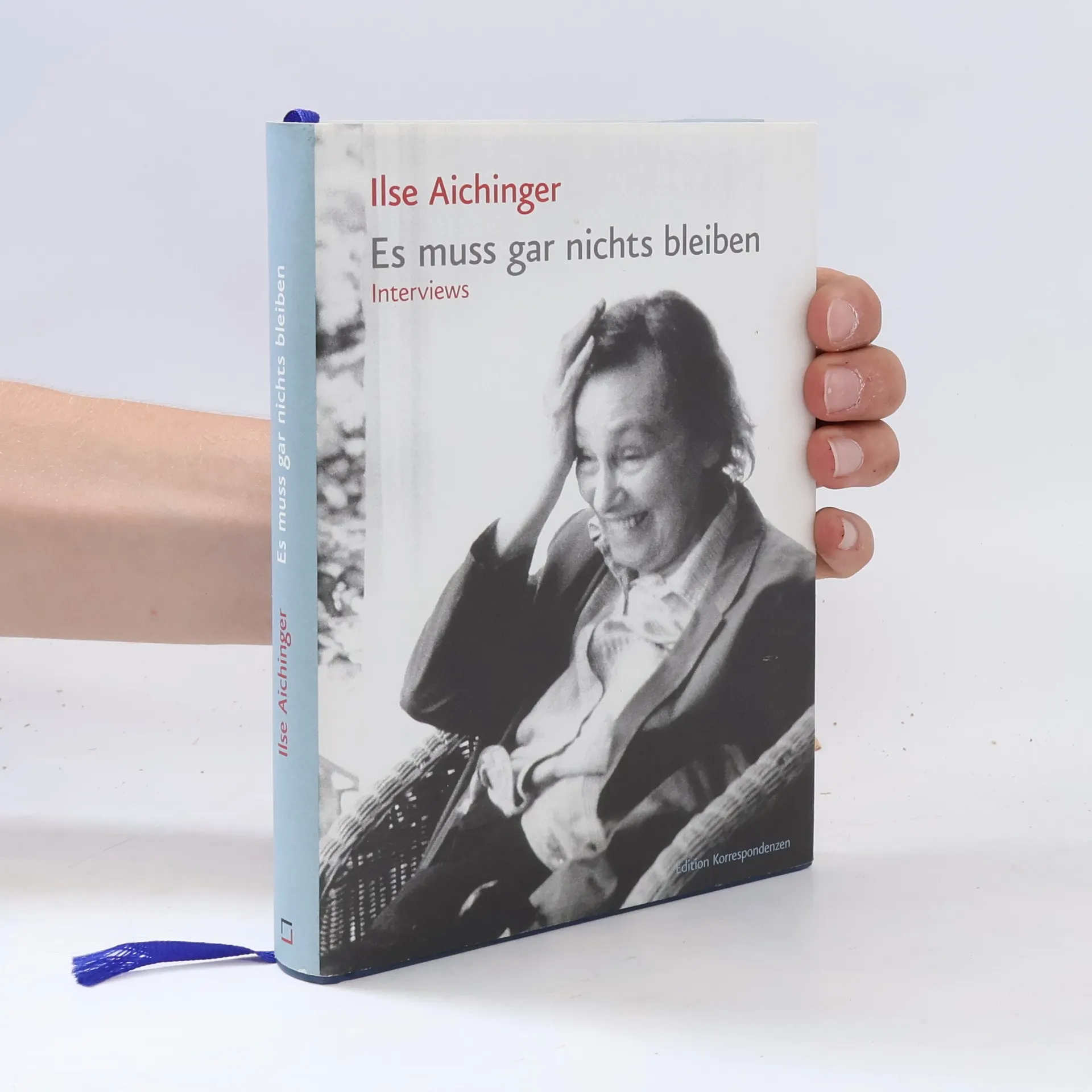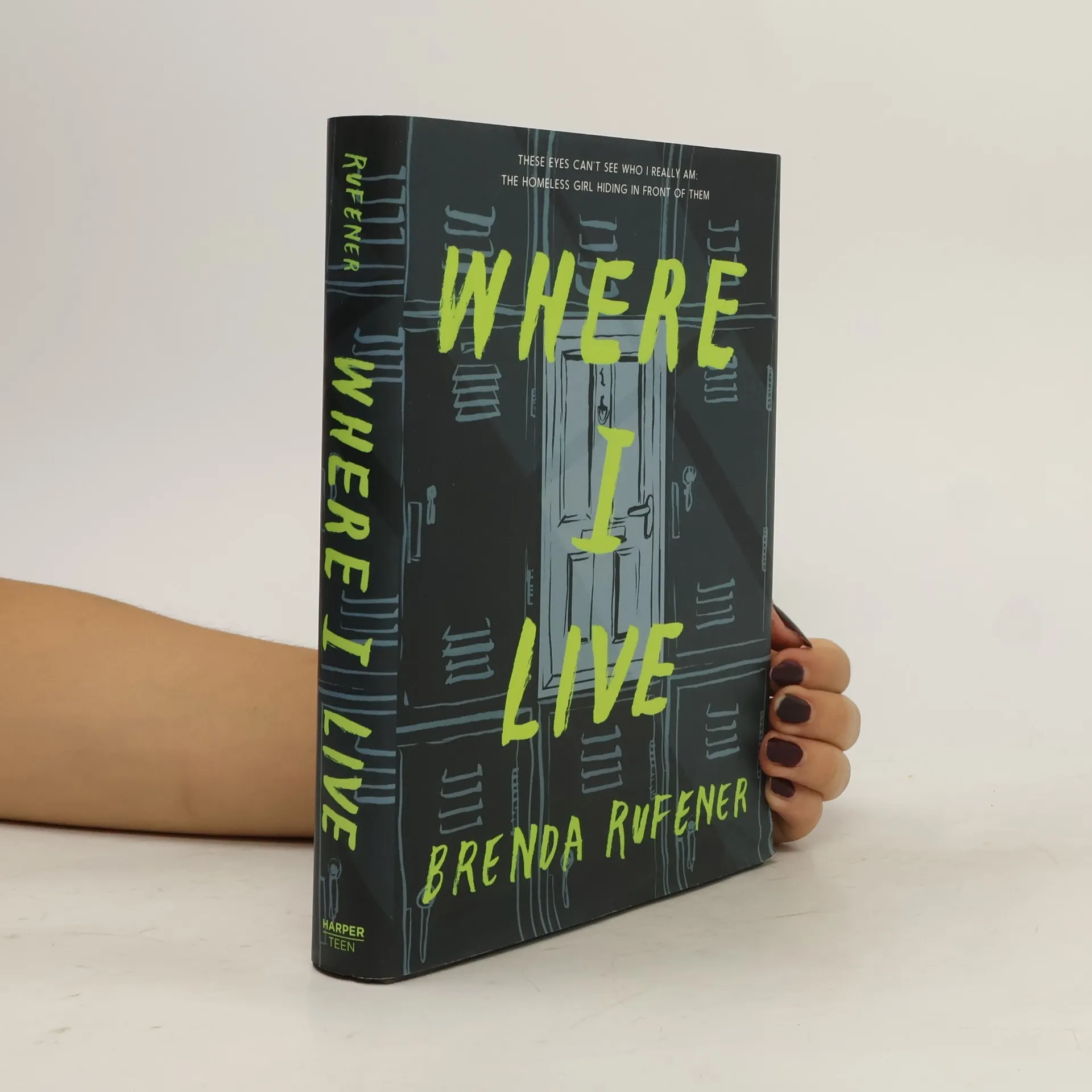
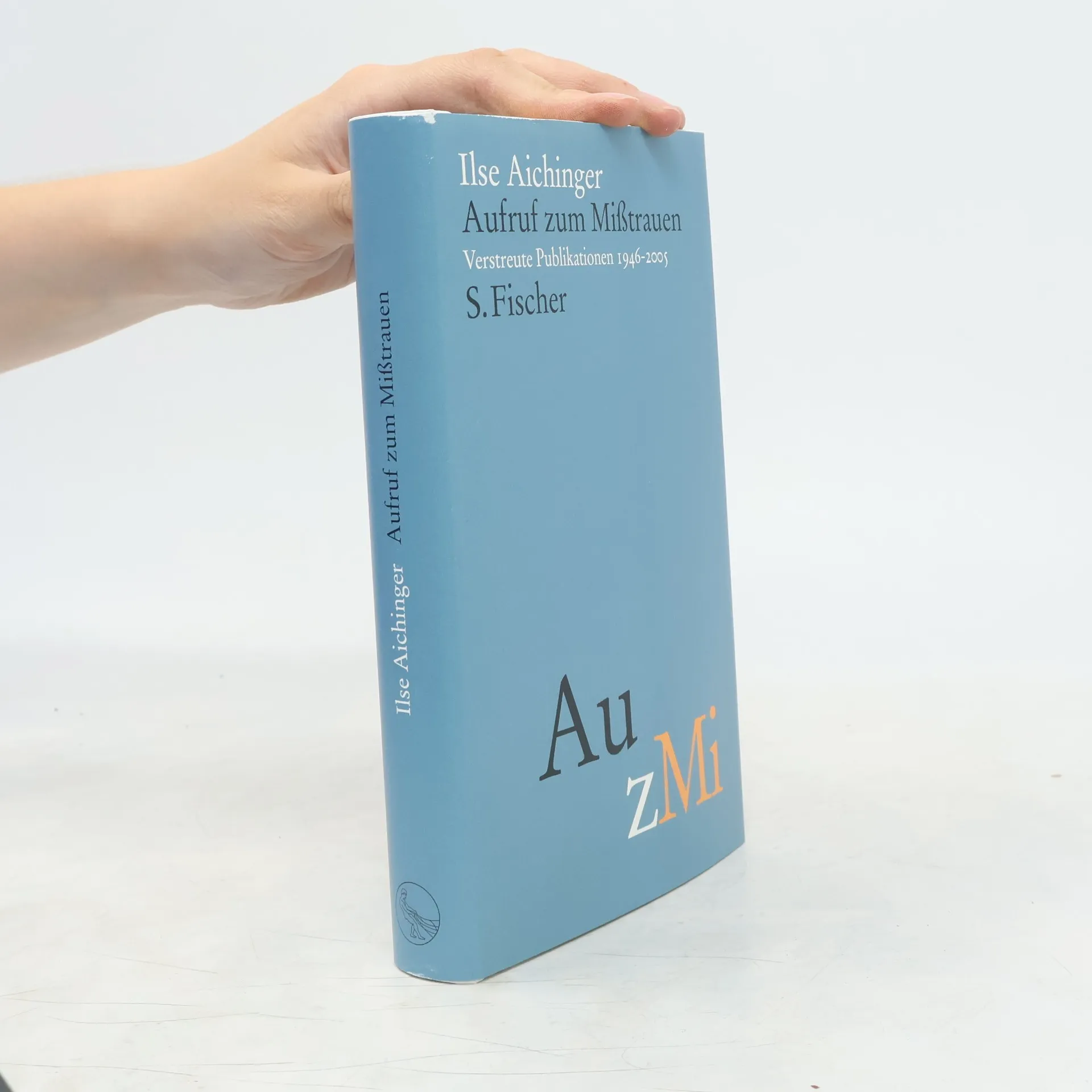
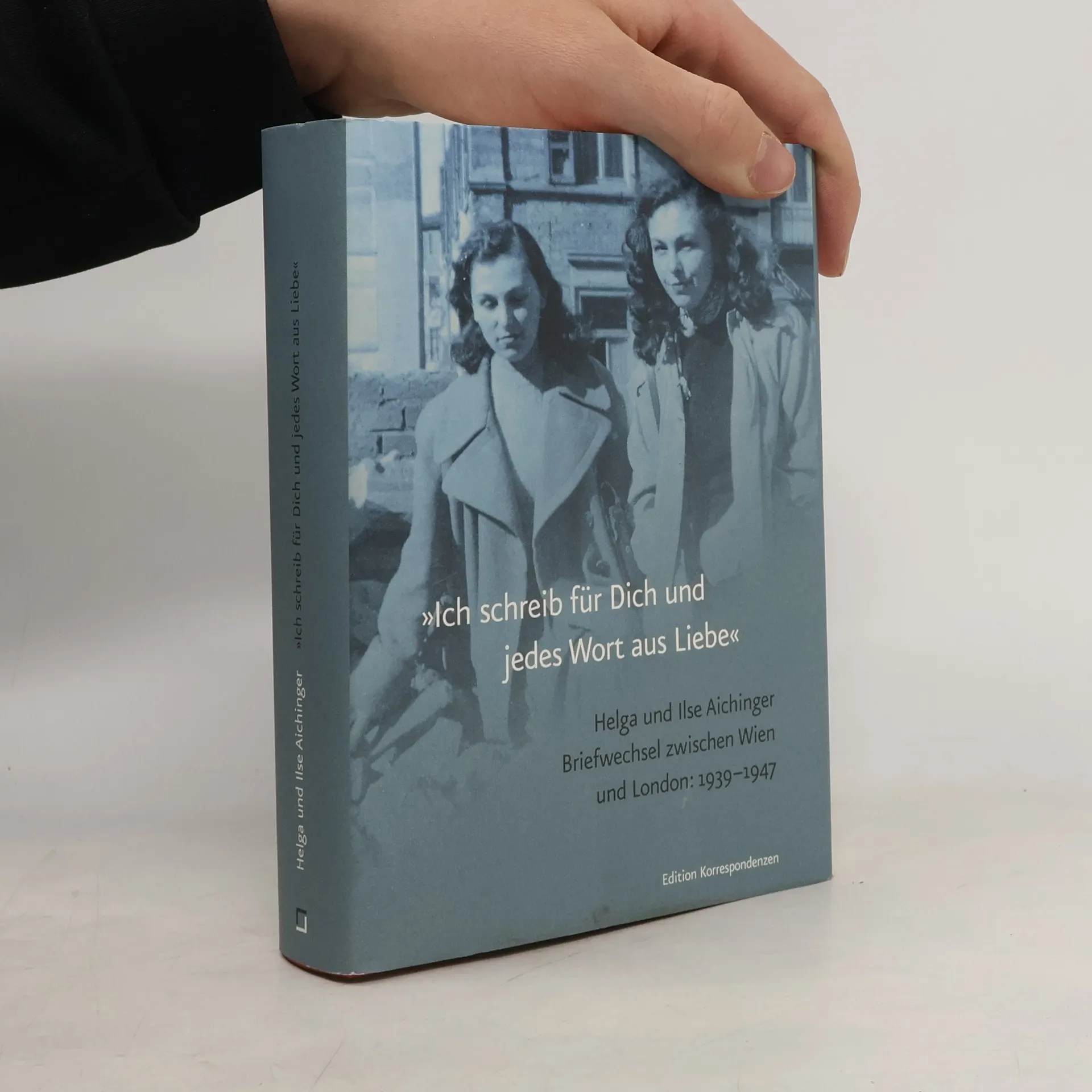

A moving work of fiction from one of the most important writers of postwar Austrian and German literature. Born in 1921 to a Jewish mother, Ilse Aichinger (1921-2016) survived World War II in Vienna, while her twin sister Helga escaped with one of the last Kindertransporte to England in 1938. Many of their relatives were deported and murdered. Those losses make themselves felt throughout Aichinger's writing, which since her first and only novel, The Greater Hope, in 1948, has highlighted displacement, estrangement, and a sharp skepticism toward language. By 1976, when she published Bad Words in German, her writing had become powerfully poetic, dense, and experimental. This volume presents the whole of the original Bad Words in English for the first time, along with a selection of Aichinger's other short stories of the period; together, they demonstrate her courageous effort to create and deploy a language unmarred by misleading certainties, preconceived rules, or implicit ideologies.
Ilse Aichinger Books
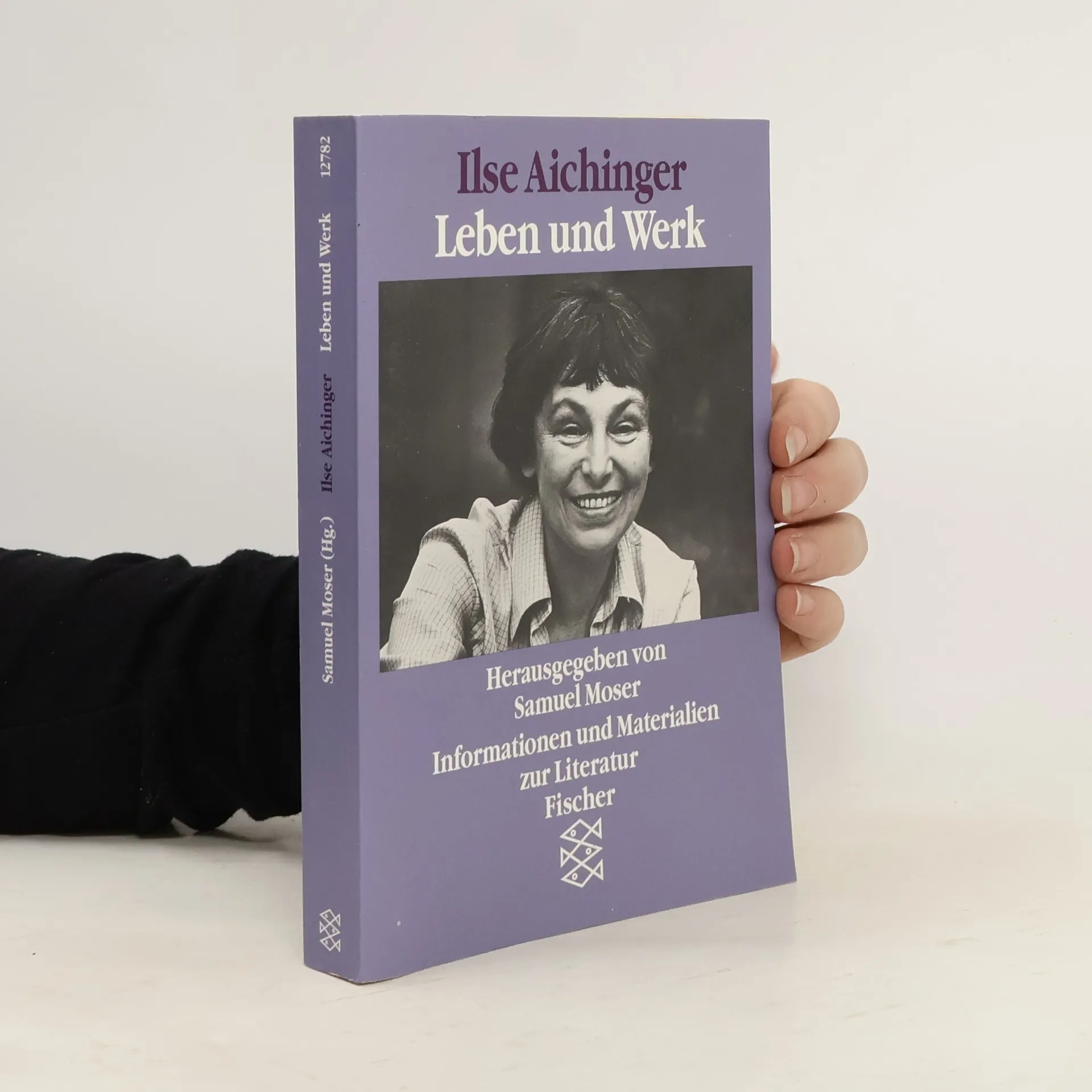
Ilse Aichinger's writing powerfully conveys her experiences of persecution under the Nazis due to her Jewish heritage. Her prose is noted for its conciseness and potent symbolism, often drawing comparisons to Franz Kafka. Through her work, she explores themes of identity, memory, and trauma, delving into the psychological depths of her characters and their perception of the world. Aichinger offers readers a distinct perspective on the impact of historical events on individual lives.


The first English translation of a major work of postwar German poetry. Austrian writer Ilse Aichinger (1921-2016) was a member of the Gruppe 47 writers' group, which sought to renew German-language literature after World War II. From a wide-ranging literary career that encompassed all genres, Squandered Advice was Aichinger's sole poetry collection. The book gathers poems written over several decades, yet Aichinger's poetic voice remains remarkably consistent, frequently addressing us or a third party, often in the imperative, with many poems written in the form of a question. Even though they use free verse throughout, the poems are still tightly structured, often around sounds or repetition, using spare language. Phrases are often fragmentary, torn off and juxtaposed as if in a collage. Isolated and haunting, the images are at times everyday, at other times surreal, suggesting dreams or memories. The tone ranges from reassuring and gentle to disjointed and disturbing, but the volume was carefully composed by the author into an integral whole, not chronological but following its own poetic logic. This new translation makes Aichinger's critically acclaimed book, which has inspired poets the German-speaking world for decades, available to English-language readers for the first time.
Kleist, Moss, Pheasants
- 106 pages
- 4 hours of reading
"First published in 1987, and encompassing texts from almost four decades, Kleist, moss, pheasants brings together autobiographical pieces, diary entries and reflections on fellow authors by Ilse Aichinger. As Richard Reichensperger remarks, the volume demonstrates the complex interconnections between historical events and Aichinger's life, thought and writing. The style, tone, and force of Kleist, moss, pheasants foreshadow the major achievements of Aichinger's late productive period around the turn of the millennium, which are evidenced in Film and fate and Improbable journeys."--Back cover
Dramatic sketches full of surprising, unpredictable twists and turns from a major twentieth-century German-language author. A member of the Gruppe 47 writers’ group which sought to renew German-language literature after World War II, Ilse Aichinger (1921–2016) achieved great acclaim as a writer of fiction, poetry, prose, and radio drama. The vignettes in At No Time each begin in recognizable situations, often set in Vienna or other Austrian cities, but immediately swerve into bizarre encounters, supernatural or fantastical situations. Precisely drawn yet disturbingly skewed, they are both naturalistic and disjointed, like the finest surrealist paintings. Created to be experienced on the page or on the radio rather than the stage, they echo the magic realism of her short stories. Even though they frequently take a dark turn, they remain full of humor, agility, and poetic freedom.
Selected Poetry & Prose
- 141 pages
- 5 hours of reading
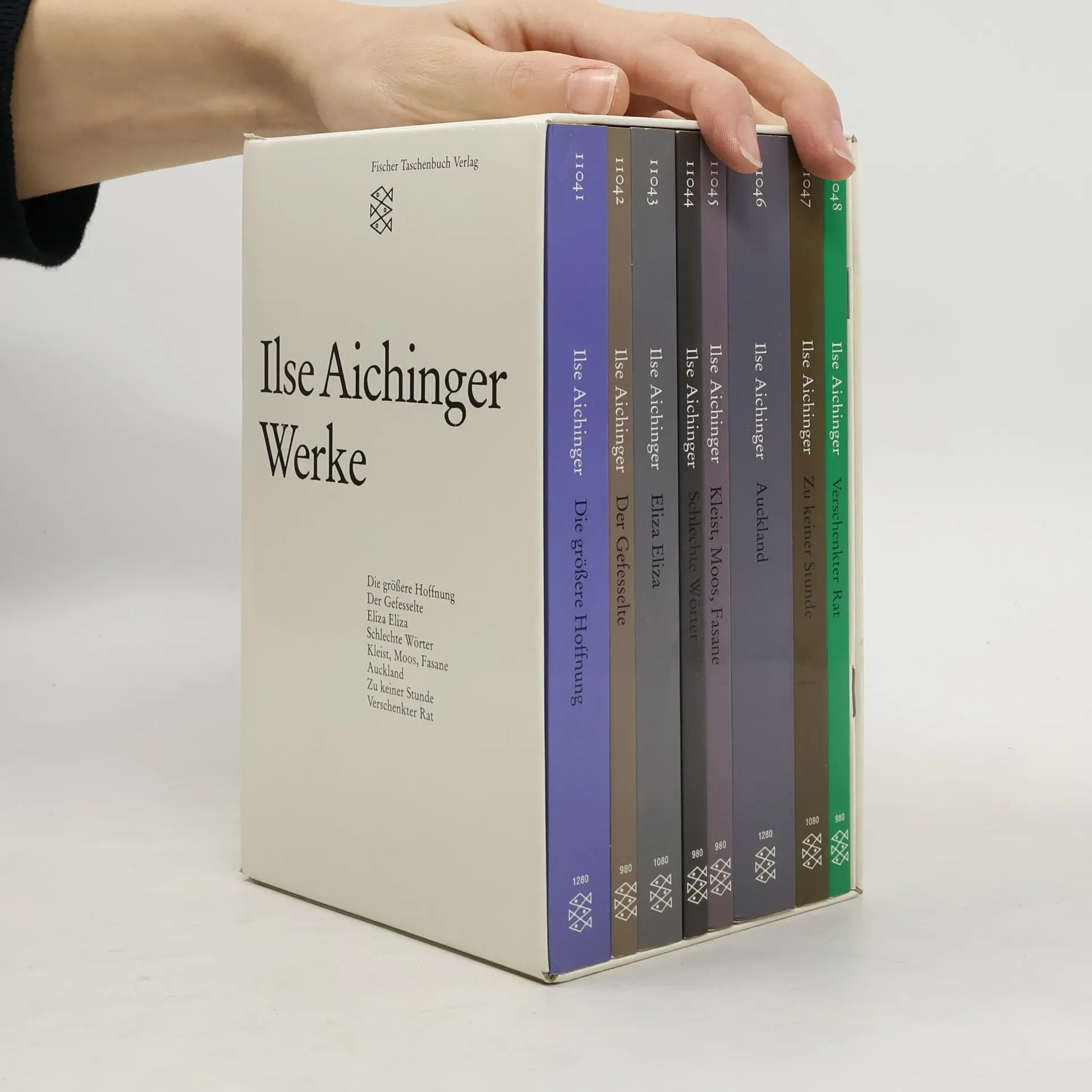
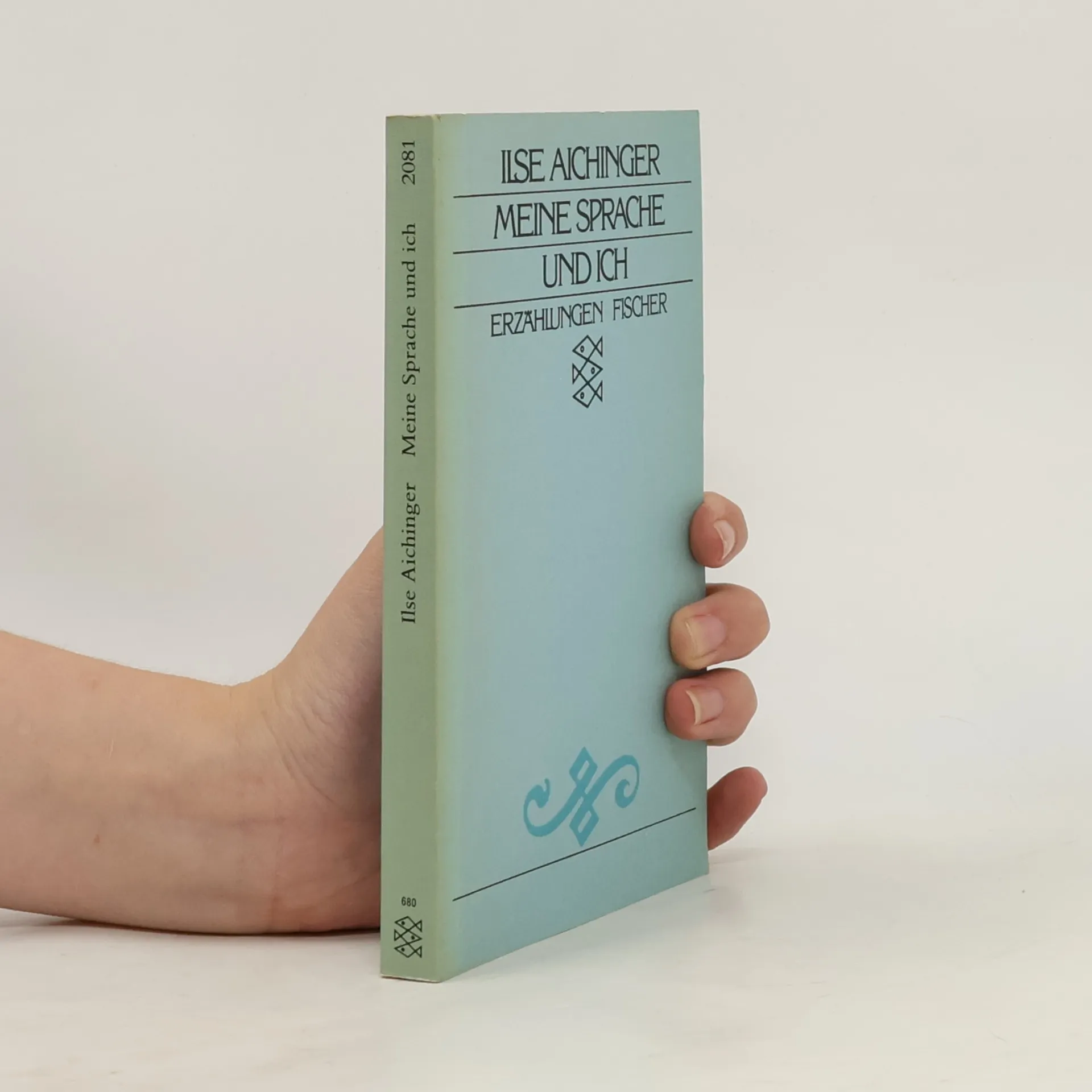
InhaltsverzeichnisAjax - Algebra - Auf verlorenem Posten - Der Bastard - Bauernregel - Chrigina - Erinnerungen für Samuel Greenberg - Fünf Vorschläge - Herodes - Hohe Warte - Mein Vater aus Stroh - Meine Sprache und ich - Das Milchmädchen von St. Louis - Nicht vor Mailand - Port Sing - Der Querbalken - Die Rampenmaler - Schweres Wasser - Die Schwestern Jouet Gedichte: Marianne - Gonzagasse - St. Gilgen - Dreizehn Jahre - Attersee - Alter Blick - Ihr da - Zwei Orte, zusammengelegt - Heutig - Mein Vater - Mägdemangel - Winterrichtung - Selbstgebaut - Übermorgen - Triest
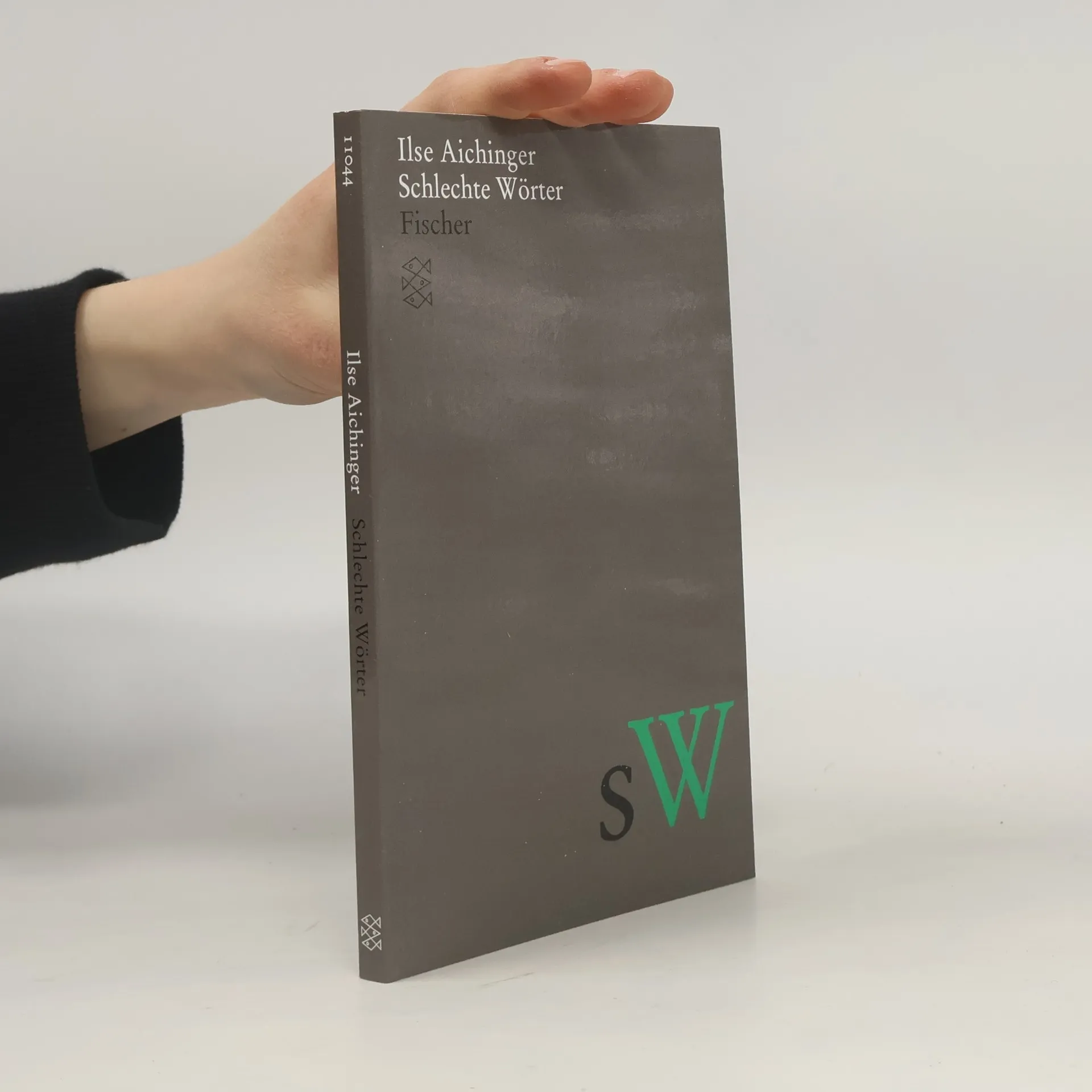
Schlechte Wörter
- 105 pages
- 4 hours of reading
»Die Untergänge vor sich her schleifen« Nichts ist aggressiver in Ilse Aichingers Werk als die Sammlung ›Schlechte Wörter‹. Der Band versammelt Texte, die mit einer unbeirrbaren Genauigkeit, in zwingenden Assoziationen die menschliche Existenz bedenken, bis an ihre äußersten Grenzen und Stationen. Sie wenden sich skeptisch und ohne Illusion gegen Gebote, Maximen und Devisen. »Diese Prosa hebt alles aus den Angeln, was sie anspricht und meint« (Jürgen Becker).