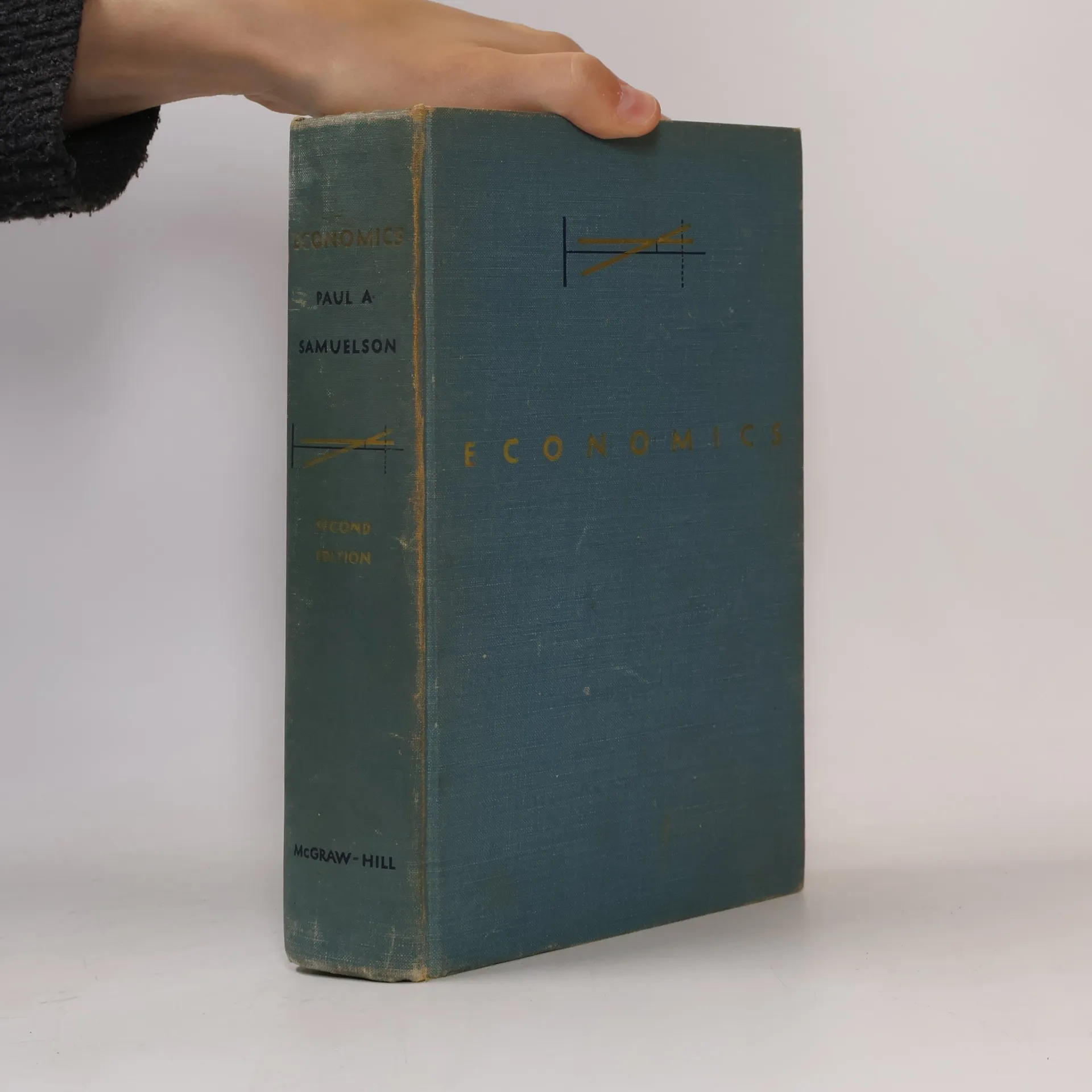
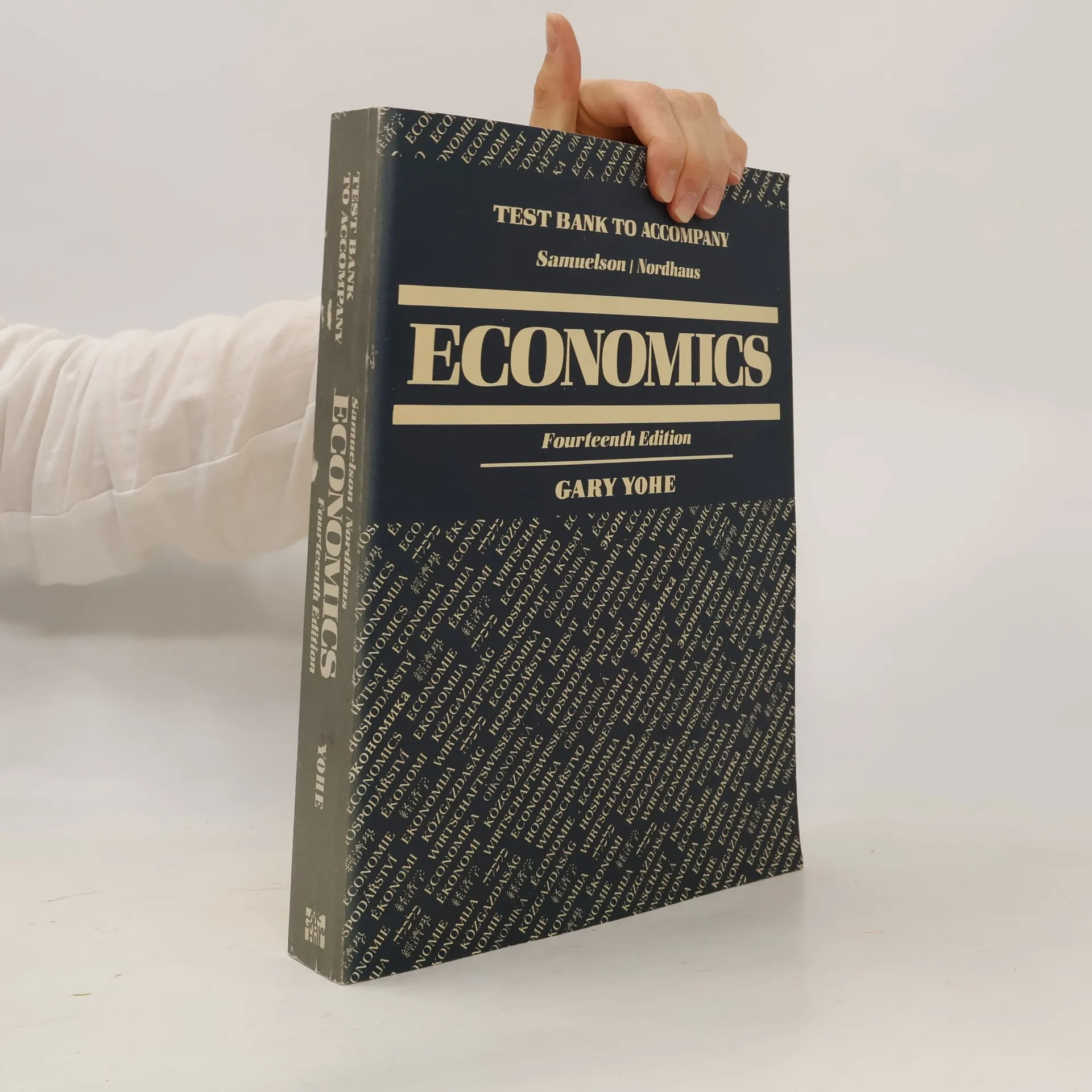
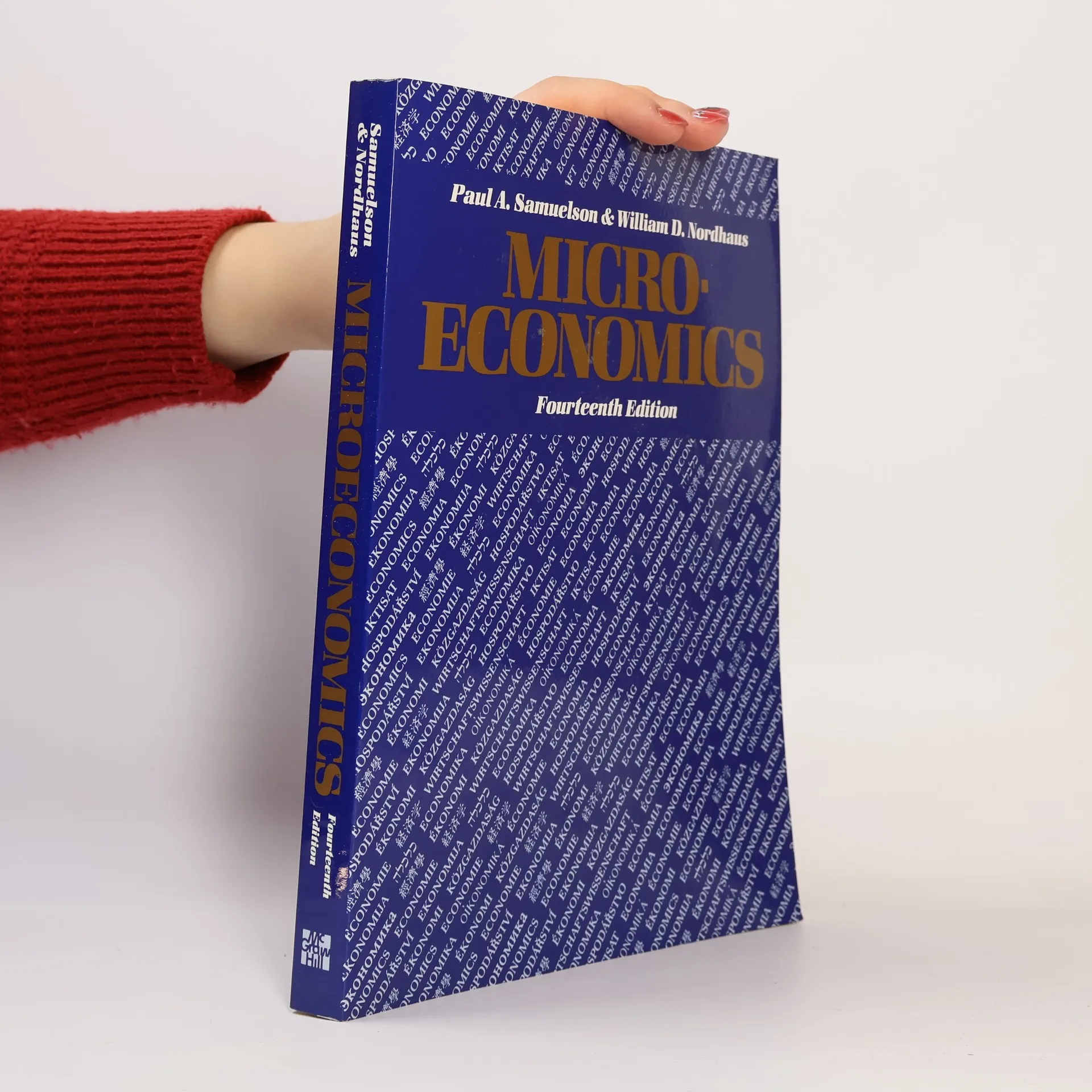
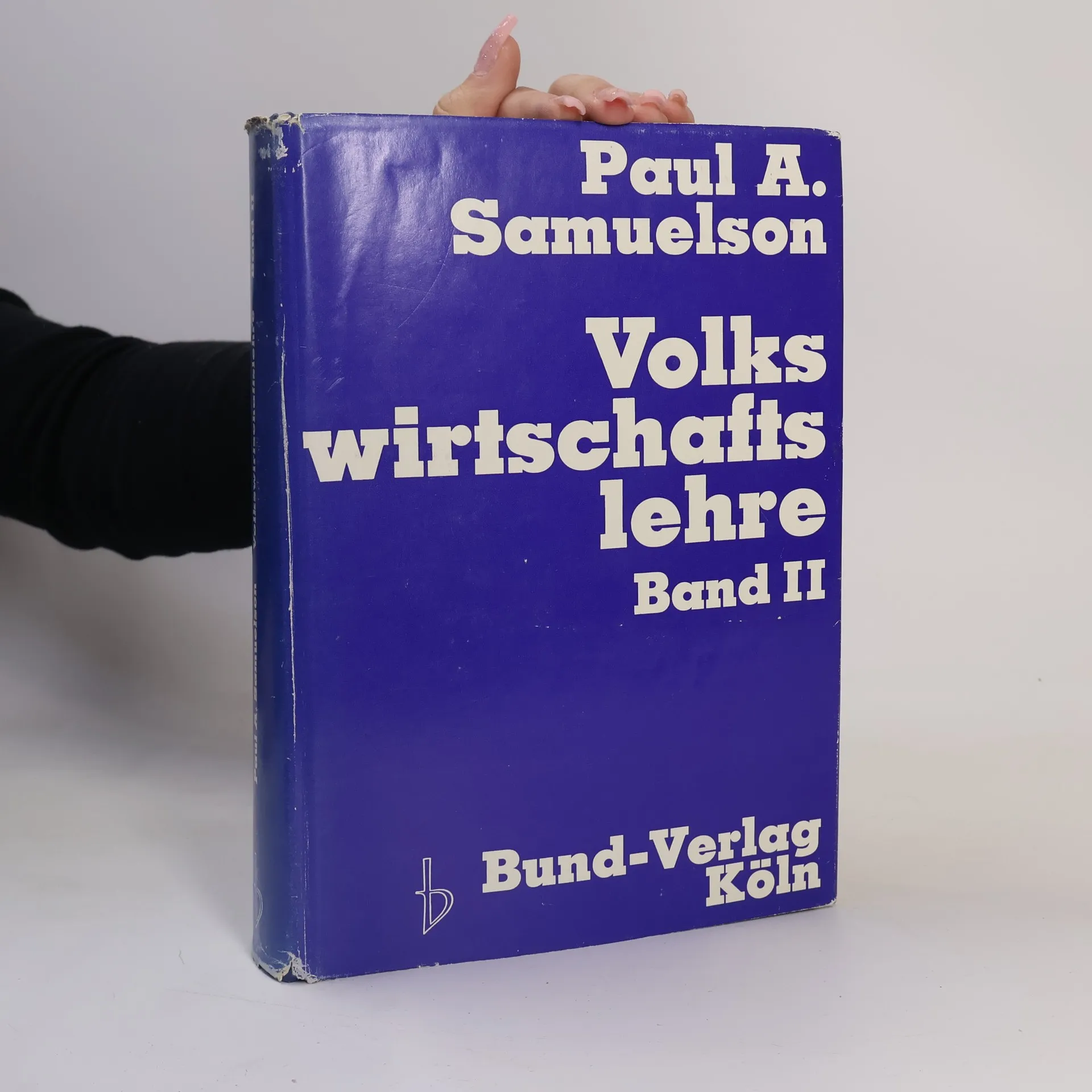
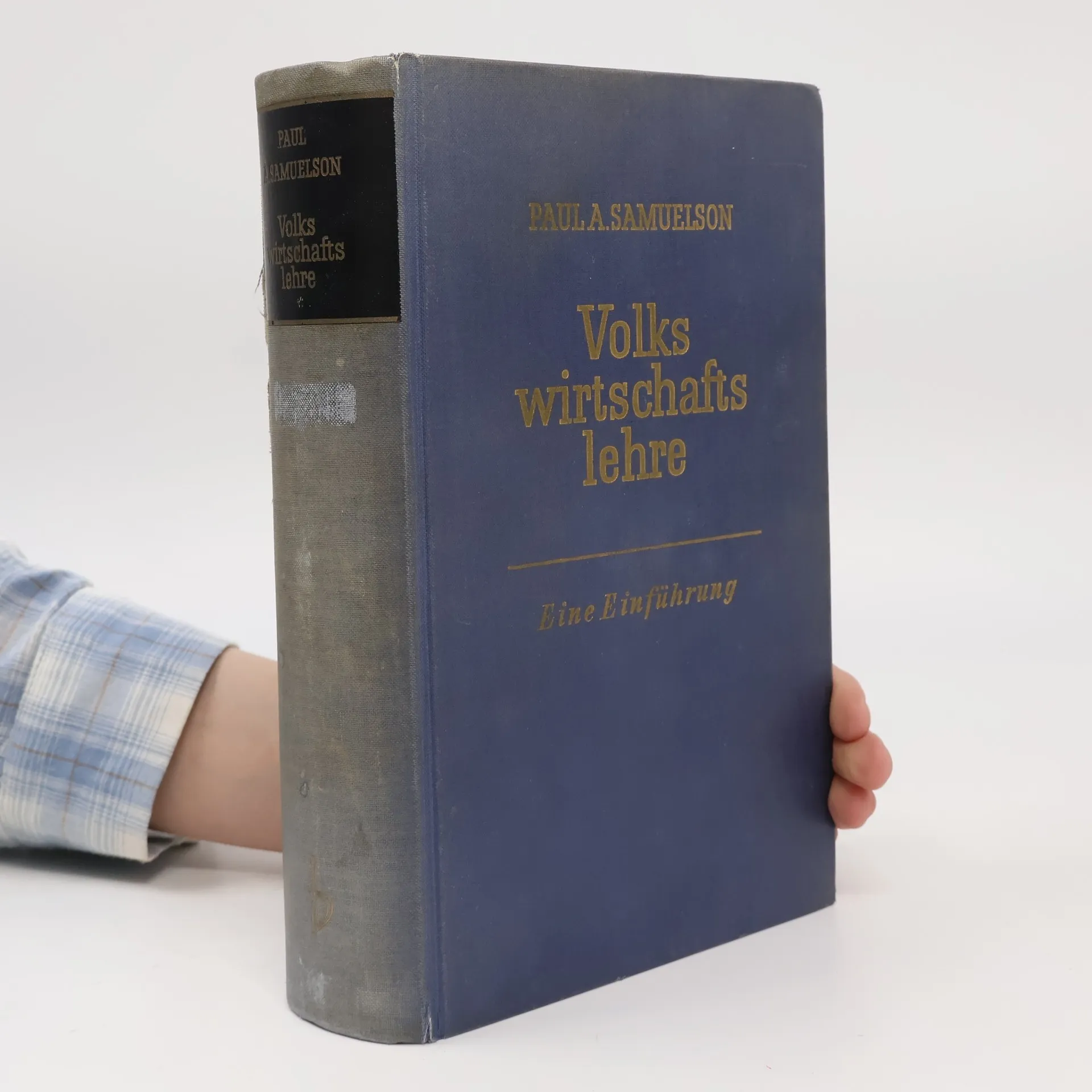
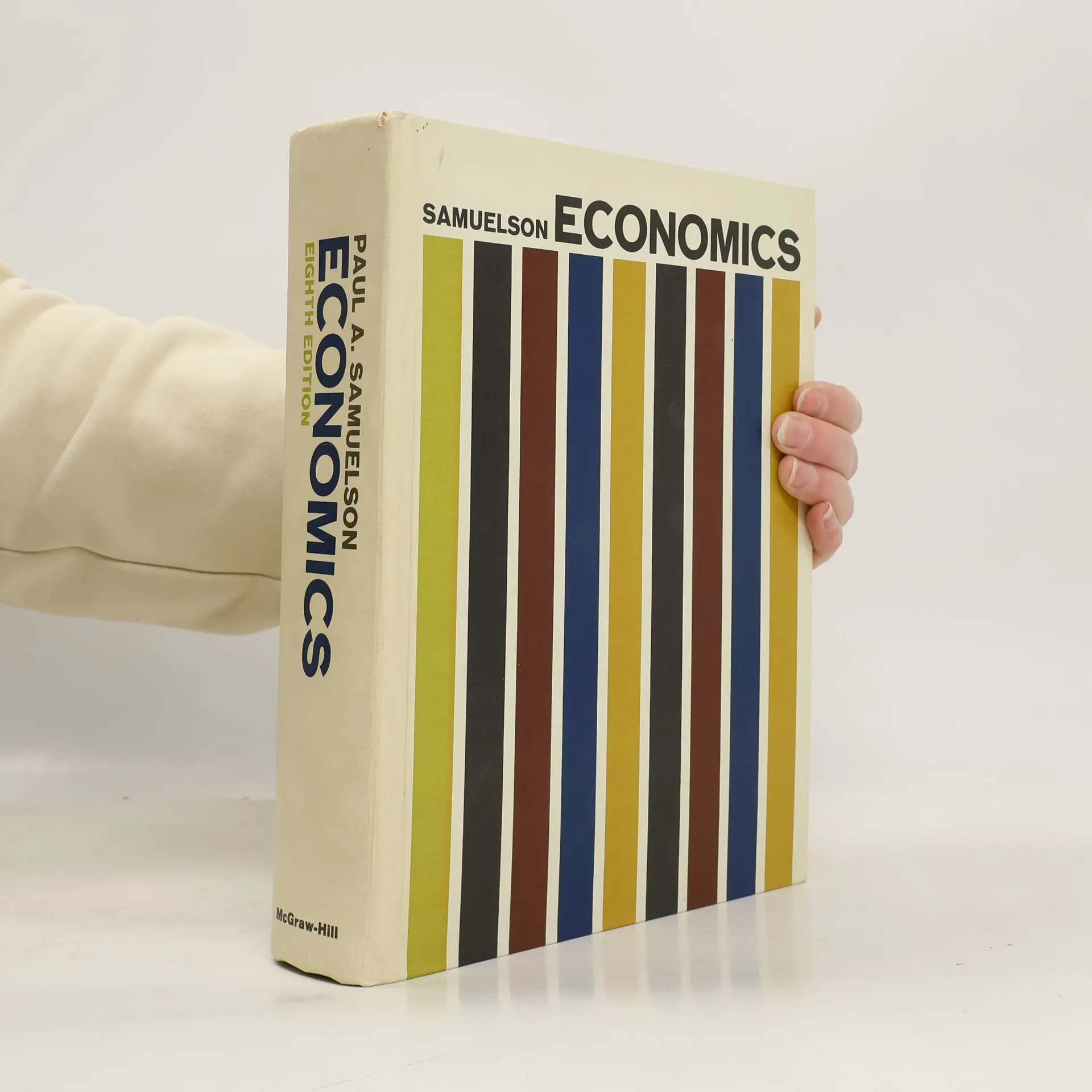
This edition presents the latest thinking of modern economists and emphasizes the analytical core of economics with particular attention to economic growth and analysis of market economics. This timeless introductory text to Macroeconomics continues to present how markets function and what countries can possibly do to improve people's living standards. Indian content has been added at relevant places to relate the concepts more specifically to the Indian context.
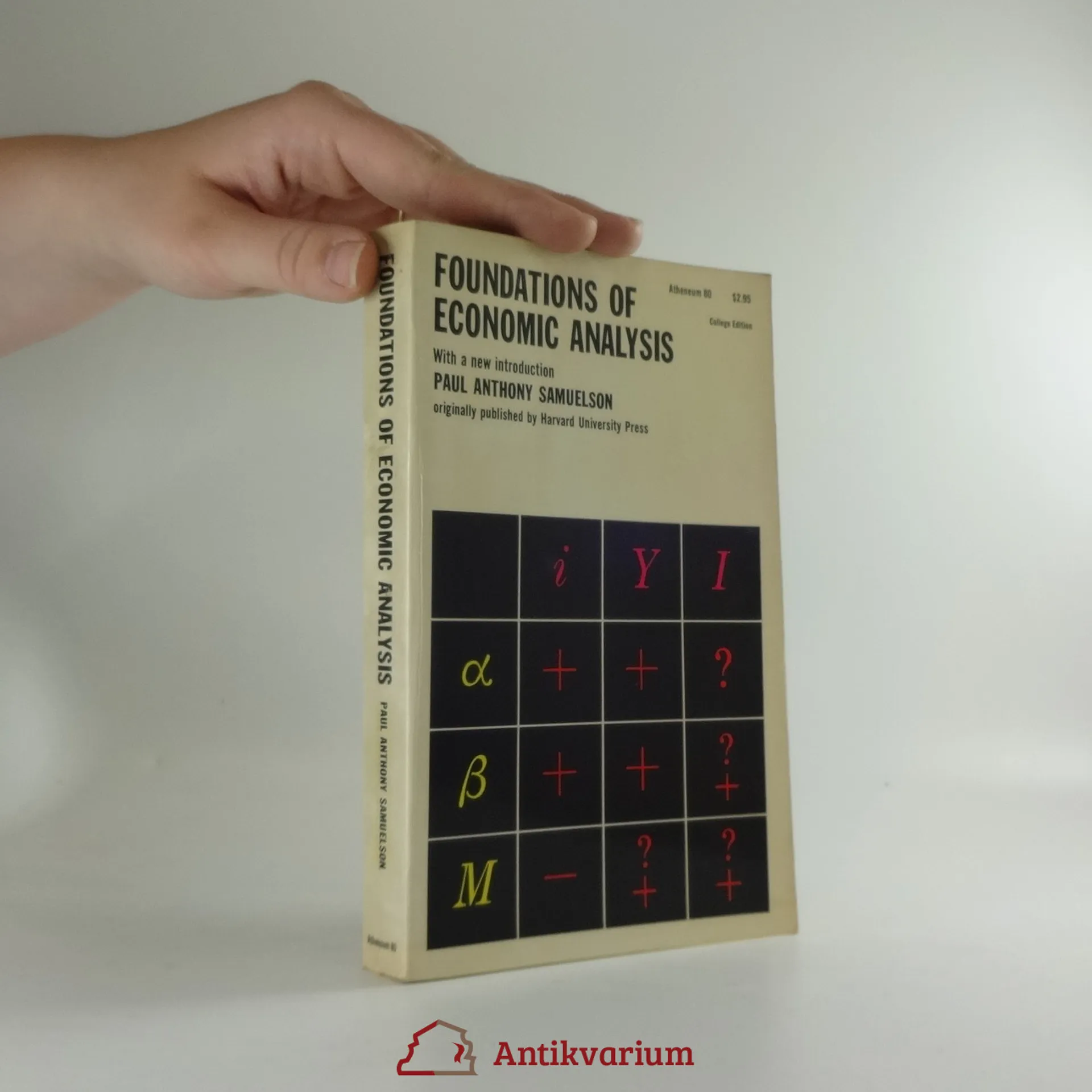
Paul A. Samuelson Books
May 15, 1915 – December 13, 2009
Paul Samuelson was an American economist and the first American to receive the Nobel Memorial Prize in Economic Sciences. He is widely regarded as the 'Father of Modern Economics,' credited with significantly raising the standard of scientific analysis in economic theory. Samuelson's contributions were marked by his application of mathematical methods to economic problems and his synthesis of various economic schools of thought. His influence shaped an entire generation of economists, and his ideas continue to resonate today.
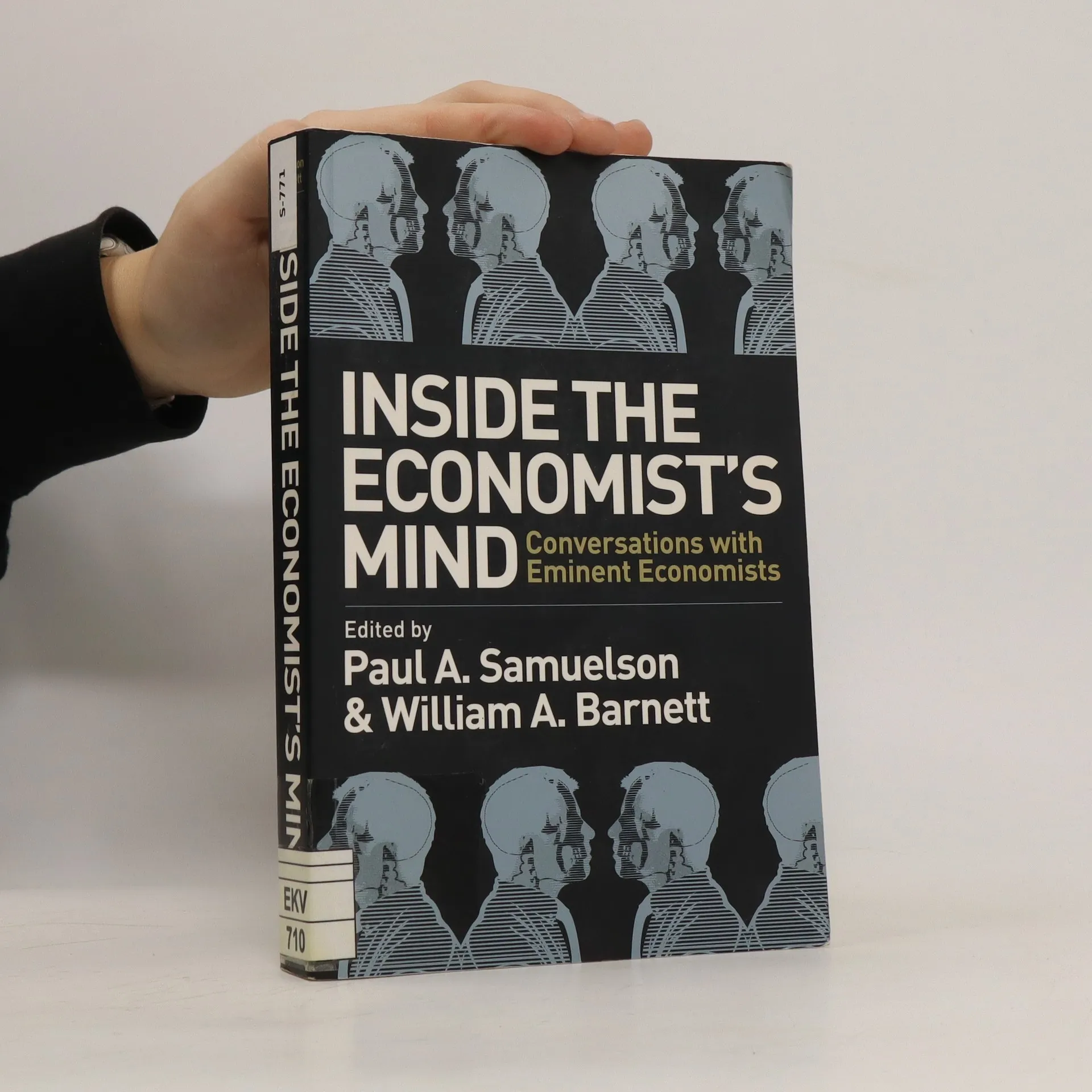

Inside the Economist's Mind
- 456 pages
- 16 hours of reading
This volume is compiled by Paul A. Samuelson, winner of the 1970 Nobel Prize in Economics. He brings together a collection of peer interviews to create an account of the development of modern economics and gives a personal history of those who helped found it
Economics,17e,by Samuelson and Nordhaus,is the classic text which set the standard for principles of economics texts when it was introduced in 1948. This text has been the standard-bearer in principles books for over 50 years,presenting a clear,accurate,and interesting indroduction to economics. Bill Nordhaus is now the primary author of this modern treatment of economics which has been thoroughly updated.
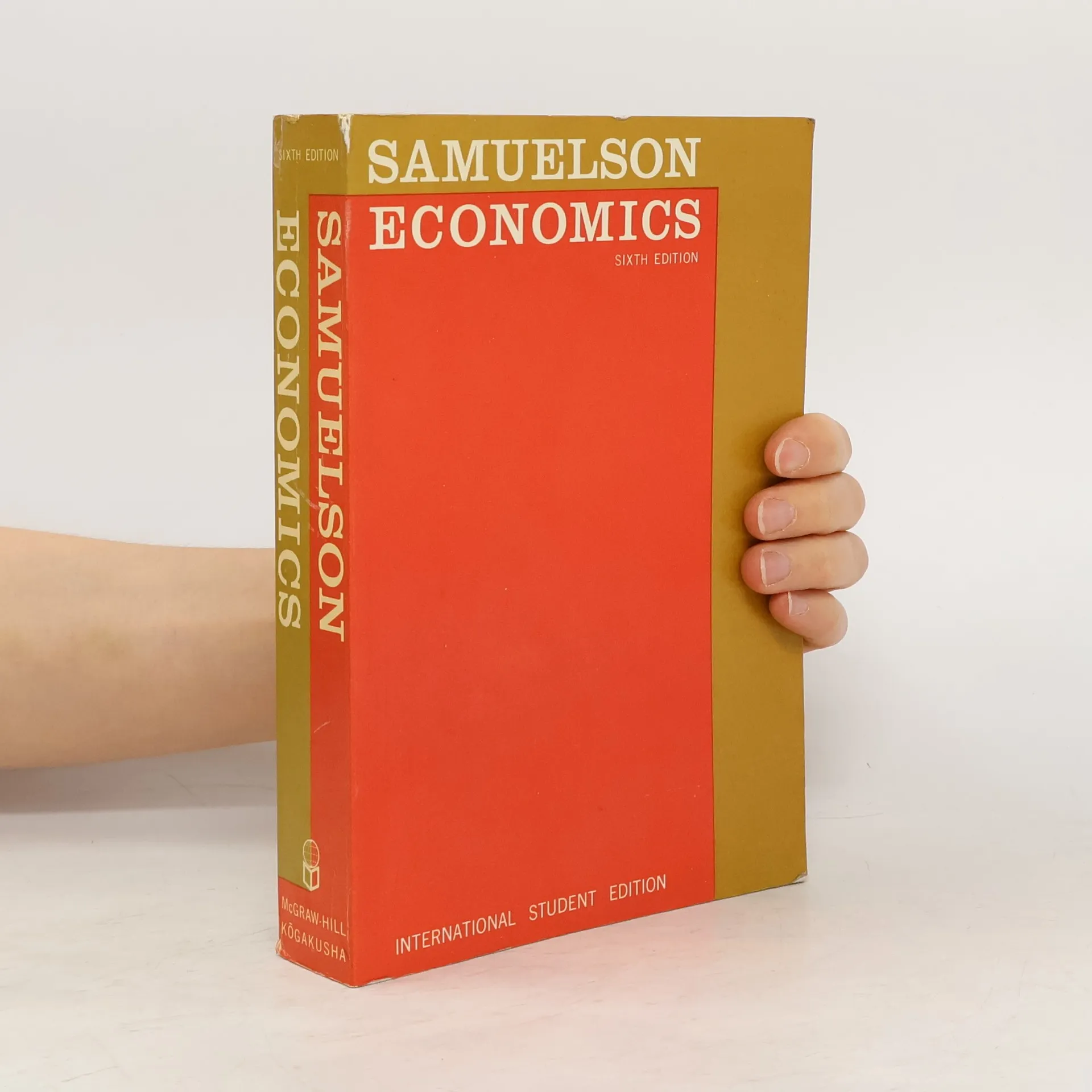
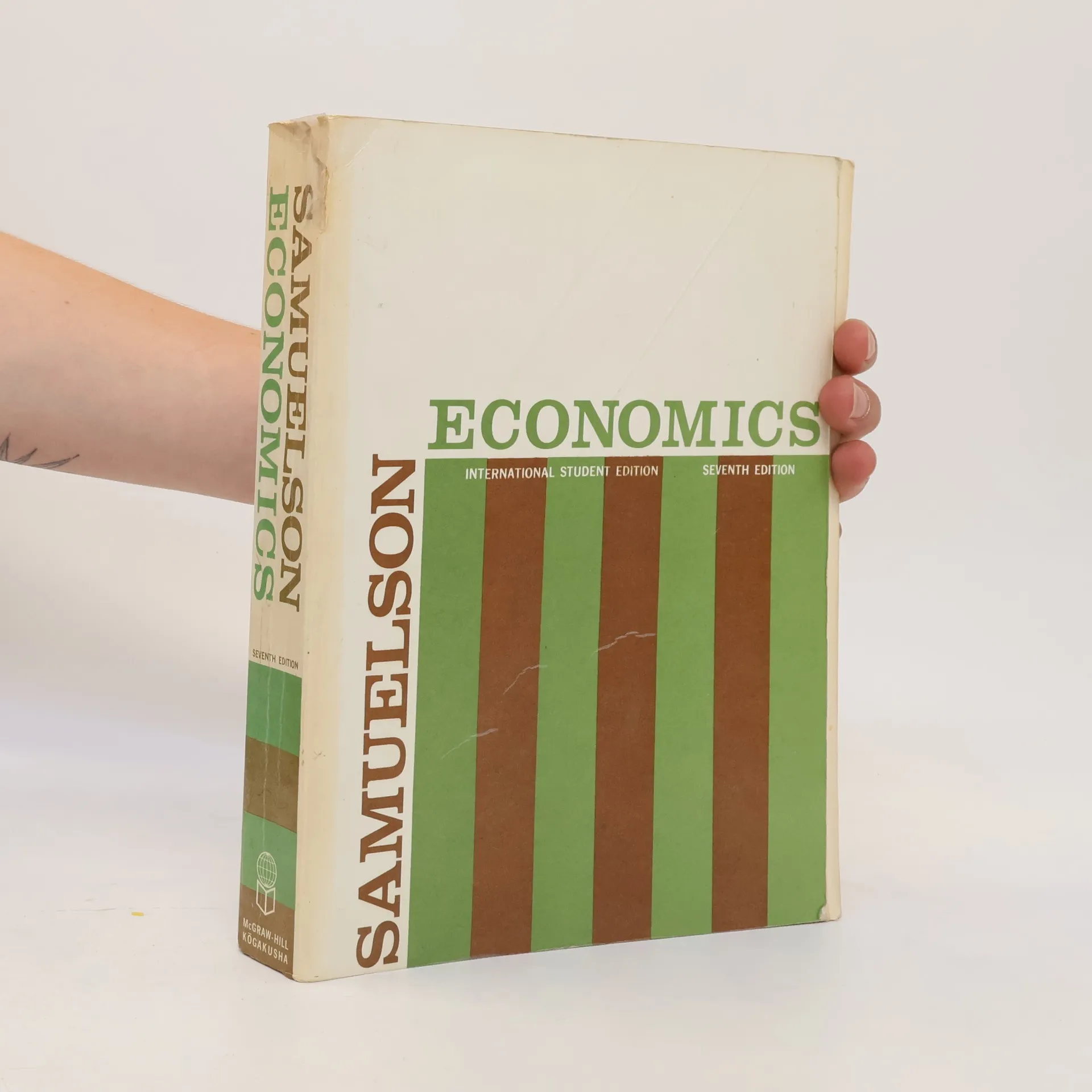
Samuelson Economics, Seventh Edition
An Introductory Analysis
Economics
An Introductory Analysis
An introduction to modern economic principles, this edition features a new chapter on open economy economics. There is continued emphasis in this text on the analytical core of economics with particular attention paid to the analysis of market economics.
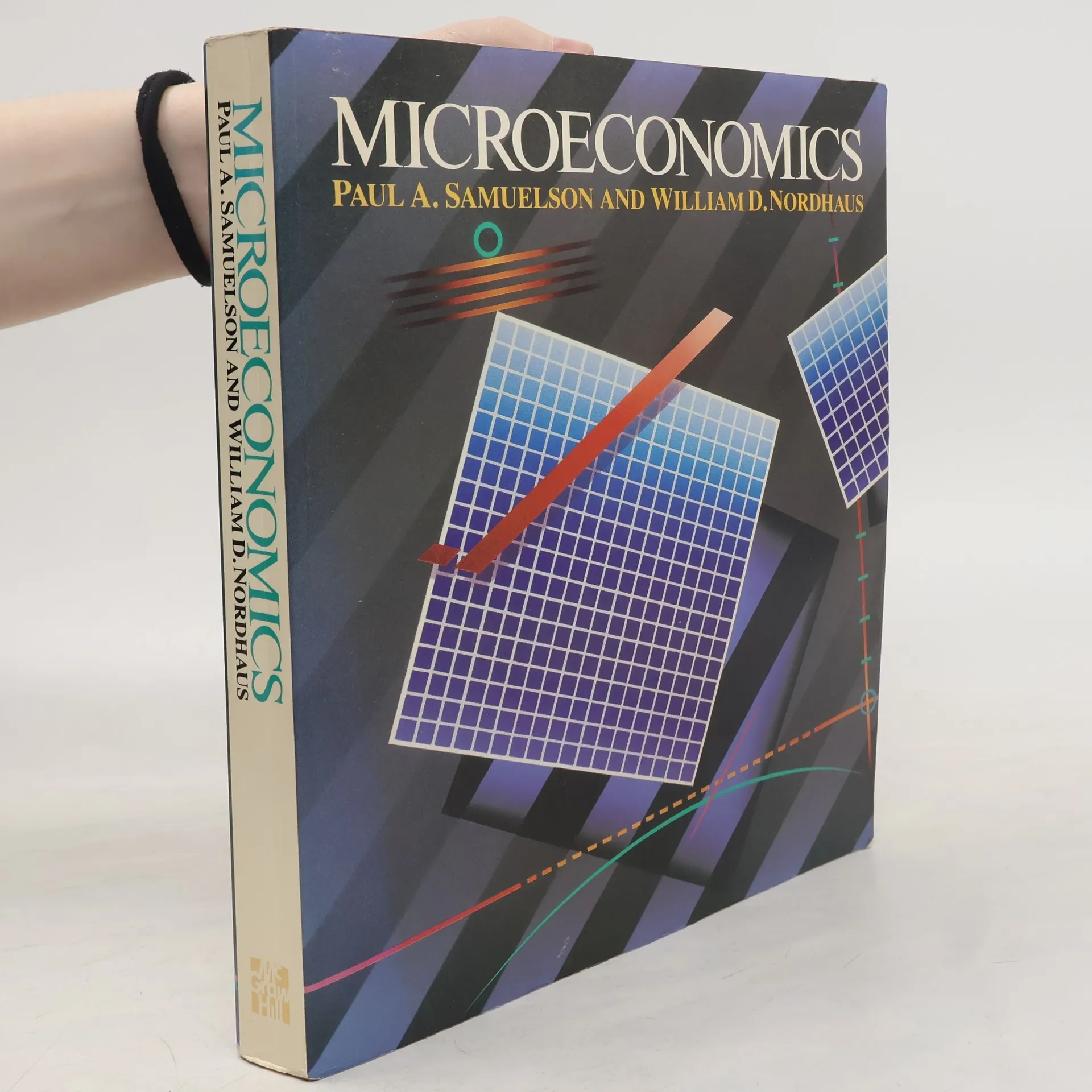
Microeconomics: Fourteenth Edition
- 507 pages
- 18 hours of reading
An introduction to modern economic principles, this edition features a new chapter on open economy economics. There is continued emphasis in this text on the analytical core of economics with particular attention paid to the analysis of market economics.
Wicksells Werk und Persönlichkeit
nebst Darstellung und Kritik des Steuerwesens Schwedens. Faksimile der 1896 erschienenen Erstausgabe.
- 352 pages
- 13 hours of reading
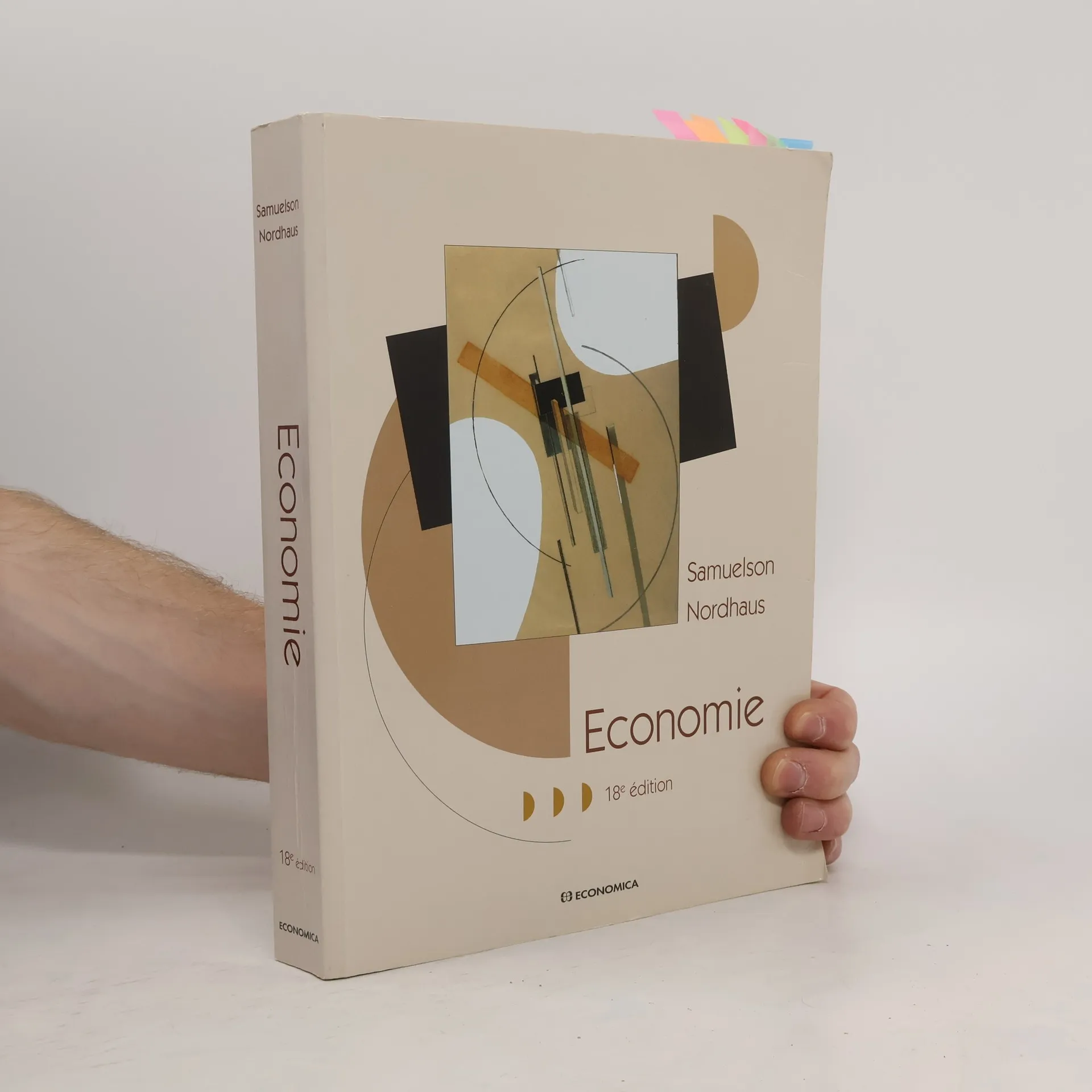
Economie - 18e édition
- 782 pages
- 28 hours of reading
Cette 18e édition vous montre que l'économie est une science dynamique, qui change de façon à refléter l'évolution des affaires économiques, de l'environnement, de l'économie mondiale et, plus généralement, de la société. Tout comme l'économie et le monde qui l'environne, ce manuel a évolué. Sept caractéristiques différencient la présente édition des précé les vérités centrales de l'économie; l'innovation en économie; ce qui est petit est magnifique; questions de politique économique pour le siècle nouveau; controverses sur la mondialisation; les différentes écoles de la macroéconomie; clarté. Ce manuel a été soigneusement conçu de façon à répondre à toutes les situations.
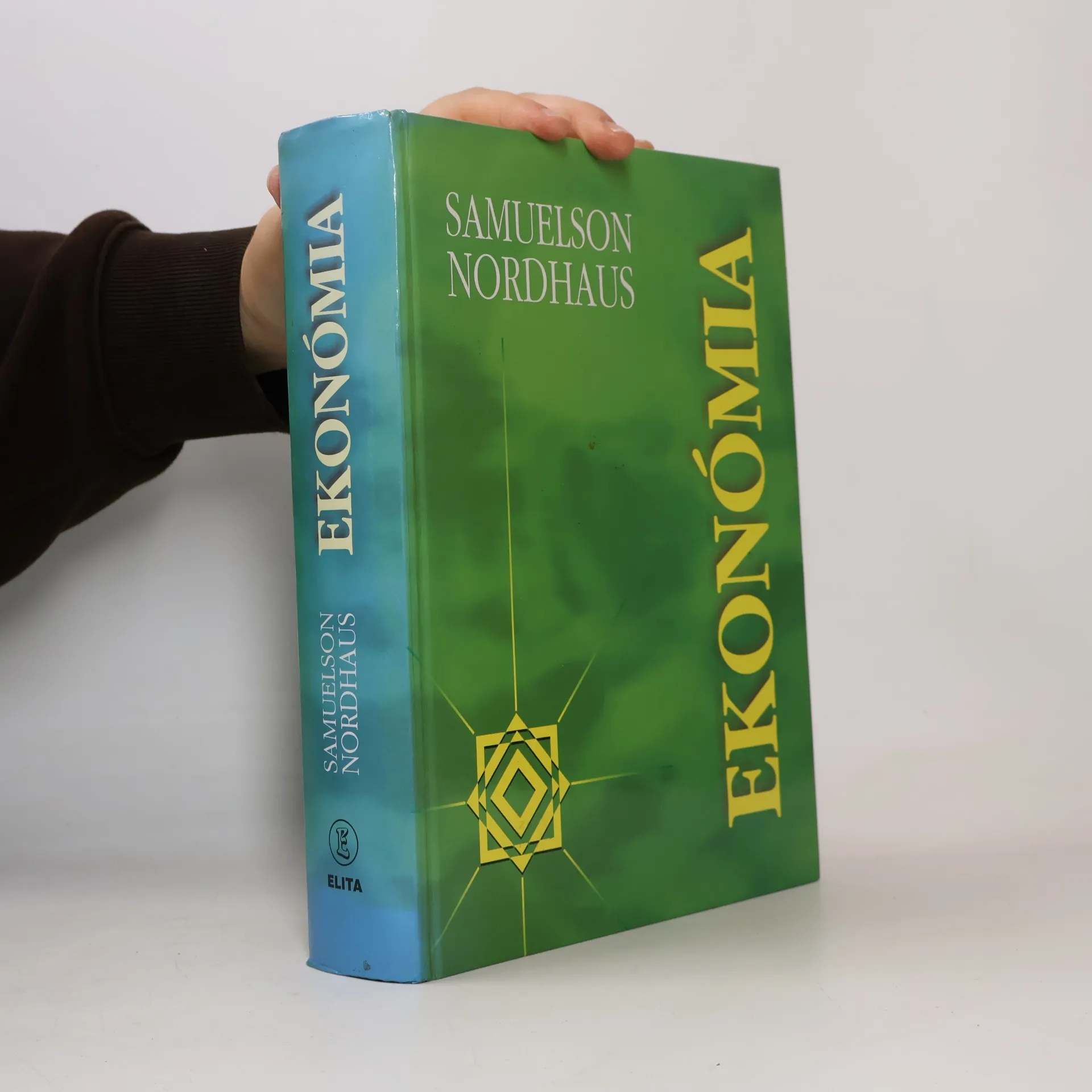
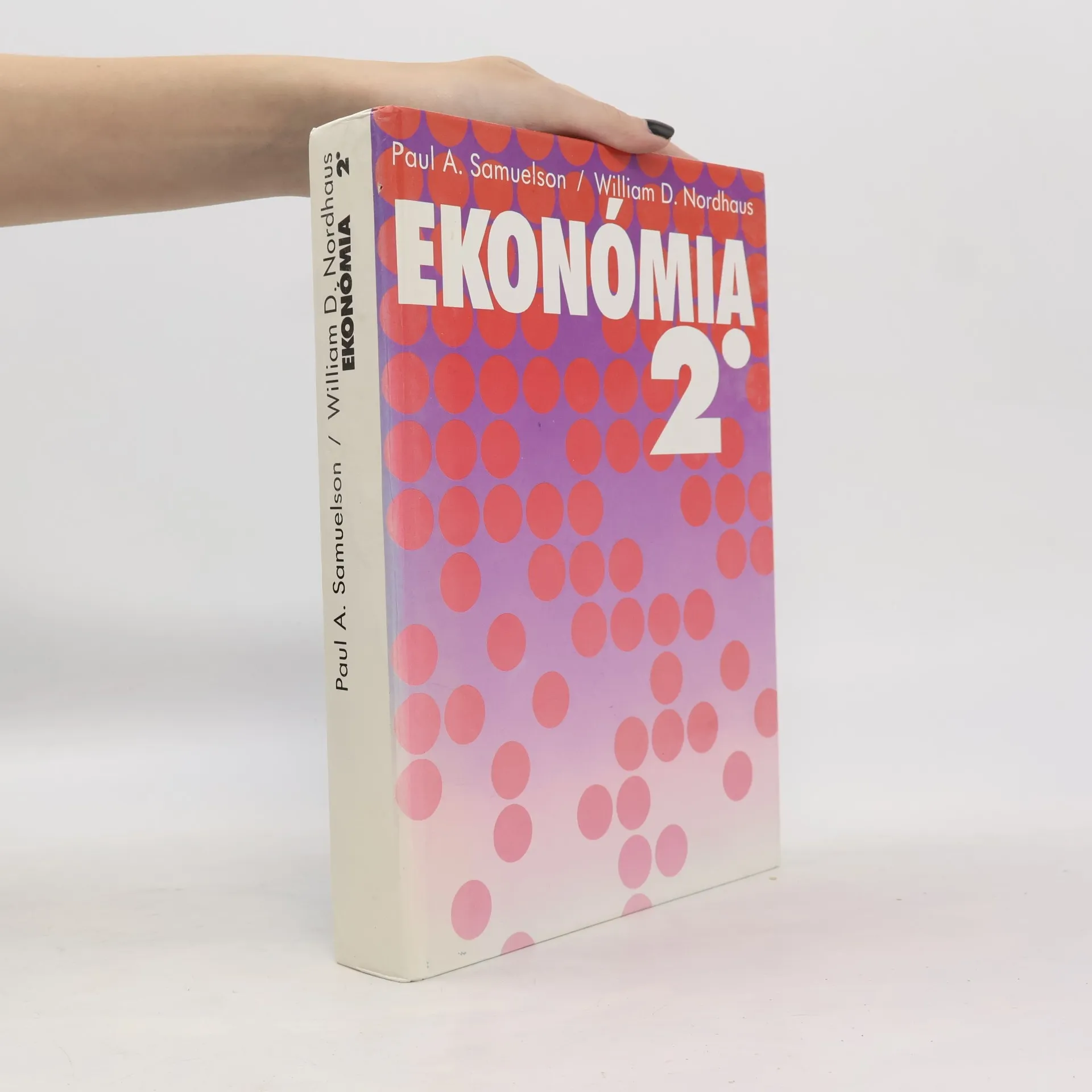
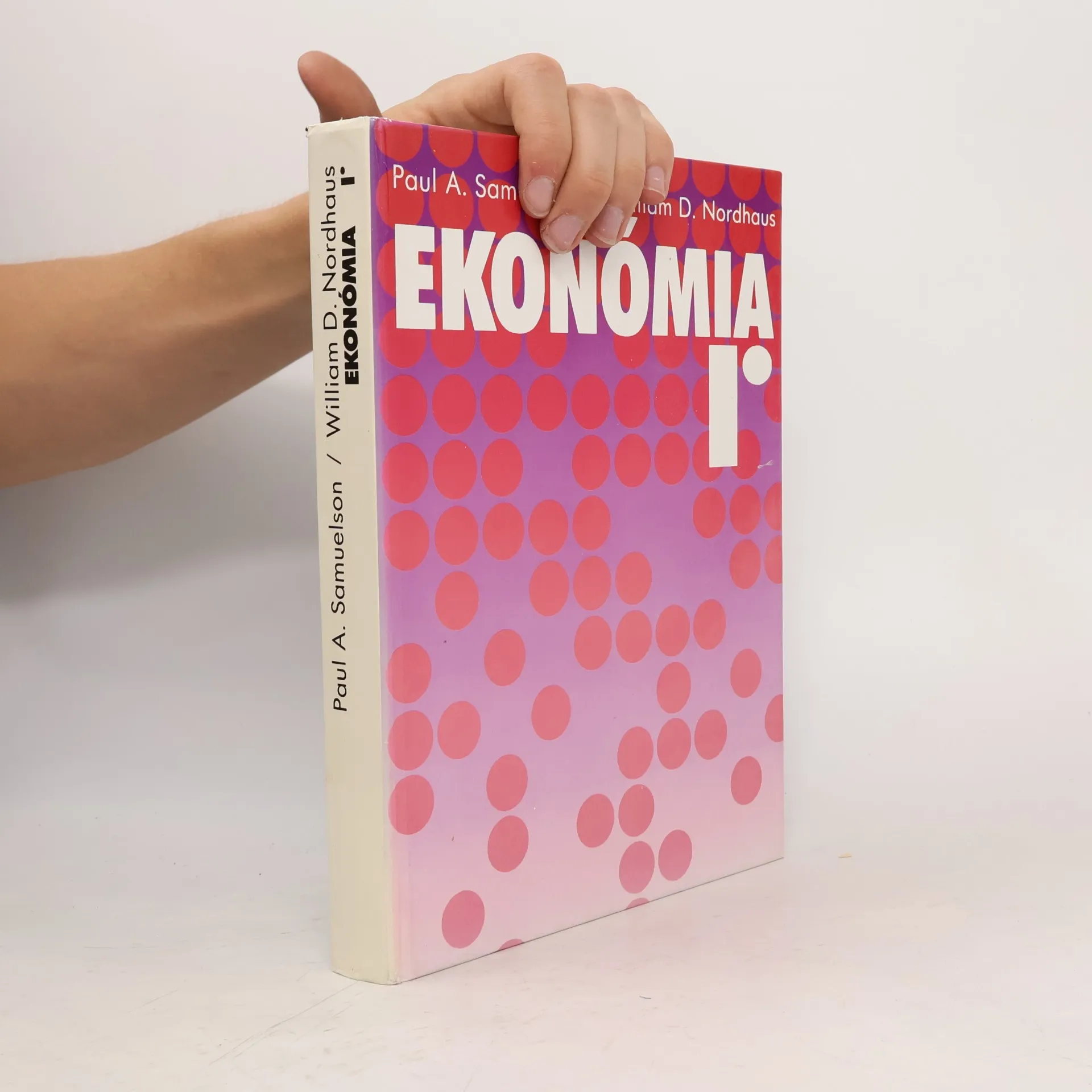
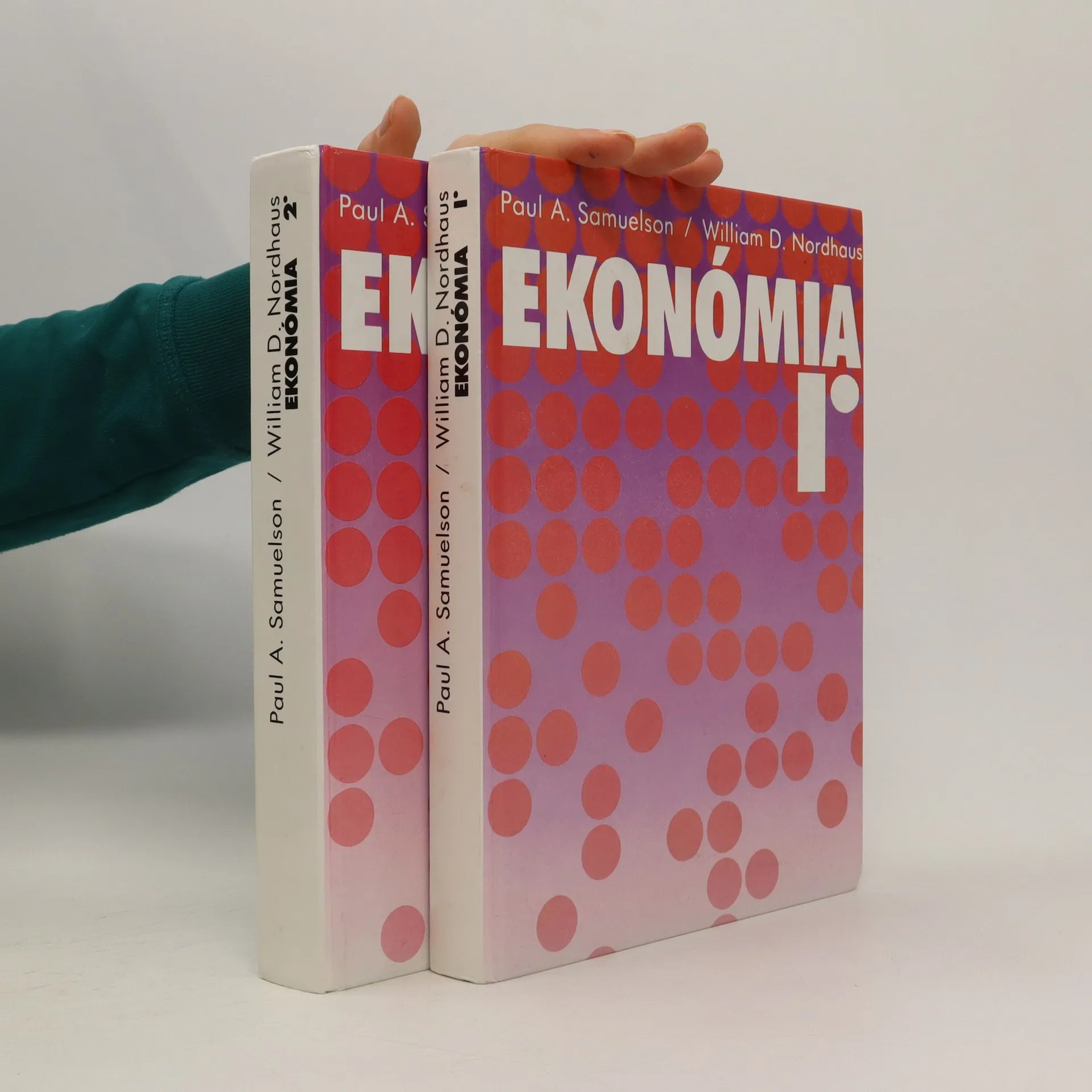
Ekonómia
- 820 pages
- 29 hours of reading
Ekonómia 2
- 550 pages
- 20 hours of reading
Ekonómia I
- 419 pages
- 15 hours of reading