

To the Castle and back
- 383 pages
- 14 hours of reading
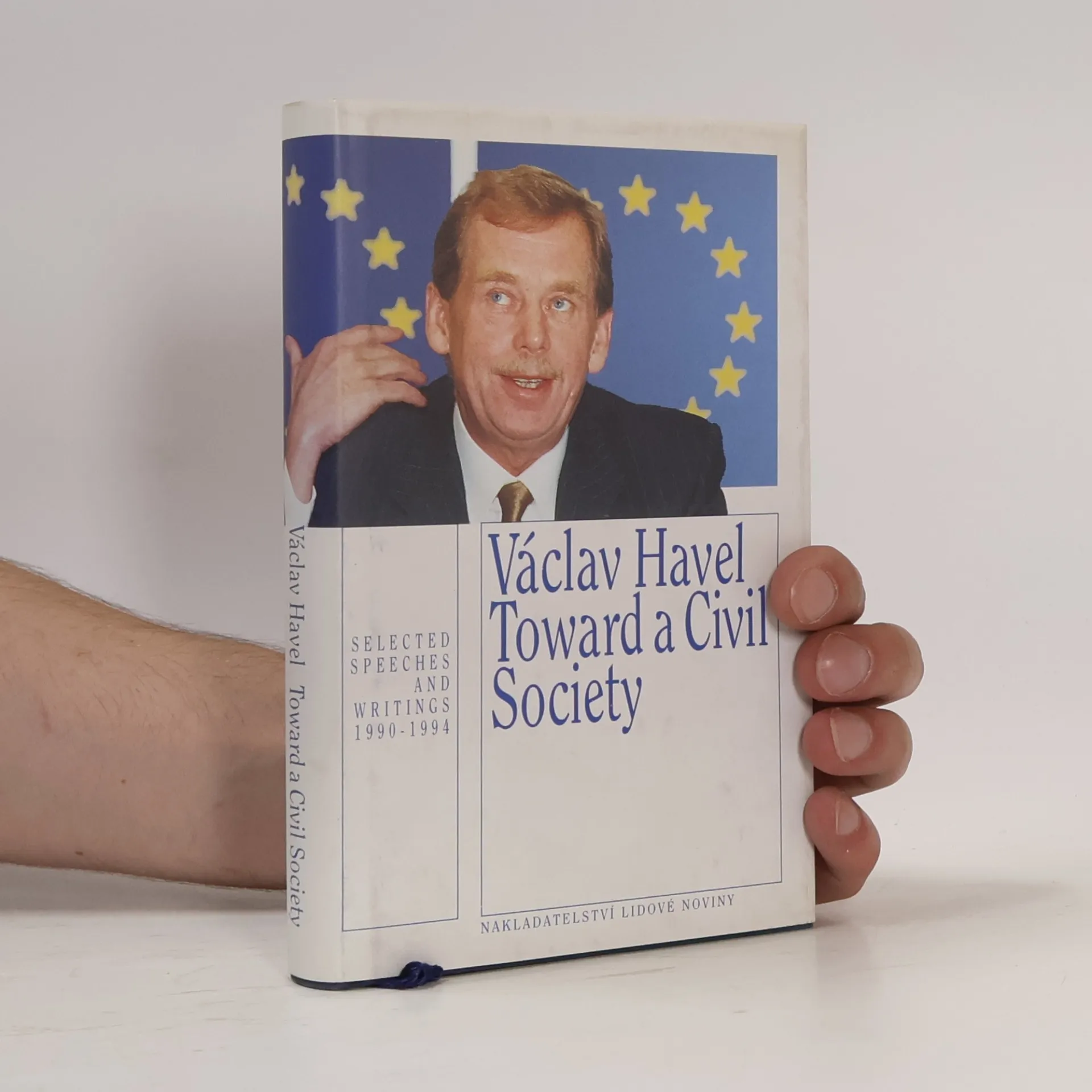
From the former president of the Czech Republic comes this first-hand account of his years in office and the transition to democracy following the fall of Communism. A renowned playwright, Václav Havel became one of Czechoslovakia's most prominent dissidents under Communist rule – and the president after the Velvet Revolution, making him a key player in European politics. Here we see first-hand the challenges of creating a new government, tempered with Havel's revealing insights into the difficulties posed by an era of increased globalization and conflict. He discusses not only the situation in his own country, but also such pressing issues as the future of the European Union, the war in Iraq, and the role of the United States in contemporary affairs. Written with an eye towards both the political and the personal and a witty, well-honed eloquence, To the Castle and Back is a rare glimpse into the minds of one of the most important political figures of modern times.