
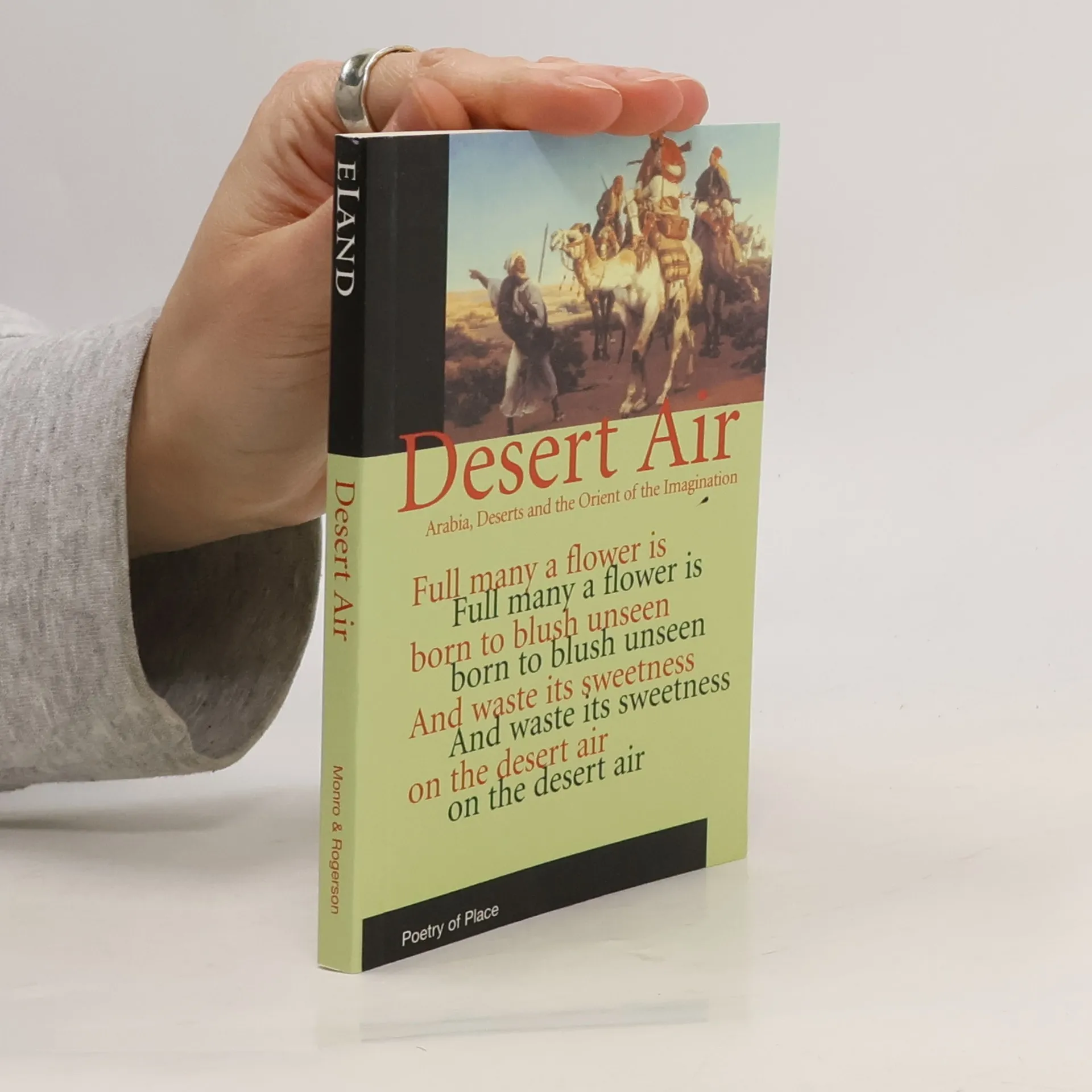
Poetry of Place: Desert Air
- 144 pages
- 6 hours of reading
One in a series of pocket-sized books for travellers, this book presents the poetry of Arabia, deserts and the orient of the imagination.
Alexander Monro primus was a Scottish surgeon and anatomist who became the founding professor of anatomy at the University of Edinburgh. His lectures, delivered in English rather than the conventional Latin, proved highly popular with students. His teaching qualities significantly contributed to the success and reputation of the Edinburgh medical school. His legacy is notable not only for the advancement of anatomy but also for popularizing English as a medium of instruction in medicine.


One in a series of pocket-sized books for travellers, this book presents the poetry of Arabia, deserts and the orient of the imagination.
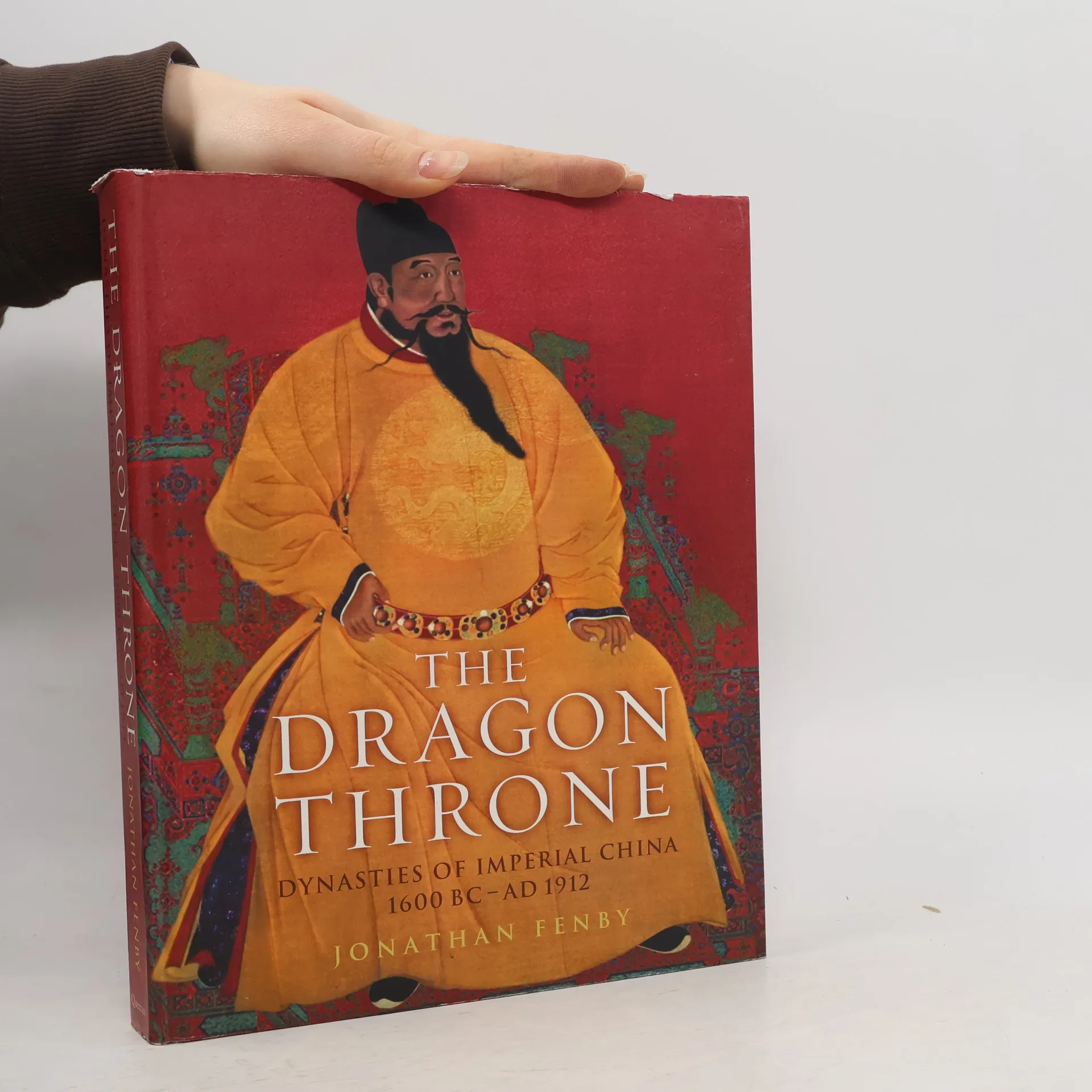
From 221 BC - when Shi Huangdi, First Emperor and founding father of Chinese imperial history, unified a large part of the Han Chinese homeland - until 1911, when imperial China collapsed in revolutionary chaos, China was ruled by a succession of powerful imperial dynasties. The Dragon Throne tells their rich, complex and often turbulent story, from the inception of the Qin dynasty to the fall of the Manchu in the early 20th century. China's imperial dynasties display a recurring pattern of birth, growth, prosperity and collapse due to external pressures. A number of powerful emperors left a particularly strong imprint on this troubled history, whether as conquerors, consolidators, tyrants, reformers or reactionaries. At the heart of The Dragon Throne are vivid profiles of such emperors as Shi Huangdi, who began the construction of the Great Wall; Han Wudi, the Han emperor who developed China as a centralized Confucian state; Kublai Khan, the first emperor of the Mongol Yuan dynasty, and Hongwu, the founder of the Ming dynasty
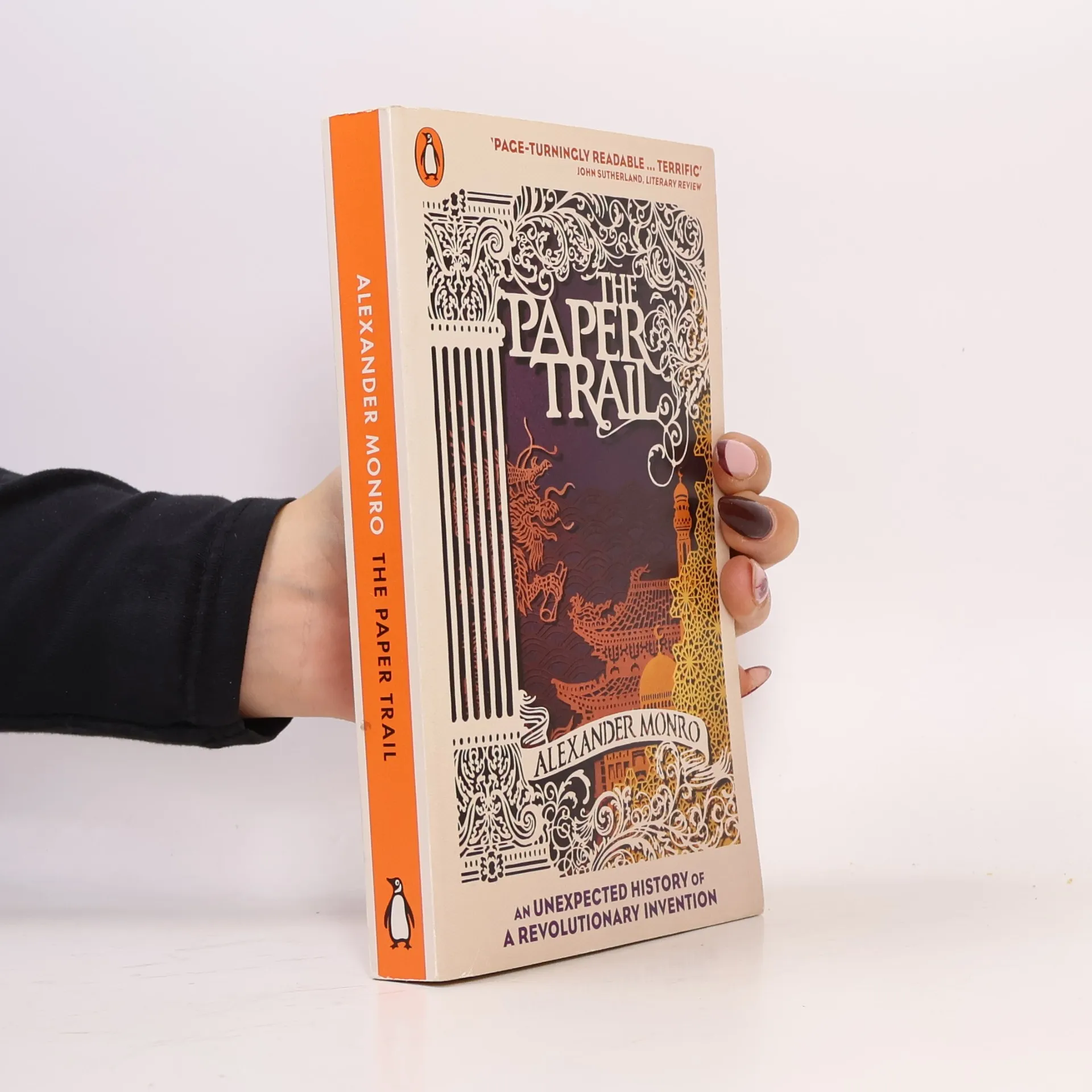
Die faszinierende Kulturgeschichte des PapiersOb Bibel, Gemälde, Kaffeebecher, Toilettenpapier, Pamphlet oder Bestseller, sie alle wären ohne Papier nicht denkbar. Seit vor ungefähr 2000 Jahren im China der Han-Dynastie die Erfolgsstory des Papiers begann, wurde es zum herausragenden Übermittler für Wissen, Ideen und Information – billig, leicht zu transportieren, für jeden erreichbar. Doch geht diese einzigartige Geschichte der Verbreitung von Gedanken, Überzeugungen und Erkenntnissen mit der Digitalisierung zu Ende? Ist das Zeitalter des Papiers vorbei? Alexander Monro folgt den Spuren des Papiers von Asien nach Europa, wo es erst im 13. Jahrhundert ankommt und die Basis schafft für Aufklärung, Veränderung, Bildung. Milliarden Leser halten heute bedrucktes Papier in der Hand, und in vielen Regionen der Erde ist es immer noch das machtvollste Informationsmedium, trotz Radio, Fernsehen, und digitalen Medien.