'Half Bad' by Sally Green is a debut novel about one boy's struggle for survival in a hidden society of witches. You can't read, can't write, but you heal fast, even for a witch. You get sick if you stay indoors after dark. You hate white witches but love Annalise, who is one. You've been kept in a cage since you were 14. All you've got to do is escape and find Mercury, the black witch who eats boys. And do that before your 17th birthday. Easy
EVERYTHING IS CONNECTED Six interlocking lives - one amazing adventure. In a narrative that circles the globe and reaches from the 19th century to a post-apocalyptic future, David Mitchell erases the boundaries of time, genre and language to offer an enthralling vision of humanity's will to power, and where it will lead us.
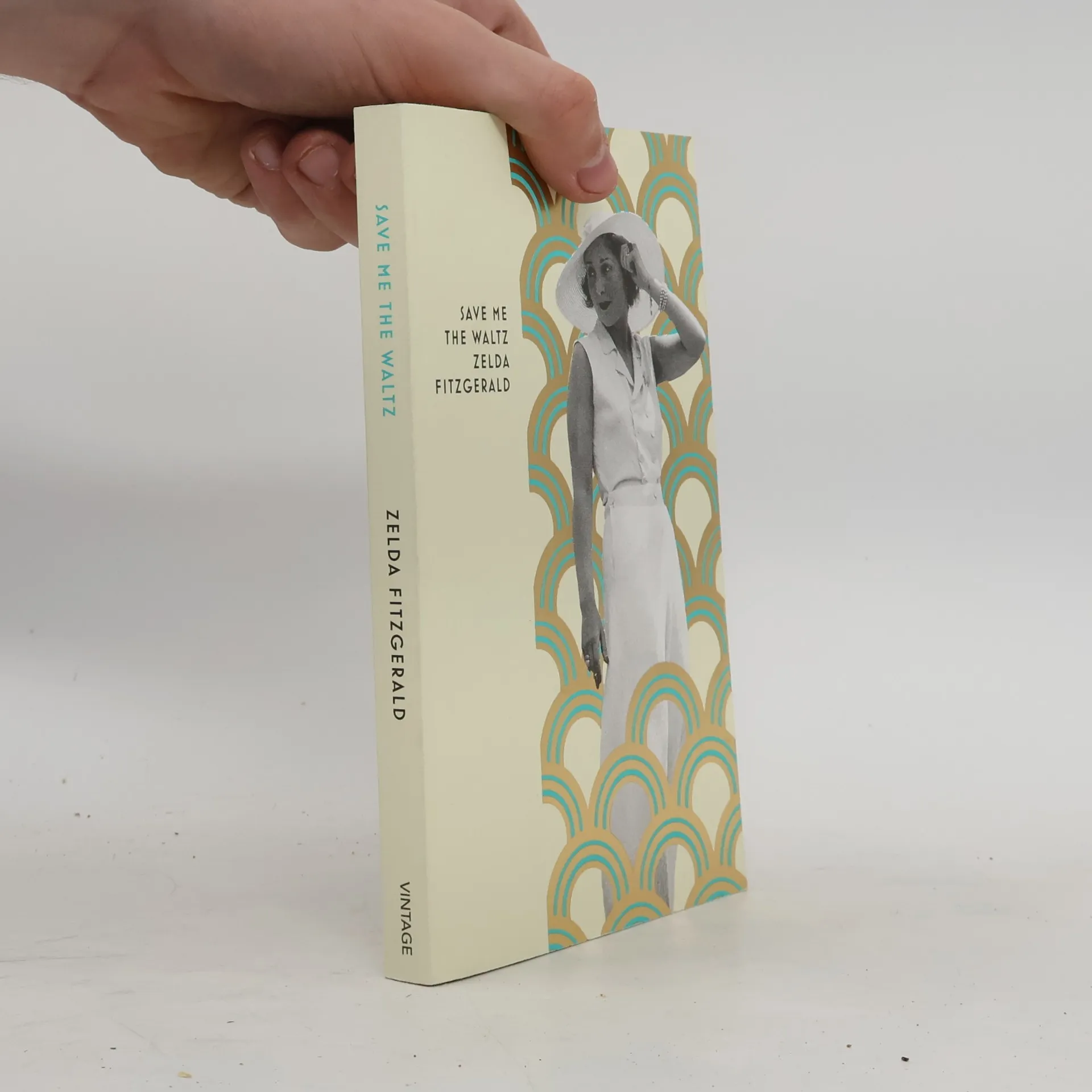
'We couldn't go on indefinitely being swept off our feet' One of the great literary curios of the twentieth century Save Me the Waltz is the first and only novel by the wife of F. Scott Fitzgerald. During the years when Fitzgerald was working on Tender is the Night, Zelda Fitzgerald was preparing her own story, which strangely parallels the narrative of her husband, throwing a fascinating light on Scott Fitzgerald's life and work. In its own right, it is a vivid and moving story- the confessional of a famous glamour girl of the affluent 1920s and an aspiring ballerina which captures the spirit of an era. VINTAGE DECO- Nine blazing, daring novels to celebrate the 1920s - 100 years on.
Lustrini per il regno dei cieli racconta da una angolazione inedita una vicenda notissima, eppure sempre avvolta da mistero, della storia d’Occidente e soprattutto d’Italia. I castrati, o evirati cantori, o soprani eunuchi, secondo le varie terminologie che li definivano, sono più spesso stati raccontati, infatti, per chiave di parodia o caricatura, oppure, il che ha lo stesso impatto, come simboli, fantasmi di un’epoca oscura. Dalle cappelle vaticane, dove incarnarono la cifra della controriforma, interpretando il misterioso "Miserere" di Gregorio Allegri, copiato a memoria da Mozart bambino, sciamarono, insieme al melodramma, per tutta Europa; alcuni di essi furono celebri, celeberrimi, come il proverbiale Farinelli; ma la maggior parte ebbero invece destino d’ombra e disgrazia. Cinque storie, note e ignote, permettono di ricostruire alcuni aspetti di questa vicenda, carica di gloria, ma soprattutto d’onta, che ebbe esito soprattutto nel Belpaese, fino al 1922, quando l’ultimo del genere, Alessandro Moreschi, morì lasciando di sé il nome di «angelo di Roma» e l’unica registrazione che un cantante del suo tipo abbia mai realizzato.
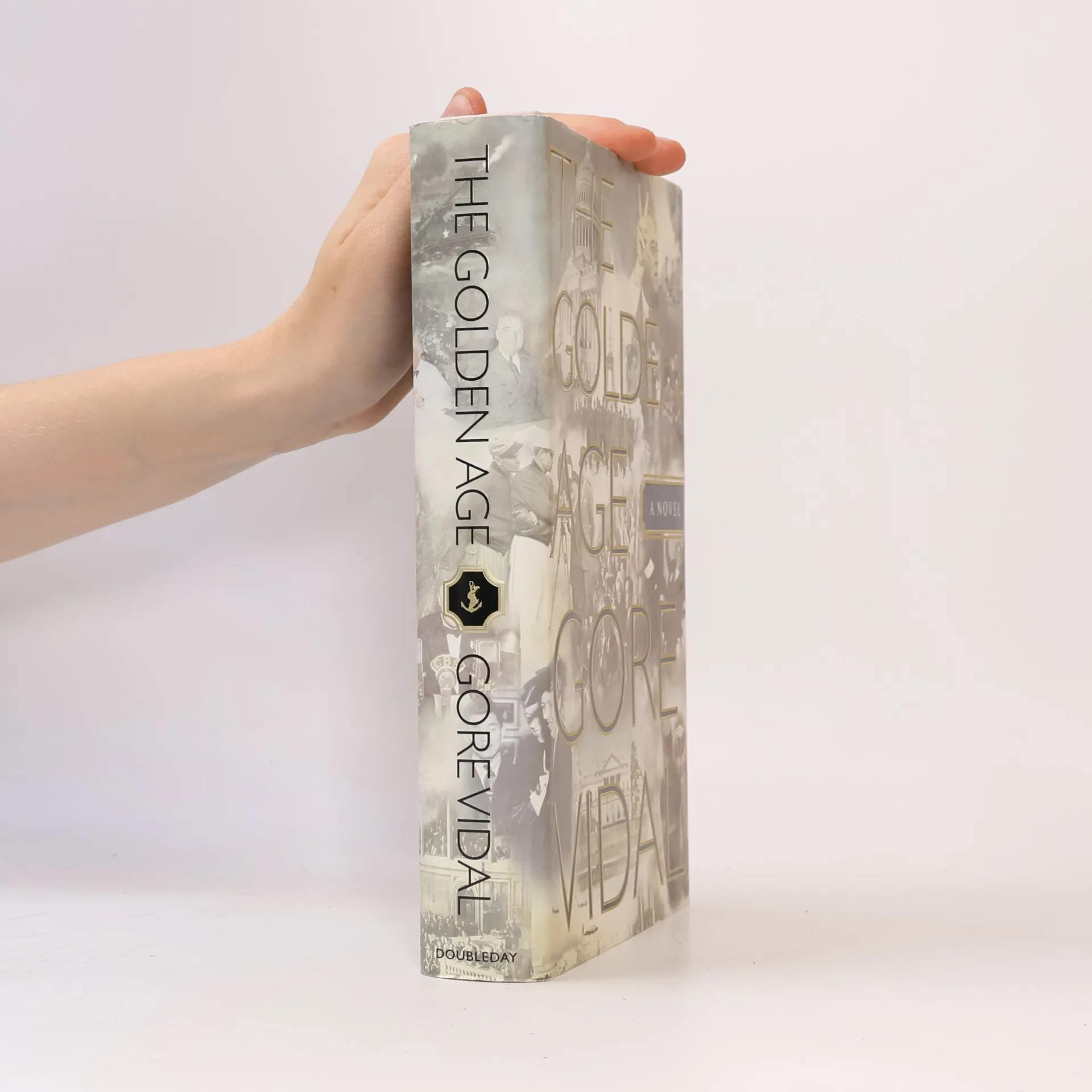
The concluding volume in Gore Vidal's American empire novels presents a vibrant tapestry of American political and cultural life from 1939 to 1954, capturing the transformation of the nation from a republic into an empire amid the tumult of World War Two and the Cold War. Central to the narrative are Caroline Sanford, a D.C. newspaper publisher turned Hollywood producer, and her nephew Peter Sanford, who publishes the independent journal The American Idea. They witness Franklin Roosevelt's skillful efforts to draw a reluctant nation into World War Two, followed by Harry Truman's commitment to a prolonged struggle against Communism. Despite their skepticism about these developments, they observe the emergence of an American global empire. The story unfolds primarily in Washington, D.C., while also highlighting the influential Hollywood film industry and New York's cultural scene. Alongside historical figures such as Eleanor Roosevelt, Harry Hopkins, and Wendell Wilkie, Vidal himself appears vividly in the narrative, enriching the exploration of this pivotal era in American history.