

Explore the latest books of this year!
Bookbot

James K. Galbraith

    January 29, 1952
    Wachstum neu denken
    Entropy Economics
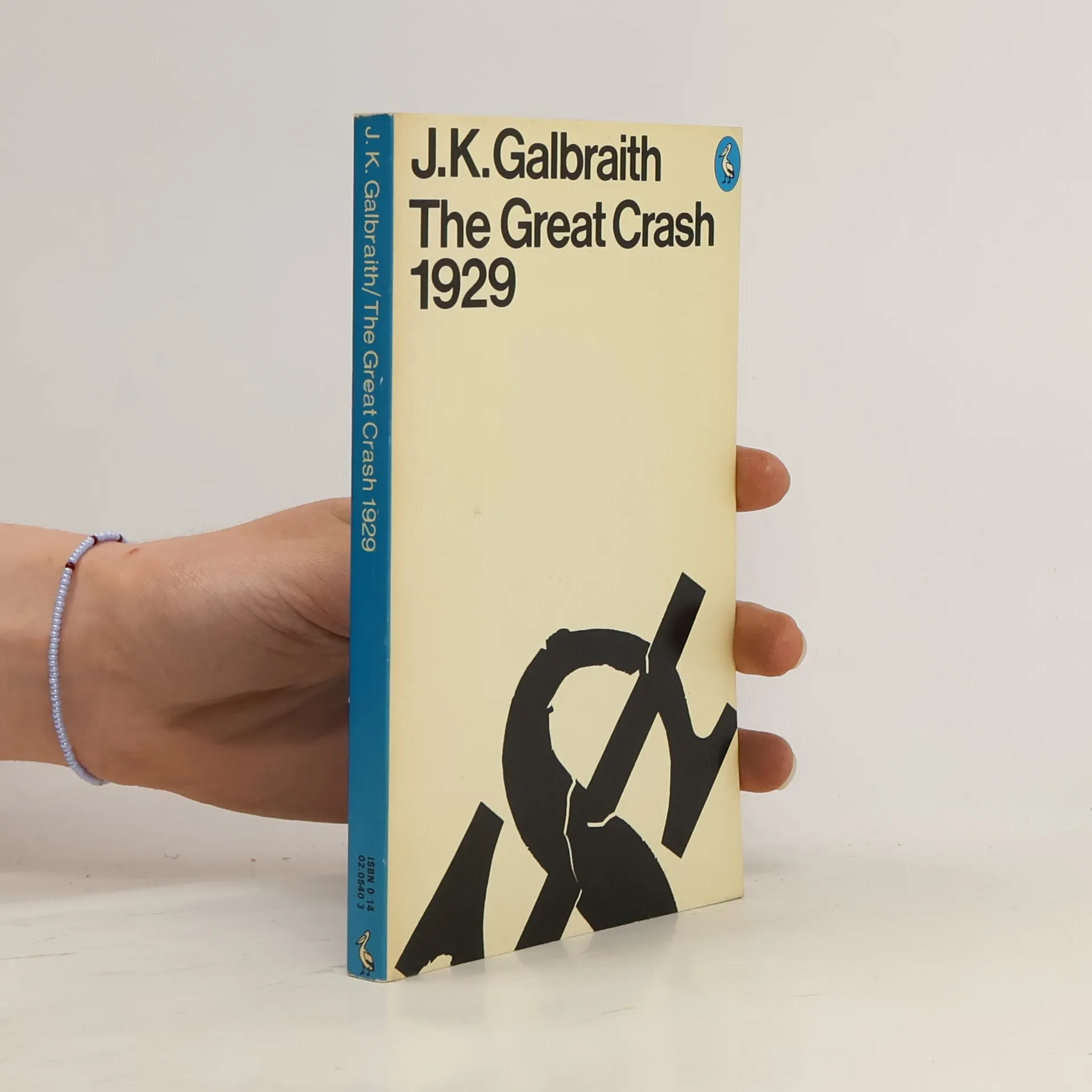
    The Great Crash, 1929
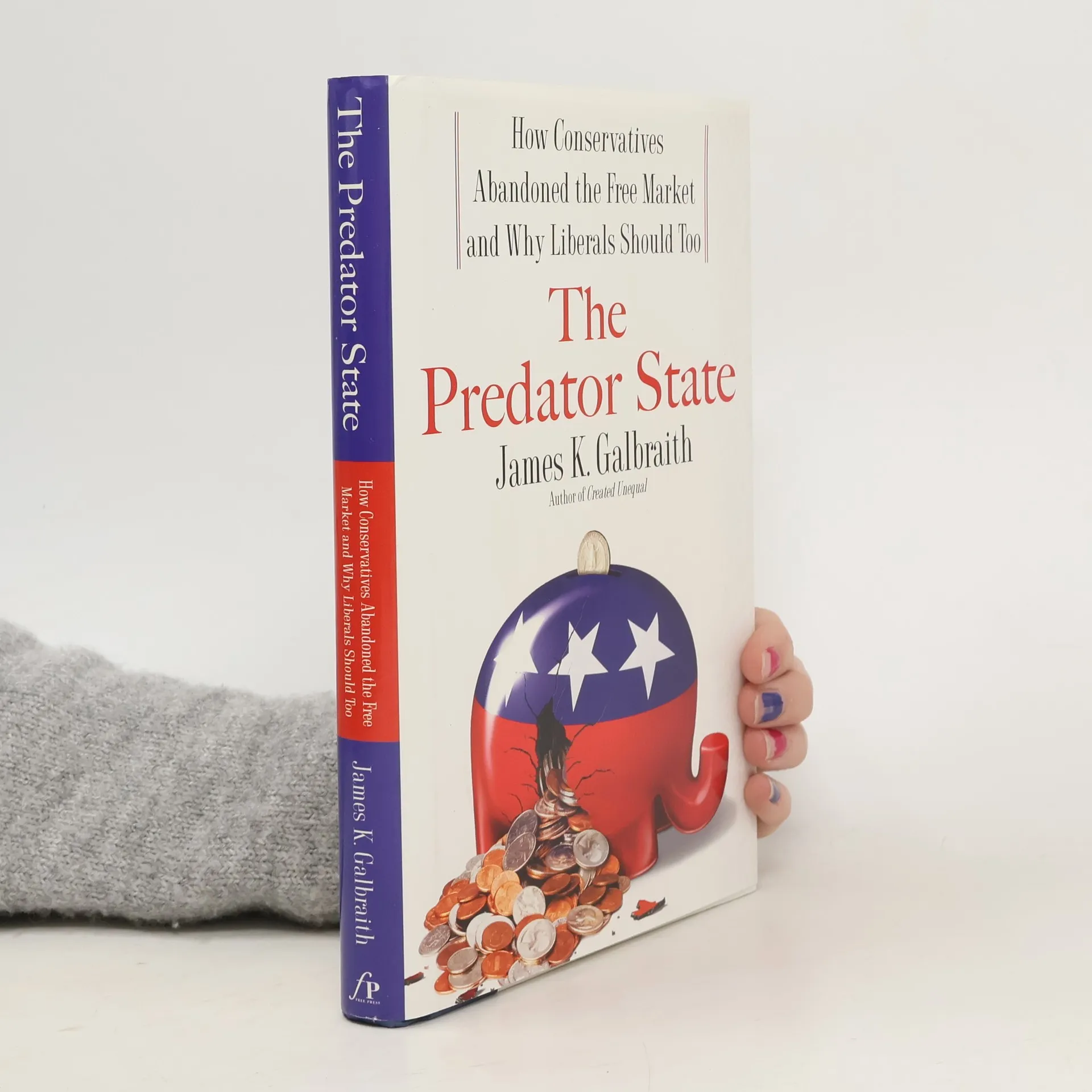
    The Predator State
    • The Predator State

      How Conservatives Abandoned the Free Market and Why Liberals Should Too

      4.0(424)Add rating

      For nearly three decades, Washington has been in the grip of an economic orthodoxy defined by Ronald Reagan and embraced ardently by George W. Bush. It rests on four pillars: 1) Cut taxes on the wealthy, 2) Reduce regulation, 3) Fear inflation above all else, and 4) Insist on free-floating currency rates. Yet mainstream economists have spent much of the past decade examining the results, and declaring them rotten. Supply-side stimulation is a mirage. Deficits matter. Inequality matters. The disasters in Latin America--bread riots in Argentina, inflationary madness in Brazil - and Africa - bankrupt governments and capital flight - were a direct result of the Reagan-Bush agenda. James Galbraith is fed up, and determined to close the gap between what the economists know, and what the politicians ignore. In plain English, the Republican Party has been hijacked by political leaders who long since stopped caring if reality conformed to their message. Galbraith exposes the crumbling pillars one by one, naming names and pulling no punches. If you thought you should vote Republican for the sake of the economy, think again. Here's the "j'accuse" that the Bush economic agenda richly deserves - and a plan for what should replace it.

      The Predator State
    • No account of the financial insanity of 1929 has been issued in a form at once so readable, so humorous, and so carefully authenticated as this classic book. J.K. Galbraith examines the 'gold rush fantasy' in American psychology and describes its dire consequences. The Florida land boom, the operations of Insull, Kreuger and Hatry, and the fabulous Shenandoah Corporation all come together in this penetrating study of concerted human greed and folly. From the cold figures of Wall Street the author wrenches a truly human drama.

      The Great Crash, 1929
    • Entropy Economics

      The Living Basis of Value and Production

      • 248 pages
      • 9 hours of reading

      Challenging traditional economic notions of equilibrium, this book presents a new framework rooted in the principles of entropy and life processes. Authors James K. Galbraith and Jing Chen argue that the ideal market conditions are unrealistic and emphasize the importance of recognizing an unequal, ever-changing world. Their theories address scarcity, monopoly power, and the dynamics of production, while exploring critical issues like trade, finance, and climate change. This innovative perspective aims to provide insights into the complexities of contemporary economic challenges.

      Entropy Economics
    • Wachstum neu denken

      Was die Wirtschaft aus den Krisen lernen muss

      Seit Ausbruch der Finanzkrise 2008 streiten zwei ökonomische Denkschulen, zuletzt im Fall Griechenlands, über die »richtige« Lösung: sparen oder investieren? Beide Ansätze, so James K. Galbraith, sind falsch, denn beide basieren auf der Annahme einer Normalität aus Wachstum und Vollbeschäftigung, in welcher Krisen nur eine temporäre Ausnahme darstellen. In seinem aktuellen Buch setzt der renommierte US-amerikanische Wirtschaftsprofessor die jüngste Finanz- und Schuldenkrise in einen größeren zeitlichen Rahmen – vom Nachkriegsboom über die Dotcom-Blase bis hin zum Immobiliencrash – und zeigt, dass der Wachstumsglaube de facto ein historischer Irrtum ist. Schon längst sind die Ausnahmen die eigentliche Regel. Es ist endgültig an der Zeit, umzudenken, denn eine Rückkehr zur Normalität wird es nicht geben. Wechselhafte und instabile Energiepreise, eine zunehmend unsichere globale Sicherheitslage, der technologische Wandel im Zuge der Digitalisierung und vor allem die Betriebsstörung im internationalen Finanzsystem sorgen für dauerhaft turbulente Verhältnisse. Die globale Wirtschaft und mit ihr die Politik sollten sich auf diese Verhältnisse einstellen und lernen, ihnen klug zu begegnen.

      Wachstum neu denken