
Delving into the ancient European Druids, the book uncovers their unique ability to interpret divine will and examines the archaeological evidence that sheds light on their rituals and beliefs. It offers a fresh perspective on their cultural significance and the mysteries surrounding their practices, inviting readers to understand the enduring legacy of these enigmatic figures.
Miranda Aldhouse-Green Books


Dictionary of Celtic Myth and Legend
- 240 pages
- 9 hours of reading
This dictionary contains entries on aspects of Celtic myth, religion and folklore in Britain and Europe between 500 BC and AD 400. Archaeological research, classical writers and earliest recorded oral traditions provide the reader with an overview of Celtic Lore.
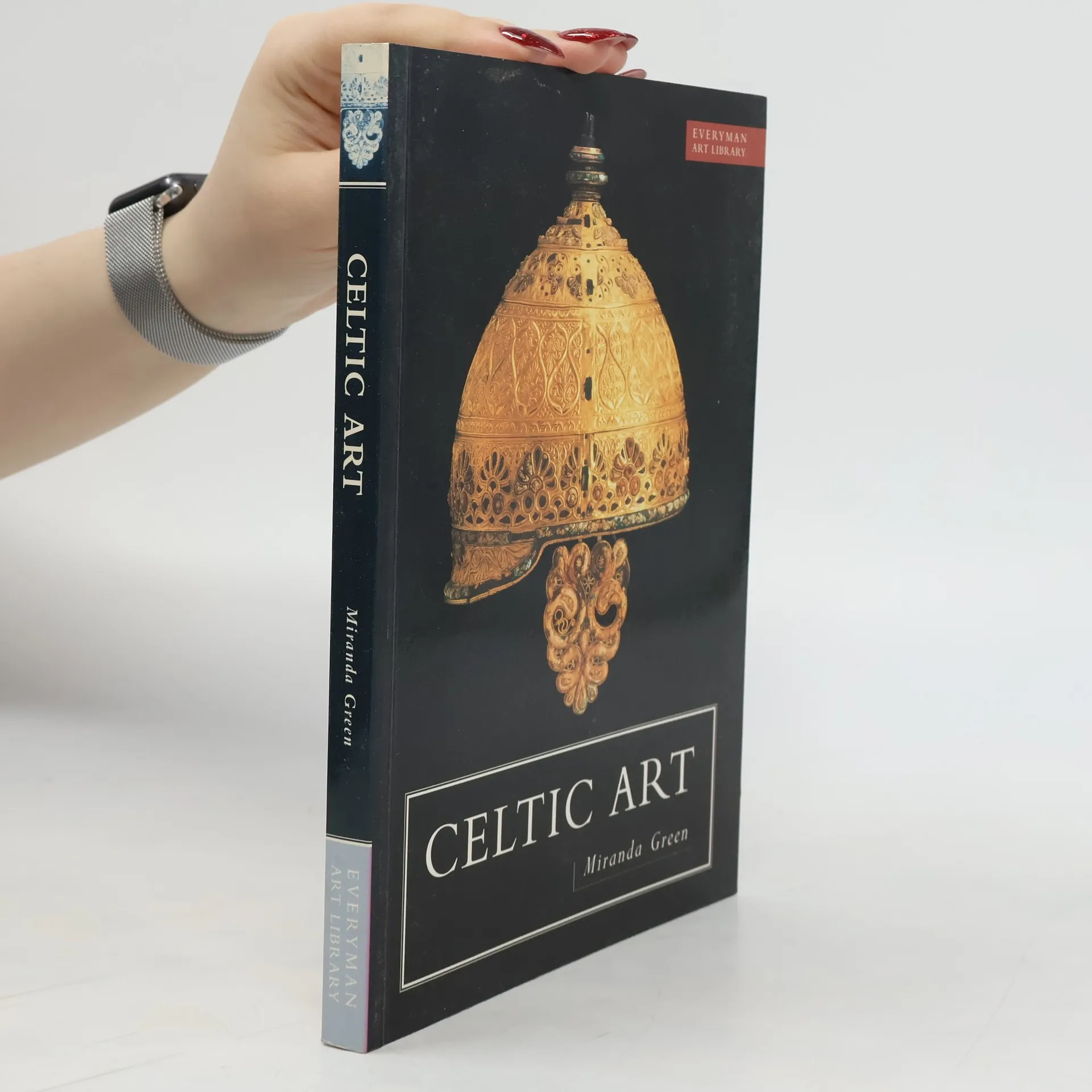
Celtic Art
- 176 pages
- 7 hours of reading
"Green...is a superlative researcher and a clear, often eloquent writer. In this gorgeously-illustrated volume, she approaches Celtic art in terms of what it expresses about Celtic culture's spiritual beliefs and social organization. After an excellent, concise introduction...Green explores class and gender through an examination of jewelry...and reveals a Celtic world in which rich princesses enjoyed wine and song with male counterparts....A fine addition wherever interest in matters Celtic runs high."-- "Booklist. 176 pages, 118 color illus., 6 b/w illus., 6 1/2 x 9 1/4.
Animals in Celtic Life and Myth
- 304 pages
- 11 hours of reading
The book explores the significant role animals played in Celtic society, highlighting their impact on economy, warfare, and spirituality. Miranda Green examines early Celtic texts, archaeological findings, and artistic representations to illustrate the deep connection between humans and animals, including the belief in their divine powers. She emphasizes how animals were revered and integrated into rituals and myths, reflecting their high status and the respect they commanded within Celtic culture.
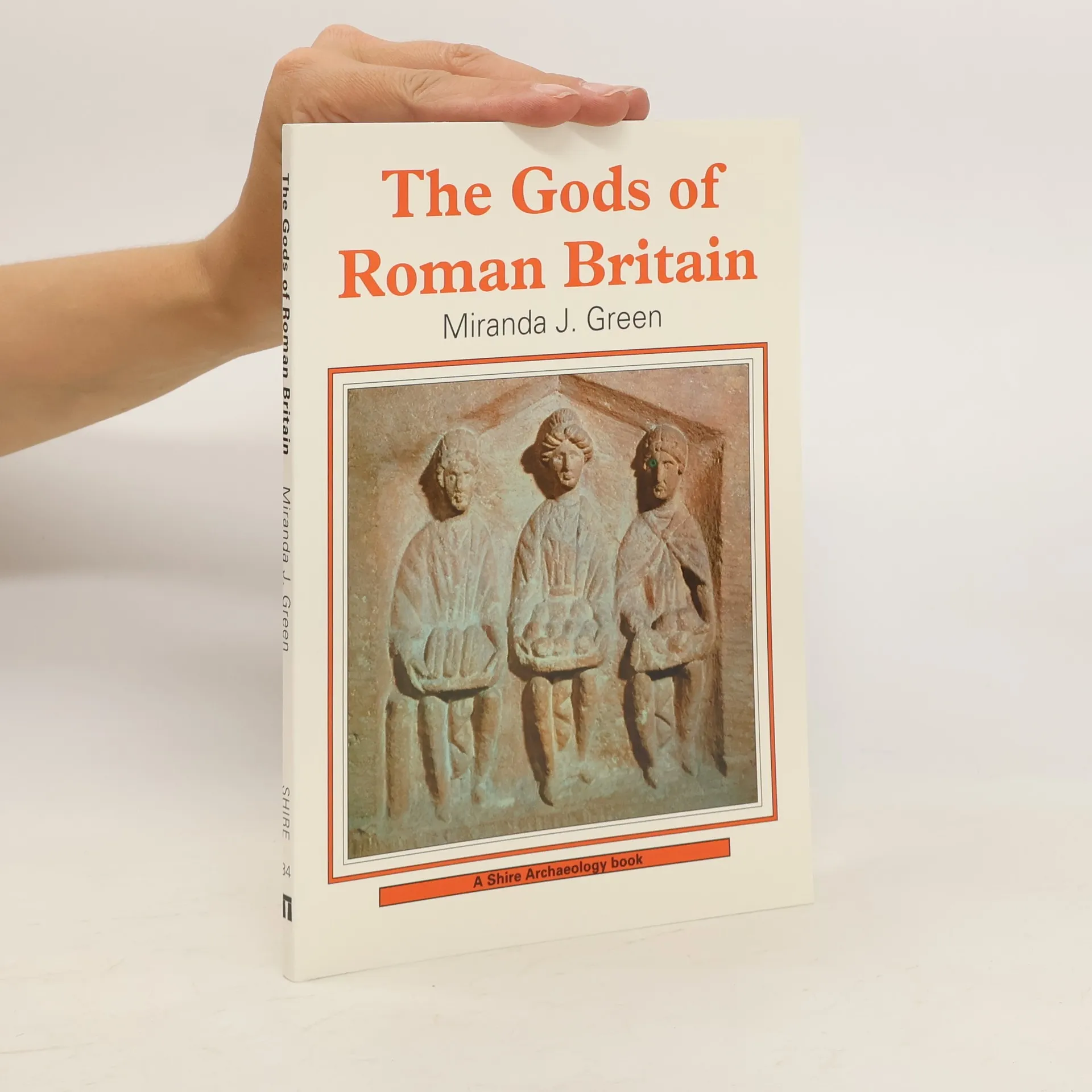
A compelling new account of religion in Roman Britain, weaving together the latest archaeological research and a new analysis of ancient literature to illuminate parallels between past and present Two thousand years ago, the Romans sought to absorb into their empire what they regarded as a remote, almost mythical island on the very edge of the known world―Britain. The expeditions of Julius Caesar and the Claudian invasion of 43 CE, up to the traditional end of Roman Britain in the fifth century CE, brought fundamental and lasting changes to the island. Not least among these was a pantheon of new classical deities and religious systems, along with a clutch of exotic eastern cults, including Christianity. But what homegrown deities, cults, and cosmologies did the Romans encounter in Britain, and how did the British react to the changes? Under Roman rule, the old gods and their adherents were challenged, adopted, adapted, absorbed, and reconfigured. Miranda Aldhouse- Green balances literary, archaeological, and iconographic evidence (and scrutinizes the shortcomings of each) to illuminate the complexity of religion and belief in Roman Britain. She examines the two-way traffic of cultural exchange and the interplay between imported and indigenous factions to reveal how this period on the cusp between prehistory and history knew many of the same tensions, ideologies, and issues of identity still relevant today. 110 illustrations
The Gods of Roman Britain
- 76 pages
- 3 hours of reading
An examination of the religious beliefs of the people of the Roman province of Britain, from the Celtic background to the composite religion which eventually emerged.
Exploring the world of the Druids
- 192 pages
- 7 hours of reading
In this authoritative account, Miranda Green unravels the truth about the Druids. Examining the archaeological evidence, Classical commentaries and early Welsh and Irish myths, she shows that the Druids were fully integrated into Celtic societyfulfilling varied and necessary roles, both secular and religious. The Roman writers are seen to reflect the double standards of an invading society: condemning as barbaric the public sacrifice of enemies by the Druids while accepting as civilized their own practice of slaughter for sport in the arena. Yet the Classical sources can be used to help reveal the real Druids. We learn of their multiple roles as judges, teachers, healers, magicians, philosophers, religious leaders and fomenters of rebellion
The Other Woman
- 448 pages
- 16 hours of reading
Ellie and Dan are living proof that opposites attract. He always follows instructions and she throws the manual away. He loves sports whereas Ellie's allergic to any form of exercise. Ellie doesn't have a mother. And Dan does - a mother who wants to take over... EVERYTHING. At first Ellie is thrilled to have Linda as her 'adopted'mother and to be a part of the close, loving Cooper family. But when she and Dan decide to get married and wedding plans progress, she starts to wonder: is it normal for Linda and Dan to speak on the phone twice a day? How on earth do they come to be having a reception with Chilean bloody seabass and humongous bloody white ribbons tied everywhere when all she wanted was a quiet registry office? In fact, is she marrying Dan...OR HIS MOTHER? And Ellie's problems have just begun. When she discovers she's pregnant she realises that Linda's only been rehearsing for the real takeover. She seems to want to live her life through Ellie and in the words of the immortal Princess Diana, there are three of them in the marriage...
This is a fascinating book about the Celts and their religion, which covers all aspects of the gods, ritual customs, cult-objects and sacred places of the ancient Celtic peoples.
The Celtic Myths
- 207 pages
- 8 hours of reading
As well as vividly exploring the tales, the author brings her expertise in the archaeology of the Iron Age and particularly shamanism to bear on the mythical worlds she describes, with evidence as diverse as the Gundestrup Cauldron and the famous bog bodies. She also asks how the myths survived the Christianization of Europe.