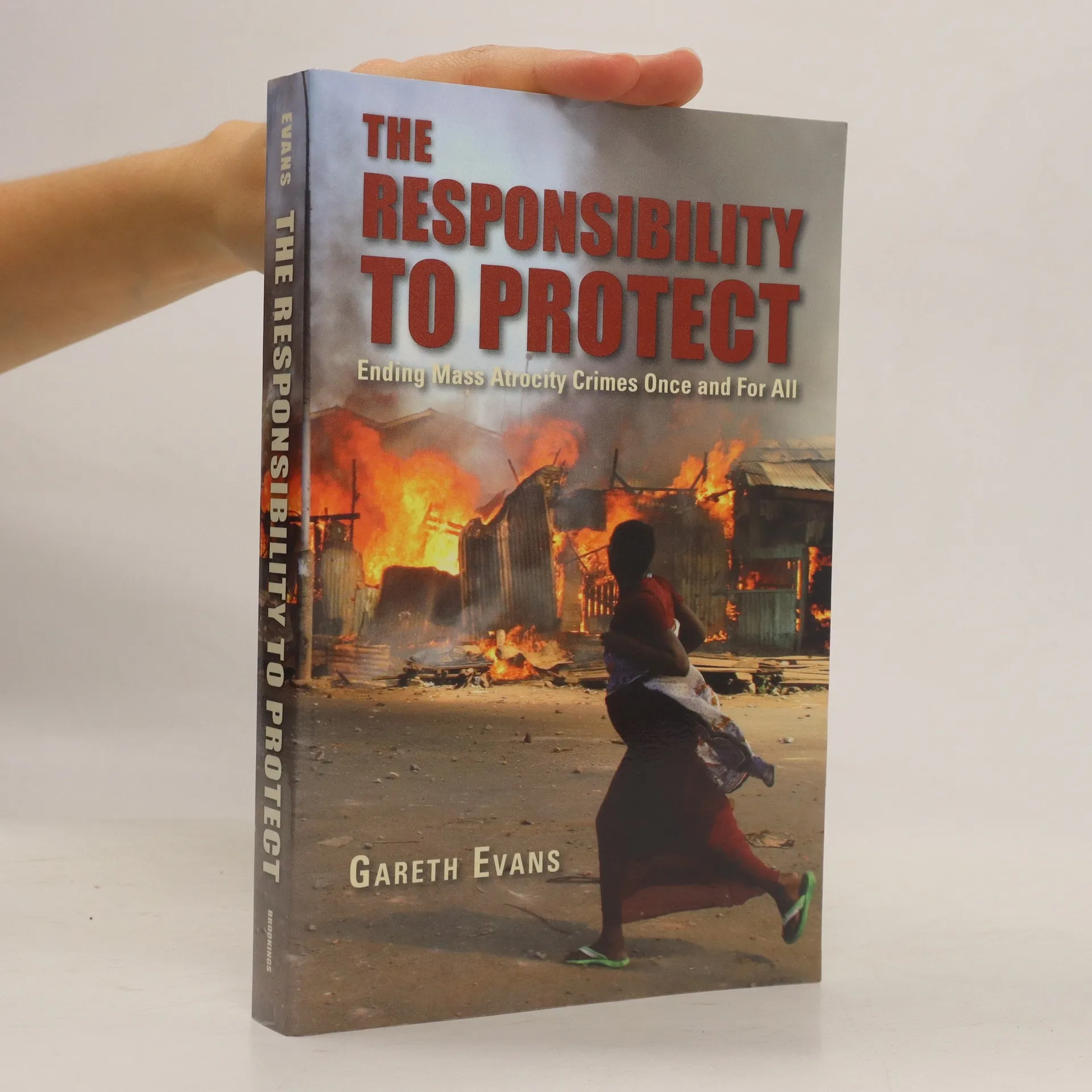
"Explains Responsibility to Protect (R2P), a new international norm to protect the peoples of the world. With real-world examples, current events analysis, and assessments from personal experience, shows how R2P is better equipped to end mass atrocity crimes than is "the right to intervene" or other "humanitarian intervention" doctrines"--Provided by publisher.
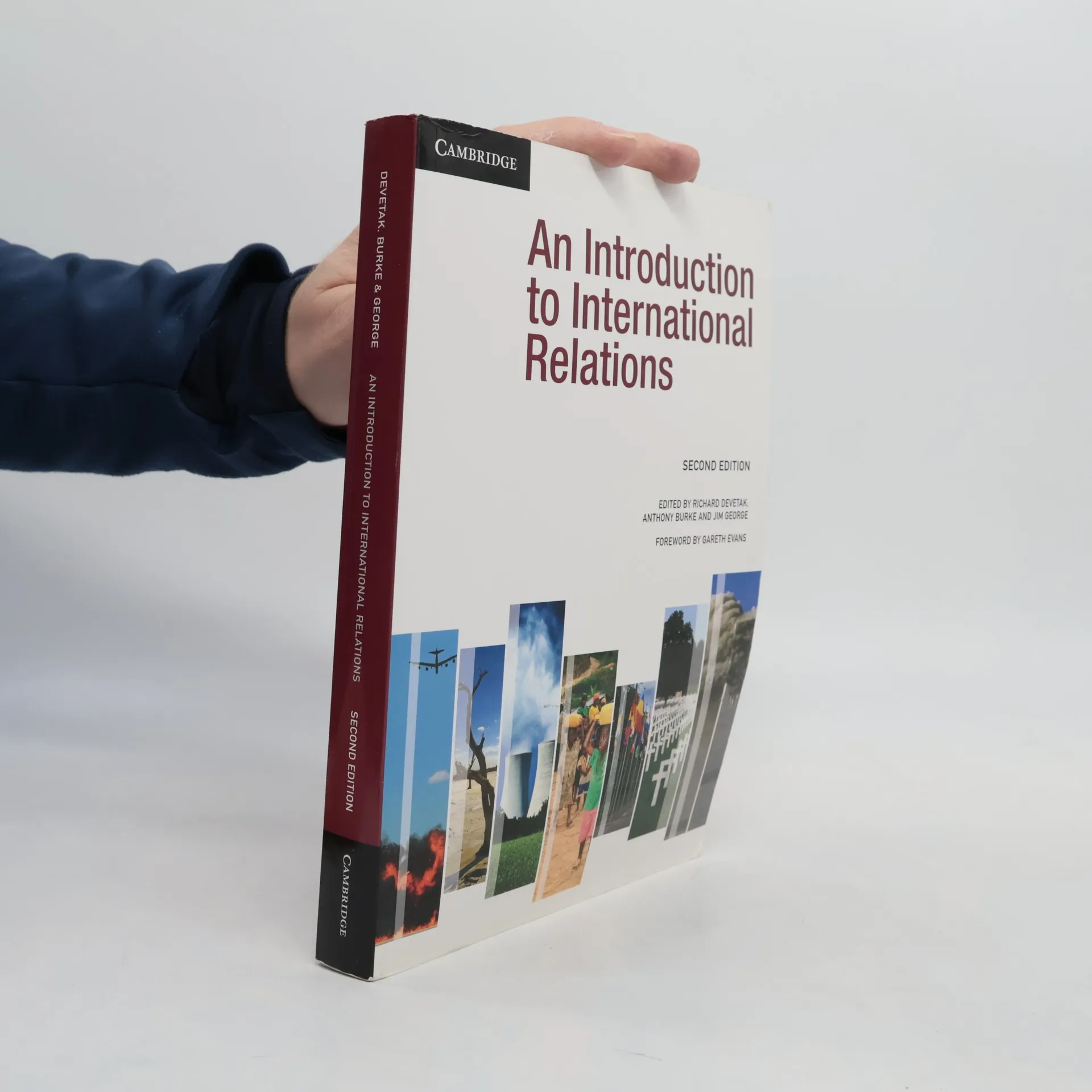
Invaluable to students and those approaching the subject for the first time, An Introduction to International Relations, Second Edition provides a comprehensive and stimulating introduction to international relations, its traditions and its changing nature in an era of globalisation. Thoroughly revised and updated, it features chapters written bcoury a range of experts from around the world. It presents a global perspective on the theories, history, developments and debates that shape this dynamic discipline and contemporary world politics. Now in full-colour and accompanied by a password-protected companion website featuring additional chapters and case studies, this is the indispensible guide to the study of international relations.
'honest, and provides a framework against which to judge foreign policy actions and achievements' Cameron Forbes, Age 'It will stand for the thoughtful Asian as the major document of Australia's credentials for regional partnership . . . a dossier of almost everything you need to know about contemporary Australian foreign policy.' Professor Stephen Fitzgerald, Director, Asia-Australia Institute Australia's Foreign Relations is the most rigorous, lively and comprehensive 'insider' account ever written about the shape and direction of Australian foreign policy. This thoroughly revised edition keeps it fully abreast of a changing world. This book is indispensable for anyone who follows current affairs. Its contents range from a concise analysis of the practice and politics of making foreign policy-what it is that diplomats and foreign ministers do-to the exploration of Australia's relationships, as a middle power, with all regions of the world. Among the many subjects covered is the new internationalist agenda, from human rights and global environmental issues to arms control. Australia's Foreign Relations will be equally valuable for students of politics, history, international relations and economics-for, as the authors stress, foreign policy and Australia's economic fortunes are now inextricably linked.
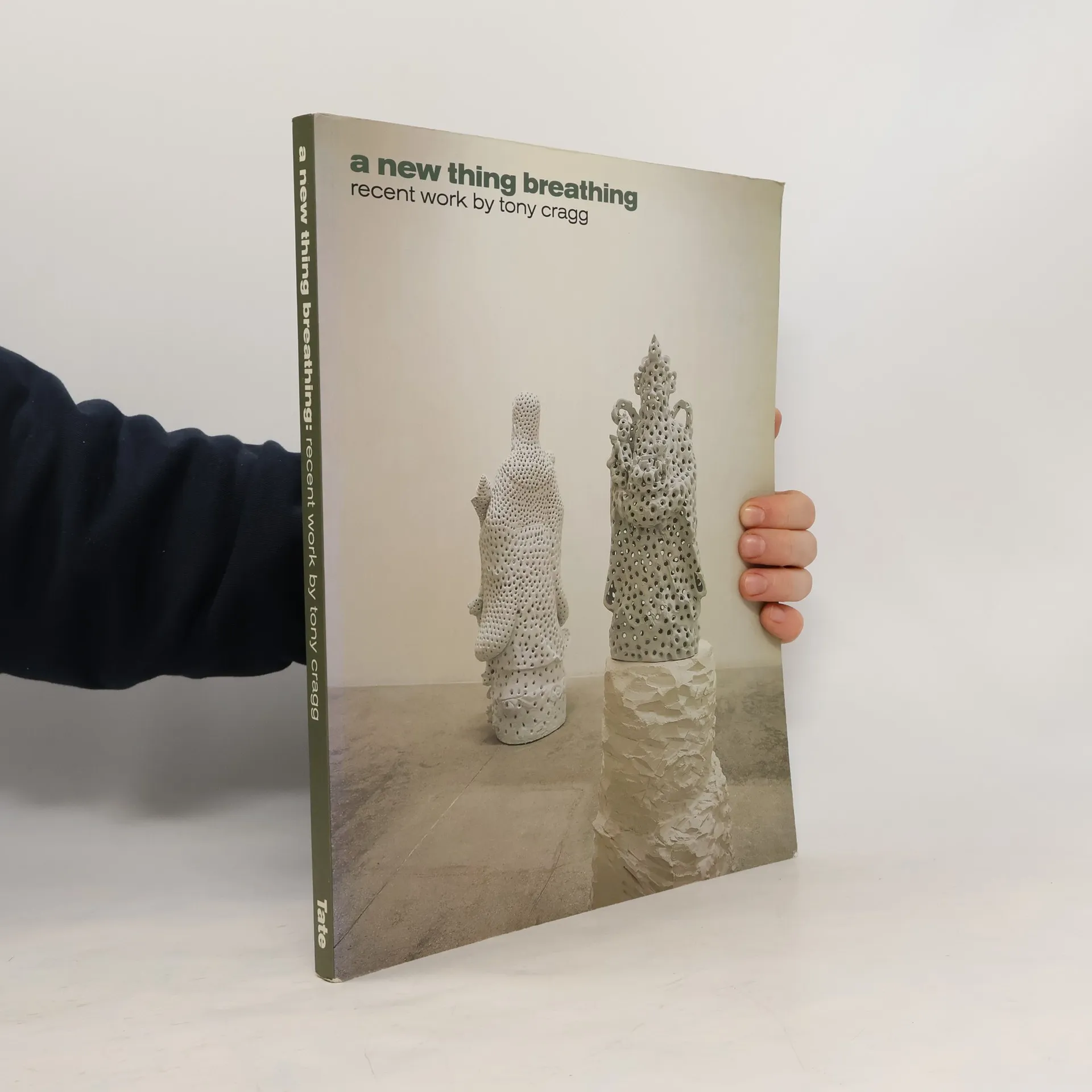
Born in Liverpool in 1949, Tony Cragg is one of a group of young British sculptors who came to the fore in the early 1980s and went on to achieve significant international acclaim. This book includes sculptures, drawings, and graphic works by Cragg. He is constantly weaving new ideas into his work, a creative urge that is closely linked to his use of a wide variety of materials. His explorations in new materials continue -- most recently, a body of work in carbon fiber/Teflar. An anthology of quotations from Cragg's own writings and others elucidate the relationships between concept, form, and material in his work. Tony Cragg lives and works in Wuppertal, Germany.
Gareth Evans, einer der brillantesten Philosophen seiner Generation, starb 1980 im Alter von nur 34 Jahren. In seinem unvollendeten Meisterwerk Die Vielfalt der Referenz entwickelt Evans im Ausgang von Frege und Russell eine Theorie des Bezugs und der Bezugnahme im Rahmen einer umfassenderen Theorie des Verstehens und Denkens. John McDowell hat das Manuskript nach Evans' Tod für die Publikation vorbereitet und mit einem Vorwort versehen. Nun ist es erstmals in deutscher Übersetzung zu entdecken: ein Meilenstein der jüngeren Philosophiegeschichte!