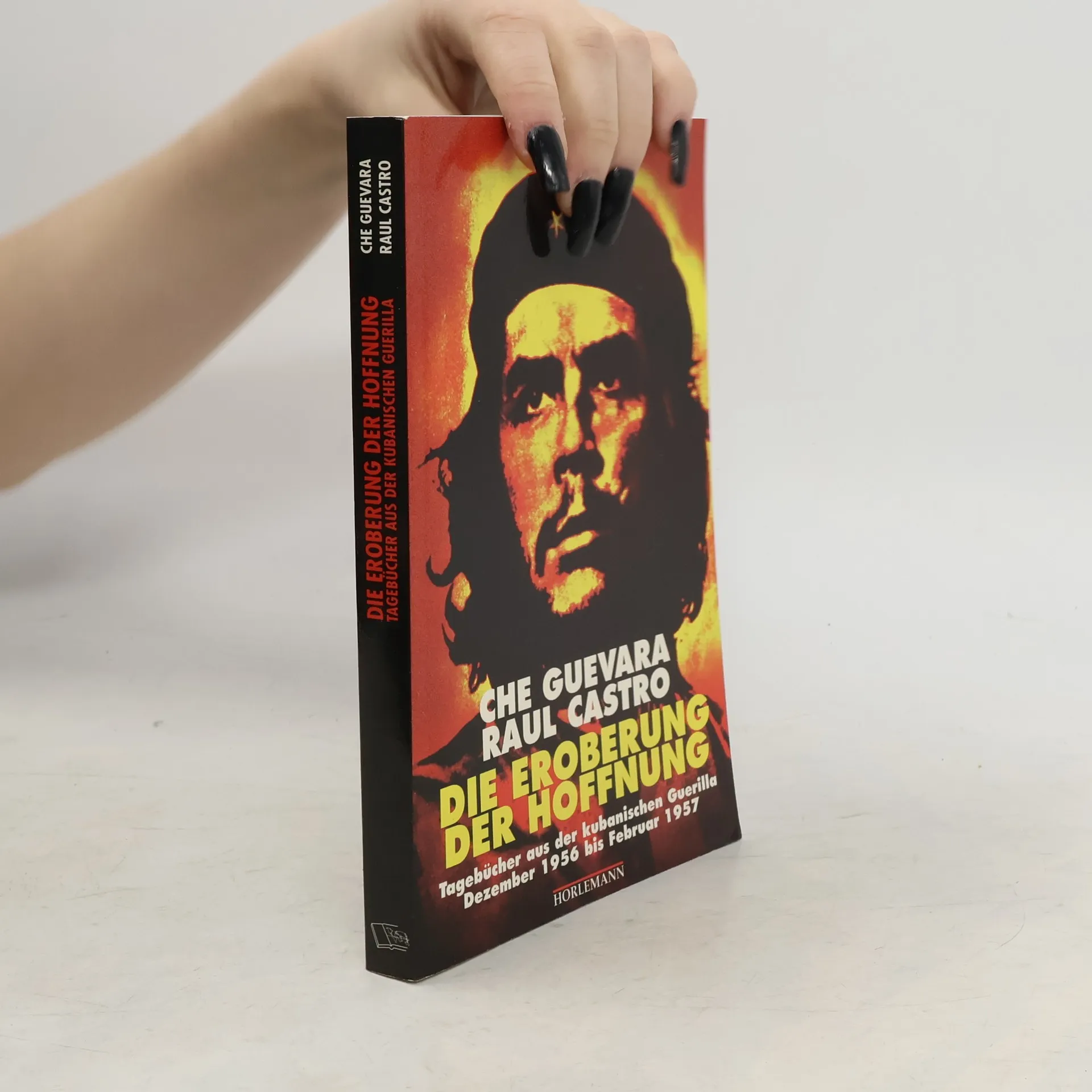
Explore the latest books of this year!
Bookbot

Che Guevara

    June 14, 1928 – October 9, 1967

    Ernesto "Che" Guevara was a Marxist revolutionary and intellectual whose life and thought profoundly influenced 20th-century political and cultural currents. Driven by a belief in the necessity of world revolution, he championed social reforms and became involved in armed struggles to overthrow oppressive regimes. Guevara played a pivotal role in the Cuban Revolution and, following its success, sought to foment revolutionary movements elsewhere. His legacy remains a subject of fervent debate, with his iconic image becoming a global symbol of resistance and idealism.

    Che Guevara
    Socialism and Man in Cuba
    Global Justice
    I Embrace You With All My Revolutionary Fervor
    Episodes of the Revolutionary War
    Self-portrait : Che Guevara
    Che Guevara
    • Che Guevara

      • 192 pages
      • 7 hours of reading

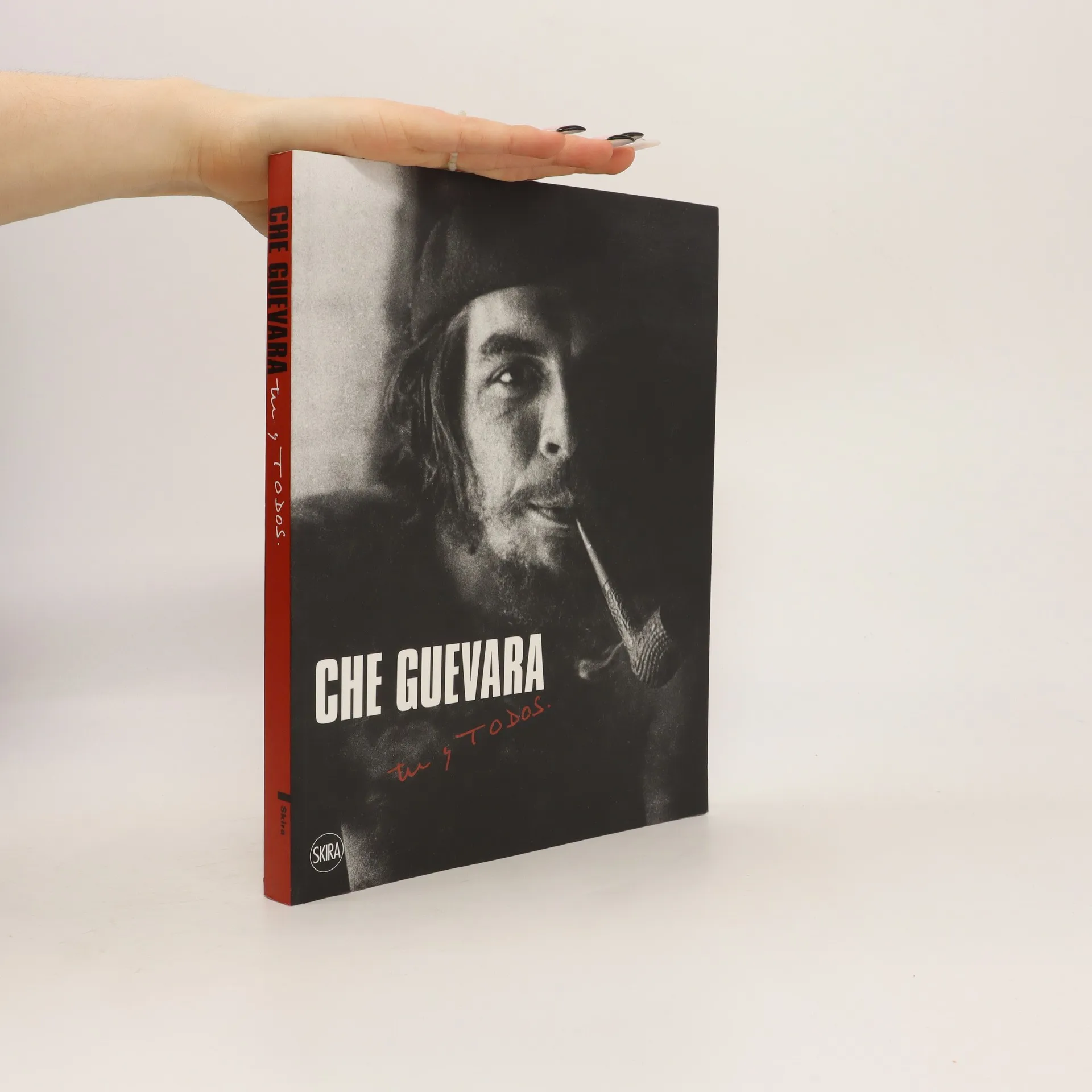
      Che Guevera in his own words: an intimate portrait of the Marxist revolutionary Fifty years after his death, this book tells the story of the Marxist revolutionary Ernesto "Che" Guevara (1928-67)--exploring his legacy as a historical figure, but also encountering him as a human being. Taking its subtitle Tú y Todos from the title of a poem Guevara wrote for his wife before leaving Argentina for Bolivia, the publication aims to rediscover the man behind the iconic revolutionary image, restoring Guevara's story to its more human and historical dimensions. To do so, the book interweaves the geopolitical, the biographical and the personal, mixing different narrative tones and sources--from journalistic narration to the most intimate diary entries. Numerous original archival materials sketch how Guevara's private and public experiences helped develop his ideas about education, foreign policy and economics, his sense of revolution and his hope in the "New Man." Official speeches share space with Guevara's diaries, letters to friends and family and his poems dedicated to his wife, Aleida, a more personal register in which doubts, contradictions and reflections emerge. Che Guevara: Tú y Todos offers an intimate portrait of a figure who has shaped the modern world and captured the imagination of generations. It is the story of Ernesto Guevara, El Che, in his own words.
      Che Guevara
      5.0
    • Self-portrait : Che Guevara

      • 305 pages
      • 11 hours of reading

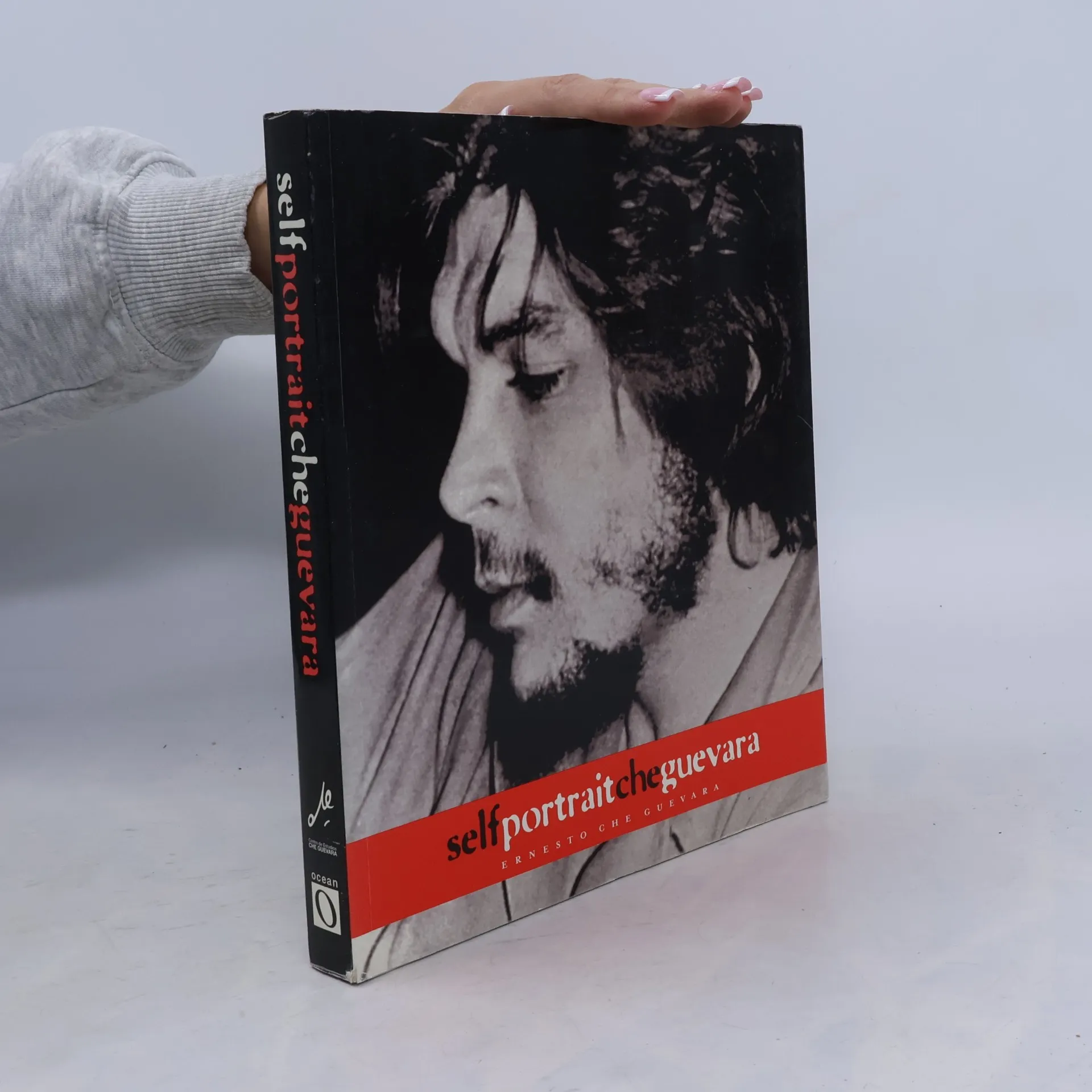
      A PHOTOGRAPHIC AND LITERARY MEMOIR At last, Che in his own words, beyond the icon! Discover the personal side of the legendary Che Guevara in this photographic and literary memoir that includes unpublished short stories, letters and poems written to his family, as well as photos from the Guevara family album, showing a surprisingly sensitive and artistic side to a man often seen as a hard-line revolutionary. Unique among the many books about Che Guevara, this self-portrait reveals his remarkable candor, irony, dry wit, and, above all, his passion. Edited by prominent Latin American poet and intellectual Victor Casaus, with the assistance of Che’s children and widow (Aleida March). "Che was the most complete human being of our age."—Jean-Paul Sartre "This beautiful, enlightening volume humanizes Che." —RAIN TAXI

      Self-portrait : Che Guevara
      4.4
    • Episodes of the Revolutionary War

      • 144 pages
      • 6 hours of reading

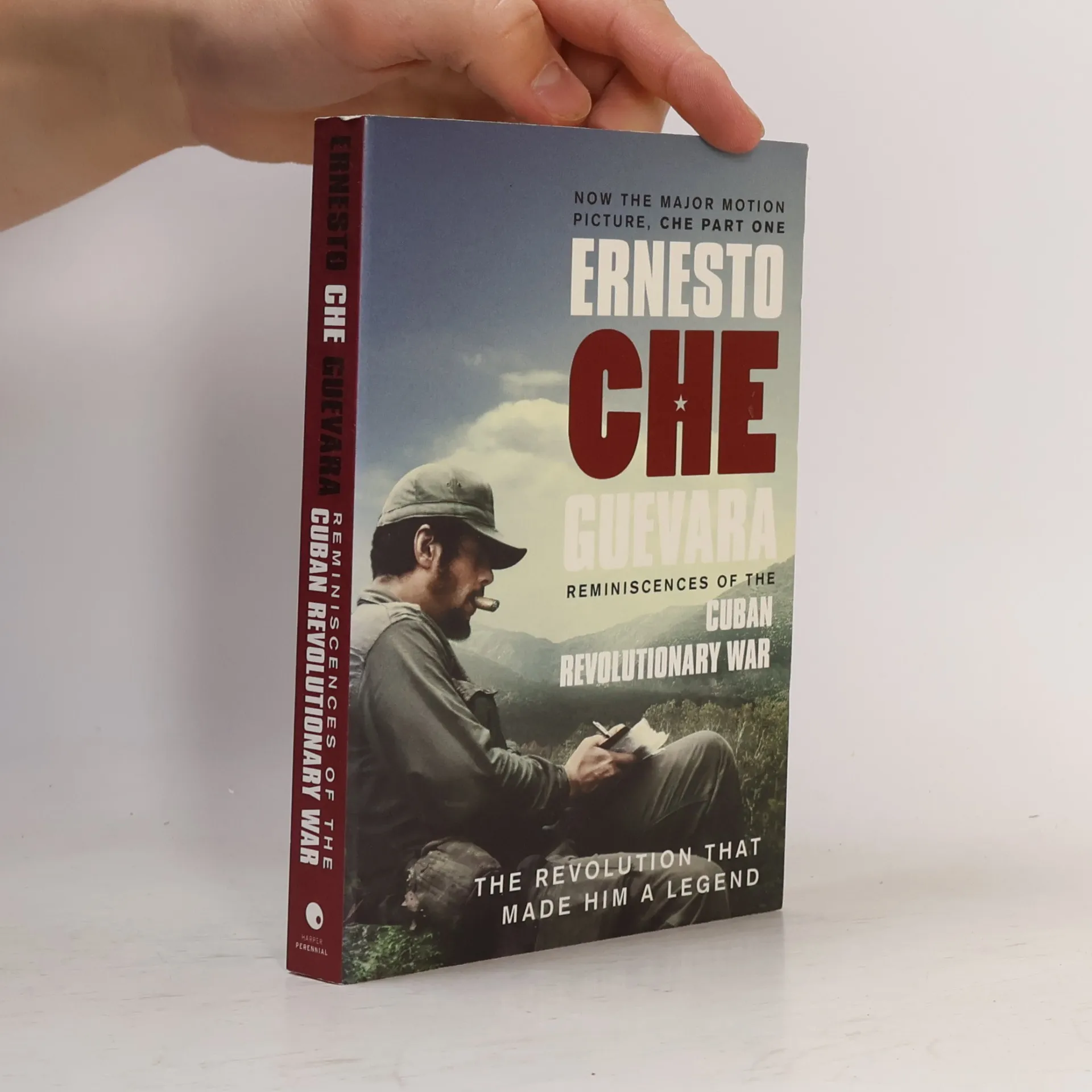
      THE BASIS OF THE MOVIE “ PART ONE” FROM STEVEN SODERBERGH STARRING BENICIO DEL TORO The dramatic art and acute perceptiveness evident in Che Guevara’s early diaries fully blossom in this highly readable and often entertaining account of the guerrilla war that led to the 1959 Cuban Revolution. Reminiscences is one of the two books for Steven Soderbergh’s biopic (along with The Bolivian Diary ). Feature chapters describe Che’s first meeting with Fidel in Mexico, the mythical moment when Che had to choose between a knapsack of medicine and another of ammunition, and the anguished story of the murdered puppy. This new, thoroughly revised edition includes for the first time corrections made to the diary by Che himself and a preface by his daughter Aleida .  “Reflects the life of an extraordinary and important man.”— Library Journal “When Che Guevara cast his lot with Marxism and revolution the world of letters suffered an incalculable loss. Guevara is a brilliant, thoughtful writer. He is lucid, candid and revealing.”— The Cleveland Press     Features of this new edition  
      Episodes of the Revolutionary War
      4.5
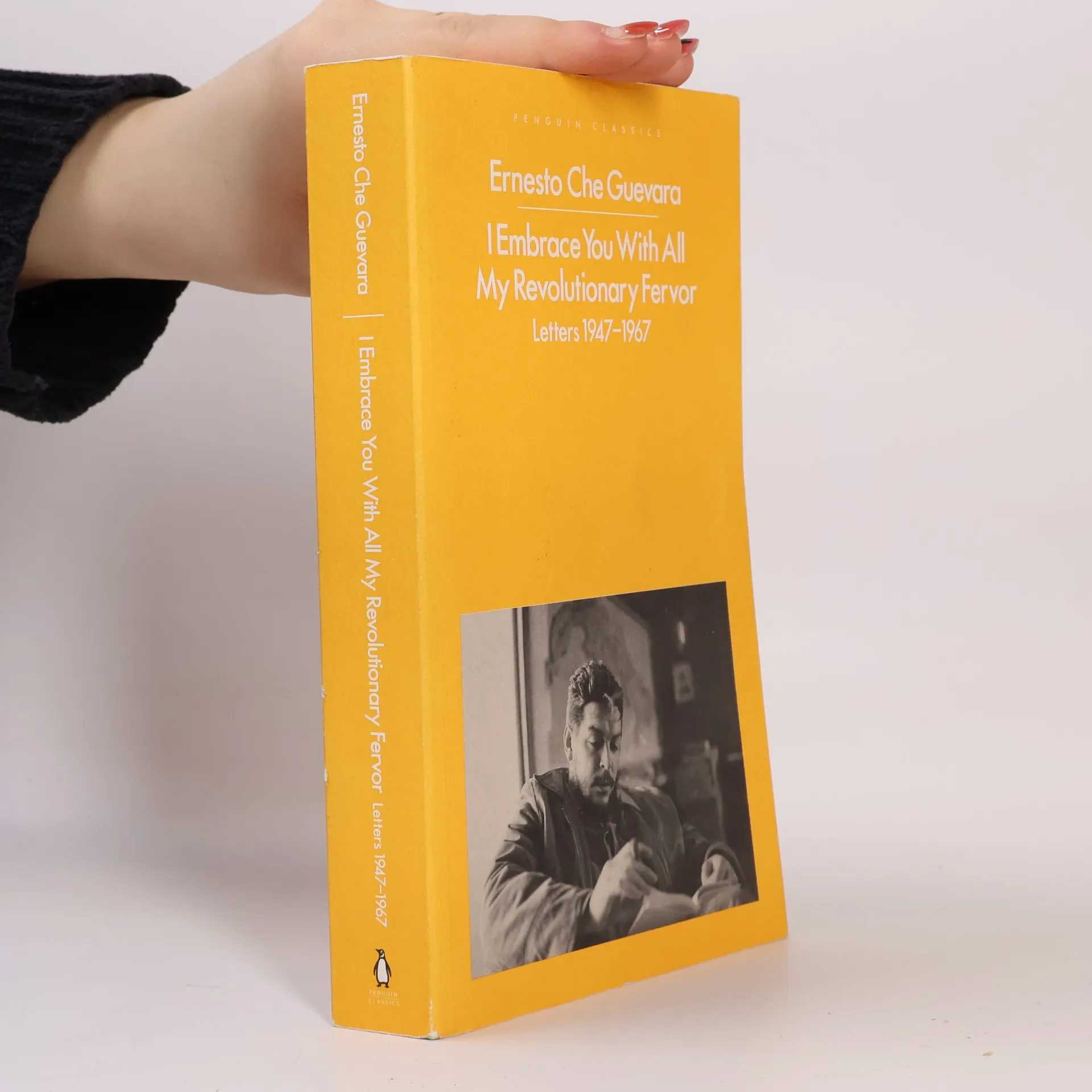
    • A new selection of the letters of Che Guevera, from birth to death, many released for the very first time Che Guevara was an inveterate letter writer and diarist throughout his short but extraordinary life. His letters and diaries are those of a master narrator, characterized by a brutal honesty, a remarkable lack of ego, a razor-sharp wit, an iron will and a great capacity to express his love and affection for his closest friends and family. This selection of Che Guevara's correspondence, beginning with letters penned in his early travels around Latin America as a medical student, shows how he polished his unique style over the years. This selection maps the emergence of a dedicated revolutionary and original political thinker from the wide-eyed young Argentine who set out to discover Latin America. Covering the entirety of Che's life, from his famous motorcycle journey around South America to the Cuban Revolutionary War, from the setting-up of the pioneering communist state of Cuba to his revolutionary travels to the Congo and Bolivia. But it also reveals a more intimate, personal side to Che, including his letters to his mother, wife and children. In one of his last letters to his young children, Che advised them to 'always be capable of feeling deeply any injustice committed against anyone, anywhere in the world. This is the most beautiful quality in a revolutionary.'

      I Embrace You With All My Revolutionary Fervor
      4.3
    • Global Justice

      • 96 pages
      • 4 hours of reading

      Three speeches on corporate globalism and imperialism by one of the most widely known guerilla fighters, political theorists, and organizers, Che Guevara. In this collection of three speeches, Ernesto Che Guevara offers a revolutionary view of a world in which human solidarity and understanding replace imperialist aggression and exploitation. First, in a sharp speech given in Algeria on February 24, 1965 at the Afro-Asia Economic Seminar, Che speaks about the nature of capitalism and the revolutionary struggle that would open the way for a new, socialist society. Guevara's 1965 essay, "Socialism and Man in Cuba," is a milestone in twentieth-century emancipatory social thought. Finally, “Message to the Tricontinental” is one of Che’s more well-known works, which outlines the tactics and strategies that should be followed in revolutionary struggle. This collection of writings merges Che's philosophy, politics, and economics in his all encompassing, coherent revolutionary vision. His ideas and his struggle strike a chord in the current search for global justice.

      Global Justice
      4.5
    • Socialism and Man in Cuba

      • 66 pages
      • 3 hours of reading

      Drawing on his experience as a central leader of the Cuban Revolution, Guevara explains why the revolutionary transformation of social relations necessarily involves the transformation of the working people organizing and leading that process. "To build communism it is necessary, simultaneous with the new material foundations, to build the new man." Includes Castro's 1987 speech on the 20th anniversary of Guevara's death.Photos. Now with index and enlarged type.

      Socialism and Man in Cuba
      4.2
    • Congo Diary

      • 272 pages
      • 10 hours of reading

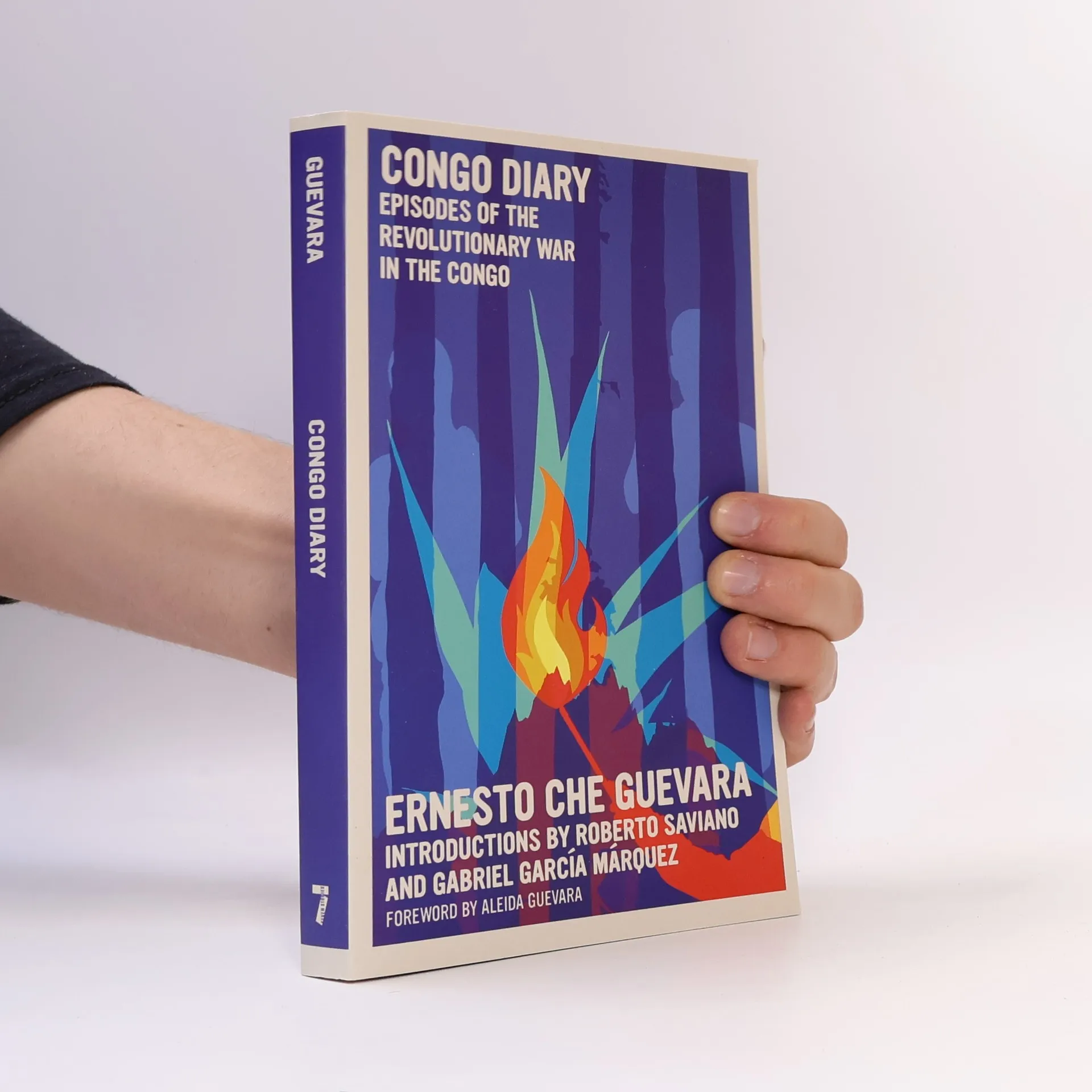
      Ernesto Che Guevara's diary of his revolutionary struggle in Congo alongside Cuban guerrillas. In April 1965, Che Guevara set out clandestinely from Havana to Congo to head a force of some 200 veteran Cuban soldiers to assist the African liberation movement against Belgian colonialists, four years after the assassination of the democratically elected socialist president of Congo, Patrice Lumumba. This diary deals with what Che admits was a "failure," and he examines every painful detail about what went wrong in order to draw constructive lessons for planned future guerrilla movements. Unique among his books, Congo Diary gives us Che's brutal honesty and his story-telling ability as he recounts this fascinating episode of guerrilla warfare unblinkingly and without sugar coating or jargon. Considered by some to be Che's best book, it is also one of the few that he had a chance to edit for publication after writing it.

      Congo Diary
      4.2
    • Our America And Theirs

      • 119 pages
      • 5 hours of reading

      To check the spread of revolution in Latin America in 1961, Kennedy proposed the Alliance for Progress—a program for free trade and development in the Americas. Che Guevara , described by Time magazine as “Cuba’s scraggle-bearded economic czar,” condemned the plan as a new strategy to subjugate the continent to U.S. interests. The introduction describes the backstage drama that unfolded when Kennedy’s special envoy Richard Goodwin had a cordial encounter with Che at a late-night party. The book includes never before published material, such as Che’s televised speech in which he outlines the issues posed by the Alliance for Progress. Available in Spanish as Punta del Este (ISBN 1-876175-65-6)

      Our America And Theirs
      4.1
    • Latin America Diaries

      The Sequel to The Motorcycle Diaries

      • 192 pages
      • 7 hours of reading

      The story continues with familiar characters facing new challenges and evolving relationships. As tensions rise and stakes get higher, the plot delves deeper into themes of loyalty, betrayal, and personal growth. Readers can expect unexpected twists and a richly developed world that expands on the original narrative, offering fresh perspectives and deeper insights into the characters' motivations and struggles. The sequel promises to captivate fans with its blend of action, emotion, and intricate storytelling.

      Latin America Diaries
      3.8
    • The writings of one of the greatest icons of the 20th century - revolutionary leader Che Guevara. These diaries follow on from the events recorded in the 'Motorcycle Diaries' and recount the experiences that would make Che a figure known around the world.

      Reminiscences of the Cuban Revolutionary War
      4.0
    • Latin America Diaries

      • 177 pages
      • 7 hours of reading

      Ernesto 'Che' Guevara's epic, revolution-inducing journey through Latin America was captured in his classic work, The Motorcycle Diaries. His second trip through the continent reveals the emergence of a revolutionary icon, captured in these writings - his diary entries, poetry, journalism and letters. Together, they document his life after leaving medical school, travelling through Peru, Bolivia and Ecuador and his witnessing of the US-inspired coup in Guatemala before travelling to Mexico where he encounters Fidel Castro.

      Latin America Diaries
      3.9
    • This updated and revised new edition of Six Key Approaches to Counselling and Therapy provides an accessible introduction to the theory and practice of six of the most popular contemporary therapeutic approaches from the three main schools of therapy practice: - cognitive therapy and solution-focused therapy from the cognitive-behavioural school - person-centred and Gestalt therapy from the humanistic school - Freud's psychoanalysis and Jung's analytical therapy from the psychodynamic school. Following a clearly-defined structure, each chapter describes the origin of the therapeutic approach, a biography of its originator, its theory and practice, discusses case material and further developments, and suggests further reading. Richard Nelson-Jones goes on to review and evaluate all the approaches in his concluding chapter. This excellent textbook is a vital resource for students on introductory courses and those who are starting out on professional training.

      The motorcycle diaries : a journey around South America
      3.8
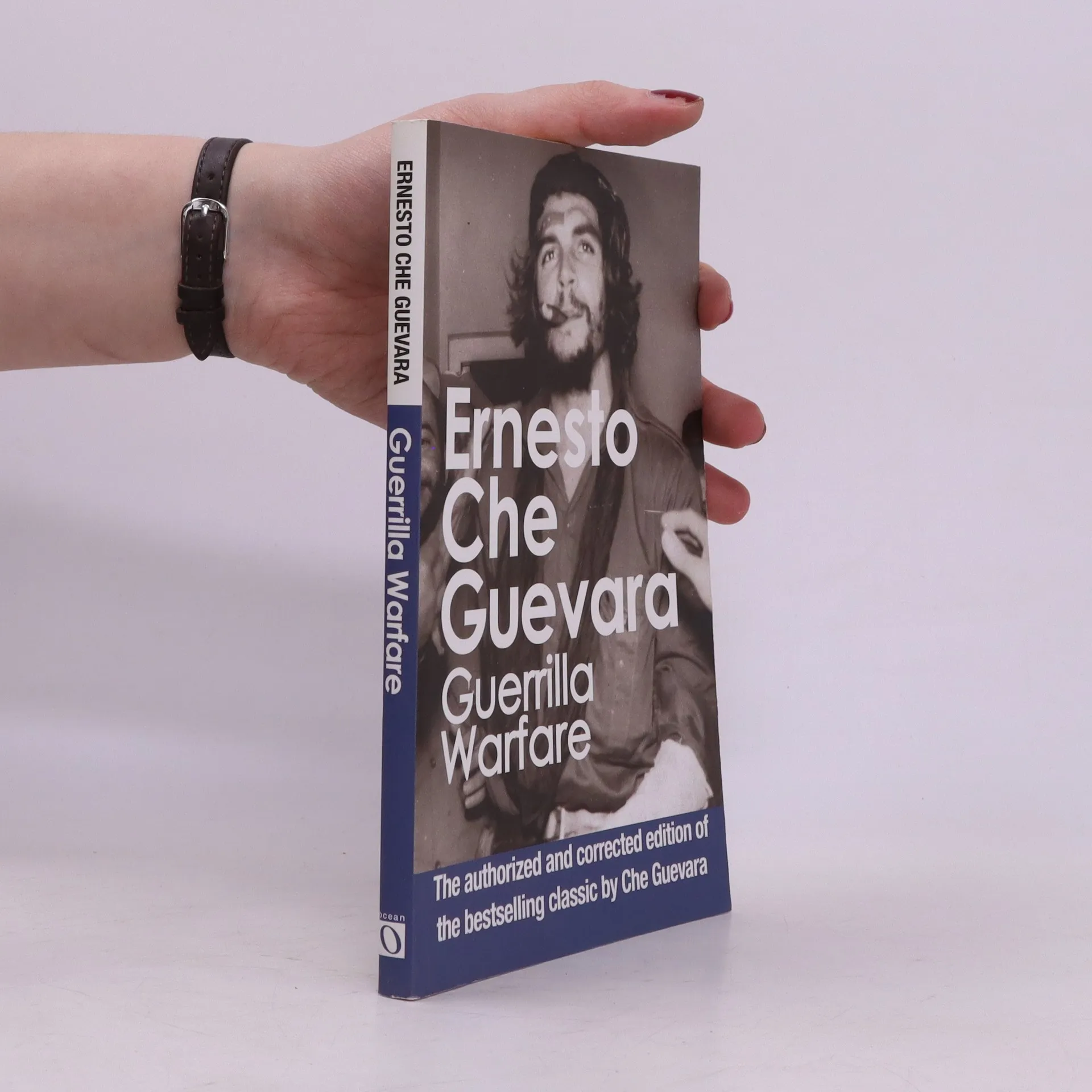
    • Guerrilla Warfare

      • 157 pages
      • 6 hours of reading

      A new, authorized and revised edition of a classic 1960s text on revolution by Che Guevara.

      Guerrilla Warfare
      3.7
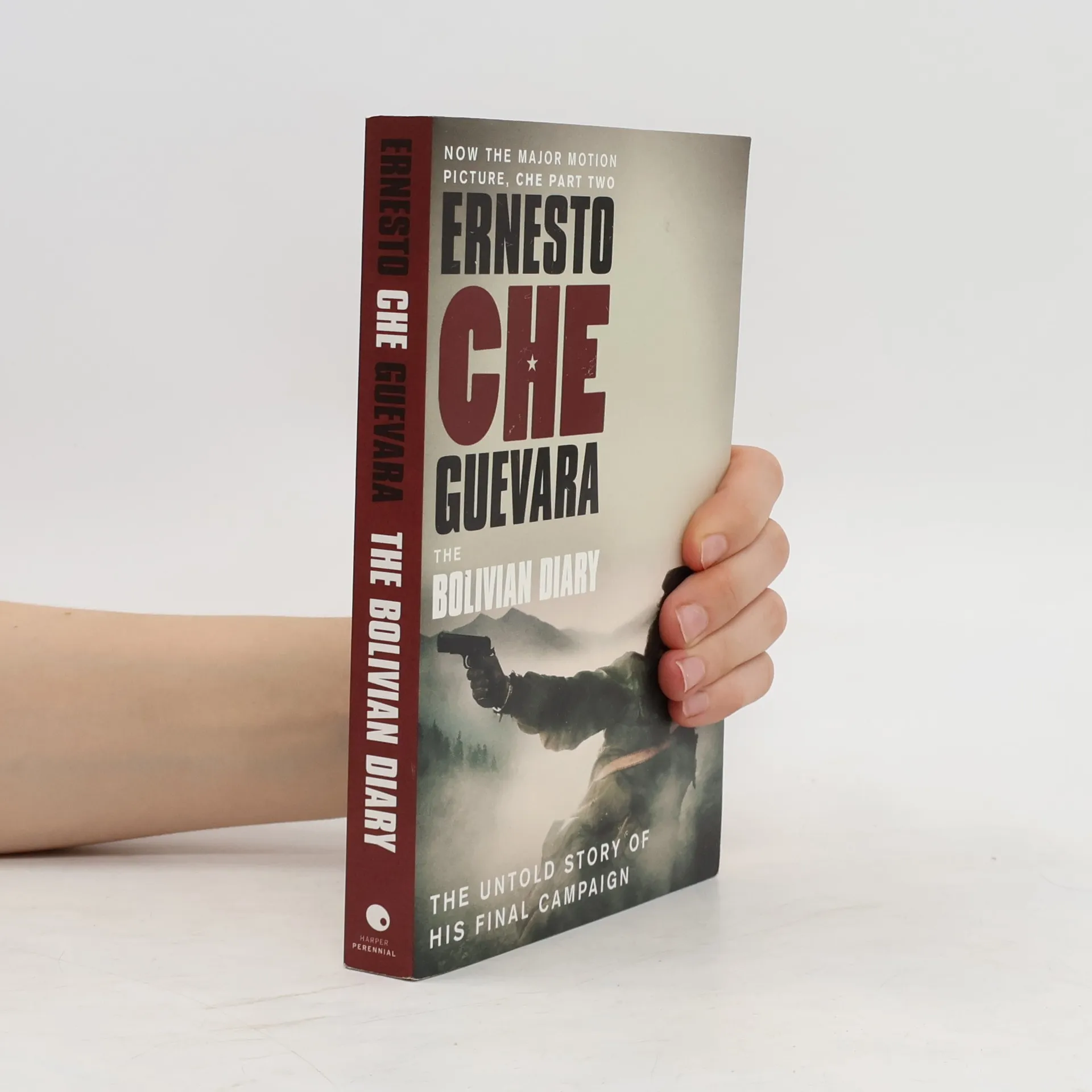
    • Bolivian Diary

      • 226 pages
      • 8 hours of reading

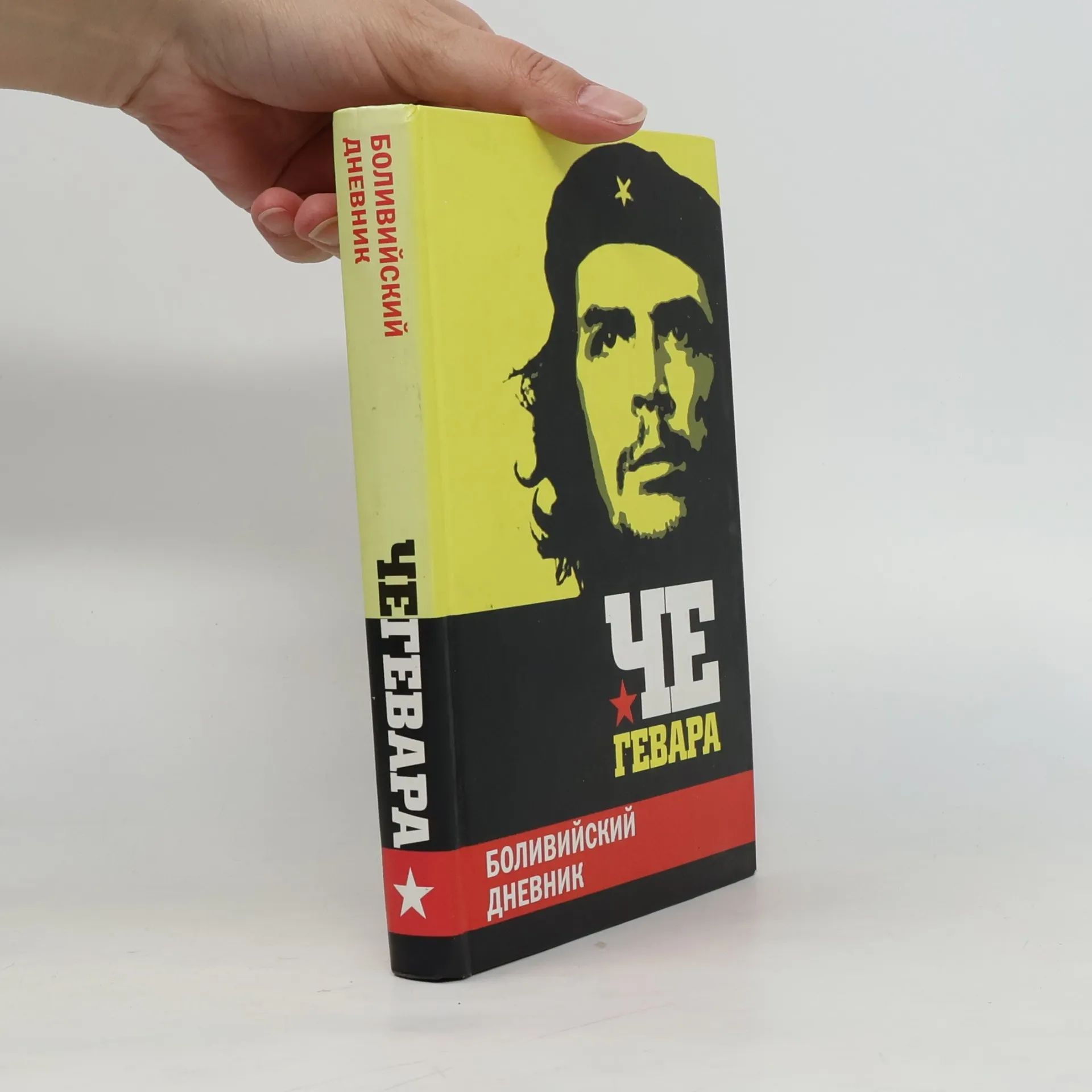
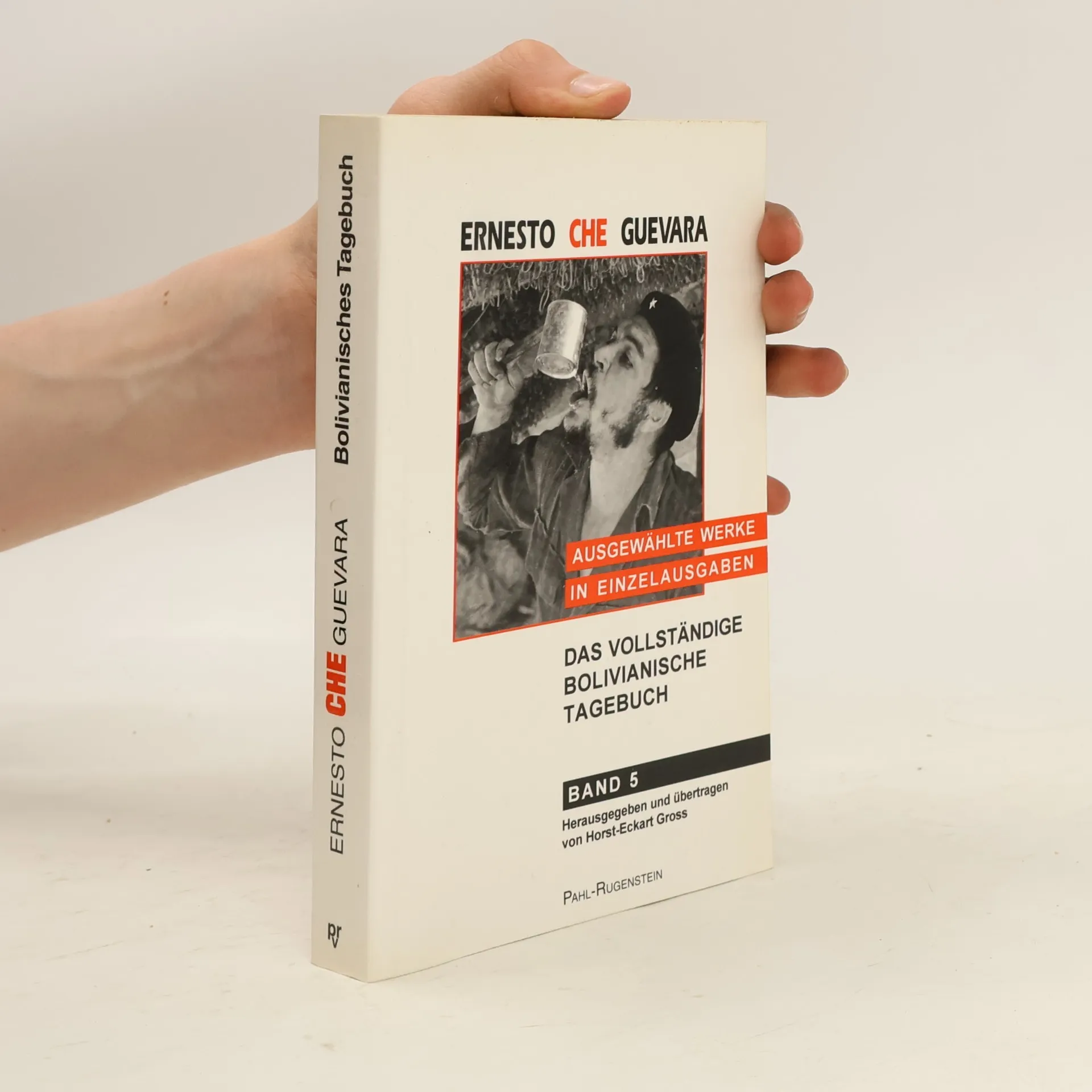
      A unique account of the last doomed eleven months of the most courageous and dedicated revolutionary of the 20th century. First published in Cuba in 1968 in a free edition of 250,000 copies, it has since become a classic. In November 1966 Che Guevara, hero of the Cuban Revolution, arrives in Bolivia to lead a guerrilla detachment fighting that country's military dictatorship. At the beginning of the diary the war games of the guerrillas seem no more real than those of Boy Scouts at play. But then real deaths begin, in flooded rivers or in ambush. The guerrilla fighters win their first battles and outwit the vastly superior army forces sent against them; but, in the end, Che Guevara and his dwindling group are surrounded and crushed. In its terse and simple prose, the Bolivian Diary gives a unique account of the guerrilla's lonely fight against armies, mountains, jungles, hunger, disease and death. And the reader's knowledge of Guevara's fate makes the book even more moving a record of the guerrillas' day-to-day suffering and bravery.

      Bolivian Diary
      3.8
    • Back on the Road

      A Journey to Central America

      • 128 pages
      • 5 hours of reading

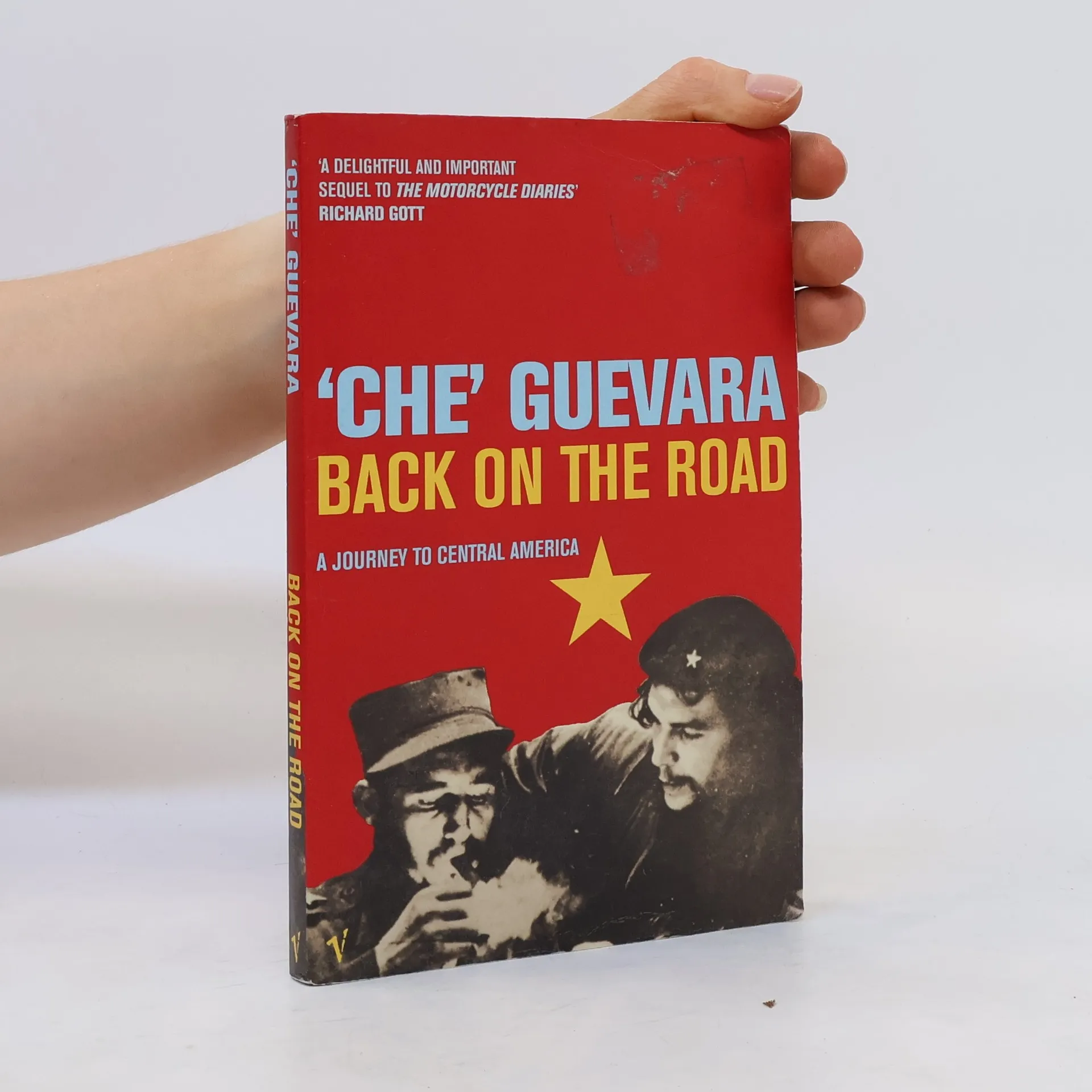
      His Principal Interest Was In Archaeology And Politics, And His First Stop Was Bolivia, Which Had Recently Experienced A Far-Reaching Revolution, And Where He Had The Opportunity To Study The Inca Remains At Tiahuanaco And Elsewhere. He Moved On To Peru, Visiting Cuzco, Macchu Picchu And Lima, And Along The Andes To Guayaquil In Ecuador Before Sailing Up The Coast To Panama, Costa Rica And Guatemala, Where He Was Caught Up In The Cia Overthrow Of The Arbenz Government, And Later Mexico, Where He Was To Meet Fidel Castro For The First Time.Throughout His Travels, The Young Guevara Kept A Spasmodic Diary In Which He Recorded His Impressions Of His Two-Year Journey. It Was An Expedition, Which Thousands Of Backpackers Accomplish Today, And Thousands More Dream About.

      Back on the Road
      3.5
    • The Awakening Of Latin America

      • 448 pages
      • 16 hours of reading

      The book chronicles Ernesto Guevara's transformation from a young medical student into the iconic revolutionary known as Che. Through a collection of writings, including journalism, essays, and personal letters, it captures his journey across Latin America over seventeen years. The anthology highlights his early travels, involvement in the Guatemalan and Cuban revolutions, and his eventual rise alongside Fidel Castro. Che's deep commitment to social justice is intertwined with the historical and cultural landscape of Latin America, illustrating the significance of his adventures.

      The Awakening Of Latin America
    • Guerrilla Warfare Hardcover

      • 140 pages
      • 5 hours of reading

      Focusing on guerrilla tactics, Che Guevara's work serves as a manual for revolutionary fighters globally. It underscores the importance of political motivation behind guerrilla methods, organization, and logistics. Guevara argues that guerrilla warfare is particularly effective against totalitarian regimes, where traditional political opposition and civil struggle are unfeasible. The book aims to inspire revolutionary movements across Latin America, Africa, and Asia, providing a strategic framework for those facing oppressive governments.

      Guerrilla Warfare Hardcover
    • Marx & Engels

      A Biographical Introduction

      • 112 pages
      • 4 hours of reading

      Che Guevara explores the lives and writings of Karl Marx and Friedrich Engels in this insightful biography, showcasing his deep admiration for their revolutionary ideas. Through Guevara's perspective, readers gain an understanding of the historical context and impact of Marxist thought, as well as its relevance to Guevara's own political beliefs and activism. This work highlights the enduring influence of these philosophers on modern revolutionary movements.

      Marx & Engels
    • Guerrilla Warfare Large Print

      • 194 pages
      • 7 hours of reading

      Focusing on guerrilla warfare tactics, Che Guevara's handbook serves as a guide for revolutionary fighters, drawing from his experiences during the Cuban Revolution. It emphasizes the necessity of popular support and outlines the conditions under which guerrilla warfare is justified, particularly when peaceful avenues have failed. Guevara distills lessons from the Cuban experience, highlighting that popular forces can triumph over regular armies and that guerrillas can shape their own circumstances, primarily operating from rural areas in underdeveloped regions.

      Guerrilla Warfare Large Print
    • A napló

      • 615 pages
      • 22 hours of reading

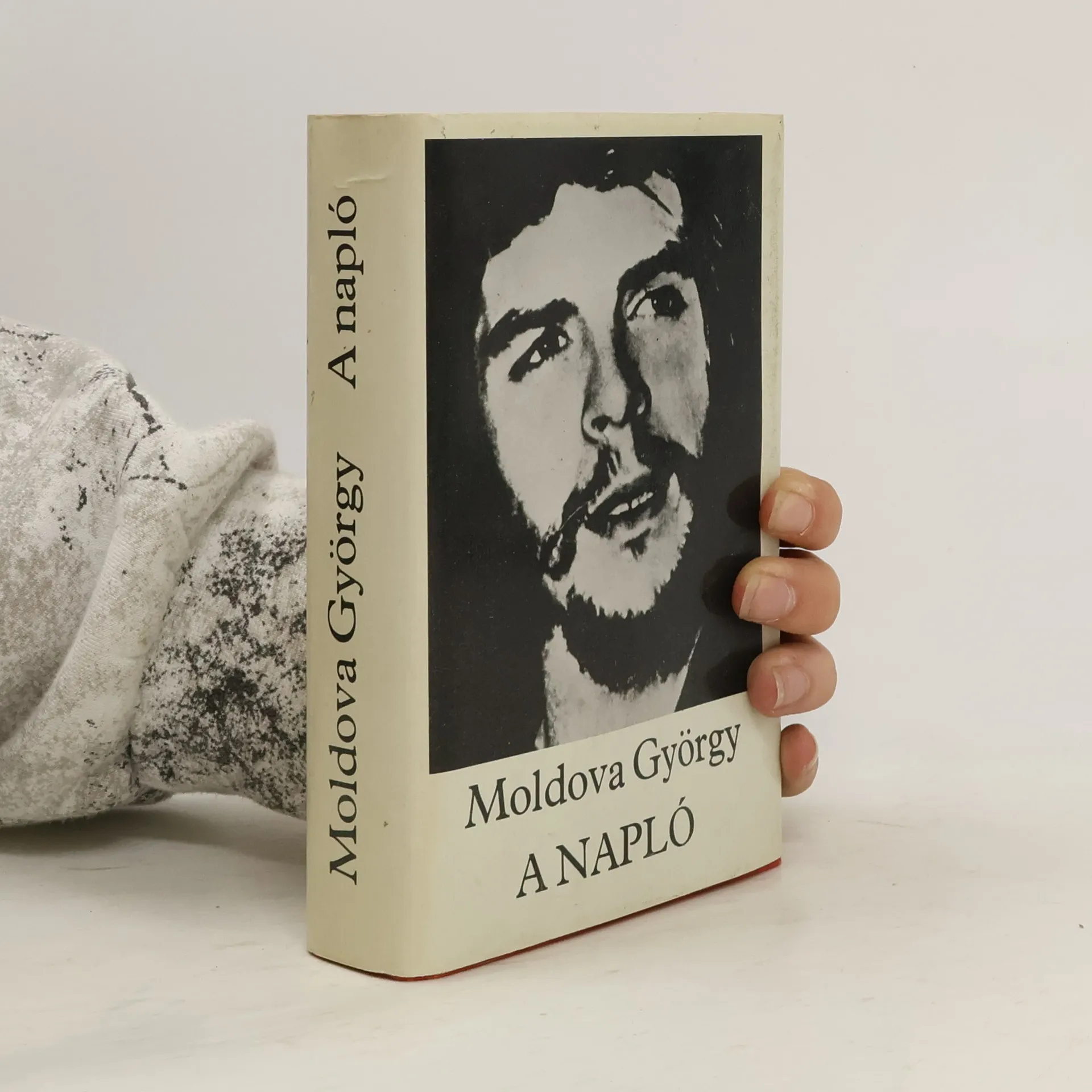
      "Ennek a könyvnek Che Guevara valóban létező bolíviai naplója volt a kiindulási pontja és éltető ereje. Átvettem belőle mindazokat az adatokat, melyeket lehetetlen lett volna másképp elmondani, mint ahogy Che leí dátumokat, földrajzi neveket és irányokat, vadászzsákmányokat, harci összecsapások napjait és körülményeit. Mit adtam hozzá én? Bármilyen különösen is hangzik, elsősorban magát Che Guevarát - a hős elképzelt jellemét. Megpróbáltam hűséges lenni a fellelhető adatokhoz és nyomokhoz, kiválasztottam Che más műveiből, megnyilatkozásaiból, politikai és magánéletéből azokat az epizódokat, leírt, vagy elhangzott szövegrészeket, melyeket jellemzőnek találtam rá, és beleolvasztottam "A Napló" szövegébe. Hozzátettem történelmi leírások, életrajzok tankönyvek megállapításait is, ha úgy éreztem, hogy segítenek tisztázni a képet. De a könyv legfontosabb forrásai mégis azok a gondolatok és érzelmek voltak, melyeket a bolíviai napló keltett bennem - itt valóban az "eszme vált testté", pontosabban mondatokká. Tízévi munkám fekszik ebben a könyvben, de nagy megtiszteltetésnek tekinteném, ha munkám nyomait az olvasó nem tudná elválasztani Che mondataitól és szellemétől." Moldova György

      A napló
      4.3
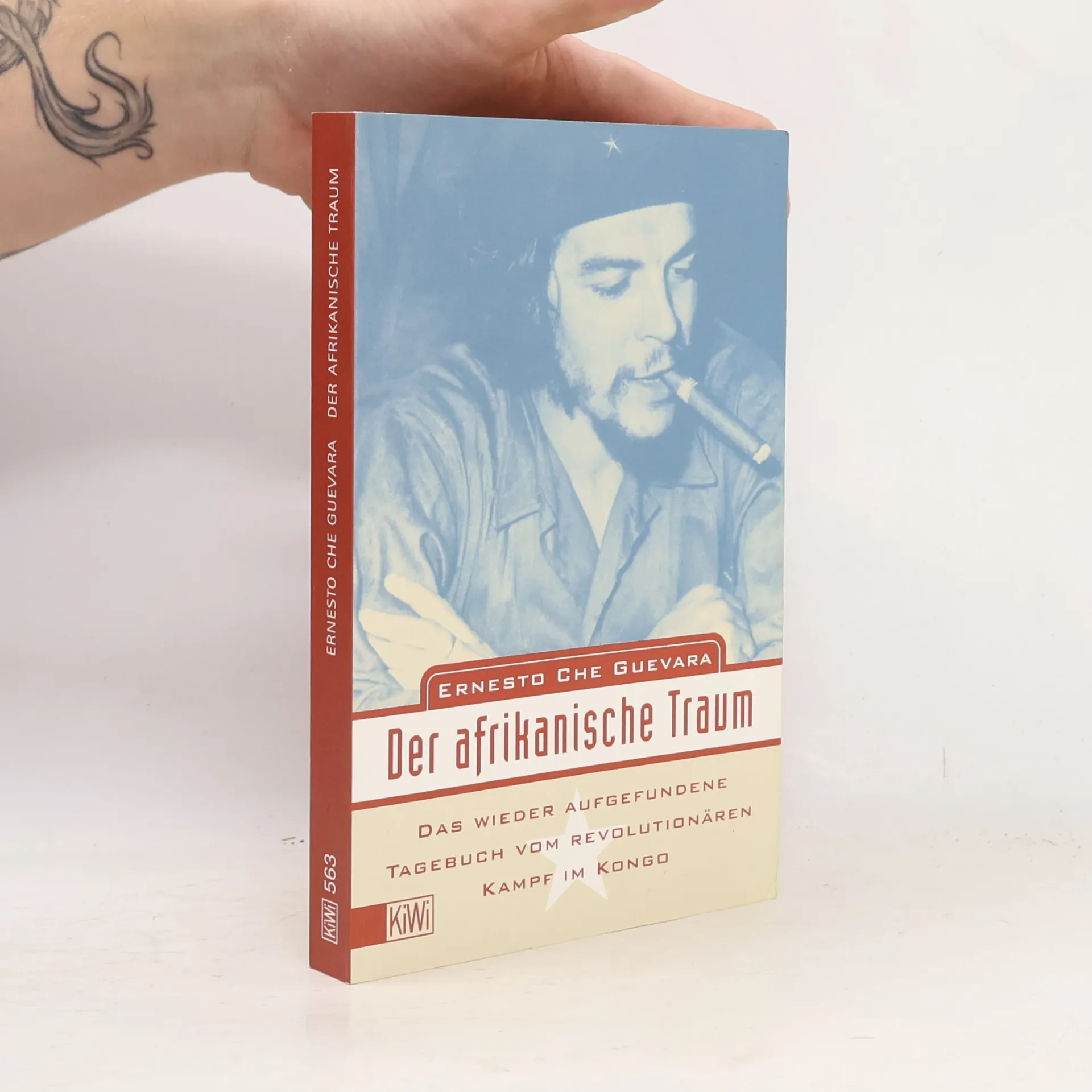
    • Der afrikanische Traum

      Kongolesisches Tagebuch

      • 320 pages
      • 12 hours of reading

      Ein Leben gegen die Ungerechtigkeit – das 20. Jahrhundert in 5 Tagebüchern. Nach seinem Rücktritt aus der kubanischen Regierung verlässt Che heimlich das Land. Im Kongo möchte er eine revolutionäre Gruppe in ihrem Kampf gegen den Imperialismus unterstützen. Sein glückloses Engagement dauert nur wenige Monate, sein Tagebuch wird erst Jahre später gefunden.

      Der afrikanische Traum
      4.2
    • Che Guevaras bisher unveröffentlichte Briefe – die Autobiographie, die er nie geschrieben hat. Ernesto Che Guevara, Held der Revolution und eines der berühmtesten Gesichter des 20. Jahrhunderts, war ein gewissenhafter Beobachter und Chronist seiner Gegenwart. In seinen Briefen lernen wir einen humorvollen und warmherzigen Menschen kennen. Zeugnisse aus einem Leben, das dem Kampf für eine größere Sache gewidmet war. Angefangen bei den Notizen, die er von seinen Reisen durch den südamerikanischen Kontinent nach Hause schickt, bis zu den berührenden Worten, die er seinen Gefährt*innen, seiner Frau und seinen Kindern hinterlässt: Wir begegnen einem wachen und abenteuerlustigen jungen Mann, der seinen Träumen nachjagt und unbeirrt seinen Idealen folgt, der fassungslos soziale Missstände konstatiert und Verbündete sucht. Zeile für Zeile lesen wir, wie aus ihm ein legendärer Revolutionär und Staatsmann wird, der sich immer wieder dem Kampf gegen Unterdrückung und Ungerechtigkeit verschreibt. Eine einzigartige Sammlung seiner persönlichen und politischen Korrespondenz, bisher zu einem großen Teil unveröffentlicht, die sich liest, wie die Autobiographie, die er nie geschrieben hat. Briefe, die uns überraschende Seiten einer vielschichtigen Persönlichkeit näherbringen: den politischen Führer, den Guerillakämpfer, den Sohn, den Vater, den Geliebten, den Philosophen und Dichter.

      Ich umarme dich mit all meiner revolutionären Hingabe
      4.3
    • Manifeste

      Le Manifeste communiste, Réforme ou révolution, Le Socialisme et l'homme

      • 156 pages
      • 6 hours of reading

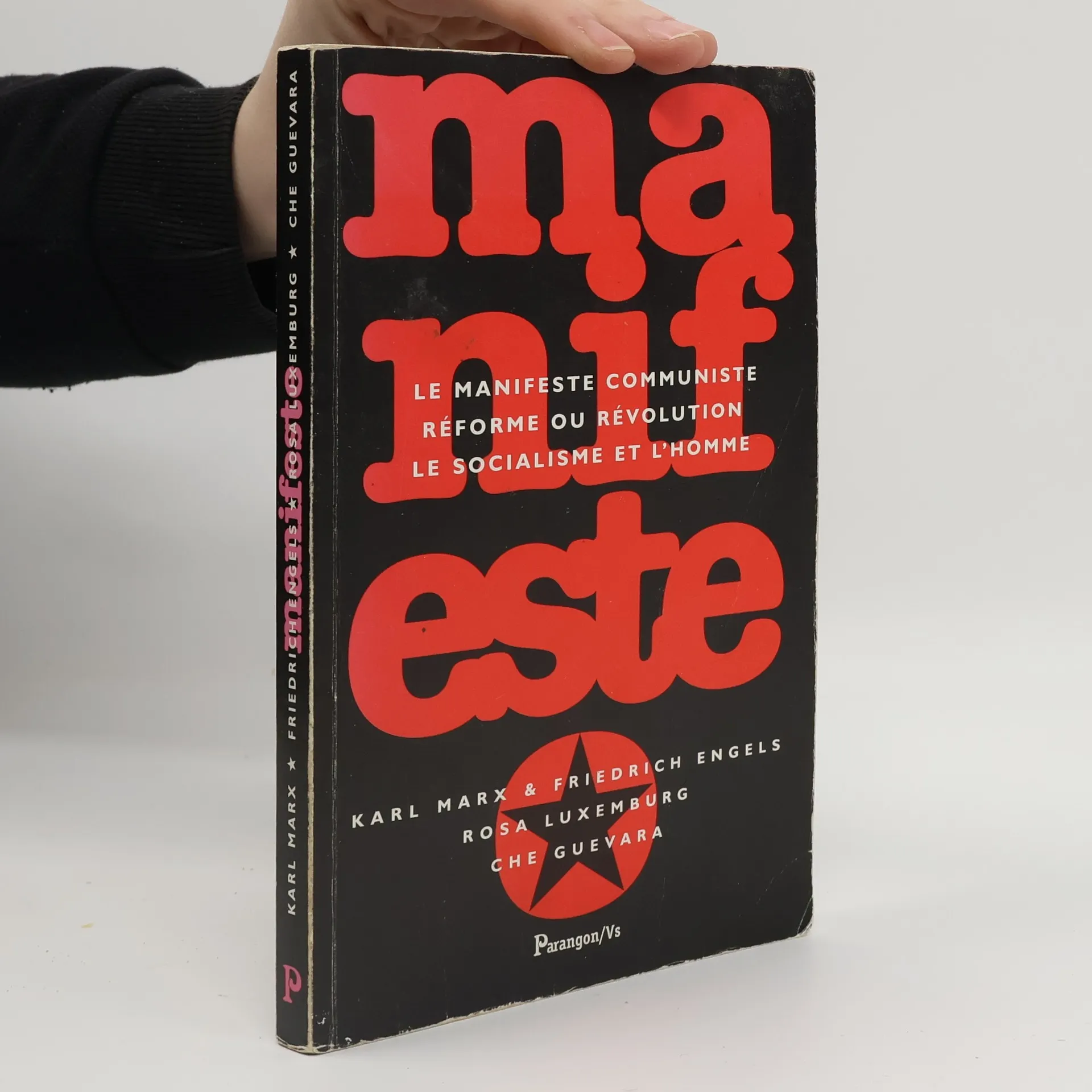
      En 1847, la Ligue communiste, nouvellement formée, demande à Karl Marx et Friedrich Engels de rédiger un manifeste exposant ses orientations et ses buts. Le Manifeste communiste est publié à Londres en février 1848, en langue allemande. Il connaît une diffusion massive à partir de 1871. Critiquant le révisionnisme d'Eduard Bernstein, Réforme ou révolution est initialement publié sous la forme d'une série d'articles, en septembre 1898 et avril 1899. Bernstein, personnalité de premier plan du mouvement socialiste allemand, rejetait un grand nombre de concepts marxistes, en se basant sur la montée de la social-démocratie et d'une supposée stabilité du capitalisme. Che Guevara rédige en 1965 une lettre, Le socialisme et l'homme, adressée à Carlos Quijano, journaliste à l'hebdomadaire Marcha, à Montevideo. Ces textes sont un acte d'accusation contre l'aliénation, née de l'exploitation de l'homme par l'homme. Ils ont en commun l'idée que le système capitaliste mène, par son propre développement, à la nécessité de socialiser la richesse.

      Manifeste
      4.0
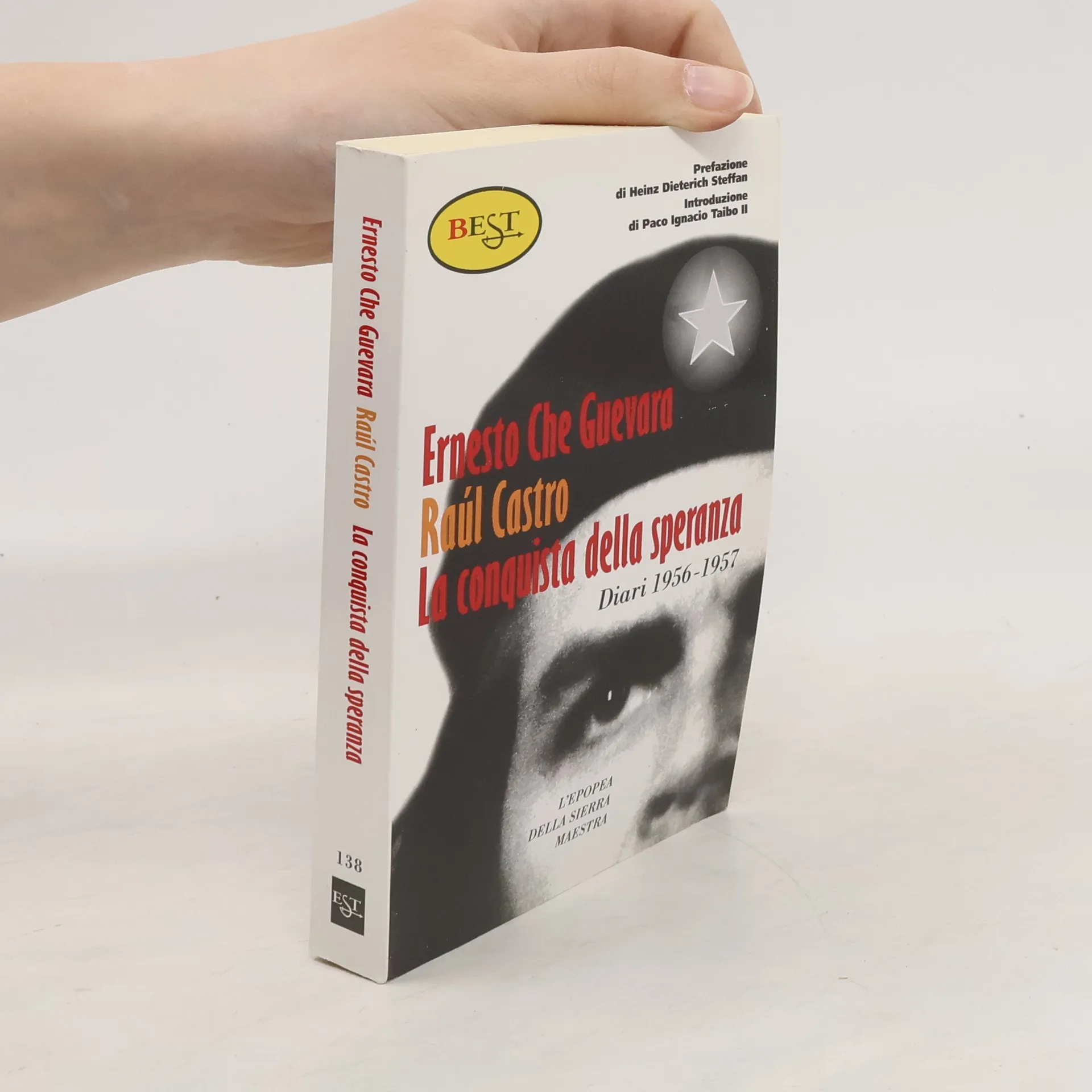
    • È la cronaca, in forma di diario, della costruzione e della conquista del sogno più bello di tutti i tempi, creare a Cuba un mondo nuovo per uomini liberi. Il ritmo della narrazione a volte cala un po' di tono, si scende troppo nei particolari tecnici, che a lettore medio molto probabilmente non interessano, della dura vita nella sierra e della preparazione degli scontri, ma forse è anche questo un punto di pregio, perchè così, senza l'uso di grandi e pompose costruzioni retoriche, ma semplicemente narrando lo scorrere quotidiano della vita ed i numerosi piccoli e grandi sacrifici che i patrioti cubani hanno affrontato, fà si che si riesca a percepire ancora di più la grandezza di ciò che in quegli anni quel gruppo di ostinati sognatori ha creato. Vale certamente la pena di leggerlo, lo consiglio anche ai più scettici nei confronti della rivoluzione cubana.

      La Conquista della speranza
      4.2
    • Der afrikanische Traum

      • 319 pages
      • 12 hours of reading

      Che Guevaras unveröffentlichtes Kongo-Tagebuch erstmals auf Deutsch Das Jahr 1964, in dem Che Guevara im Kongo war, ist bisher noch kaum beleuchtet. Sein Tagebuch, jetzt erstmals vollständig veröffentlicht, schildert das bittere Scheitern eines Traums und gibt sehr persönliche Einblicke in die Gedanken und Gefühle des großen Revolutionärs. 1964 war Che inkognito nach Afrika gegangen. Schon sein erster Eindruck von den Führern der afrikanischen Befreiungsbewegungen, »die aus ihrer Situation einen lukrativen und wenig anstrengenden Beruf gemacht haben und in Hotels ein behagliches Leben führen«, ist verheerend. Che Guevara versucht, aus den unerfahrenen schwarzen Kämpfern eine Guerilla-Armee zu schmieden, doch letztlich bleibt nur die Flucht in den Sarkasmus: »Es ist klar, dass eine solche Armee nur eine Daseinsberechtigung hat, wenn sie wie der Feind hin und wieder auch kämpft.« Dilettantisch vorbereitete Einsätze führen schließlich ins Fiasko, viele schwarze und kubanische Kämpfer fallen. Che glaubt nicht nach Kuba zurückkehren zu können, worum Fidel ihn freundschaftlich bittet: »Ich weiß, dass du am 14. achtunddreißig wirst. Meinst Du vielleicht, ein Mann fängt in diesem Alter an, alt zu werden?«. Che geht dann nach Bolivien, um dort die revolutionäre Sache, unter besseren Bedingungen, wie er glaubt, zu befördern. Am 9. November 1967 wird er in Gefangenschaft erschossen.

      Der afrikanische Traum
      4.0
    • Diario Del Che En Bolivia, El

      • 336 pages
      • 12 hours of reading

      "He llegado a los 39 y se acerca inexorablemente una edad que da que pensar sobre mi futuro guerrillero; por ahora estoy 'entero'."—Che Guevara, 14 de junio de 1967 Esta nueva edición del diario del que sería el último año del Che Guevara, detalla los esfuerzos del Che por dar inicio a una insurrección guerrillera contra el gobierno militar de Bolivia. El diario fue hallado en su mochila al ser capturado por el ejército boliviano en octubre de 1967. Esta nueva revisión incluye el texto de Fidel Castro “Una introducción necesaria”, en el que saca a la luz las mentiras incluidas en una edición anterior preparada por la CIA, con el objetivo de desacreditar al Che, la expedición boliviana y a la revolución cubana misma. El Diario de Che en Bolivia nos revela a un Che más viejo, más experimentado, con su salud mermada, distinto al juvenil y exuberante del Diario de Motocicleta escrito quince años antes, o del implacable y maduro Pasajes de la Guerra Revolucionaria: Congo, de apenas dos años antes. Aquí habla con punzante ironía al narrar los desafíos cotidianos encarados por su pequeño grupo guerrillero, los pronunciamientos del gobierno militar, así como las acciones de la enorme fuerza militar que los atacaba. La última anotación describe el día previo a la captura del Che, apenas dos días antes de su muerte.

      Diario Del Che En Bolivia, El
      4.0
    • CHE to go

      • 96 pages
      • 4 hours of reading

      »Die Revolution ist kein Apfel, der vom Baum fällt, wenn er reif ist; man muss machen, dass er fällt.« Bis heute ist Che Guevara die Symbolfigur der kubanischen Revolution und des Rebellenkampfes. Mit Zitaten aus seinen Schriften zur Theorie und Praxis der Befreiungsbewegung, zur Methode des Guerillakampfes, zum Internationalismus sowie sehr persönlichen Aussagen aus seinen Tagebüchern und Reiseberichten werden seine Positionen markiert.

      CHE to go
      4.0
    • Che Guevara, der Träumer und Realist, Revolutionär und Poet, Vater und Liebender – 'Selbstportrait' präsentiert unbekannte Bilder und Texte aus dem Familienarchiv und zeigt den Menschen hinter dem Mythos. Ernesto 'Che' Guevara de la Serna hat seit frühen Jahren auf bemerkenswerte Weise Zeugnis von den Abenteuern seines Lebens abgelegt. Der vorliegende Band, in enger Zusammenarbeit mit seiner Witwe Aleida March entstanden, bietet eine Fülle meist unbekannter Texte und Fotografien. Guevara kämpfte leidenschaftlich für eine gerechtere Welt in Lateinamerika und kommentierte mit Witz seine Rolle als 'Ikone' der Revolution. Seine Tagebuchnotizen, Briefe, Erzählungen, journalistischen Texte und Gedichte enthüllen erstmals seine persönliche Welt. Er schrieb liebevolle Postkarten an seine Kinder und Briefe an seine Eltern sowie an Aleida March, in denen er seine Ängste, Verzweiflung, Träume und Hoffnungen teilte. Besonders beeindruckend sind die fotografischen Selbstporträts, die eine unbekannte künstlerische Seite zeigen. Hunderte von Bildern aus dem Familienarchiv, viele davon erstmals präsentiert, lassen das Charisma und die einzigartige Persönlichkeit von Che Guevara lebendig werden.

      Selbstporträt Che Guevara
      3.5
    • Otra vez

      Il diario inedito del secondo viaggio in America latina 1953-1956

      • 224 pages
      • 8 hours of reading

      His principal interest was in archaeology and politics, and his first stop was Bolivia, which had recently experienced a far-reaching revolution, and where he had the opportunity to study the Inca remains at Tiahuanaco and elsewhere. He moved on to Peru, visiting Cuzco, Macchu Picchu and Lima, and along the Andes to Guayaquil in Ecuador before sailing up the coast to Panama, Costa Rica and Guatemala, where he was caught up in the CIA overthrow of the Arbenz government, and later Mexico, where he was to meet Fidel Castro for the first time.Throughout his travels, the young Guevara kept a spasmodic diary in which he recorded his impressions of his two-year journey. It was an expedition, which thousands of backpackers accomplish today, and thousands more dream about.

      Otra vez
      3.4
    • Il 3 novembre 1966 Ernesto "Che" Guevara lascia gli incarichi che ricopre a Cuba e parte per La Paz, capitale della Bolivia. Il suo progetto prevede la creazione in tutto il Sudamerica di "fuochi di guerriglia" che, orchestrati da un'unica direzione politica, dovrebbero indurre le masse di contadini poveri a ribellarsi e ad abbracciare la lotta armata. Il 7 novembre giunge sulla sierra andina, nel luogo scelto come punto d'incontro del gruppo combattente e inizia a tenere un diario la cui ultima pagina reca l'annotazione del 7 ottobre 1967. Due giorni dopo, il Che verrà catturato e barbaramente ucciso. Il diario, pubblicato nel 1968 con una prefazione di Fidel Castro, ha contribuito in modo determinante alla nascita del mito del guerrigliero eroico e incorruttibile.

      Strade Blu: Diario del Che in Bolivia - La nuova edizione di un libro che ha segnato la storia. Con immagini inedite del «Che» in Bolivia
      3.6
    • Lehr- und Wanderjahre eines Revolutionärs 1953 begibt sich Ernesto Che Guevara mit seinem Freund Calica auf eine zweite Reise durch Lateinamerika. Er ist entschlossen, sich allen Schwierigkeiten dieses unruhigen Kontinents zu stellen und sich auf ein Abenteuer einzulassen: »Es sind zwei Menschen auf der Suche, die durch Amerika ziehen, ohne genau zu wissen, was sie suchen, noch wohin ihr Weg sie führt«. Sie weichen von der vorgezeichneten Reiseroute ab, um in Guatemala die Revolution mitzuerleben, und besuchen danach auch Peru, Mexiko und Bolivien. Die Eindrücke, die Che in drei Jahren sammelt und in seinen Notizen festhält, prägen nicht nur seine politischen Überzeugungen. Sie verstärken auch das innere Gefühl der Zugehörigkeit und Zuneigung zu Land und Leuten. Der Leser erkennt zwischen den Zeilen den Menschen Ernesto Guevara: den wissbegierigen und gebildeten revolutionären Geist genauso wie den lebenslustigen jungen Mann, der sich aus so manchen Geldnöten herauszuwinden versteht und für weibliche Reize nicht unempfänglich ist. Und auf dieser Reise begegnet er zum ersten Mal Fidel Castro – der Beginn einer Freundschaft, die die Welt verändern sollte.

      Das magische Gefühl, unverwundbar zu sein
      3.6
    • Ideario

      • 146 pages
      • 6 hours of reading

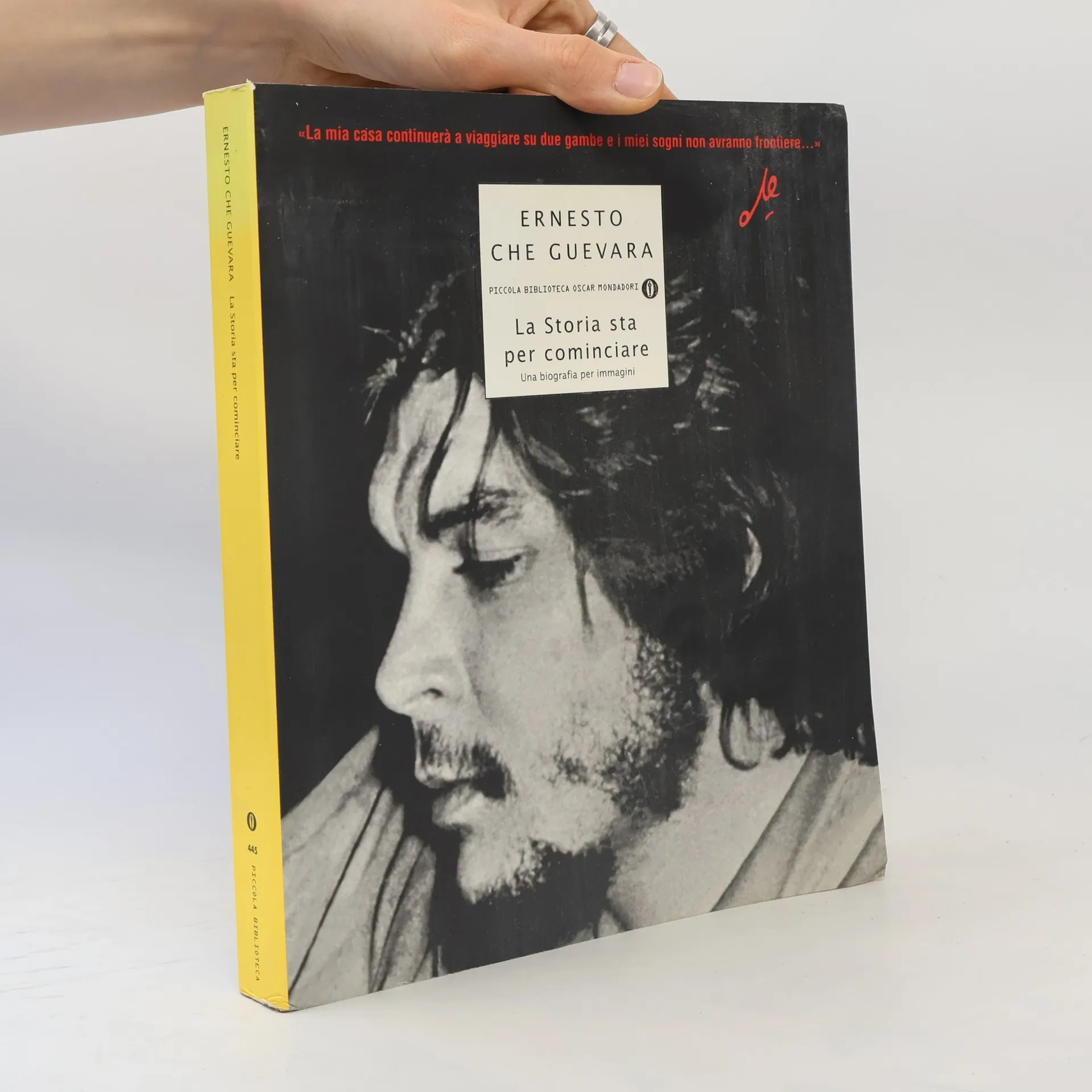
      Il pensiero di Che Guevara, ultimo grande rivoluzionario del nostro tempo, è tutto in queste pagine: brani di discorsi, lettere, diari che gettano una luce significativa sulla sua visione del mondo, degli uomini, della storia, sul suo modo di intendere la politica, la rivoluzione, la libertà. Nell'introduzione Dario Puccini, ordinario di ispanistica, rievoca, come componente di una delegazione italiana a Cuba nel gennaio 1964, il suo incontro con Che Guevara.

      Ideario
      3.4
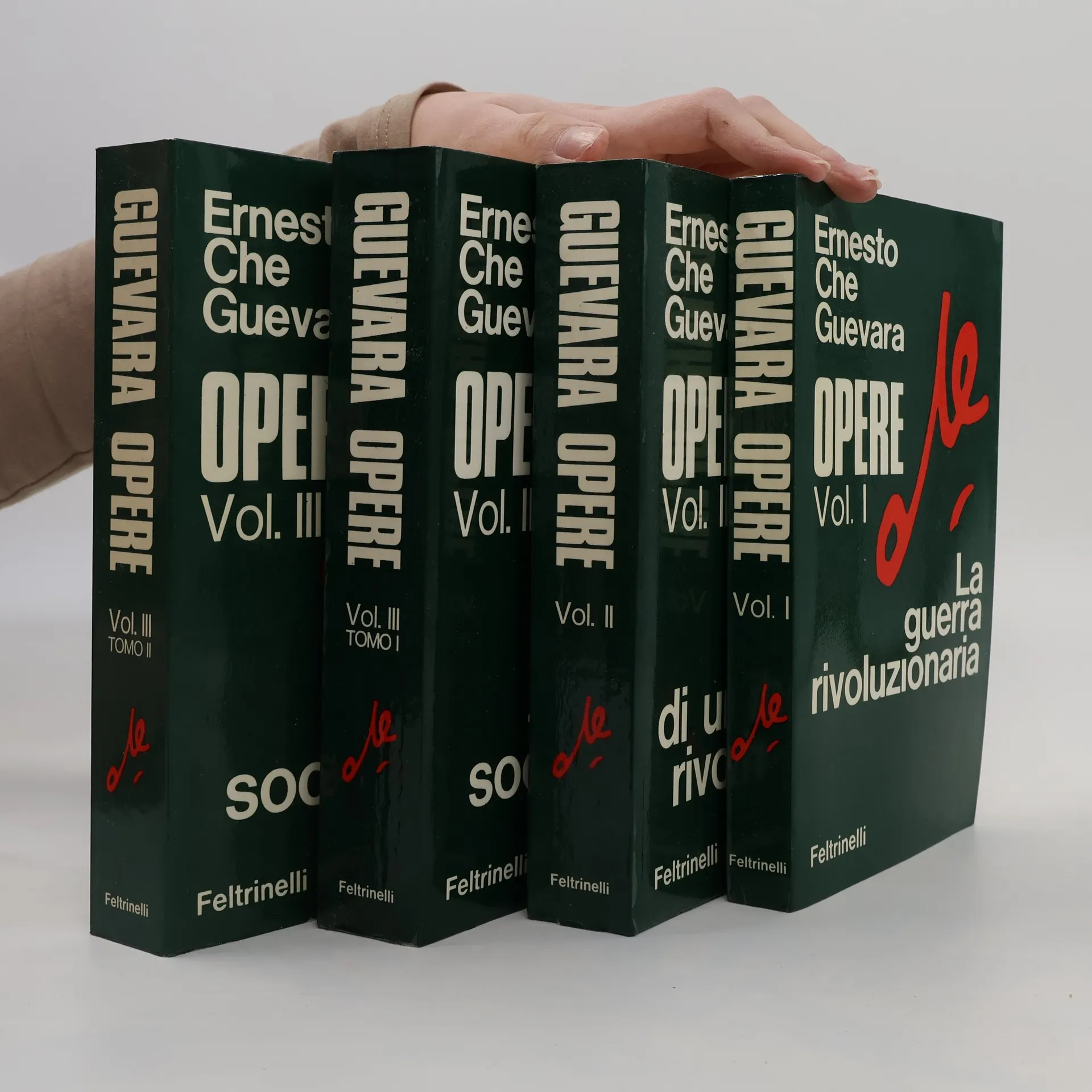
    • Guevara opere (I, II, III - Tomo I, II) compiles the writings and thoughts of Ernesto Che Guevara, a pivotal figure in the Cuban Revolution and a symbol of revolutionary movements worldwide. The collection spans various genres, including essays, speeches, and personal reflections, offering insights into Guevara's political ideology, strategies for guerrilla warfare, and his vision for a socialist society. The volumes explore themes such as class struggle, anti-imperialism, and the importance of international solidarity. Guevara's key character emerges as both a revolutionary leader and a thinker, grappling with the complexities of power, morality, and the human condition in the context of socio-political upheaval. Readers can expect to encounter Guevara's critiques of capitalism, his advocacy for armed struggle, and his reflections on the role of the individual in the collective pursuit of social justice. The set serves as a comprehensive resource for understanding Guevara's legacy and the historical context of his activism, providing a nuanced perspective on his contributions to revolutionary thought.

      Guevara opere (I, II, III - Tomo I, II)
    • Pasajes De La Guerra: Congo

      • 296 pages
      • 11 hours of reading

      En abril de 1965, el Che Guevara se marcha de La Habana al Congo para dirigir a 200 veteranos cubanos que asisten al movimiento de liberación africana contra los colonialistas belgas, cuatro años después del asesinato del presidente socialista democráticamente electo, Patrice Lumumba. Porque el diario trata el admitido "fracaso" del Che, examina cada detalle doloroso de lo sucedido para poder extraer enseñanzas constructivas para futuros movimientos guerrilleros. Único entre sus libros, Pasajes de la Guerra Revolucionaria: Congo es un retrato del Che brutalmente honesto que ilustra su capacidad como cuentista; en sus relatos de los fascinantes episodios de conflicto armado de la guerrilla no hay hesitación, endulzamiento o jerga. Algunos lo consideran el mejor libro del Che, también es uno de los pocos que editó para la publicación luego de escribirlo.

      Pasajes De La Guerra: Congo
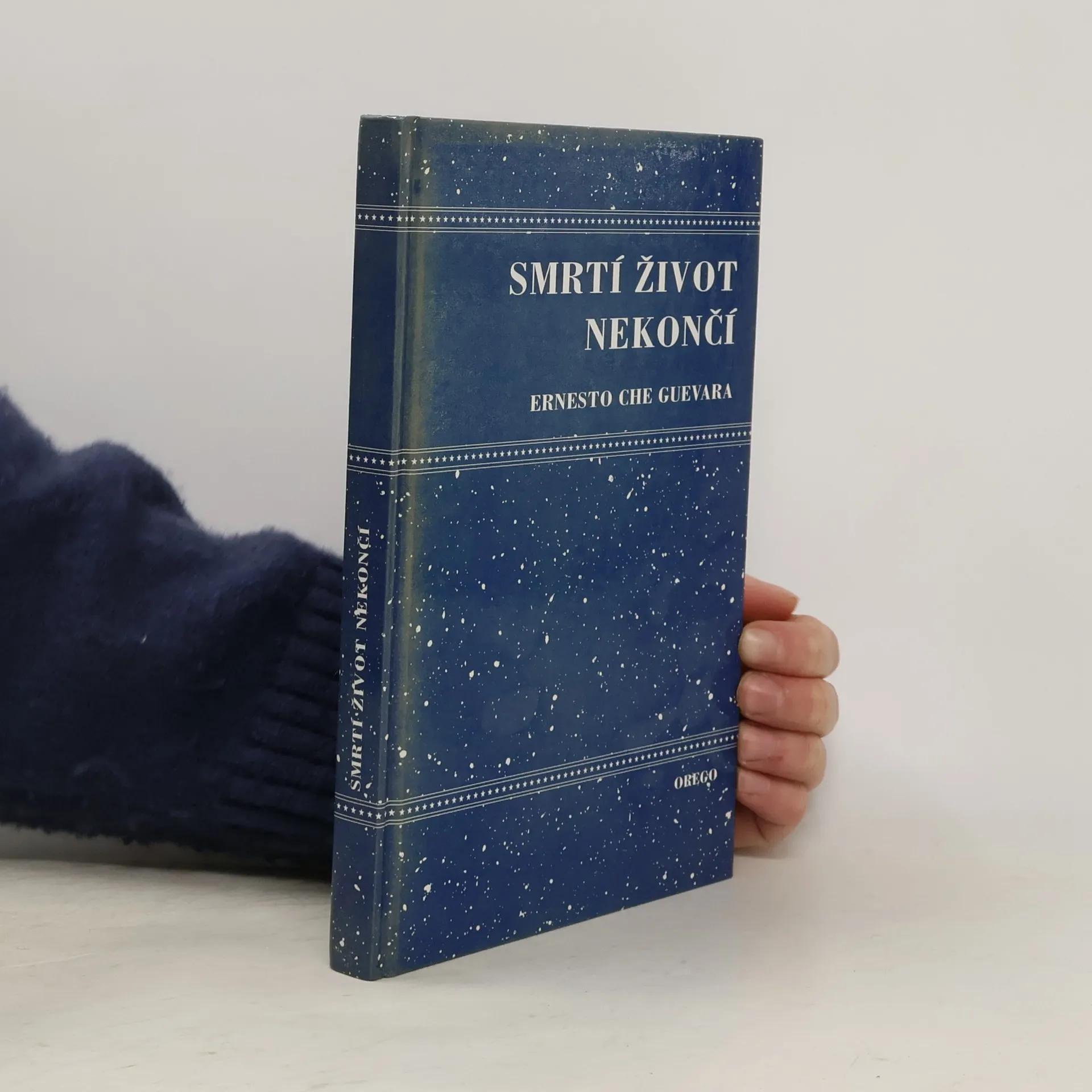
    • Tato kniha popisuje boj hrstky odvážných "barbudos" v horách Sierra Maestra za osvobození Kuby z pohledu jednoho z nejznámějších revolucionářů, který ve svém vyprávění potlačuje zidealizovaný pohled na Kubánskou revoluci a naopak v plné nahotě a nekompromisně přibližuje všechny její rozpory.

      Smrtí život nekončí
      5.0
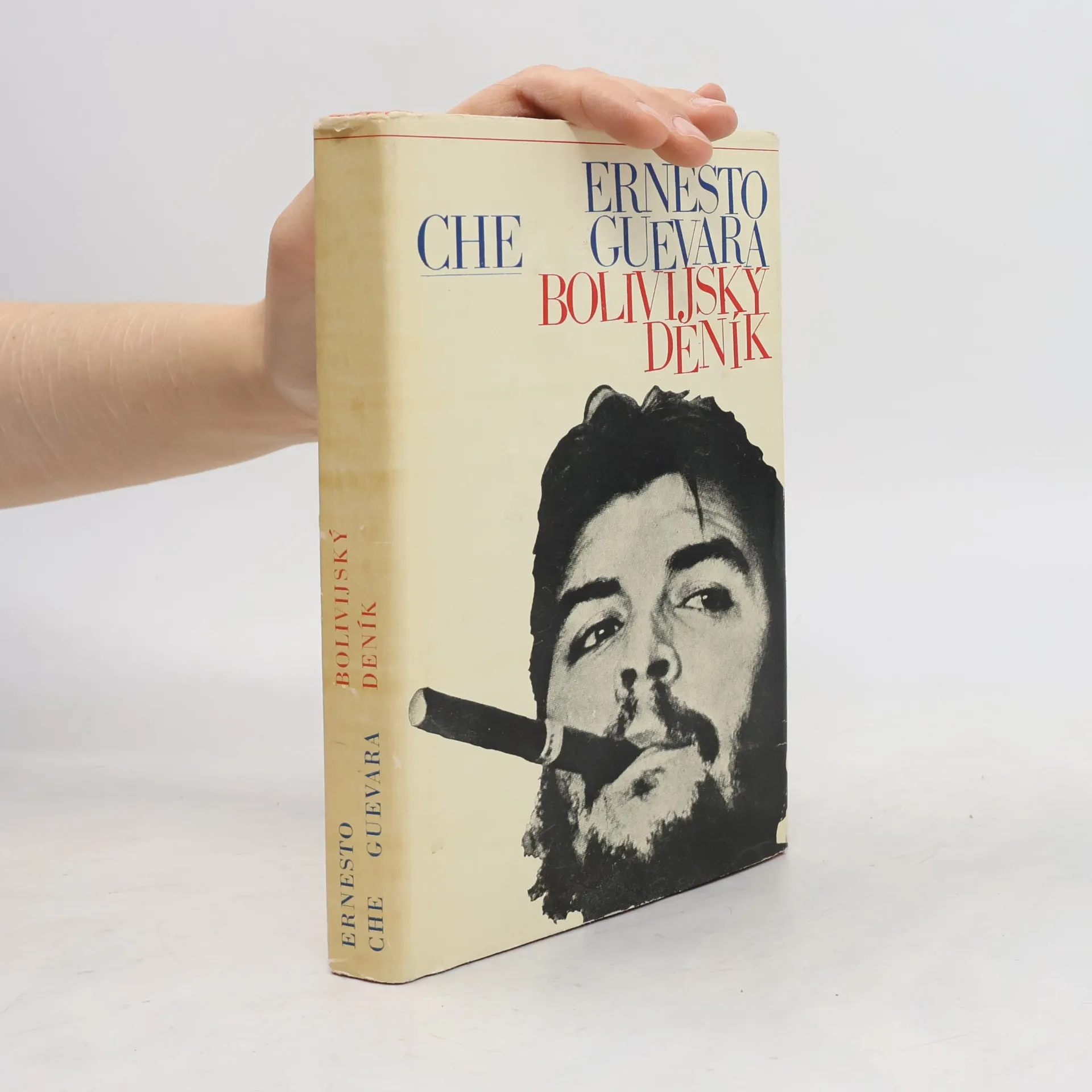
    • „ Bolivijský deník Che“ zachycující období od okamžiku, kdy revolucionář přijel do Bolivie, až po 7. říjen 1967, dva dny před jeho smrtí.

      Bolivijský deník
      4.7
    • Denník odrážajúci charakter a názory Che Guevaru, atmosféru vtedajšieho boja partizánskeho oddielu v Bolívii i jeho históriu. Denník bol vydaný po smrti Che Guevaru a vyvolal v celom svete veľkú odozvu. Kniha obsahuje niekoľkostranovú obrazovú prílohu.

      Bolívijský denník
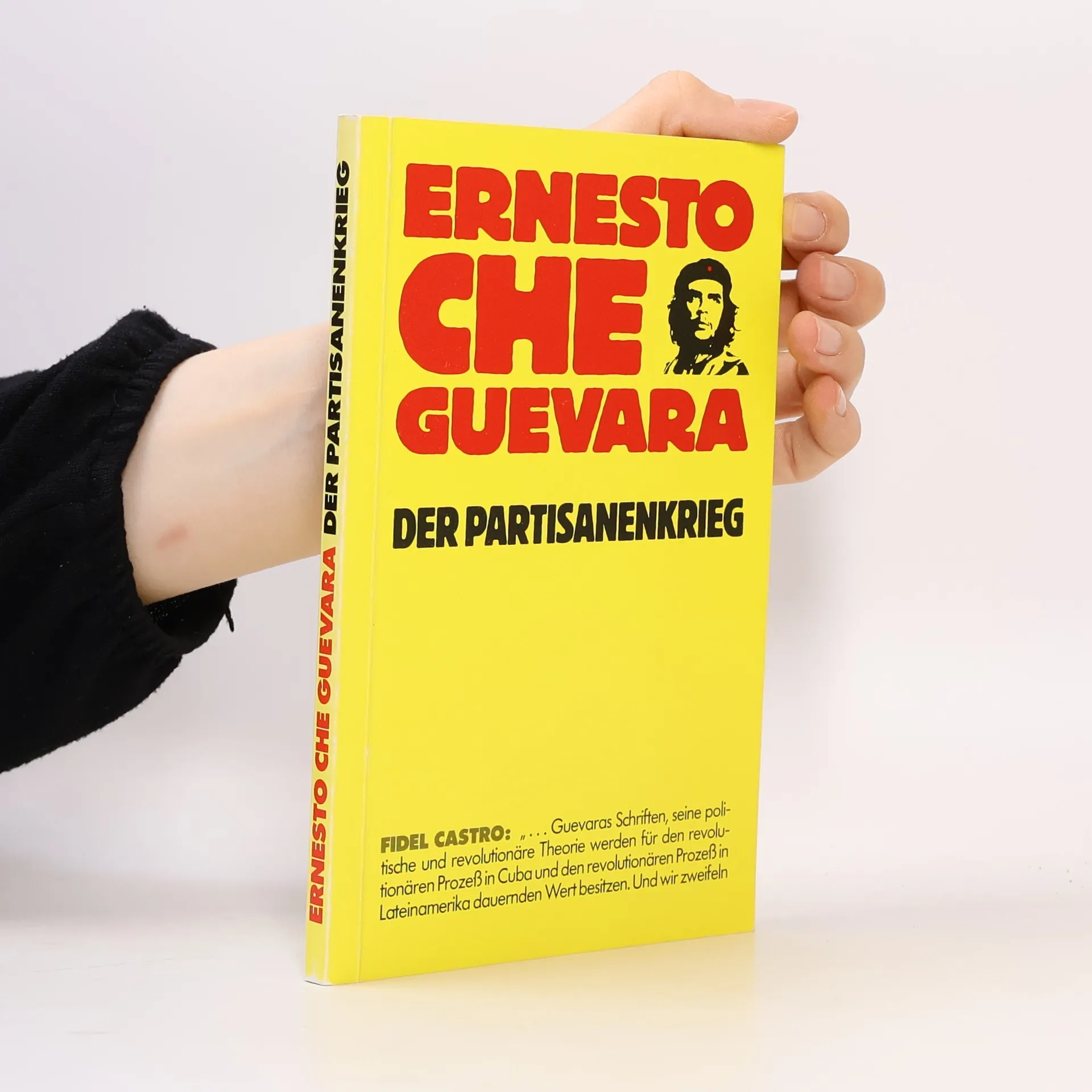
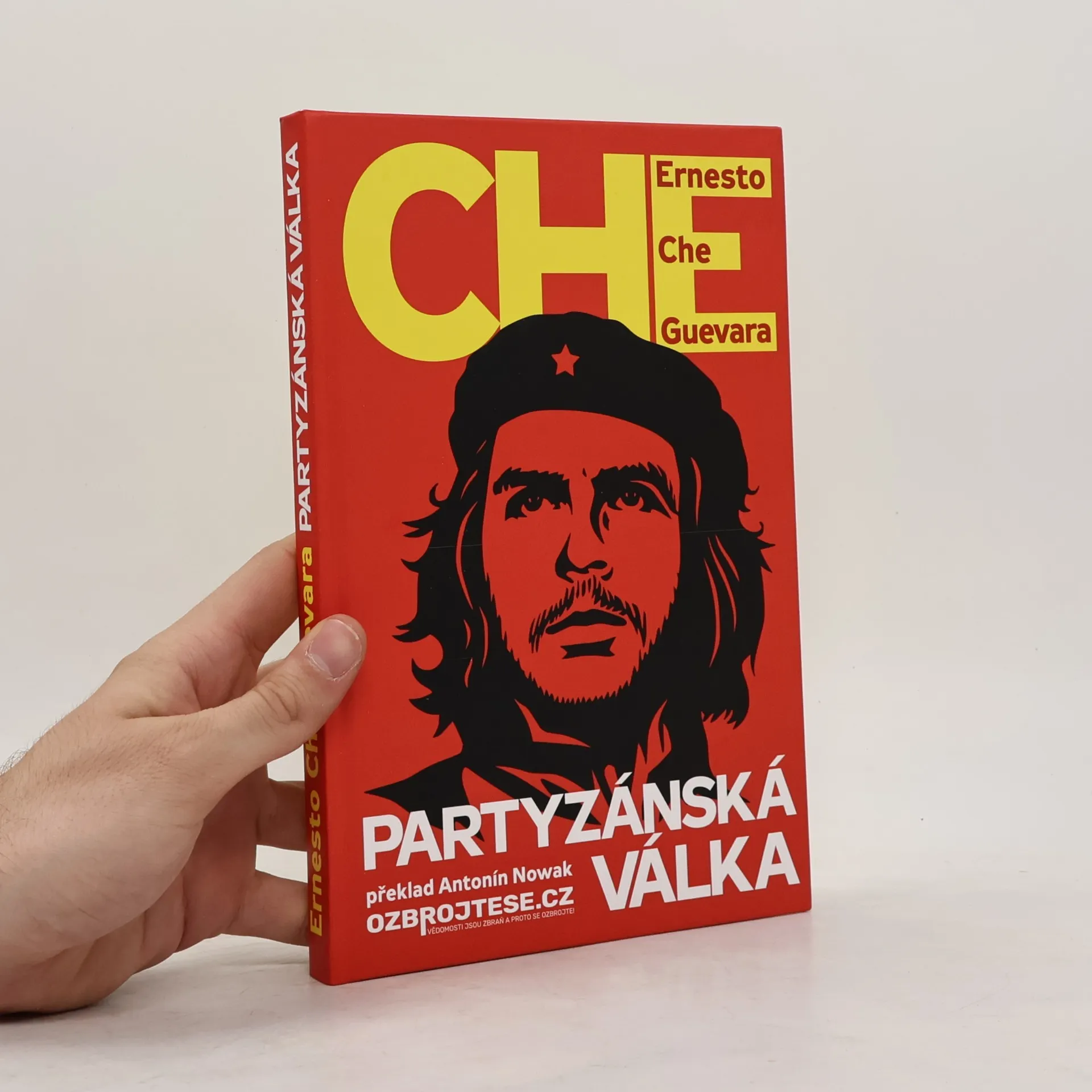
    • Ernesto Guevara je známý hlavně jako revolucionář a marxista. Byl ale také, a to především, povstalcem, záškodníkem a velmi nadaným partyzánem, který se od nuly vypracoval až do vedení partyzánského hnutí. Jeho kniha o metodách vedení partyzánského boje je návodná a patří k jedněm znejlepších, jaké byly v historii na toto téma napsány. Není velká rozsahem, ale je zajímavá a přínosná informacemi, které jsou v ní shrnuty. Autor podrobně rozebírá počátek a vznik partyzánského hnutí, partyzánskou strategii a taktiku, metody boje v příznivém a nepříznivém terénu, boj ve městě, ale i takové aspekty, jako je zásobování, zdravotní péče v obtížných podmínkách, sabotáže, způsoby improvizované výroby pro potřeby partyzánů, či to, jaká je role žen nebo civilního obyvatelstva na vedení záškodnického boje proti silnějšímu nepříteli. Jeho dílo je přínosné nejenom z pohledu historika, ale jistě zaujme všechny, kteří se zabývají metodami boje malých jednotek, asymetrickými konflikty, partyzánskými taktikami a strategiemi či záškodnictvím. Kniha by také rozhodně neměla chybět v knihovně nikoho, kdo se věnuje prepperství a přípravě na budoucí konflikty, ke kterým se v Evropě schyluje.

      Partyzánská válka