

Router Security Securing IP Network Traffic Planes offers a thorough approach to understanding and implementing IP traffic plane separation and protection on IP routers. It details the distinct traffic planes of IP networks and the advanced techniques needed to secure them operationally, covering the data, control, management, and services planes essential for IP networking. The initial section provides an overview of Internet Protocol components, leading to an understanding of defense in depth and breadth security principles as applied to IP traffic planes. The second section delves into techniques for securing the IP data plane, control plane, management plane, and services plane. The final section presents case studies from both enterprise and service provider perspectives, integrating the security techniques discussed earlier into a comprehensive defense strategy. Understanding and securing IP traffic planes is vital for the overall security of IP infrastructure. The techniques outlined enable operators to defend against attacks effectively. As the vulnerability economy evolves, collaboration between vendors and network providers to enhance IP infrastructure security becomes increasingly important. This book is part of the Cisco Press Networking Technology Series, aimed at helping networking professionals secure critical data and resources while building resilient networks.
David J. Smith Books




The 2nd Edition of the best-selling book which has sold over 400 000 copies in 17 languages -- updated with new content and insights about the world's people. First published to wide acclaim in 2002, this eye-opening book has since become a classic, promoting "world-mindedness" by imagining the world's population -- all 6.8 billion of us -- as a village of just 100 people. Now, If the World Were a Village has been newly revised with updated statistics, several new activities and completely new material on food security, energy and health. By exploring the lives of the 100 villagers, children will discover that life in other nations is often very different from their own. If the World Were a Village is part of CitizenKid: A collection of books that inform children about the world and inspire them to be better global citizens.
Basic Statistical Techniques for Medical and Other Professionals
A Course in Statistics to Assist in Interpreting Numerical Data
- 116 pages
- 5 hours of reading
Healthcare professionals navigate a constant influx of statistical data from various sources, including insurance companies and government agencies. This reliance on data is crucial for making informed decisions about medical service delivery, highlighting the importance of understanding and interpreting statistics in the healthcare field.
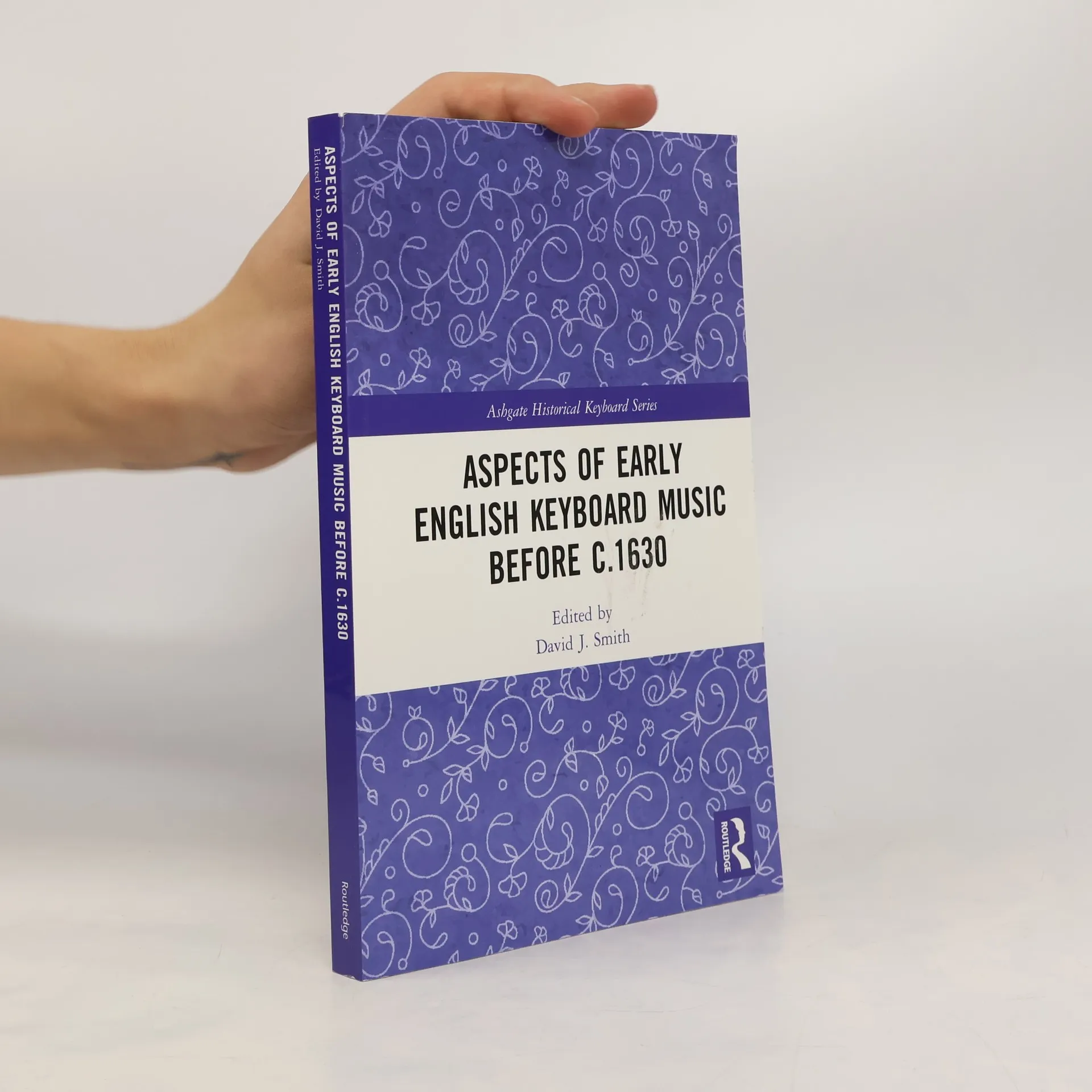
Ashgate Historical Keyboard Series: Aspects of Early English Keyboard Music Before c.1630
- 246 pages
- 9 hours of reading
English keyboard music achieved remarkable sophistication in the late sixteenth and early seventeenth centuries, as organists like William Byrd elevated a genre typically associated with amateur performance to a level of seriousness akin to vocal music. This book compiles significant research on the music, its sources, and the instruments used. Two chapters focus on instruments: John Koster examines the harpsichord's role during this period, while Dominic Gwynn discusses the construction of Tudor-style organs based on existing evidence. This leads to a section on organ performance practice in liturgical settings, where John Harper analyzes the implications of organs pitched in F used alongside vocal polyphony, and Magnus Williamson investigates improvisational practices of the Tudor era. The next section addresses sources and repertoire, starting with Frauke Jörgensen and Rachelle Taylor's exploration of Clarifica me Pater settings, which ties back to improvisation. Further contributions delve into significant manuscript sources: Tihomir Popovic reevaluates My Ladye Nevells Booke in the context of aristocratic culture, and David J. Smith provides an in-depth study of the Fitzwilliam Virginal Book. The discussion expands with Pieter Dirksen's analysis of sources related to John Bull, closely linked to David Leadbetter's work on Gibbons, lute sources, and stylistic questions.