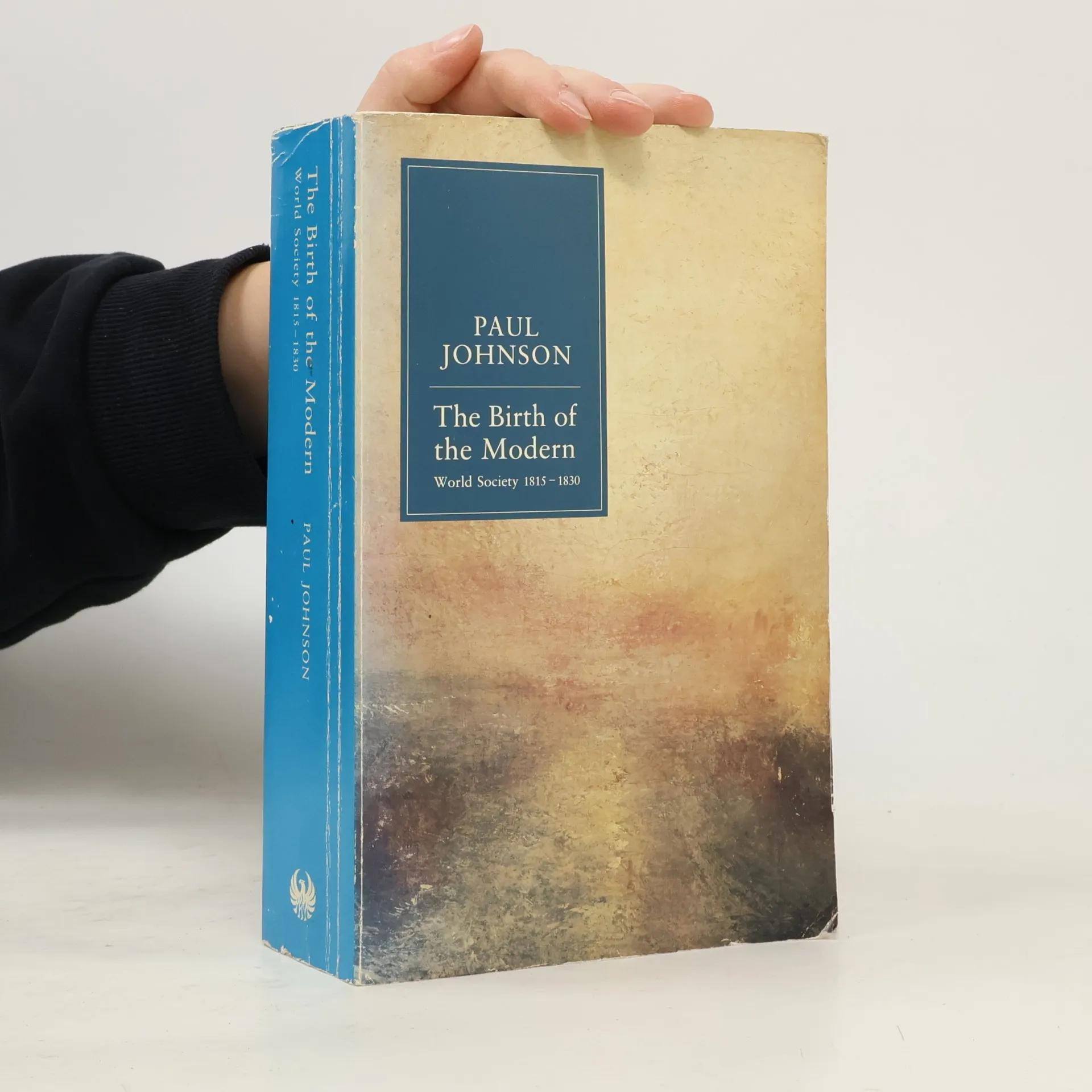
From the prizewinning author of Modern Times comes an extraordinary chronicle of the period that laid the foundations of the modern world.
Paul Johnson Books
November 2, 1928 – January 12, 2023
Paul Johnson was a distinguished historian and journalist whose prolific writing offered profound insights into societal and cultural history. His works explored the intricate tapestry of human civilization, examining pivotal eras and influential figures with remarkable depth. Johnson possessed a distinctive narrative style, weaving together meticulous research with an engaging prose that brought the past vividly to life for contemporary readers. Through his extensive publications, he provided critical perspectives on the evolution of modern society, from its earliest foundations to the 21st century.


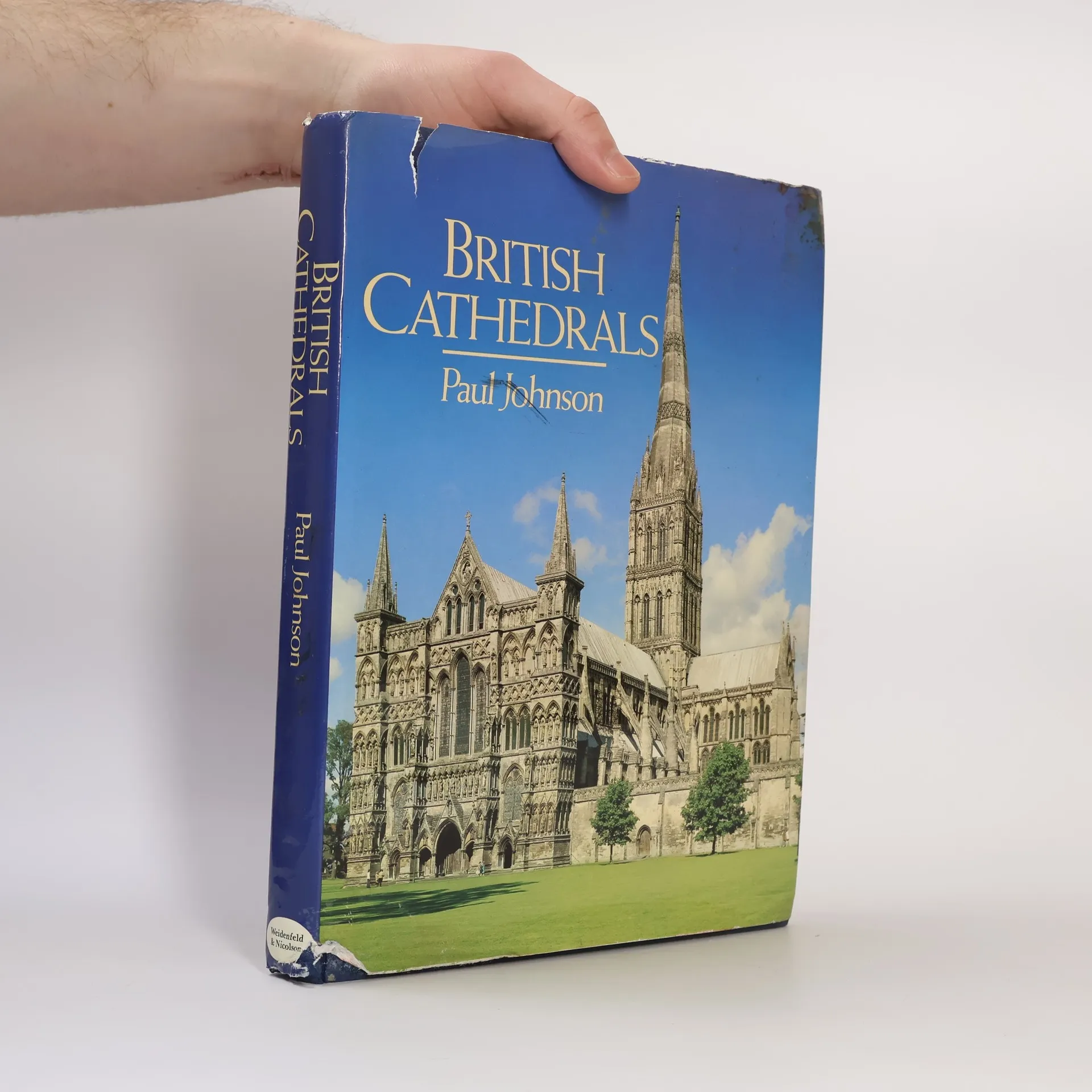
British Cathedrals
- 280 pages
- 10 hours of reading
History Of The Modern World
- 877 pages
- 31 hours of reading
Johnsonovo dílo DĚJINY 20. STOLETÍ je strhující příběh tohoto úděsného věku velkých technických vynálezů, ohromného bohatství i nekonečné bídy a teroru. Knížka vzbudila velký rozruch na Západě nejen proto, že je mistrně napsána, ale hlavně tím, jak nemilosrdně odhaluje pravdu, všem levicovým intelektuálům tak nepohodlnou. Všude, kde se prosadil ideologický stát, vládne korupce myšlení, útlak, teror. Všude, kde stát zasahuje do tržního mechanismu či se dokonce stává neosobním "majitelem" hospodářství, vládnou úplatky, demoralizace a bída. Johnson si neklade žádné meze, jde-li o fakta. Rudá nit teroru se odvíjí v Africe, Asii i Latinské Americe za nepřežitého potlesku západních intelektuálů. Podstatu zla však vidí autor v morálním relativismu, který po celá desetiletí brání liberální demokracii, aby zvítězila. DĚJINY 20. STOLETÍ, jež vydáváme v mistrném překladu Jana Čulíka, jsou nepostradatelnou učebnicí moderní historiografie.
Reflections on a Ravaged Century
- 317 pages
- 12 hours of reading
Robert Conquest has been called by Paul Johnson "our greatest living modern historian". As a new century begins, Conquest offers an illuminating examination of our past failures and a guide to where we should go next. Graced with one of the most acute gifts for political prescience since Orwell. Conquest assigns responsibility for our century's cataclysms not to impersonal economic or social forces but to the distorted ideologies of revolutionary Marxism and National Socialism. The final, sobering chapters of Reflections on a Ravaged Century concern themselves with some coming storms, notably that of the European Union, which Conquest believes is an economic, cultural, and geographical misconception divisive of the West and doomed to failure.
Selections From The Liliane And David M. Stewart Collections: Design, 1935-1965
What Modern Was
- 424 pages
- 15 hours of reading
Book by
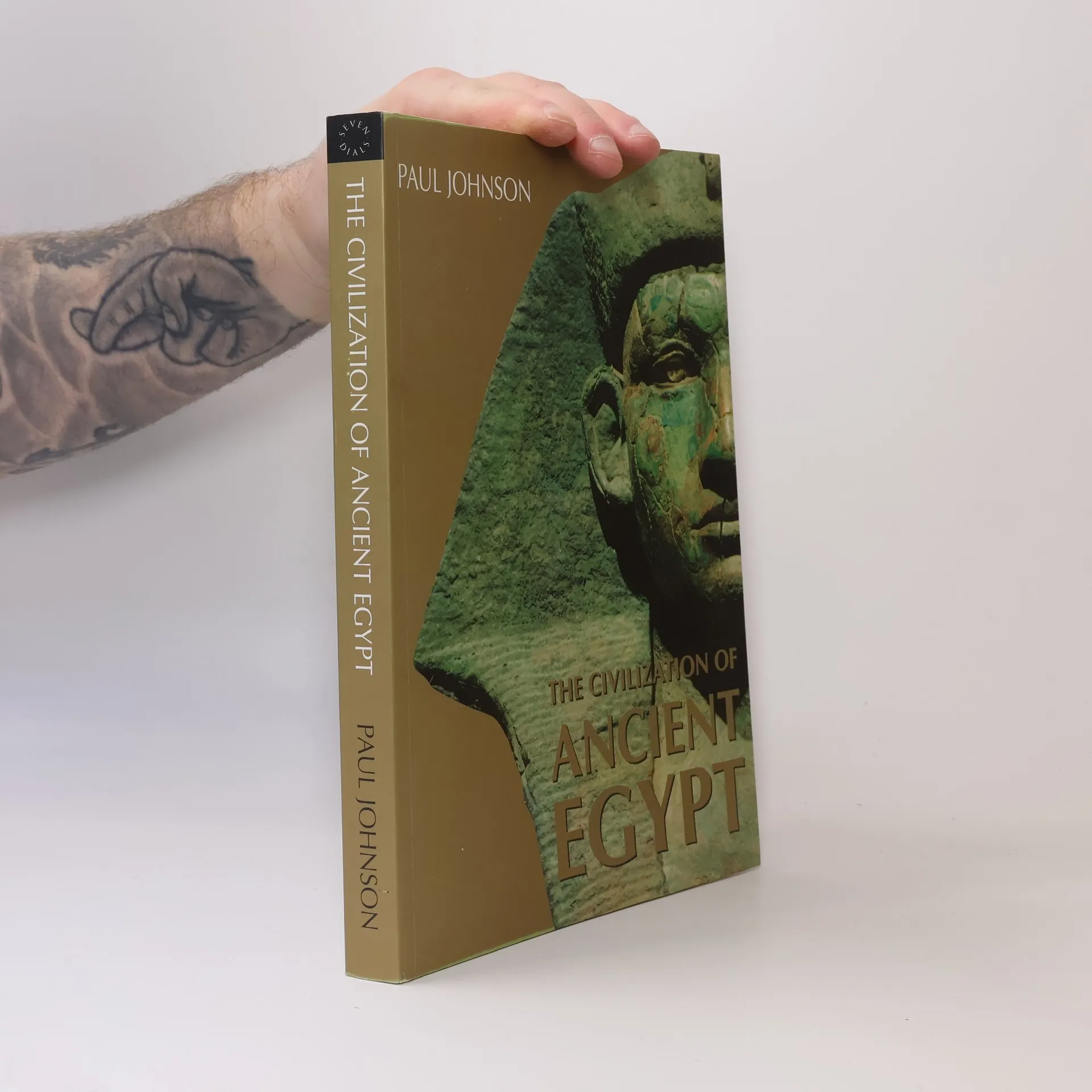
The Civilization of Ancient Egypt
- 256 pages
- 9 hours of reading
An updated edition of Johnson's broad sweep through Egyptian history. Beginning with the origins of the Egyptian civilisation and the initial unification of the state, religion and culture, Johnson focuses on a number of general themes which illustrate social, political and economic changes throughout three thousand years of history. Subjects include hieroglyphs and writing, death and religious beliefs, the power of the pharaoh, art amongst many others. Lavishly illustrated with images from wall-paintings, reliefs, sculptures, monuments and artefacts.
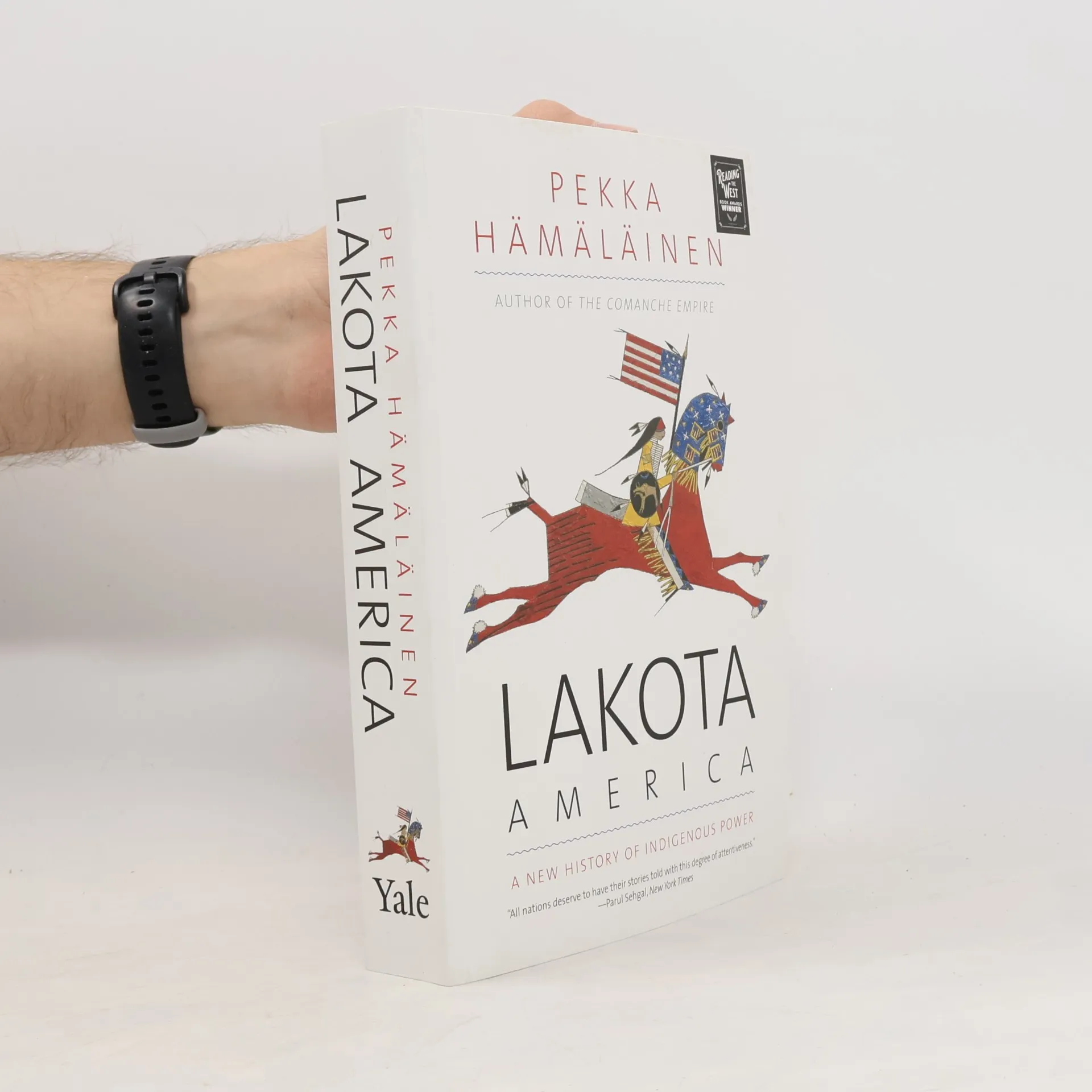
Lakota America
- 544 pages
- 20 hours of reading
This account of the Lakota Indians traces their rich and often surprising history from the early sixteenth to the early twenty-first century. Pekka Hamalainen explores the Lakotas' roots as marginal hunter-gatherers and reveals how they reinvented themselves twice: first as a river people who dominated the Missouri Valley, America's great commercial artery, and then -- in what was America's first sweeping westward expansion -- as a horse people who ruled supreme on the vast high plains. Red Cloud, Crazy Horse, and Sitting Bull are iconic figures in the American imagination, but in this book they emerge as something different: the architects of Lakota America, an expansive and enduring Indigenous regime that commanded human fates in the North American interior for generations.
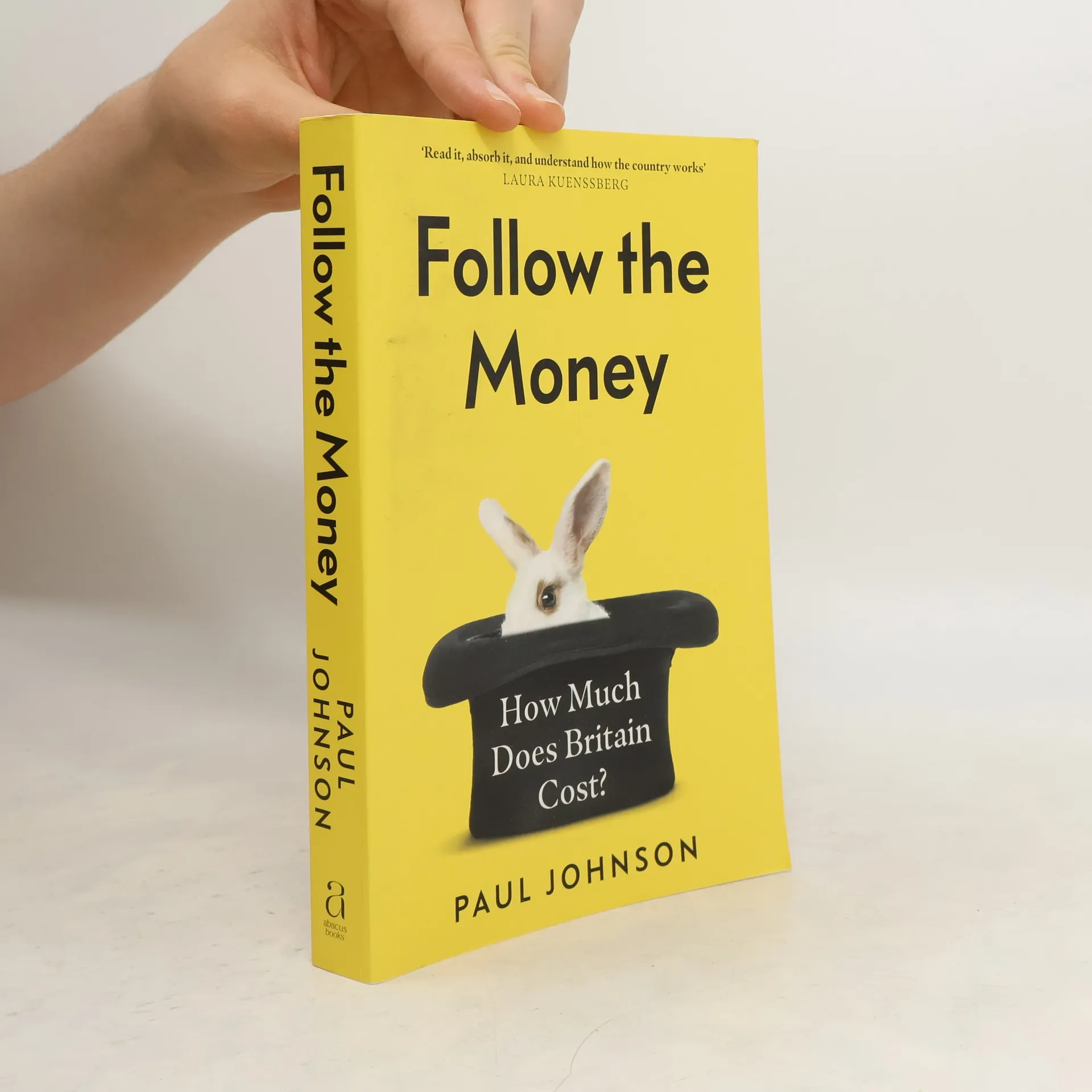
What is the truth about Britain's finances?Paul Johnson and the enormously respected Institute for Fiscal Studies aim to hold Government to account - without which politicians will get away with their half-truths, elisions and dubious claims.This is a forensic examination - by the man best placed to do so - of the 1 trillion it now costs to run the United Kingdom's economy. To follow the money. To provide an explanation, of where that money comes from and where it goes to, how that has changed and how it needs to change.Government decisions determine the welfare of the poor and the elderly, the state of the health service, the effectiveness of our children's education, and how prepared we are for the future: whether that is a pandemic or global warming. As a society, we are a reflection of what the government spends.Johnson looks at what happened following the financial crisis of 2008-09 and the austerity years that followed. He examines the way that the government tackled the economy during Covid - when the UK budget shot up to over a trillion for the first time - and he analyses prospects for our future as we grapple with looming recession and the cost of living crisis.
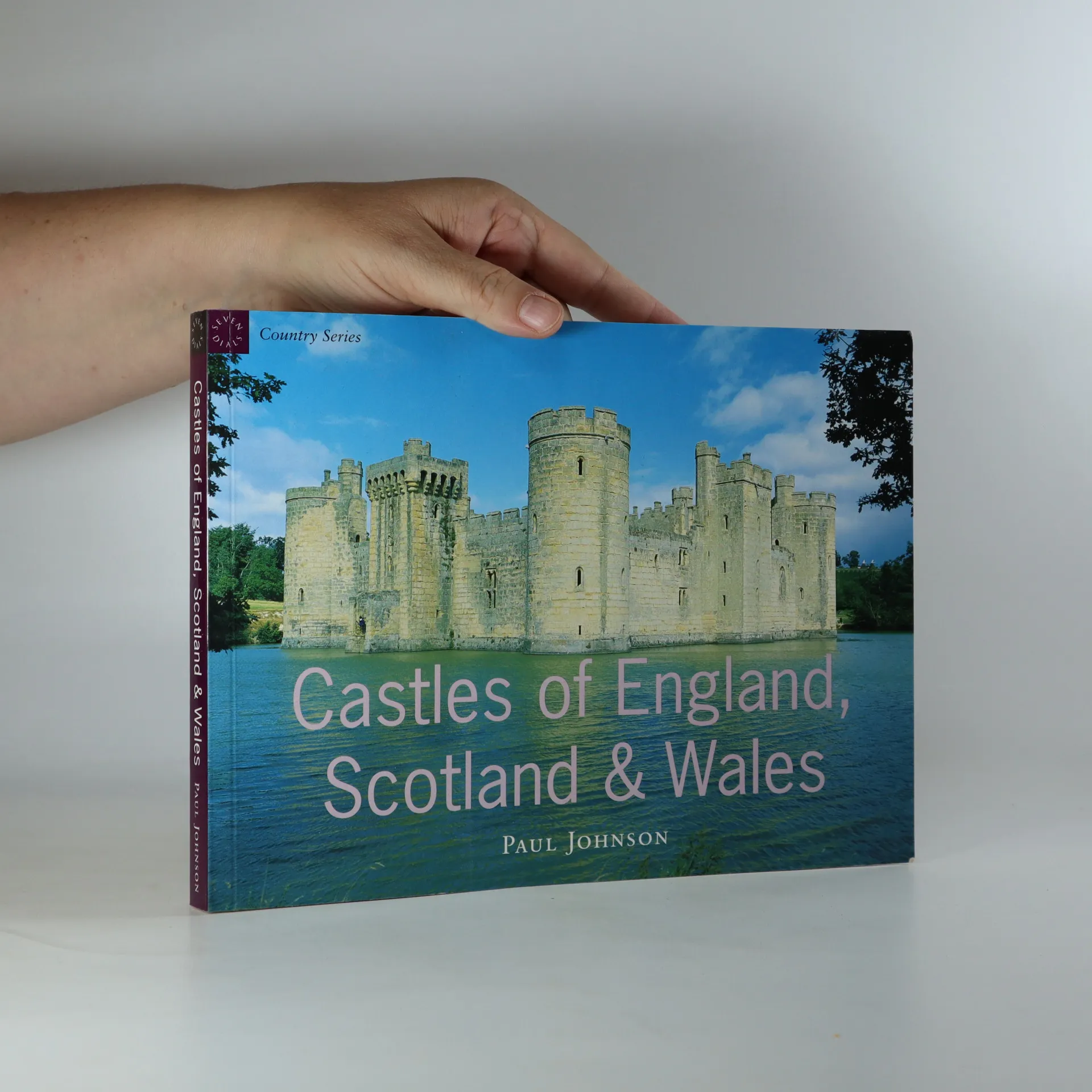
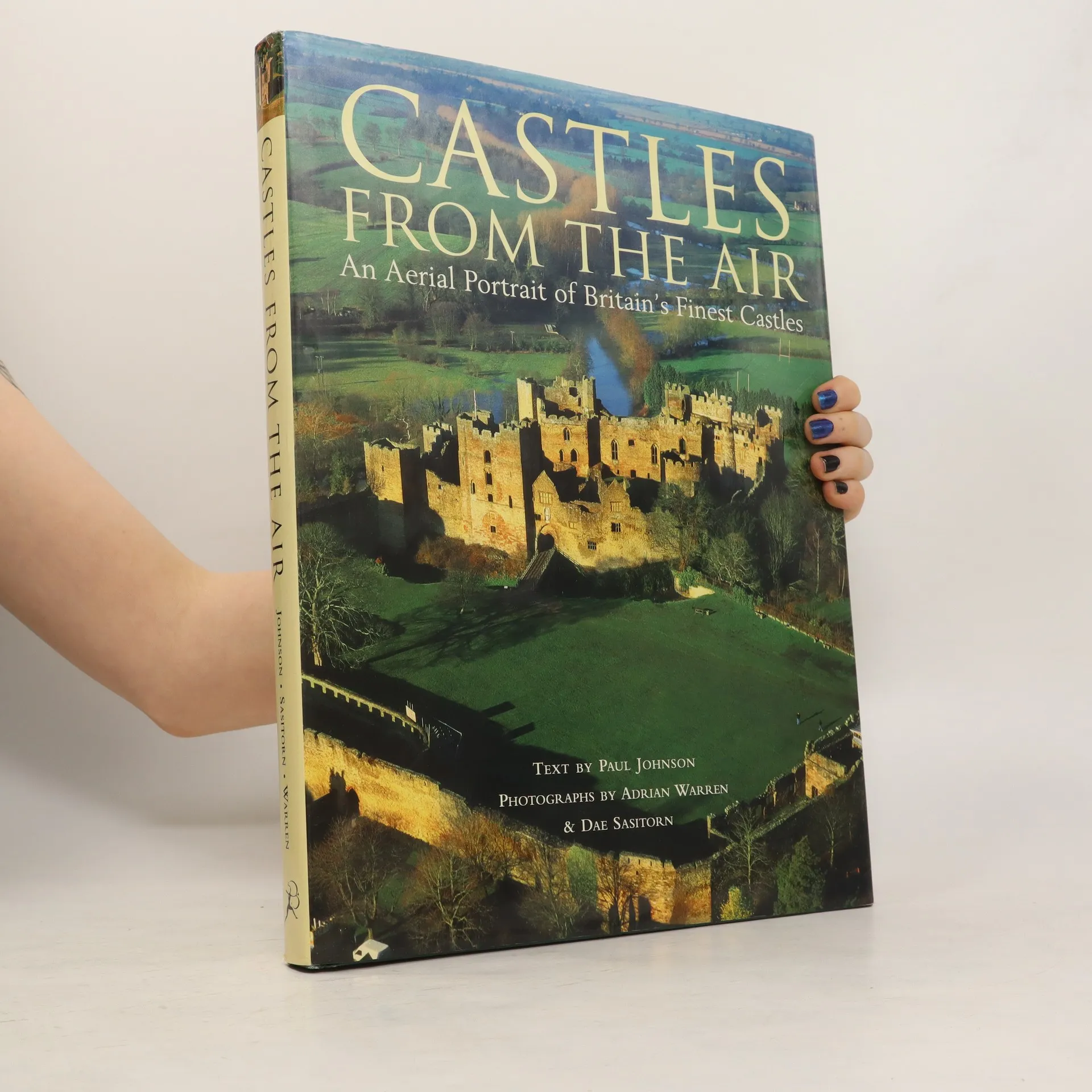
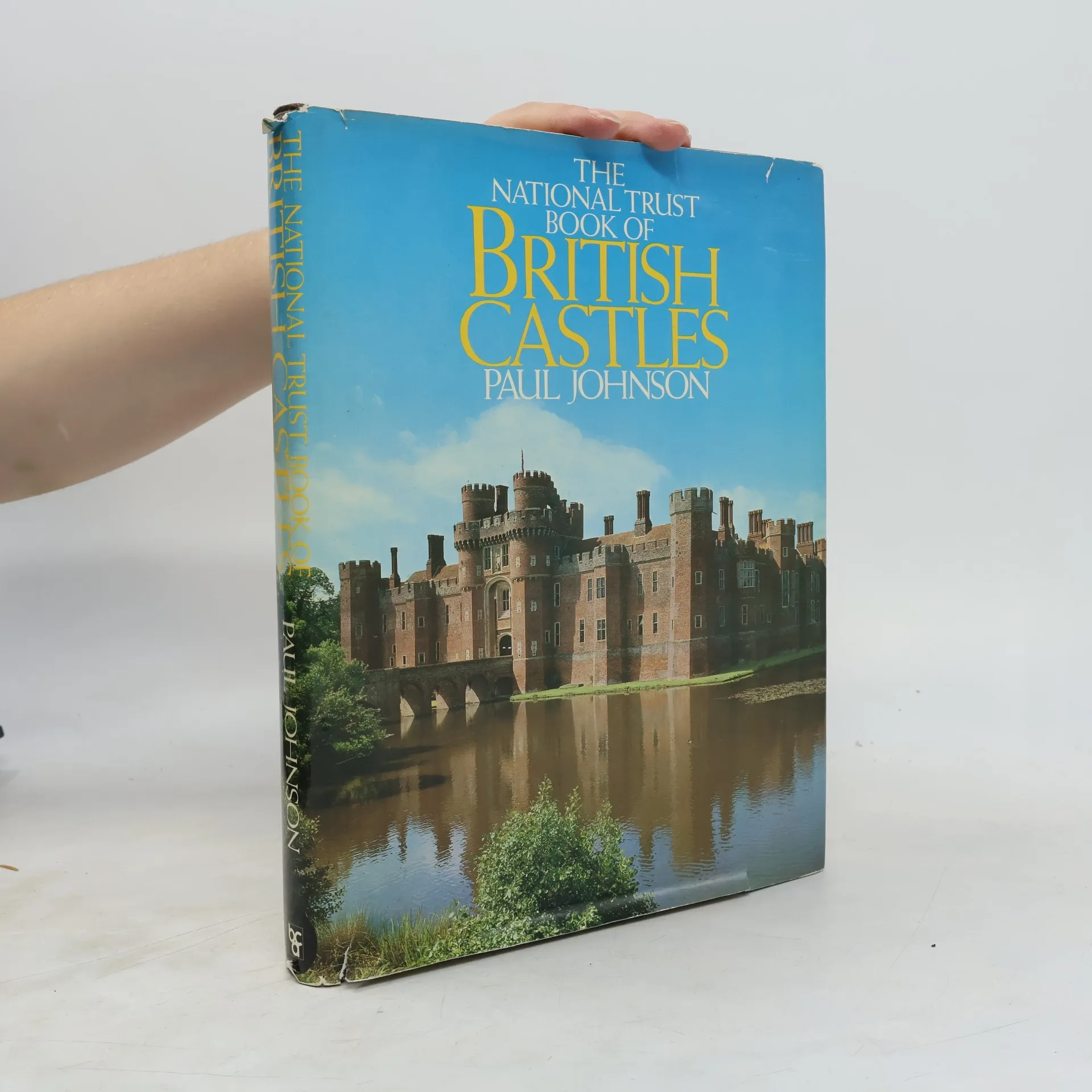
England, Scotland, and Wales together possess one of the largest and most impressive collections of castles anywhere in the world. Their names--Kenilworth, Edinburgh, Bodiam, Stirling, Tintagel--conjure images of romance, battles and intrigue. Trace each stage of the castles' development from Norman times through Plantagenet and Edwardian expansion, including their role in strengthening the coastline during the Tudor age, the appalling devastation suffered in the Civil War, and the gradual decay of the castle--and its renaissance.
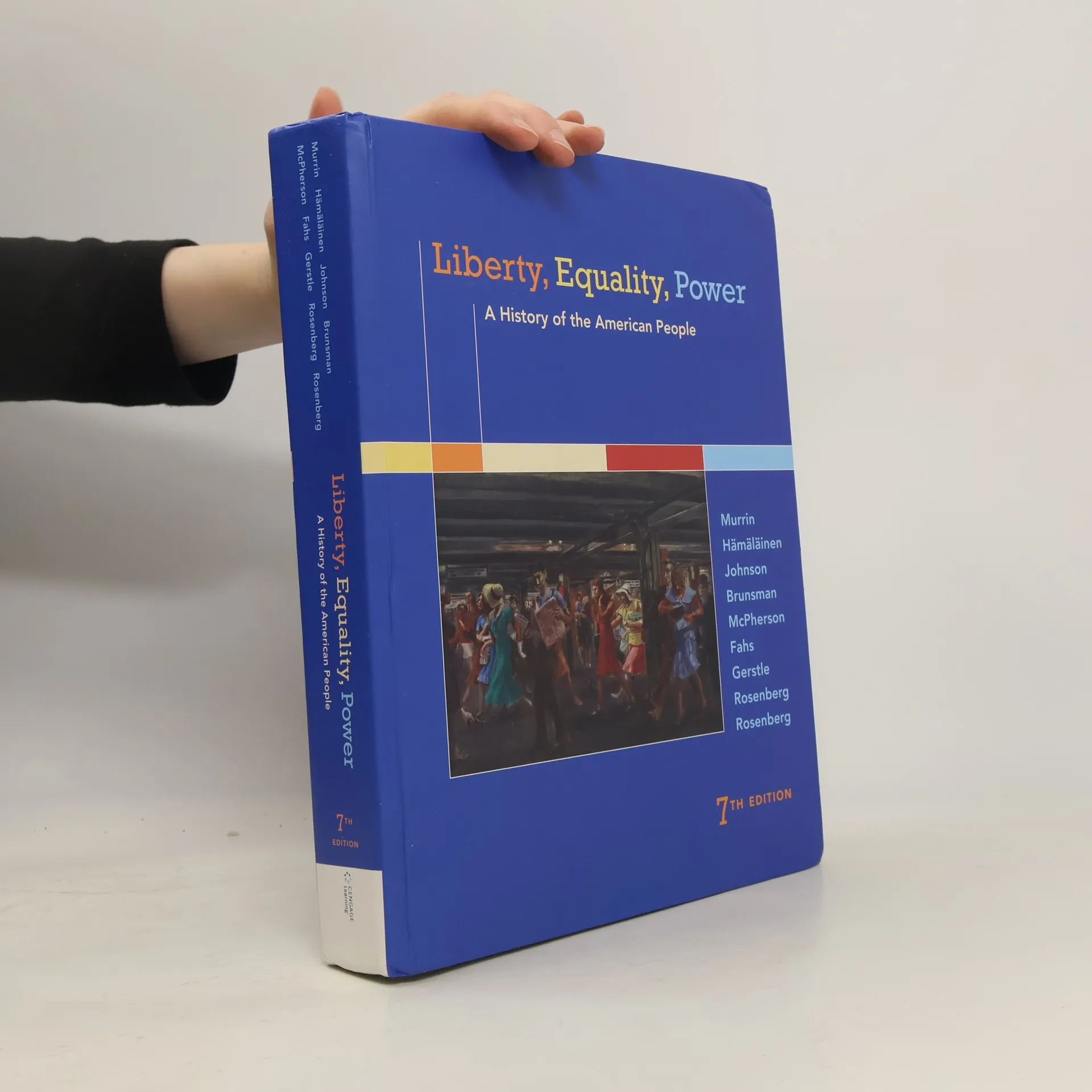
Understanding the past helps us navigate the present and future. This book teaches readers about American history and exposes them to movies and other forms of popular culture that tell the stories of the nation's past. A highly respected and thoroughly modern approach to U.S. history, LIBERTY, EQUALITY, POWER, Seventh Edition, shows how the United States was transformed, in a relatively short time, from a land inhabited by hunter-gatherer and agricultural Native American societies into the most powerful industrial nation on Earth. This approach helps readers understand the impact of the notions of liberty and equality, which are often associated with the American story, and recognize how dominant and subordinate groups have affected and been affected by the ever-shifting balance of power.
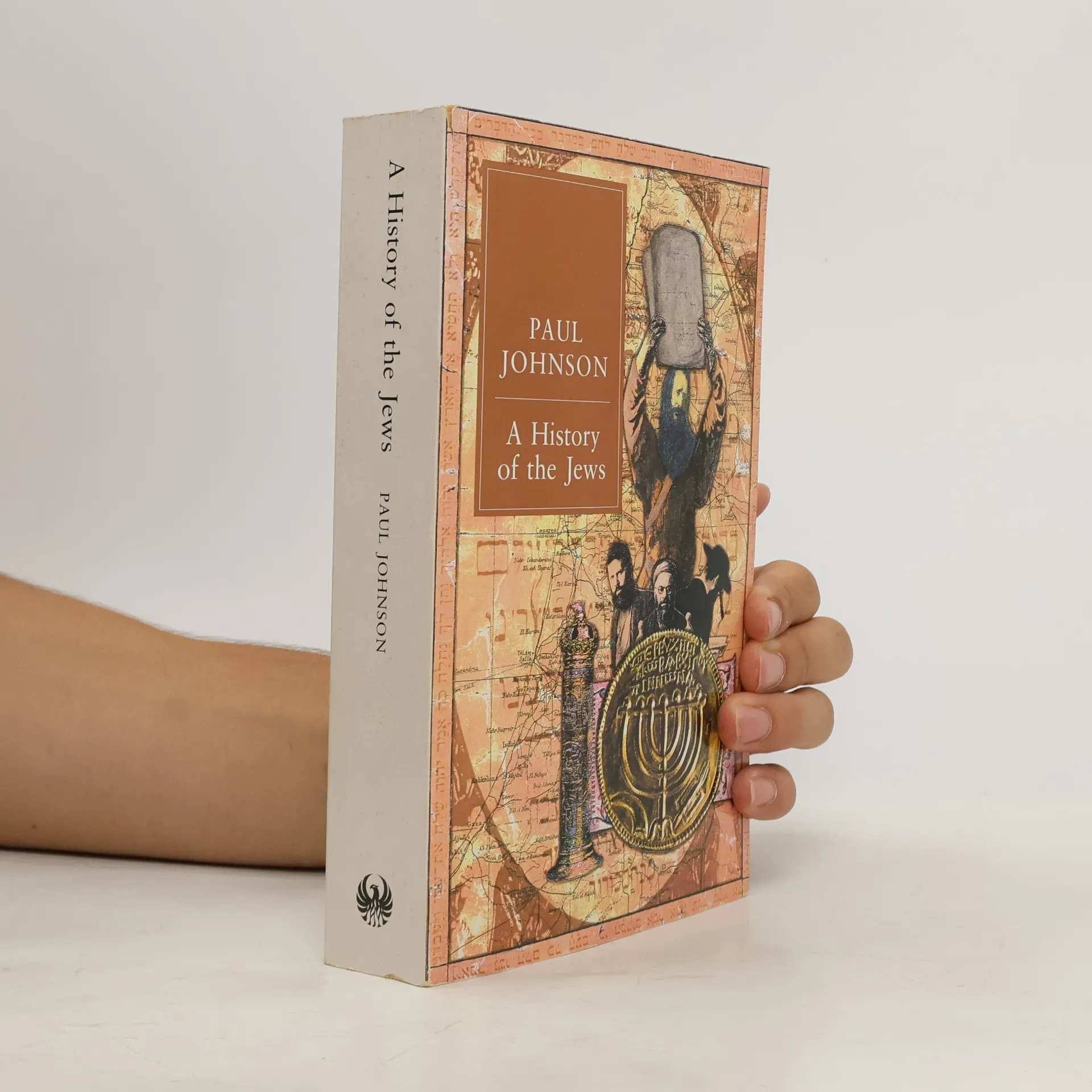
The History of the Jews
- 643 pages
- 23 hours of reading
This historical magnum opus covers 4,000 years of the extraordinary history of the Jews as a people, a culture, and a nation, showing the impact of Jewish character and imagination upon the world.
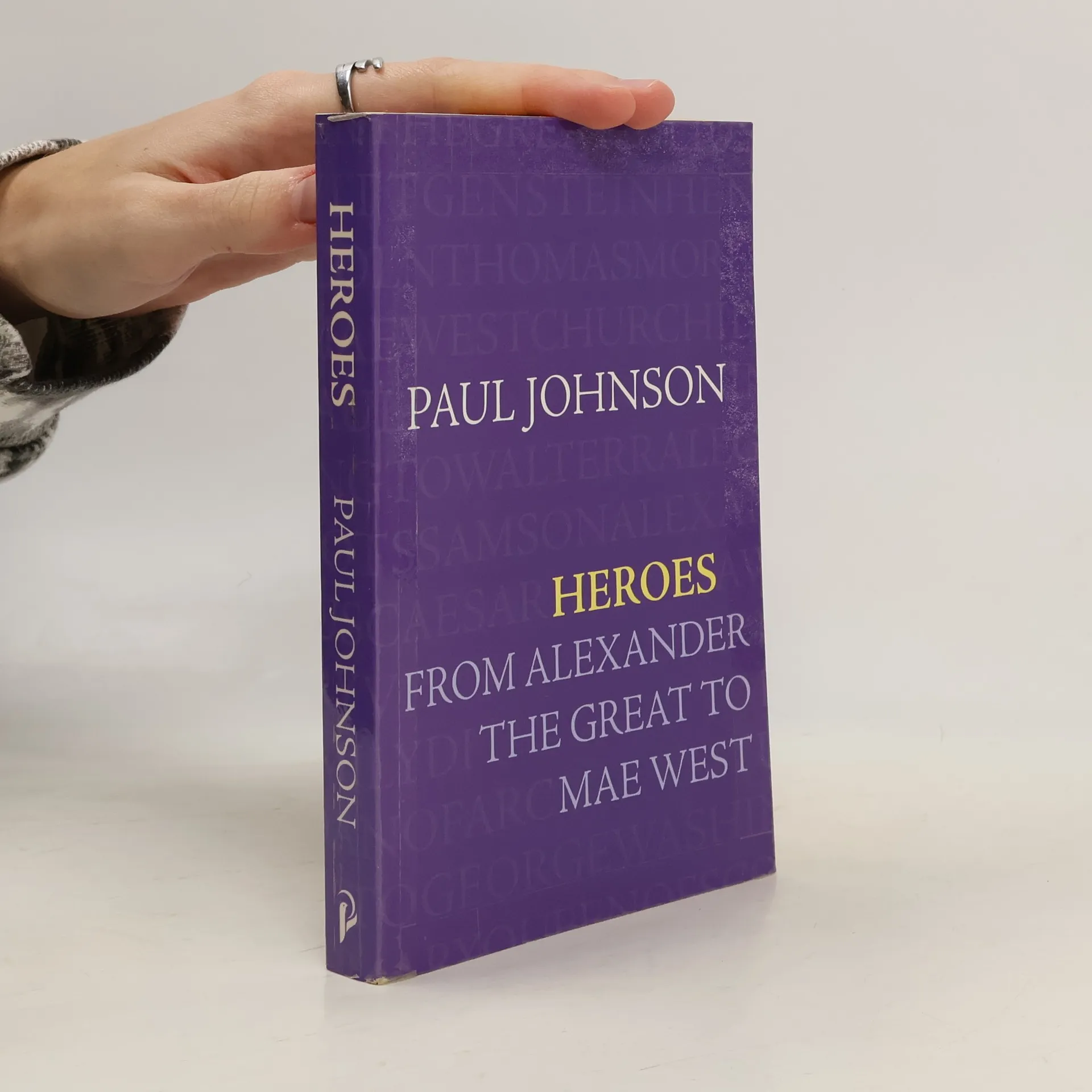
Heroes : from Alexander the Great to Mae West
- 287 pages
- 11 hours of reading
HEROES ranges widely across human experience, achievement and character. The biblical heroes Deborah and Judith appear along with King David and Samson. Mary Queen of Scots is contrasted with Queen Elizabeth I. There are inspiring national leaders, military geniuses and warrior-queens. On a lighter note, Lady Pamela Berry represents the heroism of the hostess and Jane Carlyle the heroic wife. He ends with three figures who dismantled the Soviet empire: Ronald Reagan, Margaret Thatcher and Pope John Paul II.
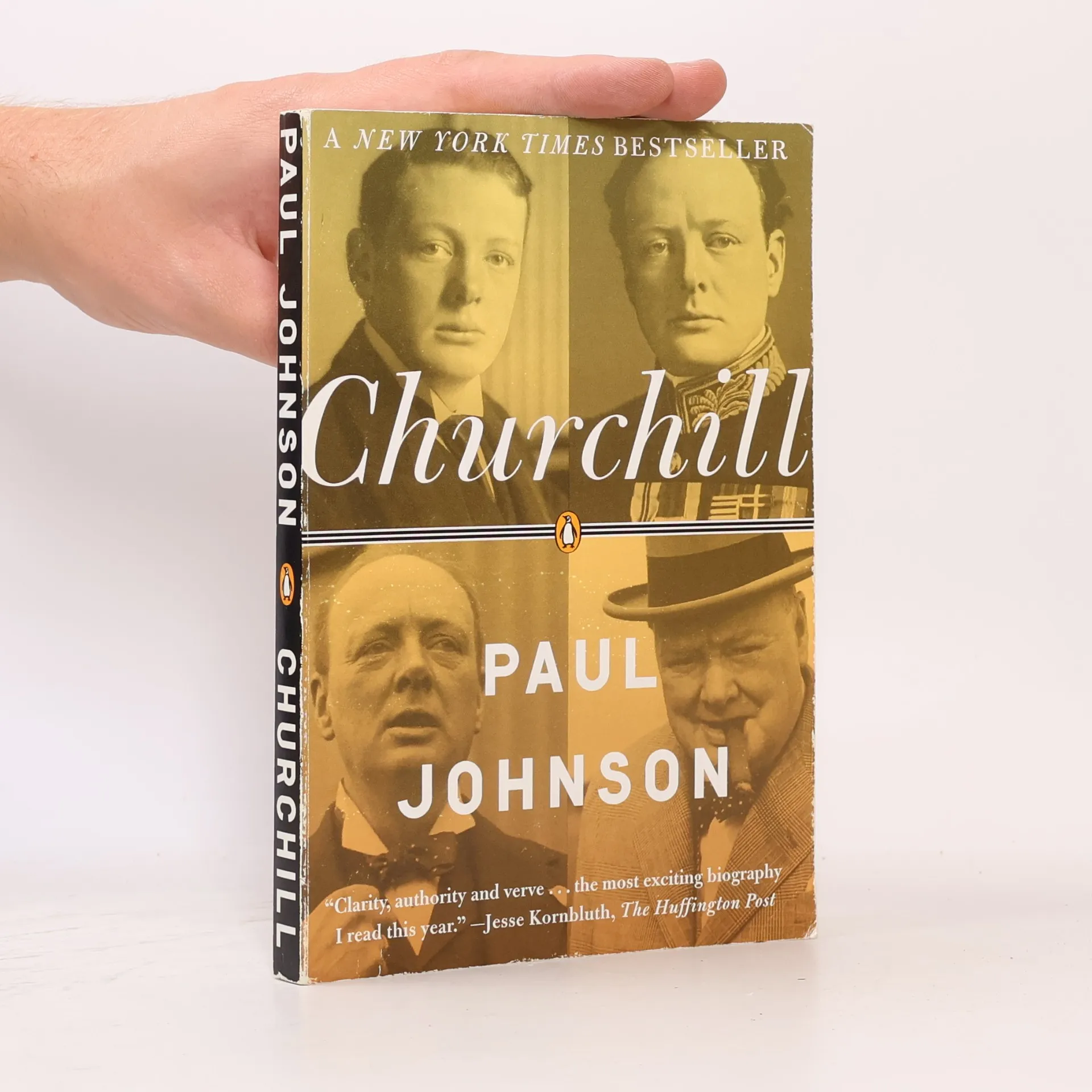
Churchill
- 192 pages
- 7 hours of reading
From the “most celebrated and best-loved British historian in America” (Wall Street Journal), an elegant, concise, and revealing portrait of Winston Churchill In Churchill, eminent historian Paul Johnson offers a lively, succinct exploration of one of the most complex and fascinating personalities in history. Winston Churchill's hold on contemporary readers has never slackened, and Johnson’s analysis casts new light on his extraordinary life and times. Johnson illuminates the various phases of Churchill's career—from his adventures as a young cavalry officer in the service of the empire to his role as an elder statesman prophesying the advent of the Cold War—and shows how Churchill's immense adaptability and innate pugnacity made him a formidable leader for the better part of a century. Johnson's narration of Churchill's many triumphs and setbacks, rich with anecdote and quotation, illustrates the man's humor, resilience, courage, and eccentricity as no other biography before, and is sure to appeal to historians and general nonfiction readers alike.
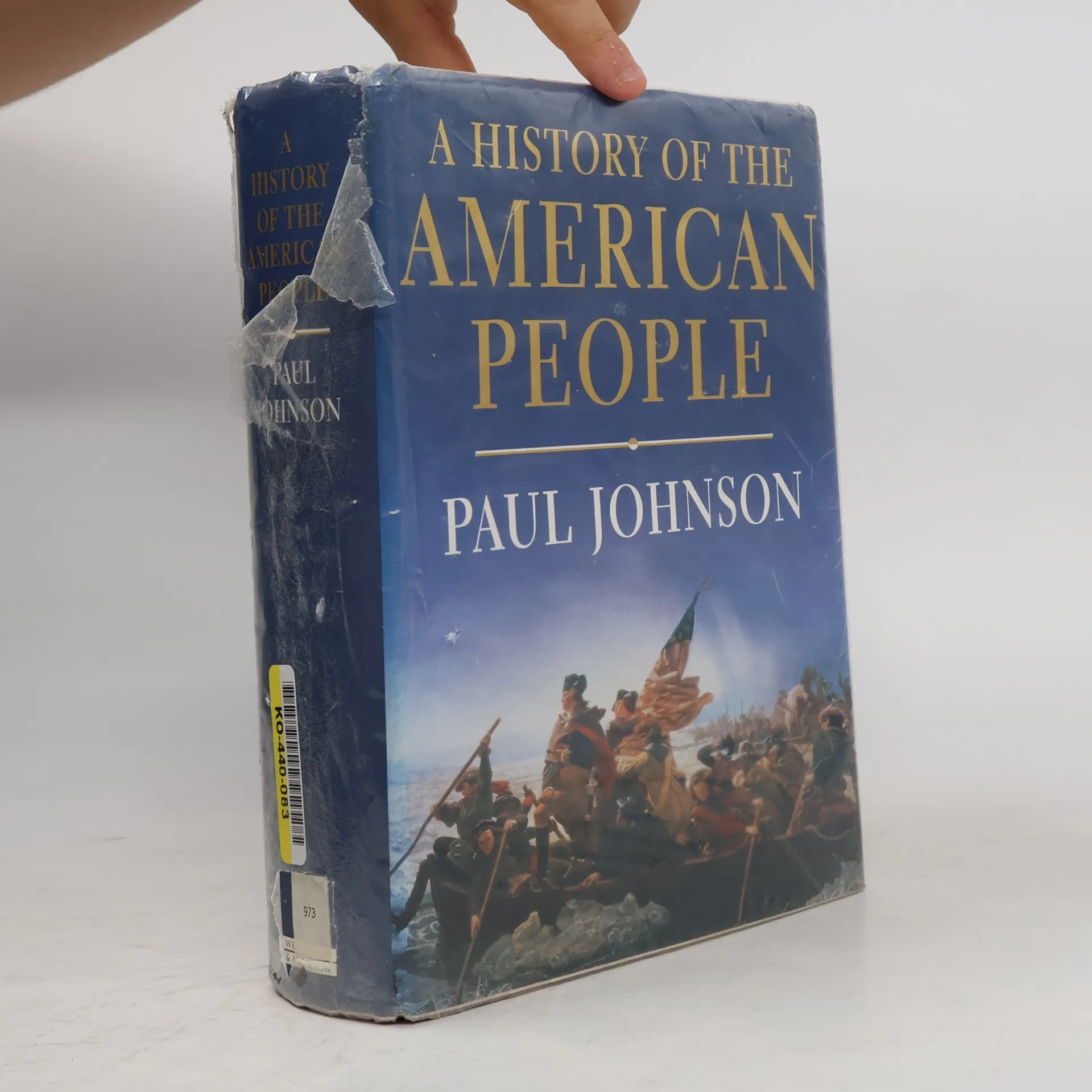
A History of the American People
- 768 pages
- 27 hours of reading
A narrative history of the United Sttes, which is also a reinterpretation of every aspect of American history, of its politics and economics, its literature and art, its society and manners, and its religous beliefs.
The Papacy
- 216 pages
- 8 hours of reading
This is a celebratory history of the Papacy, spanning 2000 years and tracing its development and achievements from the Dark and Middle Ages, through the Renaissance and Reformation to the modern age. The chronological structure allows for easy reference.
Brief lives
- 296 pages
- 11 hours of reading
In the course of a long and successful career as a journalist and author, Paul Johnson has known popes, presidents, prime ministers, painters, poets, playwrights, even the foul-mouthed publican Muriel Belcher, who ran the legendary Colony Club.
Indigenous Continent
- 592 pages
- 21 hours of reading
From a prize-winning scholar of Indigenous history, a landmark work that overturns America's dominant origin story
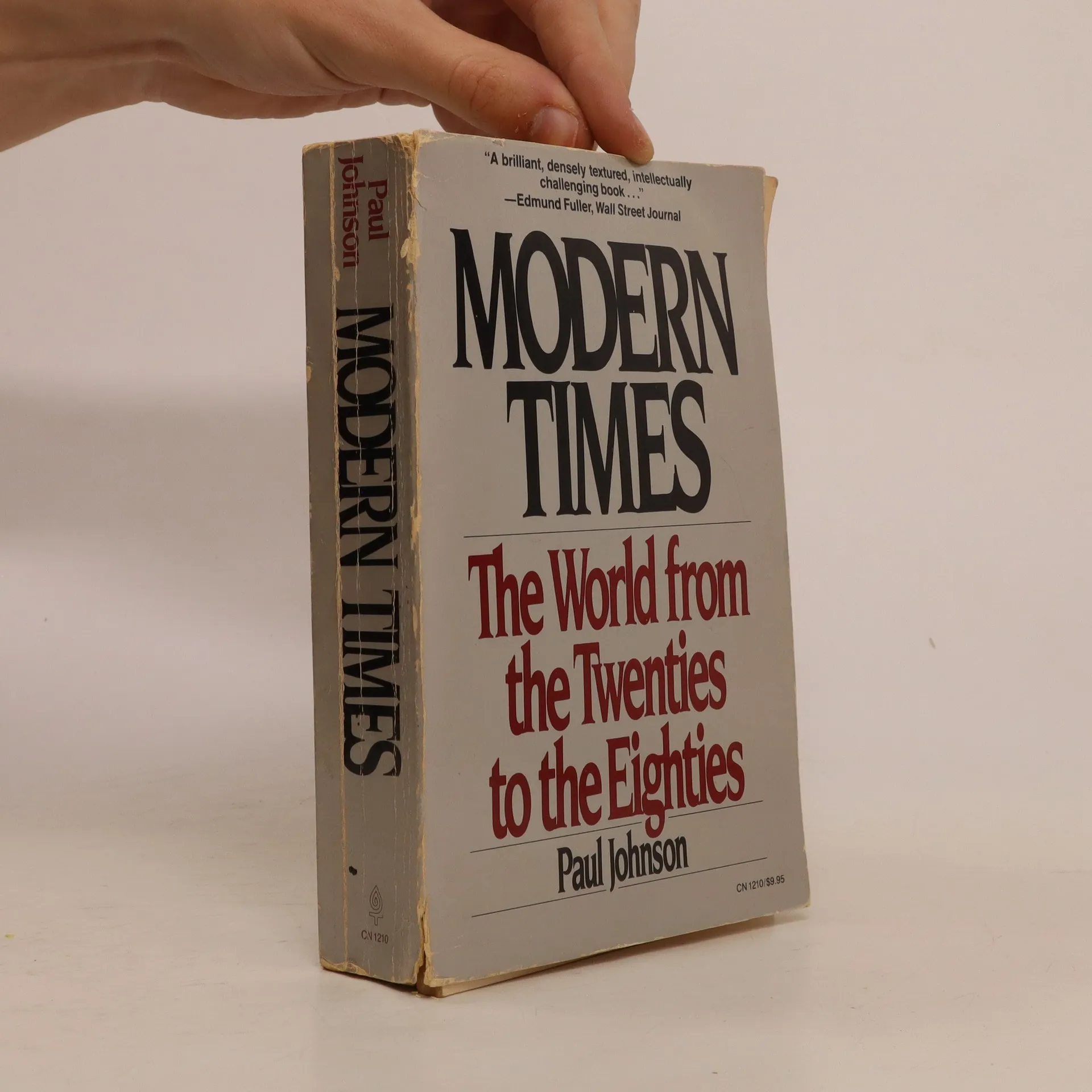
Modern Times. The World from the Twenties to the Eighties.
- 817 pages
- 29 hours of reading
For better readers, this is an informal history of the mid 60 years of the twentieth century.
Castles From The Air - An Aerieal Portrait of Britain's Finest Castles 1932302123 Castles From The Air - An Aerieal Portrait of Britain's Finest Castles Hardcover Publication 2006 Number of Pages - 216 Large Coffee Table Size Book
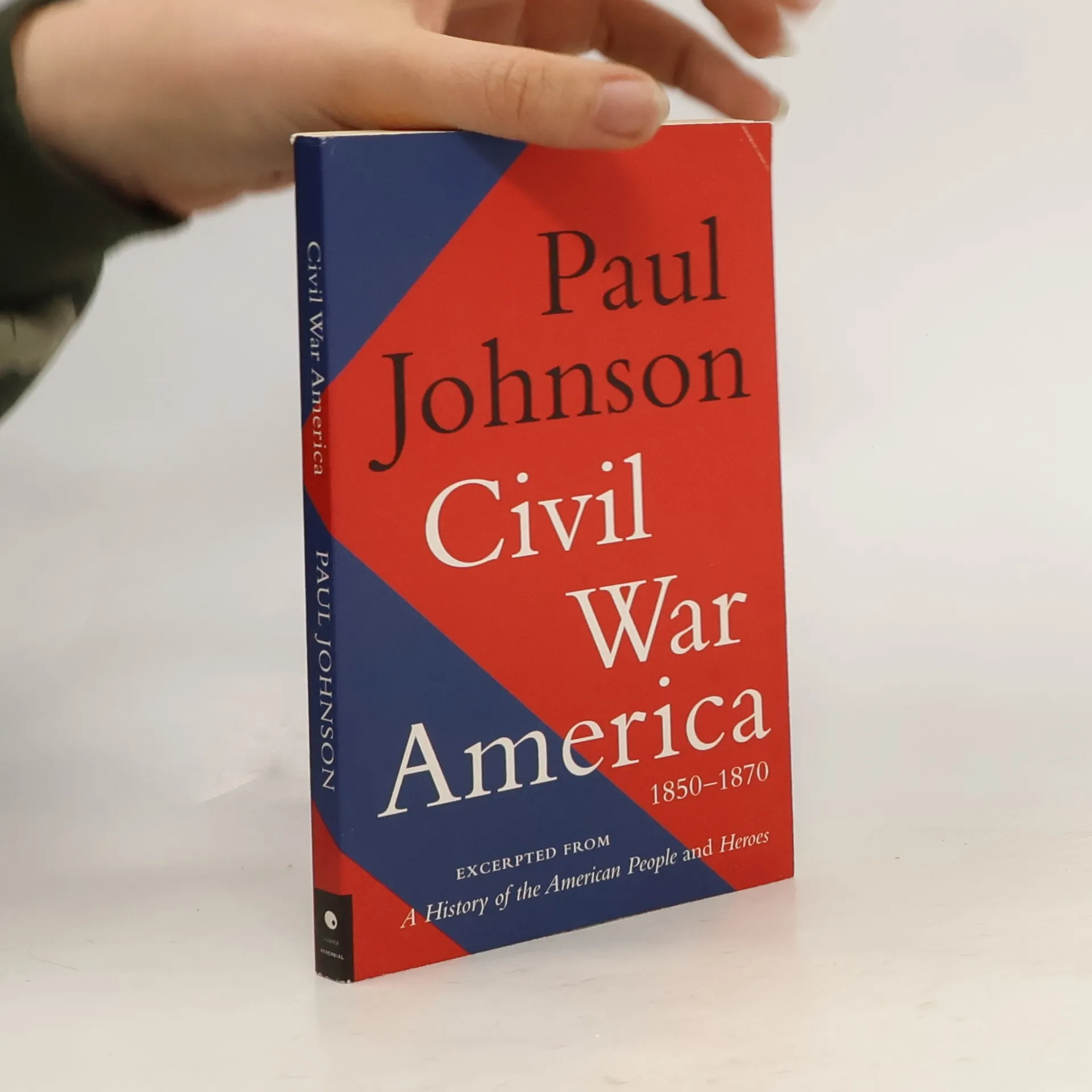
Civil War America
- 192 pages
- 7 hours of reading
Focusing on the Civil War, this collection of essays offers a profound exploration of a pivotal moment in American history. The esteemed historian delves into the causes of the conflict and the key figures involved, providing insightful portraits that illuminate their roles in this tumultuous period. With engaging prose and thorough scholarship, the work also reflects on the nation's struggles to heal and reunite in the aftermath, making it a compelling read for anyone interested in understanding the complexities of this era.
The book explores the origins of capitalist institutions, delving into the moral, economic, and legal foundations that underlie their development. It examines the motivations and contexts that led to their establishment, offering a critical analysis of the assumptions that have shaped capitalist structures. Through this innovative study, readers gain insight into the interplay between ideology and economic practice, shedding light on the complexities of capitalism's evolution.
Creators: from Chaucer to Walt Disney
- 310 pages
- 11 hours of reading
In his book INTELLECTUALS (1988) Paul Johnson asked whether intellectuals were morally fit to give advice to humanity (no, was the usual answer). In contrast, this book is about the creative and heroic side of outstanding individuals.There are many themes but no typical creator. Courage is always required, and self-confidence. Some never lacked recognition or sales, like Turner and Victor Hugo, Picasso and Durer. For others, like Bach or Jane Austen, the scale of their achievement was unrecognised in their lifetime. Luck can play a crucial part - as in Worsdworth's meeting with Coleridge and T.S. Eliot's with Ezra Pound (Eliot needed strong martinis too). Ruthlessness is important too - Mark Twain was not even his own pseudonym, he pinched it from another Mississippi-pilot-turned-writer who he savaged so severely he gave up writing. If there is no one typical creator, there is a common theme: putting excellence before any other consideration. Walt Disney and Christian Dior did this in their own way as surely as Chaucer or Shakespeare, William Morris or Turner.
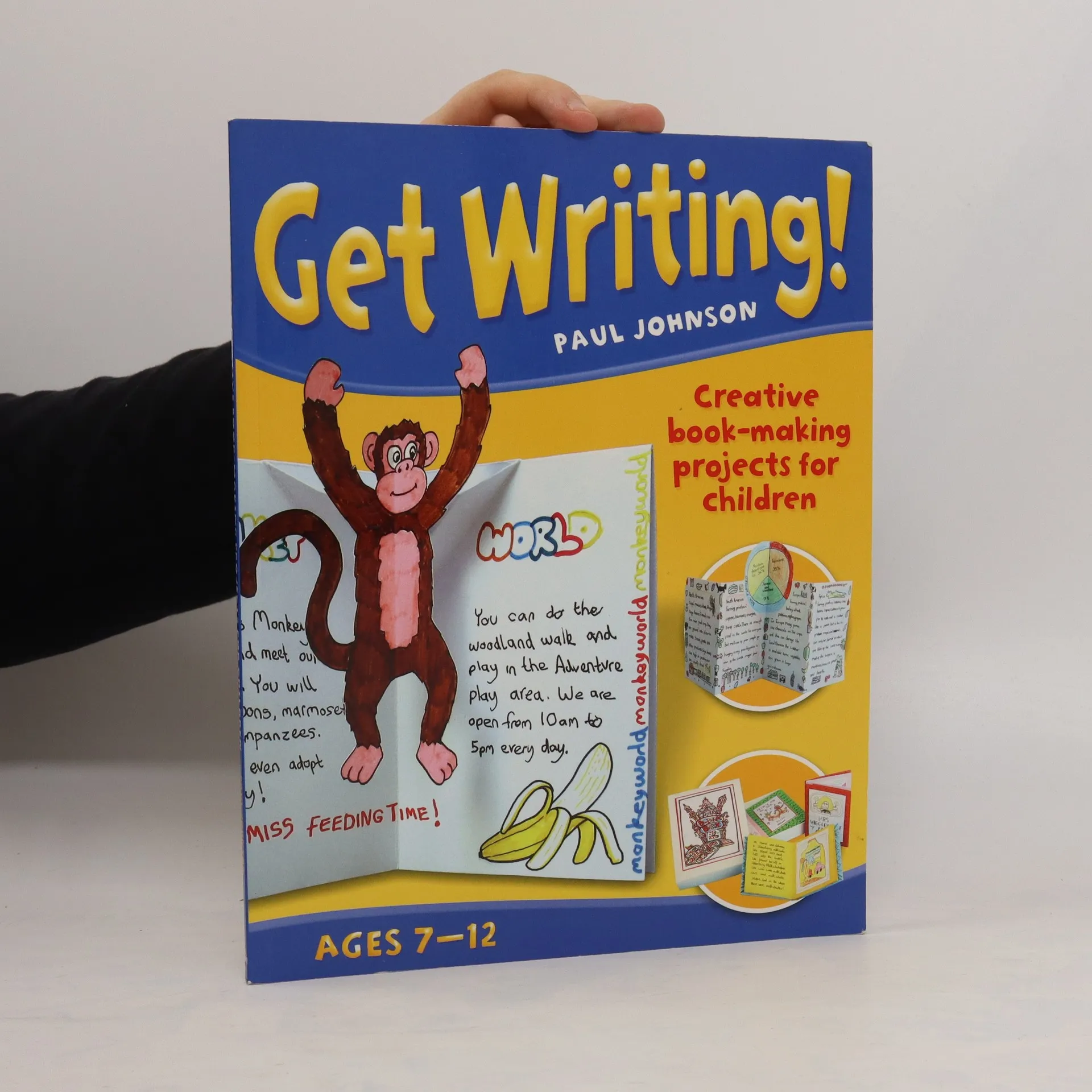
Get Writing!
- 64 pages
- 3 hours of reading
"This book contains over a hundred new ideas for book-making projects for children aged 7 to 12. Each section introduces a basic book form and then gives examples of different ways the design can be used for variety of exciting writing projects." -- BACK COVER.
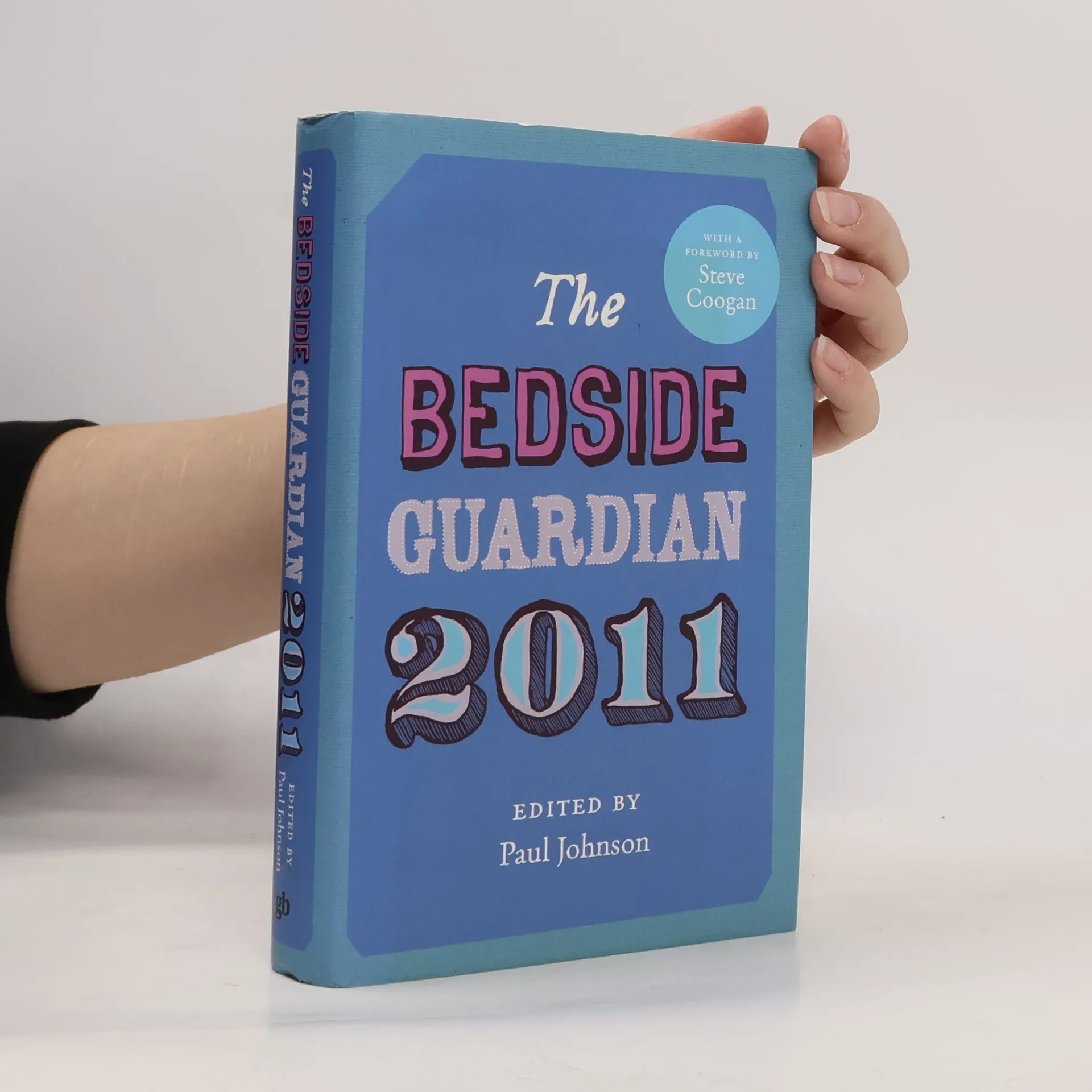
The Bedside Guardian 2011
- 352 pages
- 13 hours of reading
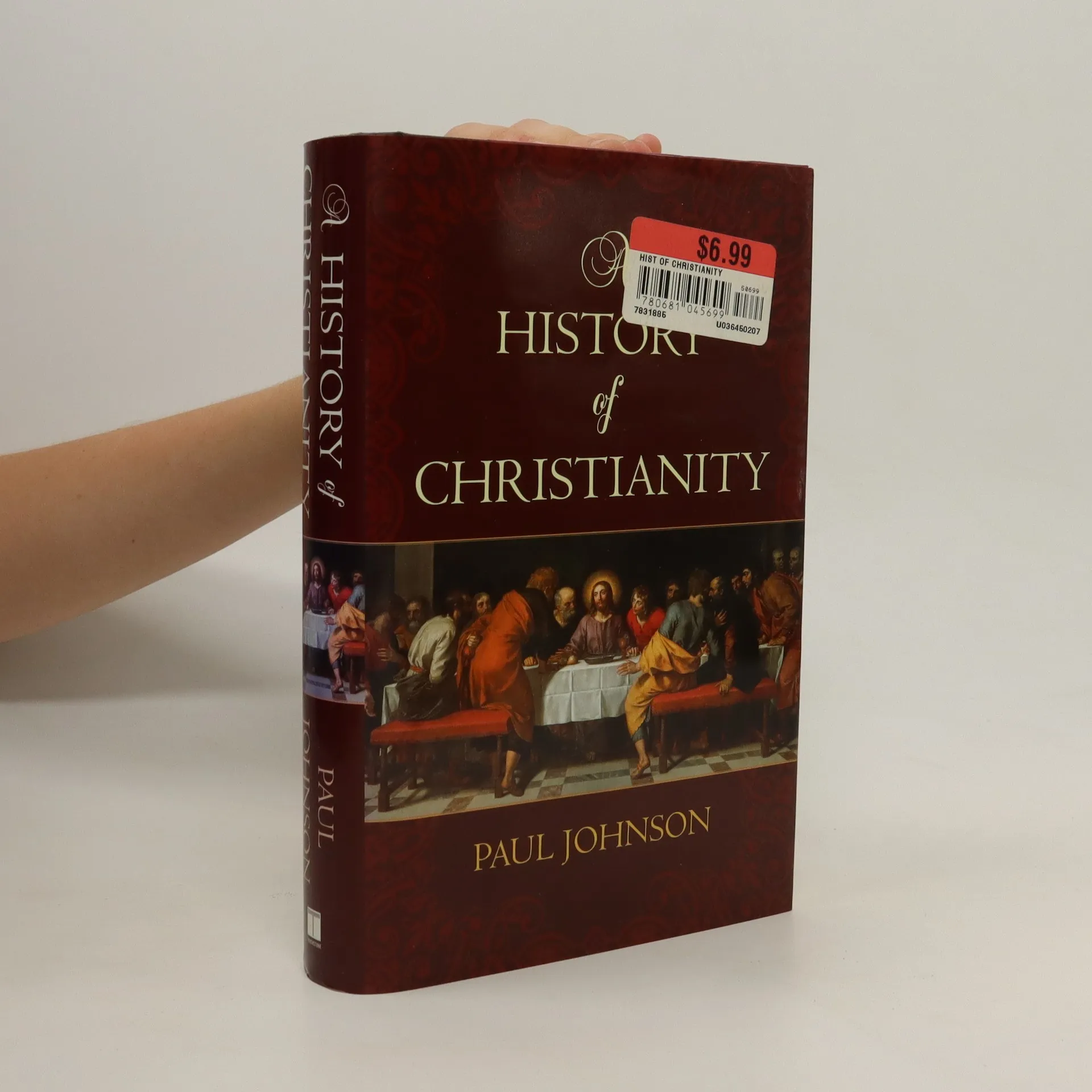
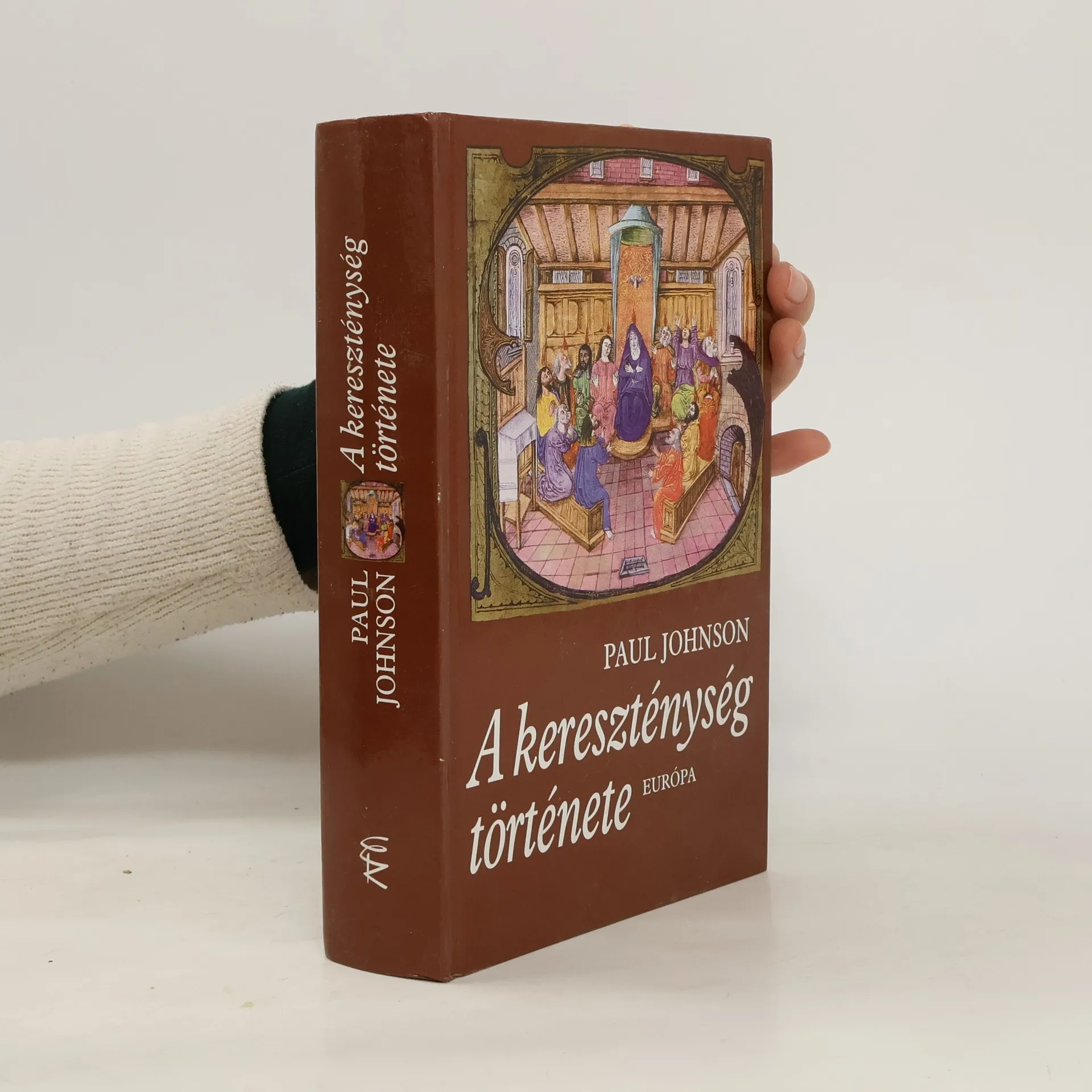
A History of Christianity
- 576 pages
- 21 hours of reading
First published in 1976, Paul Johnson’s exceptional study of Christianity has been loved and widely hailed for its intensive research, writing, and magnitude—“a tour de force, one of the most ambitious surveys of the history of Christianity ever attempted and perhaps the most radical” ( New York Review of Books ). In a highly readable companion to books on faith and history, the scholar and author Johnson has illuminated the Christian world and its fascinating history in a way that no other has. Johnson takes off in the year 49 with his namesake the apostle Paul. Thus beginning an ambitious quest to paint the centuries since the founding of a little-known ‘Jesus Sect’, A History of Christianity explores to a great degree the evolution of the Western world. With an unbiased and overall optimistic tone, Johnson traces the fantastic scope of the consequent sects of Christianity and the people who followed them. Information drawn from extensive and varied sources from around the world makes this history as credible as it is reliable. Invaluable understanding of the framework of modern Christianity—and its trials and tribulations throughout history—has never before been contained in such a captivating work.
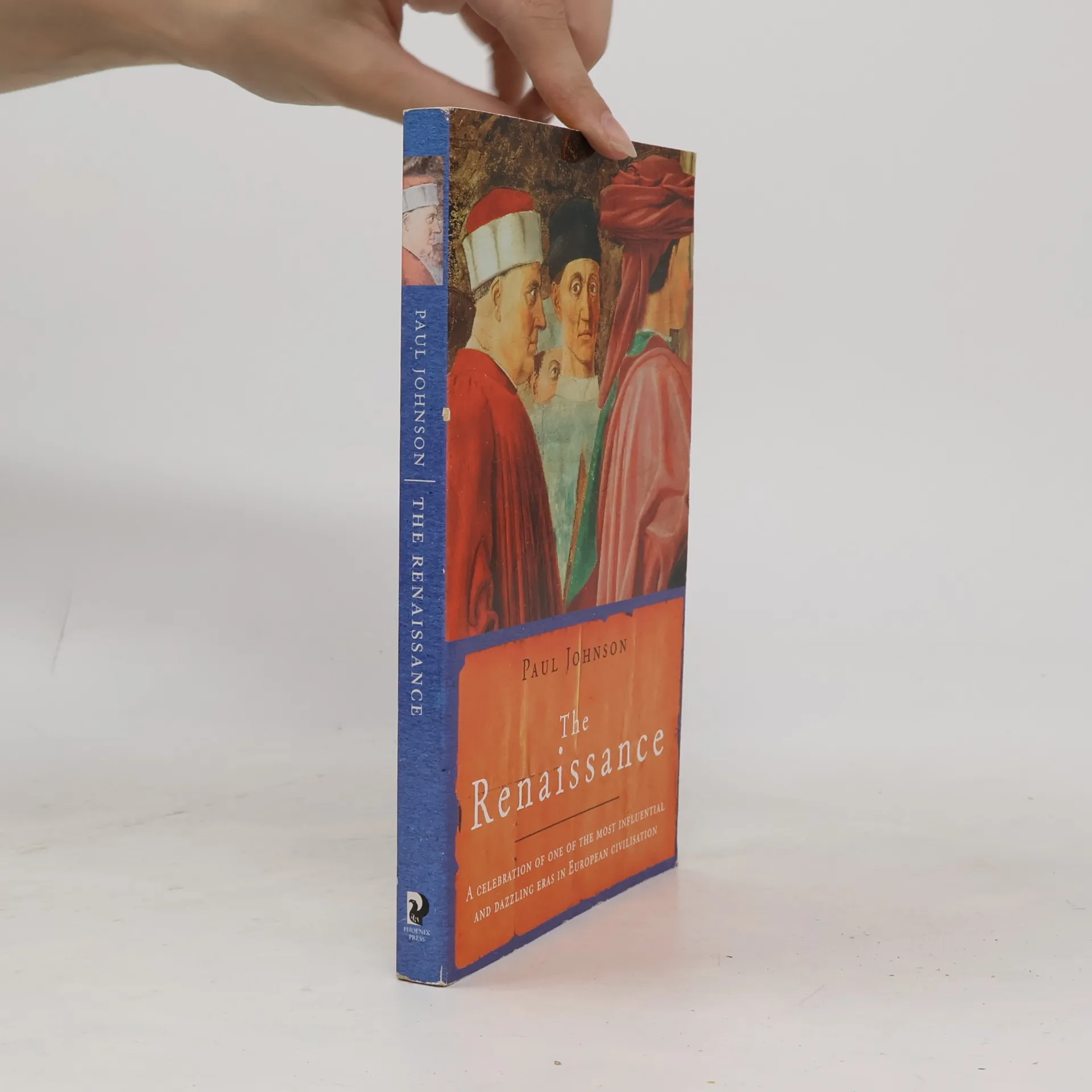
The Renaissance
- 176 pages
- 7 hours of reading
The development of the first universities from the 12th century onwards, growing wealth and patronage in certain cities, and above all the invention of printing and cheap paper, provided essential conditions for the Renaissance. And it was in literature and scholarship that it began, in the rebirth of classical culture that loosened the Church's iron grip on visual art. Paul Johnson tells the story, in turn, of Renaissance literature, sculpture, building and painting. Despite the critical importance of inventions outside Italy - printing in Germany and oil painting in Holland - he locates the Renaissance firmly in Italy and in Florence above all, between 1400 and 1560. There are memorable sketches of the key figures - the frugal and shockingly original Donatello, the awesome Michelangelo, the delicacy of Giovanni Bellini. The final part of the book charts the spread and decline of the Renaissance, as the Catholic Church repositioned itself to counter the Reformation which the Renaissance had itself helped to produce.
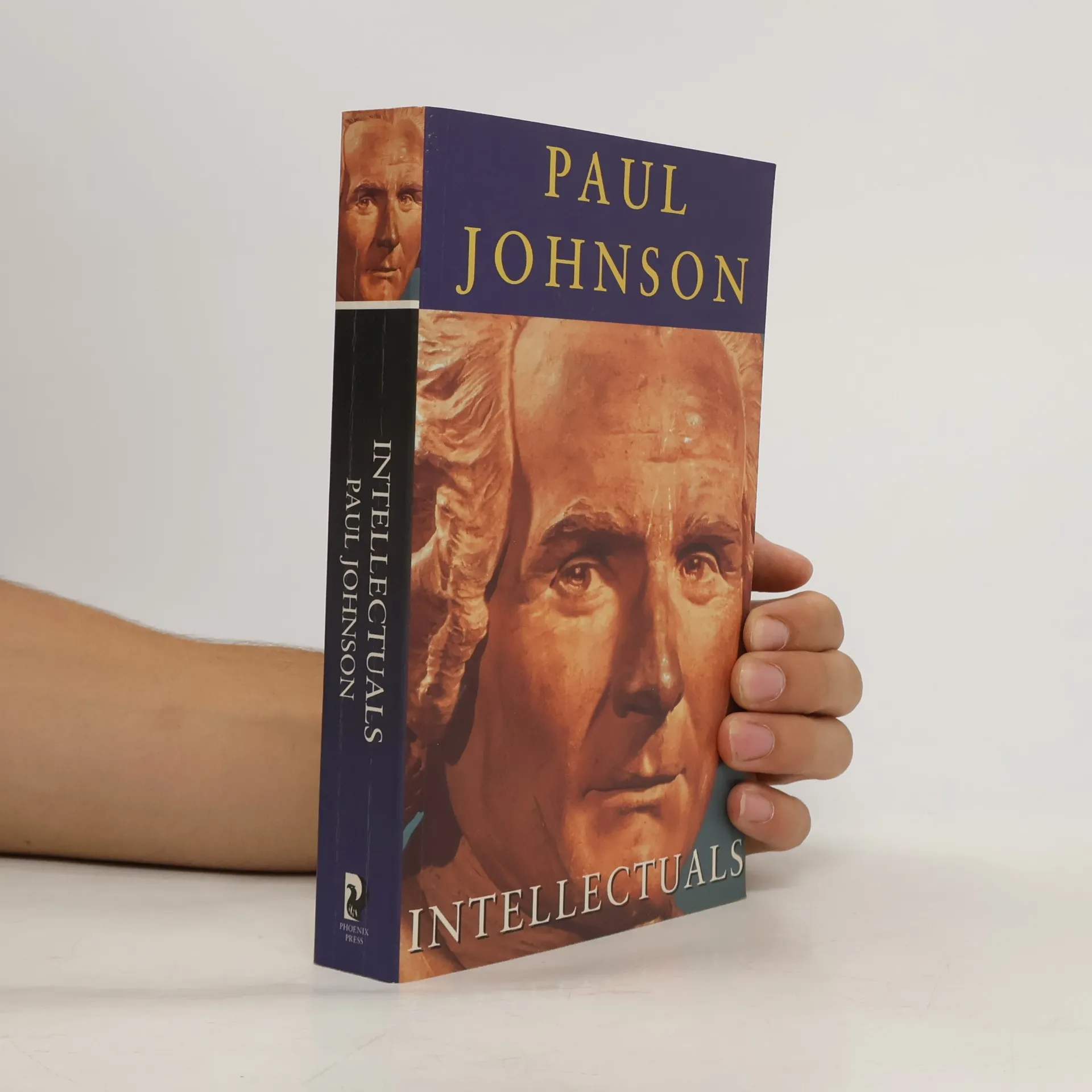
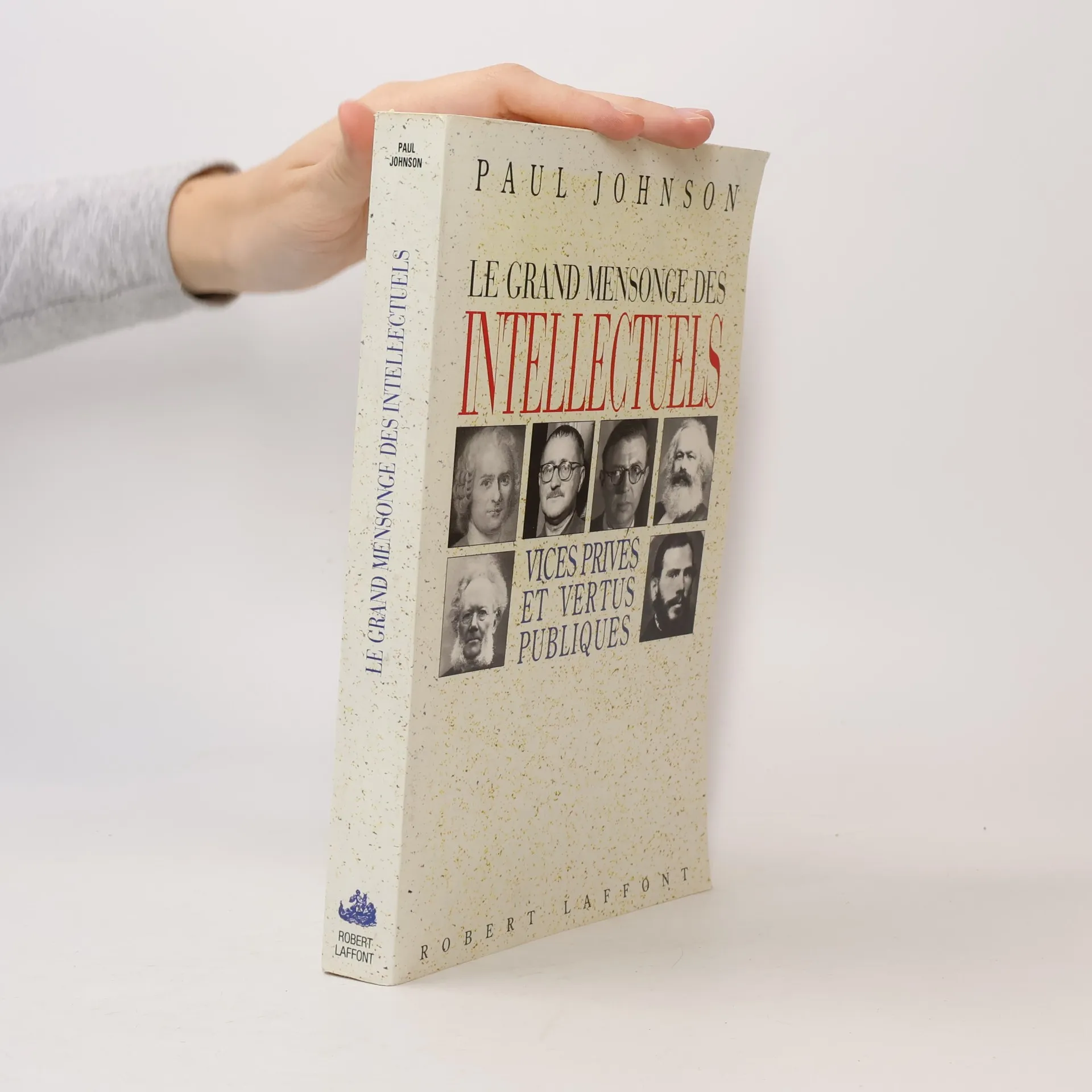
Paul Johnson examines whether intellectuals are morally fit to give advice to humanity.Do the private practices of intellectuals match the standard of their public principles?How great is their respect for truth? What is their attitude to money? How do they treat their spouses and children - legitimate and illegitimate? How loyal are they to their friends? Rousseau, Shelley, Marx, Ibsen, Tolstoy, Hemingway, Bertrand Russell, Brecht, Sartre, Edmund Wilson, Victor Gollancz, Lillian Hellman, Cyril Connolly, Norman Mailer, Kenneth Tynan and many others are put under the spotlight. With wit and brilliance, Paul Johnson exposes these intellectuals, and questions whether ideas should ever be valued more than individuals.
The potential for high returns in high-tech investing is immense: a $10,000 investment in Cisco in 1990 could yield $1,285,000 today, while Microsoft could turn that same amount into over $1,800,000. But how can you, as a non-insider, access these lucrative opportunities? This guide provides the essential rules for navigating the high-tech stock market and identifying future market leaders, or "gorillas," that will dominate their sectors, much like Microsoft and Cisco do today. By following the strategies outlined, you'll learn to spot promising "gorilla candidates" early, while their stocks are still undervalued, and invest wisely as they compete for market dominance. As the market settles and a clear leader emerges, you’ll be positioned to reap significant rewards. This work combines insights from bestselling author Geoffrey A. Moore, a top consultant in high-tech marketing, with contributions from Wall Street analyst Paul Johnson and successful investor Tom Kippola. Together, they reveal the strategies that can help you identify high-growth markets, diversify your investments among potential leaders, and ultimately focus on the single emerging gorilla as the market matures.
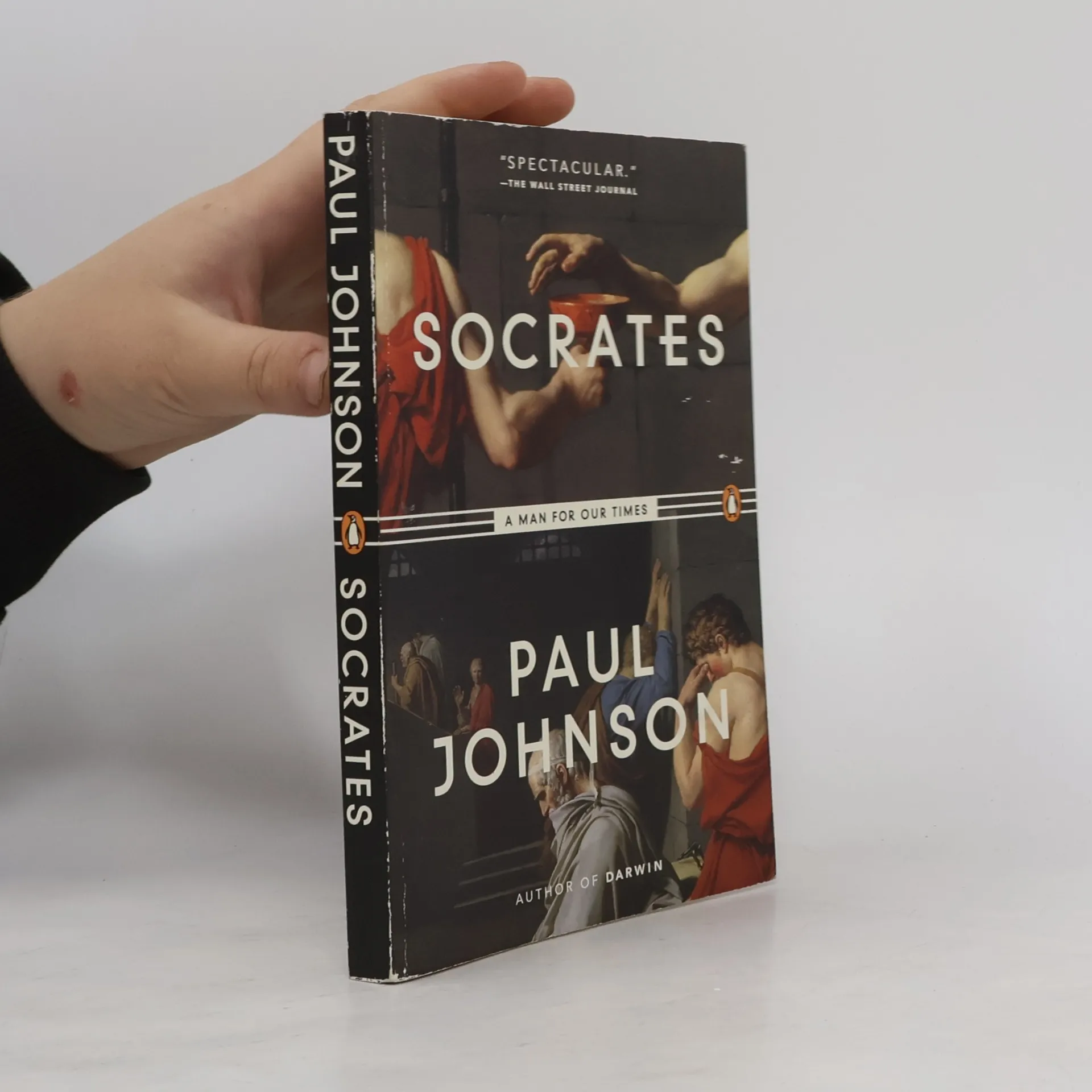
A brilliant portrait of the Greek philosopher who personified philosophy Socrates was undeniably one of the greatest thinkers of all time, yet he wrote nothing. Throughout his life, and indeed until his very last moment alive, Socrates fully embodied his philosophy in thought and deed. It is through the story of his life that we can fully grasp his powerful actions and ideas. In his highly acclaimed style, historian Paul Johnson masterfully disentangles centuries of scarce sources to offer a riveting account of a homely but charismatic middle-class man living in Athens in the fifth century BC, and how what this man thought still shapes the way we decide how to act, and how we fathom the notion of body and soul. Johnson provides a compelling picture of the city and people Socrates reciprocally delighted in, as well as many enlightening and intimate analyses of specific aspects of his personality. Enchantingly portraying "the sheer power of Socrates's mind, and its unique combination of steel, subtlety, and frivolity," Paul Johnson captures the vast and intriguing life of a man who did nothing less than supply the basic apparatus of the human mind.
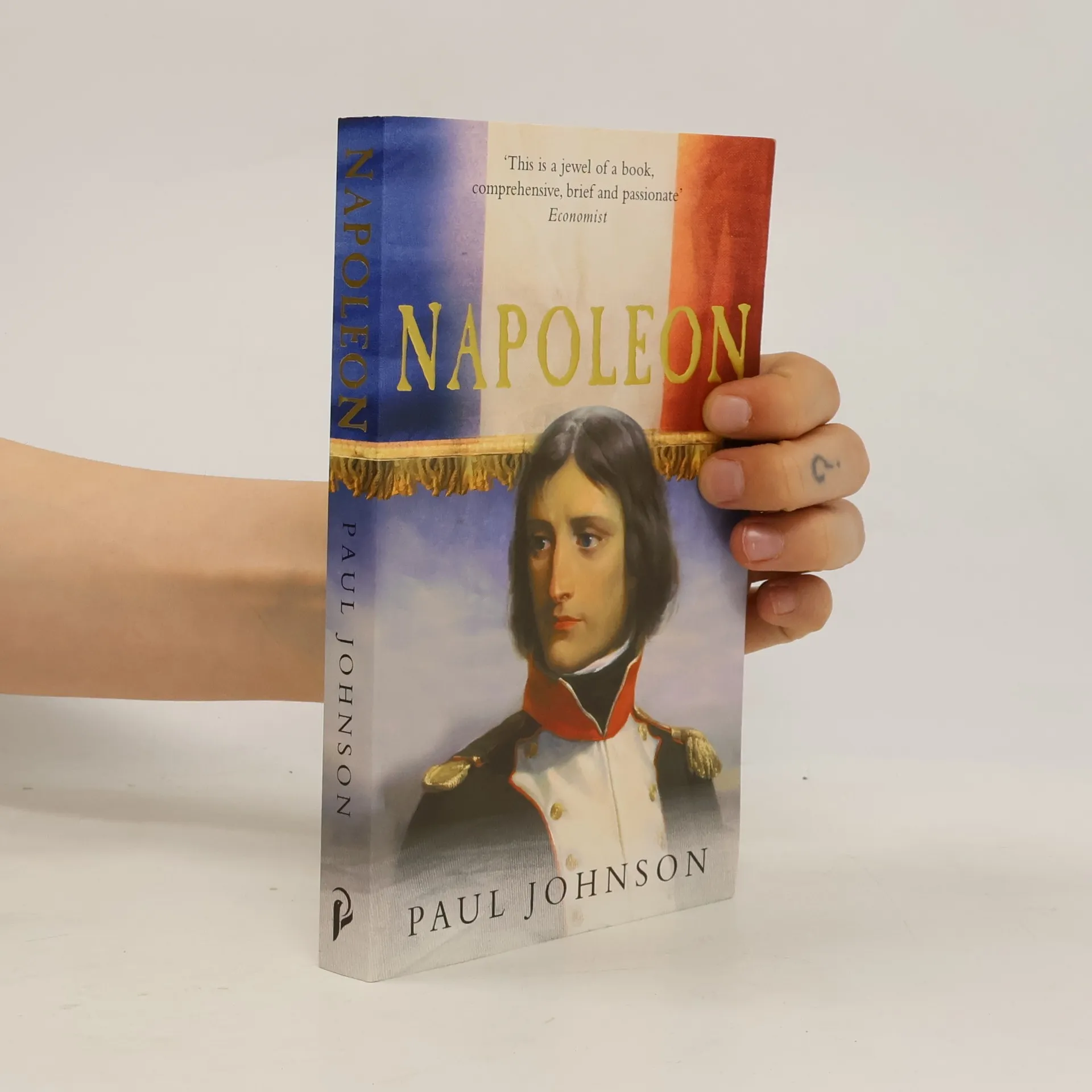
Napoleon
- 224 pages
- 8 hours of reading
A short and vivid biography, which deconstructs the Napoleonic myth and reveals the reality of his rule. Written with great wit and panache, this biography also has a serious purpose: to make us face up to the moral bankruptcy of Napoleon�s dictatorship. Johnson tells the whole story: his astonishing gift for figures and calculation, his mastery of cannon; his audacious, hyperactive and aggressive generalship and his simple battle tactics; his complete control of propaganda and the success of the cultural presentation of the Empire; the Code Napoleon; his failure as an international statesman, as Europe grew to hate him; his marshals and ministers; his wives, mistresses, personal style and working methods; the British blockade and the Continental System; the mistakes in Spain and Russia. The escape from Elba, the events leading up to Waterloo and the battle itself, which gets a full treatment, is particularly riveting.
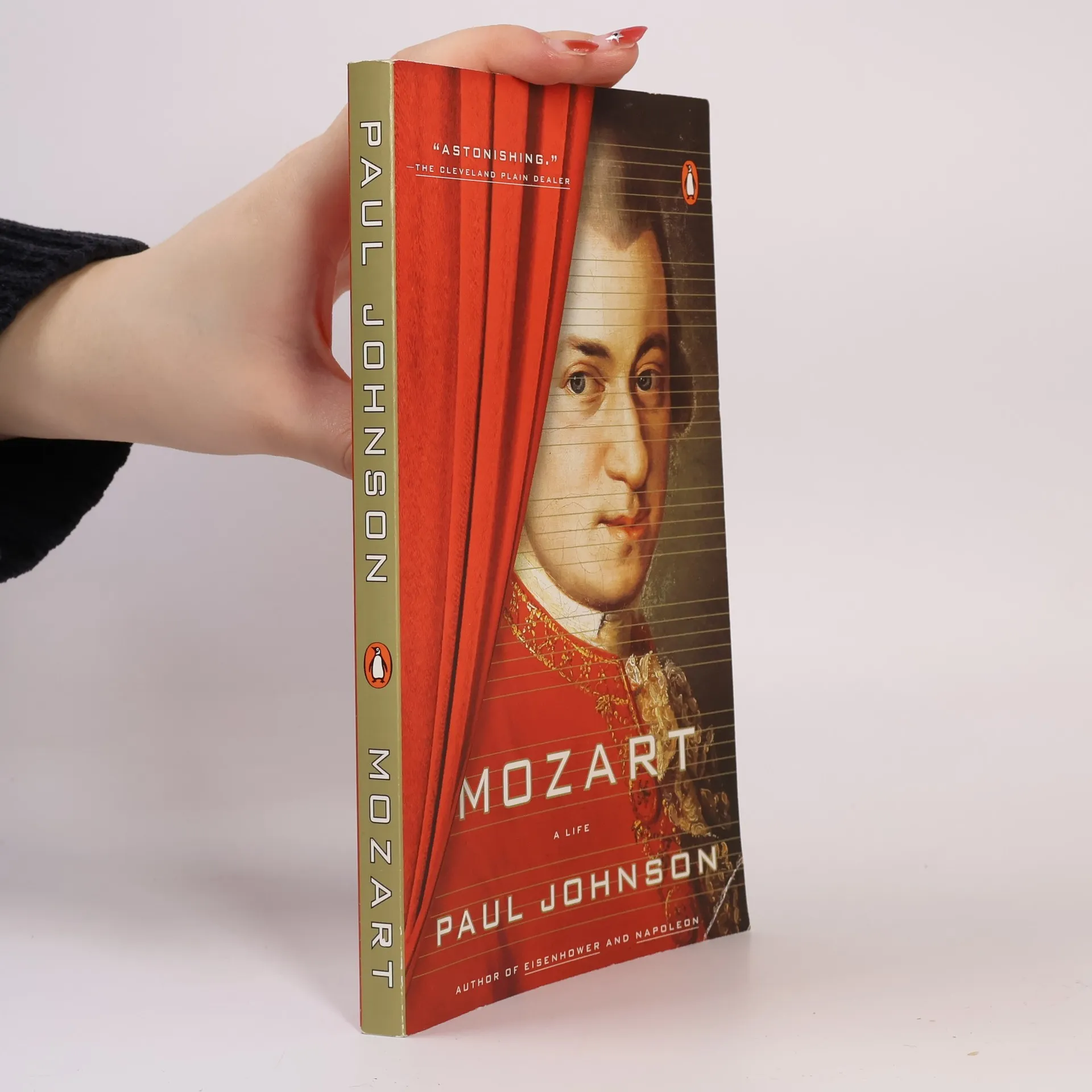
Mozart
- 176 pages
- 7 hours of reading
“Most satisfying . . . A highly accessible initial foray into an astonishing, and inexhaustible, subject.” —The Cleveland Plain Dealer Mozart’s music has enthralled listeners for centuries. In this brilliant biography, acclaimed historian Paul Johnson draws upon his expert knowledge of the era and Mozart’s own private letters to conjure Wolfgang Amadeus Mozart’s life and times in rich detail. Johnson charts Mozart’s life from age three through to his later years—when he penned The Marriage of Figaro and Don Giovanni. Along the way, Johnson challenges some of the popular myths that cloud Mozart’s image: his allegedly tempestuous personal relationships and supposedly bitter rivalry with Salieri, as well as the notion that he was desperately impoverished when he died. The result—a bold, invigorating portrait of one of the most popular and influential composers of all time—is a welcome addition to Johnson’s extraordinary body of work and makes a perfect gift for classical music lovers and fans of biographies.
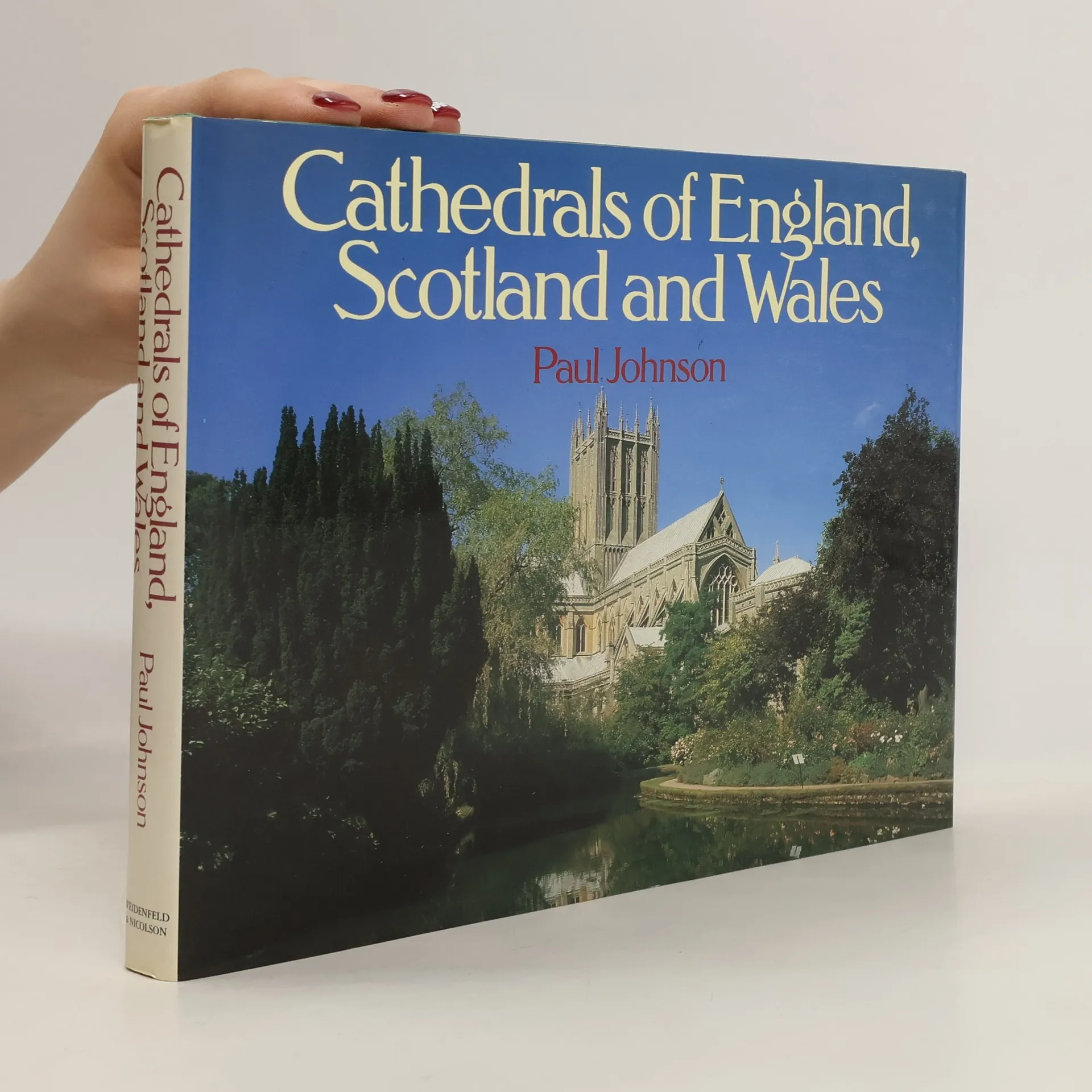
Cathedrals of England, Scotland ana Wales
- 216 pages
- 8 hours of reading
A study of British cathedrals.
Bird
- 20 pages
- 1 hour of reading
Follows each stage of the transformation from egg to bird
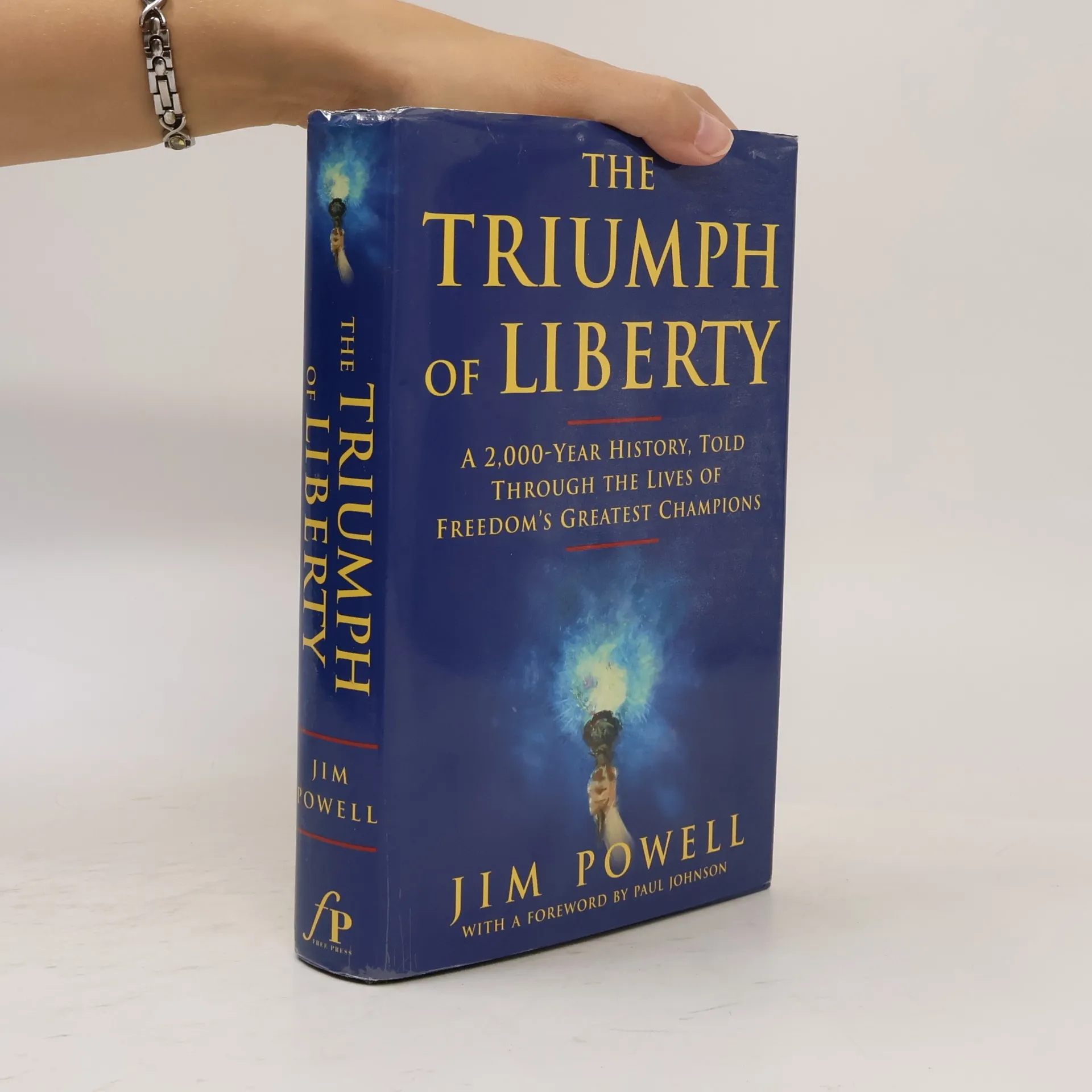
The Triumph of Liberty
A 2,000 Year History Told Through the Lives of Freedom's Greatest Champions
- 574 pages
- 21 hours of reading
The Triumph of Liberty is a dramatic and original narrative about a quest stretching from ancient times to the present day. It is the story of people struggling to abolish slavery, stop wars, overthrow tyrants and win freedom for all. Through the lives of 65 heroes and heroines, Jim Powell offers a panoramic sweep through epochal events, including the crisis of the Roman Republic, the Reformation, the English Civil Wars, the American Revolution, the abolitionist movement, and the struggle for women's right.These are the stories of men and women who have overcome great obstacles. Fifteen of the people profiled here were exiled; twelve imprisoned; two beheaded; and one shot to death. Many came from humble beginnings, yet they gave us a great deal, from natural rights and religious toleration to individualism and the liberation of women.Based on biographies, diaries, and interviews with leading scholars, The Triumph of Liberty uses beautifully written biographies as the building blocks of a grand narrative. Inspiring and instructive, it belongs in every family library.
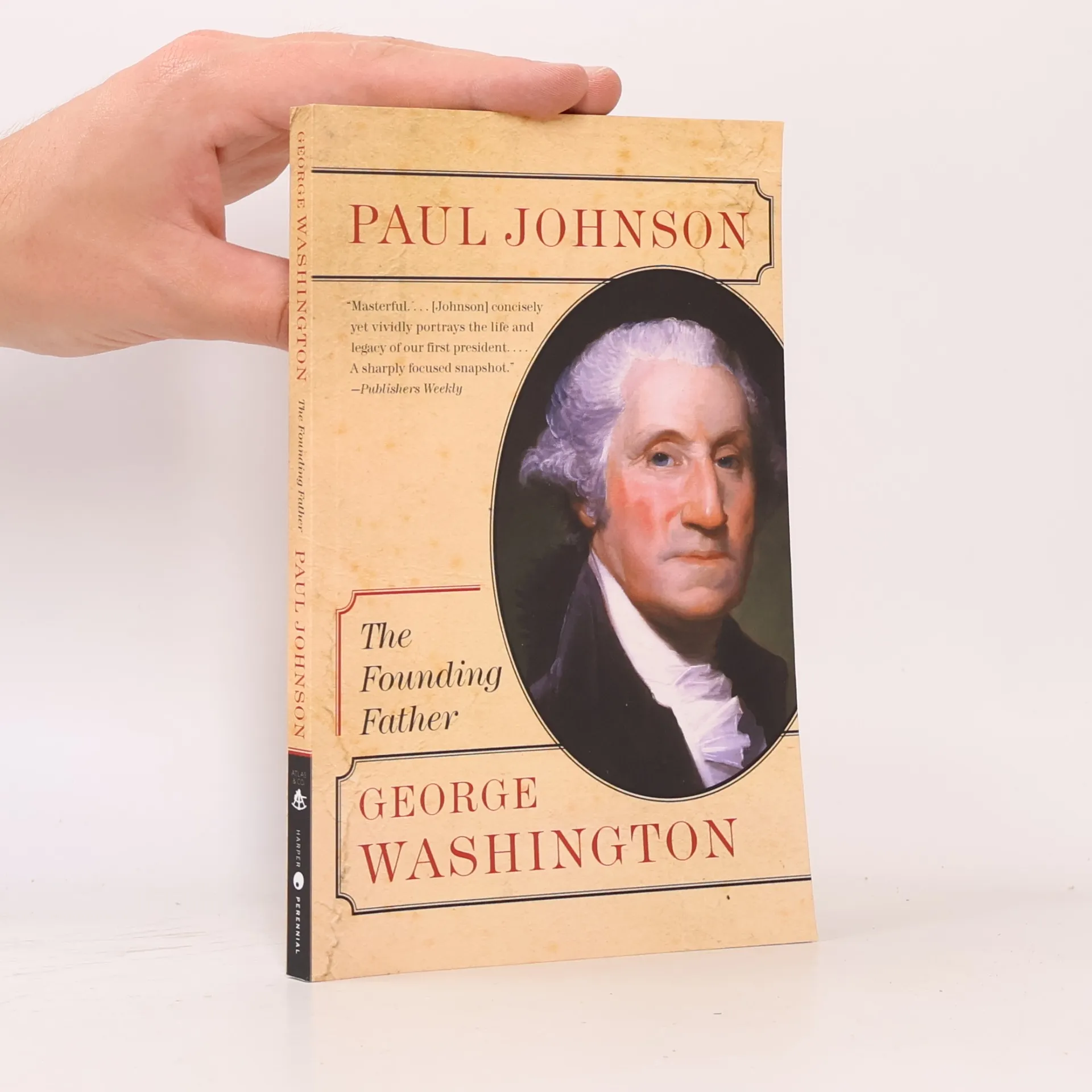
The book presents a vivid and detailed portrait of George Washington, highlighting his pivotal role in liberating the thirteen colonies from British rule and his leadership in crafting a lasting constitution. Through a masterful narrative, Paul Johnson portrays Washington as a young warrior, a skilled commander in chief, a patient lawmaker, and a wise president. This exploration aims to reconnect contemporary readers with Washington’s significance, countering the perception of him as a distant historical figure.
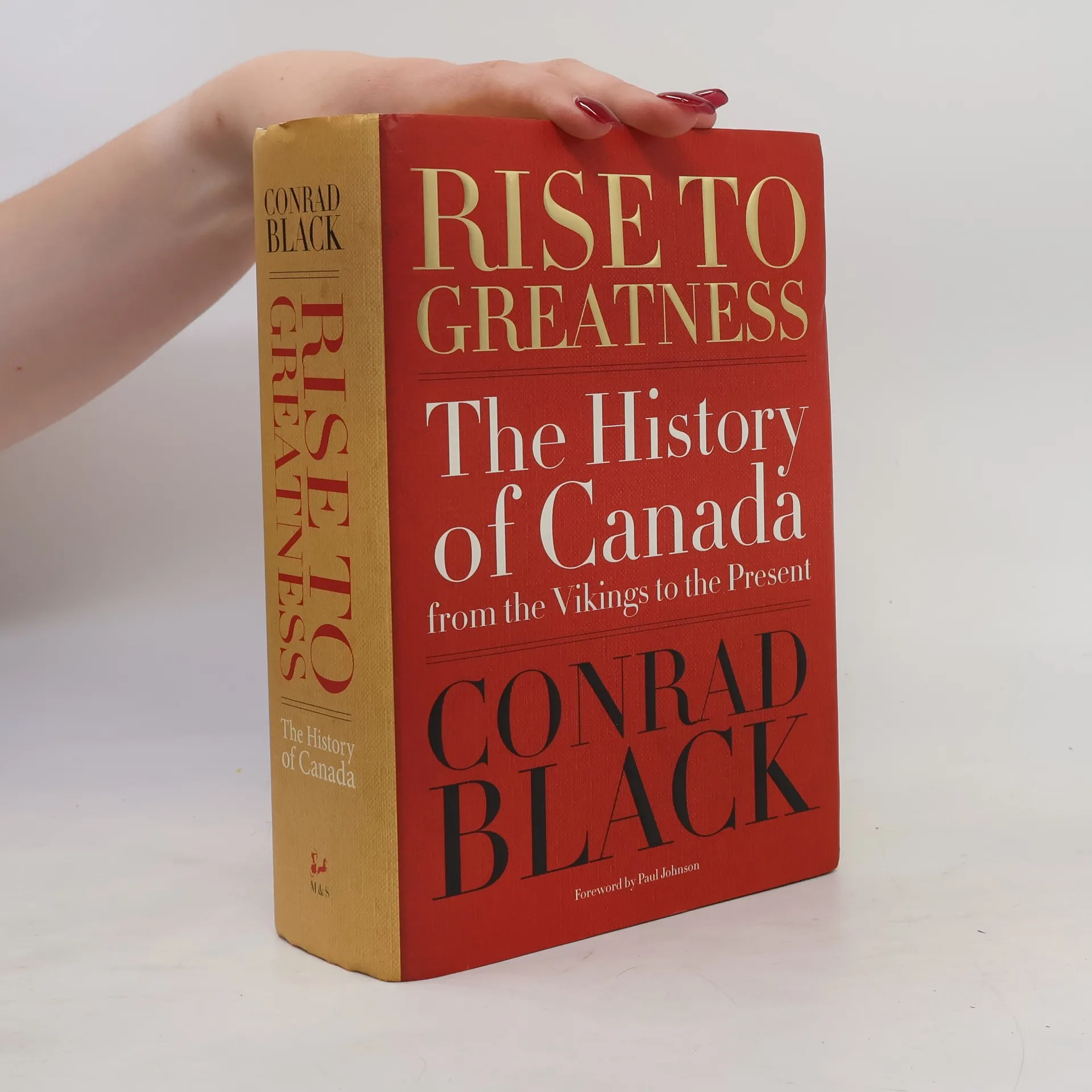
Controversial newspaper publisher and historian Conrad Black has written a definitive history of Canada. This is a revealing account of the people and events that shaped a nation. Spanning from 874 to 2014, and beginning with Canada's first inhabitants and the early explorers, this masterful history challenges our perception of our history and Canada's role in the world. From Champlain to Carleton, Baldwin and Lafontaine, to MacDonald, Laurier and King; from Canada's role in peace and war to Quebec's quest for autonomy, Black takes on sweeping themes.
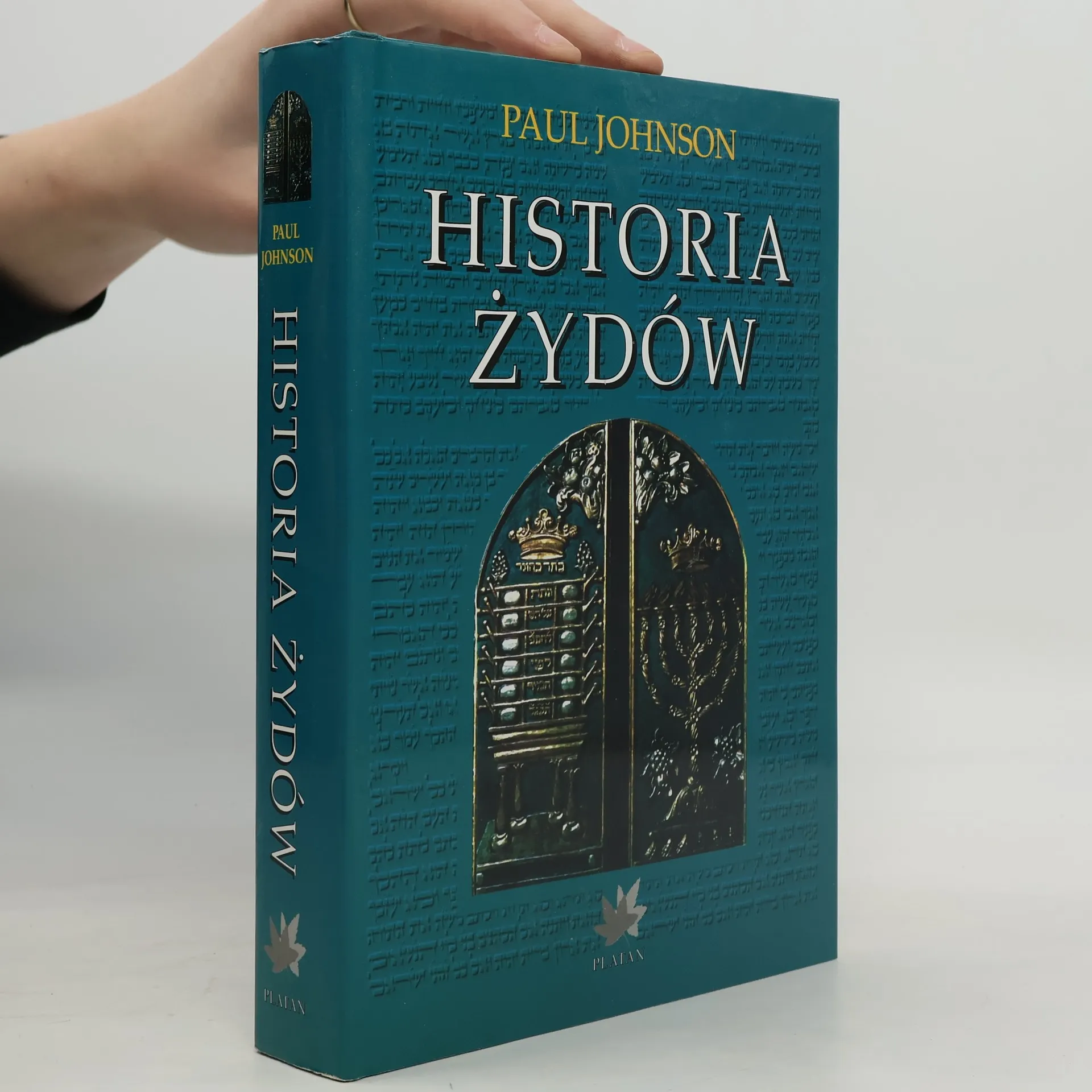
Historia Żydów
- 902 pages
- 32 hours of reading
To dzieło brytyjskiego historyka Paula Johnsona (ur. 1928) jest tyleż monumentalne co osobiste, jak stwierdza sam autor. Johnson, konserwatysta, katolik i skandalista obyczajowy, autor licznych książek z dziedziny historii, napisał tę opowieść o losach narodu żydowskiego niejako z potrzeby serca... číst celé
Vögel
- 17 pages
- 1 hour of reading
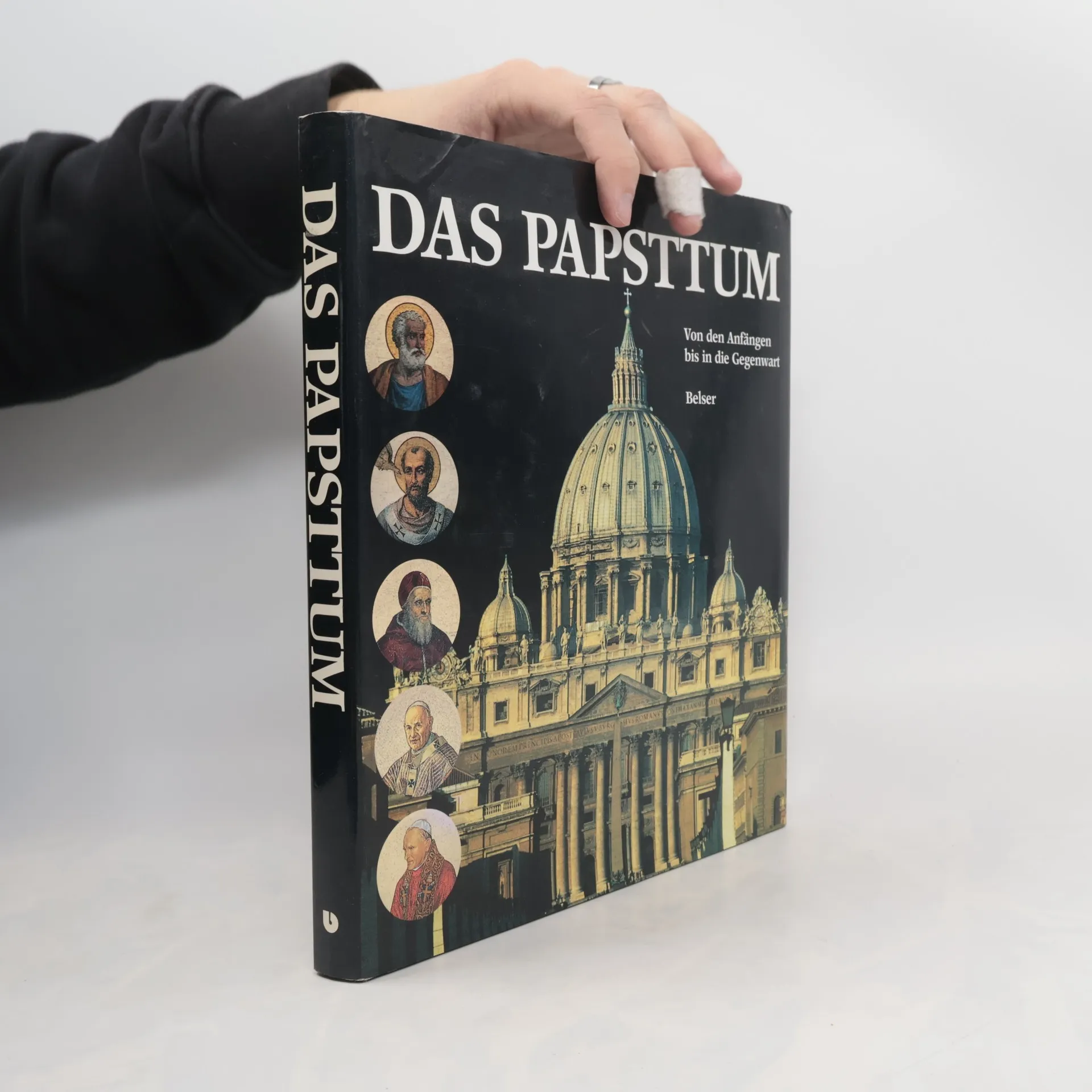
Das Papsttum
- 224 pages
- 8 hours of reading
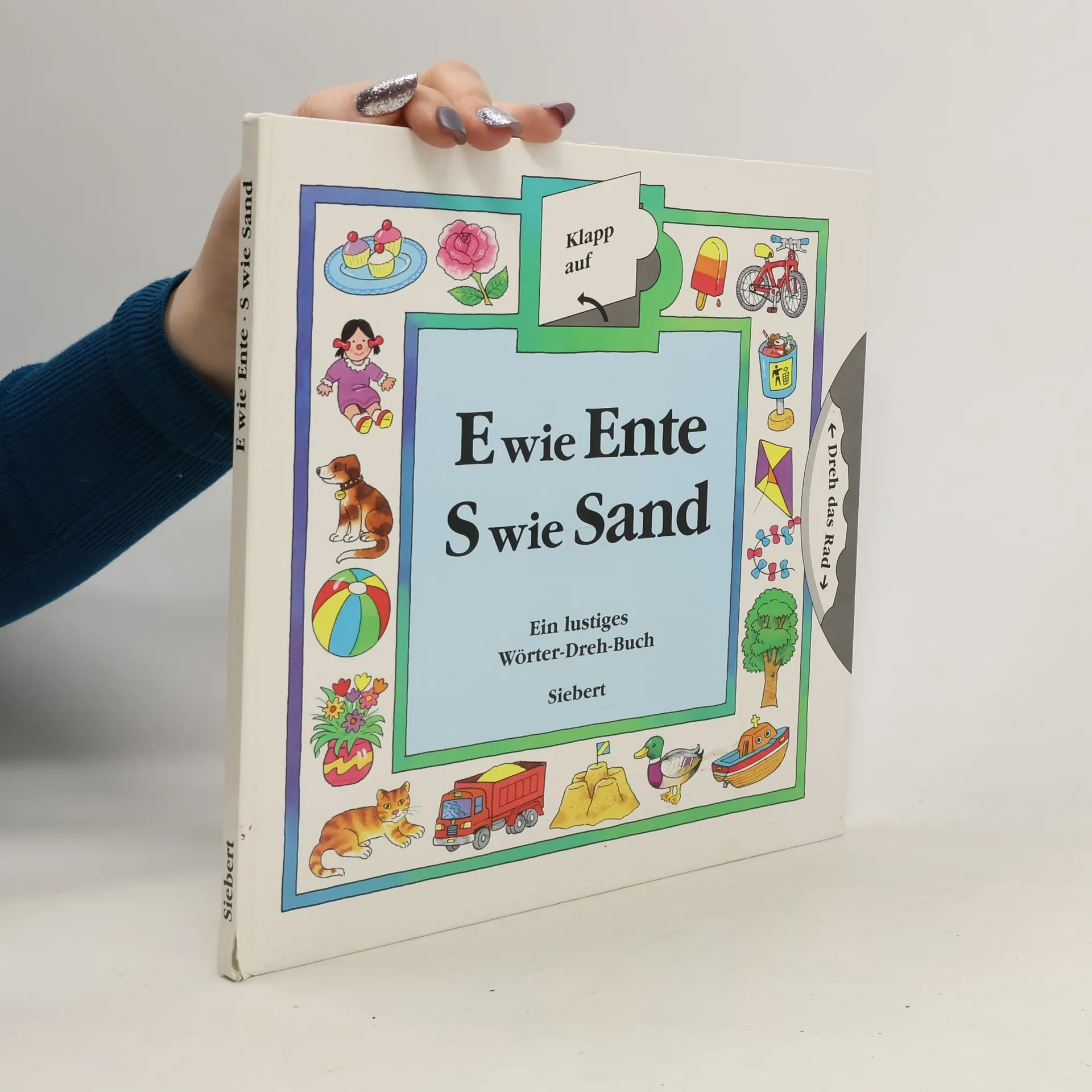
E wie Ente, S wie Sand
- 10 pages
- 1 hour of reading
Libro usado en buenas condiciones, por su antiguedad podria contener señales normales de uso
Storia del mondo moderno
(1917-1980)
Wenn Kinder gerne lesen und schreiben sollen, kann das so gehen: Zu Themen wie Märchen, Pflanzen oder Tiere basteln, malen und schreiben die Kinder eigene Bücher und werden dabei zu kleinen Autoren. In die Bücher fließt dabei soviel Herzblut und Besitzerstolz ein, dass die Kinder nicht nur ihre eigenen Minibücher immer wieder in die Hand nehmen und lesen. Vom einfachen Leporello bis zum Burgen-Buch mit Fenstern und Toren: Jedes Kind kann nach seinen Fähigkeiten zu einem Thema basteln und schreiben. So sind die Minibücher auch für den Einsatz im jahrgangsstufenübergreifenden Unterricht geeignet. Die Anleitungen sind anschaulich vierfarbig illustriert und für Kinder leicht nachzubasteln.
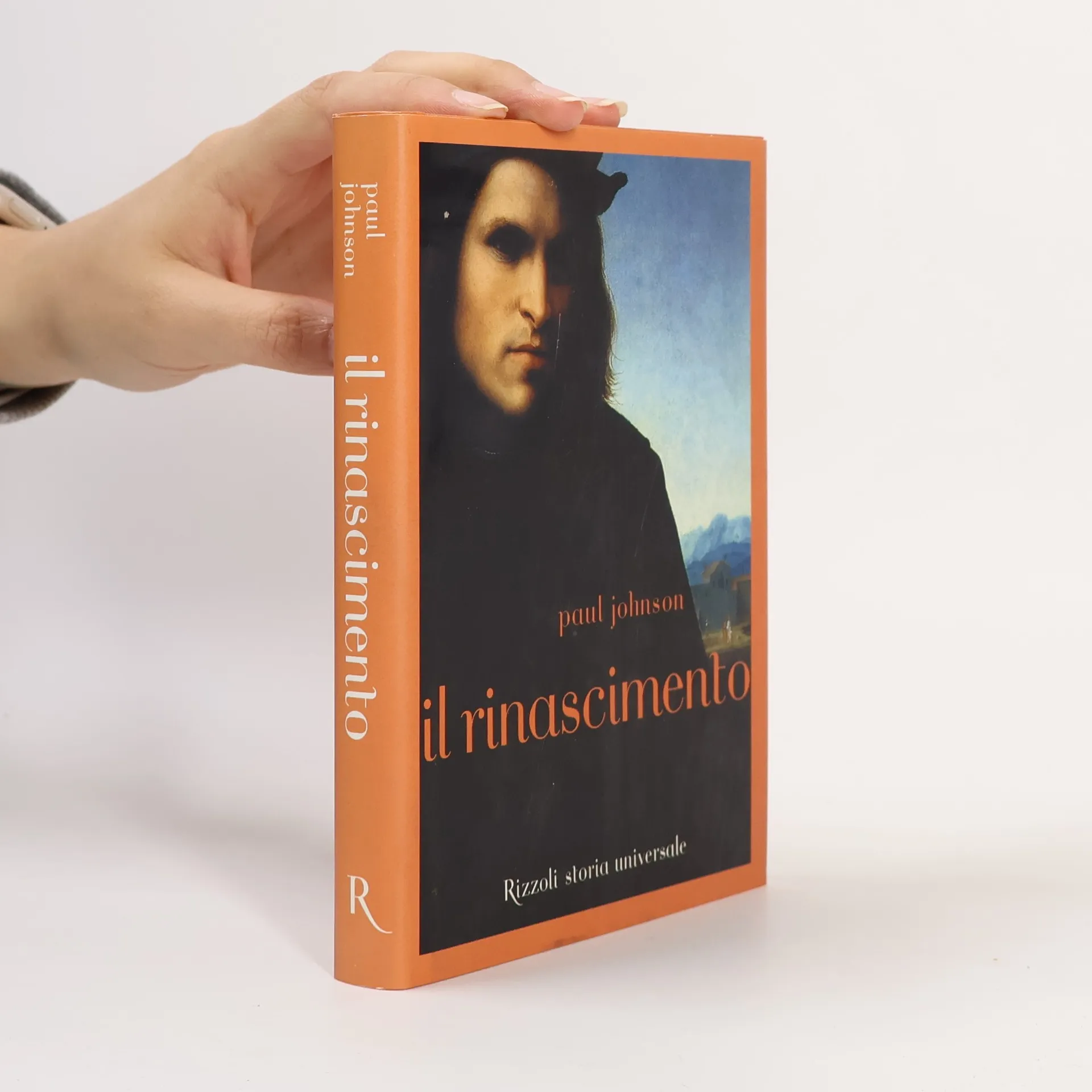
Il Rinascimento
- 256 pages
- 9 hours of reading
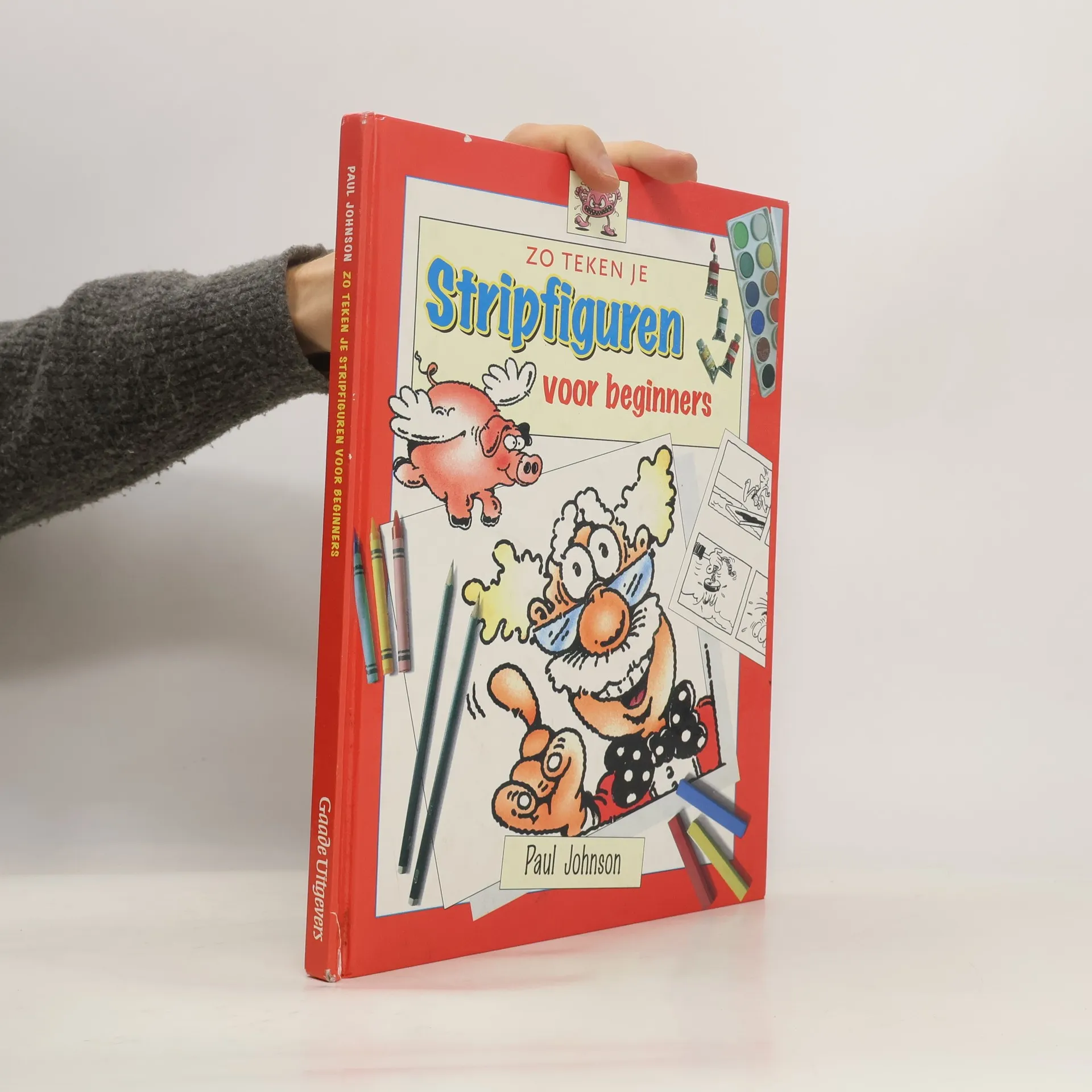
Zo teken je stripfiguren voor beginners
- 90 pages
- 4 hours of reading
Vanaf ca. 10 jaar.
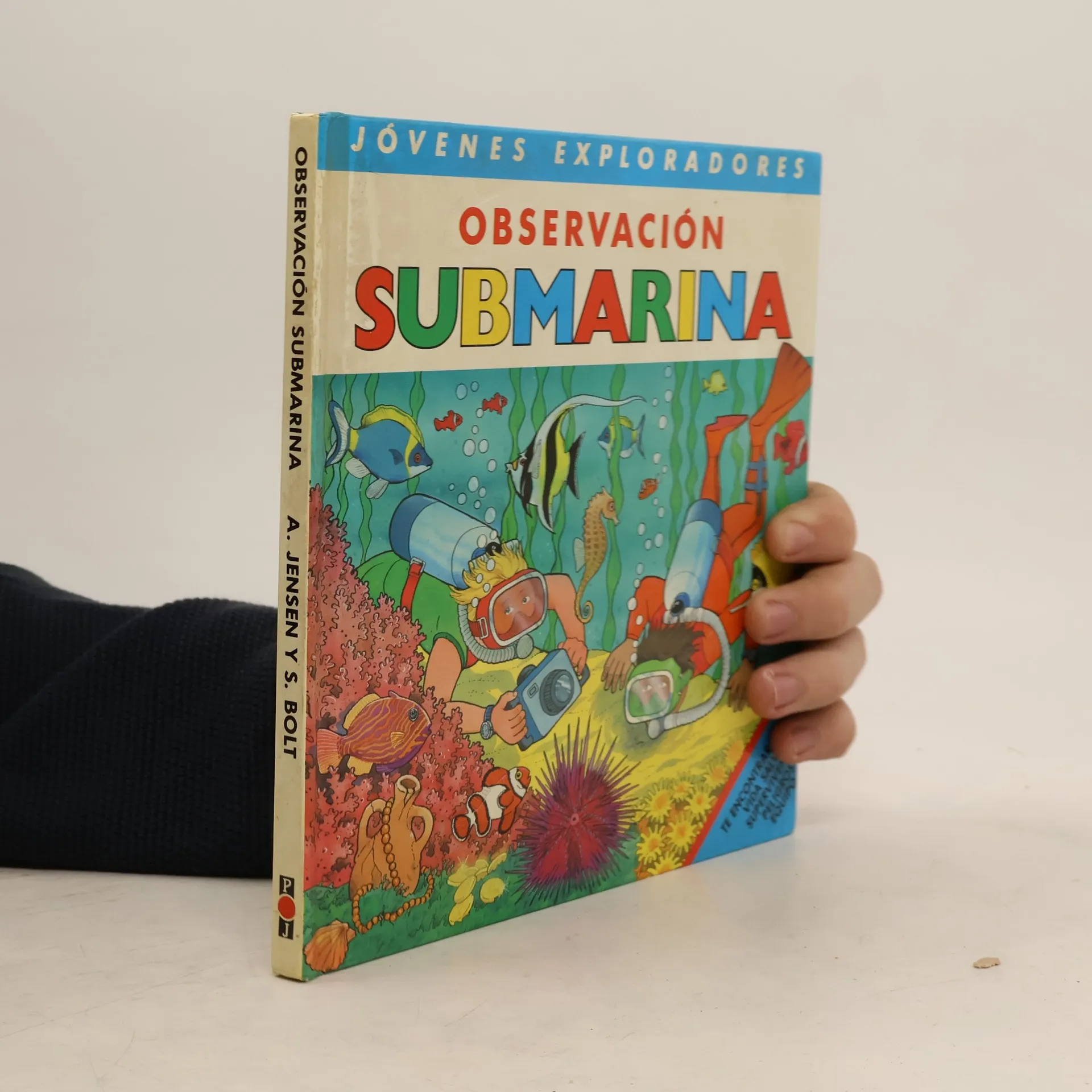
Observación submarina
- 30 pages
- 2 hours of reading
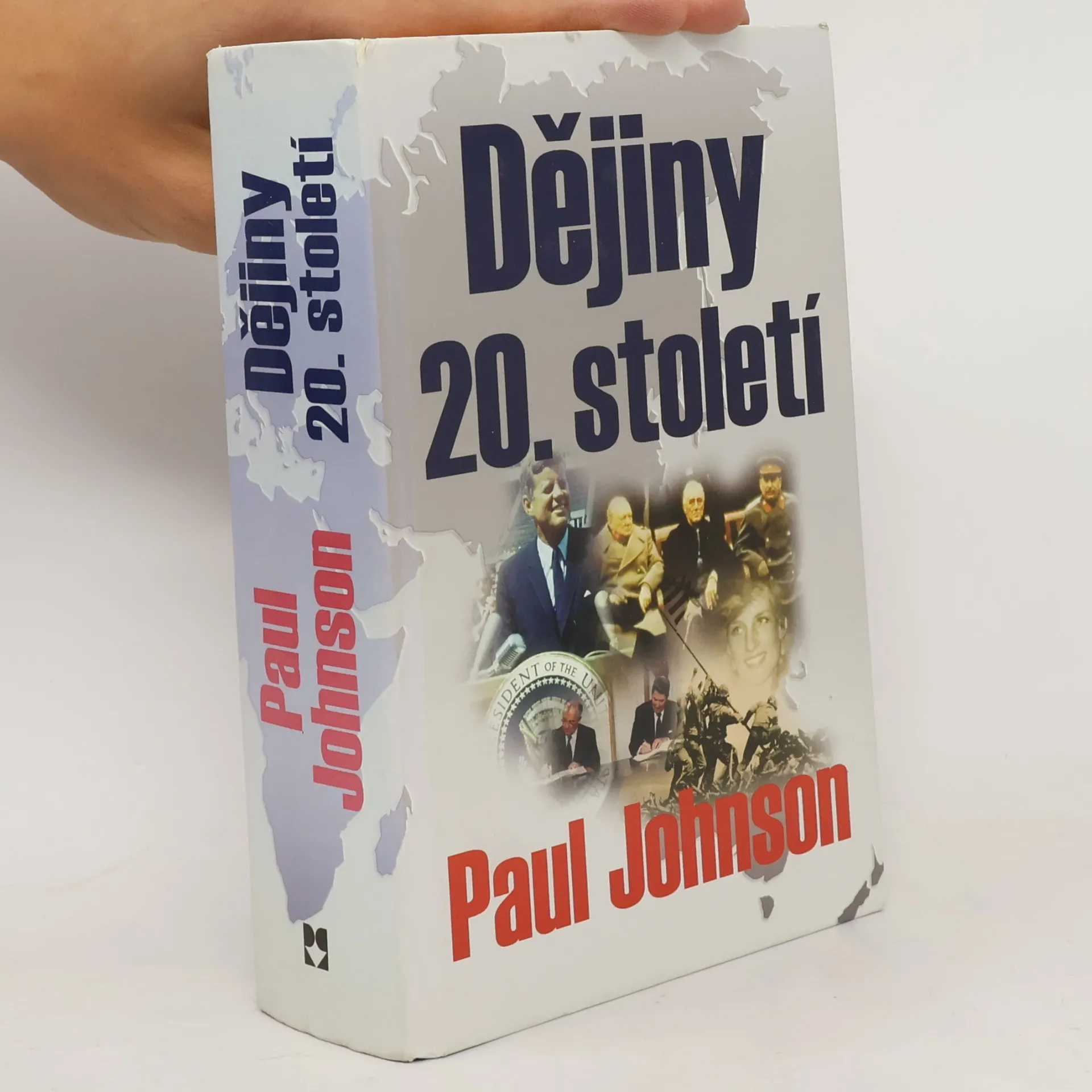
Dějiny dvacátého století
- 845 pages
- 30 hours of reading
Johnsonovo dílo je strhující příběh tohoto úděsného věku velkých technických vynálezů, ohromného bohatství i nekonečné bídy a teroru.
A quartet of fallen mystics dubbed the "TrenchCoat Brigade" is introduced in this first collection of the adventures of Timothy Hunter. John Constantine, the Phantom Stranger, Dr. Occult, and Mister E take Hunter on a tour of the magical realms. Along the way he's introduced to Vertigo's greatest practitioners of magic and must choose whether or not to join their ranks.
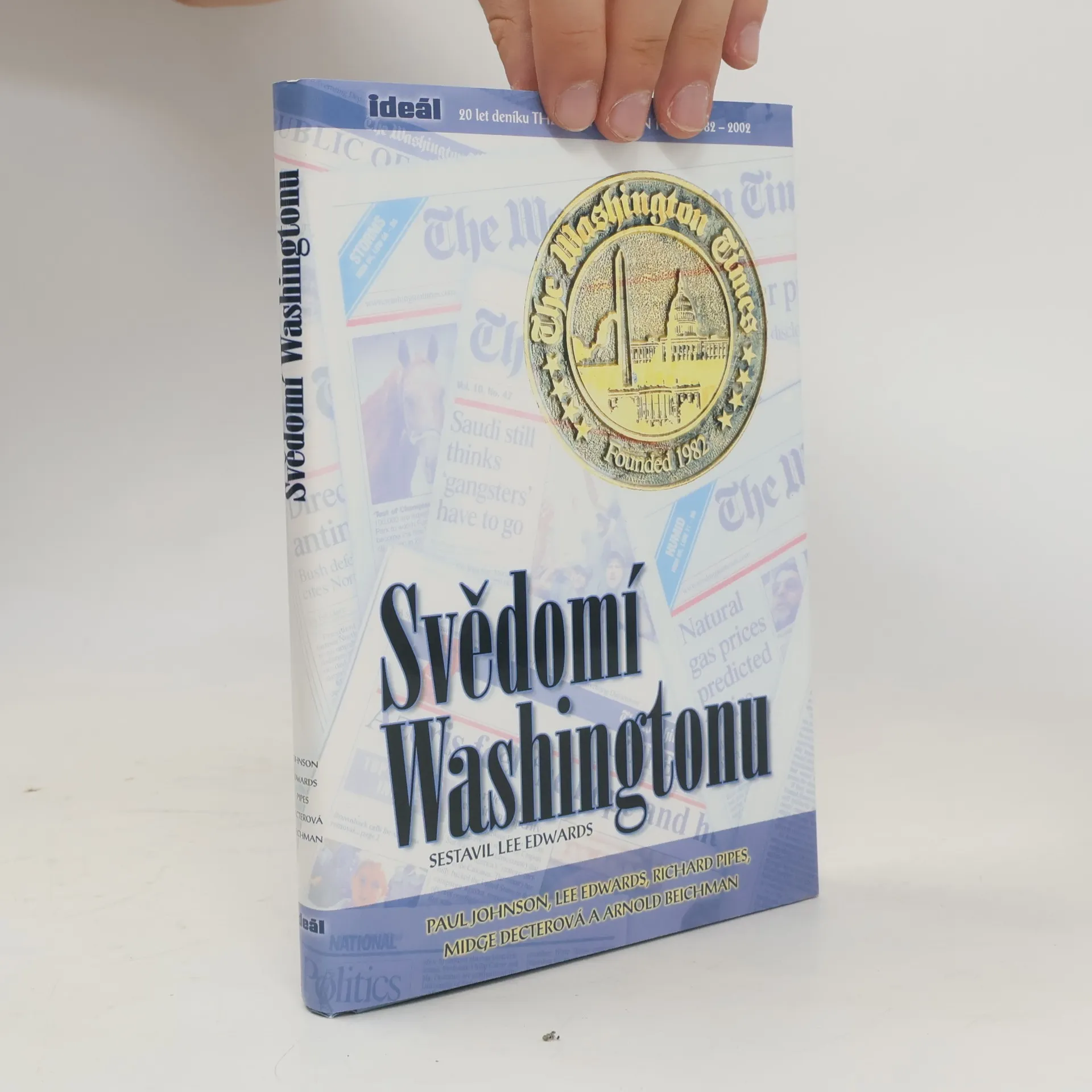
Svědomí Washingtonu: Washington Times 1982-2002
- 142 pages
- 5 hours of reading
Sborník příspěvků o různorodých tématech americké i světové politiky. The Washington Times vyzval pět amerických a britských osobností, aby u příležitosti vzniku deníku zhodnotily posledních dvacet let amerického i světového politického vývoje. Příspěvek britského historika Johnsona oceňuje roli Reagana, Thatcherové a papeže Jana Pavla II. při pádu komunismu. Univerzitní profesor Edwards kritizuje vliv liberálně zaměřených médií na americkou politiku. Historik Pipes analyzuje rozpad SSSR. Decterová ve svém textu viní feminismus a vzdělávací soustavu z krize americké kultury. Výzkumný pracovník Hoover Institution Beichman se zaměřuje na politický význam deníku The Washington Times. Tématicky značně různorodé texty vycházejí z ideových pozic konzervativní větve Republikánské strany....
Hrdinové
- 231 pages
- 9 hours of reading
Co je to hrdinství? Má hrdinství budoucnost? ptá se ve své nejnovější knize přední britský historik Paul Johnson. Abychom si uvědomili, jak je tato otázka složitá, líčí strhující osudy tří desítek osobností v západních dějinách, které pokládá z toho či onoho důvodu za hrdiny. O co víc je v některých případech jeho výběr hrdinů překvapivý, o to zajímavější čtení kniha nabízí. Paul Johnson (1928) je přední britský historik a autor mnoha knižních bestsellerů, například populárních Dějin 20. století, Dějin křesťanství, Dějin židovského národa, Dějin civilizací Svaté země, Dějin anglického národa či Zrození moderní doby. Ve své nejnovější knize Hrdinové zhodnocuje zkušenosti z těchto předchozích titulů a pokouší se napříč dějinami nalézt odpověď na otázku, co je vlastně hrdinství. Předkládá čtenáři osudy tří desítek hrdinů a hrdinek, kteří stále vyvolávají úžas, obdiv a úctu, nebo v některých případech alespoň sympatie. Některá jména jsou jednoznačná, u některých čtenář pocítí rozpaky. Johnsonův výběr je subjektivní a podobně jako v předchozí knize Tvůrci (Barrister & Principal, 2007) se k tématu snaží přistupovat spíše přes jednotlivé osudy než přes analýzy a definice. Nesnaží se klást důraz na pohlaví či povolání, ale naopak poukázat na to, že statečné chování najdeme ve všech dobách a na různých místech.
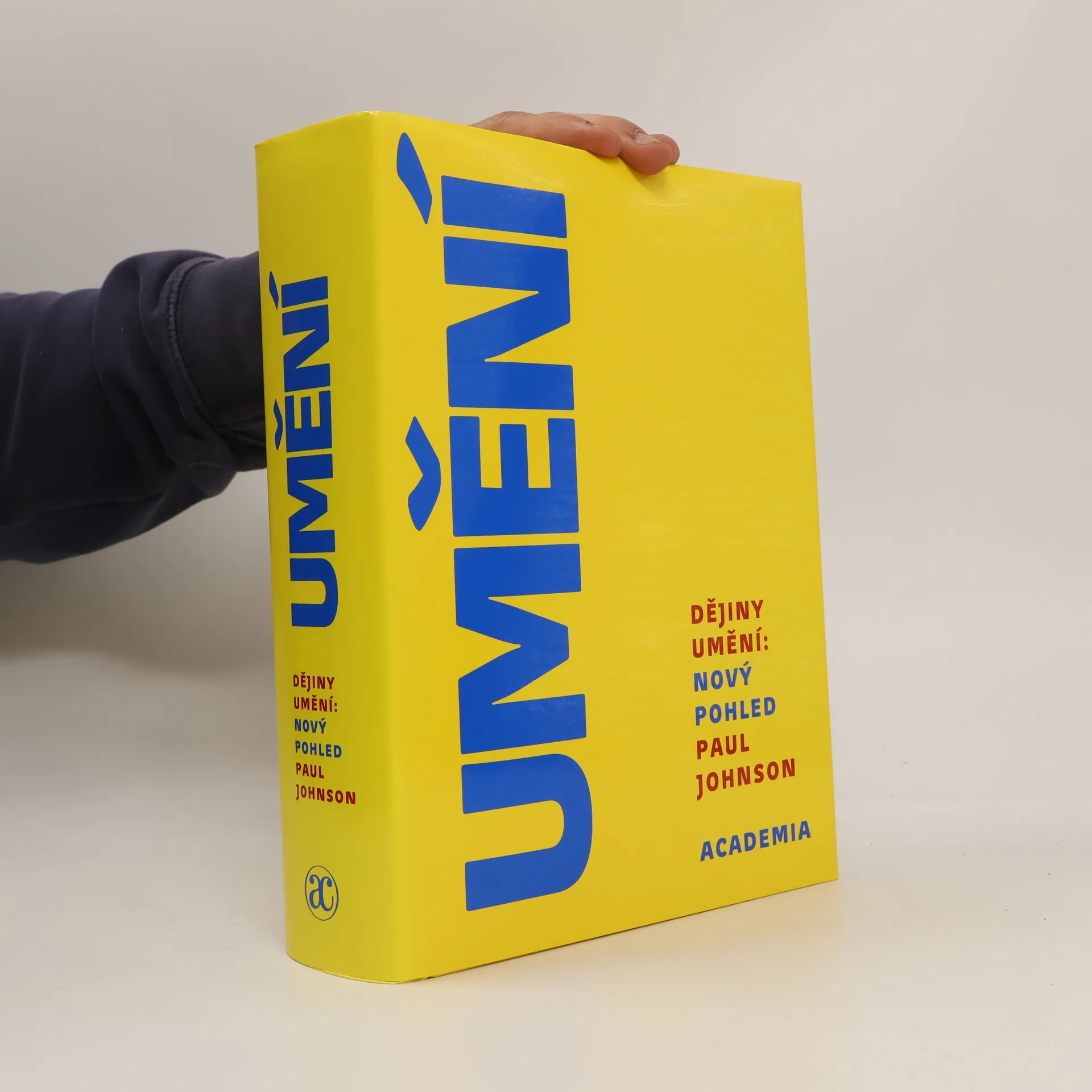
V své knize Paul Johnson sleduje vývoj výtvarného umění od pravěkých jeskynních maleb až do současnosti. Velmi poutavý a čtivý text, v němž autor s použitím mnoha zajímavých detailů a přitom s vtipem a nadhledem dokáže charakterizovat jednotlivá vývojová období i významné tvůrčí osobnosti, provází mnoho barevných reprodukcí a fotografií.
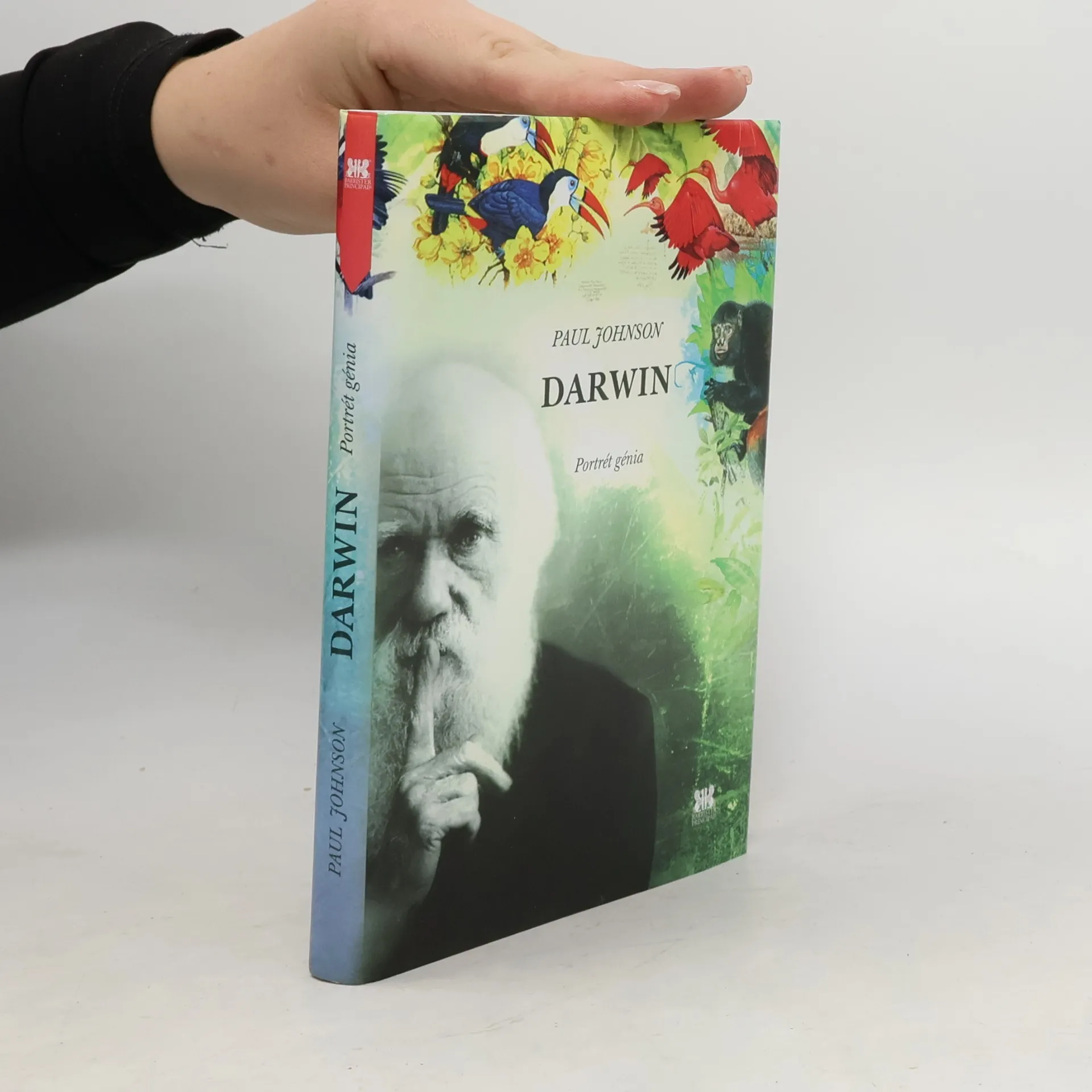
Darwin. Portrét génia
- 168 pages
- 6 hours of reading
Další z řady krátkých brilantních životopisů z pera význačného britského historika. Autor přináší barvitý portrét Charlese Darwina, kterého charakterizuje jako nejvlivnějšího vědce všech dob. Autor představuje Darwinovu složitou osobnost, jeho celoživotní dílo i dobu, ve které žil. S typicky pronikavým vhledem, vtipem a jazykovou bravurou popisuje Darwinovo mládí, líčí jeho dobrodružnou plavbu kolem světa i léta vědeckého bádání a myšlenkového zrání, která talentovaného vědce přivedla mimo jiné i k převratné teorii o původu druhů. Současně se však nevyhýbá ani Darwinovým tragickým omylům, například kontroverzní podpoře vznikající eugeniky. Johnsonova kniha nadchne zájemce o dějiny vědy, ale také studenty a všechny čtenáře, kteří se chtějí stručnou a úspornou formou dozvědět více o jednom z nejoriginálnějších myslitelů minulosti. Paul Johnson (1928) je přední britský historik a autor mnoha knižních bestsellerů, například populárních Dějin 20. století, Dějin křesťanství, Dějin židovského národa, Dějin civilizací Svaté země, Dějin anglického národa, Zrození moderní doby či trilogie Intelektuálové, Tvůrci, Hrdinové (poslední dvě Barrister & Principal, 2007, 2008). V české republice je známý také svými krátkými brilantními životopisy klíčových historických osobností, z nichž hned několik (Sokrates, Ježíš, Napoleon, Churchill) vydalo rovněž nakladatelství Barrister & Principal.
Jan Kalvín: pět set let od narození
- 143 pages
- 6 hours of reading
Publikace obsahuje texty ze semináře Centra pro ekonomiku a politiku ze 16. června 2009 a další důležité doplňkové texty. Jsou zde také přetištěny úryvky ze slavného díla Jana Kalvína.
Dějiny civilizací Svaté země
- 190 pages
- 7 hours of reading
Stručné dějiny Svaté země od jejího předžidovského osídlení po definitivní odchod křesťanské civilizace z tohoto prostoru. Svatá země (zhruba území dnešního Izraele) patřila ke kolébkám civilizací a byla odedávna místem jejich mísení, soupeření a ovlivňování. Místem, kde se odehrávaly a dodnes odehrávají kruté boje ve jménu vznešených filozofií. Mnoho z velkých civilizačních okruhů - židovství, antika, křesťanství a islámský svět se na tomto kousku země výrazně podepsalo a Svatá země se stala jakýmsi symbolem, jehož držení bylo znamením moci toho kterého společenství. Vylíčit na relativně malém prostoru peripetie, souvstažnosti, antagonismy tohoto historického vývoje, vzít objektivně v potaz všechny faktory, zachovat nadhled a neopominout mnohé souvislosti, to je úkol nadmíru obtížný. Zde se to celkem podařilo s tím, že celkové pojetí knihy vyznívá poměrně rozpačitě vinou laciného papíru, málo obsažné bibliografie, absence jakýchkoliv mapových či obrazových příloh i občasné - a vzhledem k rozsahu textu asi zákonité - zkratkovitosti.
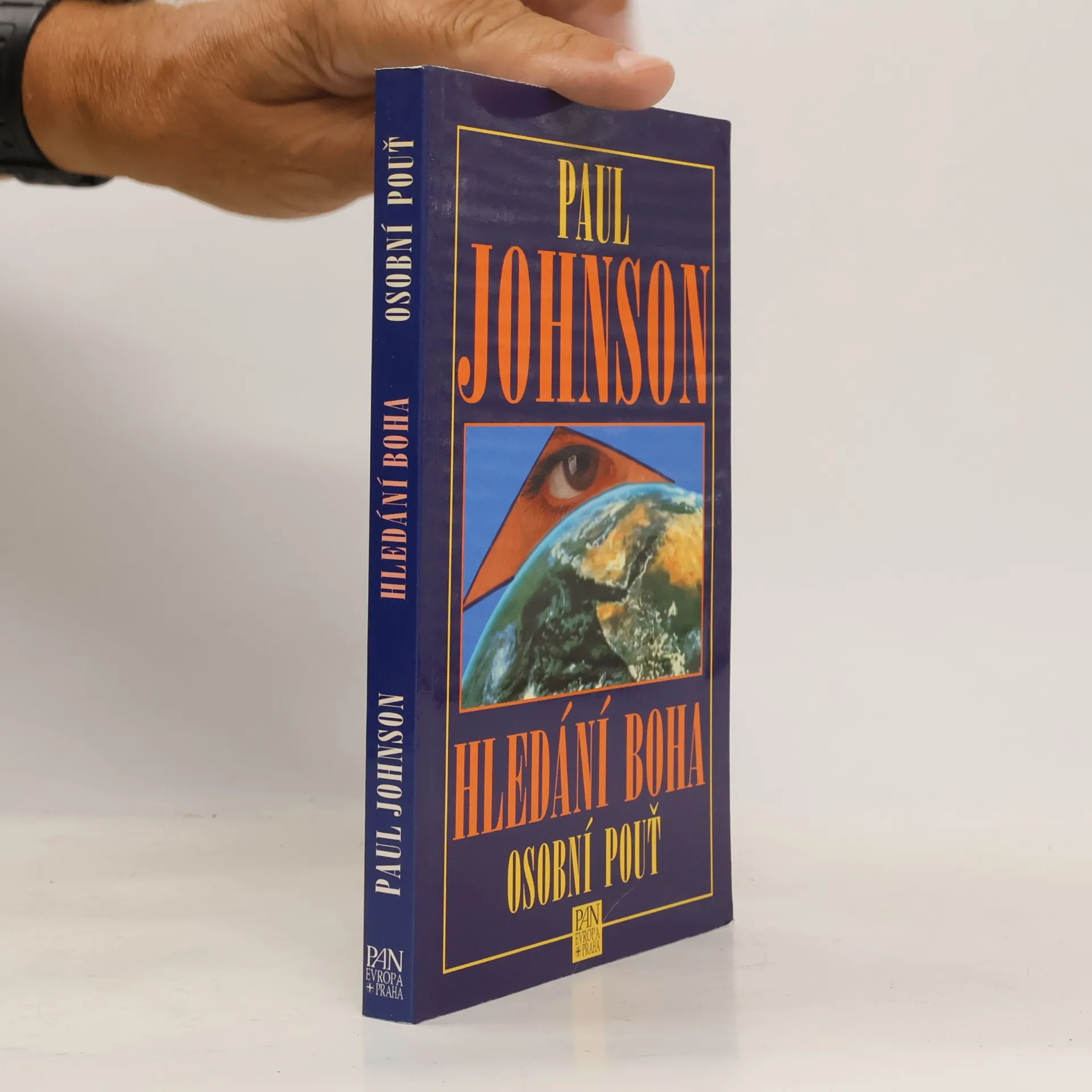
Úvahy britského historika o Bohu, křesťanství a víře i o situaci křesťana v současném světě a době. Autor zejména zkoumá důkazy Boží existence a podstatu Boha, probírá i otázky katolické liturgie, smrti a modlitby.
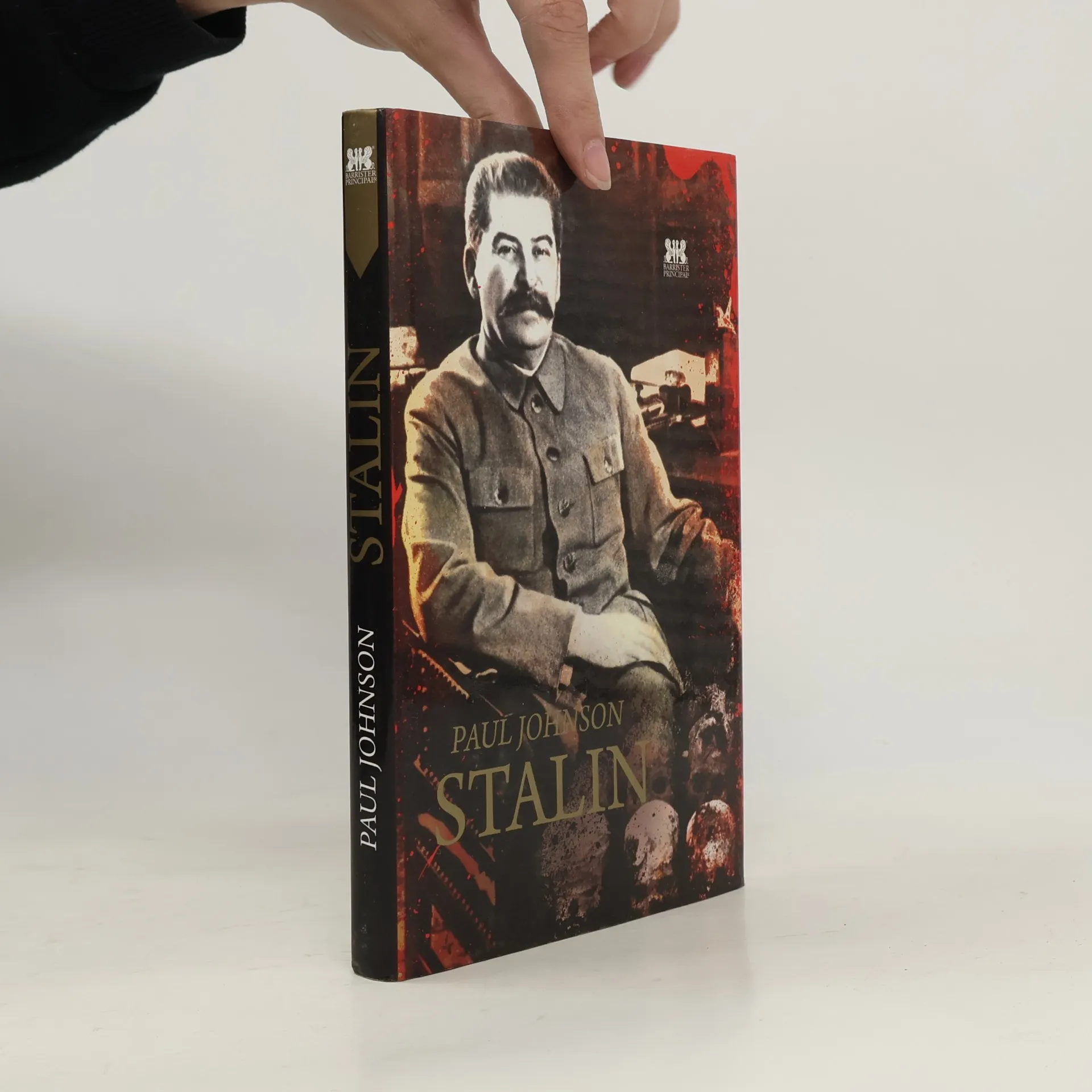
Paul Johnson patří k nejznámějším a nejoblíbenějším historikům současnosti. Ve svém dalším z dlouhé řady poutavých a poučených životopisů pozoruhodných osobností minulosti se zaměřil na muže, jehož sám považuje za jednoho ze tří nejodpornějších diktátorů historie. Johnson je na rozdíl od Marxe přesvědčen, že historii netvoří masy, nýbrž úzké skupiny lidí a silní jednotlivci, jimž je třeba věnovat obzvláštní pozornost. Svůj stručný, ale vyčerpávající a především čtivě podaný životopis Stalina adresuje všem zájemcům o dějiny, ale zejména mladé generaci, jež zná Hitlera a Mao Ce-tunga, ale o sovětském generalissimovi toho mnoho neví. Přibližuje Stalinovo dětství a mládí, sleduje jeho rychlou cestu do nejvyšších pater komunistické strany a podrobně rozebírá jeho posedlost mocí, za niž zaplatily miliony lidí životem. O Stalinovi jsem psal s nechutí a práce na knize mne hodně bolela, přiznává Paul Johnson v úvodu své zatím poslední biografie. Bral jsem ji jako svou povinnost, ale nakonec mi kromě smutku v duši přinesla i jisté uspokojení. 1. vydání.
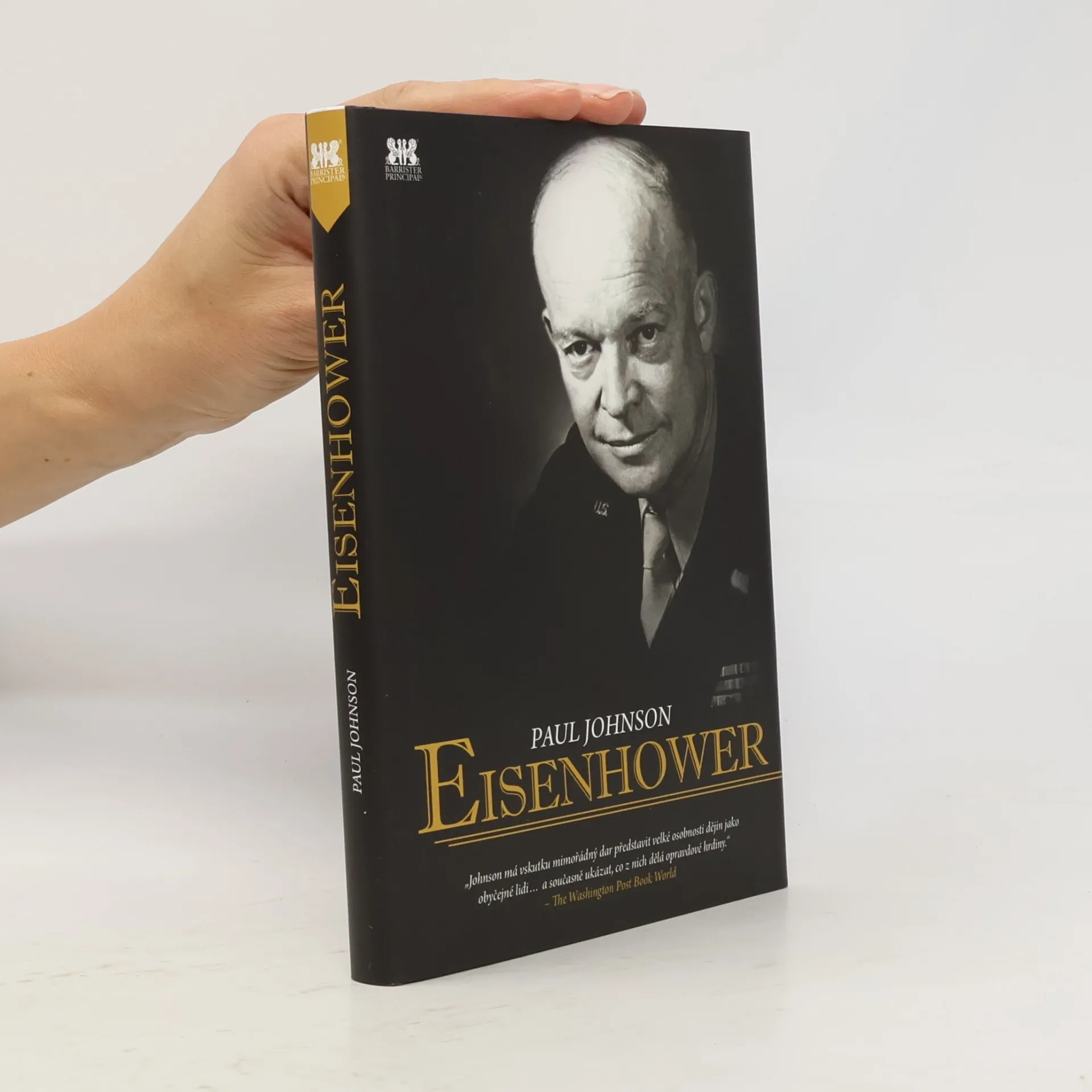
Když Dwight D. Eisenhower v roce 1952 získal nejvyšší počet hlasů v dějinách USA, stal se prezidentem mocné země, která vstupovala do období hospodářského rozmachu. Paul Johnson v novém životopise odhaluje klíčové zdroje jeho úspěchu a přibližuje jeho vývoj od talentovaného štábního důstojníka po pětihvězdičkového generála a vůdčí osobnost „amerického století“. Johnson zdůrazňuje Eisenhowerovu rozvahu, smysl pro humor a velitelské schopnosti. Provází nás jeho dětstvím v Kansasu, studiem na West Pointu a cestou k nejvyšším vojenským postům. Odpovídá na kritiku, která ho obviňovala z lenosti a nedostatku vůdcovských schopností, a ukazuje ho jako osobu s nedoceněnou inteligencí, energií a sebekázní. Podrobně se zabývá jeho rolí vrchního velitele spojeneckých sil v Evropě, kde prokázal své strategické přednosti během druhé světové války. Johnson představuje Eisenhowera jako přirozeného vůdce a prezidenta a vysvětluje příčiny jeho úspěchu, včetně jeho pracovitosti, schopnosti vycházet s lidmi a umění spolupracovat s médii. Tyto přednosti ho provedly nejtěžšími fázemi dvacátého století, včetně studené války a boje za občanská práva. Jeho myšlenky a postoje z doby působení v Bílém domě, jako schopnost udržet vyrovnaný rozpočet a obavy z moci vojensko-průmyslového komplexu, inspirují i současnou politickou reprezentaci.
Dějiny anglického národa
- 369 pages
- 13 hours of reading
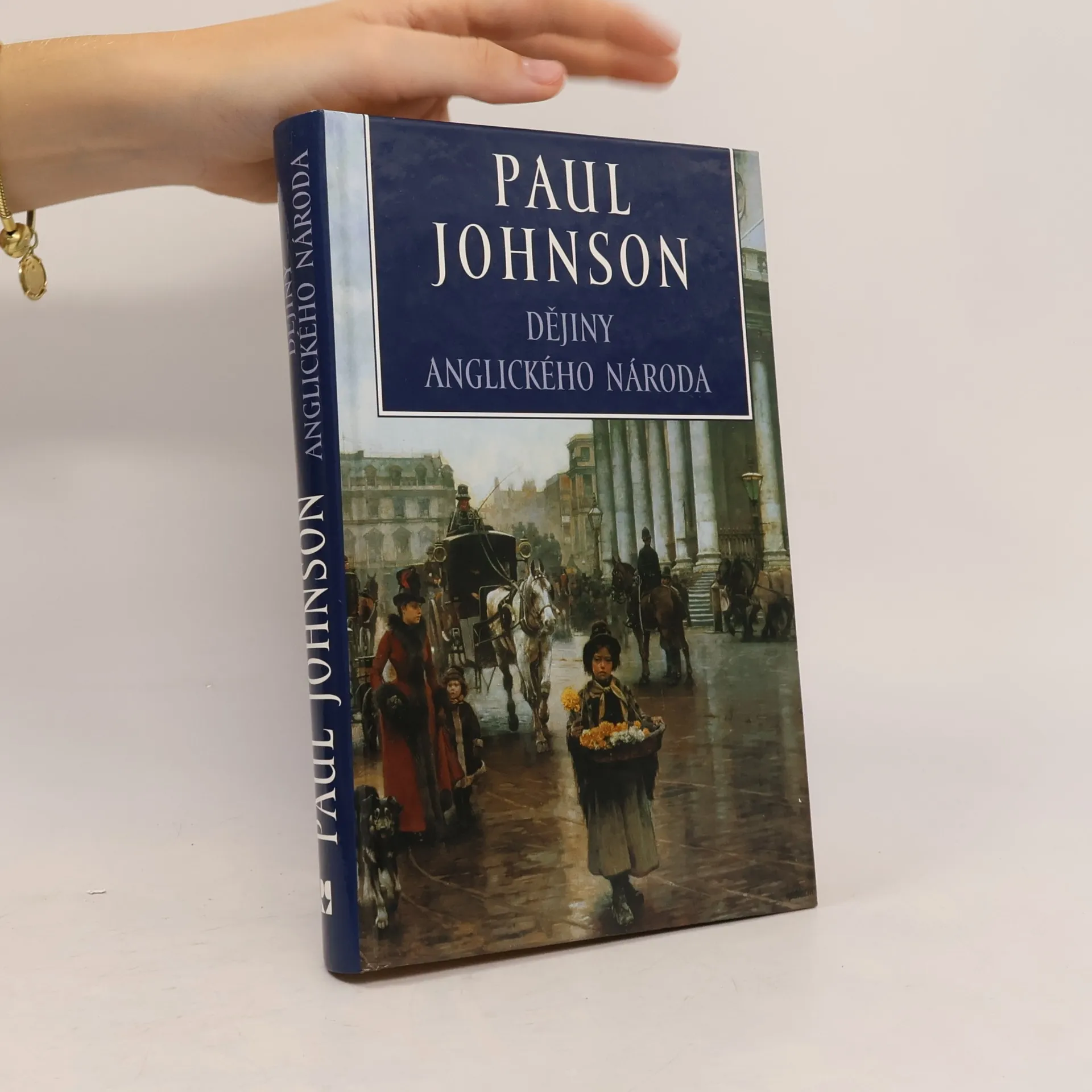
Formování svébytného anglického národa, jeho historický vzestup v době imperiálního rozmachu říše a pokles v 50. a 60. letech 20. stol.
Bleskové portréty 20.století
- 200 pages
- 7 hours of reading
Sto čtyřicet poutavých medailonů věhlasných jedinců, s nimiž se britský historik setkal během více než šedesátiletého působení v pozici novináře, spisovatele a veřejně činné osoby, představuje v osobitém úhlu pohledu celebrity 20. století a s nimi i ducha tohoto neklidného věku. Některé nabízejí vtipné glosy, jiné se zaměřují na neznámý rozměr dotyčné osoby, mimo jiné princezny Diany, prezidenta Reagana, premiérů Churchilla nebo Thatcherové, evropských i cizokrajných státníků, umělců z řad spisovatelů, malířů, hudebníků či herců. „Pouze zvedám oponu, abych předvedl lidskou komedii, jíž jsem byl svědkem, a nabídl čtenářům to, co jsem viděl, slyšel a dozvěděl se, často jen šeptem či v poznámkách utroušených po straně,“ vysvětluje svůj výběr autor. „Psaní životopisů lidí, kteří byli povoláni do vysokých úřadů nebo se ocitli v ohnisku významných událostí, mě vždycky přitahovalo, poněvadž mě nesmírně fascinuje vztah mezi inteligencí a politikou. Skutečností zůstává, že z velmi chytrých lidí bývají zřídka dobří vládci, zatímco muži a ženy průměrné inteligence se nejednou zhostí nejvýznamnějších úřadů velmi úspěšně. Morální charakter vládce je nakonec důležitější než jiné vlastnosti, ačkoli ty se mohou zdát pro počáteční úspěch nezbytné. “
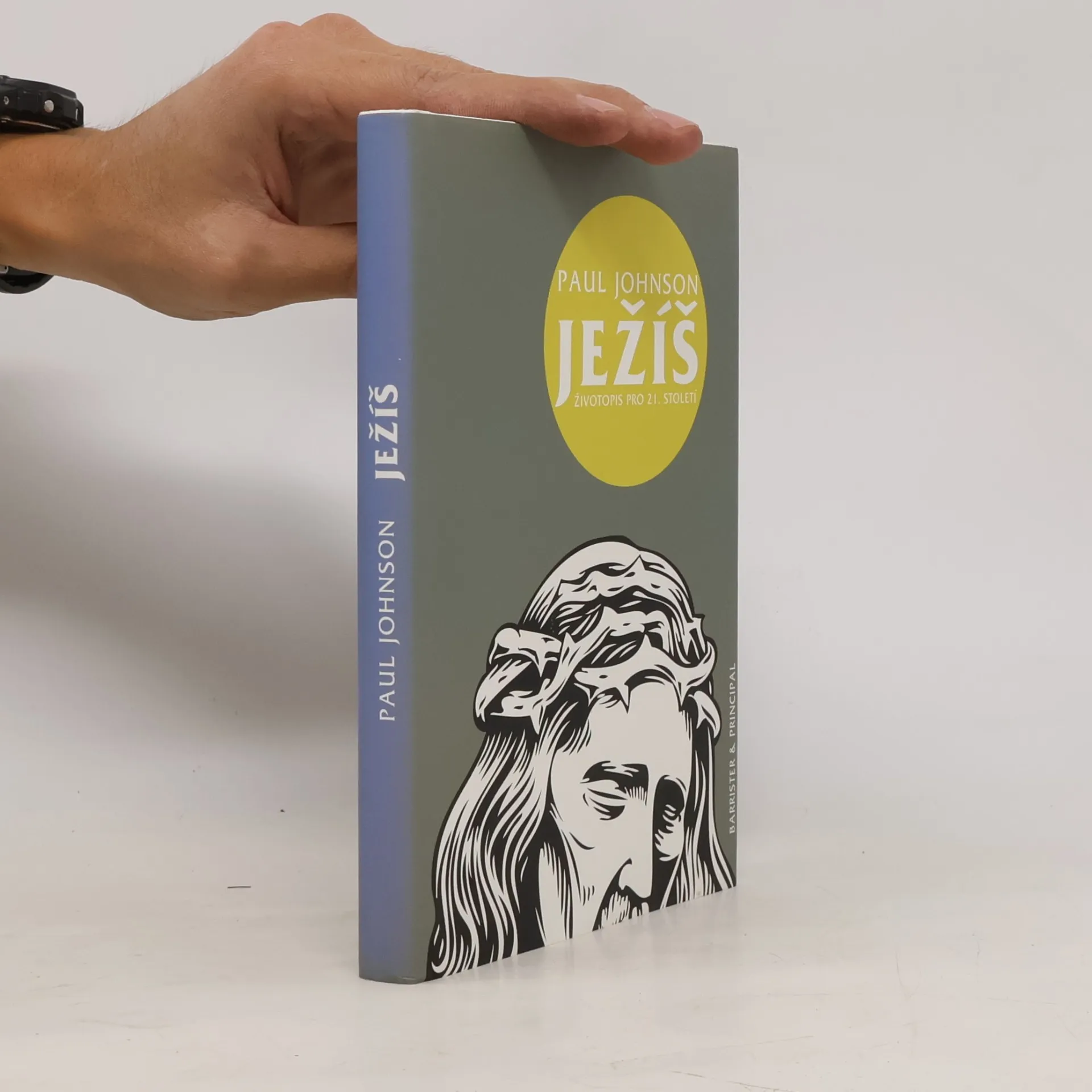
Poutavý, přehledný, brilantní! Takový je nový životopis Ježíše z pera uznávaného britského spisovatele Paula Johnsona, mimo jiné autora populárních Dějin křesťanství a Dějin židovství. Známý historik a autor bestsellerů, sám aktivní věřící, vložil do tématu nejen svoji obrovskou erudici a spisovatelské zkušenosti, ale i své celoživotní nadšení pro toto téma. Brilantně se pohybuje v celkovém historickém rámci Ježíšovy doby a nabízí čtenářům stručný, ale přitom barvitý příběh člověka, který podnítil jedno z velkých světových náboženství a jehož učení nás provází životem dodnes. Kniha je skvěle napsaná, oproštěná od zbytečného odborného teologizování, a není proto divu, že se o ní od počátku mluví jako o novém Ježíšově životopise pro 21. století.
Mojich prvých 100 slov v nemčine
- 14 pages
- 1 hour of reading