

Explore the latest books of this year!
Bookbot

Desmond Morris

    January 24, 1928

    Desmond Morris applies his background as a zoologist and ethologist to explore human sociobiology, offering a unique lens on our species. He excels at making complex scientific ideas accessible to a broad audience through engaging prose. Morris often draws parallels between human behavior and that of other animals to illuminate our own instincts and motivations. His work provides a distinctive perspective on the human condition, grounded in scientific observation and presented with captivating clarity.

    Desmond Morris
    The lives of the surrealists
    Animalwatching
    101 Surrealists
    Desmond Morris's World of Animals
    Baby
    Cat World
    • Cat World

      • 496 pages
      • 18 hours of reading

      The wide-ranging coverage in this encylopaedia of cats encompasses entries on many kinds of domestic cat (from Abyssinian to Siamese), famous individual cats (from Felix to Macavity), and aspects of feline behaviour (from hunting to courtship). It also incorporates terminology, cat books and organizations, famous owners, authors and artists, and even people such as Julius Caesar and Napoleon, who hated cats.

      Cat World
      4.5
    • Baby

      • 192 pages
      • 7 hours of reading

      Babies are amazing, with incredible potential for growth and extraordinary powers of development. Desmond Morris's visually stunning and thought-provoking book sets out the astonishing facts to make you marvel at the complexity of the human body and a baby's ability to achieve so much in so little time.Covering learning and physical, emotional and social progress in the first two years as well as retrospective glimpses of life in the womb, Baby contains a wealth of fascinating information and captivating photographs. An engaging read and enchanting reference, Baby is the ideal gift or self-purchase for new parents, as well as anyone interested in how the human body works.
      Baby
      4.4
    • Desmond Morris's World of Animals

      • 128 pages
      • 5 hours of reading

      Discusses the behavioural characteristics of some of the more familiar and famous animals, such as the elephant, gorilla, tiger and kangaroo. Suggested level: intermediate, junior secondary.

      Desmond Morris's World of Animals
      4.2
    • 101 Surrealists

      • 240 pages
      • 9 hours of reading

      Focusing on the lives and contributions of 101 pivotal Surrealists, this work by Desmond Morris offers a unique perspective from one of the last surviving members of the movement. With personal insights and anecdotes about several key figures, the book serves as both a historical account and a celebration of the Surrealist movement, highlighting its impact on art and culture. Morris's firsthand knowledge enriches the narrative, making it a valuable resource for anyone interested in the intricacies of Surrealism.

      101 Surrealists
      4.3
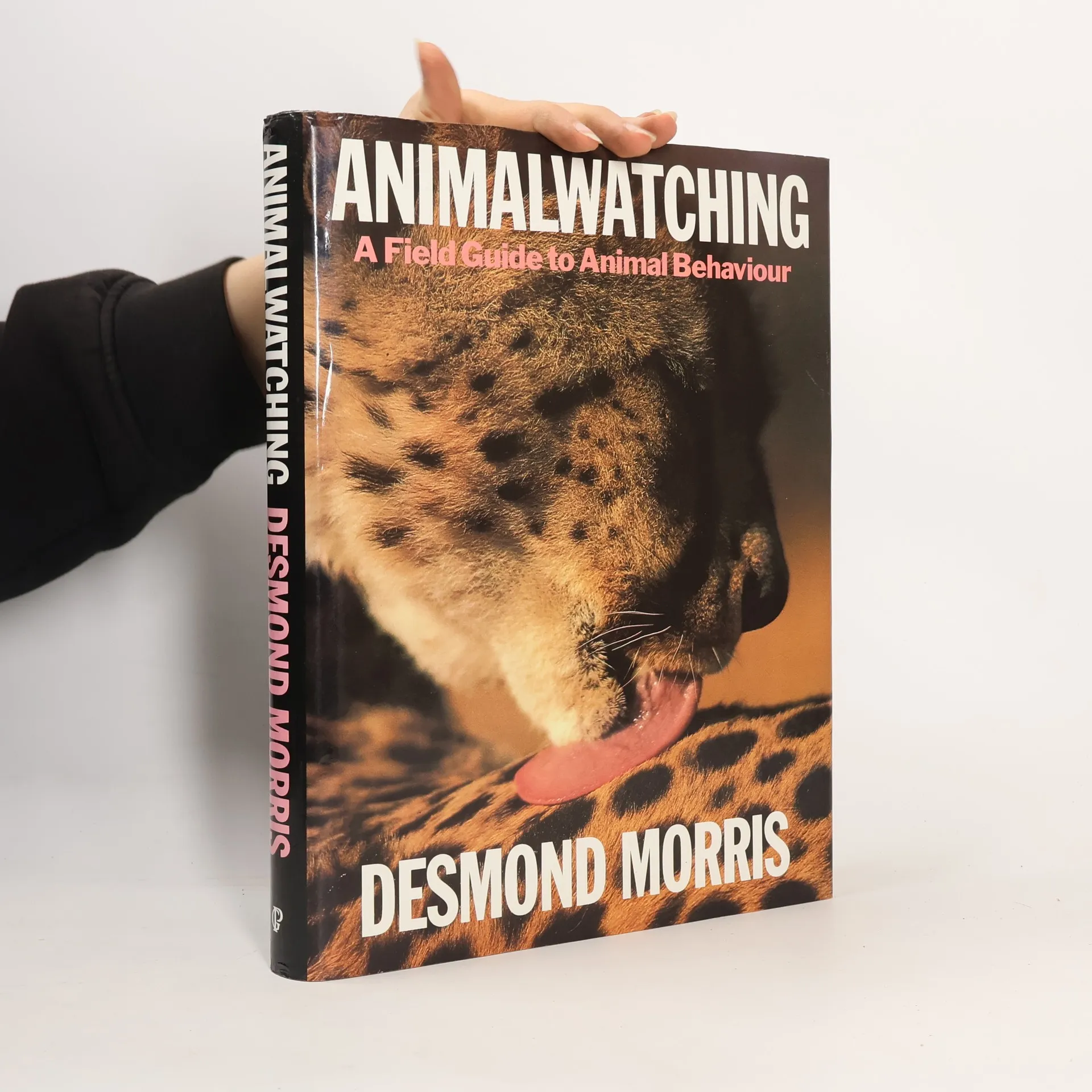
    • Animalwatching

      A Field Guide to Animal Behaviour

      From the author of "The Naked Ape" and "The Human Zoo", this is an exploration of the animal kingdom, examining its dramas, challenges and extraordinary solutions to problems of survival. He describes animal behaviour ranging from lions in the Serengeti to hedgehogs in the back garden.

      Animalwatching
      4.0
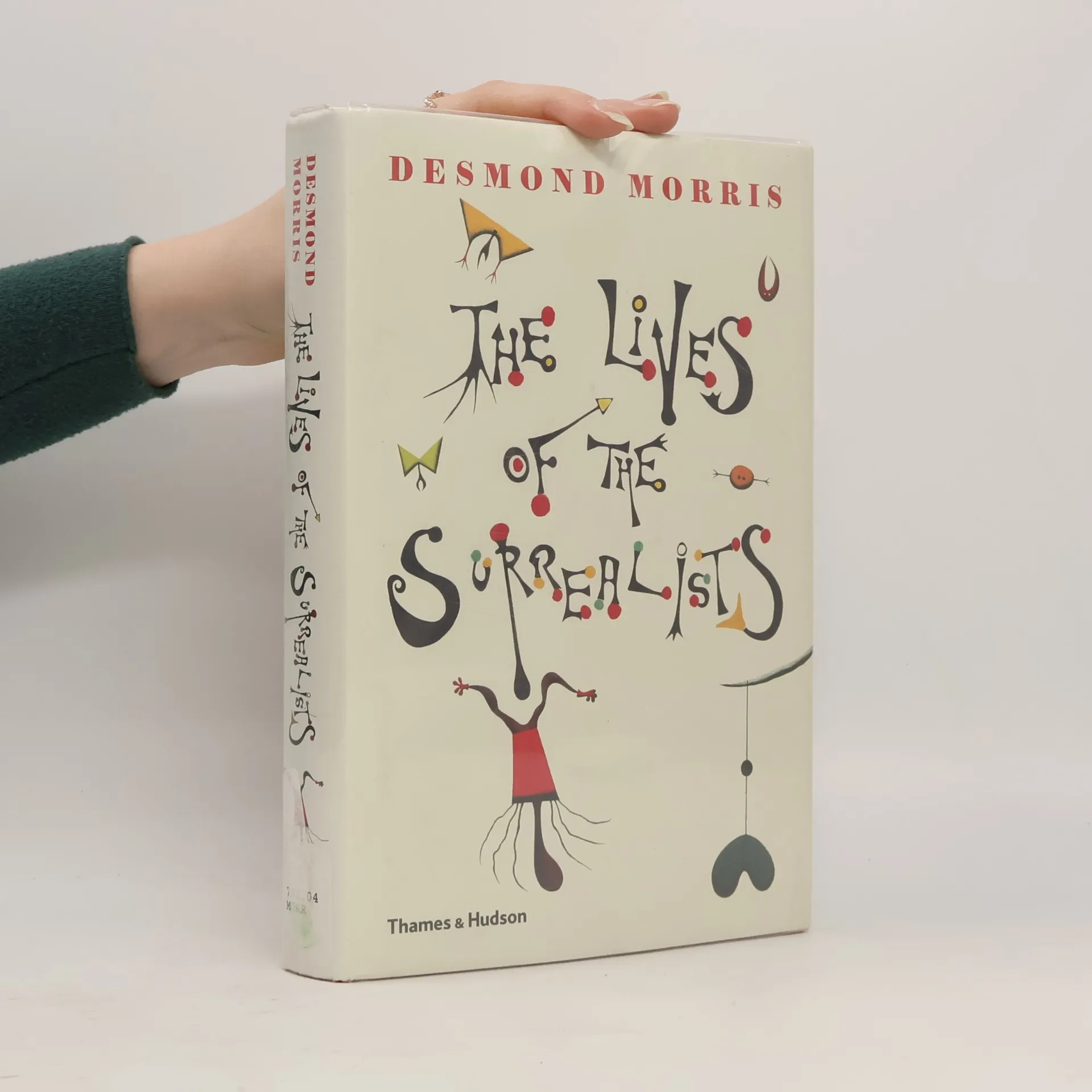
    • The lives of the surrealists

      • 272 pages
      • 10 hours of reading

      A lively history of the Surrealists, both known and unknown, by one of the last surviving members of the movement—artist and bestselling author Desmond Morris. Surrealism did not begin as an art movement but as a philosophical strategy, a way of life, and a rebellion against the establishment that gave rise to the World War I. In The Lives of the Surrealists, surrealist artist and celebrated writer Desmond Morris concentrates on the artists as people—as remarkable individuals. What were their personalities, their predilections, their character strengths and flaws? Unlike the impressionists or the cubists, the surrealists did not obey a fixed visual code, but rather the rules of surrealist philosophy: work from the unconscious, letting your darkest, most irrational thoughts well up and shape your art. An artist himself, and contemporary of the later surrealists, Morris illuminates the considerable variation in each artist’s approach to this technique. While some were out-and-out surrealists in all they did, others lived more orthodox lives and only became surrealists at the easel or in the studio. Focusing on the thirty-two artists most closely associated with the surrealist movement, Morris lends context to their life histories with narratives of their idiosyncrasies and their often complex love lives, alongside photos of the artists and their work.

      The lives of the surrealists
      4.2
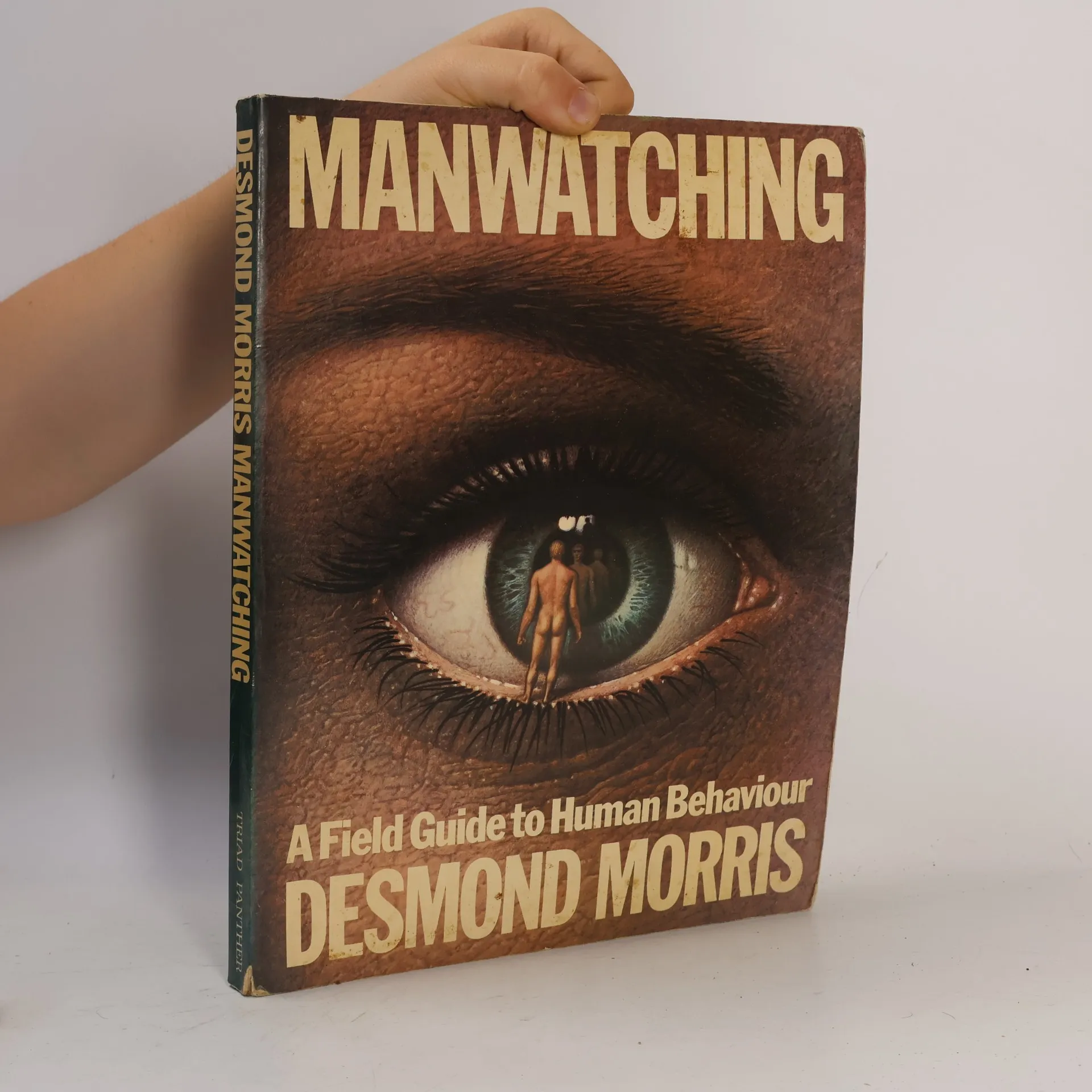
    • Manwatching

      A Field Guide To Human Behaviour

      • 320 pages
      • 12 hours of reading

      Peoplewatching is the culmination of a career of watching people - their behaviour and habits, their personalities and their quirks. Desmond Morris shows us how people, consciously and unconsciously, signal their attitudes, desires and innermost feelings with their bodies and actions, often more powerfully than with their words.
      Manwatching
      4.2
    • Postures: Body Language in Art

      • 320 pages
      • 12 hours of reading

      This copiously illustrated book, by the ever-provocative Desmond Morris, is a pioneering and lively exploration of the importance of body language in how we understand art.
      Postures: Body Language in Art
      4.1
    • The Soccer Tribe

      • 320 pages
      • 12 hours of reading

      A coffeetable book around the sport of soccer and the world cup.

      The Soccer Tribe
      4.1
    • Babywatching

      • 128 pages
      • 5 hours of reading

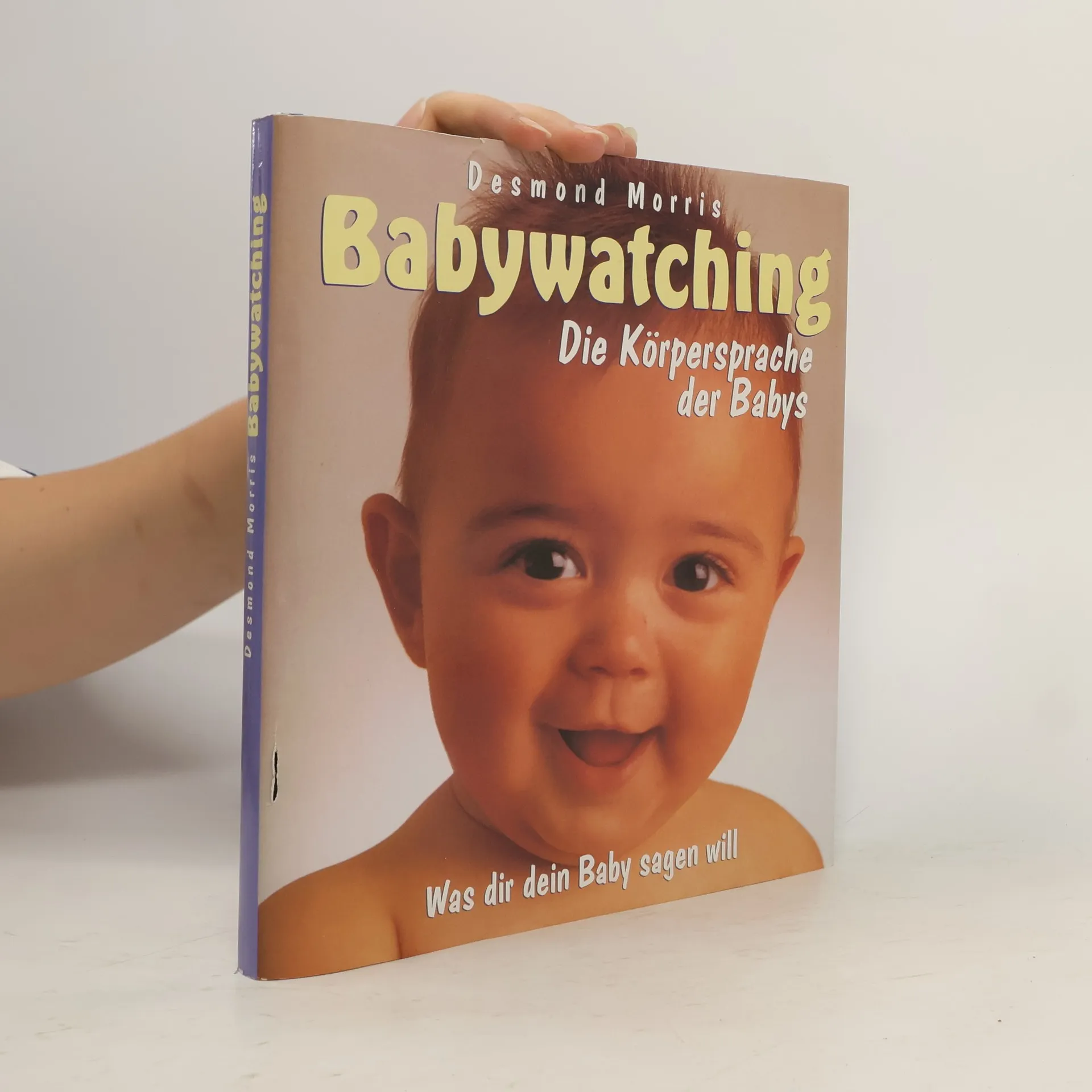
      In a revealing portrait of life, from the baby's point of view, Desmond Morris answers the questions parents ask: Do babies dream? What makes them cry, or smile? How well can they hear, smell and taste? and more.

      Babywatching
      3.8
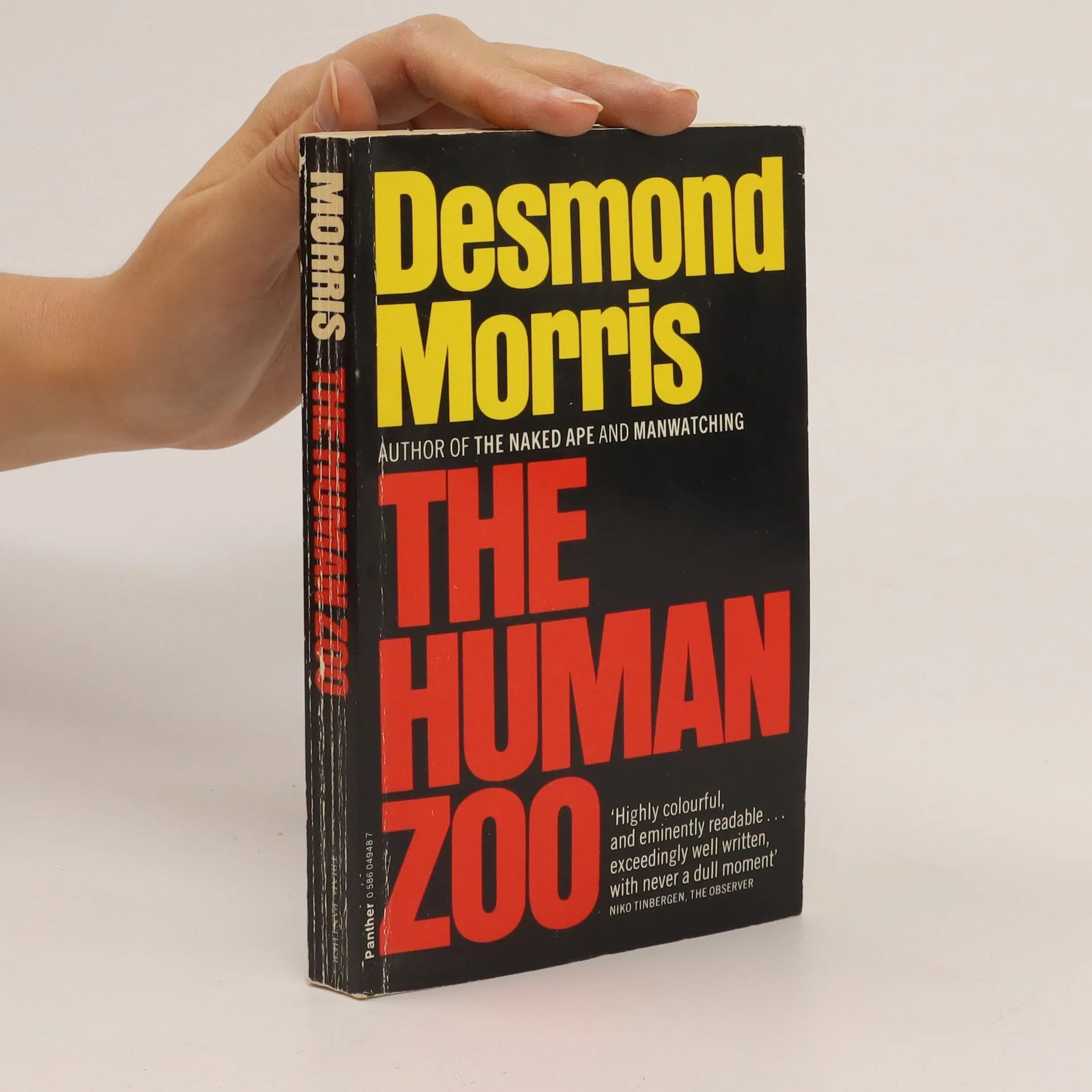
    • The Human Zoo

      • 222 pages
      • 8 hours of reading

      This study concerns the city dweller. Morris finds remarkable similarities with captive zoo animals and looks closely at the aggressive, sexual and parental behaviour of the human species under the stresses and pressures of urban living.

      The Human Zoo
      4.1
    • The Naked Man

      • 288 pages
      • 11 hours of reading

      Following on from the international success of The Naked Woman, bestselling zoologist Desmond Morris turns his attention to the human male. The Naked Man is a study of the masculine body from head to toe, exploring how biological features have been modified, suppressed or exaggerated by customs and changes in social fashions. Packed full of scientific fact, engaging anecdote and thought-provoking conclusions, including a controversial chapter examining male sexuality, The Naked Man is a must-read for anyone interested in this far from rare, but nevertheless endangered species.

      The Naked Man
      4.0
    • Leopard

      • 181 pages
      • 7 hours of reading

      A natural and cultural history of the 'perfect predator' - the leopard - and its depiction in literature, art, film, advertising and popular culture.

      Leopard
      3.9
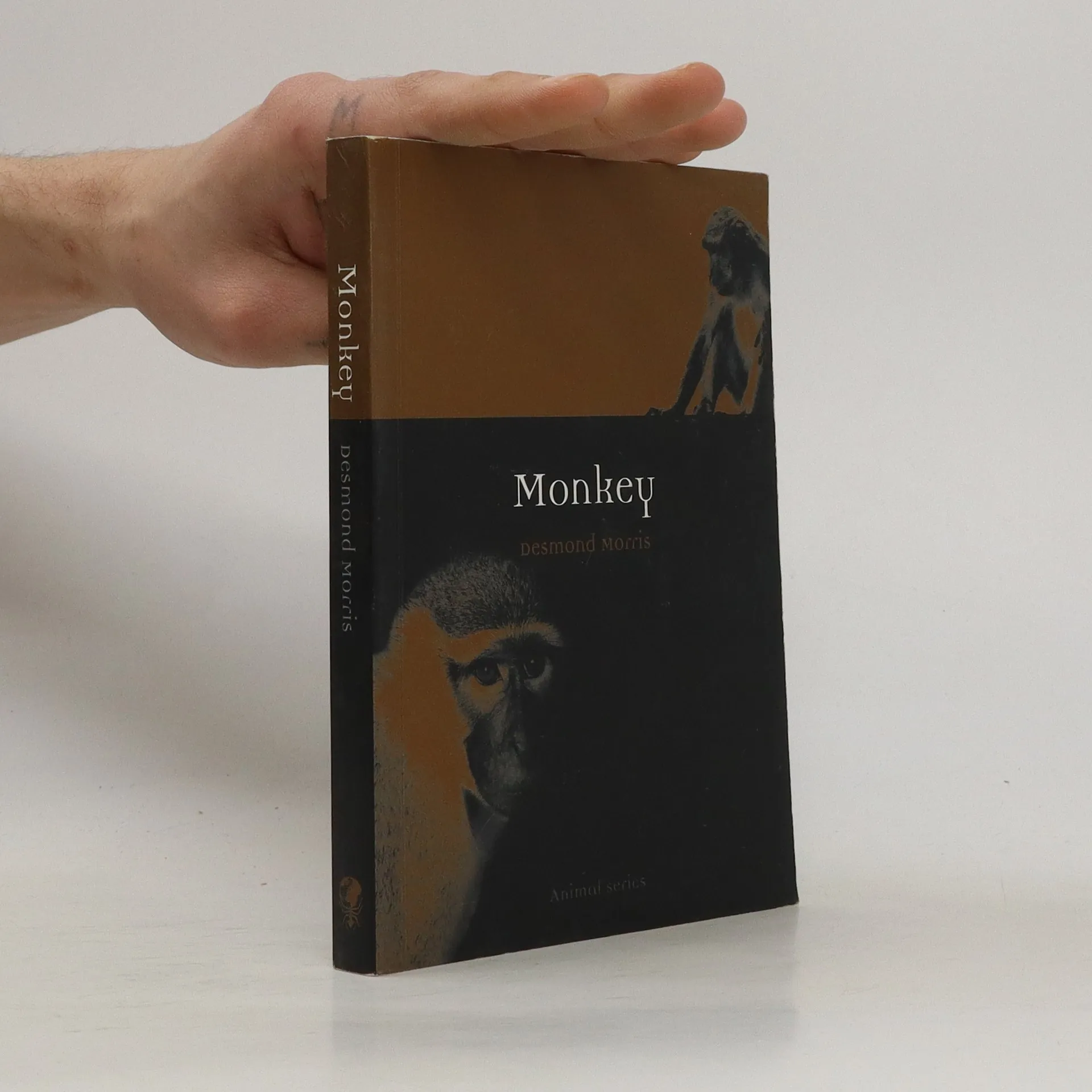
    • Monkey

      • 205 pages
      • 8 hours of reading

      In this book, Desmond Morris explores our modern, more uneasy relationship with the monkey, which has come to represent the 'primitive', destructive aspects of our own nature.

      Monkey
      3.9
    • Owl

      • 216 pages
      • 8 hours of reading

      From ancient Babylon to Edward Lear's The Owl and the Pussycat and the grandiloquent, absent-minded Wol from Winnie-the-Pooh to David Lynch's Twin Peaks, owls have woven themselves into the fabric of human culture from earliest times. Beautiful, silent, pitiless predators of the night, possessing contradictory qualities of good and evil, they are enigmatic creatures that dwell throughout the world yet barely make their presence known. In this classic Reaktion title, now available in paperback, bestselling author and broadcaster Desmond Morris explores the natural and cultural history of one of nature's most popular creatures. He describes the evolution, the many species and the wide spread of owls around the world, as well as their appearance in folk tales, myths and legends, art, film, literature and popular culture. Originally published in 2009, this new format edition features many telling illustrations from nature and culture and will appeal to the many devotees of this emblematic bird.

      Owl
      4.0
    • Peoplewatching

      • 400 pages
      • 14 hours of reading

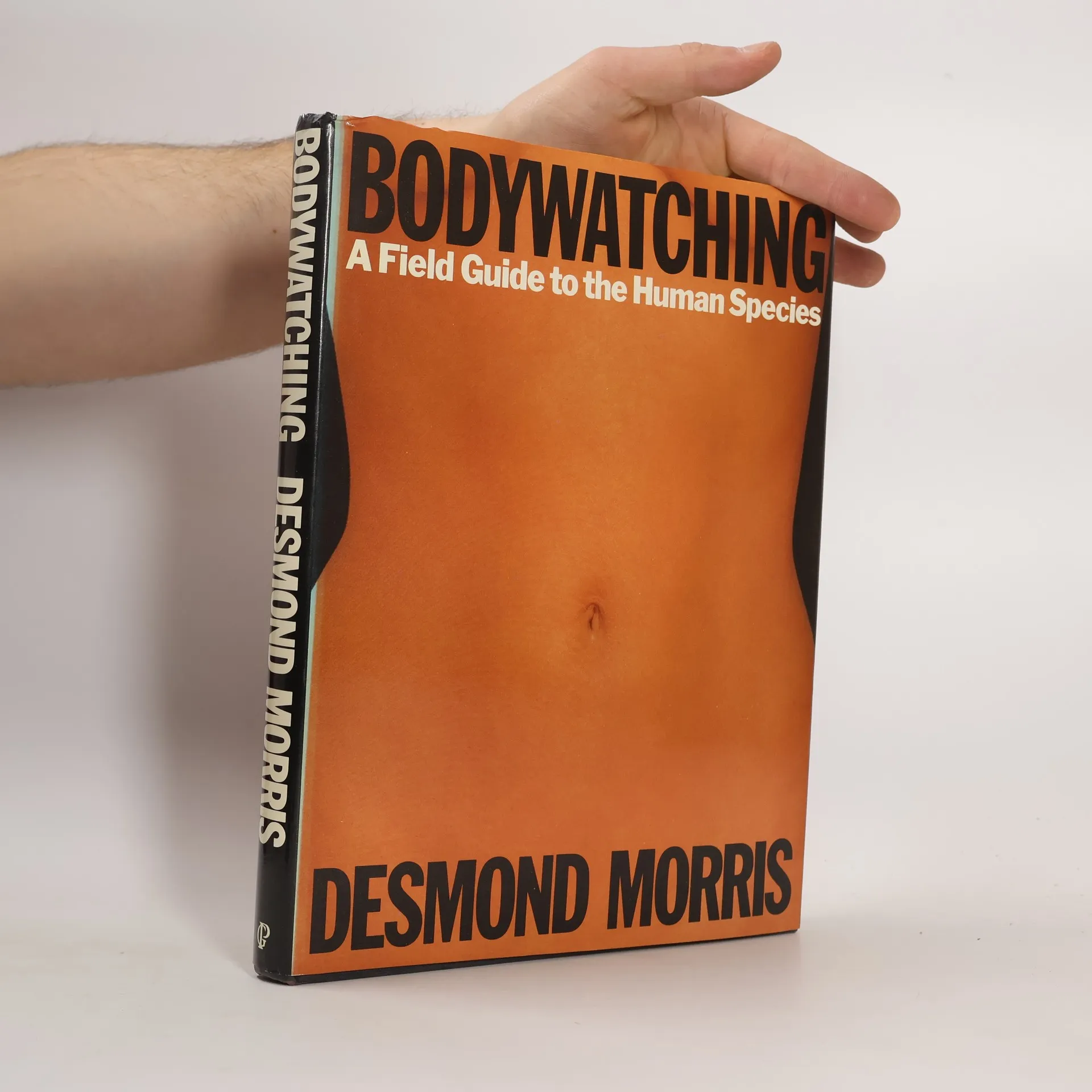
      Consisting of his timeless classic Manwatching, completely revised and updated, with much new material gathered since the book's original publication, and for the first time incorporating the text of Bodywatching, this new edition is set to become the def

      Peoplewatching
      4.0
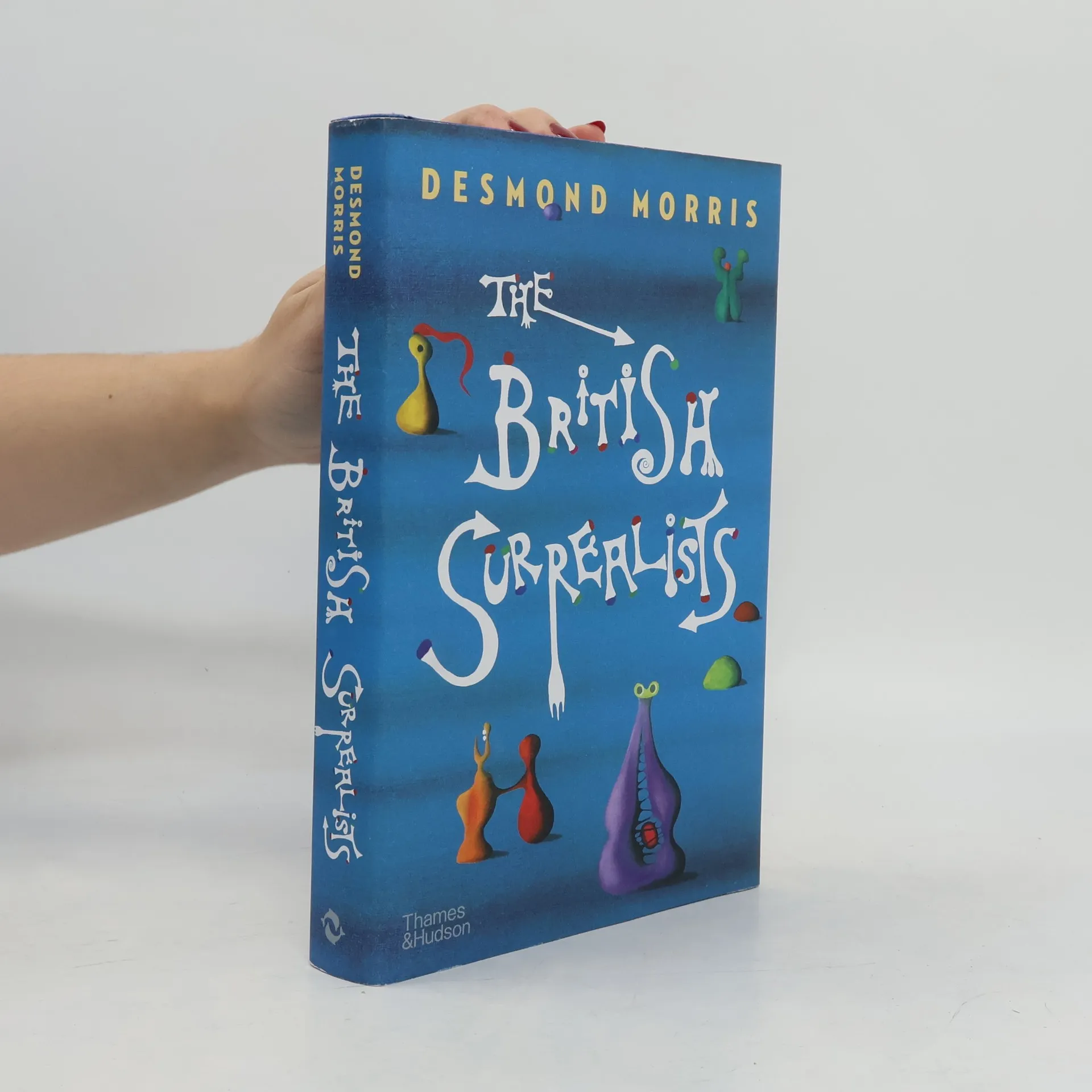
    • The British Surrealists

      • 248 pages
      • 9 hours of reading

      The lives, loves, and works of key British Surrealists revealed by one of the last surviving members of this movement, best-selling author and artist Desmond Morris. Honored for their idiosyncratic and imaginative works, the surrealists marked a pivotal moment in the history of modern art in Britain— pioneering the Surrealist movement between World War I and II. Many artists banded together to form the British Surrealist Group, while others carved their own, independent paths. Here, best-selling author and surrealist artist Desmond Morris—one of the last surviving members of this important art movement—draws on his personal memories and experiences to present the intriguing life stories, complex love lives, and groundbreaking works of this wild and curious set of artists. From the rebelliousness of Leonora Carrington to the beguiling Eileen Agar and the “brilliant” Ceri Richards, Morris brings his subjects’ triumphs as well as their shortcomings to the fore. Laced with his inimitable wit, and profusely illustrated by images of the artists and their artworks, Morris’s vivid account reflects the movement’s strange, rebellious, and imaginative nature. Featuring thirty- four surrealists—some famous, some now largely forgotten—Morris’s intimate book takes us back in time to a generation that allowed its creative unconscious to drive their passions in both art and life.

      The British Surrealists
      3.9
    • A BOOK NO HUMAN ANIMAL DARE MISS READINGHere is the Naked Ape at his most primal in love, at work, at war. Meet man as he really is: relative to the apes, stripped of his veneer as we see him courting, making love, sleeping, socialising, grooming, pla

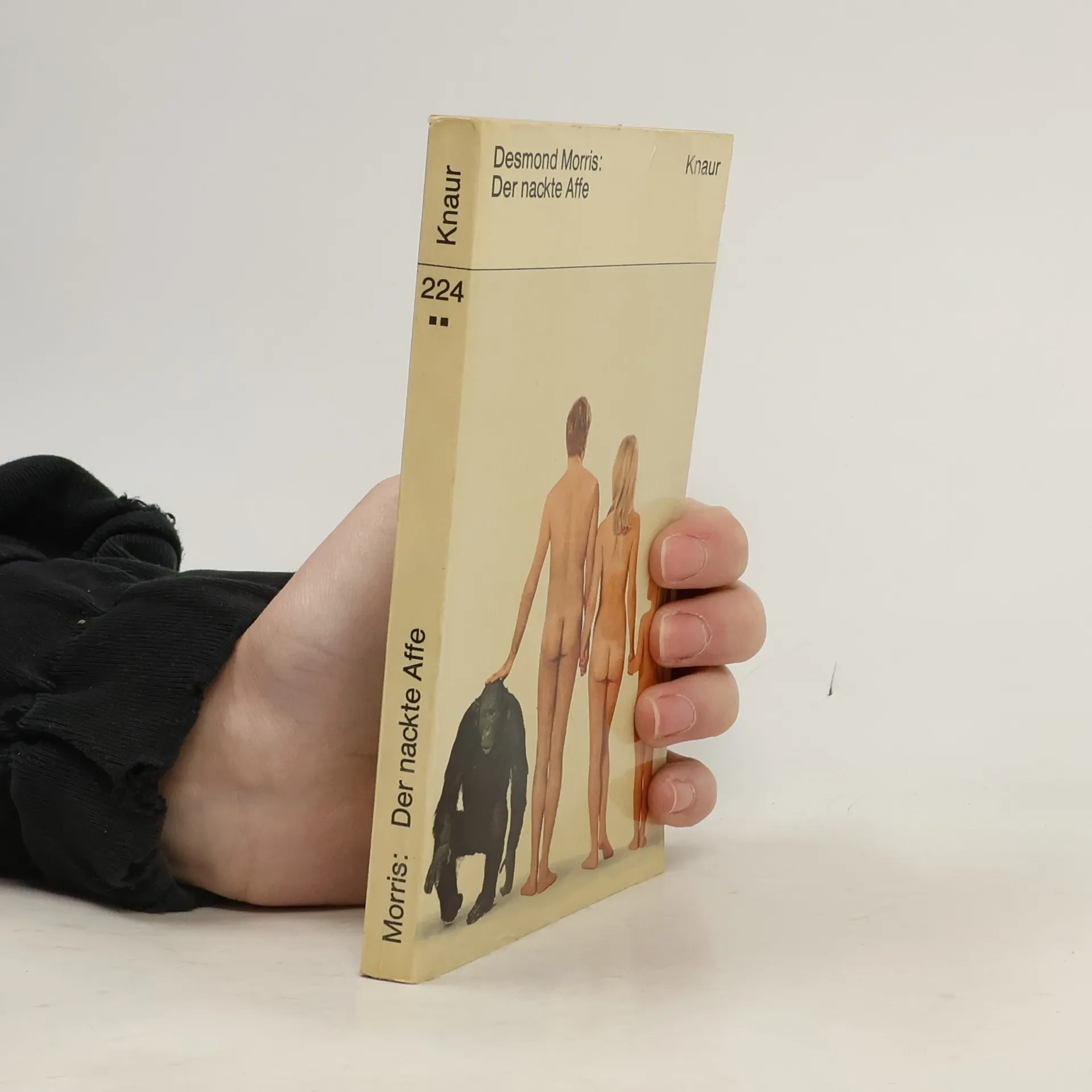
      The Naked Ape
      4.0
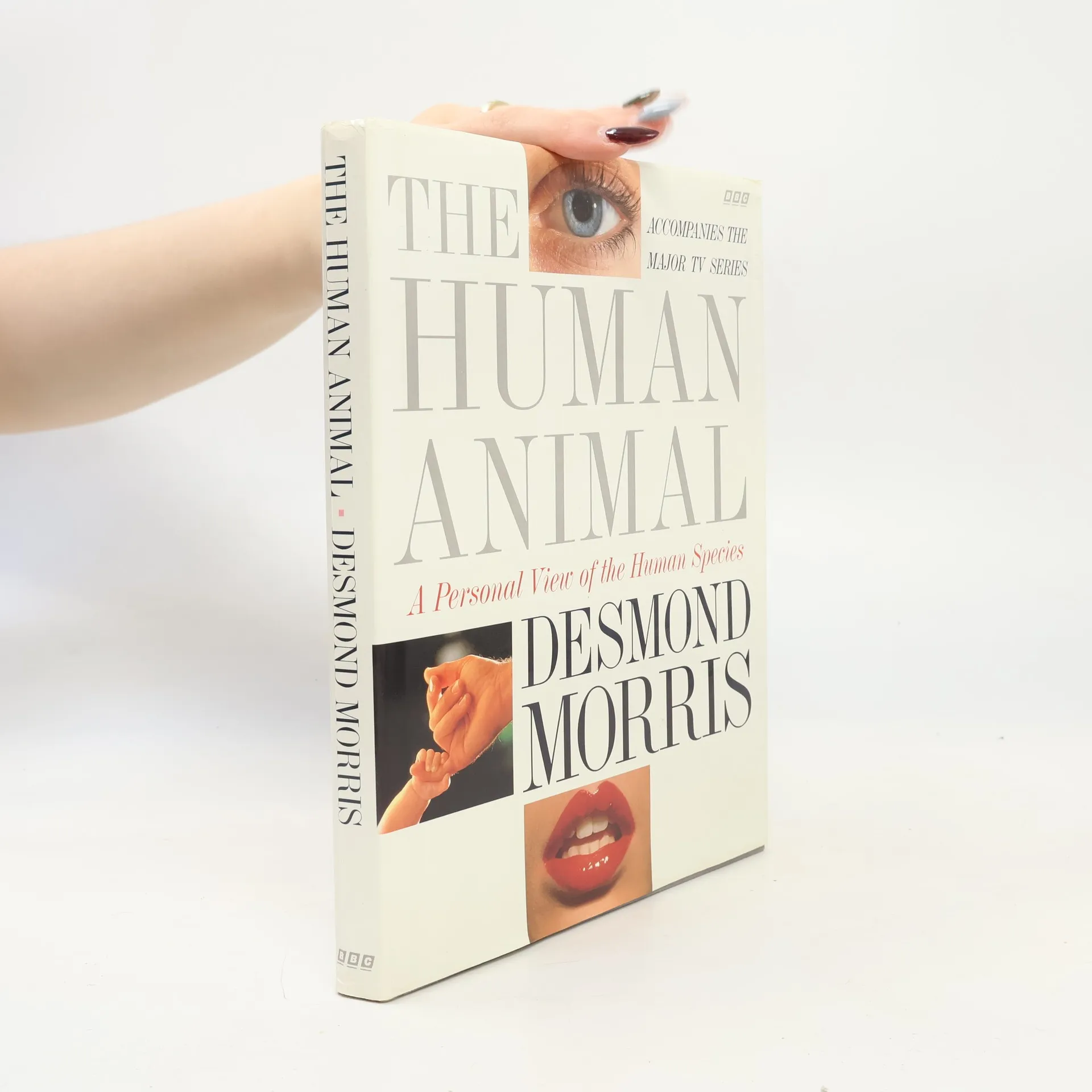
    • Everything we do has an inborn, genetic basis, and all our activities show similarities to those of other species. Man is unique, though, in the way in which he has built on these animal patterns, exaggerating and elaborating them to an astounding degree or suppressing them with damaging consequences. Morris sets out to show that, despite our inclination to believe otherwise, human behaviour is full of animal instinct and reaction, and that whatever the species, we all share remarkable similarities.

      The Human Animal
      3.9
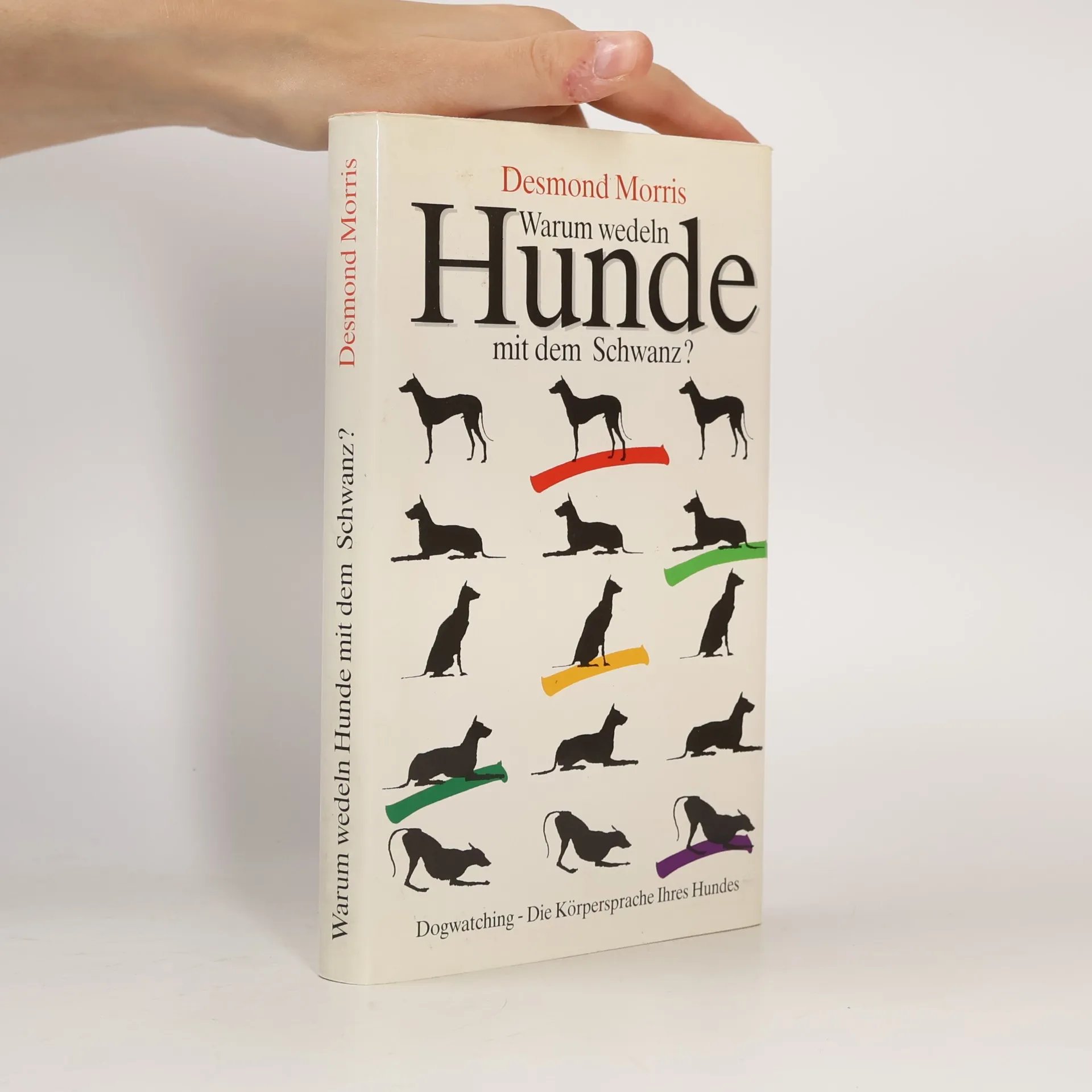
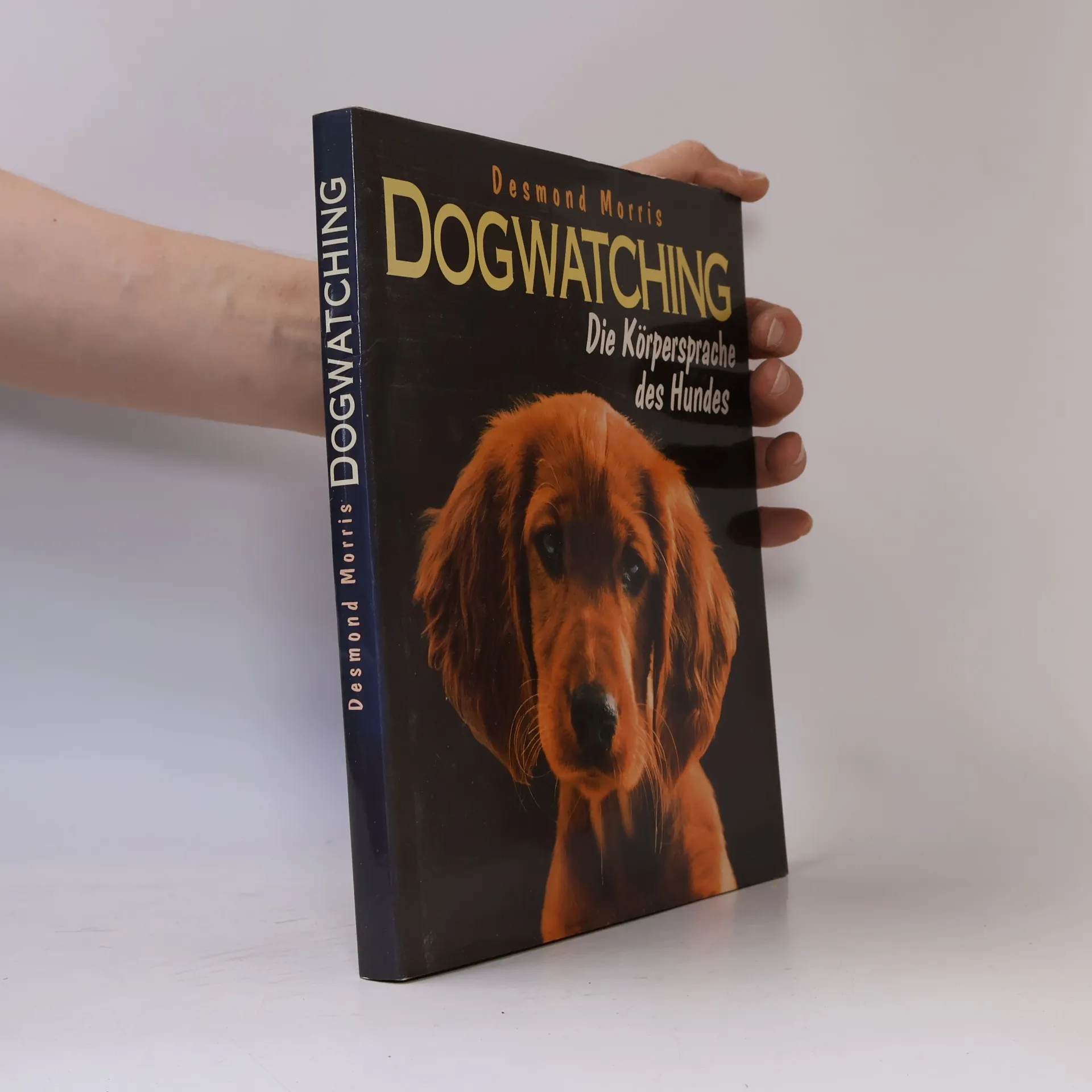
    • Morris turns his anthropological eye to dogs, answering a host of common--and uncommon--questions in his witty style. Companion volume to Catwatching. Line art throughout.

      Dogwatching
      3.9
    • Intimate Behaviour

      A Zoologist's Classic Study of Human Intimacy - With a New Preface by the Author

      • 272 pages
      • 10 hours of reading

      Twenty-five years after it first caused a splash in the scientific and literary worlds, Intimate Behavior is still one of the best chronicles of human intimacy. With a masterful and entertaining eye, Desmond Morris, bestselling author of The Naked Ape and The Human Zoo , analyzes the roots ofhuman intimacy, from the handshake through the twelve stages that people pass through on their way to the total sexual embrace. Morris contends that the months just before and after birth are when the seeds of intimacy are planted and are critical to development. From the loving attention of themother, the child learns and responds with intimate gestures of his or her own. He argues that human adults follow certain patterns of intimate behaviour that are based on these infant experiences for their entire lives. In addition to sexual intimacy, Morris discussed social intimacy, intimacysubstitutes, object intimacy, and self-intimacy. Complete with a new preface by the author, Intimate Behavior is a provocative view of humans need to touch and to be touched, to love and to be loved. At a crucial moment, a gentle embrace can still do more good than a thousand earnest discussions.Despite all our social and technological advances, the primeval body language of love still remains the most potent force we have for the expression of feelings of comfort and caring. Desmond Morris, from his new Preface

      Intimate Behaviour
      3.9
    • The Naked Woman

      A Study of the Female Body

      • 322 pages
      • 12 hours of reading

      Delving into the female body, the book offers an insightful exploration of its evolutionary traits and the societal influences shaping perceptions of beauty. Desmond Morris, renowned for his expertise in human behavior, presents a clear and engaging analysis, breaking down complex ideas into accessible language. With a focus on the interplay between natural physiology and cultural standards, this work reflects Morris's unique perspective and extensive observational experience, making it a compelling read for those interested in the nuances of human form and society.

      The Naked Woman
      3.9
    • Horsewatching

      • 128 pages
      • 5 hours of reading

      How intelligent are horses? In addition to examining details of behavior, Dr Morris considers such questions as why horseshoes bring good luck, why we don't eat horses, why jockeys are allowed to whip their mounts and why we call a bad dream a nightmare.

      Horsewatching
      3.0
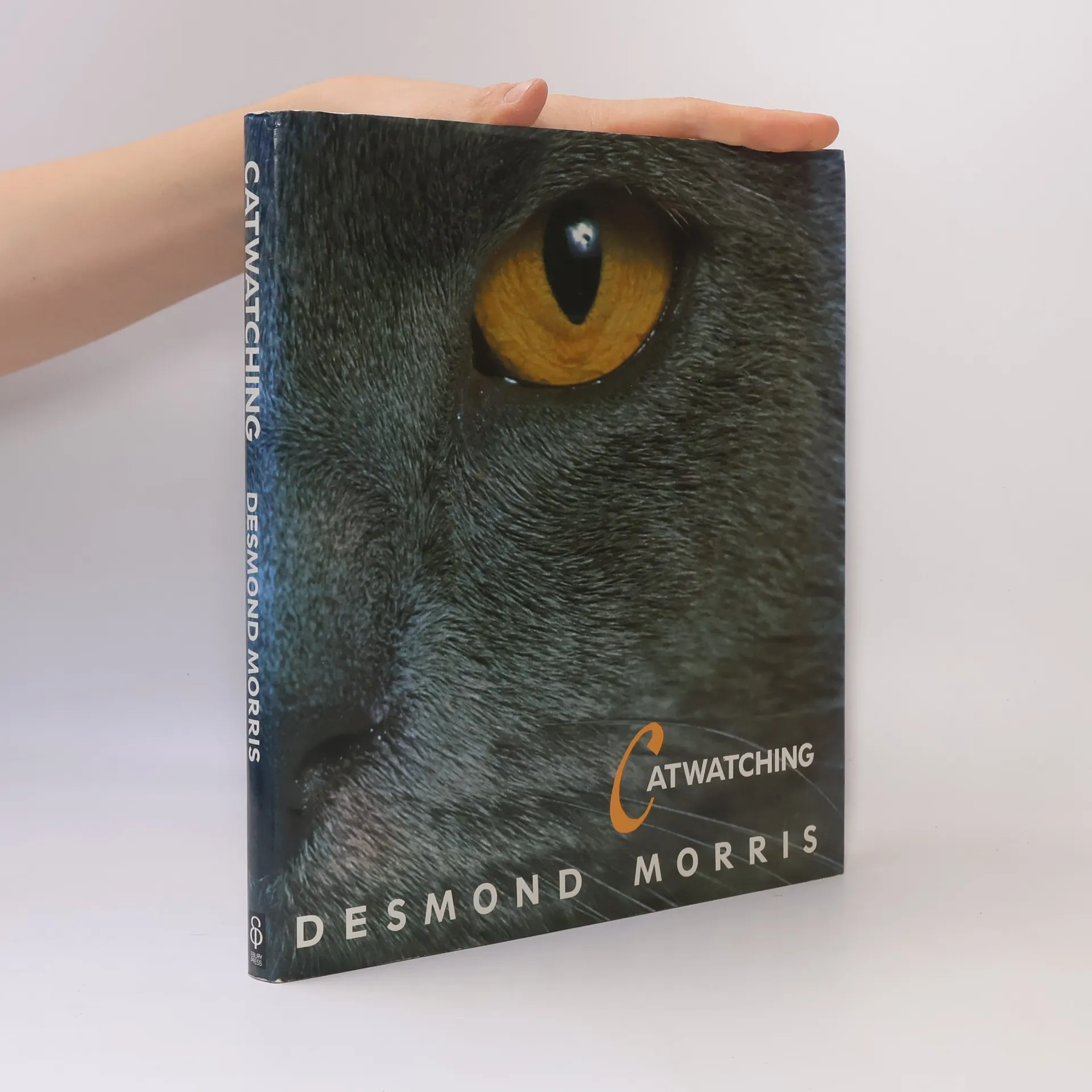
    • Catwatching

      The Essential Guide to Cat Behaviour

      • 96 pages
      • 4 hours of reading

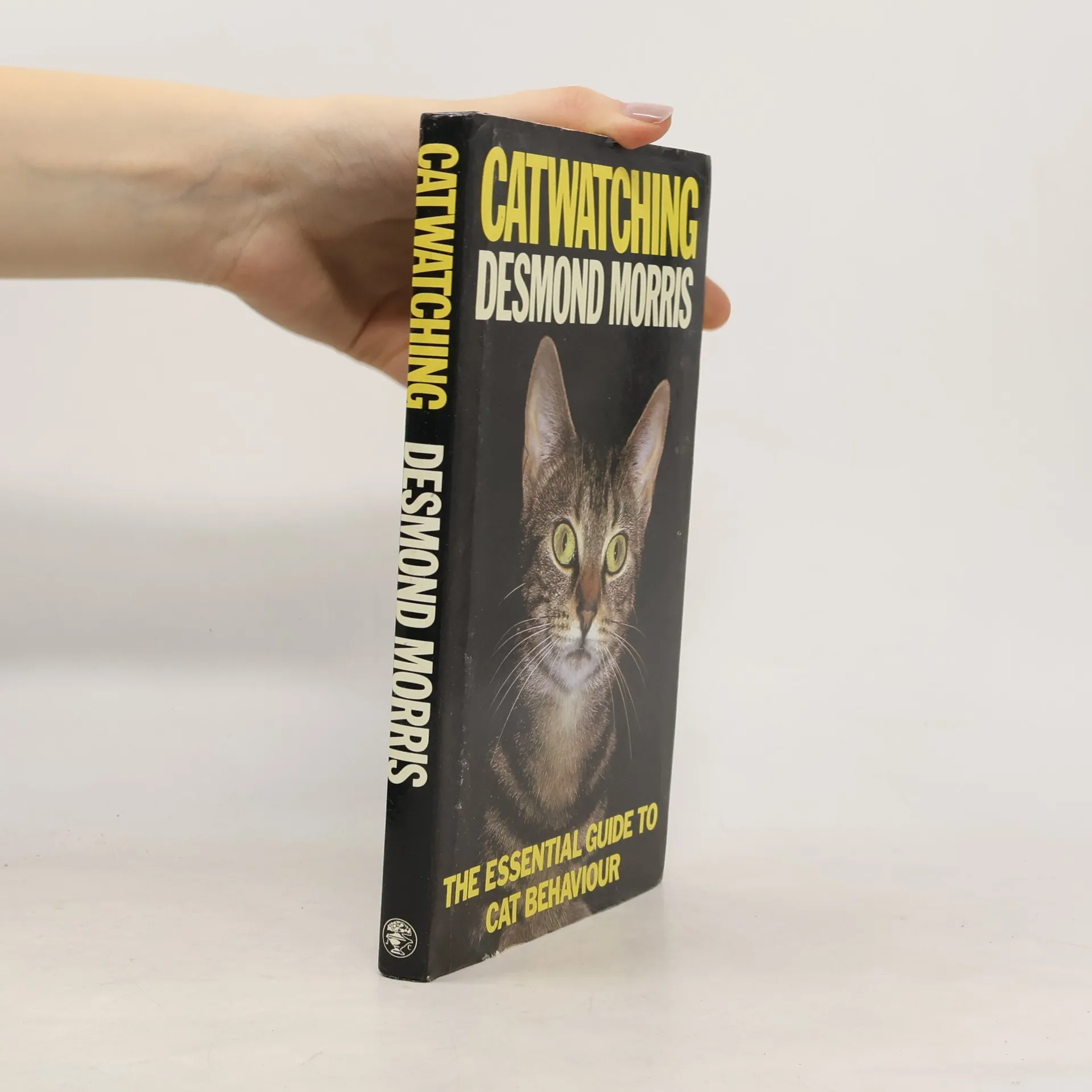
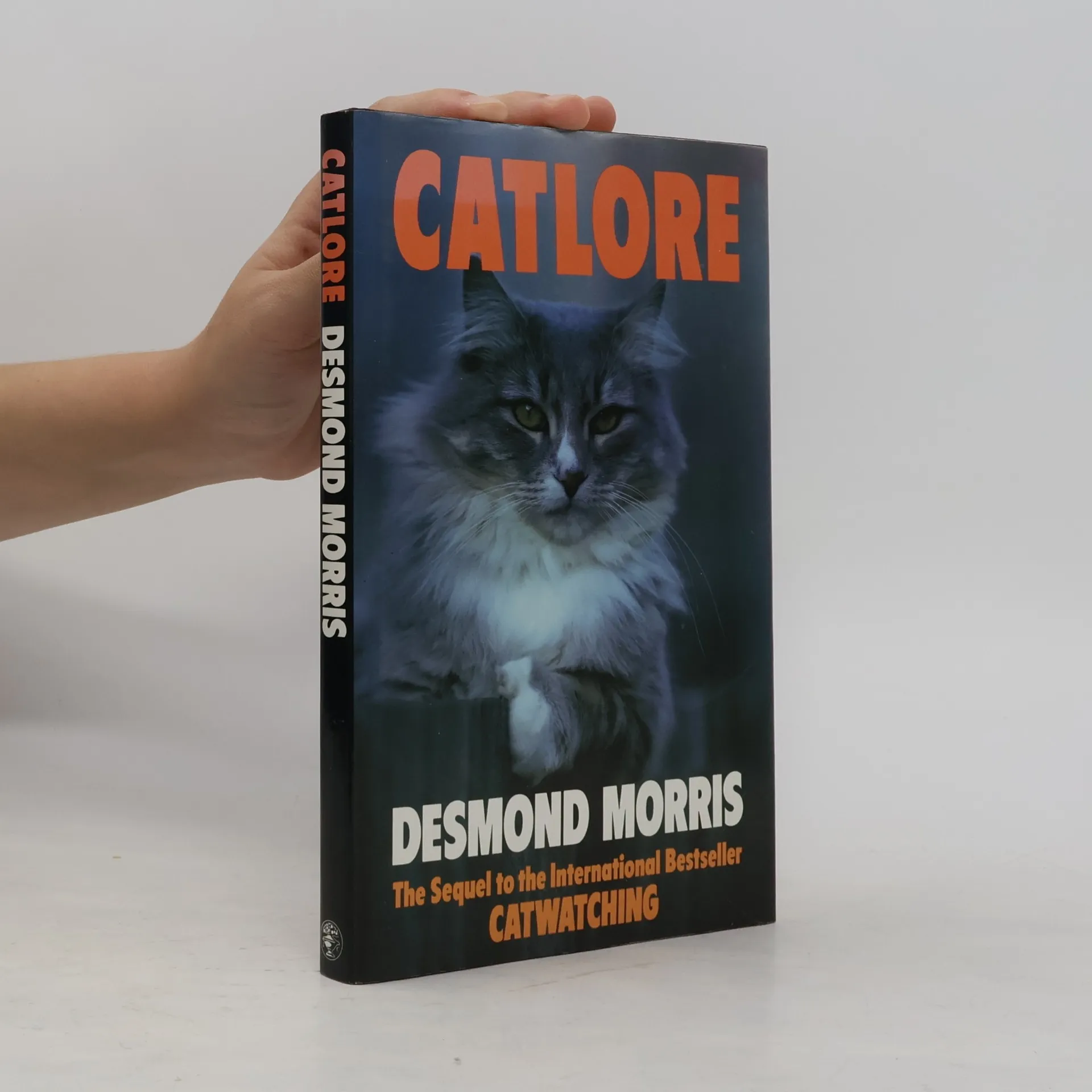
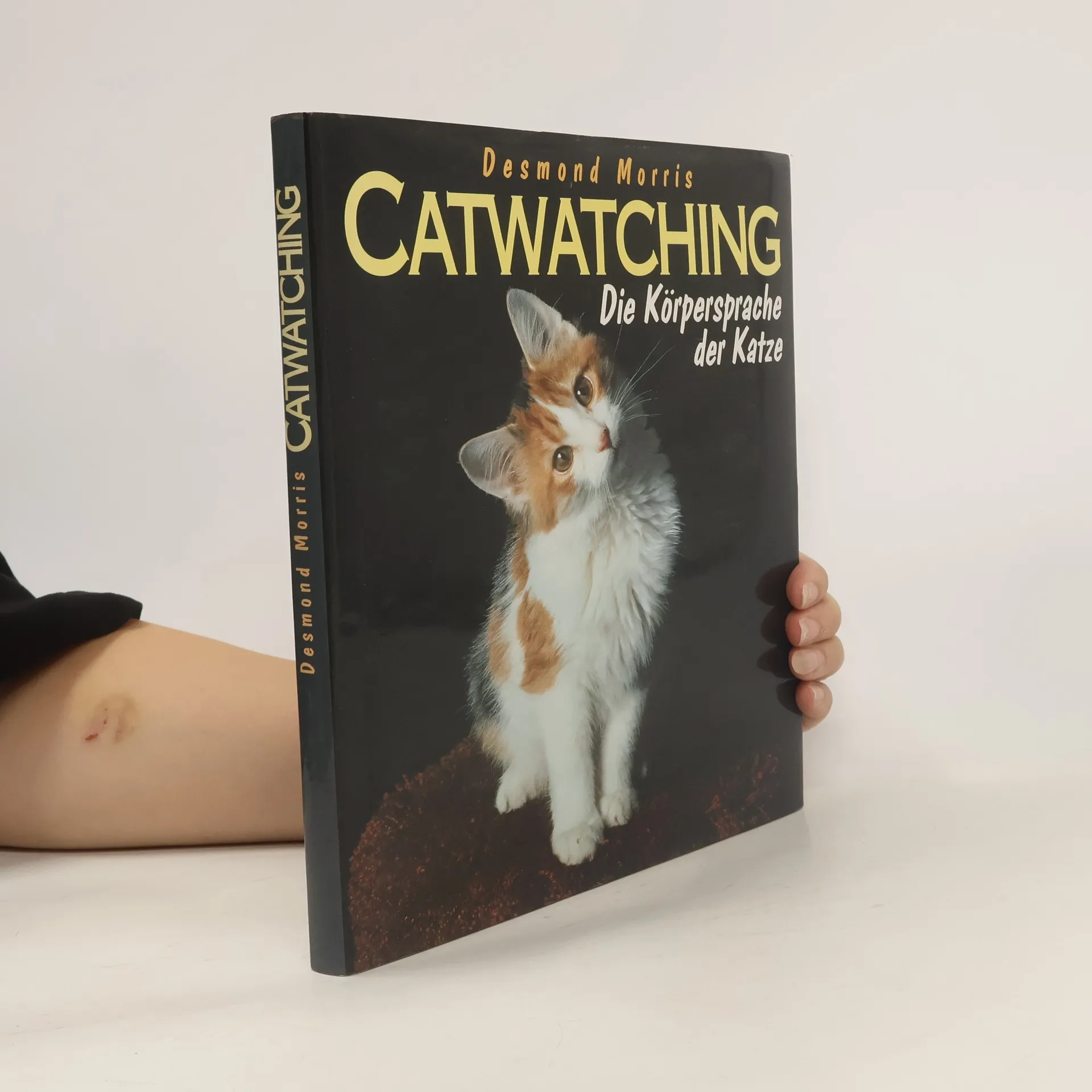
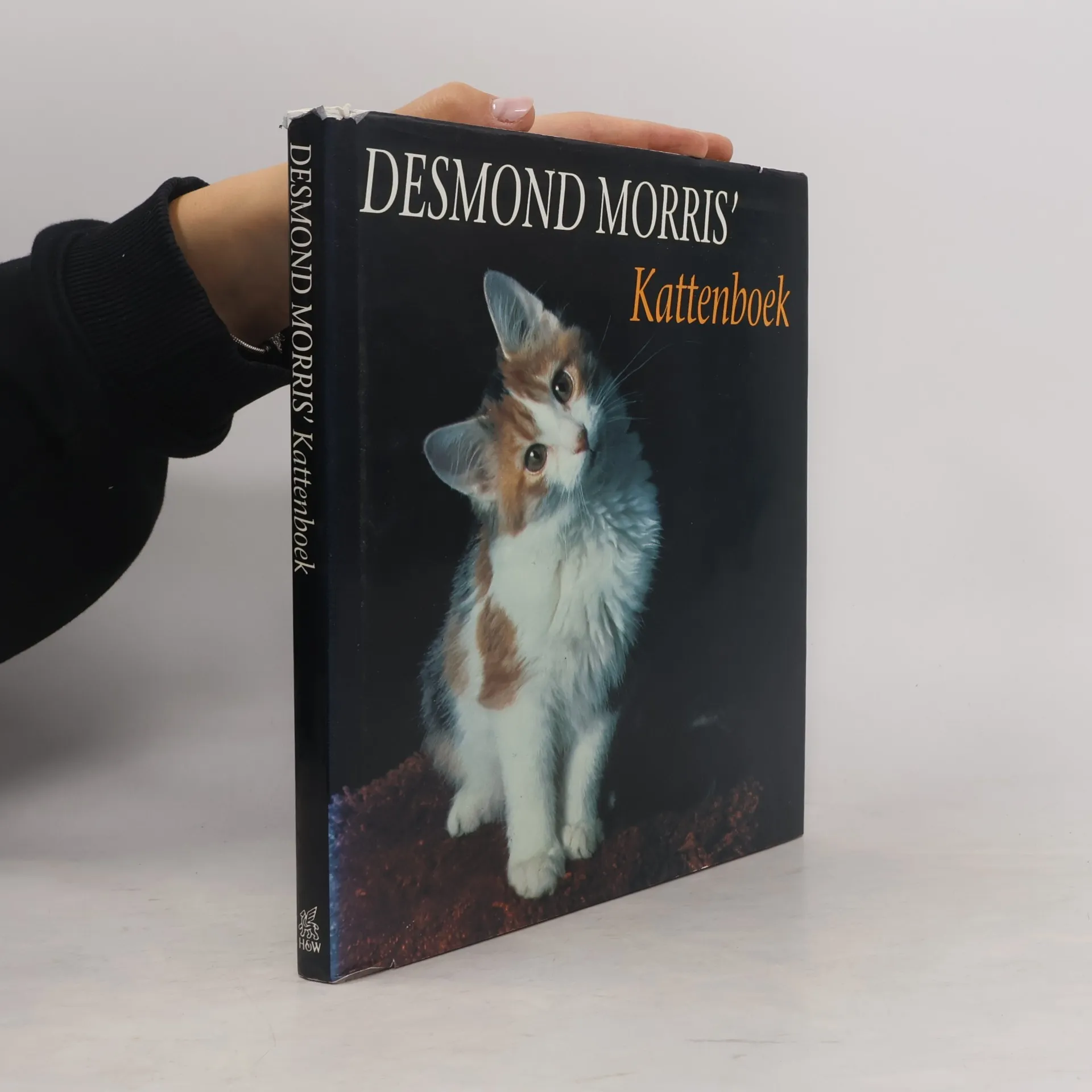
      The wide-ranging coverage in this encylopaedia of cats encompasses entries on many kinds of domestic cat (from Abyssinian to Siamese), famous individual cats (from Felix to Macavity), and aspects of feline behaviour (from hunting to courtship). It also incorporates terminology, cat books and organizations, famous owners, authors and artists, and even people such as Julius Caesar and Napoleon, who hated cats.

      Catwatching
      3.8
    • Rommel

      • 304 pages
      • 11 hours of reading

      Focusing on the life of the renowned German Field Marshal known as the Desert Fox, this book delves into Rommel's significant role during World War II. It highlights the challenges and strategies he faced, providing insights into his military tactics. The publication is part of a series aimed at republishing classic works with original text and artwork, making these historical narratives accessible to modern readers.

      Rommel
      3.5
    • Desmond Morris

      Naked Surrealism

      • 240 pages
      • 9 hours of reading

      Desmond Morris' collection showcases a striking array of surrealist art, blending vivid imagery with thought-provoking themes. The works explore the boundaries of human perception and imagination, inviting viewers to delve into the subconscious. Each piece reflects Morris' unique perspective, merging elements of nature and the human experience. This compilation not only highlights his artistic talent but also serves as a commentary on the complexities of life, challenging the audience to interpret the deeper meanings behind each surreal creation.

      Desmond Morris
    • Watching

      • 672 pages
      • 24 hours of reading

      Desmond may have given me an insight into human behaviour, but he's given me lots of laughs, too. We think the same things are funny, and he's a brilliant raconteur. --Sir David Attenborough This is a book about the joys of watching the world. It is autobiographical, but it is not about me; it is about what I have observed. There is no agonised soul-searching, no sneaky kiss-and-tell, no pretentious journey to find the 'real me'. I am not interested in myself. But I am fascinated by the world around me and what I have been able to see and record over a period of six decades of professional observation, first as a student of animal behaviour, and then as a student of human behaviour. Desmond Morris was born in 1928. Educated at Birmingham and Oxford universities, he became the Curator of Mammals at London Zoo in 1959, a post he held for eight years. In 1967 he published The Naked Ape which has sold over 10 million copies worldwide and has changed the way we view our own species forever. An accomplished artist, TV presenter, film maker and writer, Desmond Morris's books have been published in over thirty-six countries.

      Watching
    • Illustrated Catwatching

      • 144 pages
      • 6 hours of reading

      Desmond Morris answers 60 fascinating questions about cats: * Why does a cat purr? * How does a cat use its whiskers? * Why do cats interfere when their owners answer the telephone? * Why do we believe a black cat brings good luck * Why do cats sulk? * Why are cats attracted to people who dislike them? * Why does a cat like being stroked? and many, many more. . . The text is accompanied by beautiful colour photographs of cats of every variety, illustrating the behaviour Desmond Morris describes.

      Illustrated Catwatching
    • Lucky Luke 29

      Auf nach Oklahoma!

      Die Regierung der Vereinigen Staaten kauft den Indianern das Reservat Oklahoma ab und gibt es zur Besiedlung frei. Lucky Luke soll dafür sorgen, dass es bei der Landnahme nicht zum Betrug kommt. Nach einem anfänglichen Boom erweist sich Oklahoma aber als ungeeignet und wird am Ende im Tausch gegen eine Kette den Indianern zurückgegeben, die "wenig später unerschöpflich reiche Erdölfunde in Oklahoma machten". Dieser Titel wird im sog. Fixed-Layout-Format angeboten und ist daher nur auf Geräten und Leseprogrammen nutzbar, die die Darstellung von Fixed-Layout-eBooks im epub- oder mobi/KF8-Format unterstützen. Wir empfehlen in jedem Fall die Darstellung auf Tablets und anderen Geräten mit Farbbildschirm

      Lucky Luke 29
      4.4
    • Mowa ciała w sztuce Pozy i gesty

      • 320 pages
      • 12 hours of reading

      Ta bogato ilustrowana książka autorstwa Desmonda Morrisa jest pionierską i ożywczą analizą znaczenia mowy ciała w rozumieniu sztuki. Za każdym razem, gdy artysta portretuje człowieka, musi podjąć decyzję o postawie postaci. Czy będą stać, siedzieć czy leżeć? Uśmiechać się, krzyczeć czy płakać? Chociaż często przeoczane, ignorowane albo niedocenione, Morris dowodzi, że pozy i gesty odzwierciedlają obyczaje danego okresu historycznego, zwyczaje określonej kultury lub modę w stylach artystycznych. Badając je z mistrzowskim wyczuciem, Morris, znany artysta i antropolog, dokonuje fascynujących spostrzeżeń na temat zmieniających się postaw i społecznych konwencji na przestrzeni wieków, znajdując zarówno zaskakujące podobieństwa, jak i znaczące różnice. Szeroki wybór gestów dokonany przez Morrisa – od uścisku dłoni po rzucenie rękawicy – jest analizowany w kontekście kulturowych form komunikacji: pozdrowienia, groźby, obelgi i innych. Wszystkie omówienia ilustrowane są kolorowymi dziełami, od prehistorycznych masek i greckich posągów po współczesne obrazy i rzeźby. Mowa ciała w niepowtarzalny sposób łączy erudycję autora z dziedzin artystycznych i nauk społecznych, przez co rzuca zupełnie nowe światło na nawet najbardziej znane obrazy.

      Mowa ciała w sztuce Pozy i gesty
      5.0
    • Библия языка телодвижений. Наблюдая за человеком

      Фундаментальное исследование всех невербальных сигналов

      • 704 pages
      • 25 hours of reading

      Общеизвестно, что наши телодвижения сообщают наблюдателю куда больше, чем наши слова. Для того чтобы понимать, о чем говорит тот или иной невербальный сигнал, нам не нужны никакие учебники: мы впитываем это из окружающей среды. Но для осознанного изучения, анализа наших невербальных посланий — труд Десмонда Морриса — неоценимое подспорье. Впервые на русском языке — книга, которую по праву можно считать настоящей библией языка телодвижений. Сочетая научный подход с ясным изложением, Моррис подробнейшим образом останавливается на каждом из многочисленных типов скрытых знаков тела, которые мы ежедневно наблюдаем у других и подаем сами.«Библия языка телодвижений» является кульминацией карьеры Десмонда Морриса, венцом его наблюдений за людьми — за их поведением и привычками, их личностями и причудами. Десмонд Моррис показывает нам, как люди, сознательно и бессознательно, показывают свое отношение, сокровенные чувства и желания при помощи своих тел и действий, часто сильнее, чем при помощи слов.

      Библия языка телодвижений. Наблюдая за человеком
      4.3
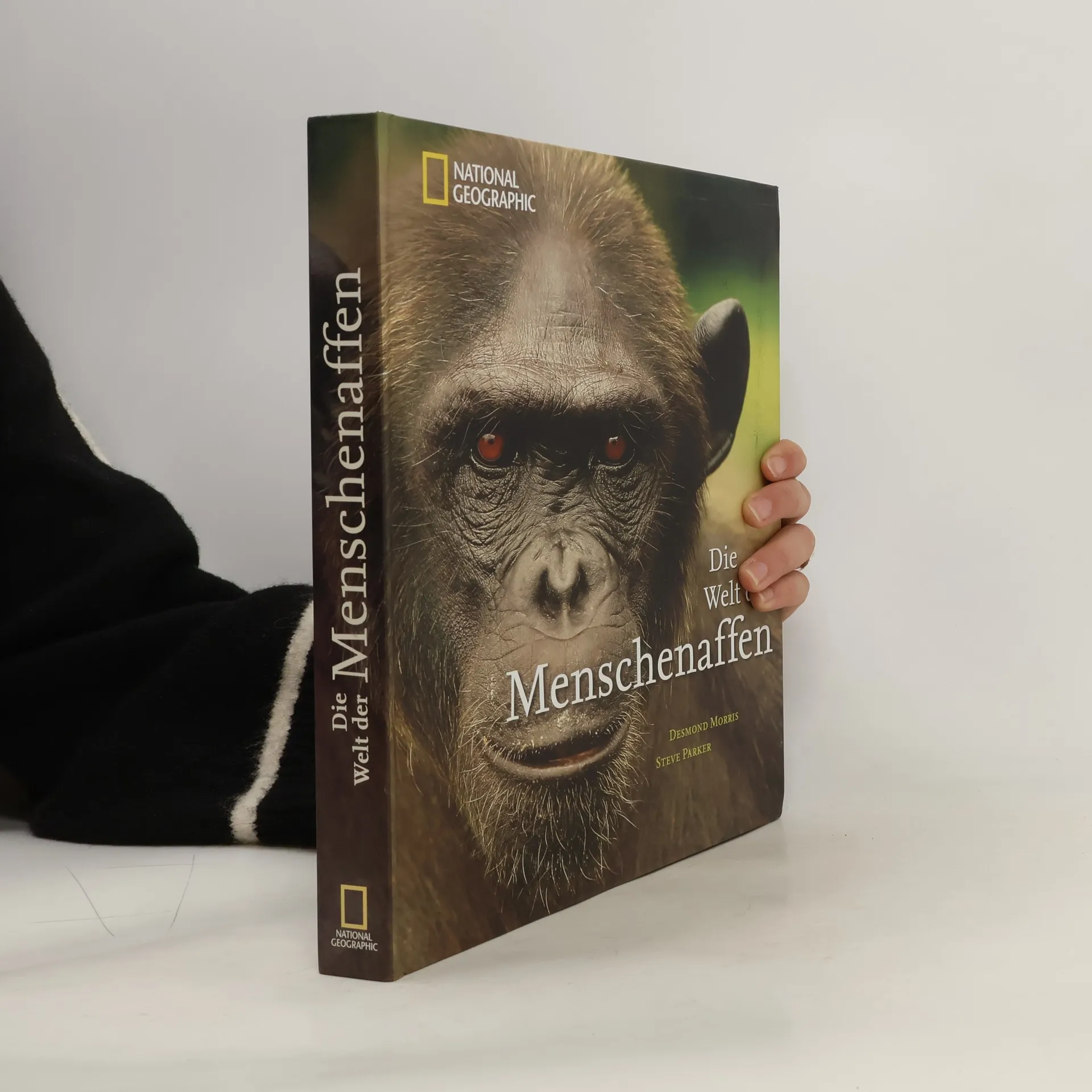
    • Die Welt der Menschenaffen

      • 288 pages
      • 11 hours of reading

      Gorillas, Orang-Utans, Schimpansen und Bonobos sind evolutionär nicht weit von uns Menschen entfernt. Der Zoologe und Verhaltensforscher Desmond Morris beschreibt in seinem umfangreichen Standardwerk ihre Welt. Er schildert die Streifzüge der Gorillas so ausführlich wie das Heranwachsen der Orang-Utans. Er erläutert die sexuelle Freizügigkeit der Bonobos genauso wie die komplexen Sozialstrukturen der Schimpansen. Menschenaffen kommunizieren in feinen Nuancen, in vielerlei Hinsicht halten sie uns einen Spiegel vor. Dennoch haben wir sie an den Rand des Aussterbens gebracht. Ein Extrakapitel widmet sich den Schutzmassnahmen für die zum Teil extrem gefährdeten Tiere und zeigt, was wir tun können, die in freier Wildbahn verbliebenen Affen zu retten. (Quelle: www.buch.ch).

      Die Welt der Menschenaffen
      4.0
    • Bodytalk

      • 239 pages
      • 9 hours of reading

      Körpersprache ; Gestik ; Nonverbale Kommunikation.

      Bodytalk
      4.0
    • Der Mensch, mit dem wir leben

      • 320 pages
      • 12 hours of reading

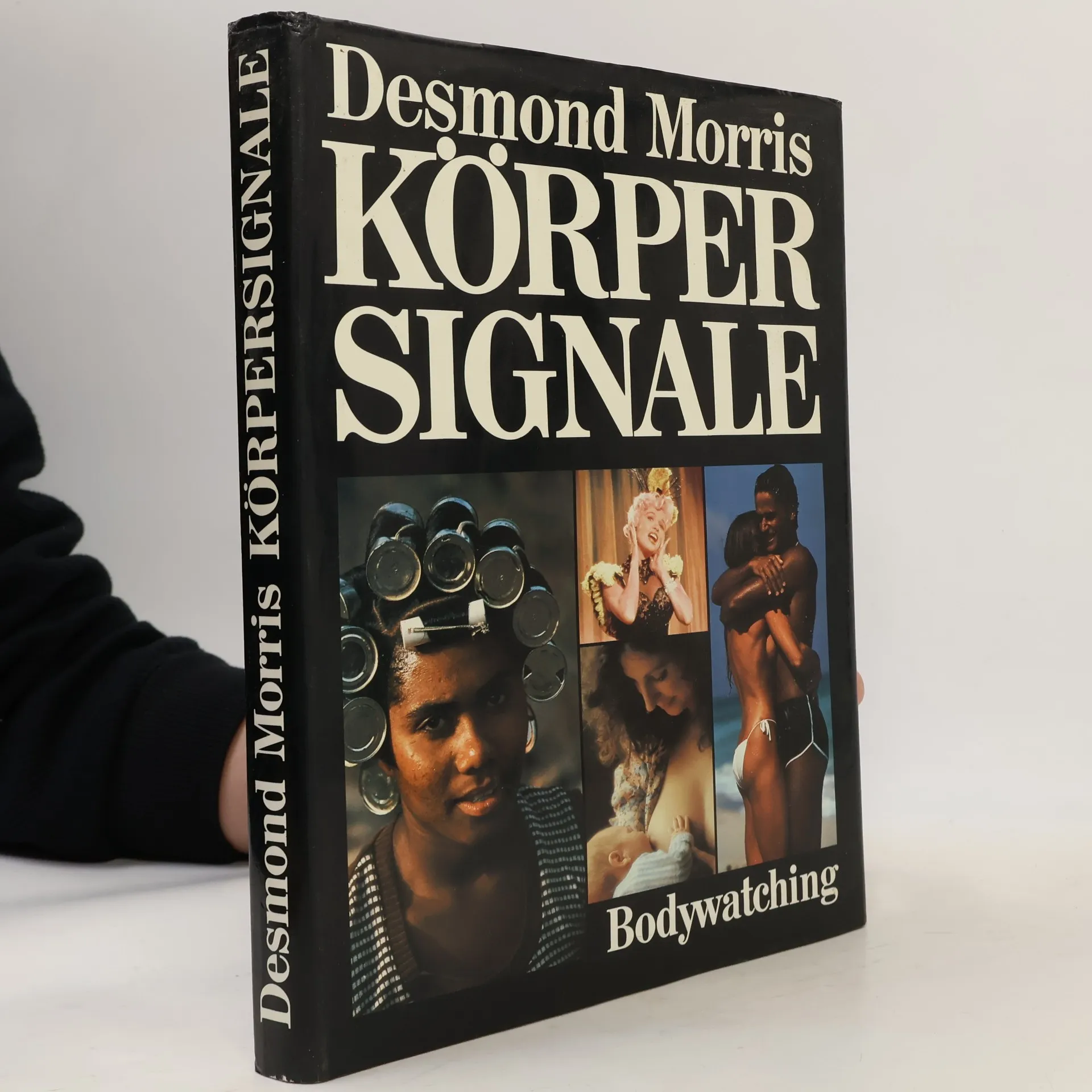
      Die Menschen verständigen sich nicht nur mit Worten. Eine sehr alte und sehr wirkungsvolle Verständigungsmöglichkeit ist auch die Sprache der Handlungen, Gesten, Haltungen und Signale. Desmond Morris, dessen Weltbestseller "Der nackte Affe" eine begeisterte Leserschaft gefunden hat, faßt hier erstmals zusammen, was wir über die Sprache des menschlichen Verhaltens wissen. Wie wir beispielsweise unser Territorium markieren, unseren Rang in der Gesellschaft demonstrieren, unsere Gefühle bei Gefahr oder freudiger Erregung zeigen oder unmißverständlich sexuelle Bereitschaft signalisieren. Wer diese stummen und doch so beredten Signale genau kennt, versteht sich, seine Mitmenschen und seine Umwelt plötzlich sehr viel besser.

      Der Mensch, mit dem wir leben
      2.5
    • De aangeklede aap

      Het dier in de mens

      • 224 pages
      • 8 hours of reading

      This stunningly illustrated book provides new understanding of human behavior based on our almost identical genetic heritage. However much we may think we have evolved from our animal ancestors, Desmond Morris shows that our instinct and behavior are still rooted in our animal past. 140 full-color and 10 black-and-white photographs.

      De aangeklede aap
      3.2
    • Katte

      • 120 pages
      • 5 hours of reading
      Katte
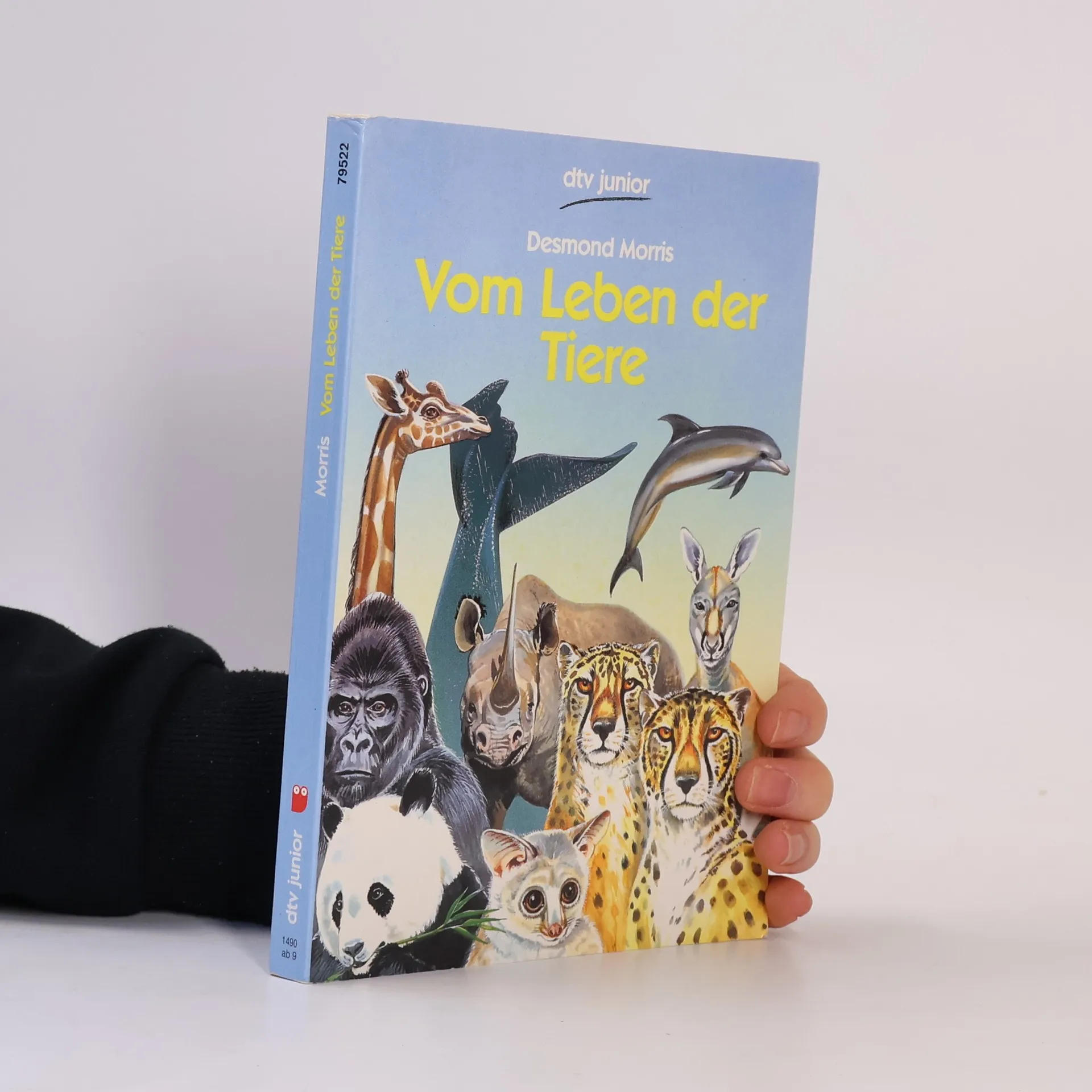
    • Wieso kommen Kamele so lange ohne Wasser aus? Warum hat das Zebra Streifen? Diese und viele andere Fragen beantwortet der genau beobachtende Verhaltensforscher Desmond Morris. Er erzählt ausführlich von 24 Tieren und ihren unterschiedlichen Lebensweisen. »Vom Leben der Tiere« ist so informativ wie ein Tierlexikon, aber unvergleichlich spannender zu lesen. Und es ist auch ein Buch über den Tierschutz.

      Vom Leben der Tiere
    • Reader´s Digest Auswahlbücher

      Flucht aus Kajandi. Der Mensch, mit dem wir leben. Wild wie das Moor. Tod im Tauerntunnel

      Flucht aus Kajandi/Der Mensch, mit dem wir leben/Wild wie das Moor/Tod im Tauerntunnel - bk675; Verlag "Das Beste"; David Beaty/Desmond Morris/Ernest V. Thompson/Felix Huby; Paperback; 1979

      Reader´s Digest Auswahlbücher
    • Waarom spinnen katten?

      • 102 pages
      • 4 hours of reading

      Beschrijving van de verschillende gedragspatronen van de huiskat.

      Waarom spinnen katten?
    • No Man's Land

      Zwischen Utopie und Wirklichkeit verlassener Orte

      • 192 pages
      • 7 hours of reading

      Rare Book

      No Man's Land
    • Baby's

      Hét vraag- en antwoordboek over het gedrag van baby's

      • 156 pages
      • 6 hours of reading
      Baby's
    • Il bambino

      Cosa pensa, cosa impara e come cresce nei suoi primi anni

      • 168 pages
      • 6 hours of reading
      Il bambino