

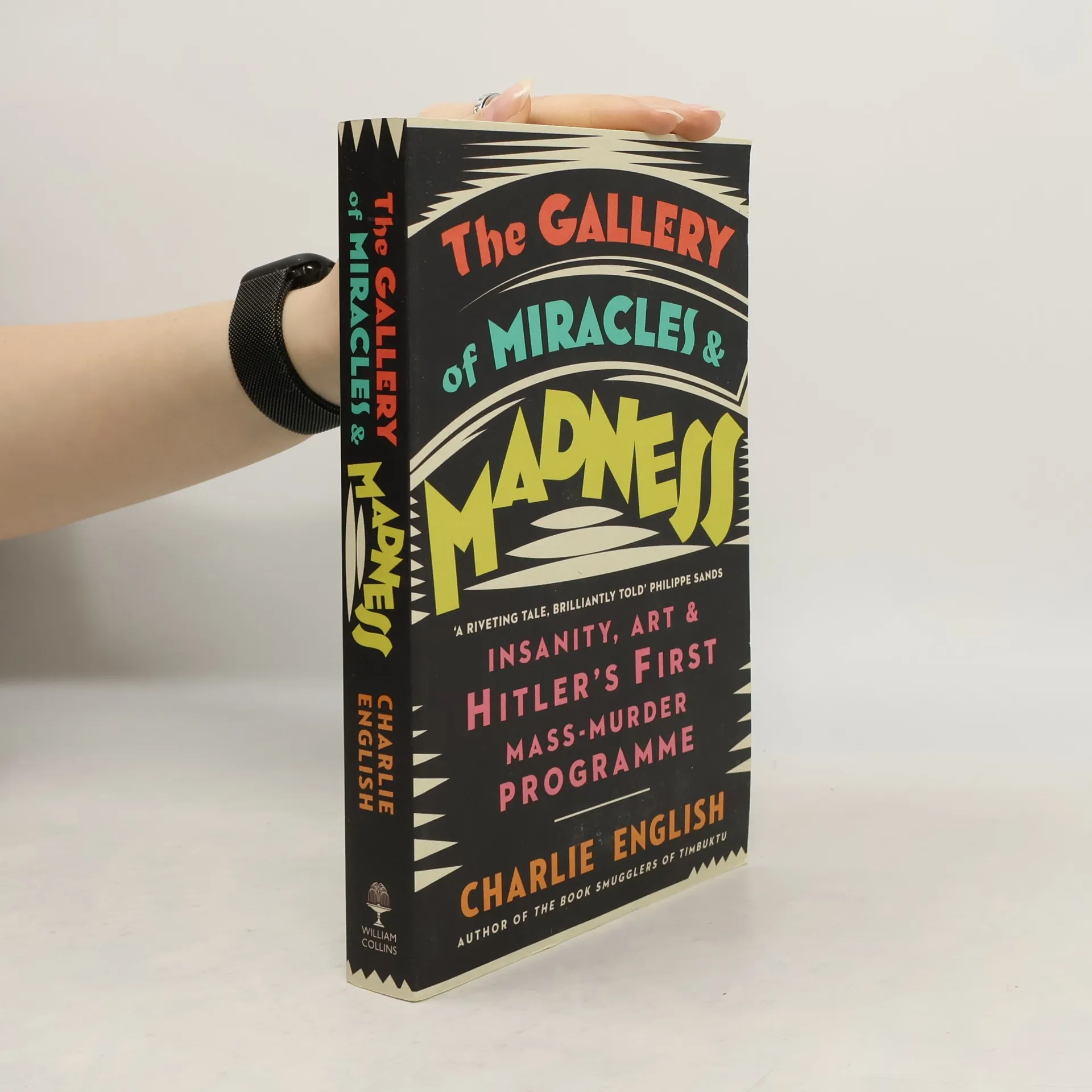
'A riveting tale, brilliantly told' Philippe Sands The little-known story of Hitler's war on modern art and the mentally ill.
Charlie English Books
Charlie English is an author whose work delves into the intersection of history, culture, and compelling narratives. His writing is celebrated for its sophisticated and ingenious approach, often described as postmodern historiography. He has a talent for crafting narratives that are both deeply informative and thoroughly engaging, drawing readers into complex subjects with a distinctive voice. His books are noted for their gripping quality and unique perspectives on historical events and cultural phenomena.


The CIA Book Club
- 384 pages
- 14 hours of reading
The astonishing story of the ten million books that were smuggled across the Iron Curtain during the Cold War.For almost five decades after the Second World War, Europe was divided by the longest and most heavily guarded border on earth. The Iron Curtain, a near-impenetrable barrier of wire and wall, tank traps, minefields, watchtowers and men with dogs, stretched for 4,300 miles from the Arctic to the Black Sea. No physical combat would take place along this frontier: the risk of nuclear annihilation was too high for that. Instead, the conflict would be fought in the psychological sphere. It was a battle for hearts, minds and intellects.No one understood this more clearly than George Minden, the head of a covert intelligence operation known as the ‘CIA books programme’, which aimed to win the Cold War with literature.From its Manhattan headquarters, Minden’s global CIA ‘book club’ would infiltrate millions of banned titles into the Eastern Bloc, written by a vast and eclectic list of authors, including Hannah Arendt and Aleksandr Solzhenitsyn, George Orwell and Agatha Christie. Volumes were smuggled on trucks and aboard yachts, dropped from balloons, and hidden in the luggage of hundreds of thousands of individual travellers. Once inside Soviet bloc, each book would circulate secretly among dozens of like-minded readers, quietly turning them into dissidents. Latterly, underground print shops began to reproduce the books, too. By the late 1980s, illicit literature in Poland was so pervasive that the system of communist censorship broke down, and the Iron Curtain soon followed.Charlie English tells this true story of spycraft, smuggling and secret printing operations for the first time, highlighting the work of a handful of extraordinary people who risked their lives to stand up to the intellectual strait-jacket Stalin created. People like Miroslaw Chojecki, an underground Polish publisher who endured beatings, force-feeding and exile in service of this mission. And Minden, the CIA’s mastermind, who didn’t waver in his belief that truth, culture, and diversity of thought could help free the ‘captive nations’ of Eastern Europe. This is a story about the power of the printed word as a means of resistance and liberation. Books, it shows, can set you free.
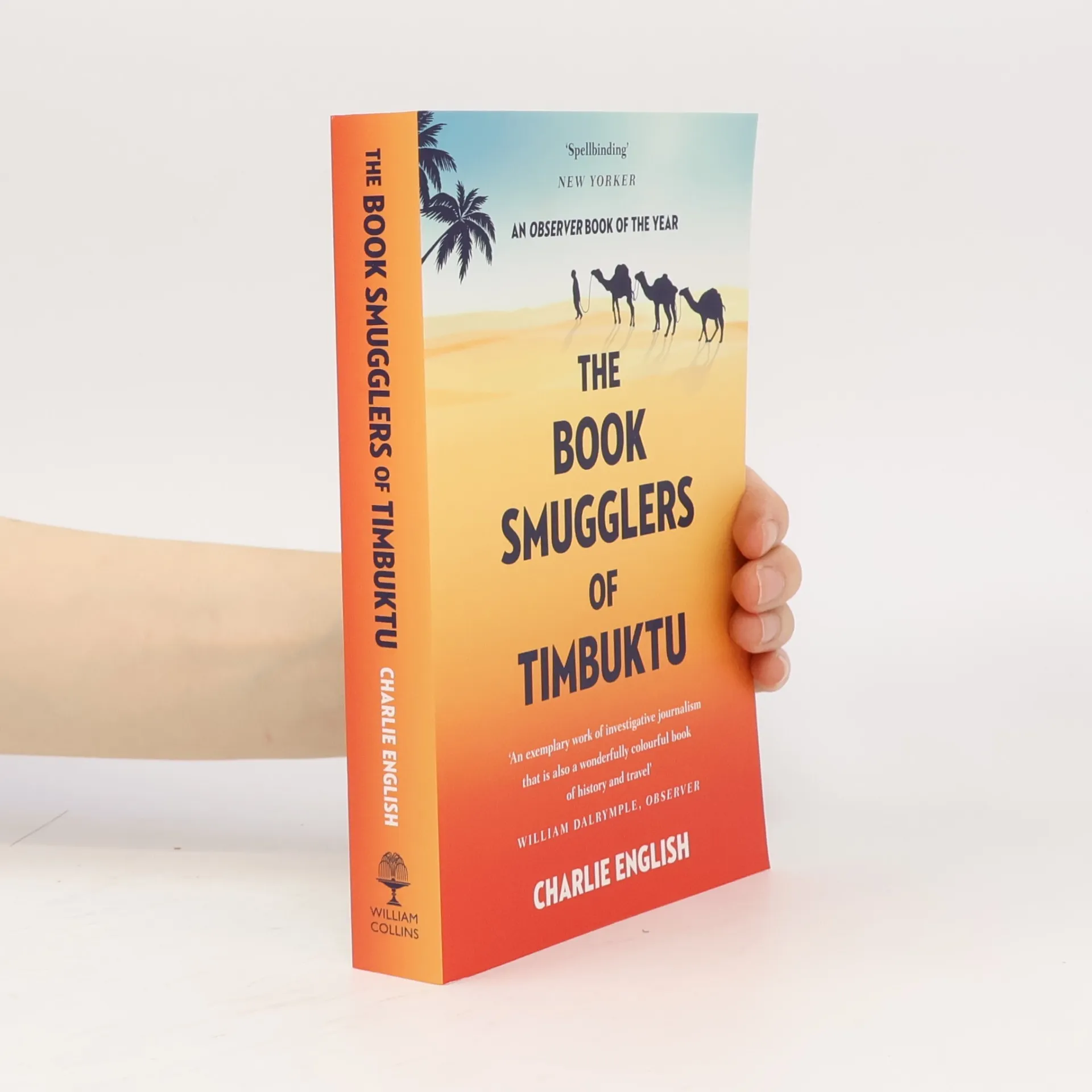
»Ein Meisterwerk des investigativen Journalismus. Ein kluges, fesselndes Buch!« The Guardian Timbuktu ist ein Mythos – einst so reich, dass angeblich sogar die Sklaven Goldschmuck trugen, verfügt die abgelegene Stadt am Niger über einen ganz besonderen Schatz: eine der größten Bibliotheken mittelalterlicher Schriften. Als im Jahr 2012 die Stadt in die Hände von Islamisten fällt, droht die Vernichtung der Bücher. Doch eine Gruppe von Bibliothekaren und Archivaren schmuggelt die Bücher unter Lebensgefahr aus der Stadt. Eine große, meisterhafte Reportage über Menschen, die sich mutig der Vernichtung eines Wissensschatzes und Erbes der Menschheit entgegenstellen – und eine Zeitreise zu einer sagenumwobenen Stadt.
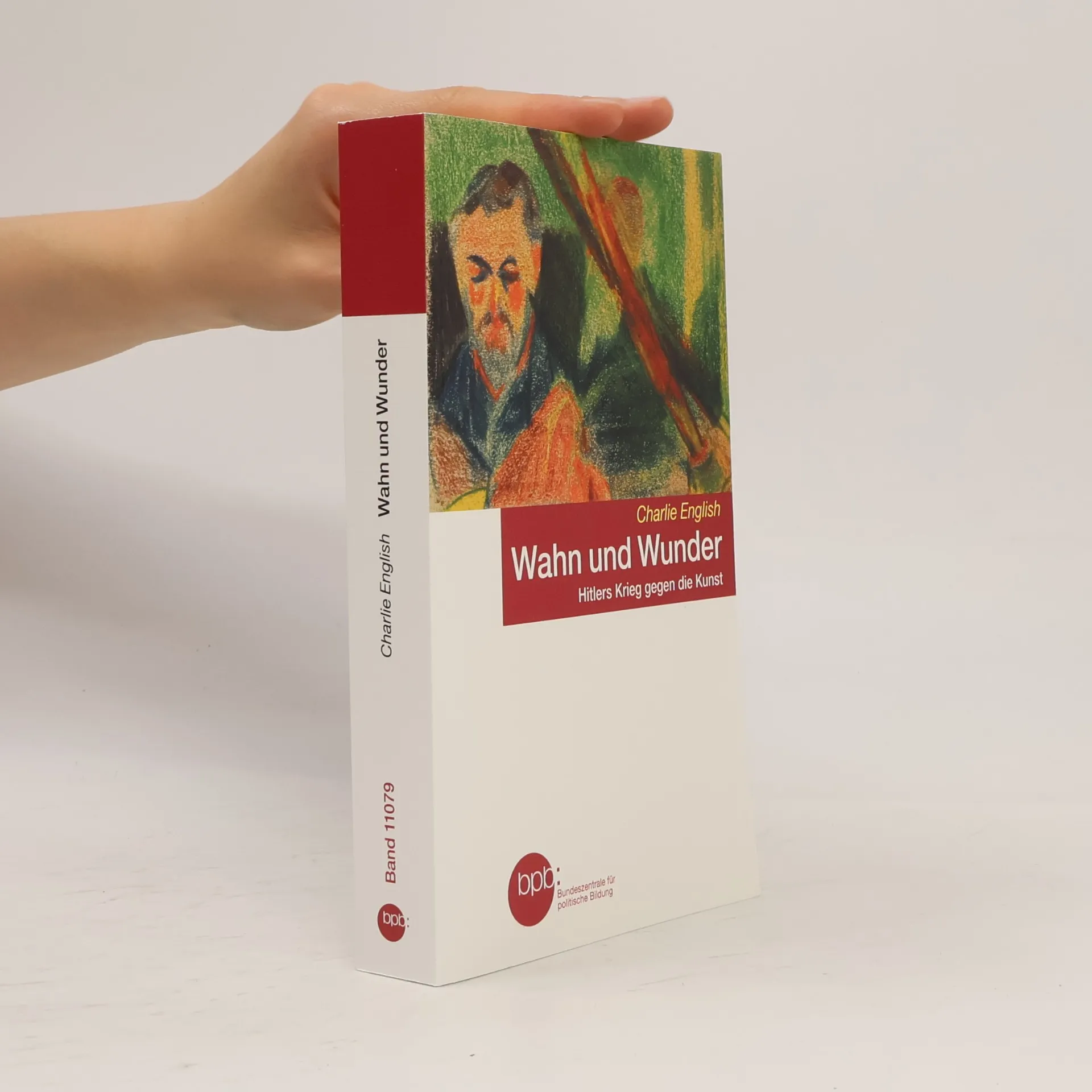
An einem klaren Wintertag 1898 springt Franz Karl Bühler in einen Hamburger Kanal, um seinen inneren Dämonen zu entfliehen. Er wird gerettet und wird als mit Schizophrenie diagnostizierter Maler der Sammlung Prinzhorn bekannt, die Werke von Psychiatriepatienten umfasst und eine neue Generation von Künstlern wie Paul Klee und Salvador Dalí inspiriert. Nach seiner Machtergreifung erklärt Hitler, der sich selbst als verkannten Künstler sieht, der modernen Kunst den Krieg. Die Nazis veranstalten massive Ausstellungen „Entarteter Kunst“ und beschlagnahmen sowie zerstören bedeutende Sammlungen in Deutschland. Für Hitler symbolisieren sowohl psychisch Kranke wie Bühler als auch die moderne Kunst die „Entartung“ der Gesellschaft, was zu ihrer systematischen Vernichtung führt und das erste Massenmordprogramm, die Aktion T4, einleitet. Charlie English erzählt eindrucksvoll von den Lebensgeschichten dieser Zeit und zeigt, dass der Wahnsinn außerhalb der Klinikmauern oft größer ist als innerhalb. Gleichzeitig wird ein Kapitel der Kunstgeschichte neu geschrieben. Die Rezensionen loben das Buch als fesselnd, tragisch und erschreckend, wobei die Themen sowohl spannend als auch thematisch mitreißend sind.