


Joseph Siracusa is a distinguished professor whose expertise centers on human security and international diplomacy. His extensive work delves into the complexities of international relations, examining the dynamics of nuclear deterrence and the historical context of the Cold War. Siracusa offers profound insights into the intricate strategic and security issues that shape our world.
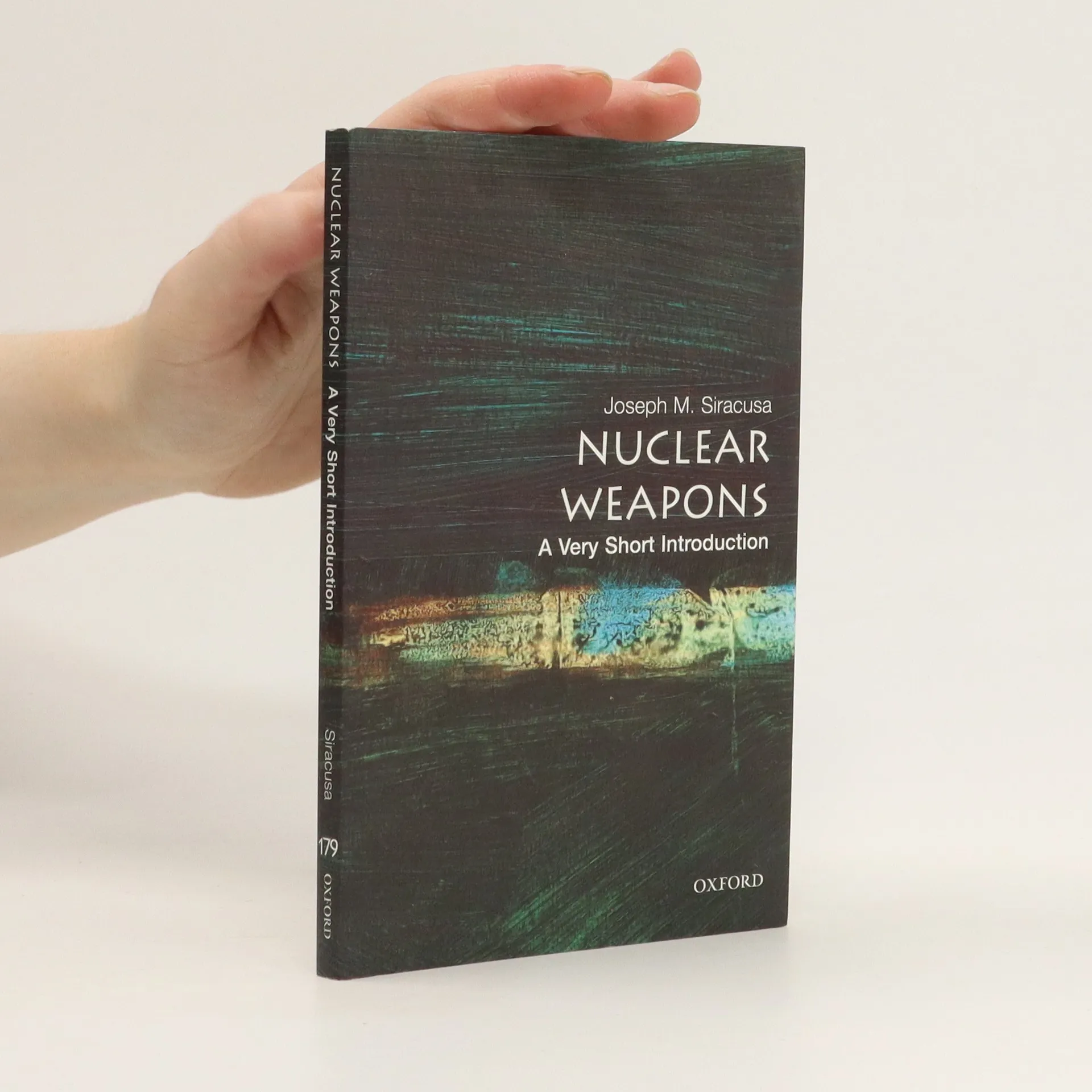
Nuclear Weapons are the most deadly weapon ever invented. This Very Short
Introduction discusses the history and politics of nuclear weapons since their
development in the 1940s. It describes the successes and failures of treaties
that have aimed for their control and reduction, and their impact on
international relations today.
Diplomatic history is the critical study of the management of relations
between nation-states. Based on significant historical case studies - the
American Revolution, the origins of the Great War and its aftermath,
Versailles, the Iraq War, and diplomacy in the age of globalization - this
book locates the universal role of diplomatic negotiation.
From the Publisher: Despite not having been used in anger since Hiroshima and Nagasaki, nuclear weapons are still the biggest threat that faces us in the 21st century. Indeed, for all the effort to reduce nuclear stockpiles to zero and to keep other nations (such as Iran) from developing nuclear capability, it seems that the Bomb is here to stay. In this gripping Very Short Introduction, Joseph M. Siracusa, an internationally respected authority on nuclear arms, provides a comprehensive, accessible, and at times chilling overview of the most deadly weapon ever invented. Siracusa explains the history of the arms race and the politics of the bomb, ranging from the technology of nuclear weapons, to the revolutionary implications of the H-bomb and the politics of nuclear deterrence. The issues are set against a backdrop of the changing international landscape, from the early days of development, through the Cold War, to the present-day controversy over George W. Bush's National Missile Defense, and the role of nuclear weapons in an Age of Terror. Providing an accessible and eye-opening backdrop to one of the most unsettling aspects of the modern world, this compact introduction is must reading
Diplomacy means different things to different people, the definitions ranging from the elegant ("the management of relations between independent states by the process of negotiations") to the jocular ("the art of saying 'nice doggie' until you can find a rock"). Written by Joseph M. Siracusa, an internationally recognized expert, this lively volume introduces the subject of diplomacy from a historical perspective, providing examples from significant historical phases and episodes to illustrate the art of diplomacy in action, highlighting the milestones in its evolution. The book shows that, like war, diplomacy has been around a very long time, at least since the Bronze Age. It was primitive by today's standards, there were few rules, but it was a recognizable form of diplomacy. Since then, diplomacy has evolved greatly, to the extent that the major events of modern international diplomacy have dramatically shaped the world in which we live. Indeed, the case studies chosen here demonstrate that diplomacy was and remains a key element of statecraft, and that without skilful diplomacy political success may remain elusive.
U.S. National Security from George Washington to Joe Biden
328 pages
12 hours of reading
The book provides a thorough examination of US presidential doctrines from George Washington through the early Biden administration. It highlights the evolution of foreign policy and illustrates how contemporary challenges are rooted in longstanding issues. Authors Warren and Siracusa analyze significant doctrines, offering insights into the continuity of American foreign policy dilemmas over time.
Focusing on U.S. presidential foreign policy during the Cold War, this book examines the evolution of nuclear diplomacy amidst fluctuating tensions. It highlights key moments from the arms race to pivotal treaties like the INF and START, illustrating how lessons learned are being forgotten in today's geopolitical climate. The analysis spans nine chapters, revealing how strategic thought and arms control mechanisms were crucial in mitigating the threat of nuclear conflict and fostering better bilateral relations. This work is essential for scholars of American foreign policy and international relations.