
Tim Heath's work delves into the air war of the Second World War, with a particular focus on the German Luftwaffe. Extensive research, including close collaboration with the German War Graves Commission and interactions with German families and veterans, informs his writing. He brings a unique perspective by exploring lesser-known facets of history, weaving together personal narratives with broader historical events. His approach is grounded in a deep understanding of the historical context and the human stories within it.
Important slice of West Germany's social history during a transitionary
period, and how the division of East from West shaped the traditional
attitudes of German youth post-Second World War.
From the first jungle forays, through the defeats, the victories, the war
crimes and the final elements of the war in the jungle which led to ultimate
victory over the Japanese, this volume is a unique attempt at telling the
story from a fresh perspective, from all sides of the conflict.
The book delves into the horrific human medical and military experimentation conducted by Nazi Germany and Imperial Japan during World War II, driven by their obsessions with race and eugenics. It examines the grim realities faced by victims, including concentration camp inmates and prisoners of war, subjected to extreme abuses without anesthesia. The narrative questions the motivations behind these experiments, the lack of accountability for Japanese physicians, and the potential benefits gained by Allied powers from the data collected. It combines testimonies from both perpetrators and victims to highlight humanity's capacity for cruelty.
Examines the lives of those who lived in East and West Prussia under the Third
Reich era, their role in Germany's aspirations for world domination, those who
survived the Soviet massacres that took place in the region and those who
survived the greatest maritime disaster in history.
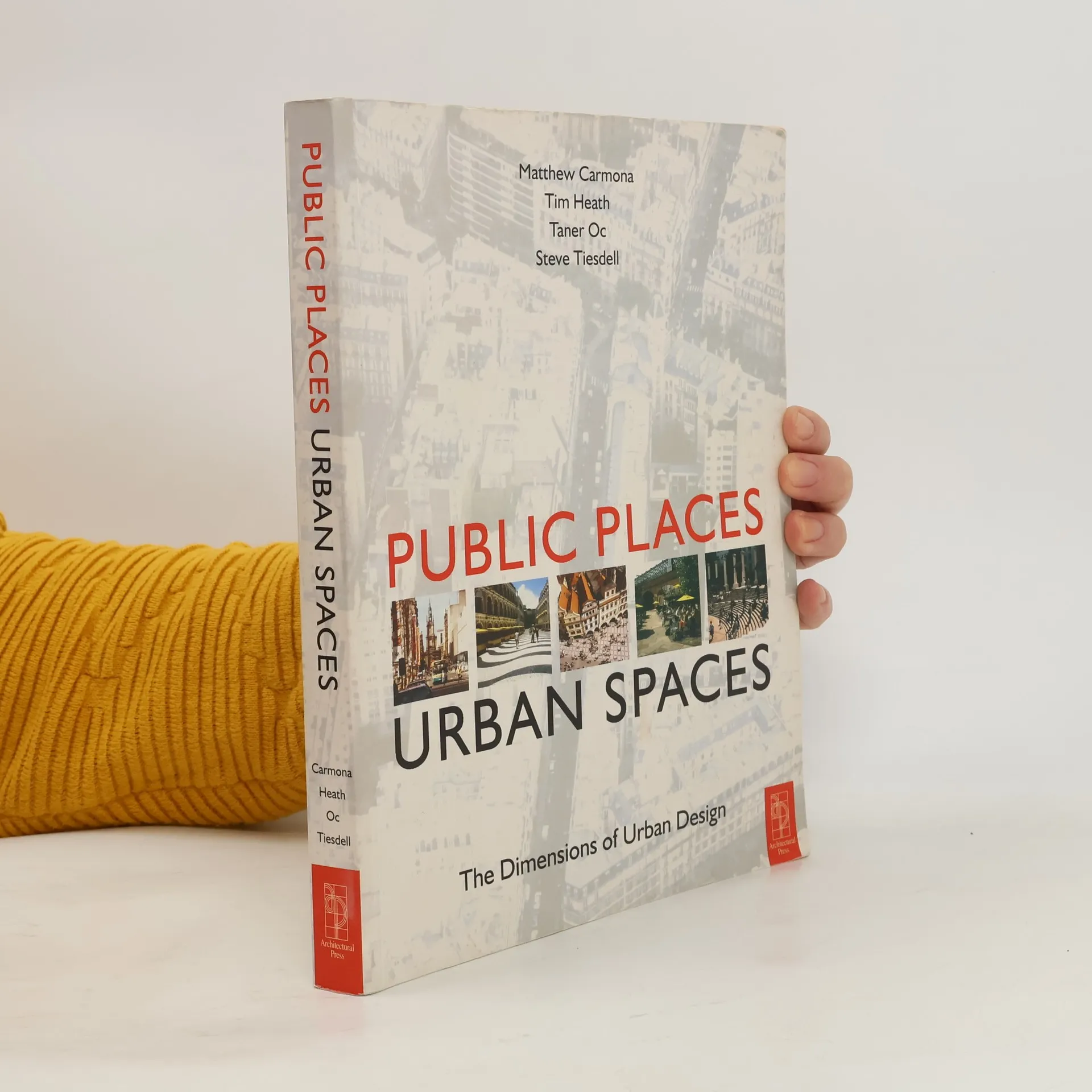
Public Places - Urban Spaces is a holistic guide to the many complex and interacting dimensions of urban design.The discussion moves systematically through ideas, theories, research and the practice of urban design from an unrivalled range of sources. It aids the reader by gradually building the concepts one upon the other towards a total view of the subject.The author team explain the catalysts of change and renewal, and explore the global and local contexts and processes within which urban design operates. The book presents six key dimensions of urban design theory and practice - the social, visual, functional, temporal, morphological and perceptual - allowing it to be dipped into for specific information, or read from cover to cover. This is a clear and accessible text that provides a comprehensive discussion of this complex subject.* Learn all you need to know about design of urban spaces from this one-stop introductory guide*Gain a comprehensive overview of the topic through the authors' holistic approach*Complex ideas are presented logically for ease of understanding
From camp guards to combatants and typists to telephone operators, Tim Heath
shines a light on the experience and activities of women embroiled in the
Third Reich. How did the supposedly gentle, submissive Haus Frau became
entangled in the horror of the Nazi system?.
The book explores the significant role women played in Adolf Hitler's rise to power during the 1932 election, revealing how they were drawn to the Nazi Party amidst the chaos of post-World War I Germany. It examines the societal conditions that led to a false sense of utopia, as women sought stability in a tumultuous political landscape marked by violence and uncertainty. The narrative highlights the complex motivations behind their support for Hitler, shedding light on a pivotal yet often overlooked aspect of this historical period.